



Destination Guide
Xai-Xai: A Coastal Retreat
Relax on the beaches and explore the reefs of Xai-Xai.
View More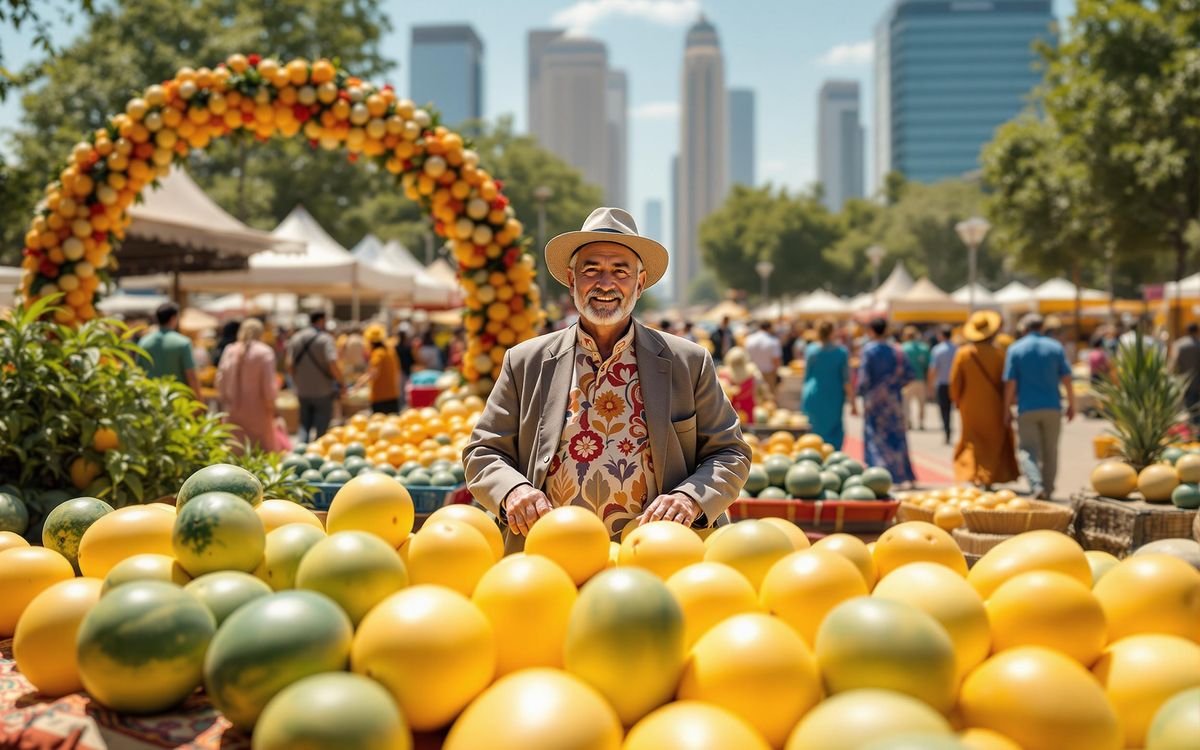

Turkmenistan's Melon Day is a vibrant celebration of the country's agricultural heritage, a tribute to the sun-kissed fruit that has become a symbol of national pride. Join us as we delve into the heart of this unique festival, exploring the cultural significance, time-honored traditions, and mouthwatering delights that make Turkmen Melon Day an unforgettable experience.
Each year, as the second Sunday of August approaches, anticipation builds for Gawun Bayramy, or Melon Day, a holiday dedicated to the country's prized muskmelons. More than just a fruit festival, it's a reflection of national identity, agricultural pride, and cultural heritage.

The capital city of Ashgabat transforms into a vibrant hub of activity during Turkmen Melon Day. The air is filled with music, dance, and the sweet aroma of ripe melons. The festivities, always held on the second Sunday of August, showcase the incredible diversity of melons grown in Turkmenistan. It is scheduled for August 10th in 2025. The city's parks and public squares come alive with concerts and performances, creating a joyous atmosphere for locals and visitors alike.
Imagine strolling through the heart of Ashgabat, where displays of every imaginable melon variety dazzle the eye. From the enormous Myhmansovar, some weighing up to 25 kilograms, to the smaller, golf ball-sized melons, the sheer variety is astounding. The air buzzes with excitement as families gather to admire the displays, sample the sweet offerings, and enjoy the colorful cultural performances.
The festival is a feast for the senses. Traditional Turkmen music fills the air, its rhythmic melodies intertwining with the laughter and chatter of the crowds. Dancers in vibrant costumes twirl and leap, their movements echoing the joy and abundance of the melon harvest. The visual spectacle is completed by the intricate displays of melons, each one a testament to the skill and dedication of Turkmen farmers.
Local Tips: To truly experience Turkmen Melon Day, arrive early to avoid the crowds and take your time exploring the various displays. Don't be afraid to sample the different melon varieties – each one has a unique flavor and texture. Engage with the local farmers and learn about their cultivation methods. And be sure to stay for the evening concerts, where you can immerse yourself in Turkmen music and dance.
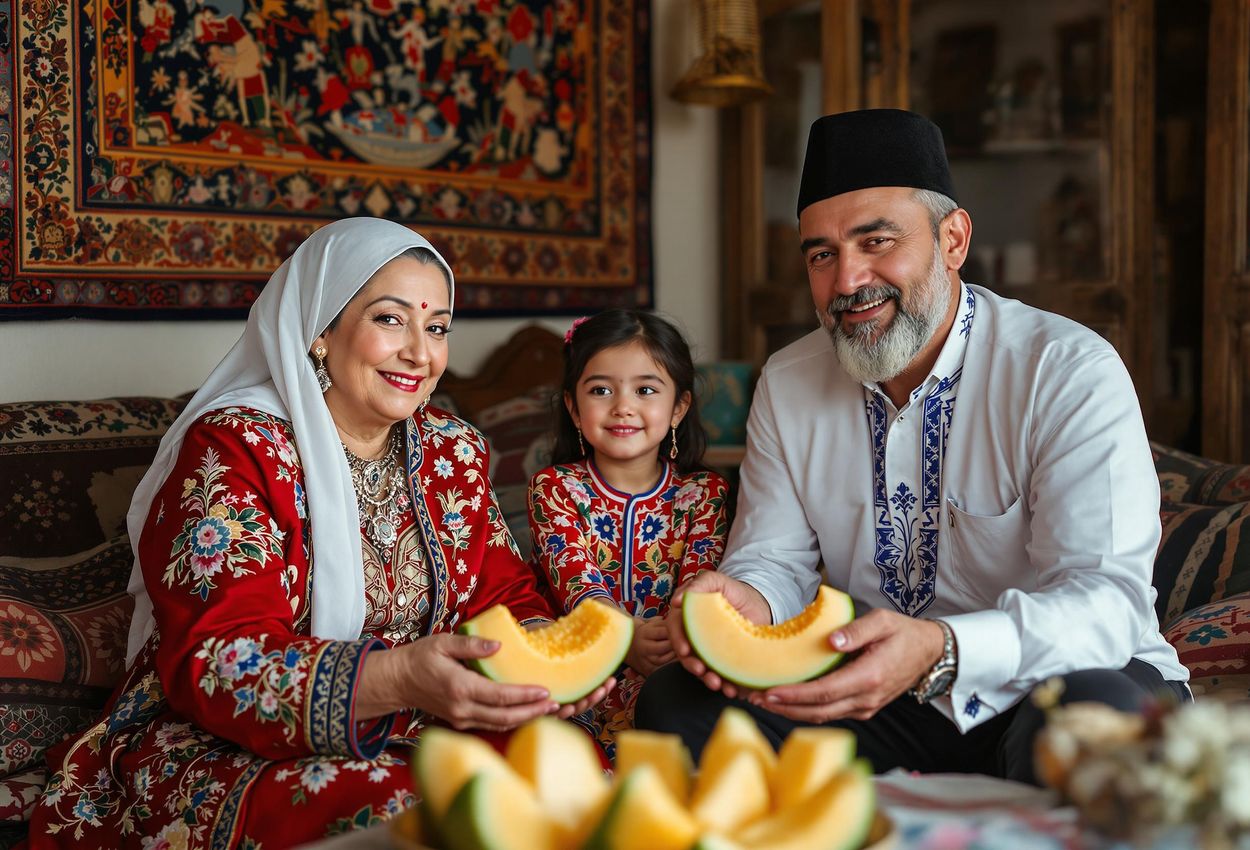
In Turkmenistan, the melon transcends its role as a mere fruit; it is a symbol of national pride, agricultural heritage, and the renowned Turkmen hospitality. For centuries, melons have been an integral part of Turkmen culture, deeply woven into the fabric of daily life. The country cultivates approximately 400 varieties of melons, each with its own unique characteristics.
Offering a slice of melon to guests is a cherished tradition, a gesture of warmth and welcome that embodies the spirit of Turkmen hospitality. The sweetness of the melon is seen as a reflection of the host's generosity and goodwill. This tradition speaks to the deep respect and appreciation that Turkmens hold for this remarkable fruit.
The historical significance of melons in Turkmenistan is well-documented. The medieval Arab traveler Ibn Battuta praised Turkmen melons for their exquisite taste and quality. His accounts, along with those of other historical figures, attest to the long-standing tradition of melon cultivation in the region. The arid climate and fertile soil of Turkmenistan provide ideal conditions for growing exceptionally sweet and aromatic melons, contributing to their esteemed reputation.
Hidden Gem: Seek out local artisans who create traditional crafts inspired by melons. From intricately carved wooden bowls to hand-painted ceramics, these unique souvenirs offer a tangible reminder of Turkmen Melon Day and the country's rich cultural heritage.

Among the hundreds of melon varieties grown in Turkmenistan, the Vakharman and Guliabi stand out as true stars. These popular varieties are celebrated for their exceptional taste, unique appearance, and historical significance.
The Vakharman melon, with its distinctive aroma and honey-sweet flavor, is a favorite among locals. Its smooth, golden rind gives way to a succulent, juicy flesh that melts in your mouth. The Guliabi, on the other hand, is known for its firm texture and refreshing taste. Its vibrant green rind and crisp, white flesh make it a visually appealing and palate-pleasing treat.
Each of these melon varieties has its own unique regional variations and cultivation methods. Farmers in different parts of Turkmenistan have perfected their techniques over generations, resulting in subtle differences in taste and appearance. These regional nuances add to the rich tapestry of Turkmen melon culture.
The Guliabi melon can be stored for 3-4 months, and its flesh becomes sweeter the longer it is stored.
Local Tip: Explore the regional markets to discover the diverse range of Vakharman and Guliabi melons. Engage with local farmers to learn about their unique cultivation methods and the secrets to growing the perfect melon.

Turkmen Melon Day is not only a celebration of the fruit itself but also a tribute to the hardworking farmers who dedicate their lives to cultivating these sweet treasures. The festival includes a tradition of awarding the best melon growers, recognizing their skill, dedication, and contributions to the country's agricultural success.
The President of Turkmenistan plays a key role in these awards, personally recognizing the achievements of outstanding farmers. The prestigious contest for the 'Golden Melon of the Golden Age' is a highlight of the festival, showcasing the exceptional quality and innovation of Turkmen melon growers.
These awards serve as a powerful incentive for farmers to continue improving their cultivation methods and developing new melon varieties. The festival promotes local farming innovations, encouraging the exchange of knowledge and best practices among farmers. This focus on innovation ensures the continued growth and success of Turkmenistan's melon industry.
Hidden Gem: Seek out opportunities to visit local melon farms and witness firsthand the dedication and expertise of Turkmen farmers. These visits offer a unique glimpse into the world of melon cultivation and the passion that drives these agricultural artisans.
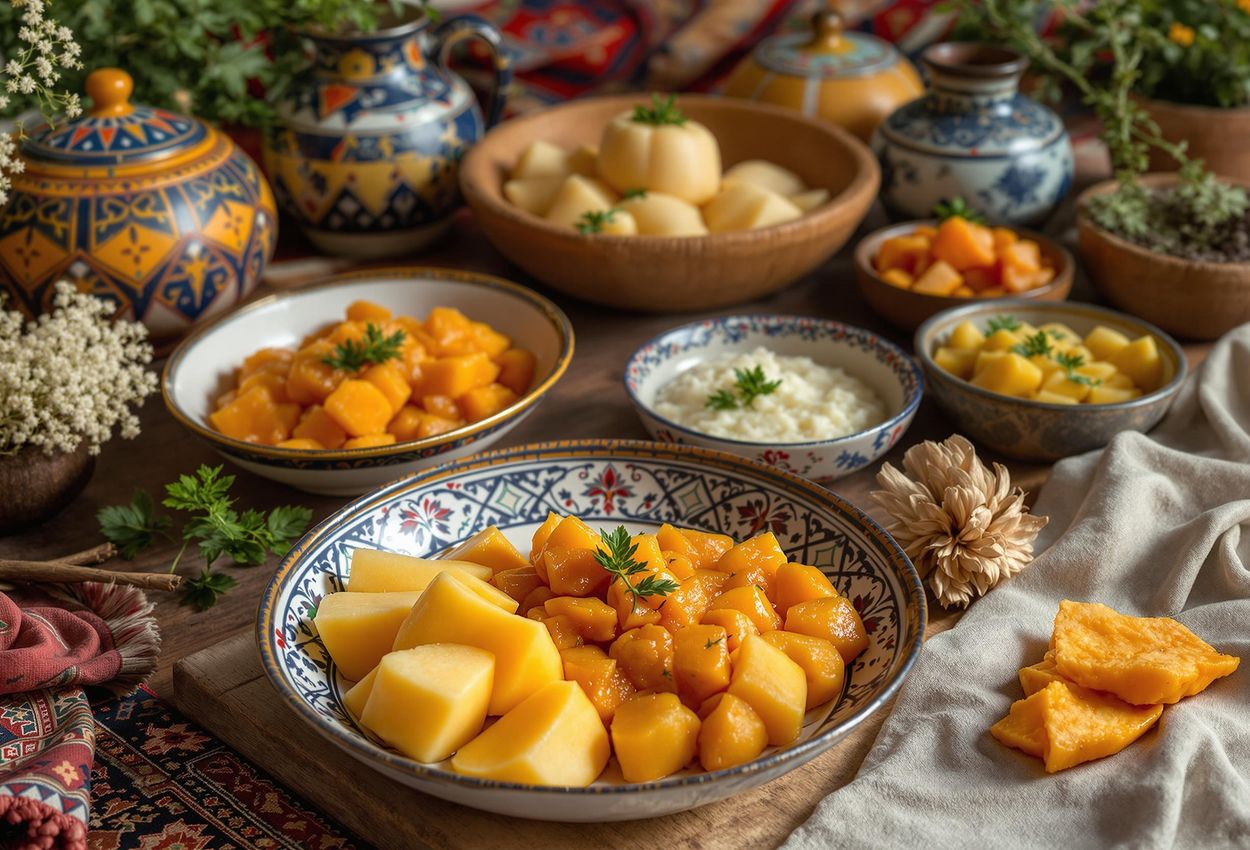
No celebration of Turkmen melons would be complete without indulging in the culinary delights that showcase the fruit's versatility. Melon Day is a time to savor traditional Turkmen dishes and treats made from melons, each one a testament to the country's rich culinary heritage.
Traditional Turkmen delights such as 'syok', 'toshap', 'ijan', and 'gavun kak' offer a unique glimpse into the creative ways that melons are used in Turkmen cuisine. 'Syok' is a thick honey syrup boiled from the melon pulp, while 'toshap' is a condensed melon juice used as a sweetener. 'Ijan' is a sweet melon preserve, and 'gavun kak' is dried melon, often woven into bundles.
The unique flavors and textures of these dishes highlight the versatility of melons in Turkmen cuisine. From sweet desserts to savory accompaniments, melons add a distinctive touch to a wide range of culinary creations. The festival provides an opportunity to sample these traditional dishes and discover the many ways that melons are used to create unforgettable culinary experiences.
Local Tip: Venture beyond the festival grounds and explore local restaurants to discover the full range of melon-based dishes. Don't miss the opportunity to try traditional Turkmen sweets made with melons, such as melon jam or dried melon candies.
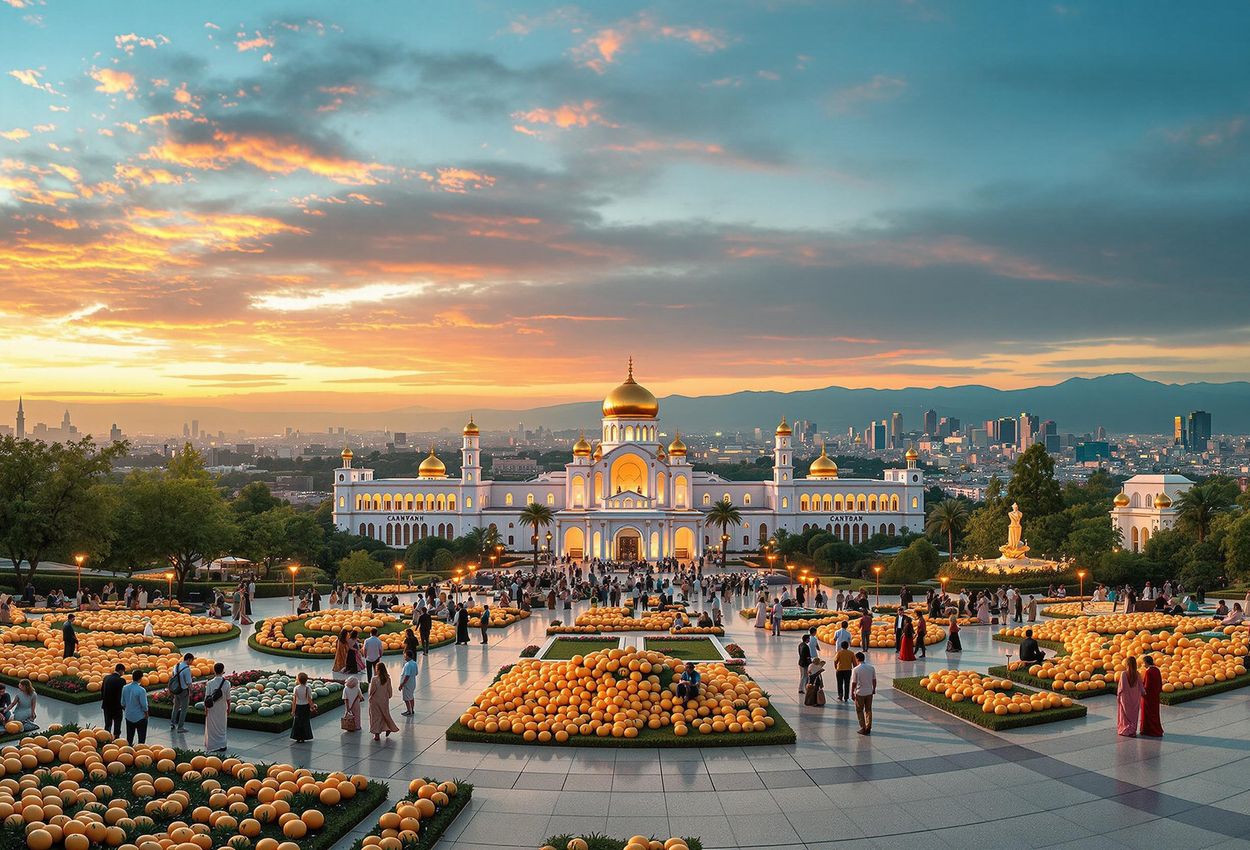
Turkmen Melon Day is more than just a celebration; it's an immersion into the heart of Turkmen culture. It's a chance to witness the pride and passion that Turkmens have for their melons, to taste the sweetness of their hospitality, and to experience the richness of their traditions. As the sun sets over Ashgabat on Melon Day, the memories of this vibrant festival will linger long after the last melon has been savored.
Our editors` picks of the latest and greatest in travel - delivered to your inbox daily
Relax on the beaches and explore the reefs of Xai-Xai.
View More
Embrace the cooler temperatures and experience the International Festival of the Sahara in Douz this December.
View More
Celebrate the year-end festivities in Accra, culminating in the vibrant Afrofuture festival.
View More Albania EDITION
 Algeria EDITION
 Argentina EDITION
 Armenia EDITION
 Australia EDITION
 Austria EDITION
 Bangladesh EDITION
 Belgium EDITION
 Belize EDITION
 Benin EDITION
 Bhutan EDITION
 Bolivia EDITION
 Bosnia and Herzegovina EDITION
 Botswana EDITION
 Brazil EDITION
 Bulgaria EDITION
 Burkina Faso EDITION
 Cambodia EDITION
 Cameroon EDITION
 Canada EDITION
 Central African Republic EDITION
 Chad EDITION
 Chile EDITION
 China EDITION
 Colombia EDITION
 Costa Rica EDITION
 Croatia EDITION
 Cyprus EDITION
 Denmark EDITION
 Djibouti EDITION
 Ecuador EDITION
 Egypt EDITION
 El Salvador EDITION
 Eritrea EDITION
 Estonia EDITION
 Ethiopia EDITION
 Finland EDITION
 France EDITION
 Gabon EDITION
 Georgia EDITION
 Germany EDITION
 Ghana EDITION
 Greece EDITION
 Guatemala EDITION
 Guinea EDITION
 Guinea-Bissau EDITION
 Honduras EDITION
 Hungary EDITION
 Iceland EDITION
 India EDITION
 Indonesia EDITION
 Ireland EDITION
 Israel EDITION
 Italy EDITION
 Jamaica EDITION
 Japan EDITION
 Jordan EDITION
 Kenya EDITION
 Kuwait EDITION
 Laos EDITION
 Latvia EDITION
 Lebanon EDITION
 Lesotho EDITION
 Liberia EDITION
 Lithuania EDITION
 Luxembourg EDITION
 Madagascar EDITION
 Malawi EDITION
 Malaysia EDITION
 Maldives EDITION
 Mali EDITION
 Malta EDITION
 Mauritania EDITION
 Mauritius EDITION
 Mexico EDITION
 Mongolia EDITION
 Montenegro EDITION
 Morocco EDITION
 Mozambique EDITION
 Namibia EDITION
 Nepal EDITION
 Netherlands EDITION
 New Zealand EDITION
 Nicaragua EDITION
 Niger EDITION
 Nigeria EDITION
 Norway EDITION
 Oman EDITION
 Pakistan EDITION
 Panama EDITION
 Papua New Guinea EDITION
 Paraguay EDITION
 Peru EDITION
 Philippines EDITION
 Poland EDITION
 Portugal EDITION
 Qatar EDITION
 Romania EDITION
 Rwanda EDITION
 Saudi Arabia EDITION
 Senegal EDITION
 Serbia EDITION
 Singapore EDITION
 Slovakia EDITION
 Slovenia EDITION
 Somalia EDITION
 South Africa EDITION
 South Korea EDITION
 Spain EDITION
 Sri Lanka EDITION
 Suriname EDITION
 Sweden EDITION
 Switzerland EDITION
 Tanzania EDITION
 Thailand EDITION
 Tunisia EDITION
 Uganda EDITION
 United Arab Emirates EDITION
 United Kingdom EDITION
 Uruguay EDITION
 Venezuela EDITION
 Vietnam EDITION
 Zambia EDITION
 Zimbabwe EDITION
Subscribe to our newsletter and get the most captivating travel stories, hidden gems, and expert insights delivered straight to your inbox. As a subscriber, you’ll be first in line for exclusive content, premium offers, and unforgettable travel experiences