


Destination Guide
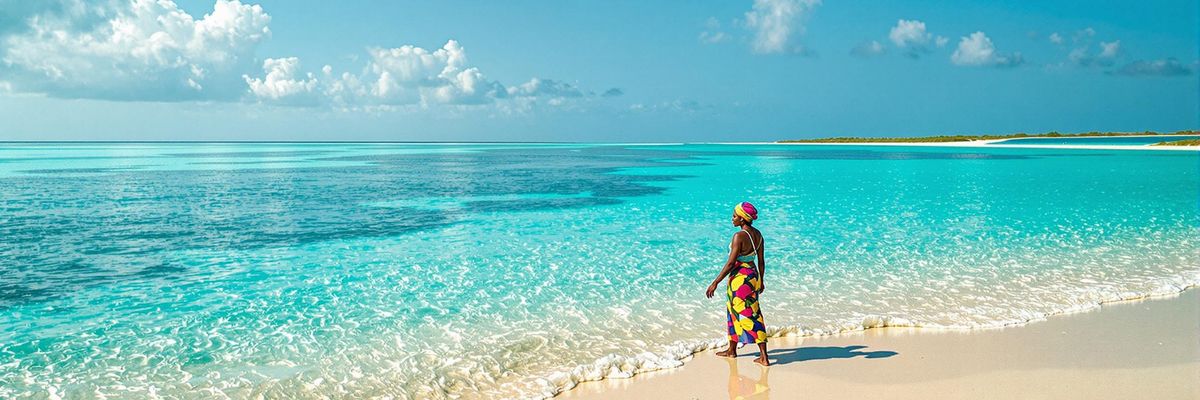
Xai-Xai: A Coastal Retreat
Relax on the beaches and explore the reefs of Xai-Xai.
View More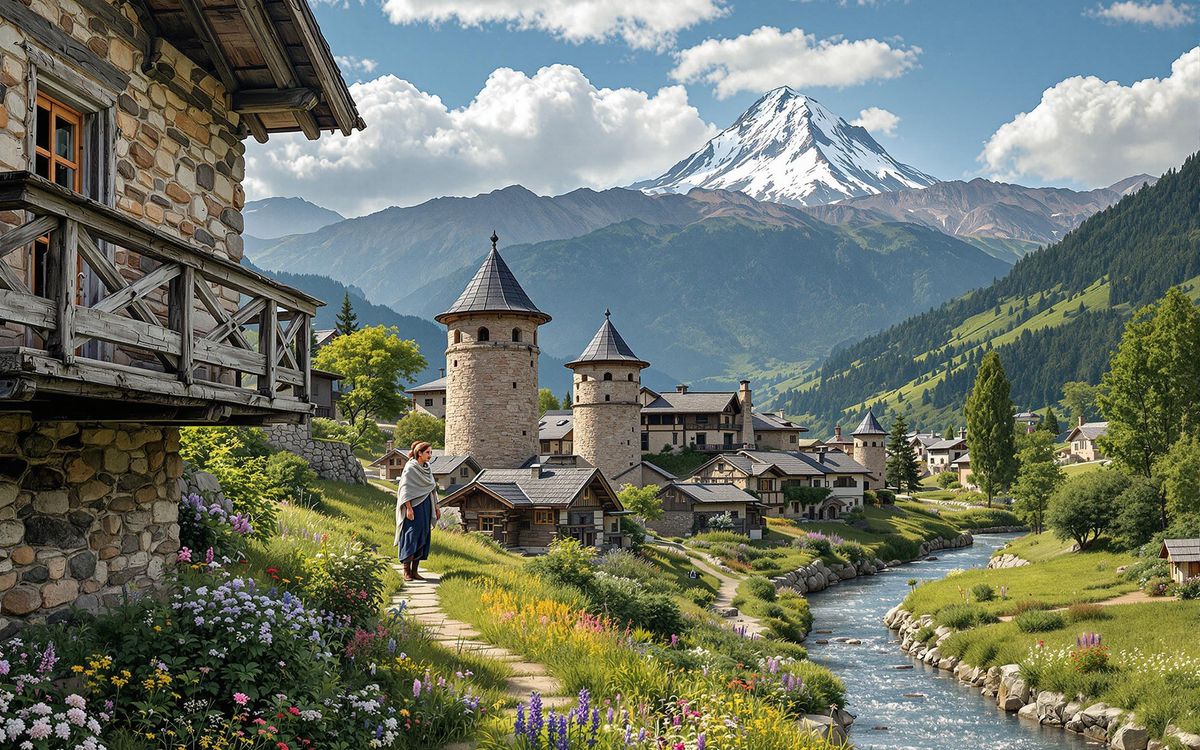

Venture into the heart of the Caucasus Mountains and discover Ushguli, a place where time seems to stand still and ancient traditions thrive amidst breathtaking alpine scenery.
This remote village, one of the highest continuously inhabited settlements in Europe, offers a unique glimpse into a world untouched by modernity, where the spirit of the Svan people endures against the backdrop of towering peaks and dramatic landscapes.
Nestled at an altitude of 2,100 meters (6,900 ft) near the foot of Shkhara, one of the highest summits of the Greater Caucasus mountains, Ushguli exudes an aura of unmatched remoteness. The crisp mountain air fills your lungs as you gaze upon the panoramic views, a symphony of snow-capped peaks, verdant valleys, and the timeless architecture of the village itself. It's a place where you truly feel on top of the world, far removed from the hustle and bustle of modern life.
Ushguli isn't just one village, but a community of five smaller villages: Zhibiani, Chvibiani, Chazhashi, Murkmeli, and Davberi. These villages, scattered across the landscape, blend seamlessly into their surroundings, their stone houses and iconic Svan towers a testament to the enduring spirit of the Svan people. Approximately 200 hardy souls call Ushguli home, maintaining a way of life that has remained largely unchanged for centuries. The village has one school, a few cafes and shops and five different churches.
The sense of isolation is palpable, especially during the winter months when heavy snowfall can render the road to Mestia impassable for up to six months. Yet, this isolation has also served as a shield, preserving the unique cultural heritage of the region and fostering a strong sense of community among its inhabitants. Here, traditions are not relics of the past but a living, breathing part of everyday life.
As you wander through the villages, you'll encounter scenes that seem plucked from a medieval tapestry: women weaving intricate textiles, men tending to their livestock, and children playing amidst the ancient stone towers. The rhythm of life here is dictated by the seasons, a constant reminder of the power and beauty of the natural world.
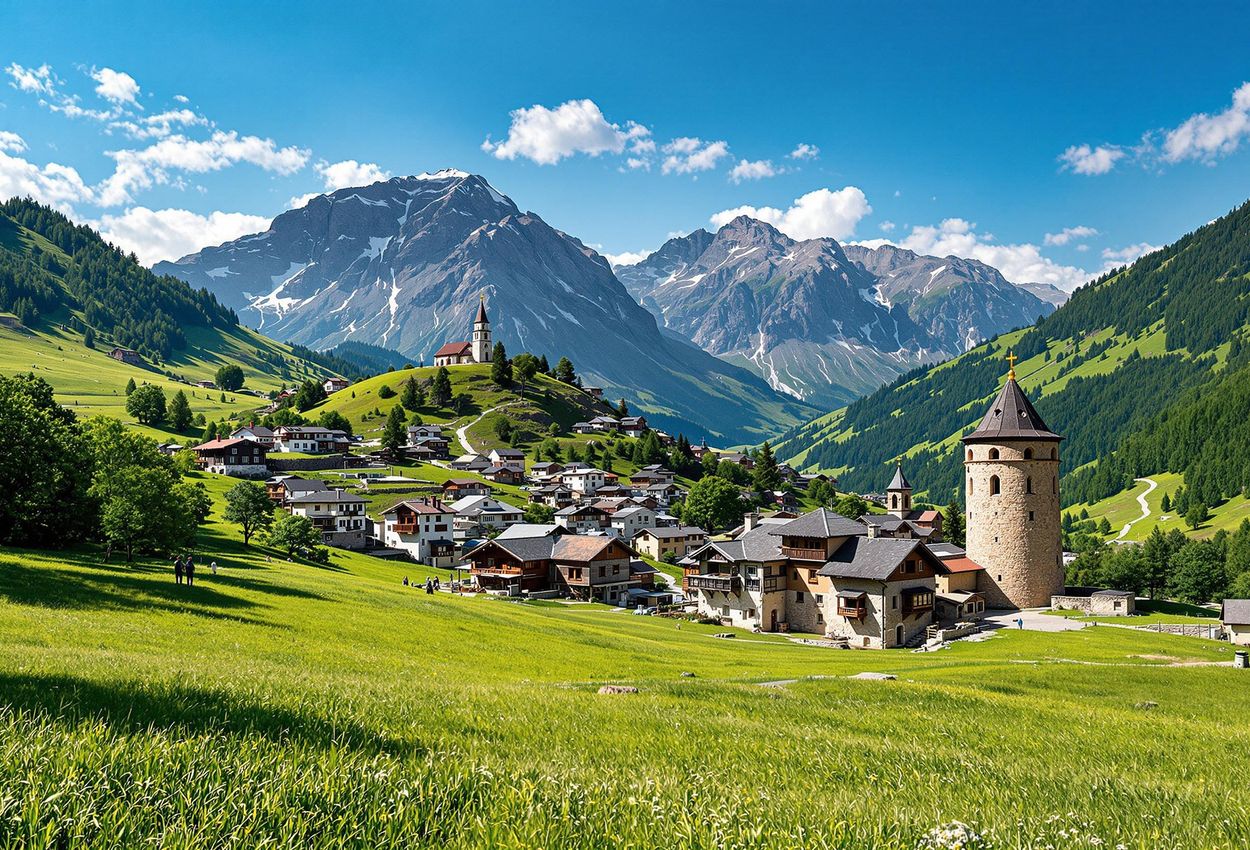
Perhaps the most iconic symbol of Ushguli and Svaneti are the Svan towers, the unique defensive tower houses that dot the landscape. These imposing structures, built between the 9th and 12th centuries, stand as silent witnesses to a turbulent past, a time when invaders and blood feuds threatened the very survival of the community.
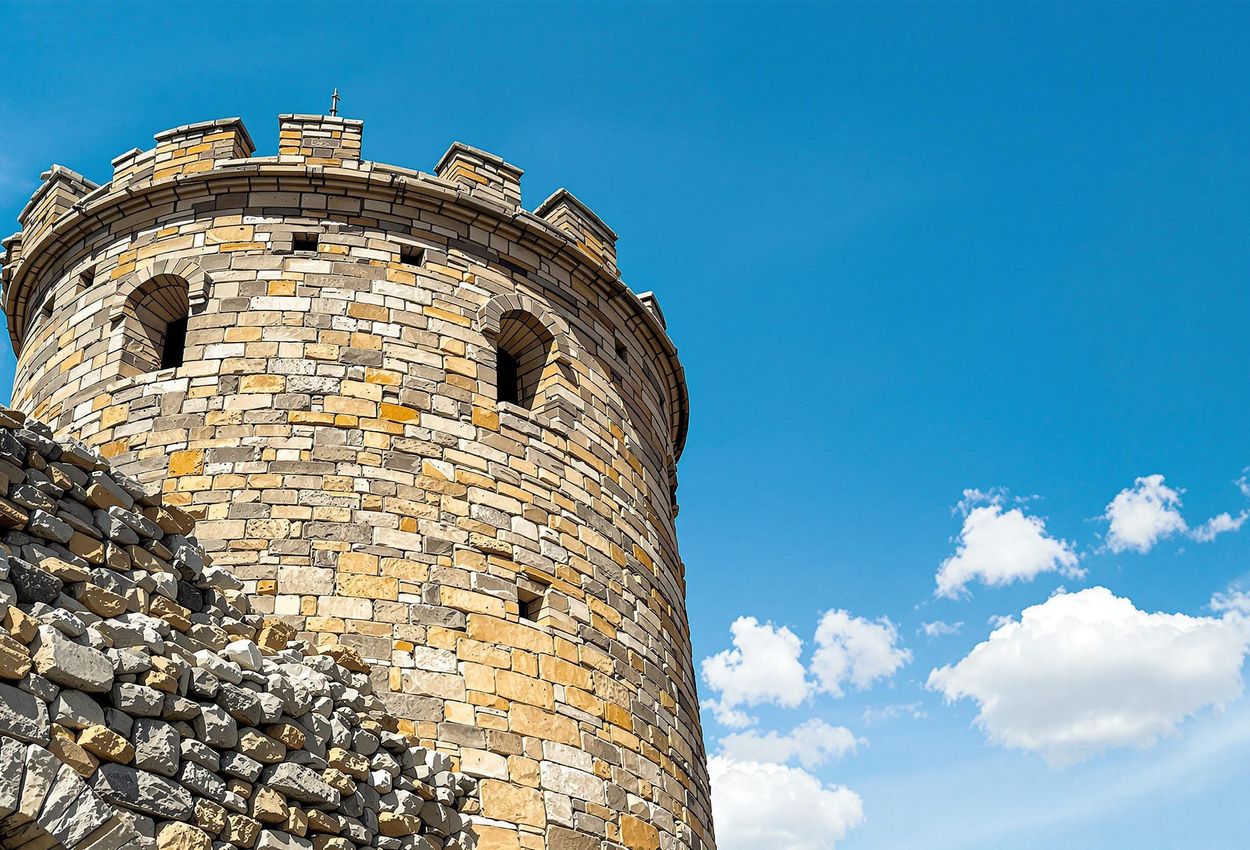
Originally, every family had its own tower, which served as a safe haven during attacks. The towers are typically 3-5 stories high, with a tapering profile and a defensive crown. Their thick stone walls and narrow windows provided protection against invaders, while their strategic location allowed residents to monitor the surrounding area. The towers are not only a means of protection but also a symbol of community unity and strength.
The village of Chazhashi boasts the largest concentration of Svan towers, with over 200 of these remarkable structures. Recognizing their historical and cultural significance, Chazhashi has been preserved as a Museum-Reserve, offering visitors a unique opportunity to step back in time and experience the atmosphere of a medieval Svan village. The village of Chazha holds the status of UNESCO World Heritage.
Climbing one of these towers offers a breathtaking panorama of the surrounding landscape, a bird's-eye view of the villages, the Enguri River gorge, and the towering peaks of the Caucasus. It's a perspective that truly captures the essence of Ushguli, a place where history and nature intertwine in perfect harmony.
Hidden Gem: Local belief holds that the towers are not just defensive structures but also symbols of community unity and strength. Each tower represents a family, and their collective presence reinforces the bonds that tie the community together. The height and diversity of the towers, and the rocky terrain, make Ushguli a single, impregnable fortress.
Perched on a hilltop overlooking the village of Zhibiani, with the majestic Mount Shkhara as its backdrop, the Lamaria Church (Church of the Mother of God) stands as a key cultural and historical monument in Ushguli. This ancient church, dating back to the 9th or 10th century, is renowned for its unique frescoes and distinctive architectural design.
The church's name, Lamaria, is connected to the goddess Lamaria, a female deity of motherhood and fertility in Svan mythology. Over time, the goddess Lamaria became associated with the Virgin Mary, creating a unique blend of pagan and Christian beliefs. The church is one of the most important monuments of Svaneti.
Stepping inside the Lamaria Church is like entering a time capsule. The interior walls are adorned with two layers of medieval frescoes, each offering a glimpse into the artistic styles of different eras. The earliest frescoes, dating back to the 10th century, are characterized by their bold colors and expressive figures. The later frescoes, added in the 12th and 13th centuries, showcase a more refined and detailed style. The frescoes are executed in a style characteristic of Svan painting, but the faces are particularly expressive.
Among the many captivating images, you'll find depictions of Christ Pantocrator, the Virgin Mary, and various saints, each rendered with a unique Svanetian flair. The frescoes of St George and St Theodore, both depicted as warriors on horseback, belong to this period. The apse paintings are from the 13th century. Also noteworthy are the scratched inscriptions on the walls, pleas for mercy etched by worshippers in ancient Georgian scripts.
The church is sparsely lit by two windows, one each in the apse and west wall. The apse is separated from the nave by an original three-arched stone iconostasis. The vault is divided into two equal parts by a supporting arch.

Reaching Ushguli is an adventure in itself, a testament to its remoteness and isolation. The journey, while challenging, is an integral part of the Ushguli experience, offering stunning views and a sense of accomplishment upon arrival.
There are two main routes to Ushguli: the established route via Mestia and Zugdidi, and the newer route via Lentekhi and Kutaisi. The road from Mestia to Ushguli normally takes 2 hours one way.
The most common option is to travel from Mestia, the regional capital of Svaneti. From Mestia, you can hire a marshrutka (minibus) or a private driver to take you to Ushguli. The road is unpaved and can be rough in places, but the scenery is well worth the bumpy ride. The road winds its way through the Enguri River gorge, passing through picturesque villages and offering breathtaking views of the surrounding mountains.
The alternative route, via Lentekhi, is a newer and less traveled option. This route involves driving over the Zagari Pass, a high mountain pass that offers stunning views of the surrounding landscape. However, this road is only open during the summer months, as it is often covered in snow during the winter.
Practical Tips for Travelers:
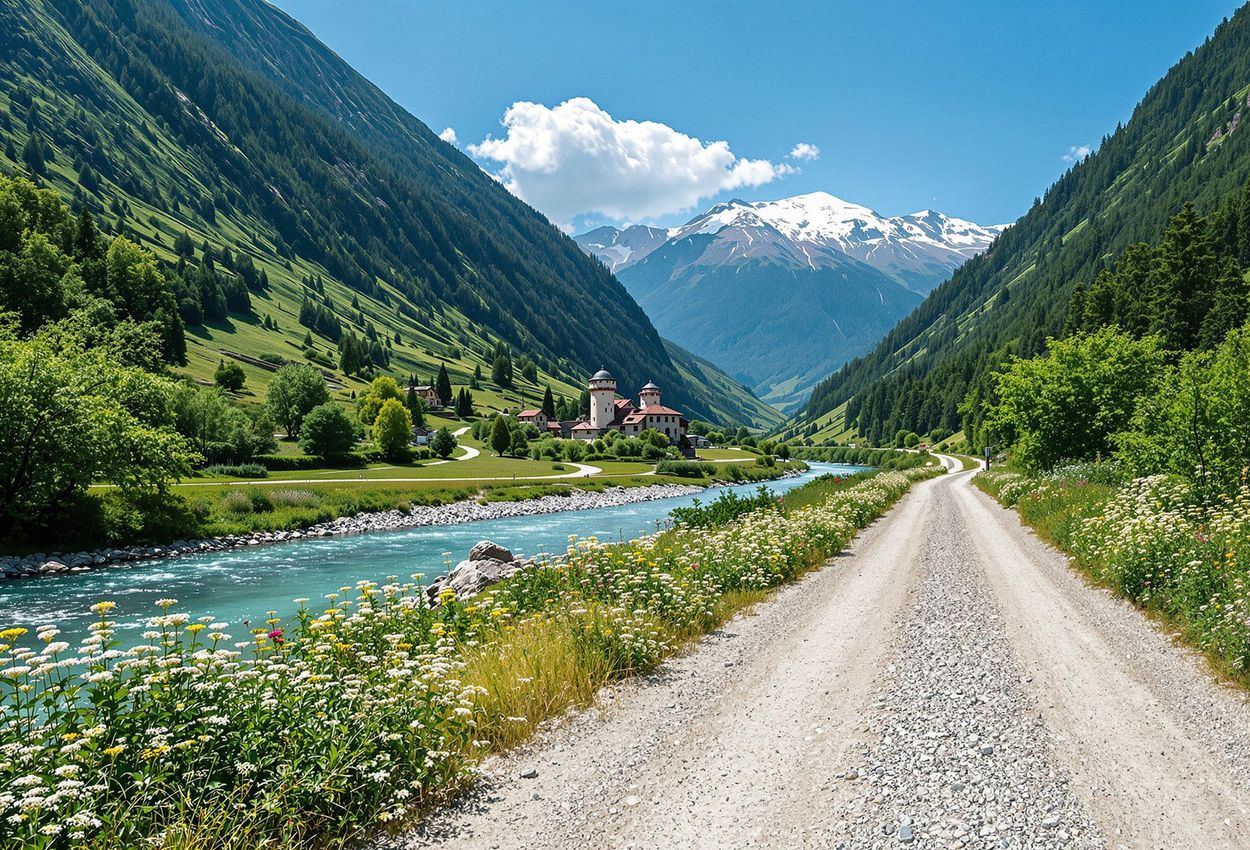
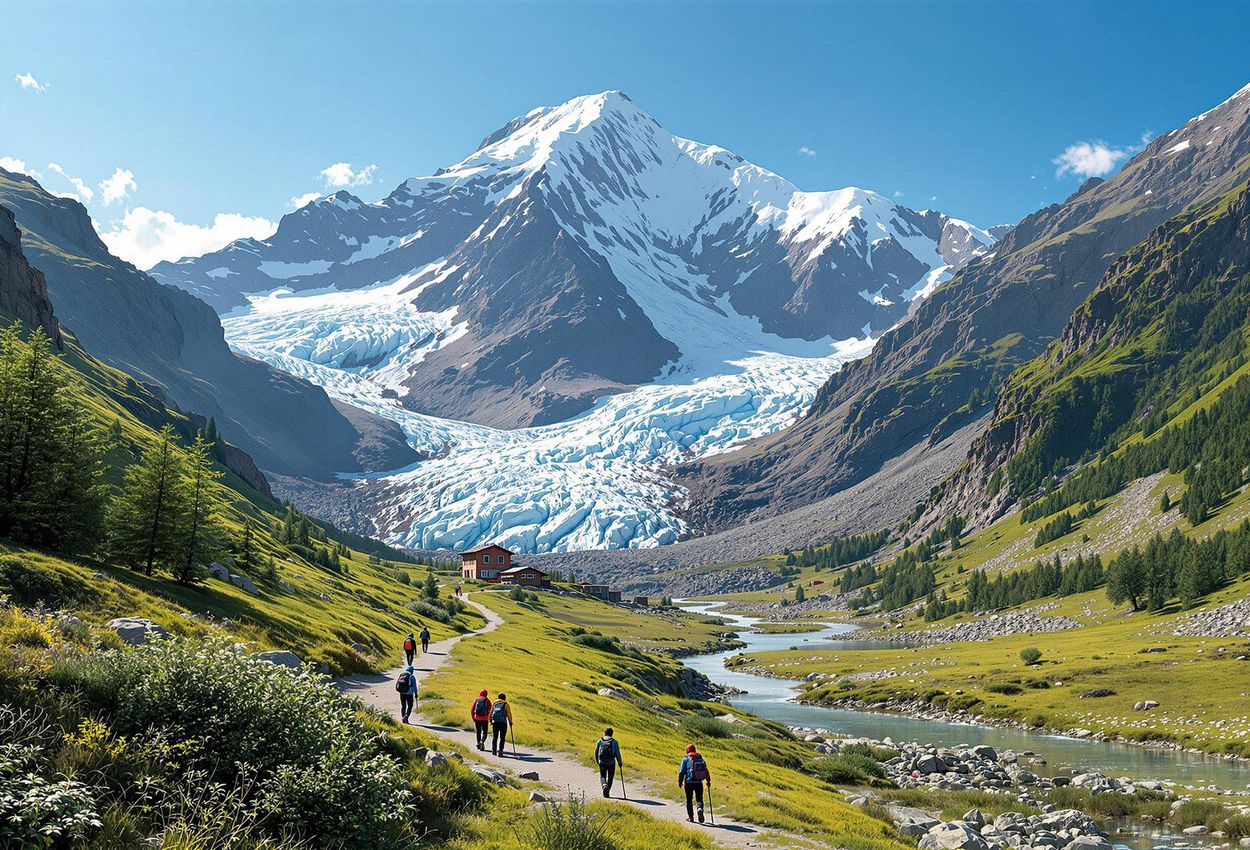
A visit to Ushguli is incomplete without embarking on the Shkhara Glacier trek, a remarkable journey to the foot of Georgia's highest peak. This popular day hike offers an up-close encounter with the raw beauty of the Caucasus Mountains, a chance to witness the power and majesty of nature firsthand.
The trail to the Shkhara Glacier follows the Enguri River Valley, a picturesque route that winds its way through lush alpine meadows and past towering peaks. The path is mostly flat, making it an accessible walk for anyone with a reasonable level of fitness. The full hike is a 16 kilometer round trip.
The hike takes approximately 5-6 hours to complete, depending on your pace and the amount of time you spend admiring the scenery. For those seeking a shorter trek, it's possible to drive part of the way or even go on horseback, shortening the hike to around 4-5 hours. The Ushguli-Shkhara Glacier-Ushguli trail is of easy difficulty.
As you approach the glacier, the views become increasingly dramatic. The glistening ice field stretches out before you, surrounded by jagged peaks and cascading waterfalls. The air is crisp and cool, carrying the scent of ice and snow. It's a scene that will leave you breathless, a reminder of the untamed beauty of the natural world.
Caution: While the Shkhara Glacier trek is relatively easy, it's important to exercise caution near the glacier itself. Falling rocks and ice are a constant hazard, so it's best to admire the glacier from a safe distance. The final approach to the glacier is a moraine field of rock and ice.
The Shkhara Glacier trek is more than just a hike; it's an unforgettable journey into the soul of the Svaneti region. It's a chance to connect with nature, challenge yourself physically, and create memories that will last a lifetime.
Our editors` picks of the latest and greatest in travel - delivered to your inbox daily
Relax on the beaches and explore the reefs of Xai-Xai.
View More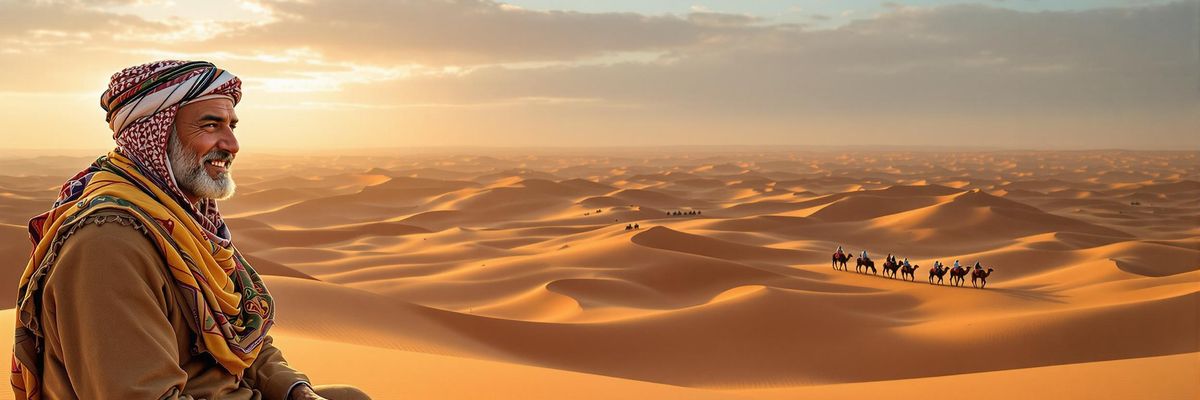
Embrace the cooler temperatures and experience the International Festival of the Sahara in Douz this December.
View More
Celebrate the year-end festivities in Accra, culminating in the vibrant Afrofuture festival.
View More Albania EDITION
 Algeria EDITION
 Argentina EDITION
 Armenia EDITION
 Australia EDITION
 Austria EDITION
 Bangladesh EDITION
 Belgium EDITION
 Belize EDITION
 Benin EDITION
 Bhutan EDITION
 Bolivia EDITION
 Bosnia and Herzegovina EDITION
 Botswana EDITION
 Brazil EDITION
 Bulgaria EDITION
 Burkina Faso EDITION
 Cambodia EDITION
 Cameroon EDITION
 Canada EDITION
 Central African Republic EDITION
 Chad EDITION
 Chile EDITION
 China EDITION
 Colombia EDITION
 Costa Rica EDITION
 Croatia EDITION
 Cyprus EDITION
 Denmark EDITION
 Djibouti EDITION
 Ecuador EDITION
 Egypt EDITION
 El Salvador EDITION
 Eritrea EDITION
 Estonia EDITION
 Ethiopia EDITION
 Finland EDITION
 France EDITION
 Gabon EDITION
 Georgia EDITION
 Germany EDITION
 Ghana EDITION
 Greece EDITION
 Guatemala EDITION
 Guinea EDITION
 Guinea-Bissau EDITION
 Honduras EDITION
 Hungary EDITION
 Iceland EDITION
 India EDITION
 Indonesia EDITION
 Ireland EDITION
 Israel EDITION
 Italy EDITION
 Jamaica EDITION
 Japan EDITION
 Jordan EDITION
 Kenya EDITION
 Kuwait EDITION
 Laos EDITION
 Latvia EDITION
 Lebanon EDITION
 Lesotho EDITION
 Liberia EDITION
 Lithuania EDITION
 Luxembourg EDITION
 Madagascar EDITION
 Malawi EDITION
 Malaysia EDITION
 Maldives EDITION
 Mali EDITION
 Malta EDITION
 Mauritania EDITION
 Mauritius EDITION
 Mexico EDITION
 Mongolia EDITION
 Montenegro EDITION
 Morocco EDITION
 Mozambique EDITION
 Namibia EDITION
 Nepal EDITION
 Netherlands EDITION
 New Zealand EDITION
 Nicaragua EDITION
 Niger EDITION
 Nigeria EDITION
 Norway EDITION
 Oman EDITION
 Pakistan EDITION
 Panama EDITION
 Papua New Guinea EDITION
 Paraguay EDITION
 Peru EDITION
 Philippines EDITION
 Poland EDITION
 Portugal EDITION
 Qatar EDITION
 Romania EDITION
 Rwanda EDITION
 Saudi Arabia EDITION
 Senegal EDITION
 Serbia EDITION
 Singapore EDITION
 Slovakia EDITION
 Slovenia EDITION
 Somalia EDITION
 South Africa EDITION
 South Korea EDITION
 Spain EDITION
 Sri Lanka EDITION
 Suriname EDITION
 Sweden EDITION
 Switzerland EDITION
 Tanzania EDITION
 Thailand EDITION
 Tunisia EDITION
 Uganda EDITION
 United Arab Emirates EDITION
 United Kingdom EDITION
 Uruguay EDITION
 Venezuela EDITION
 Vietnam EDITION
 Zambia EDITION
 Zimbabwe EDITION
Subscribe to our newsletter and get the most captivating travel stories, hidden gems, and expert insights delivered straight to your inbox. As a subscriber, you’ll be first in line for exclusive content, premium offers, and unforgettable travel experiences