


Destination Guide
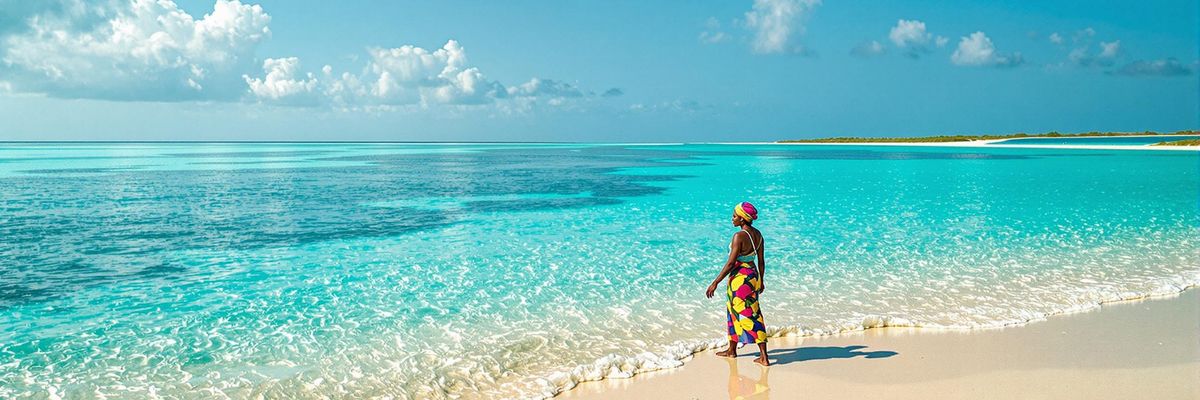
Xai-Xai: A Coastal Retreat
Relax on the beaches and explore the reefs of Xai-Xai.
View More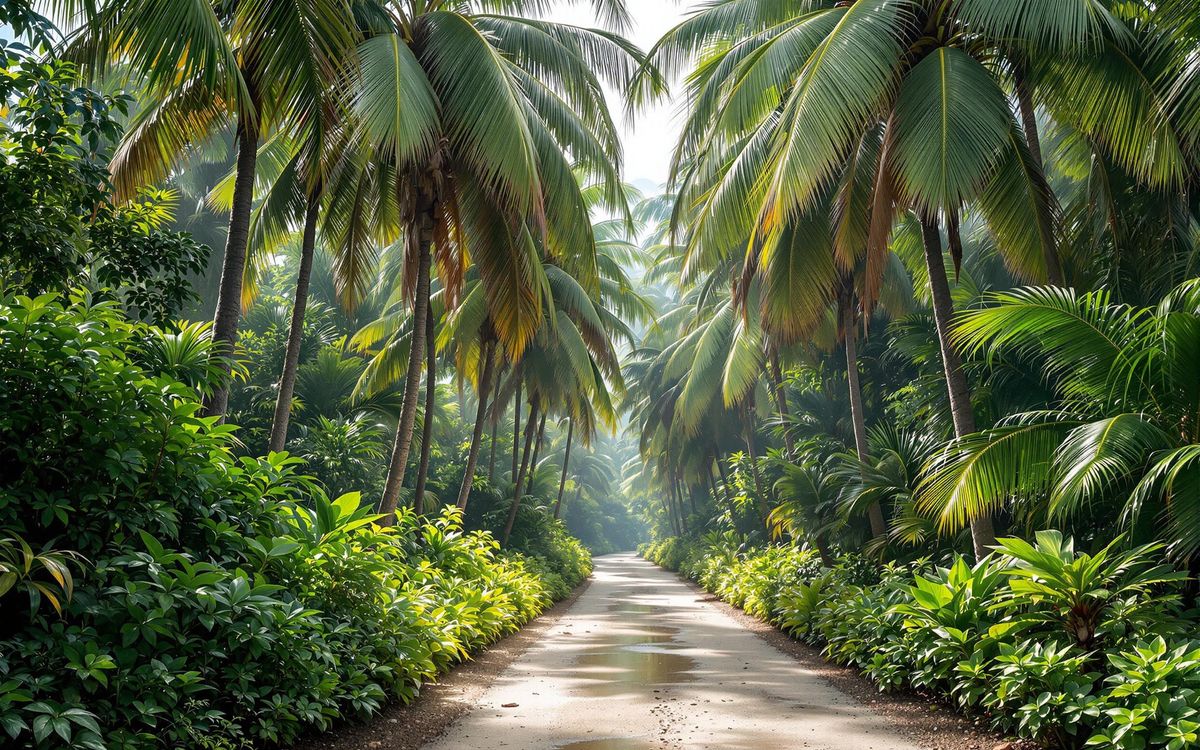

Step into a world untouched by time, where ancient palms whisper secrets to the wind and the air hums with the symphony of unseen creatures. The Vallée de Mai Nature Reserve on Praslin Island, Seychelles, invites you to experience a prehistoric sanctuary unlike any other.
Designated a UNESCO World Heritage Site, this verdant paradise is a living testament to the Seychelles' unique biodiversity and primordial beauty. Here, the famed Coco de Mer palm reigns supreme, its suggestive silhouette a reminder of nature's artistry and the intriguing tales woven around it. Embark on a journey through this enchanting realm, where every rustle of leaves and splash of sunlight unveils a new wonder.
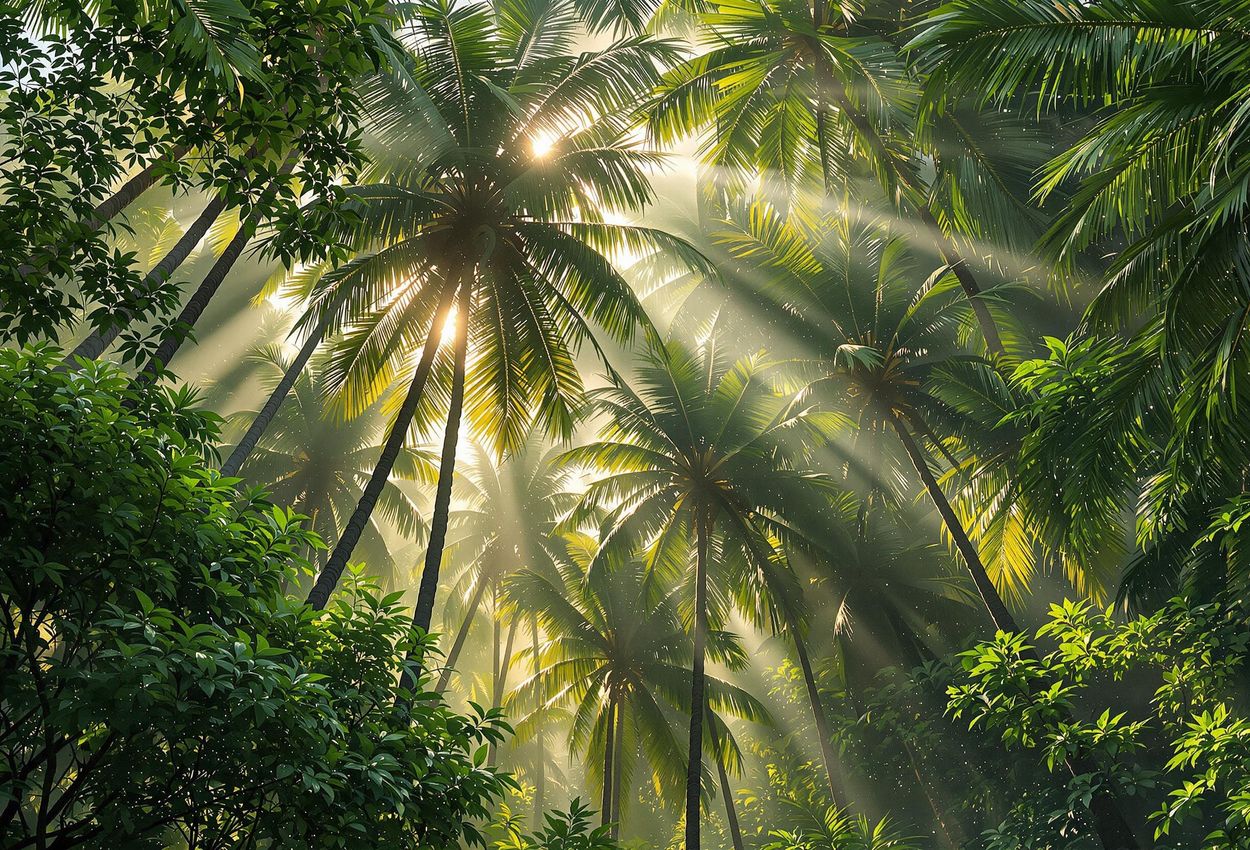
As you enter the Vallée de Mai, you're immediately enveloped in a world apart. Dappled sunlight filters through the dense canopy, casting an ethereal glow on the ancient palm fronds that sway gently in the breeze. The air is thick with humidity and the rich, earthy scent of tropical vegetation, creating a sensory experience that is both invigorating and calming. This is a place where time seems to stand still, where the echoes of the past resonate in the rustling leaves and the calls of unseen birds.
The Vallée de Mai Nature Reserve is a 19.5-hectare (48-acre) natural palm forest. It is a showcase for the biodiversity of the islands and home to a large population of coco de mer trees. The aesthetic beauty of the natural palm forest is a grand display of an array of green, red, and brown palm fronds.
The reserve's prehistoric ambiance has captivated visitors for centuries. British General Charles George Gordon, upon visiting in 1881, declared it the original Garden of Eden, a belief fueled by the Coco de Mer's suggestive form and the valley's untouched state. While this theory remains a romantic notion, it speaks to the unique and awe-inspiring atmosphere of the Vallée de Mai. The site was given its world heritage status in 1983.
Here, six species of endemic palms thrive, creating a dense forest that provides refuge for a myriad of unique creatures. The Vallée de Mai is more than just a beautiful place; it's a living laboratory, offering a glimpse into what tropical landscapes might have looked like millions of years ago.
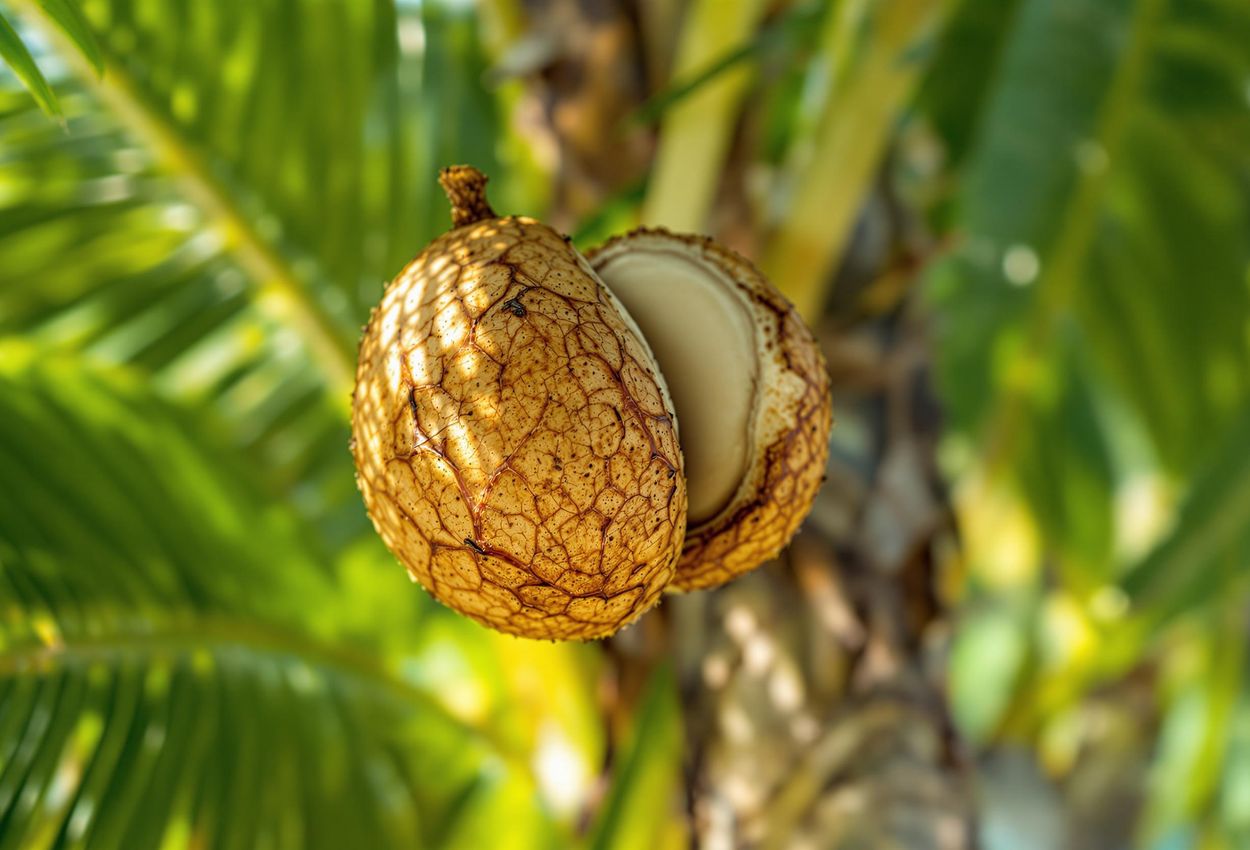
The undisputed star of the Vallée de Mai is the Coco de Mer palm (Lodoicea maldivica), a species found nowhere else on earth except for Praslin and Curieuse Islands in the Seychelles. This botanical marvel boasts the largest seed in the plant kingdom, a massive, double-lobed nut that can weigh up to 25 kilograms. Its suggestive shape, resembling a woman's pelvis, has fueled countless myths and legends throughout history.
The Coco de Mer is dioecious, meaning male and female flowers grow on separate plants. The female trees produce the iconic, bi-lobed nuts, while the male trees bear elongated, cylindrical catkins. It takes decades for these palms to reach maturity, with some specimens growing up to 34 meters tall.
The nut takes six to seven years to mature and another two years to germinate. The palm gets fruitful at least in 15 years, sometimes it takes 50 years. A tree can reach a minimum of 200 years old.
The Coco de Mer holds immense significance for the Seychelles, appearing on the country's coat of arms and even stamped in passports. Its presence in the Vallée de Mai is a testament to the island's unique natural heritage and the importance of conservation efforts. The Seychelles government has implemented strict regulations on harvesting and exporting coco de mer seeds.
Hidden Gem: Local folklore whispers that the Coco de Mer trees move and mate on stormy nights, a testament to the mystique surrounding this extraordinary palm. Legend says that those who would see that process could get blind or even die.
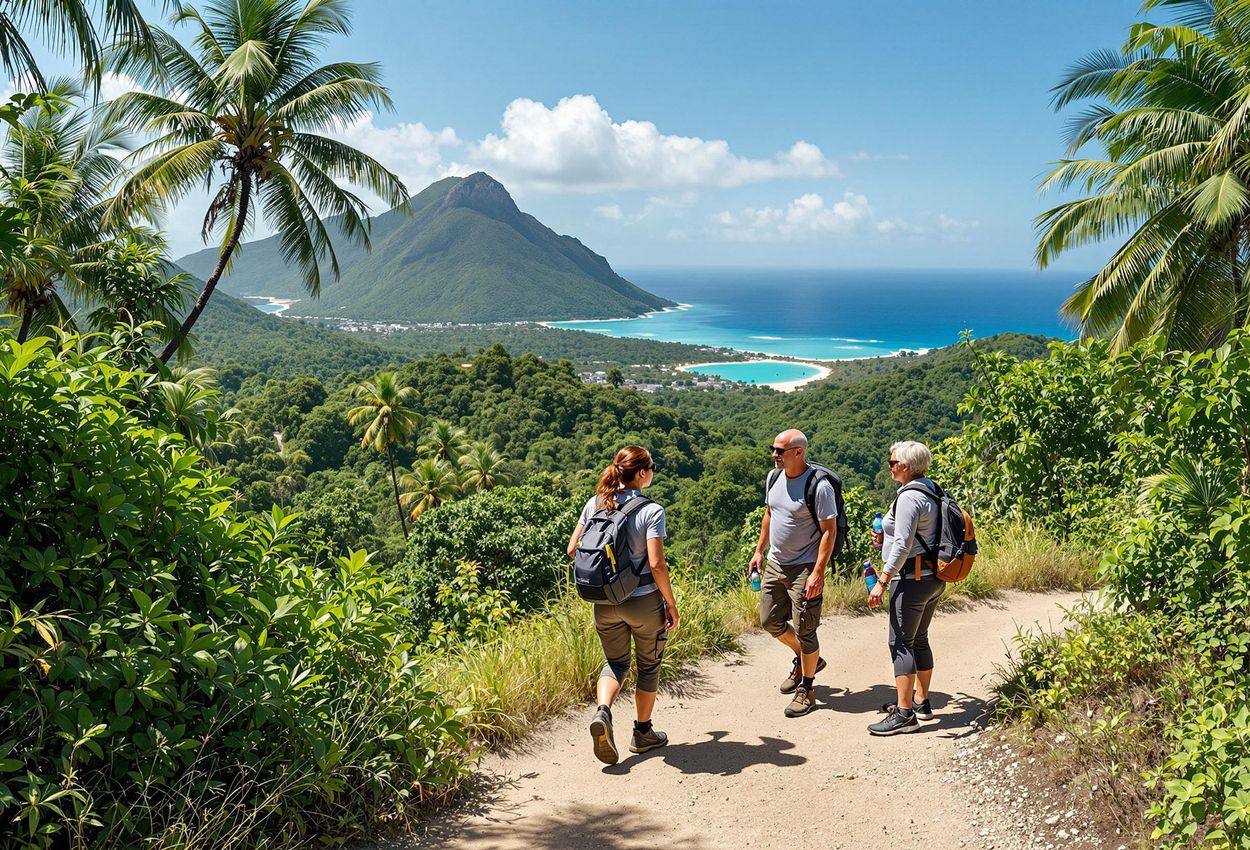
Exploring the Vallée de Mai on foot is the best way to fully appreciate its beauty and biodiversity. Several well-maintained hiking trails wind through the reserve, catering to different fitness levels and interests.
The Circular Path (North and South) is one of the trails leading through the Nature Reserve. The Central Path cuts through the heart of the valley, offering a comprehensive overview of its unique ecosystem. For a more challenging trek, the Cedar Path climbs to higher elevations, rewarding hikers with panoramic views. The distances vary from ca. 1.5 km to ca. 4 km.
Practical Advice: Wear comfortable walking shoes, bring plenty of water, and apply insect repellent before embarking on your hike. The trails can be slippery, especially after rain, so watch your step.
As you wander through the primeval forest, keep an eye out for the unique flora and fauna that call the Vallée de Mai home. The Seychelles Black Parrot, a rare and endemic bird, can often be spotted flitting through the canopy. Bronze geckos, with their iridescent scales, dart across the palm fronds, while various endemic palm species showcase the island's botanical diversity.
A viewing platform located in the north offers incredible views of the Praslin National Park. Take a moment to soak in the breathtaking scenery and appreciate the importance of preserving this natural treasure.
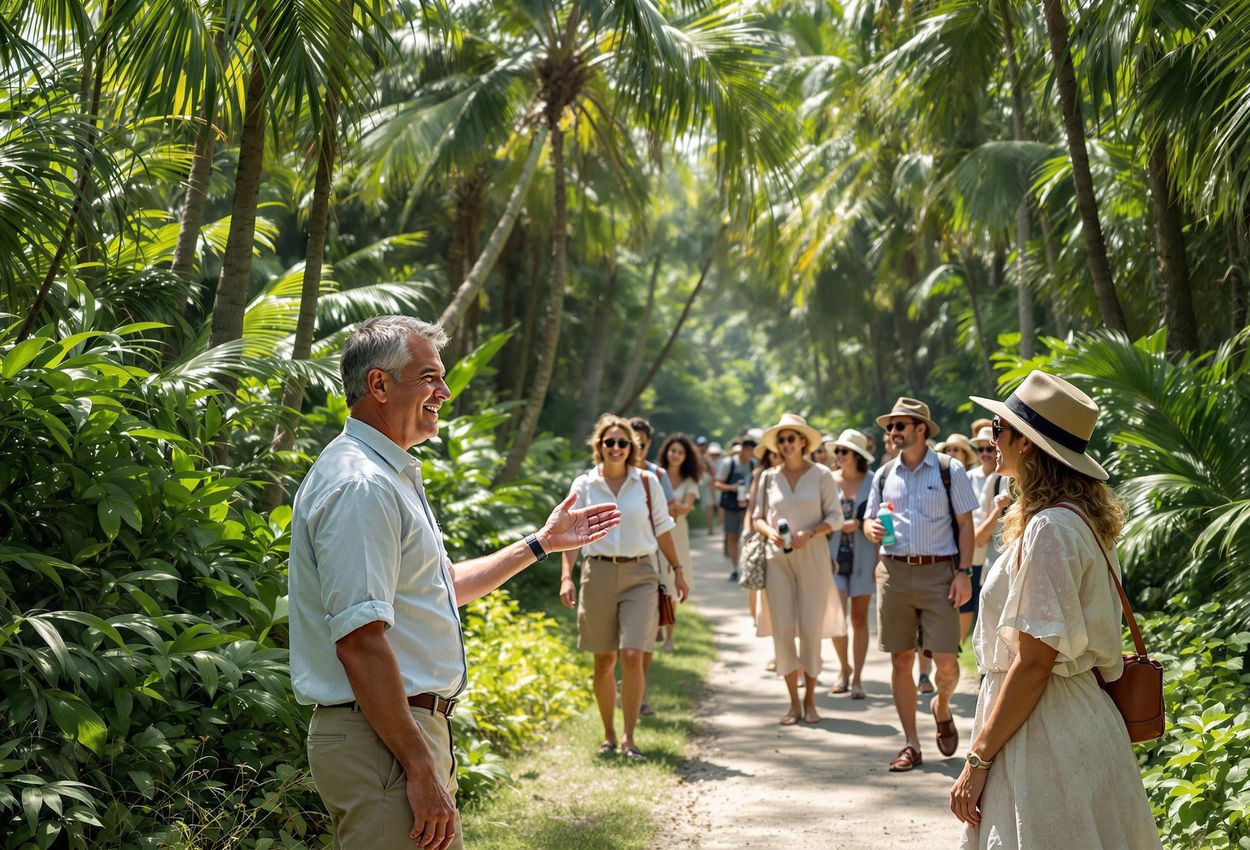
To deepen your understanding of the Vallée de Mai's intricate ecosystem and hidden wonders, consider joining a guided tour. Knowledgeable guides, passionate about the reserve's ecology, can point out hidden gems and explain the significance of its various species.
Free introductory tours are offered twice a day, providing a general overview of the Vallée de Mai's history, ecology, and conservation efforts. For a more personalized experience, private tours can be booked in advance, allowing you to delve deeper into specific areas of interest.
The guides' expertise extends beyond botany and zoology; they also possess a wealth of knowledge about the cultural significance of the Vallée de Mai and its role in Seychellois history. They can share fascinating stories and local legends, enriching your visit with a deeper understanding of the island's heritage.
Insider Tip: Inquire about the ongoing research projects and conservation initiatives within the reserve. The Vallée de Mai has had a full-time research and monitoring program since 2008. By supporting these efforts, you can contribute to the long-term preservation of this unique ecosystem.
Visiting the Vallée de Mai in December offers a unique perspective on this tropical paradise. While it's considered the rainy season, the showers are typically short-lived, leaving plenty of time to explore the reserve in sunshine.
Expect warm temperatures, averaging between 25°C and 30°C (77°F and 86°F), and high humidity levels. Light and warmer winds are common in December. Dress in light, breathable clothing and sturdy shoes suitable for walking on potentially slippery trails.
The Vallée de Mai is easily accessible by bus, taxi, or rental car. The bus will take slightly longer than private transport. Route 62 (Mont Plaisir – Zimbabwe via Consolation) and Route 63 (Mont Plaisir – Anse La Blague – Côte d'Or) are routes to take. The entrance fee is 450 SCR. The Vallée de Mai is open daily from 8:30 am to 4:30 pm.
December's monsoon weather enhances the island's biodiversity. The lush greenery and vibrant flora create a stunning backdrop for your exploration of the Vallée de Mai.
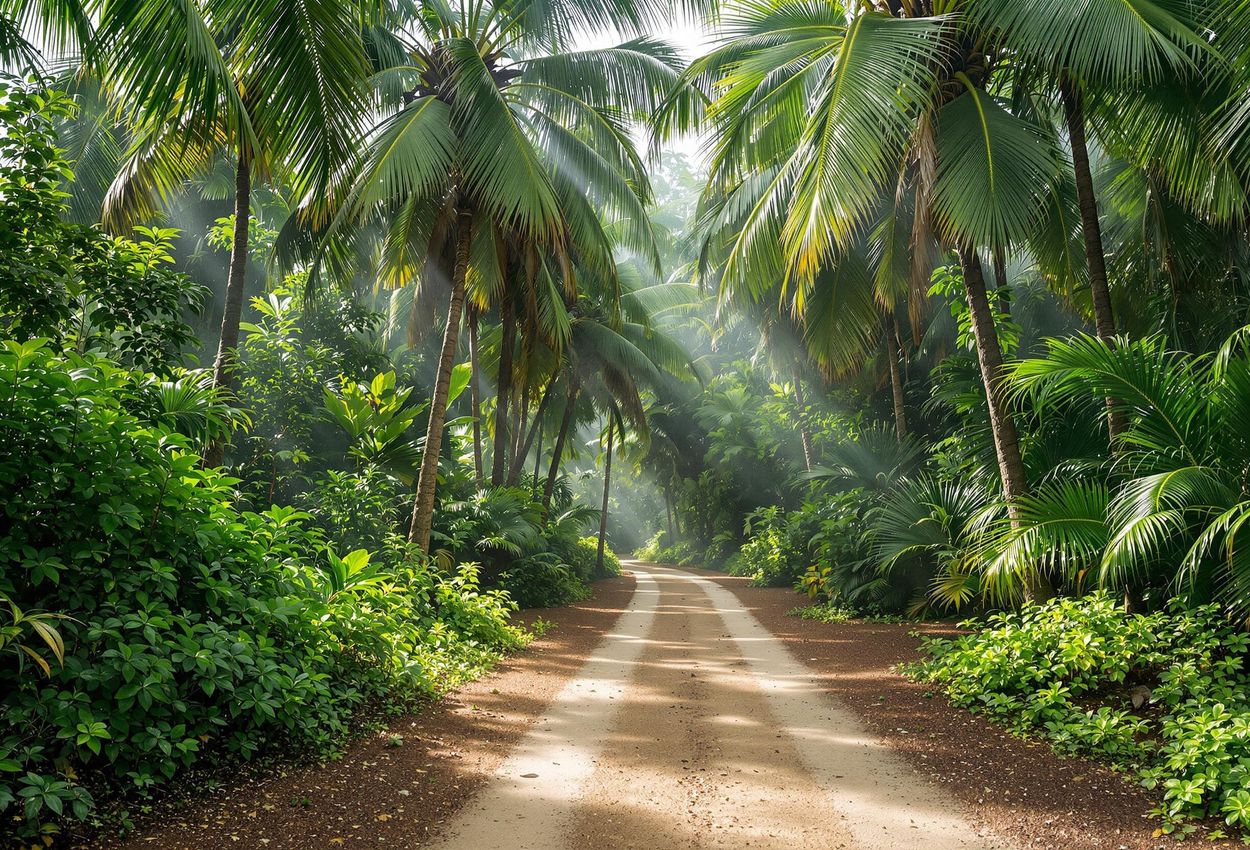
The Vallée de Mai Nature Reserve is more than just a destination; it's an experience that will stay with you long after you leave. It's a reminder of the power and beauty of nature, and the importance of preserving these precious ecosystems for future generations. So, step into this enchanting realm and discover the magic that awaits within.
Our editors` picks of the latest and greatest in travel - delivered to your inbox daily
Relax on the beaches and explore the reefs of Xai-Xai.
View More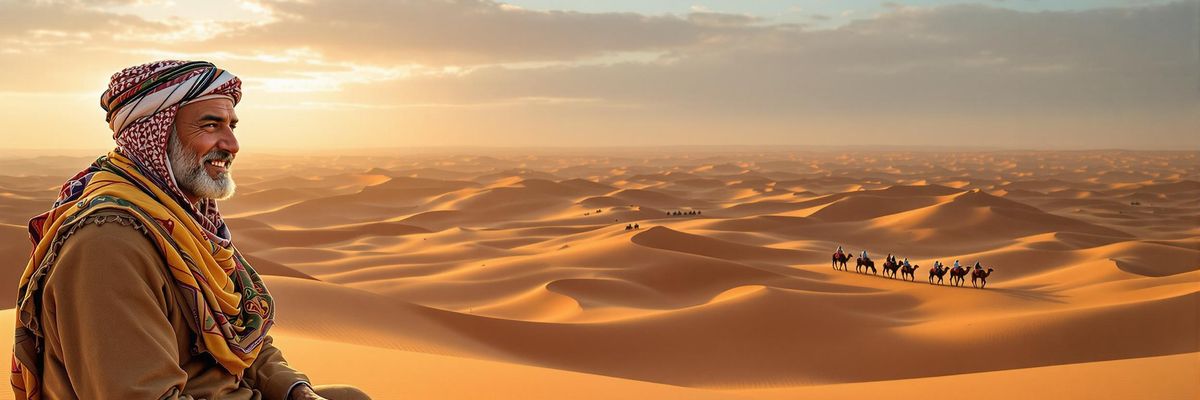
Embrace the cooler temperatures and experience the International Festival of the Sahara in Douz this December.
View More
Celebrate the year-end festivities in Accra, culminating in the vibrant Afrofuture festival.
View More Albania EDITION
 Algeria EDITION
 Argentina EDITION
 Armenia EDITION
 Australia EDITION
 Austria EDITION
 Bangladesh EDITION
 Belgium EDITION
 Belize EDITION
 Benin EDITION
 Bhutan EDITION
 Bolivia EDITION
 Bosnia and Herzegovina EDITION
 Botswana EDITION
 Brazil EDITION
 Bulgaria EDITION
 Burkina Faso EDITION
 Cambodia EDITION
 Cameroon EDITION
 Canada EDITION
 Central African Republic EDITION
 Chad EDITION
 Chile EDITION
 China EDITION
 Colombia EDITION
 Costa Rica EDITION
 Croatia EDITION
 Cyprus EDITION
 Denmark EDITION
 Djibouti EDITION
 Ecuador EDITION
 Egypt EDITION
 El Salvador EDITION
 Eritrea EDITION
 Estonia EDITION
 Ethiopia EDITION
 Finland EDITION
 France EDITION
 Gabon EDITION
 Georgia EDITION
 Germany EDITION
 Ghana EDITION
 Greece EDITION
 Guatemala EDITION
 Guinea EDITION
 Guinea-Bissau EDITION
 Honduras EDITION
 Hungary EDITION
 Iceland EDITION
 India EDITION
 Indonesia EDITION
 Ireland EDITION
 Israel EDITION
 Italy EDITION
 Jamaica EDITION
 Japan EDITION
 Jordan EDITION
 Kenya EDITION
 Kuwait EDITION
 Laos EDITION
 Latvia EDITION
 Lebanon EDITION
 Lesotho EDITION
 Liberia EDITION
 Lithuania EDITION
 Luxembourg EDITION
 Madagascar EDITION
 Malawi EDITION
 Malaysia EDITION
 Maldives EDITION
 Mali EDITION
 Malta EDITION
 Mauritania EDITION
 Mauritius EDITION
 Mexico EDITION
 Mongolia EDITION
 Montenegro EDITION
 Morocco EDITION
 Mozambique EDITION
 Namibia EDITION
 Nepal EDITION
 Netherlands EDITION
 New Zealand EDITION
 Nicaragua EDITION
 Niger EDITION
 Nigeria EDITION
 Norway EDITION
 Oman EDITION
 Pakistan EDITION
 Panama EDITION
 Papua New Guinea EDITION
 Paraguay EDITION
 Peru EDITION
 Philippines EDITION
 Poland EDITION
 Portugal EDITION
 Qatar EDITION
 Romania EDITION
 Rwanda EDITION
 Saudi Arabia EDITION
 Senegal EDITION
 Serbia EDITION
 Singapore EDITION
 Slovakia EDITION
 Slovenia EDITION
 Somalia EDITION
 South Africa EDITION
 South Korea EDITION
 Spain EDITION
 Sri Lanka EDITION
 Suriname EDITION
 Sweden EDITION
 Switzerland EDITION
 Tanzania EDITION
 Thailand EDITION
 Tunisia EDITION
 Uganda EDITION
 United Arab Emirates EDITION
 United Kingdom EDITION
 Uruguay EDITION
 Venezuela EDITION
 Vietnam EDITION
 Zambia EDITION
 Zimbabwe EDITION
Subscribe to our newsletter and get the most captivating travel stories, hidden gems, and expert insights delivered straight to your inbox. As a subscriber, you’ll be first in line for exclusive content, premium offers, and unforgettable travel experiences