



Destination Guide
Xai-Xai: A Coastal Retreat
Relax on the beaches and explore the reefs of Xai-Xai.
View More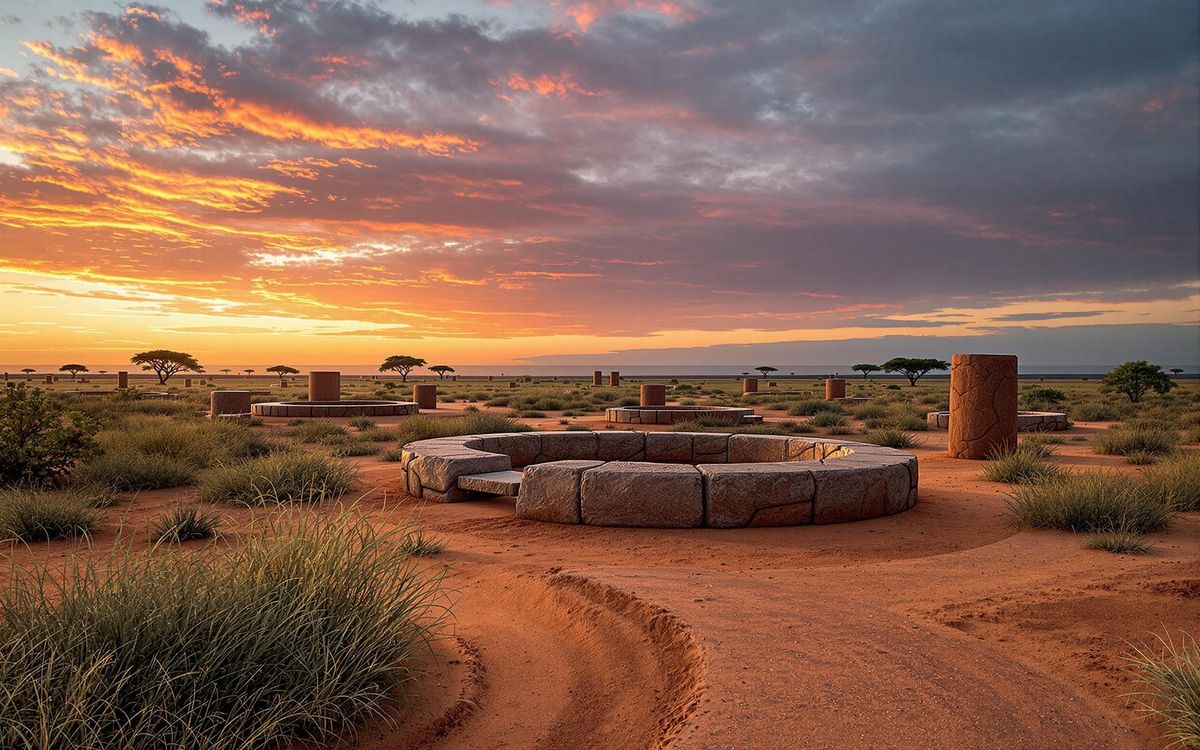

Journey to the heart of Gambia, where ancient stones whisper tales of forgotten civilizations. The Wassu Stone Circles, a UNESCO World Heritage site, stand as silent sentinels, beckoning travelers to unravel their enigmatic past. September offers an ideal window to explore this archaeological wonder, with pleasant weather enhancing the allure of the Gambian landscape.
Imagine arriving at the site as the September sun casts long shadows across the ochre earth. The stones, some standing tall, others resting in timeless repose, create a mesmerizing spectacle against the backdrop of the African savanna. A sense of mystery permeates the air, inviting contemplation and sparking curiosity about the purpose of these ancient monuments.
The Wassu Stone Circles, located in the Central River Region of Gambia, are more than just a collection of stones; they are a testament to a civilization that thrived over a thousand years ago. These megalithic structures, scattered across the Senegambian landscape, have captivated archaeologists and historians for centuries. Were they burial sites for kings and chiefs ? Ceremonial grounds for ancient rituals ? Or perhaps astronomical markers aligned with celestial events ? The answers remain elusive, adding to the allure of this historical treasure.
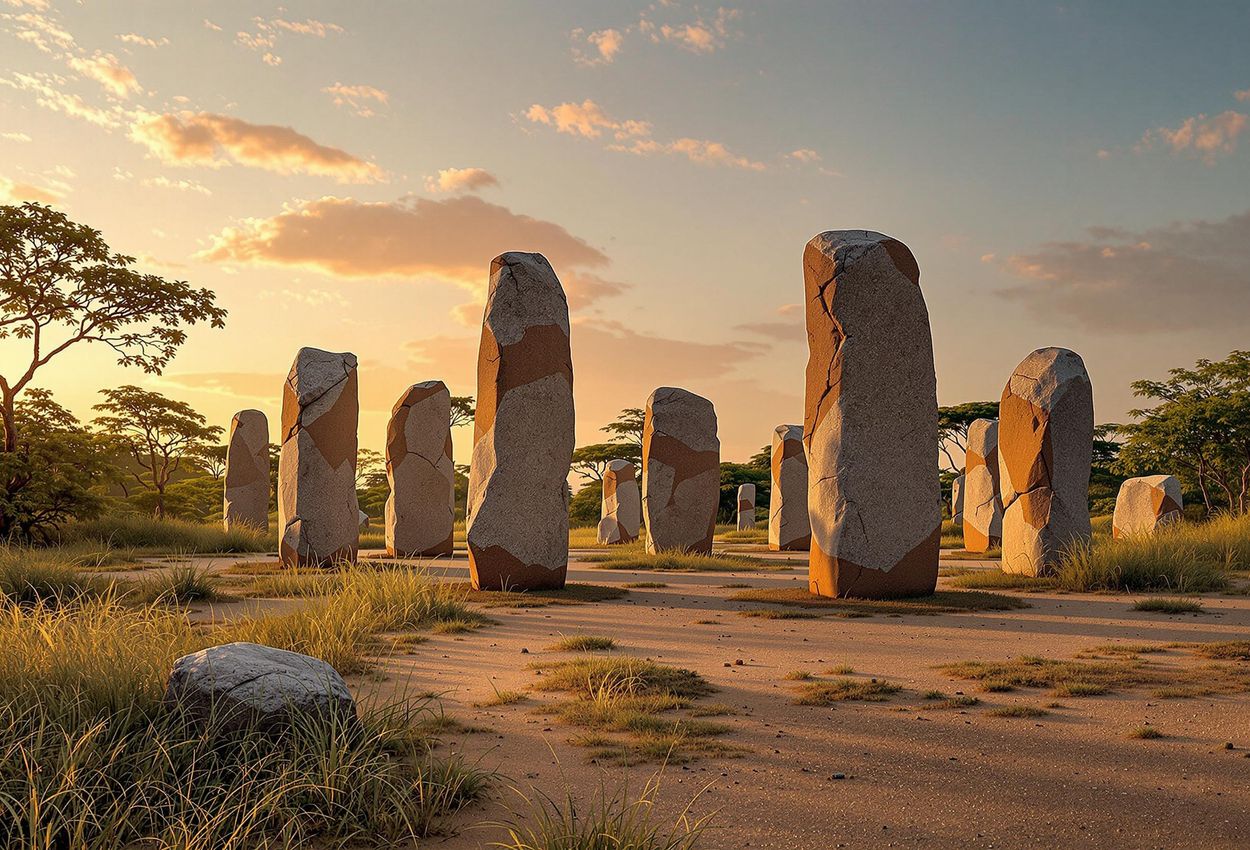
The air is thick with unanswered questions. What was life like for the people who erected these circles? What drove them to create such enduring monuments? As you stand among the stones, you become part of a story that stretches back millennia, a story waiting to be deciphered.
Local Tip: Engage with local guides at the Wassu Stone Circles for captivating stories and insights into the site's history and cultural significance. Their knowledge adds depth to the experience, offering unique perspectives beyond standard guidebooks.
Delving into the history of the Wassu Stone Circles is like piecing together fragments of a forgotten world. Archaeological findings suggest that these circles were constructed between 750 and 1000 AD , a period shrouded in mystery and intrigue. The builders, possibly ancestors of the Serer people, demonstrated remarkable engineering skills, using only rudimentary tools to shape and transport massive laterite stones.
The stones, averaging 5 feet 9 inches in height , stand in circular formations, their layout suggesting a deliberate and purposeful design. Each circle comprises 10 to 24 stones , carefully arranged to create a symmetrical and imposing structure. The Niani district, in the Central River Region, holds these silent witnesses to a bygone era, their presence a testament to the ingenuity and determination of their creators.
The construction techniques employed remain a source of fascination. The laterite stone, abundant in the region, was quarried and shaped using iron tools. The stones were then transported, possibly using rollers or sheer manpower, to their final resting places. The precision and skill required to erect these monuments without modern technology are truly awe-inspiring.
The distribution of the circles along rivers and tributaries suggests that the builders were agriculturalists, utilizing the fertile lands for crop production. The circles may have served as calendars, helping them track the seasons and plan their agricultural activities. This connection to the land and the celestial cycles underscores the deep-rooted relationship between the people and their environment.
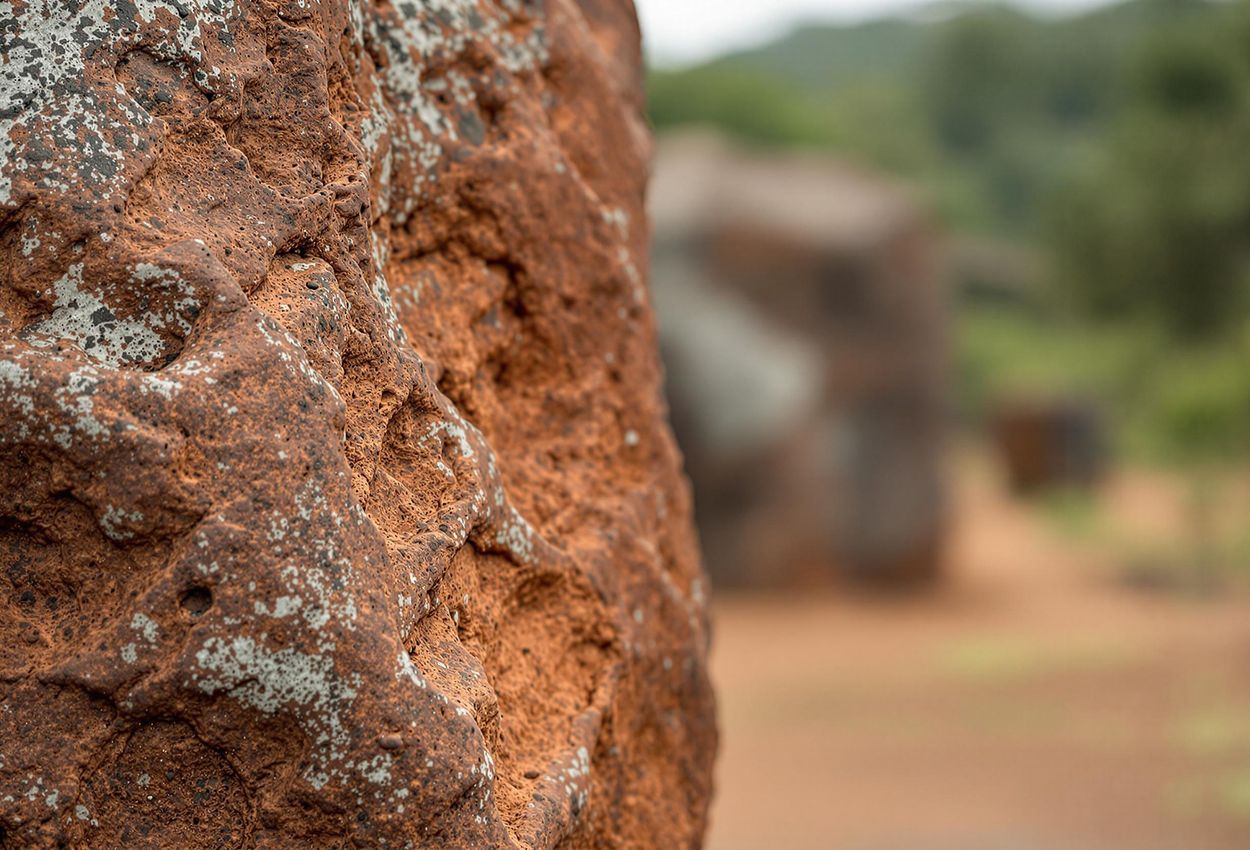
Hidden Gem: Explore the quarries near Wassu, where you can witness firsthand the source of the stones and gain a deeper appreciation for the craftsmanship involved in creating these ancient monuments.
The purpose of the Wassu Stone Circles has been a subject of intense debate and speculation. The prevailing theory suggests that they served as burial sites for kings and chiefs, their final resting places marked by these imposing stone structures. Excavations have unearthed human remains, iron weapons, pottery vessels, and bronze ornaments, providing tangible evidence of funerary practices.
However, the possibility of ceremonial or religious functions cannot be dismissed. Some researchers believe that the circles may have been aligned with astronomical events, serving as a celestial calendar or a place of worship. The arrangement of the stones may have reflected a deep understanding of the cosmos and its influence on human life.
Local legends and beliefs add another layer of intrigue to the mystery. A curse is said to befall anyone who disturbs the stones, a testament to the reverence and respect accorded to these ancient monuments. This belief may have contributed to the preservation of the site, protecting it from human interference for centuries. The Wassu Museum, located in the Central River Division, offers further insights into these theories and the ongoing research efforts.
Whether burial sites, ceremonial grounds, or astronomical markers, the Wassu Stone Circles stand as a powerful symbol of a civilization that sought to connect with the spiritual and natural realms. Their secrets, though not fully revealed, continue to inspire awe and wonder.
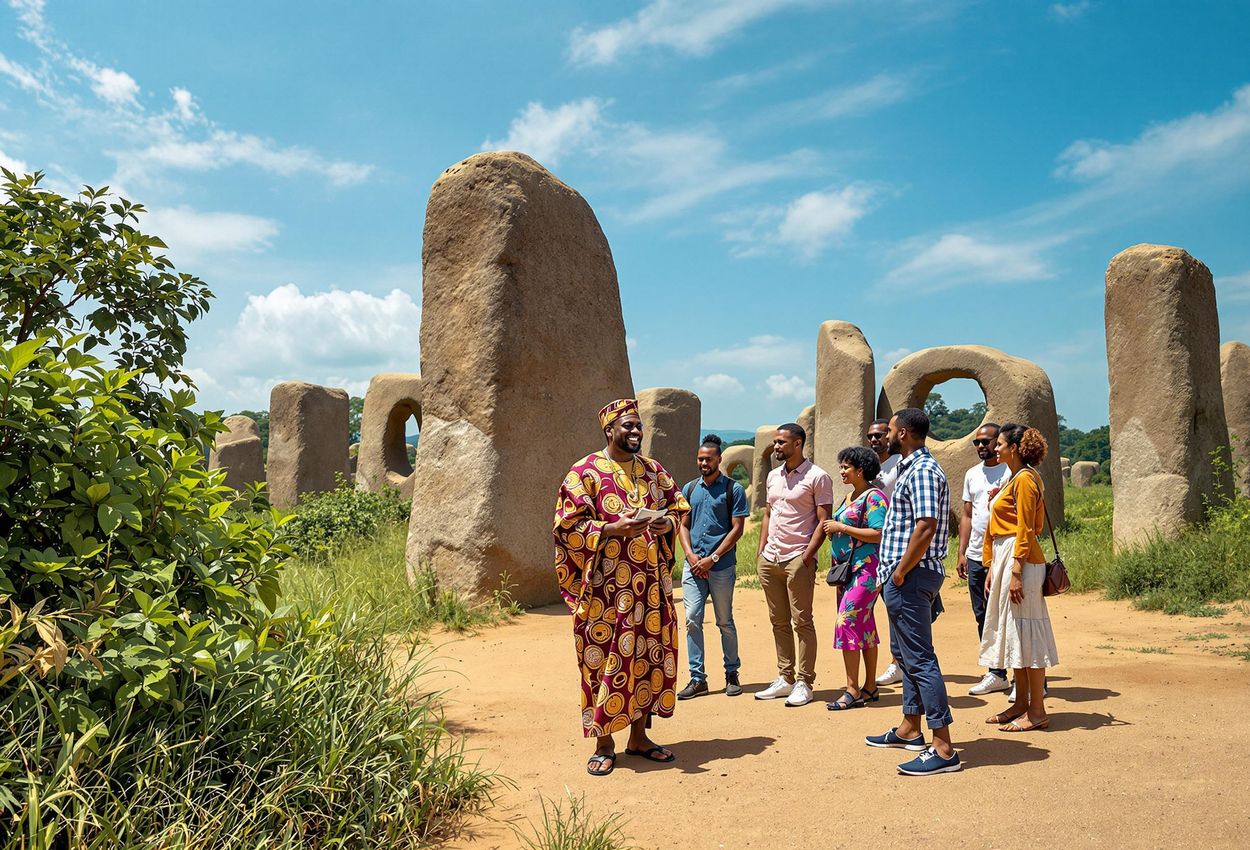
Local Insight: Visit the Wassu Museum to view artifacts discovered during archaeological excavations and learn more about the different theories surrounding the purpose of the stone circles.
Planning a visit to the Wassu Stone Circles in September 2025 requires careful consideration of transportation and logistics. The journey from Banjul, the capital of Gambia, takes approximately 5 hours by taxi or private car. The route offers a glimpse into the Gambian countryside, with its vibrant villages and lush landscapes.
Upon arrival, an entry fee of 50 Gambian Dalasi (approximately £0.76 GBP) is required for non-citizens. The surrounding landscape provides an opportunity to experience authentic Gambian culture in Wassu village. The village offers a warm welcome to visitors, with locals eager to share their stories and traditions.
Nearby Georgetown, also known as Janjangbureh, offers a glimpse into the Gambia's colonial past. The town, situated on Mac Carthy Island in the River Gambia, features colonial-era buildings and a rich history as a settlement for freed slaves. A visit to the River Gambia National Park provides an opportunity to witness the region's diverse wildlife, including chimpanzees and hippos. The Wassu Museum, opened in 2000, serves as an excellent starting point for exploring the site, providing valuable context and information.
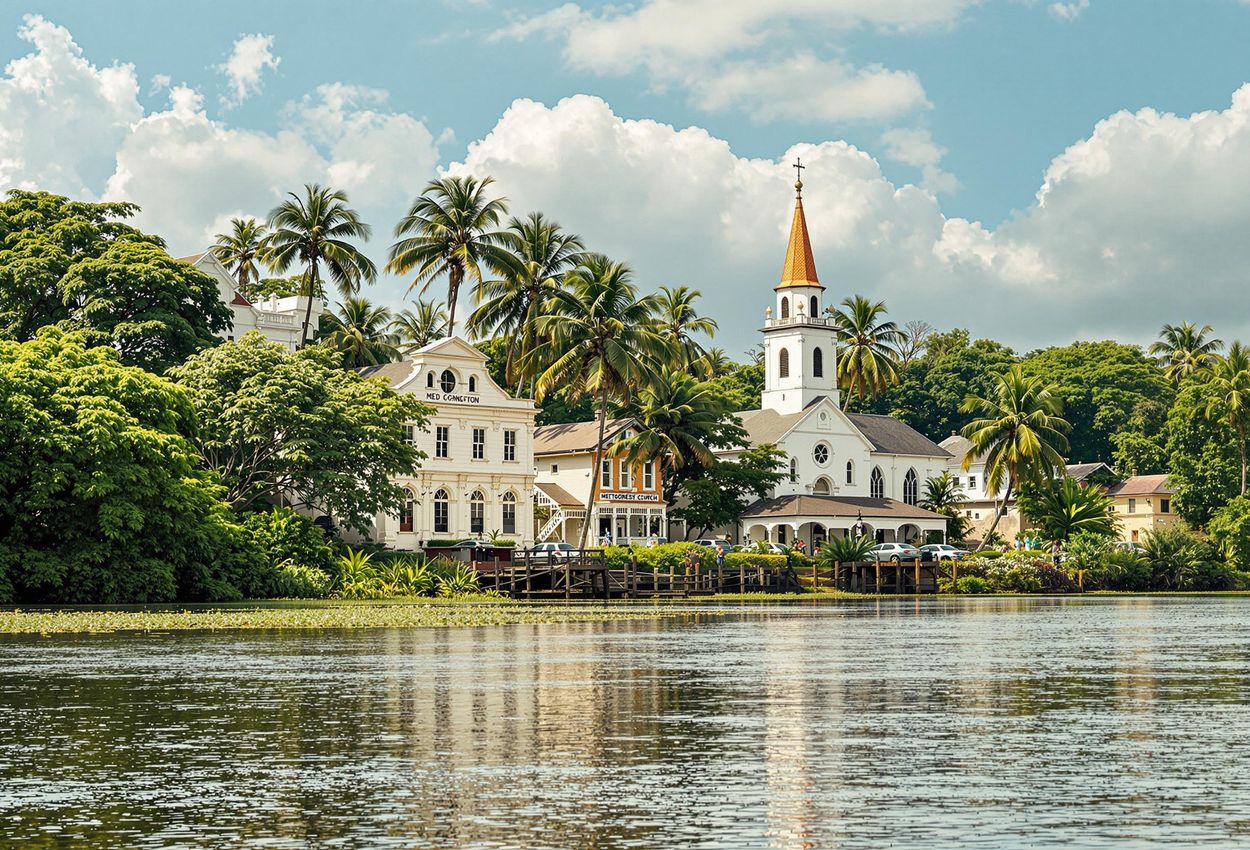
Travel Tip: Combine your visit to the Wassu Stone Circles with a trip to Georgetown and the River Gambia National Park for a comprehensive experience of Gambian history, culture, and nature.
A visit to the Wassu Stone Circles offers an opportunity to immerse oneself in the rich and vibrant culture of the Gambia. Beyond the archaeological site, the Gambia offers a tapestry of experiences that will captivate your senses and broaden your understanding of West African traditions.
Visiting local markets is a must, where you can witness the colorful displays of produce, crafts, and textiles. Interacting with the friendly locals provides invaluable insights into their daily lives, customs, and beliefs. The vibrant colors of Gambian attire are a feast for the eyes, reflecting the country's artistic heritage and cultural pride.
Traditional Gambian music, with its rhythmic beats and soulful melodies, offers a captivating glimpse into the country's artistic soul. Learning about local customs and beliefs fosters respect for the site and its cultural significance, promoting responsible tourism. The Lumo at Wassu, a vibrant rural market held every Monday, is a bustling hub of activity, attracting traders from Gambia, Senegal, and Guinea Bissau.
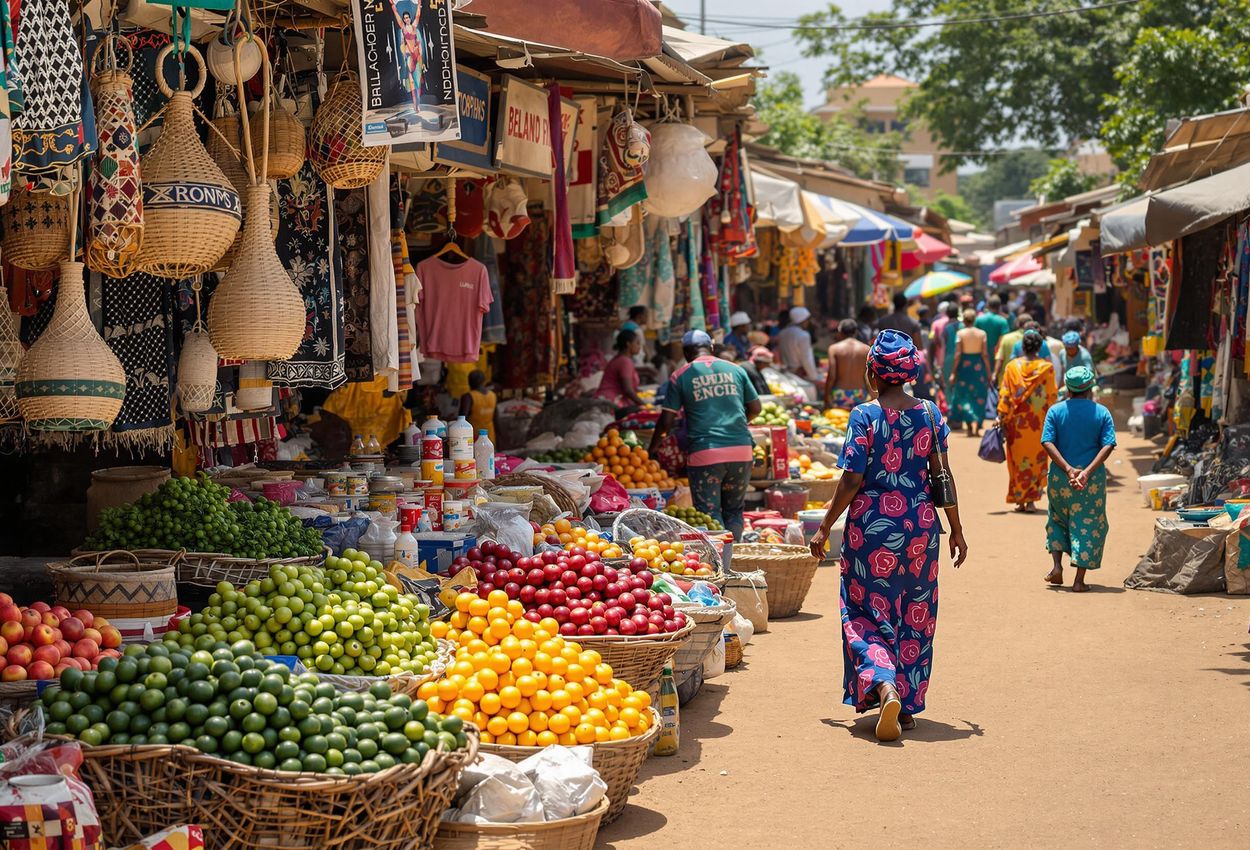
Local Experience: Attend the Lumo at Wassu on a Monday to experience the vibrant atmosphere of a traditional West African market, where you can find local crafts, produce, and interact with traders from across the region.
Imagine standing within the stone circles at dusk, as the setting sun paints the sky in hues of orange and purple. The wind whispers through the stones, creating a haunting melody that seems to carry the voices of the past. Local beliefs hold that the stones themselves whisper secrets to those who listen closely, revealing glimpses into the lives of those who came before.
The unique sounds created by the wind as it passes through the stones evoke a sense of timelessness, connecting you to the ancient rituals and ceremonies that may have taken place here. The atmosphere is both serene and awe-inspiring, inviting contemplation and reflection. The Wassu Stone Circles become more than just a historical site; they transform into a portal to another time, a place where the past and present converge.
As darkness descends, the stones stand as silent guardians, their silhouettes etched against the night sky. The stars emerge, mirroring the celestial alignments that may have guided the builders of these enigmatic monuments. The experience is both humbling and profound, leaving a lasting impression on all who venture to listen to the whispers of the wind.
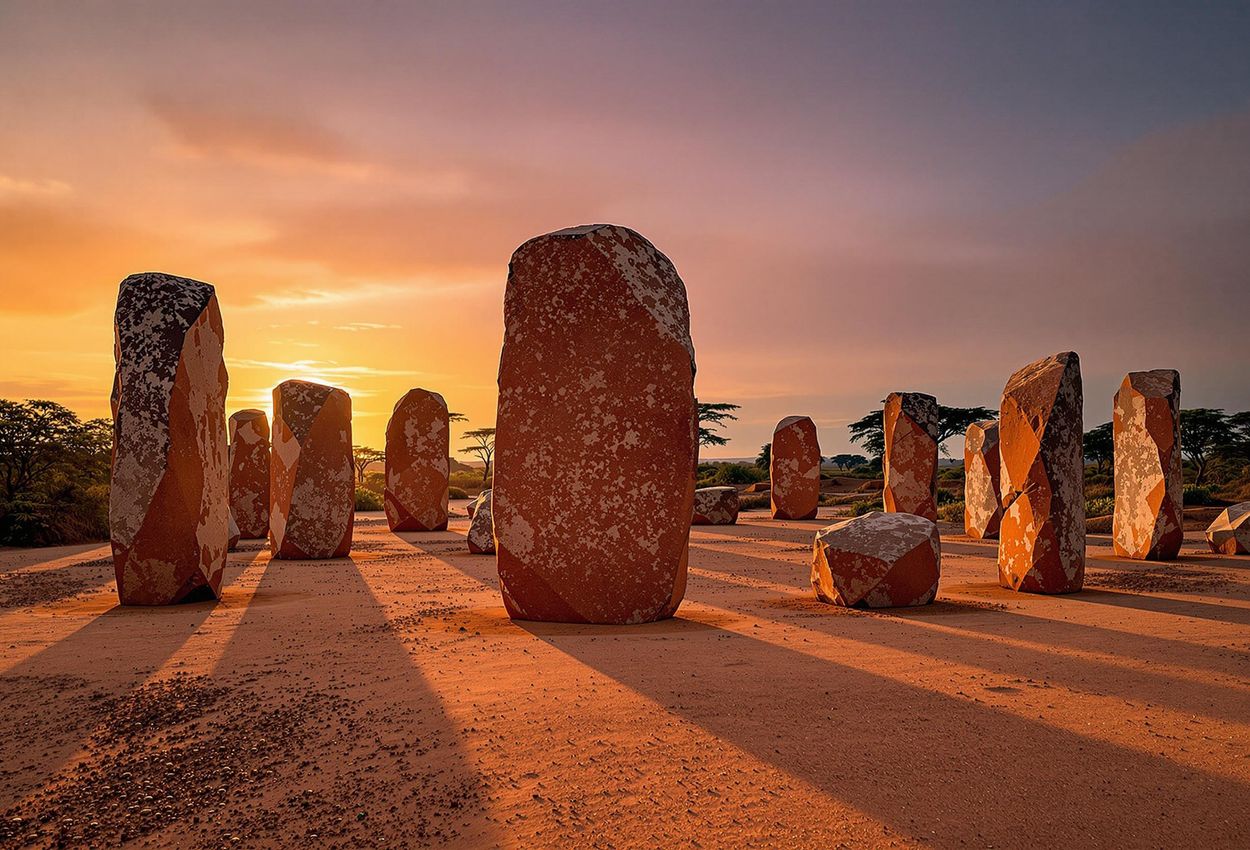
Sensory Experience: Visit the stone circles at dusk to witness the mesmerizing play of light and shadow and listen to the wind as it whispers through the stones, creating a unique and unforgettable sensory experience.
The intricate artistry and precision involved in carving the stones from laterite are a testament to the skill and ingenuity of the ancient craftsmen. The stones, shaped into cylindrical or polygonal forms, exhibit a remarkable level of symmetry and detail. The tools used, likely made of iron, would have required considerable expertise and knowledge to effectively shape the hard laterite.
The quarries near Wassu served as the source of the stones, with evidence suggesting that the builders possessed a deep understanding of the local geology. The methods used to transport the stones, weighing several tons each, remain a subject of speculation, but likely involved a combination of rollers, levers, and sheer manpower.
The creation of these monuments was a collaborative effort, requiring a well-organized society with the resources and expertise to undertake such a monumental task. The legacy of these craftsmen lives on in the stones themselves, their artistry enduring through the centuries, inspiring awe and admiration.
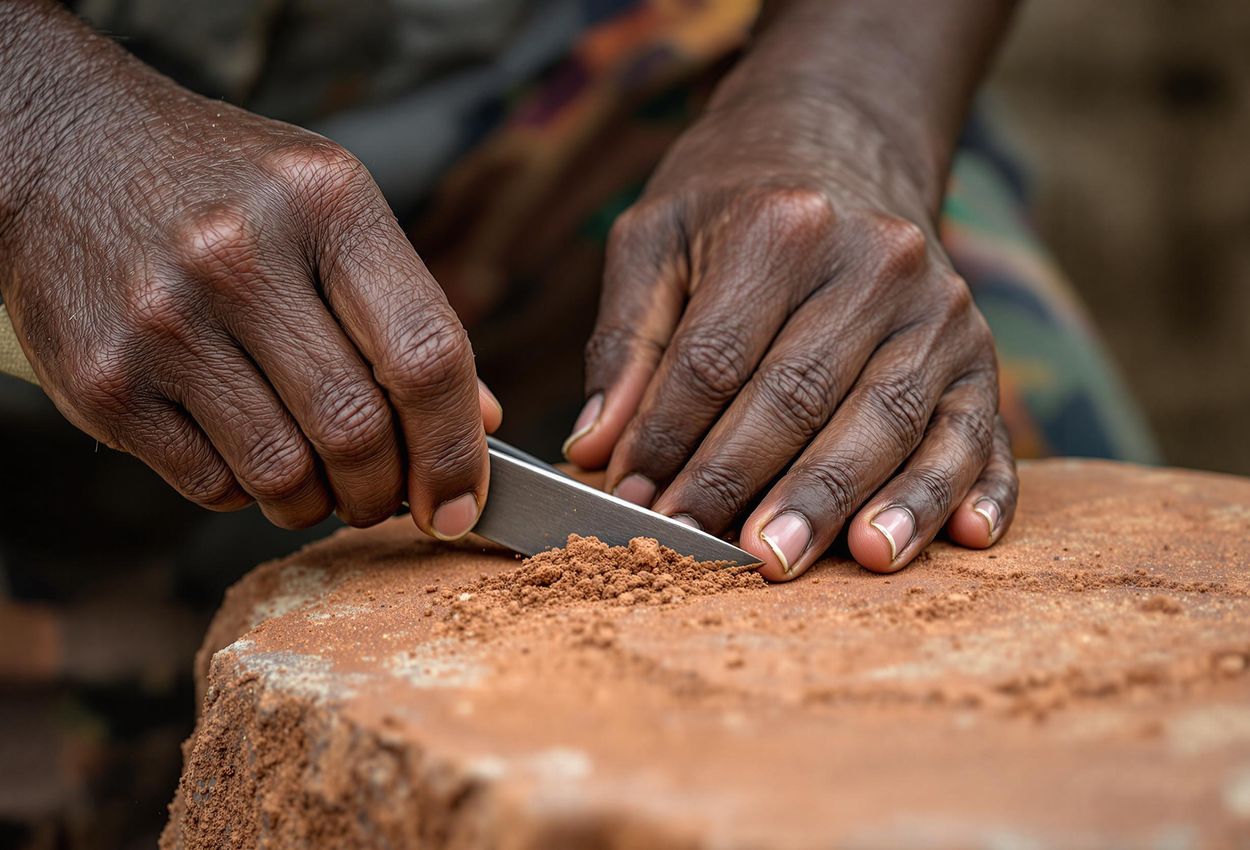
Artisan Insight: Imagine the skill and precision required to carve these massive stones from laterite using only rudimentary tools, a testament to the ingenuity and artistry of the ancient craftsmen.
The astronomical theories associated with the Wassu Stone Circles add another layer of complexity to their already enigmatic nature. Some researchers believe that the stones may have been aligned with solstices, equinoxes, or other celestial events, serving as a calendar or a place of astronomical observation.
The advanced mathematical and astronomical knowledge required to achieve these alignments suggests a sophisticated understanding of the cosmos. The stones may have been used to track the movement of the sun, moon, and stars, helping the builders predict seasonal changes and plan their agricultural activities.
The alignment of the stones with celestial events may also have had a spiritual significance, reflecting a belief in the interconnectedness of the earthly and heavenly realms. The Wassu Stone Circles may have served as a place where humans could connect with the divine, aligning themselves with the cosmic order.
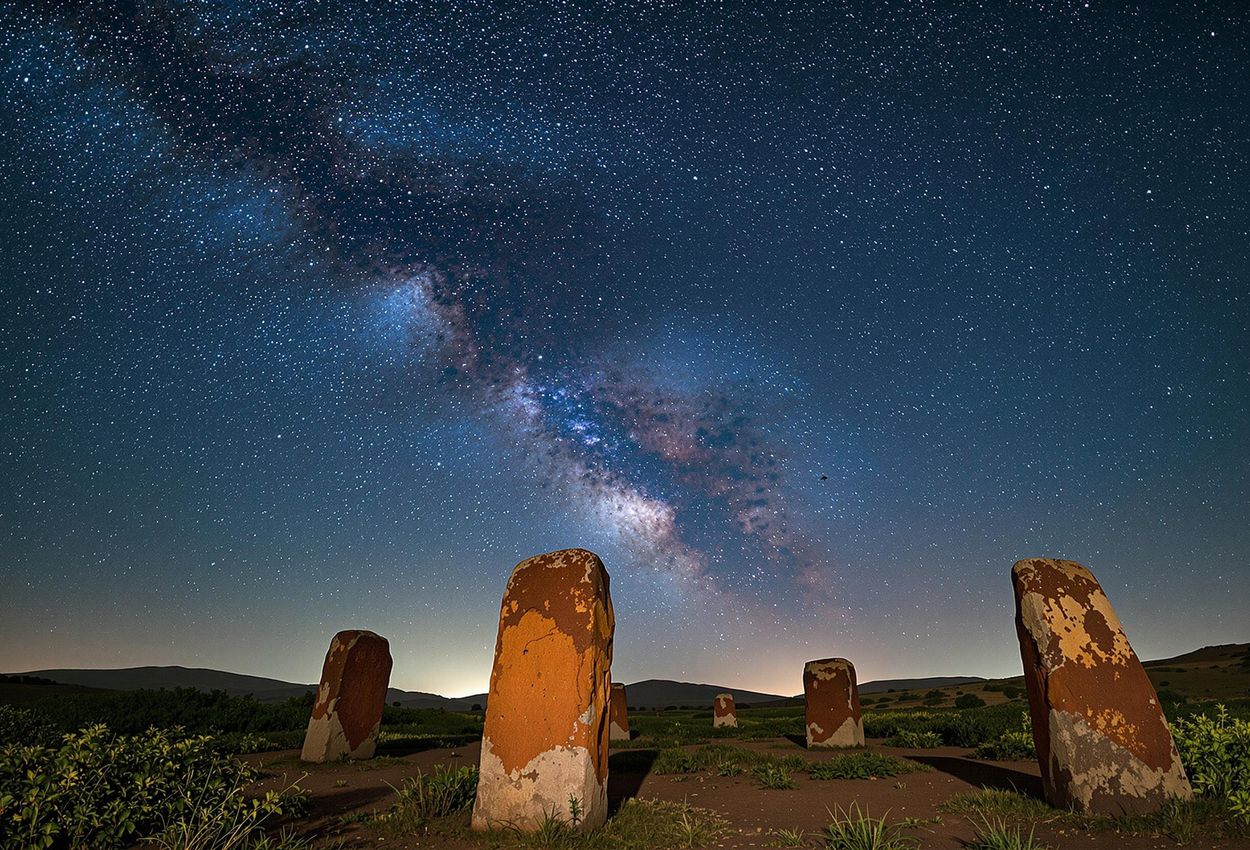
Cosmic Connection: Consider the possibility that the stones were aligned with celestial events, reflecting a deep understanding of astronomy and a desire to connect with the cosmos.
Efforts are underway to preserve and protect the Wassu Stone Circles for future generations, ensuring that this cultural treasure remains accessible to all. UNESCO's recognition of the site as a World Heritage Site has played a crucial role in raising awareness and mobilizing resources for conservation.
Ongoing research and restoration projects aim to better understand the site's history and significance, while also addressing the challenges posed by climate change and human activity. Sustainable tourism practices are essential to supporting conservation efforts, ensuring that the site is managed in a way that benefits both visitors and the local community.
The UNESCO World Heritage Site designation underscores the importance of preserving this cultural landmark, recognizing its outstanding universal value and its contribution to our understanding of human history. By supporting conservation efforts and promoting responsible tourism, we can help ensure that the Wassu Stone Circles continue to inspire awe and wonder for generations to come.
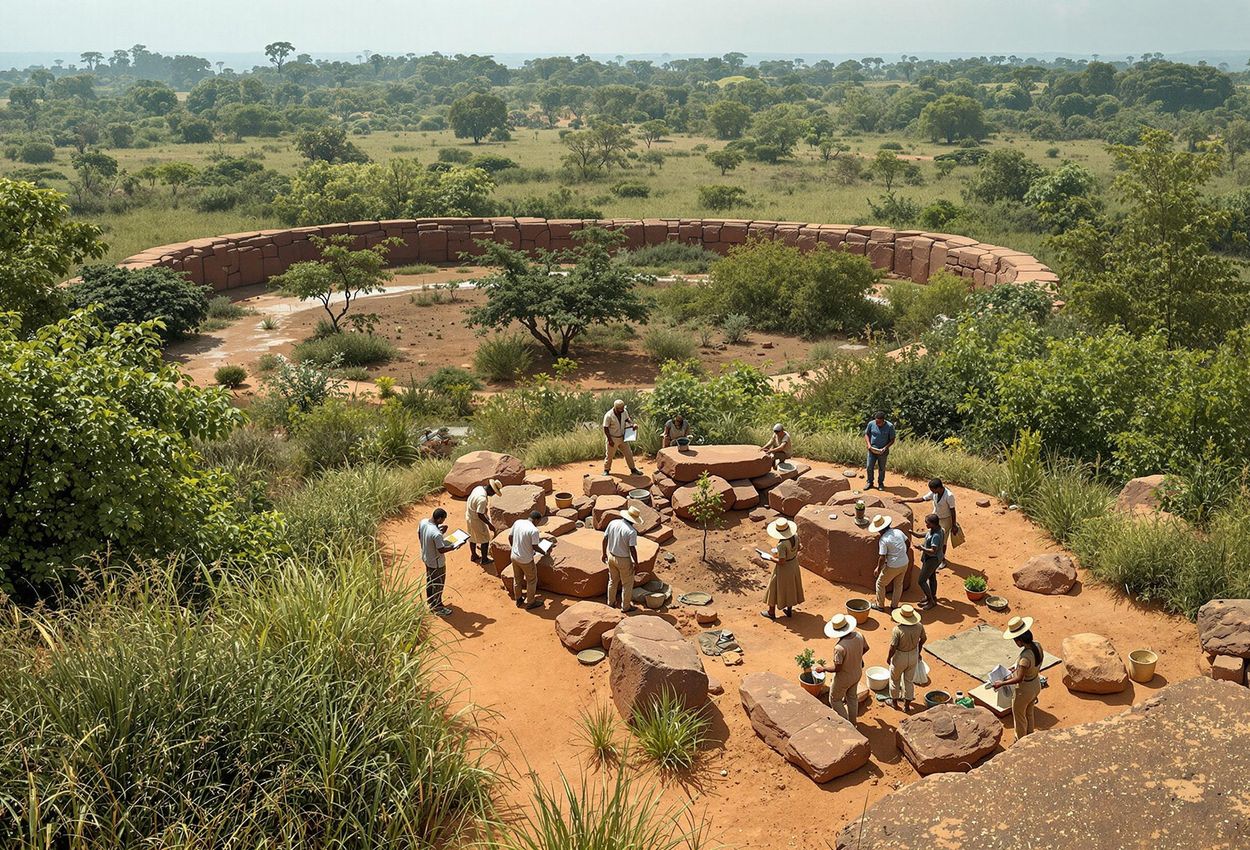
Preservation Focus: Support conservation efforts by practicing responsible tourism, respecting the site's cultural significance, and contributing to local initiatives that protect the Wassu Stone Circles for future generations.
Speculating on the types of rituals or ceremonies that may have been performed at the Wassu Stone Circles offers a glimpse into the spiritual lives of the people who built them. Archaeological evidence and local traditions suggest the possibility of ancestor worship, funerary rites, or other sacred events.
The stones may have served as a focal point for communal gatherings, where people came together to honor their ancestors, celebrate important life events, or seek guidance from the spiritual realm. The circular formations may have symbolized the cyclical nature of life, death, and rebirth, reflecting a deep understanding of the natural world and its rhythms.
The Wassu Stone Circles may have been a place of transformation, where individuals could connect with the divine and experience a sense of belonging and purpose. The echoes of these ancient rituals resonate through the stones, inviting us to contemplate the enduring power of human spirituality.
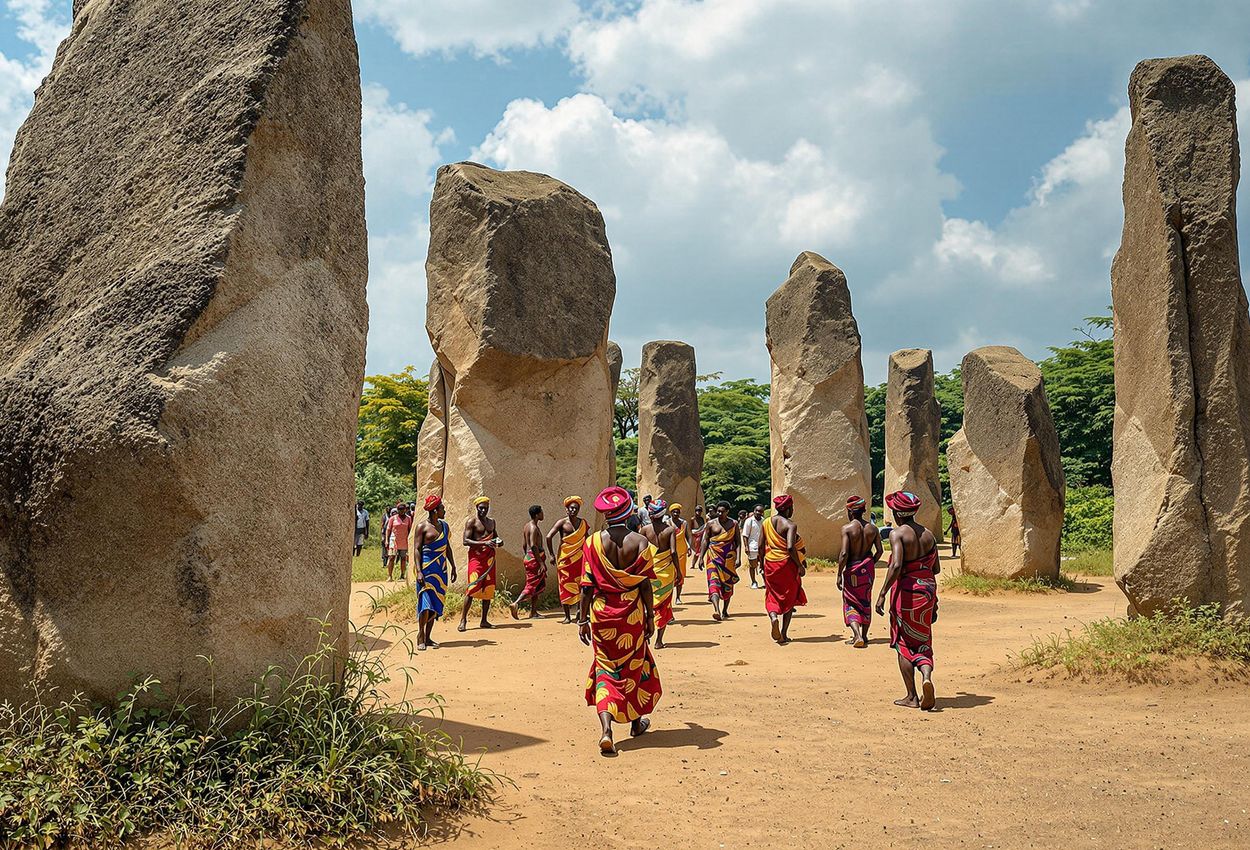
Spiritual Reflection: Imagine the rituals and ceremonies that may have taken place within the stone circles, connecting the earthly and spiritual realms and honoring the ancestors who came before.
Our editors` picks of the latest and greatest in travel - delivered to your inbox daily
Relax on the beaches and explore the reefs of Xai-Xai.
View More
Embrace the cooler temperatures and experience the International Festival of the Sahara in Douz this December.
View More
Celebrate the year-end festivities in Accra, culminating in the vibrant Afrofuture festival.
View More Albania EDITION
 Algeria EDITION
 Argentina EDITION
 Armenia EDITION
 Australia EDITION
 Austria EDITION
 Bangladesh EDITION
 Belgium EDITION
 Belize EDITION
 Benin EDITION
 Bhutan EDITION
 Bolivia EDITION
 Bosnia and Herzegovina EDITION
 Botswana EDITION
 Brazil EDITION
 Bulgaria EDITION
 Burkina Faso EDITION
 Cambodia EDITION
 Cameroon EDITION
 Canada EDITION
 Central African Republic EDITION
 Chad EDITION
 Chile EDITION
 China EDITION
 Colombia EDITION
 Costa Rica EDITION
 Croatia EDITION
 Cyprus EDITION
 Denmark EDITION
 Djibouti EDITION
 Ecuador EDITION
 Egypt EDITION
 El Salvador EDITION
 Eritrea EDITION
 Estonia EDITION
 Ethiopia EDITION
 Finland EDITION
 France EDITION
 Gabon EDITION
 Georgia EDITION
 Germany EDITION
 Ghana EDITION
 Greece EDITION
 Guatemala EDITION
 Guinea EDITION
 Guinea-Bissau EDITION
 Honduras EDITION
 Hungary EDITION
 Iceland EDITION
 India EDITION
 Indonesia EDITION
 Ireland EDITION
 Israel EDITION
 Italy EDITION
 Jamaica EDITION
 Japan EDITION
 Jordan EDITION
 Kenya EDITION
 Kuwait EDITION
 Laos EDITION
 Latvia EDITION
 Lebanon EDITION
 Lesotho EDITION
 Liberia EDITION
 Lithuania EDITION
 Luxembourg EDITION
 Madagascar EDITION
 Malawi EDITION
 Malaysia EDITION
 Maldives EDITION
 Mali EDITION
 Malta EDITION
 Mauritania EDITION
 Mauritius EDITION
 Mexico EDITION
 Mongolia EDITION
 Montenegro EDITION
 Morocco EDITION
 Mozambique EDITION
 Namibia EDITION
 Nepal EDITION
 Netherlands EDITION
 New Zealand EDITION
 Nicaragua EDITION
 Niger EDITION
 Nigeria EDITION
 Norway EDITION
 Oman EDITION
 Pakistan EDITION
 Panama EDITION
 Papua New Guinea EDITION
 Paraguay EDITION
 Peru EDITION
 Philippines EDITION
 Poland EDITION
 Portugal EDITION
 Qatar EDITION
 Romania EDITION
 Rwanda EDITION
 Saudi Arabia EDITION
 Senegal EDITION
 Serbia EDITION
 Singapore EDITION
 Slovakia EDITION
 Slovenia EDITION
 Somalia EDITION
 South Africa EDITION
 South Korea EDITION
 Spain EDITION
 Sri Lanka EDITION
 Suriname EDITION
 Sweden EDITION
 Switzerland EDITION
 Tanzania EDITION
 Thailand EDITION
 Tunisia EDITION
 Uganda EDITION
 United Arab Emirates EDITION
 United Kingdom EDITION
 Uruguay EDITION
 Venezuela EDITION
 Vietnam EDITION
 Zambia EDITION
 Zimbabwe EDITION
Subscribe to our newsletter and get the most captivating travel stories, hidden gems, and expert insights delivered straight to your inbox. As a subscriber, you’ll be first in line for exclusive content, premium offers, and unforgettable travel experiences