


Destination Guide
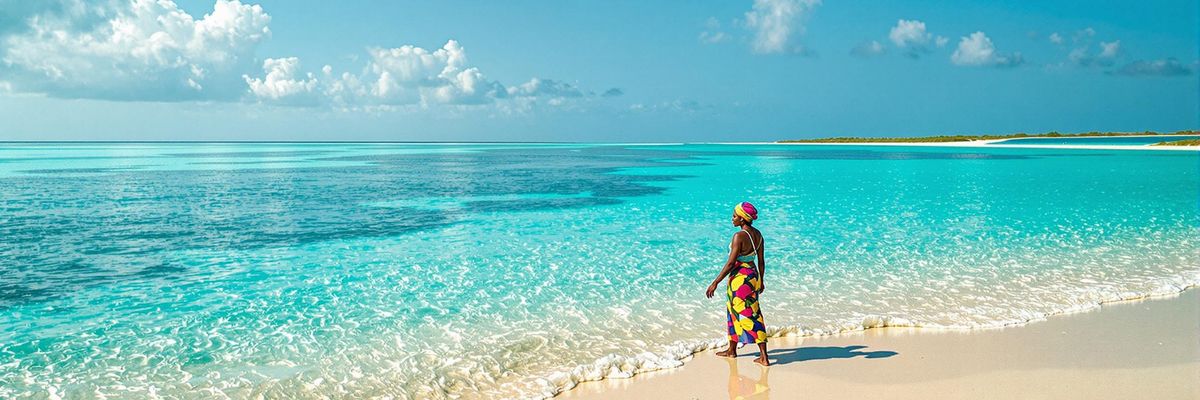
Xai-Xai: A Coastal Retreat
Relax on the beaches and explore the reefs of Xai-Xai.
View More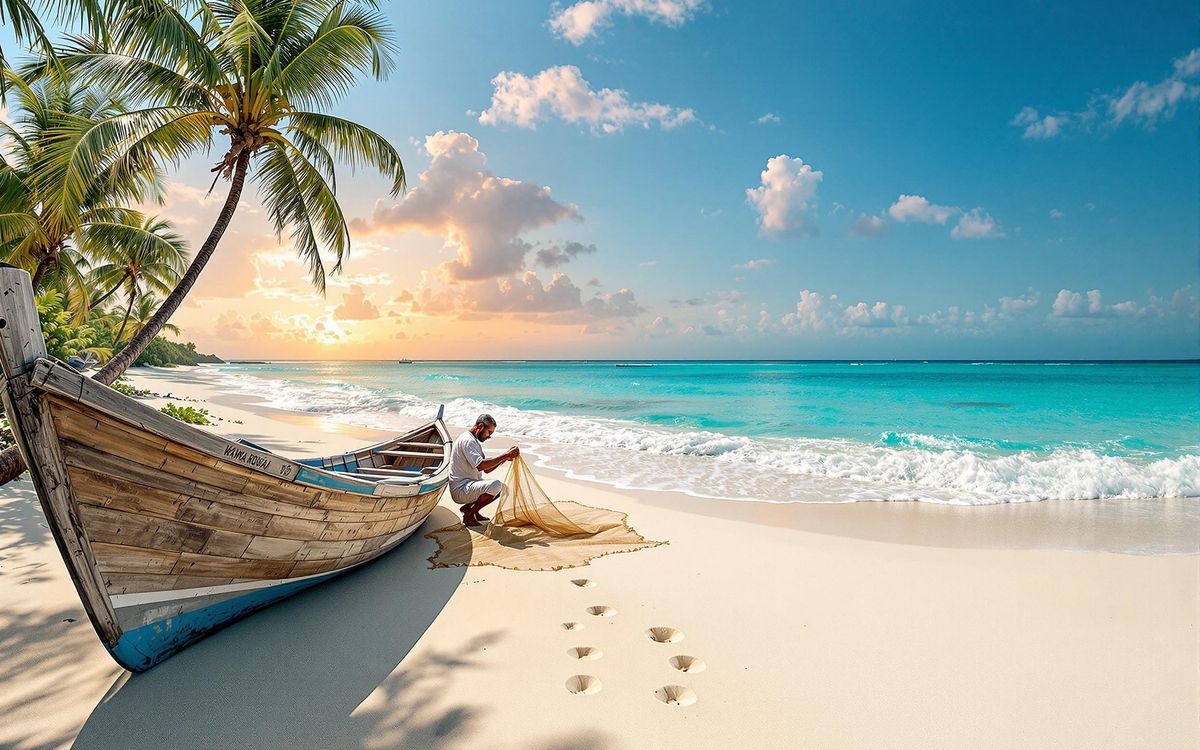

Escape to Watamu, a serene coastal paradise on the Kenyan coast, where turquoise waters meet pristine beaches, and a laid-back atmosphere invites you to unwind and reconnect with nature.
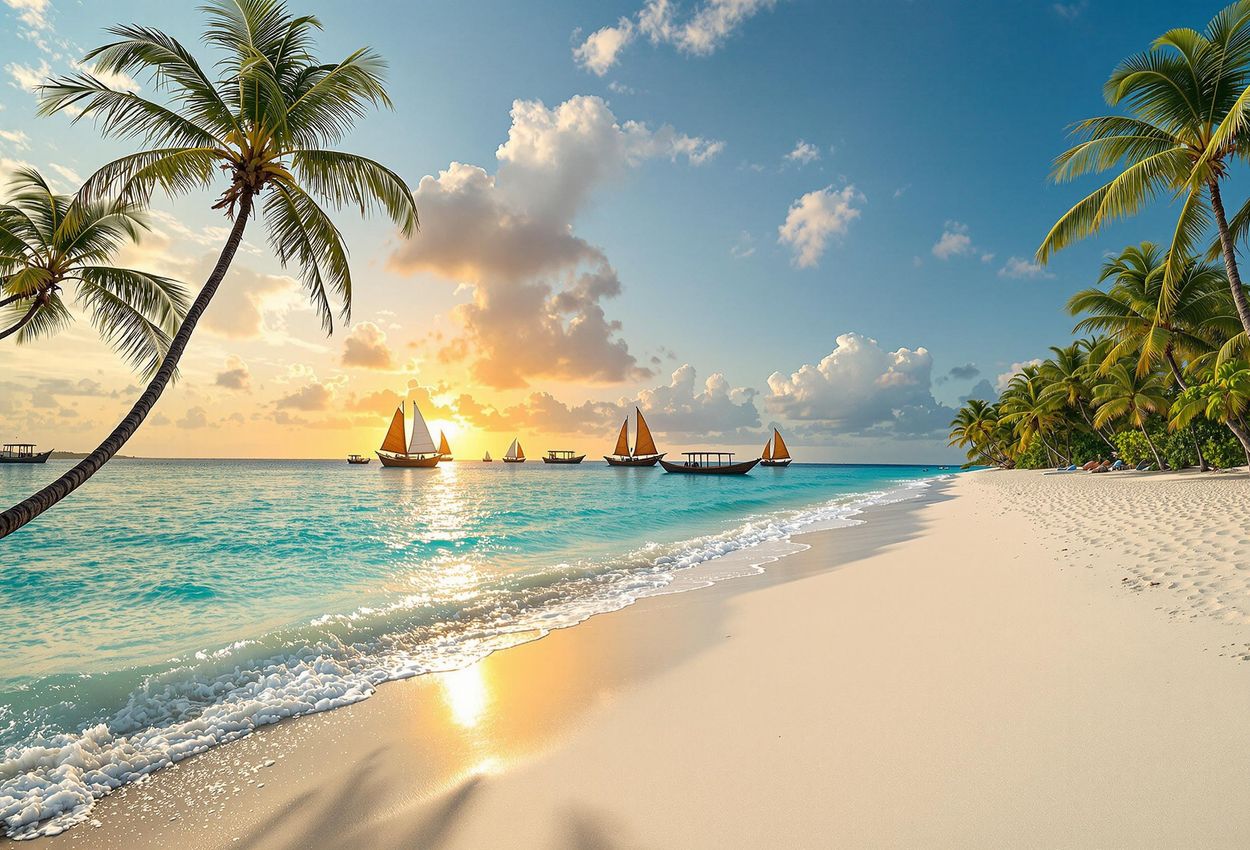
Nestled approximately 105 km north of Mombasa and 15 km south of Malindi, Watamu offers a tranquil escape from the bustling city life. This hidden gem has earned a well-deserved reputation as an eco-tourism destination, attracting travelers seeking authentic experiences that harmonize with the environment. Imagine sinking your toes into the soft, white sand as the gentle sea breeze whispers through the palm trees. The air is filled with the soothing sound of waves caressing the shore, creating a symphony of tranquility that washes away your worries. The sun-kissed beaches invite you to bask in its warmth, while the crystal-clear waters beckon you for a refreshing swim.
As you stroll along the shoreline, you'll be captivated by the vibrant colors of the seashells scattered along the beach. The turquoise waters glisten under the sun, revealing glimpses of the underwater wonders that await. The scent of salt fills the air, mingling with the sweet fragrance of tropical flowers that bloom along the coast.
The local Swahili culture adds a unique charm to Watamu. Friendly smiles greet you at every turn, and the warmth of the community embraces you like a long-lost friend. Engage in conversations with the locals, and you'll discover fascinating stories and traditions that have been passed down through generations. Savor the flavors of Swahili cuisine, a delightful fusion of African, Arab, and Indian influences, tantalizing your taste buds with exotic spices and fresh seafood.
Watamu is more than just a beach destination; it's an experience that awakens your senses and nourishes your soul. Whether you seek relaxation, adventure, or cultural immersion, this coastal haven offers something for everyone. Come, discover the magic of Watamu, where nature's beauty and Swahili hospitality create an unforgettable escape.
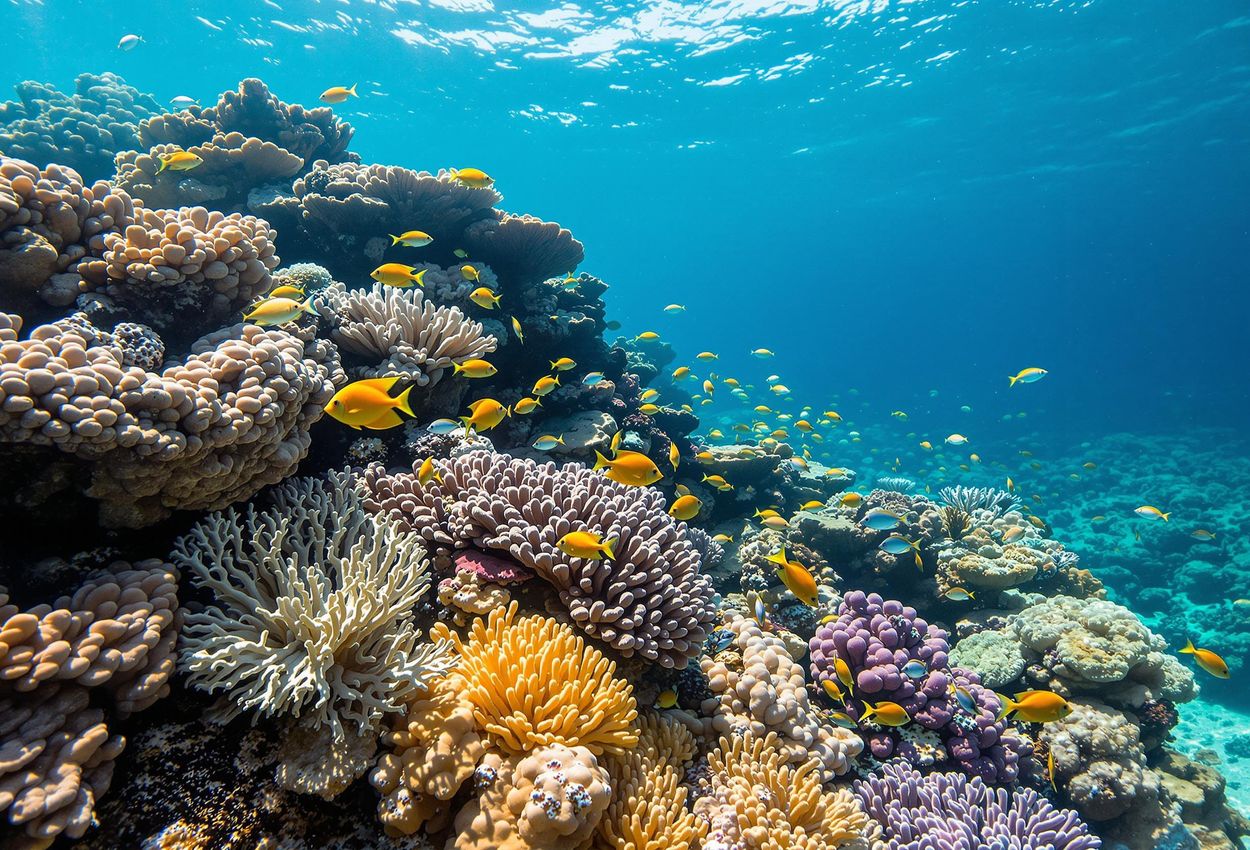
Prepare to be mesmerized by the underwater paradise that awaits you at Watamu Marine National Park, a protected area teeming with diverse marine ecosystems. Established in 1968, this magnificent park is one of the first marine parks in Kenya and a UNESCO Biosphere Reserve, highlighting its global importance for biodiversity conservation. As you venture beneath the waves, you'll discover a kaleidoscope of coral reefs, seagrass beds, and an abundance of fish species, creating an unforgettable snorkeling and diving experience.
Snorkeling in Watamu Marine National Park is like entering a living aquarium. The coral reefs, vibrant and teeming with life, provide a habitat for over 500 species of fish. Glide through the crystal-clear waters and witness the colorful dance of angelfish, butterflyfish, parrotfish, and many more. Keep an eye out for graceful sea turtles gliding effortlessly through the water, as well as manta rays and whale sharks, gentle giants that grace these waters with their presence. Divers can explore outer coral reefs and discover brain corals that attract diverse sea life.
The park's diverse marine ecosystems are not only a feast for the eyes but also play a crucial role in the health of the ocean. Coral reefs act as nurseries for countless marine species, while seagrass beds provide food and shelter for many creatures. These ecosystems also help protect the coastline from erosion and storm surges, making the park a vital component of the coastal environment.
Watamu Marine National Park is committed to conservation efforts, working tirelessly to protect its precious marine resources. Habitat restoration projects aim to rehabilitate damaged coral reefs and seagrass beds, while marine species protection programs focus on safeguarding endangered species like sea turtles. By visiting the park, you're contributing to these vital conservation efforts, ensuring that future generations can enjoy the wonders of this underwater paradise.
Whether you're an experienced diver or a first-time snorkeler, Watamu Marine National Park offers an unforgettable adventure into the heart of the Indian Ocean. Immerse yourself in the beauty of the underwater world, and you'll gain a newfound appreciation for the importance of marine conservation. The park is recognized as a UNESCO Biosphere Reserve, which underscores its importance for global biodiversity conservation.
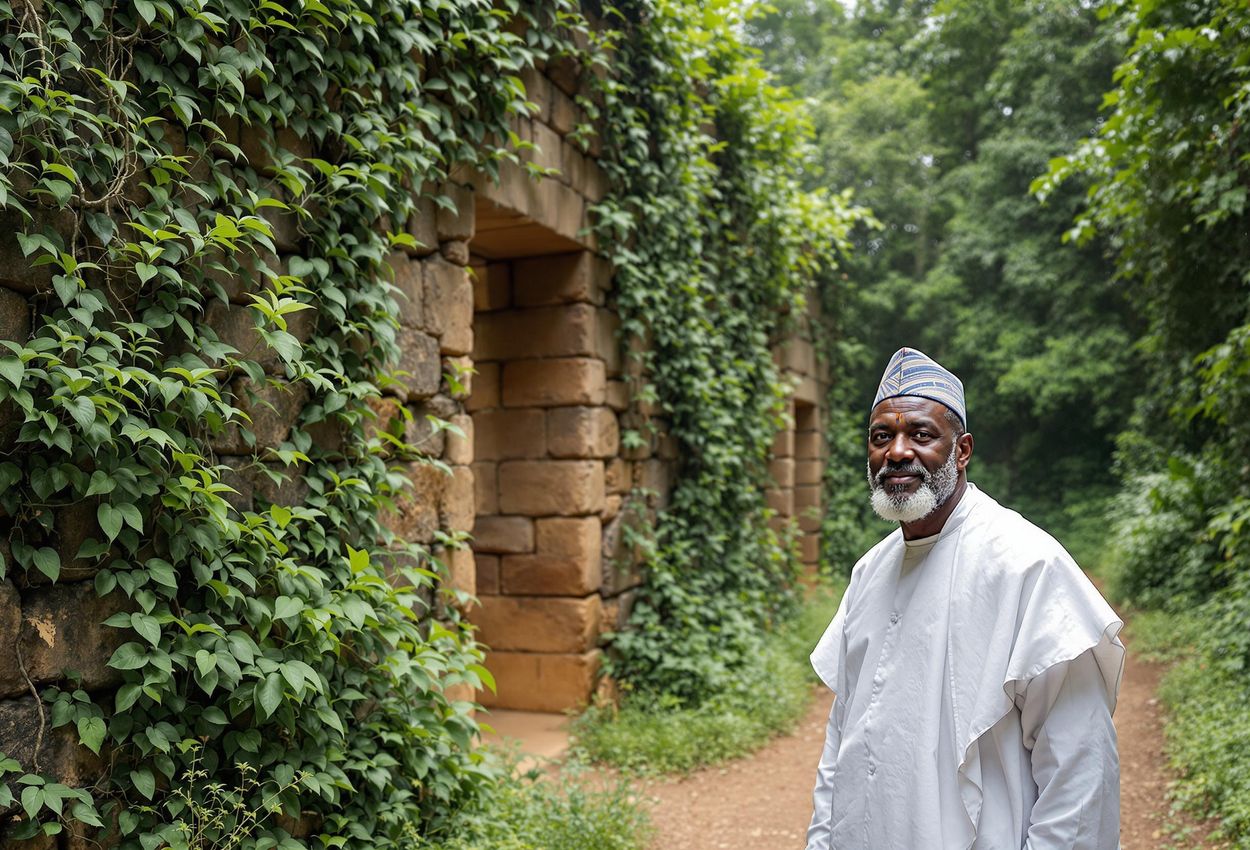
Step back in time and explore the historical significance of the Gede Ruins, a 12th-century Swahili town that offers a glimpse into Kenya's rich cultural heritage. Located near the Arabuko Sokoke Forest, these well-preserved ruins whisper tales of a once-thriving civilization that mysteriously disappeared.
As you wander through the ruins, you'll be amazed by the intricate architecture of the mosques, palace, and houses. These structures, built from stone and coral, showcase the advanced craftsmanship of the Swahili people. The ruins are seamlessly integrated with the surrounding Arabuko Sokoke Forest, creating a unique blend of history and nature.
The reasons for Gede's abandonment in the 17th century remain a subject of debate among historians. Some theories suggest that raids from neighboring communities, conflicts in city states, the arrival of the Portuguese, and a drop in the water table led to the town's demise. The removal of the Sheikh of Malindi and the Portuguese to Mombasa in 1593, the Wazimba raid along the East African Coast in 1589 may have contributed to the abandonment. Despite the uncertainty surrounding its abandonment, the Gede Ruins offer a fascinating glimpse into the past.
In 1929, the site was declared a protected monument. The rediscovery and study of the ruins by archaeologists have shed light on the town's history and its connections to other parts of the world. Artifacts found at the site, such as Venetian beads, Ming Dynasty pottery, and Spanish scissors, indicate that Gede was a major trading center with links to China, the Near East, Arabia, India, and Southeast Asia.
Today, the indigenous forest surrounding the ruins is considered a sacred site by the local community, who still perform traditional rituals and sacrifices there. The Gede Ruins are more than just a historical site; they're a place where the past and present intertwine, offering a unique cultural experience. The town had two large walls that enclosed it. The inner walls were the quarter where the rich lived, with the outer wall including agricultural land for poor farmers.
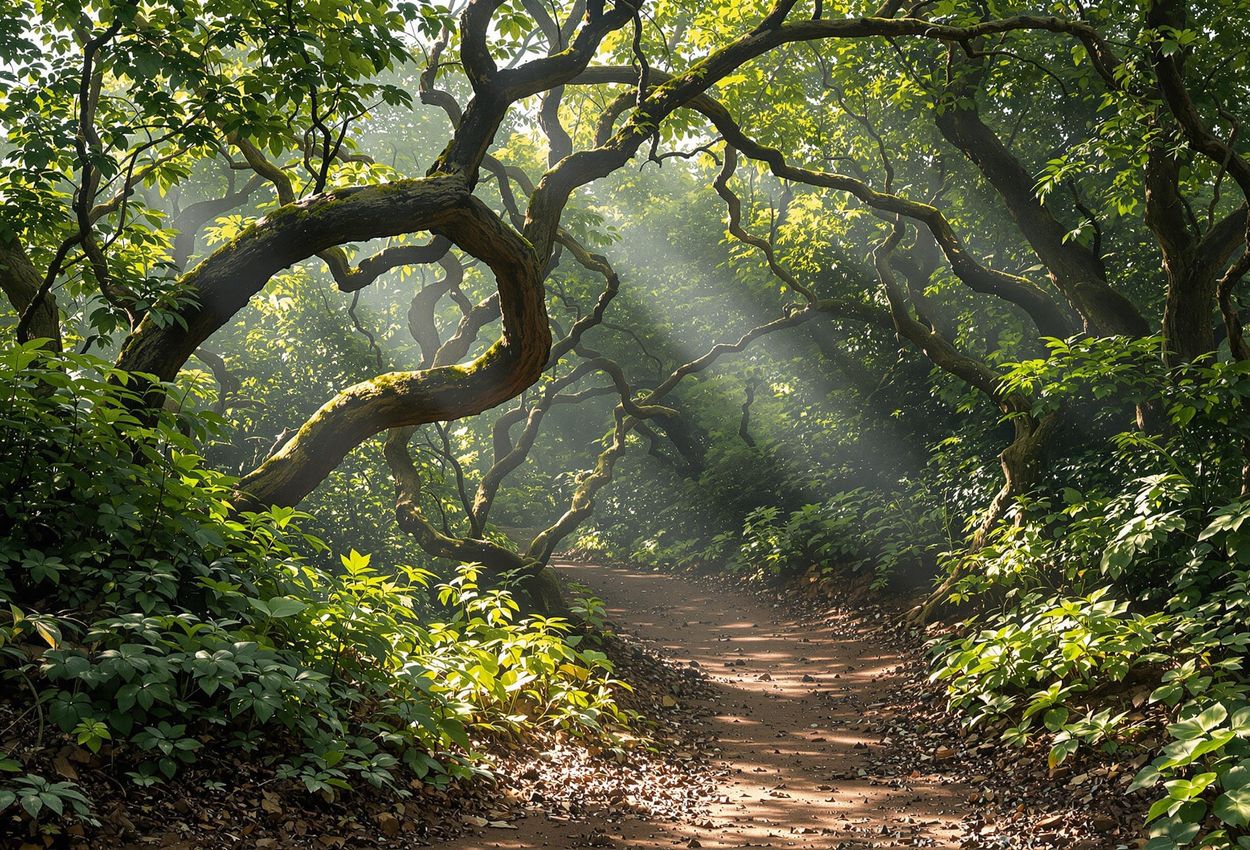
Immerse yourself in the wonders of the Arabuko Sokoke Forest, the largest single block of coastal forest remaining in East Africa and a haven for biodiversity. This ancient forest, located a short distance from Watamu, is home to a remarkable array of endemic and endangered flora and fauna, making it a must-visit destination for nature lovers and conservation enthusiasts.
As you venture into the forest, you'll be greeted by a symphony of sounds – the chirping of birds, the rustling of leaves, and the calls of monkeys echoing through the trees. The forest is home to over 270 bird species, including the Clarke's Weaver and Sokoke Scops Owl, both of which are globally threatened. Birdwatchers will be in paradise as they try to spot these rare and elusive birds in their natural habitat.
The forest is also home to a variety of mammals, including the Golden-rumped Elephant Shrew, Ader's duiker, and Sokoke bushy-tailed mongoose, all of which are endemic to the region. Keep an eye out for these fascinating creatures as you explore the forest's winding trails. Butterfly enthusiasts will be delighted by the forest's rich diversity of butterfly species, with an estimated 30% of Kenya's butterfly species found within its boundaries. The forest is composed of mixed lowland forest, open Brachystegia woodlands, and Cynometra forest and thickets and supports 50 globally or nationally rare plant species.
The Arabuko Sokoke Forest plays a crucial role in the conservation of biodiversity, providing a refuge for endangered species and maintaining the ecological balance of the region. In 2019, the forest became included in UNESCO's Man and the Biosphere (MAB) programme. Conservation efforts are focused on protecting the forest from deforestation, poaching, and other threats. Eco-tourism initiatives support local communities and promote the importance of protecting the forest.
Exploring the Arabuko Sokoke Forest is an unforgettable experience that will leave you with a deep appreciation for the wonders of nature. Whether you're a birdwatcher, a wildlife enthusiast, or simply seeking a peaceful escape, this biodiversity hotspot offers something for everyone. The Friends of Arabuko-Sokoke Forest aim to monitor any destruction of the ecosystem, create awareness of the value of the forest, and support local farming communities.
Experience the beauty of Watamu while minimizing your environmental impact by staying at one of the area's eco-lodges. These sustainable accommodations prioritize conservation and luxury, offering a unique blend of comfort and eco-consciousness. From eco-conscious designs to energy-efficient technologies and organic gardens, these lodges are committed to protecting the environment.
A Rocha Eco-Lodge, a sanctuary for both wildlife and guests, sits on the edge of Turtle Bay Beach, offering stunning views and an immersive conservation experience. Guests can learn about the local ecosystems while enjoying the peaceful surroundings, perfect for nature lovers and bird watchers. Eco Villas Watamu, located in Timboni, provides an ideal blend of eco-conscious living and luxury, with comfortable villas surrounded by lush greenery. Mida Creek Eco Camp offers glamping-style accommodations in the heart of a coastal forest, where guests can take part in eco-tourism activities like kayaking, bird watching, and exploring the nearby marine reserves.
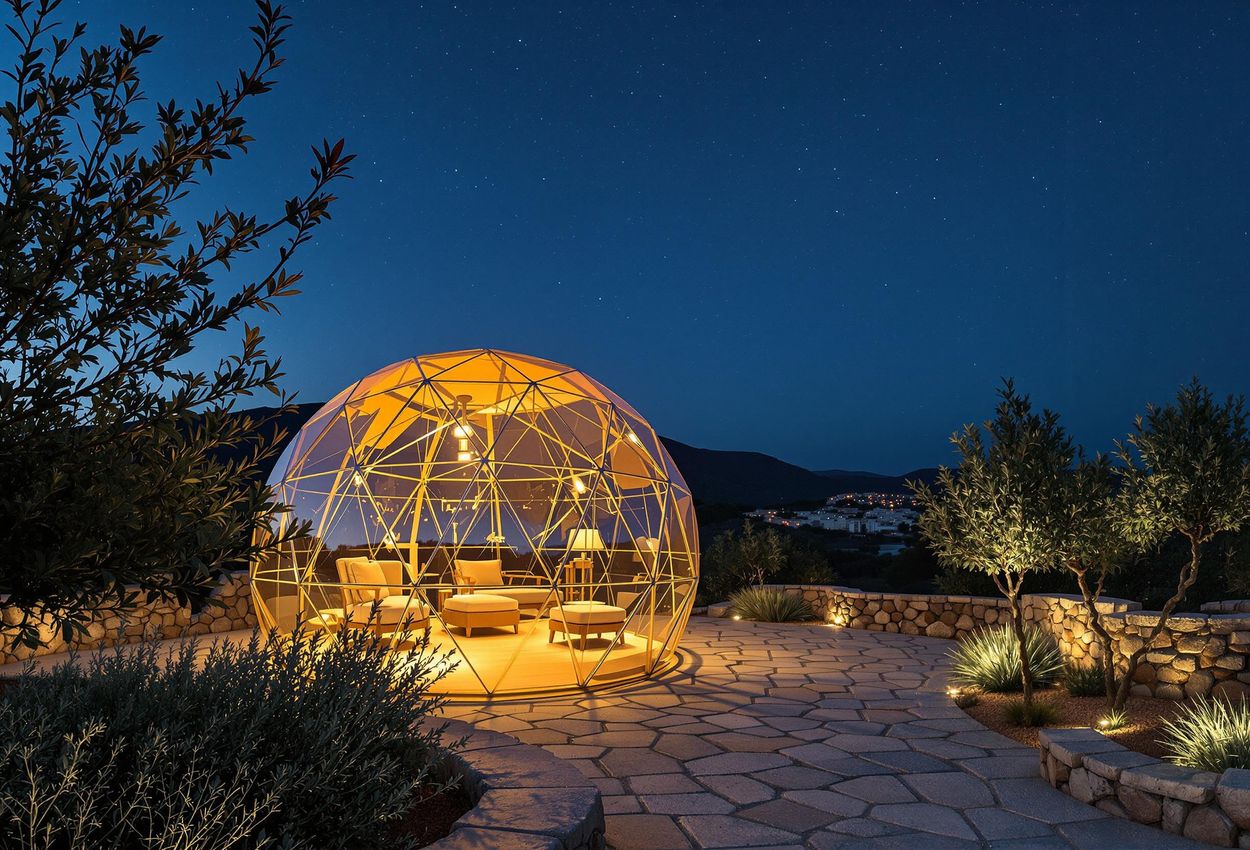
For a truly unique experience, consider staying at Rock and Sea Bubble Eco Lodge, where you can sleep under the stars in a transparent bubble. This innovative lodge offers a luxurious and unforgettable way to connect with nature. The Rock and Sea Bubble Ecolodge is located approximately 105 km north of Mombasa and about 15 km south of Malindi.
Many eco-lodges in Watamu offer activities that allow you to explore the area's natural wonders while minimizing your impact. Kayak through the mangroves of Mida Creek, go bird watching in the Arabuko Sokoke Forest, or explore the marine reserves with a guided snorkeling tour. By choosing to stay at an eco-lodge, you're supporting sustainable tourism and contributing to the conservation of Watamu's natural beauty.
Discover the local conservation efforts in Watamu that are protecting its natural treasures and learn how you can contribute to responsible tourism. From beach cleanups to turtle protection initiatives, the community is actively involved in preserving the environment. Organizations like Watamu Marine Association and A Rocha Kenya are leading the charge, working to protect coral reefs, mangroves, and sea turtles.
The Watamu Marine Association brings together all sections of the Watamu coastal community who work for the benefit of the people through eco tourism enterprises and for the protection of the marine environment. The WMA runs a Community Solid Waste Management and Recycling Project and Marine Conservation and Community Environmental Education Projects. Watamu Turtle Watch works in cooperation with local people & Kenya Wildlife Service to protect all nests laid on Watamu and Malindi beaches.
Sustainable tourism practices are essential for protecting Watamu's environment and supporting local livelihoods. By choosing eco-friendly accommodations, supporting local businesses, and respecting wildlife, you can minimize your impact and contribute to the well-being of the community. Responsible waste management is crucial for protecting the marine environment, so be sure to dispose of your trash properly and avoid single-use plastics.
The circular economy plays a vital role in protecting the environment and supporting local livelihoods. By recycling waste materials and creating new products, the community can reduce pollution and generate income. Support local artisans who create beautiful crafts from recycled materials, and you'll be contributing to a more sustainable future.
Tourism can be a powerful force for good, supporting local livelihoods and biodiversity conservation. By choosing responsible tourism options, you can help ensure that Watamu remains a hidden gem for generations to come. The Collaborative Actions for Sustainable Tourism (COAST) Project aims to support and enhance the conservation of coastal and marine ecosystems through the reduction of negative environmental impacts resulting from coastal tourism.
Our editors` picks of the latest and greatest in travel - delivered to your inbox daily
Relax on the beaches and explore the reefs of Xai-Xai.
View More
Embrace the cooler temperatures and experience the International Festival of the Sahara in Douz this December.
View More
Celebrate the year-end festivities in Accra, culminating in the vibrant Afrofuture festival.
View More Albania EDITION
 Algeria EDITION
 Argentina EDITION
 Armenia EDITION
 Australia EDITION
 Austria EDITION
 Bangladesh EDITION
 Belgium EDITION
 Belize EDITION
 Benin EDITION
 Bhutan EDITION
 Bolivia EDITION
 Bosnia and Herzegovina EDITION
 Botswana EDITION
 Brazil EDITION
 Bulgaria EDITION
 Burkina Faso EDITION
 Cambodia EDITION
 Cameroon EDITION
 Canada EDITION
 Central African Republic EDITION
 Chad EDITION
 Chile EDITION
 China EDITION
 Colombia EDITION
 Costa Rica EDITION
 Croatia EDITION
 Cyprus EDITION
 Denmark EDITION
 Djibouti EDITION
 Ecuador EDITION
 Egypt EDITION
 El Salvador EDITION
 Eritrea EDITION
 Estonia EDITION
 Ethiopia EDITION
 Finland EDITION
 France EDITION
 Gabon EDITION
 Georgia EDITION
 Germany EDITION
 Ghana EDITION
 Greece EDITION
 Guatemala EDITION
 Guinea EDITION
 Guinea-Bissau EDITION
 Honduras EDITION
 Hungary EDITION
 Iceland EDITION
 India EDITION
 Indonesia EDITION
 Ireland EDITION
 Israel EDITION
 Italy EDITION
 Jamaica EDITION
 Japan EDITION
 Jordan EDITION
 Kenya EDITION
 Kuwait EDITION
 Laos EDITION
 Latvia EDITION
 Lebanon EDITION
 Lesotho EDITION
 Liberia EDITION
 Lithuania EDITION
 Luxembourg EDITION
 Madagascar EDITION
 Malawi EDITION
 Malaysia EDITION
 Maldives EDITION
 Mali EDITION
 Malta EDITION
 Mauritania EDITION
 Mauritius EDITION
 Mexico EDITION
 Mongolia EDITION
 Montenegro EDITION
 Morocco EDITION
 Mozambique EDITION
 Namibia EDITION
 Nepal EDITION
 Netherlands EDITION
 New Zealand EDITION
 Nicaragua EDITION
 Niger EDITION
 Nigeria EDITION
 Norway EDITION
 Oman EDITION
 Pakistan EDITION
 Panama EDITION
 Papua New Guinea EDITION
 Paraguay EDITION
 Peru EDITION
 Philippines EDITION
 Poland EDITION
 Portugal EDITION
 Qatar EDITION
 Romania EDITION
 Rwanda EDITION
 Saudi Arabia EDITION
 Senegal EDITION
 Serbia EDITION
 Singapore EDITION
 Slovakia EDITION
 Slovenia EDITION
 Somalia EDITION
 South Africa EDITION
 South Korea EDITION
 Spain EDITION
 Sri Lanka EDITION
 Suriname EDITION
 Sweden EDITION
 Switzerland EDITION
 Tanzania EDITION
 Thailand EDITION
 Tunisia EDITION
 Uganda EDITION
 United Arab Emirates EDITION
 United Kingdom EDITION
 Uruguay EDITION
 Venezuela EDITION
 Vietnam EDITION
 Zambia EDITION
 Zimbabwe EDITION
Subscribe to our newsletter and get the most captivating travel stories, hidden gems, and expert insights delivered straight to your inbox. As a subscriber, you’ll be first in line for exclusive content, premium offers, and unforgettable travel experiences