


Destination Guide
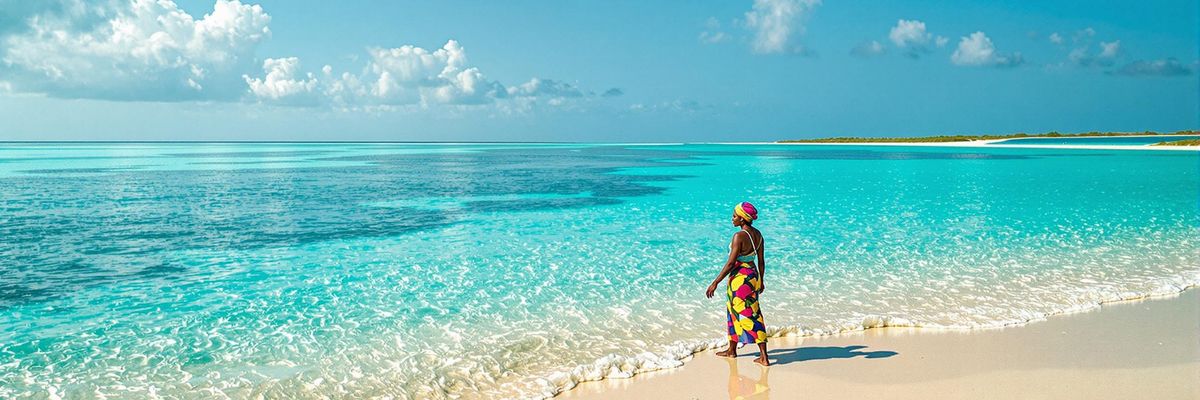
Xai-Xai: A Coastal Retreat
Relax on the beaches and explore the reefs of Xai-Xai.
View More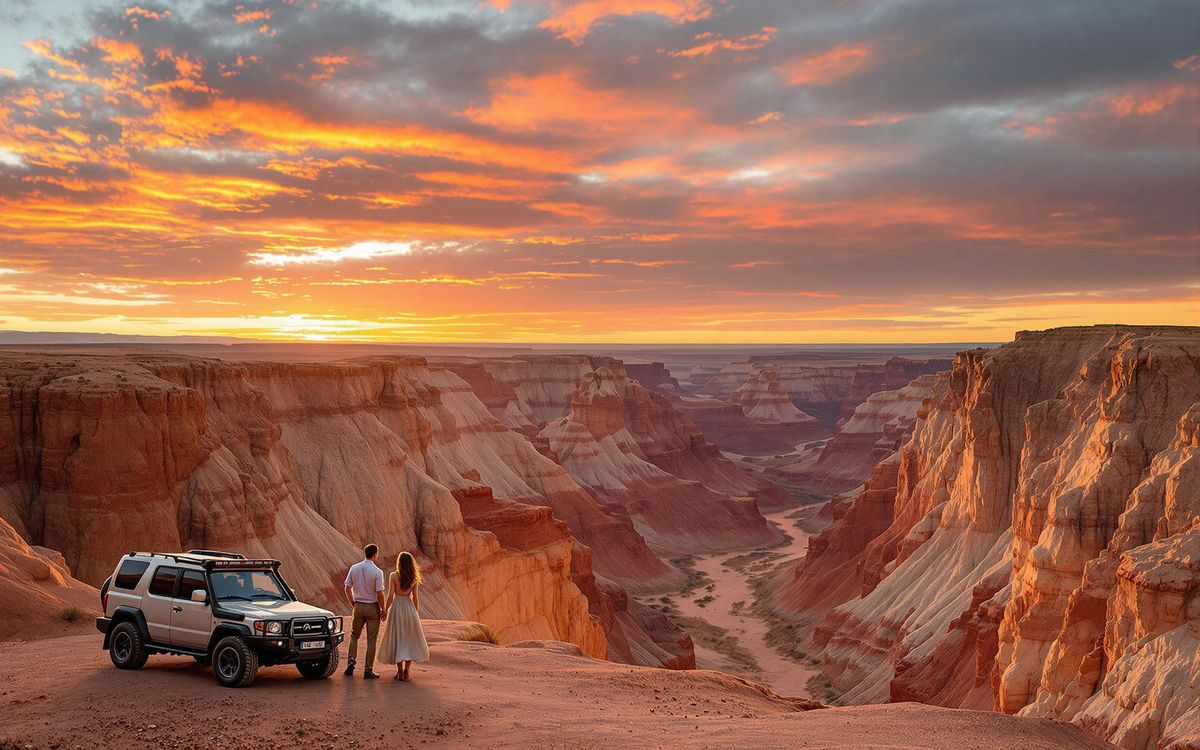

Venture into the heart of Turkmenistan's wilderness and discover Yangikala Canyon, a geological masterpiece painted in fiery hues. This remote natural wonder, sculpted by an ancient sea, offers an unforgettable spectacle of color and grandeur, inviting travelers to witness the raw beauty of the Karakum Desert.
In the heart of Turkmenistan, approximately 165 kilometers north of Balkanabat and 160 kilometers east of Turkmenbashi, lies Yangikala Canyon, a geological marvel sculpted by time and the elements. Unlike the Grand Canyon, carved by the relentless flow of a river, Yangikala owes its existence to the ancient Tethys Sea. Over millions of years, this vast body of water receded, leaving behind a landscape of towering cliffs and deep ravines.
The canyon's formation began with the accumulation of sedimentary layers of limestone, clay, and sandstone on the seabed. As the sea retreated, these layers were exposed to the harsh desert environment, where wind and water erosion sculpted them into the dramatic formations we see today. The result is a breathtaking panorama of colossal cliffs, plunging canyons, and intricate rock formations that evoke a sense of awe and wonder.
While the Grand Canyon is perhaps the most famous example of a canyon landscape, Yangikala possesses its own unique charm and character. Its formation by the Caspian Sea, rather than a river, sets it apart, while its vibrant colors and remote location add to its allure. Here, in the heart of the Karakum Desert, nature has created a masterpiece that whispers tales of an ancient sea and the forces that shaped our planet.

Image Description: A wide, establishing shot captures the vastness of Yangikala Canyon under a clear, blue sky. The focus is on the layered cliffs in the foreground, showcasing the canyon's scale and depth. The Karakum Desert surrounds the canyon, emphasizing its remote location. The light is bright and clear, highlighting the textures and colors of the rock formations.
Style Instructions: The photo should be taken with a wide-angle lens to capture the full scope of the canyon. The aperture should be set to f/8 or f/11 to ensure sharpness throughout the image. The ISO should be kept low to minimize noise. The photo should be taken on July 14, 2025, around midday to capture the full sunlight. Style: Landscape
Yangikala Canyon is a riot of color, a testament to the diverse mineral composition of its cliffs. Reds, oranges, yellows, and whites swirl together in mesmerizing patterns, creating a visual spectacle that is both breathtaking and otherworldly. These vibrant hues are the result of various mineral deposits, with iron oxide in the sandstone responsible for the fiery reds and oranges that dominate the landscape.
As the sun moves across the sky, the colors of the canyon shift and change, creating a dynamic and ever-evolving panorama. Sunrise paints the cliffs in soft, warm tones, while sunset bathes them in a fiery glow. During the day, the harsh desert light accentuates the textures and contours of the rock formations, revealing their intricate details.
The local name 'Yangikala,' meaning 'fire fortress,' perfectly captures the essence of this fiery landscape. The name reflects the canyon's dominant colors and its imposing presence, evoking images of ancient castles and mythical strongholds. Standing at the canyon rim, one can easily imagine the fiery glow of the rocks as a beacon in the vast desert, guiding travelers to this hidden gem.

Image Description: A close-up shot of the canyon walls, focusing on the intricate patterns and textures of the rock formations. The colors are vibrant and varied, ranging from deep reds and oranges to pale yellows and whites. The light is soft and diffused, highlighting the subtle variations in color and texture.
Style Instructions: The photo should be taken with a macro lens to capture the fine details of the rock formations. The aperture should be set to f/5.6 to create a shallow depth of field, blurring the background and emphasizing the foreground. The ISO should be kept low to minimize noise. The photo should be taken on July 14, 2025, during the golden hour (around 6 PM local time) to capture the warm, soft light. Style: Nature
Reaching Yangikala Canyon is an adventure in itself, requiring a journey through the rugged Karakum Desert. The most common routes are from Ashgabat (approximately 6-7 hours by 4x4) or from Balkanabat. The journey from Ashgabat involves a long drive across the desert, while the route from Balkanabat is shorter but equally challenging.
A 4x4 vehicle is essential for navigating the sandy and uneven terrain. The tracks are often unmarked, and the desert landscape can be disorienting, making it crucial to travel with experienced drivers who know the area well. Carrying spare fuel and water is also highly recommended, as there are no facilities along the way.
The journey to Yangikala offers a glimpse into the stark beauty of the Karakum Desert. Vast expanses of sand stretch out to the horizon, broken only by occasional scrub vegetation and the distant silhouettes of camels. The silence is profound, broken only by the sound of the wind and the rumble of the vehicle. As you approach the canyon, the landscape gradually transforms, with the first glimpses of the fiery cliffs hinting at the wonders that lie ahead.

Image Description: A 4x4 vehicle driving through the Karakum Desert, with Yangikala Canyon visible in the distance. The vehicle is kicking up dust as it navigates the sandy terrain. The sky is clear and blue, and the sun is high in the sky.
Style Instructions: The photo should be taken with a telephoto lens to compress the distance and emphasize the canyon in the background. The aperture should be set to f/8 to ensure sharpness throughout the image. The ISO should be kept low to minimize noise. The photo should be taken on July 14, 2025, around 10 AM local time to capture the bright sunlight. Style: Action
To witness Yangikala Canyon at its most captivating, plan your visit for sunrise or sunset. During these golden hours, the soft, warm light bathes the cliffs in a breathtaking panorama of color, enhancing their natural beauty and creating unforgettable photo opportunities.
As the sun rises, the eastern sky explodes with color, casting a warm glow over the canyon walls. The reds and oranges become more intense, while the yellows and whites shimmer in the soft light. The shadows deepen, accentuating the textures and contours of the rock formations, revealing their intricate details.
In the late afternoon, as the sun begins its descent, the western sky transforms into a canvas of fiery hues. The canyon walls are bathed in a golden light, creating a sense of warmth and serenity. The shadows lengthen, creating dramatic contrasts and highlighting the canyon's unique geological features. Arriving in the late afternoon allows you to experience the magical golden hour at the canyon rim, before settling in for a night under the stars.

Image Description: A panoramic view of Yangikala Canyon at sunset, with the cliffs bathed in a warm, golden light. The sky is a mix of orange, pink, and purple hues, creating a dramatic backdrop. The foreground is in shadow, emphasizing the depth and scale of the canyon.
Style Instructions: The photo should be taken with a wide-angle lens to capture the full scope of the canyon. The aperture should be set to f/11 to ensure sharpness throughout the image. The ISO should be kept low to minimize noise. The photo should be taken on July 14, 2025, around 7:30 PM local time to capture the sunset. Style: Landscape
For a truly immersive experience, consider camping overnight on the canyon rim. Away from the distractions of civilization, you'll be enveloped in the profound silence of the desert, broken only by the whisper of the wind. As darkness falls, the sky transforms into a celestial canvas, with countless stars twinkling in the clear desert air.
Camping on the canyon rim offers unparalleled views of the night sky. With no light pollution to obscure the stars, you'll be able to see the Milky Way in all its glory. The silence and solitude of the desert create a sense of peace and tranquility, allowing you to connect with nature on a deeper level.
Be prepared for potential windy conditions on the ridges. The desert wind can be strong, especially at night, so make sure to secure your tent and bring warm clothing. Since there are no hotels in the area, camping is the best way to fully experience the canyon's remote beauty.
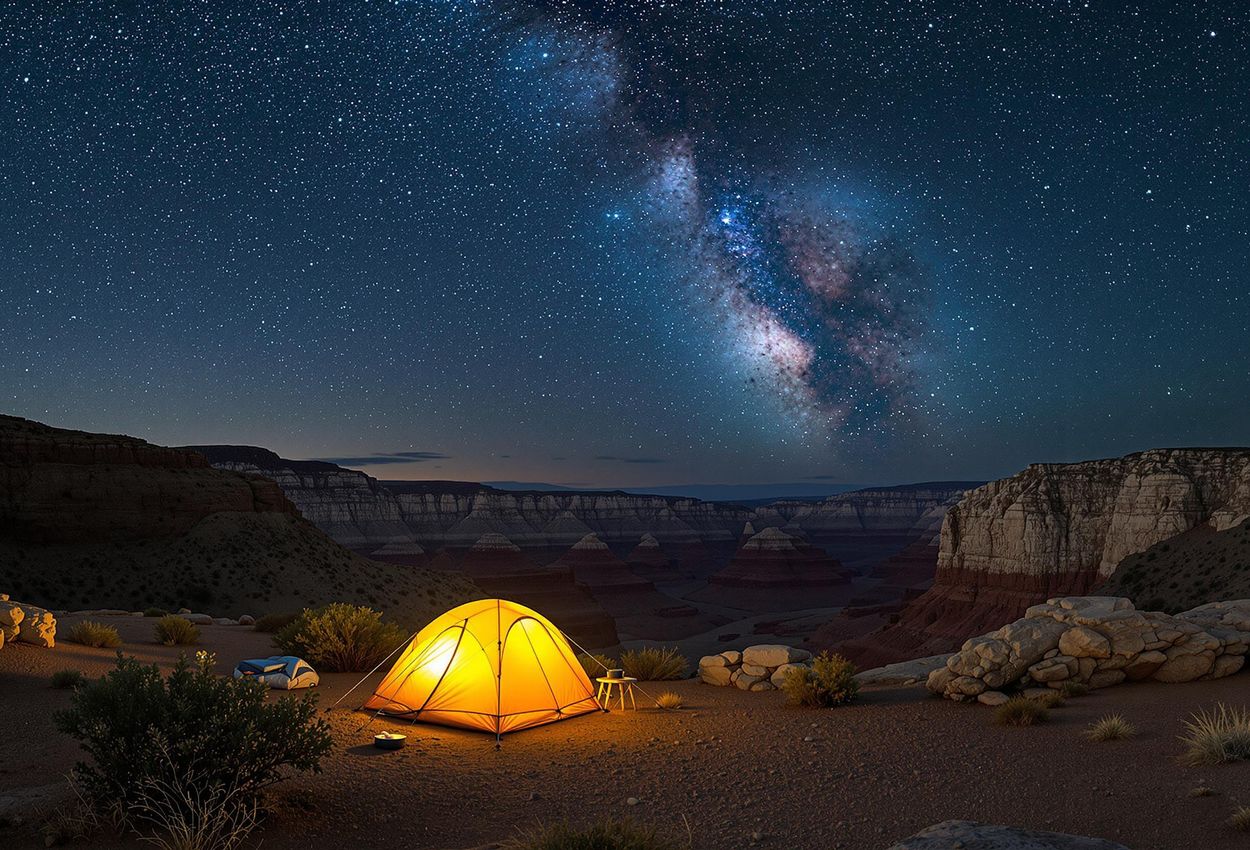
Image Description: A campsite on the rim of Yangikala Canyon at night, with a tent illuminated by a lantern. The sky is filled with stars, and the Milky Way is visible in the background. The canyon walls are silhouetted against the night sky.
Style Instructions: The photo should be taken with a wide-angle lens to capture the campsite and the night sky. The aperture should be set to f/2.8 or wider to allow as much light as possible to enter the camera. The ISO should be set to 3200 or higher to capture the stars. The photo should be taken on July 14, 2025, around midnight local time to capture the Milky Way. Style: Mystical
Among the many geological wonders of Yangikala Canyon, the 'Crocodile's Mouth' stands out as a particularly striking formation. This unique rock formation resembles the gaping jaws of a crocodile, extending out above the canyon floor. It's a popular spot for photos, offering a dramatic perspective of the canyon below.
Yangikala offers numerous hiking opportunities and scenic trails. Explore the canyon floor, climb the ridges for panoramic views, or simply wander among the rock formations, discovering hidden alcoves and secret canyons.
Exercise caution when walking near the edge of the canyon. The cliffs are steep and the rock can be unstable, so it's important to stay aware of your surroundings and avoid getting too close to the edge.

Image Description: A person standing on the 'Crocodile's Mouth' rock formation, looking out over Yangikala Canyon. The canyon walls are visible in the background, and the sky is clear and blue. The person is silhouetted against the sky, emphasizing the scale of the canyon.
Style Instructions: The photo should be taken with a wide-angle lens to capture the person and the canyon in the background. The aperture should be set to f/8 to ensure sharpness throughout the image. The ISO should be kept low to minimize noise. The photo should be taken on July 14, 2025, around 4 PM local time to capture the afternoon light. Style: Adventure
The best times to visit Yangikala Canyon are in spring (April-May) or autumn (September-October). During these months, the temperatures are mild and comfortable, making it ideal for hiking and camping.
Avoid visiting in summer, as the temperatures can be extreme, often exceeding 40°C (104°F). The lack of shade in the canyon makes the heat even more oppressive, making it difficult to enjoy your visit.
In spring, the desert landscape comes alive with wildflowers, adding an extra splash of color to the already vibrant canyon. The blooming flowers attract insects and birds, creating a lively and dynamic ecosystem.
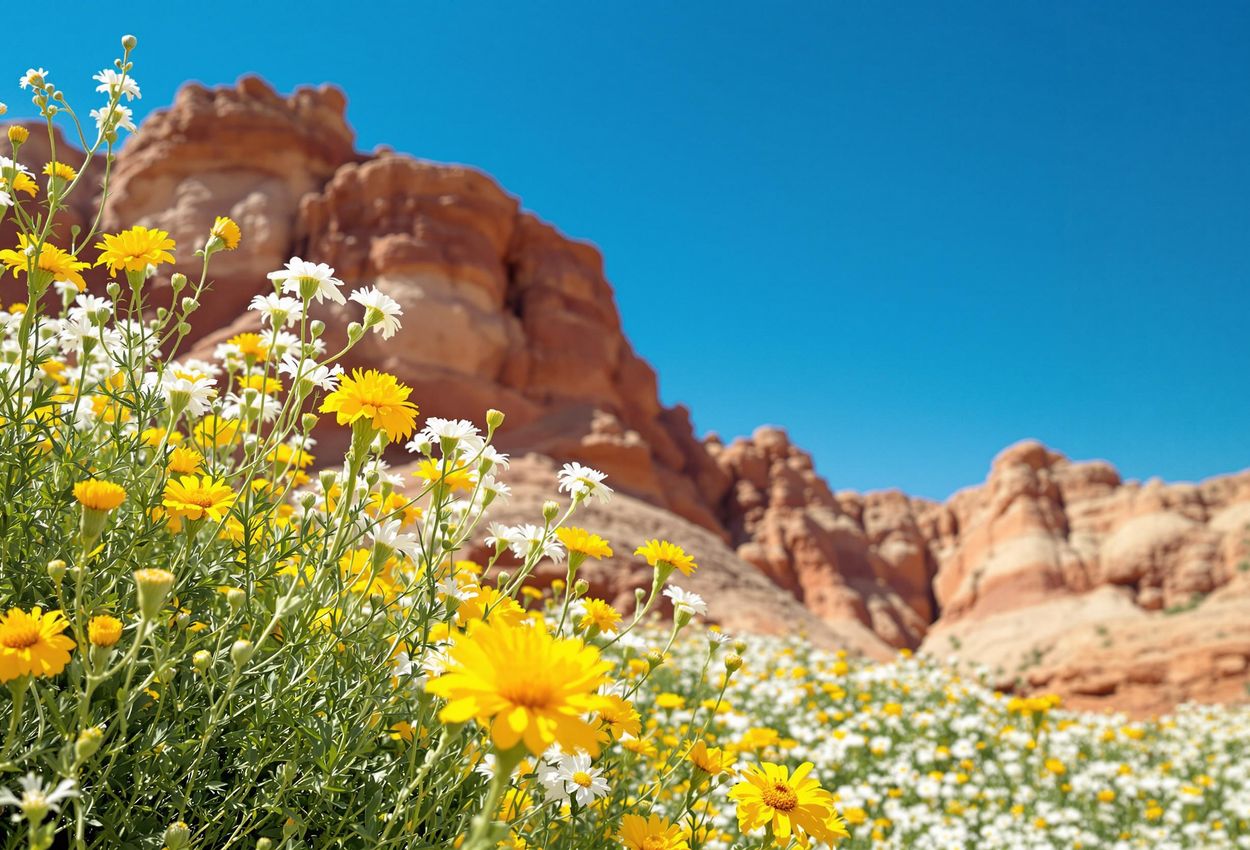
Image Description: Yangikala Canyon in springtime, with wildflowers blooming in the foreground. The canyon walls are visible in the background, and the sky is clear and blue. The wildflowers add a splash of color to the landscape.
Style Instructions: The photo should be taken with a macro lens to capture the wildflowers in detail. The aperture should be set to f/5.6 to create a shallow depth of field, blurring the background and emphasizing the foreground. The ISO should be kept low to minimize noise. The photo should be taken on April 20, 2025, around midday local time to capture the full sunlight. Style: Nature
While Yangikala Canyon is the main attraction in this region, there are other nearby wonders worth exploring. Yangysuw Canyon, located a short distance from Yangikala, offers a different perspective on the desert landscape. This canyon is known for its bright white rock formations, in contrast to the reds and oranges of Yangikala. Visiting Yangysuw Canyon requires an experienced guide, as the terrain can be challenging.
Gozli Ata, a remote shrine and pilgrimage site, is another point of interest in the area. The mausoleum of Kemal Ata, a revered Sufi teacher, is located in a picturesque natural bowl surrounded by colorful rock formations. The site is an important center of pilgrimage for Turkmen.

Image Description: The mausoleum of Gozli Ata, with its twin white domes, standing in an old cemetery. The surrounding landscape is a mix of pink, red, and white rock formations. The sky is clear and blue.
Style Instructions: The photo should be taken with a wide-angle lens to capture the mausoleum and the surrounding landscape. The aperture should be set to f/8 to ensure sharpness throughout the image. The ISO should be kept low to minimize noise. The photo should be taken on July 14, 2025, around 10 AM local time to capture the morning light. Style: Architecture
The pristine environment of Yangikala Canyon is a treasure that must be preserved for future generations. As tourism to the region increases, it's crucial to adopt responsible tourism practices to minimize our impact on the fragile landscape.
Stick to marked trails, avoid disturbing the vegetation, and pack out all your trash. Be mindful of the local wildlife and avoid approaching or feeding animals. Respect the cultural significance of the area and avoid defacing or damaging any historical sites.
The fact that few Turkmen are even aware of Yangikala's existence adds to its allure and underscores the need for protection. By promoting sustainable tourism and raising awareness about the canyon's unique beauty, we can help ensure that it remains a natural wonder for years to come.

Image Description: A group of tourists hiking on a marked trail in Yangikala Canyon, with a guide leading the way. The tourists are carrying backpacks and water bottles. The canyon walls are visible in the background, and the sky is clear and blue.
Style Instructions: The photo should be taken with a wide-angle lens to capture the tourists and the canyon in the background. The aperture should be set to f/8 to ensure sharpness throughout the image. The ISO should be kept low to minimize noise. The photo should be taken on April 20, 2025, around 11 AM local time to capture the morning light. Style: Lifestyle
Our editors` picks of the latest and greatest in travel - delivered to your inbox daily
Relax on the beaches and explore the reefs of Xai-Xai.
View More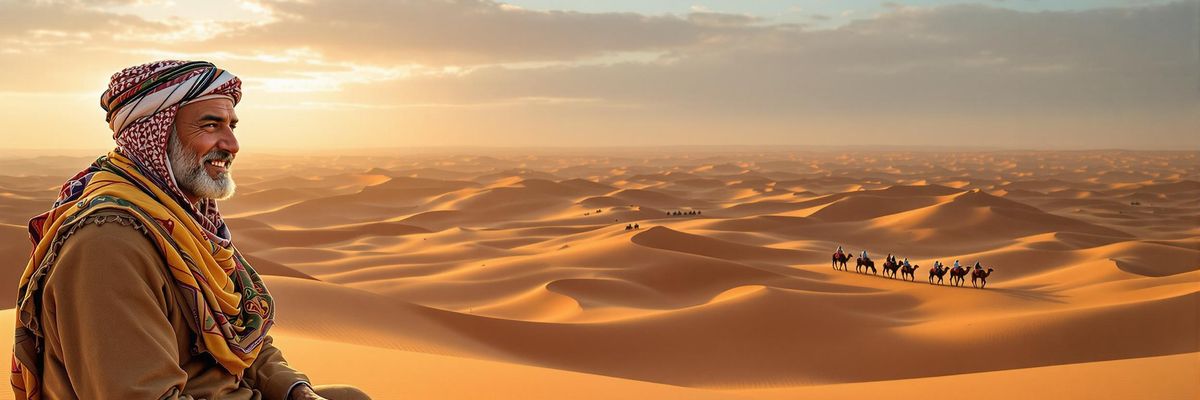
Embrace the cooler temperatures and experience the International Festival of the Sahara in Douz this December.
View More
Celebrate the year-end festivities in Accra, culminating in the vibrant Afrofuture festival.
View More Albania EDITION
 Algeria EDITION
 Argentina EDITION
 Armenia EDITION
 Australia EDITION
 Austria EDITION
 Bangladesh EDITION
 Belgium EDITION
 Belize EDITION
 Benin EDITION
 Bhutan EDITION
 Bolivia EDITION
 Bosnia and Herzegovina EDITION
 Botswana EDITION
 Brazil EDITION
 Bulgaria EDITION
 Burkina Faso EDITION
 Cambodia EDITION
 Cameroon EDITION
 Canada EDITION
 Central African Republic EDITION
 Chad EDITION
 Chile EDITION
 China EDITION
 Colombia EDITION
 Costa Rica EDITION
 Croatia EDITION
 Cyprus EDITION
 Denmark EDITION
 Djibouti EDITION
 Ecuador EDITION
 Egypt EDITION
 El Salvador EDITION
 Eritrea EDITION
 Estonia EDITION
 Ethiopia EDITION
 Finland EDITION
 France EDITION
 Gabon EDITION
 Georgia EDITION
 Germany EDITION
 Ghana EDITION
 Greece EDITION
 Guatemala EDITION
 Guinea EDITION
 Guinea-Bissau EDITION
 Honduras EDITION
 Hungary EDITION
 Iceland EDITION
 India EDITION
 Indonesia EDITION
 Ireland EDITION
 Israel EDITION
 Italy EDITION
 Jamaica EDITION
 Japan EDITION
 Jordan EDITION
 Kenya EDITION
 Kuwait EDITION
 Laos EDITION
 Latvia EDITION
 Lebanon EDITION
 Lesotho EDITION
 Liberia EDITION
 Lithuania EDITION
 Luxembourg EDITION
 Madagascar EDITION
 Malawi EDITION
 Malaysia EDITION
 Maldives EDITION
 Mali EDITION
 Malta EDITION
 Mauritania EDITION
 Mauritius EDITION
 Mexico EDITION
 Mongolia EDITION
 Montenegro EDITION
 Morocco EDITION
 Mozambique EDITION
 Namibia EDITION
 Nepal EDITION
 Netherlands EDITION
 New Zealand EDITION
 Nicaragua EDITION
 Niger EDITION
 Nigeria EDITION
 Norway EDITION
 Oman EDITION
 Pakistan EDITION
 Panama EDITION
 Papua New Guinea EDITION
 Paraguay EDITION
 Peru EDITION
 Philippines EDITION
 Poland EDITION
 Portugal EDITION
 Qatar EDITION
 Romania EDITION
 Rwanda EDITION
 Saudi Arabia EDITION
 Senegal EDITION
 Serbia EDITION
 Singapore EDITION
 Slovakia EDITION
 Slovenia EDITION
 Somalia EDITION
 South Africa EDITION
 South Korea EDITION
 Spain EDITION
 Sri Lanka EDITION
 Suriname EDITION
 Sweden EDITION
 Switzerland EDITION
 Tanzania EDITION
 Thailand EDITION
 Tunisia EDITION
 Uganda EDITION
 United Arab Emirates EDITION
 United Kingdom EDITION
 Uruguay EDITION
 Venezuela EDITION
 Vietnam EDITION
 Zambia EDITION
 Zimbabwe EDITION
Subscribe to our newsletter and get the most captivating travel stories, hidden gems, and expert insights delivered straight to your inbox. As a subscriber, you’ll be first in line for exclusive content, premium offers, and unforgettable travel experiences