


Destination Guide
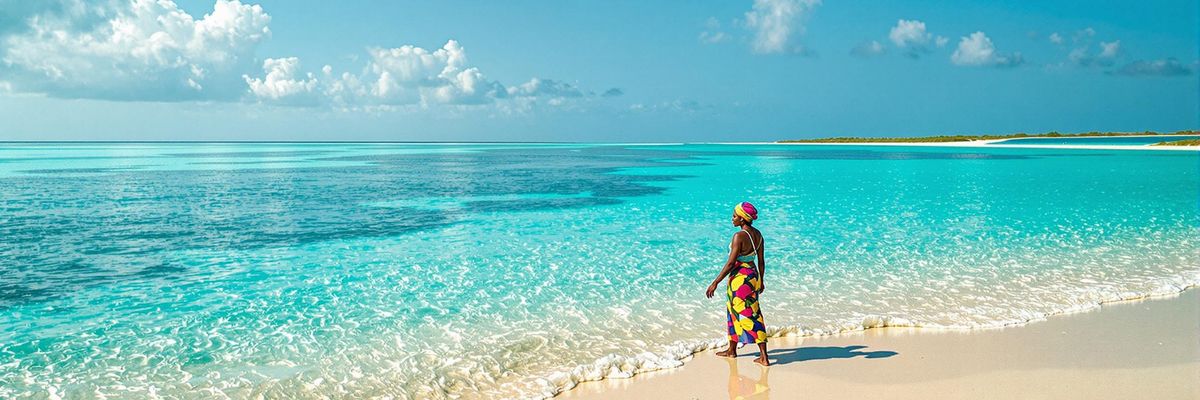
Xai-Xai: A Coastal Retreat
Relax on the beaches and explore the reefs of Xai-Xai.
View More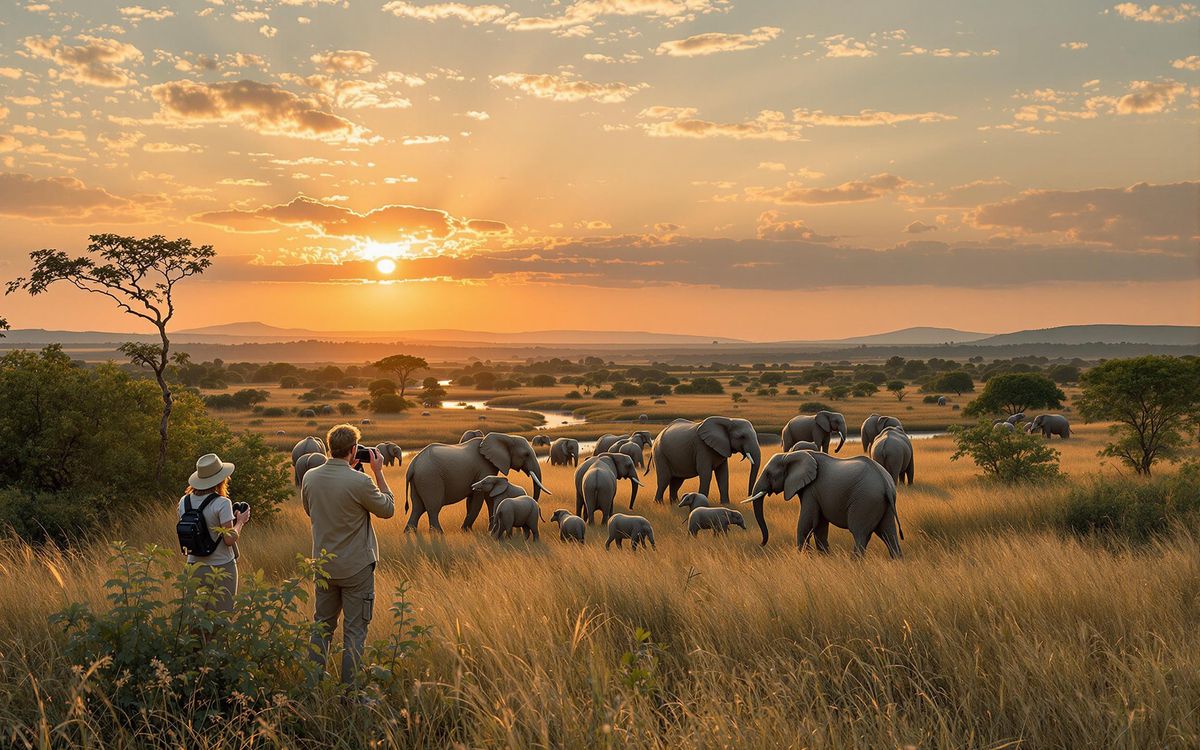

Imagine waking up to the symphony of the African savanna, the air crisp and carrying the scent of untamed wilderness. This is July in Yankari National Park, a hidden gem in the heart of Nigeria, where a thrilling wildlife adventure awaits.
As the sun begins its ascent, painting the sky with hues of orange and gold, you'll find yourself immersed in a landscape teeming with life. From tracking majestic elephants to taking a soothing dip in a natural warm spring, Yankari offers an unforgettable experience for nature enthusiasts and adventure seekers alike.
The journey to Yankari National Park often begins in the closest city, Mainamaji, a bustling hub that serves as the gateway to this natural paradise. From here, a scenic drive leads you to the park entrance, where the real adventure begins. Arriving in the early morning is highly recommended, as it allows you to witness the savanna awakening from its slumber.
As you step out of your vehicle, the air is filled with anticipation. The sounds of the bush come alive – the chirping of birds, the rustling of leaves, and the distant calls of animals. The warm temperatures of July, with average highs around 86°F (30°C) and lows around 72°F (22°C), create a comfortable atmosphere for exploration. The sun's golden rays begin to illuminate the landscape, revealing the beauty of the savanna.
Keep your eyes peeled, as you might catch your first glimpses of wildlife even before entering the park. Graceful antelopes grazing in the distance, playful monkeys swinging through the trees, and colorful birds soaring overhead are just a few of the sights that await. The anticipation builds with each passing moment, knowing that you are about to enter a world where nature reigns supreme.
The unique atmosphere of July adds to the allure of Yankari. While the dry season (October to May) is often considered the best time to visit for optimal wildlife viewing, July offers a different perspective. The landscape is lush and green, thanks to the rains, and the animals are often more active as they seek out water and fresh vegetation. It's a time of renewal and abundance, making for a truly immersive safari experience.

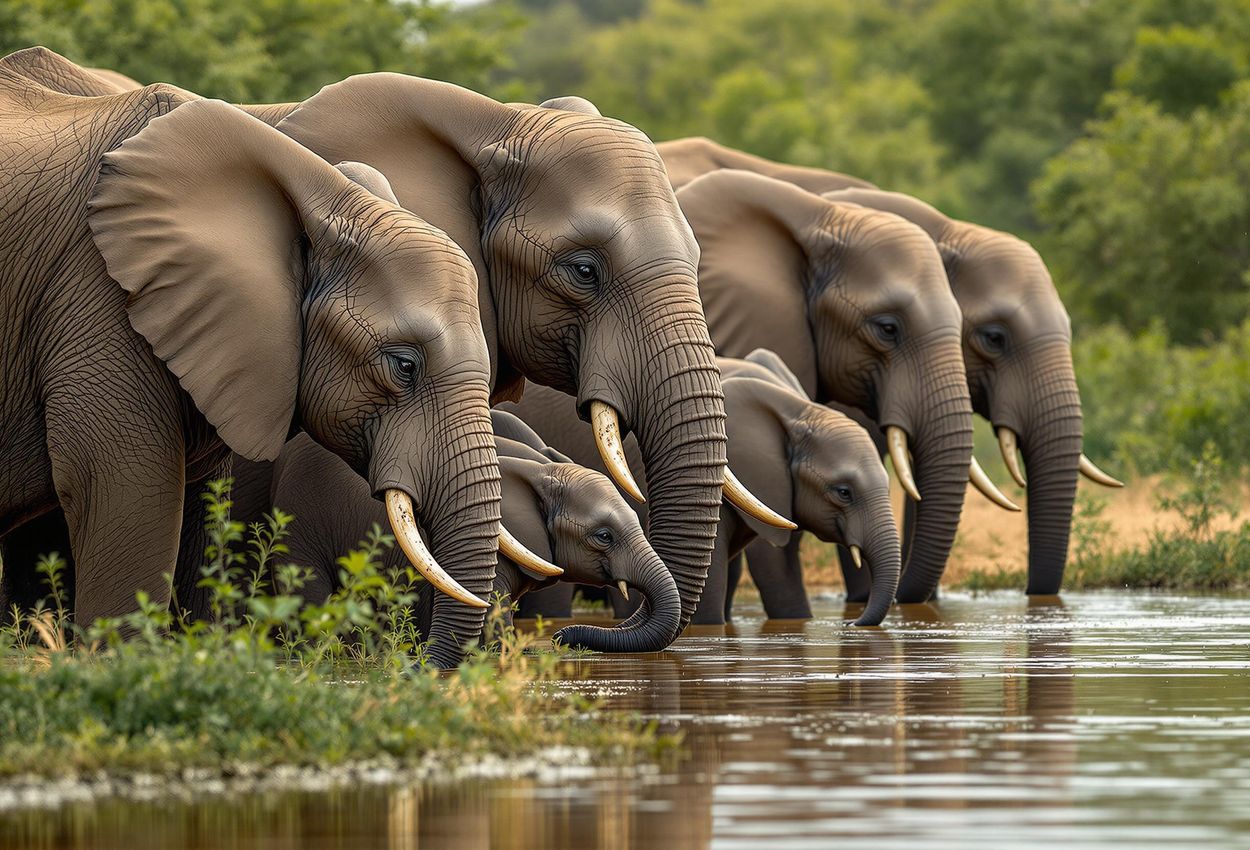
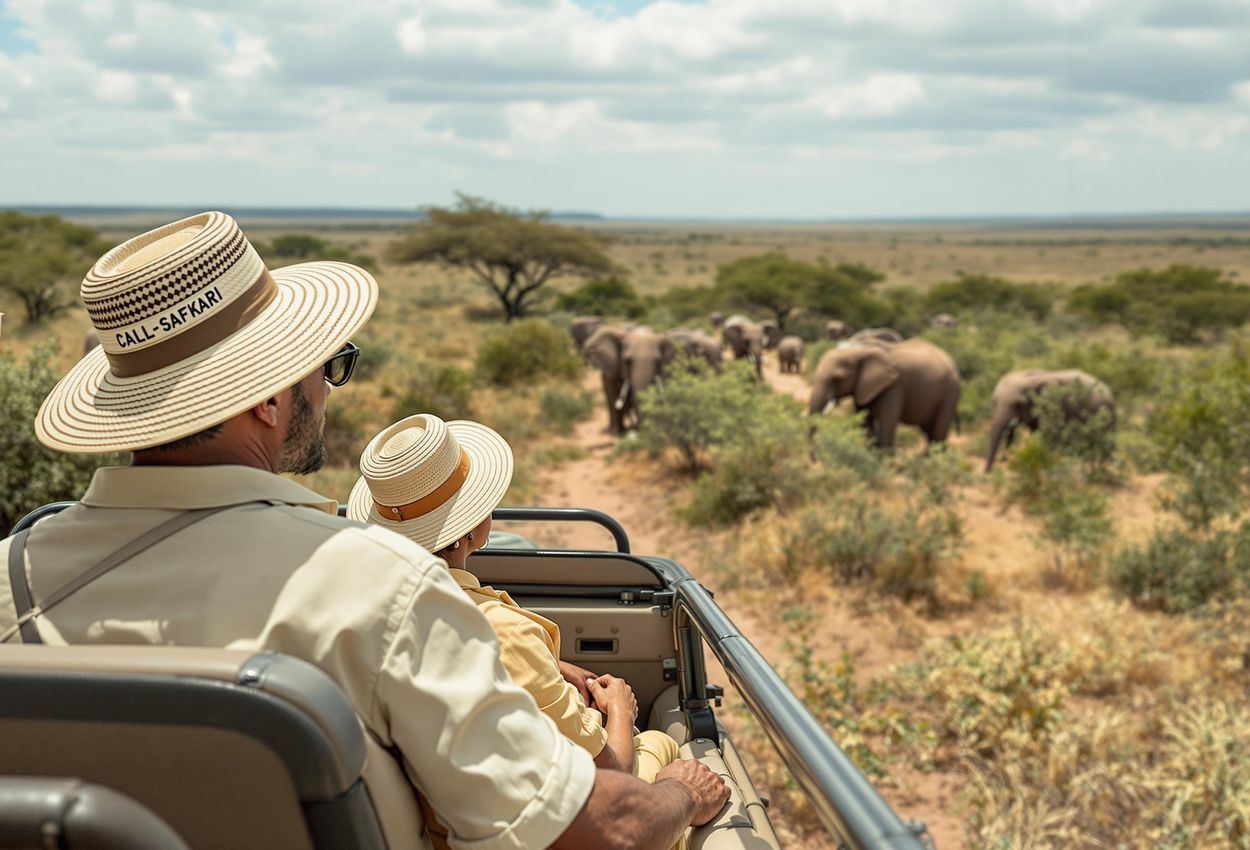
One of the most unforgettable experiences in Yankari National Park is tracking elephants in their natural habitat. The park is home to one of the largest remaining elephant populations in West Africa, making it a critical conservation area. Embarking on a guided tour with experienced local guides is essential for a safe and enriching encounter.
As you venture deeper into the bush, the landscape transforms into a tapestry of savanna grasslands and woodlands. The air is thick with the scent of vegetation, and the sounds of the wild become more pronounced. Your guide will share their extensive knowledge of the local flora and fauna, pointing out animal tracks, identifying bird calls, and explaining the intricate workings of the ecosystem.
The thrill of spotting a herd of elephants is indescribable. These majestic creatures roam freely through the park, their massive forms a testament to the power and beauty of nature. Observing them from a safe distance, you'll witness their complex social interactions, their gentle nature, and their vital role in shaping the environment. Ethical wildlife viewing is paramount, ensuring that these animals are respected and their habitat is protected.
Local Tip: For a better chance of spotting elephants, consider visiting the park during the early morning or late afternoon hours when they are most active. Also, be sure to bring binoculars for enhanced viewing.
Conservation efforts are crucial to protecting the elephant population in Yankari. The park faces challenges such as poaching and habitat degradation, but dedicated rangers and conservation organizations are working tirelessly to combat these threats. By supporting sustainable tourism and respecting the park's regulations, you can contribute to the long-term survival of these magnificent animals.
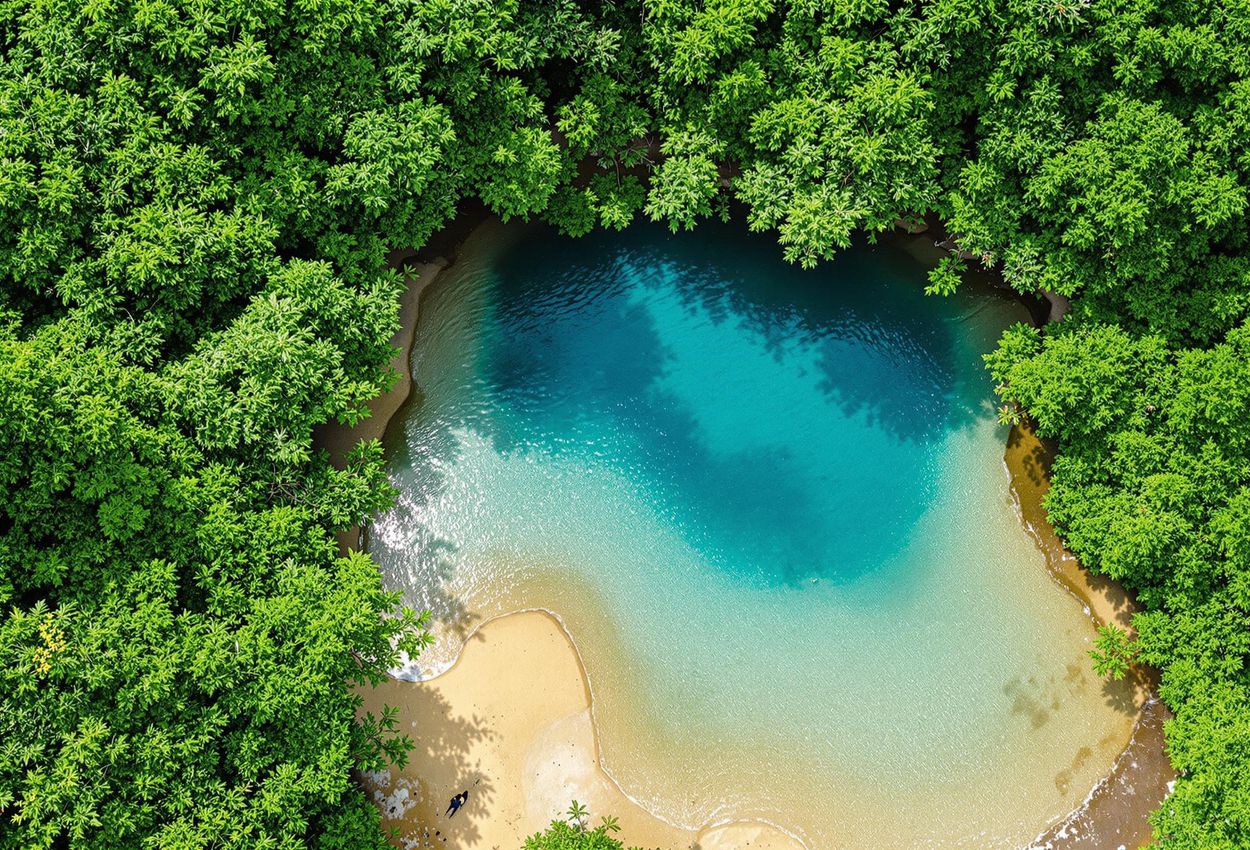
After a day of tracking wildlife, there's no better way to unwind than with a visit to the Wikki Warm Spring, a natural wonder nestled within Yankari National Park. This crystal-clear spring maintains a constant temperature of 31°C (88°F), offering a soothing embrace that rejuvenates both body and mind.
The geological origins of the Wikki Warm Spring lie in underground geothermal activity. Water is heated by the earth's internal heat as it travels through porous rocks and geothermal reservoirs beneath the surface. This process results in the spring's consistent temperature throughout the year, making it a unique and inviting escape from the tropical heat.
As you approach the spring, the sight of the clear water surrounded by lush greenery is simply breathtaking. The dimensions of the spring are approximately 200 meters long and 10-13 meters wide, providing ample space for swimming and relaxation. The feeling of the warm water against your skin is incredibly soothing, melting away any stress or fatigue.
Swimming in the Wikki Warm Spring is an experience like no other. Surrounded by nature, you might even encounter playful baboons frolicking nearby. The crystal-clear water invites you to immerse yourself completely, feeling the warmth envelop you as you float effortlessly.
Hidden Gem: For a truly unique experience, visit the Wikki Warm Spring at night. The starlit sky and the sounds of the nocturnal wildlife create a magical atmosphere that you won't soon forget.
Packing for a safari in Yankari National Park in July requires careful consideration of the weather conditions and the activities you'll be undertaking. Light, breathable, neutral-colored clothing is essential for staying comfortable in the warm temperatures.
Layers are also important, as temperatures can fluctuate throughout the day. A light jacket or sweater will come in handy for cooler evenings or early morning game drives. Opt for clothing made from natural fibers like cotton or linen, which will help keep you cool and dry.
Essential items to pack include a wide-brimmed hat, sunglasses, and sunscreen to protect yourself from the sun's rays. Insect repellent is also a must, as mosquitoes and other insects can be prevalent, especially during the rainy season. Sturdy walking shoes or boots are crucial for navigating the terrain, whether you're on a game drive or exploring on foot.
Packing List:
A camera is a must for capturing the incredible wildlife and landscapes you'll encounter. Don't forget to bring extra batteries or a portable charger to ensure you don't miss any photo opportunities. A reusable water bottle is also essential for staying hydrated throughout the day.
Yankari National Park plays a vital role in protecting Nigeria's biodiversity and conserving its natural heritage. The park is home to a diverse range of species, including elephants, lions, buffalo, and various antelope species. Conservation efforts are focused on preserving their habitats and ensuring their long-term survival.
The park faces numerous challenges, including poaching, habitat degradation, and human-wildlife conflict. Poaching, driven by the illegal trade in ivory and bushmeat, poses a significant threat to the park's wildlife. Habitat degradation, caused by deforestation and unsustainable land use practices, reduces the available resources for animals. Human-wildlife conflict arises when animals stray outside the park boundaries and damage crops or livestock, leading to retaliatory killings.
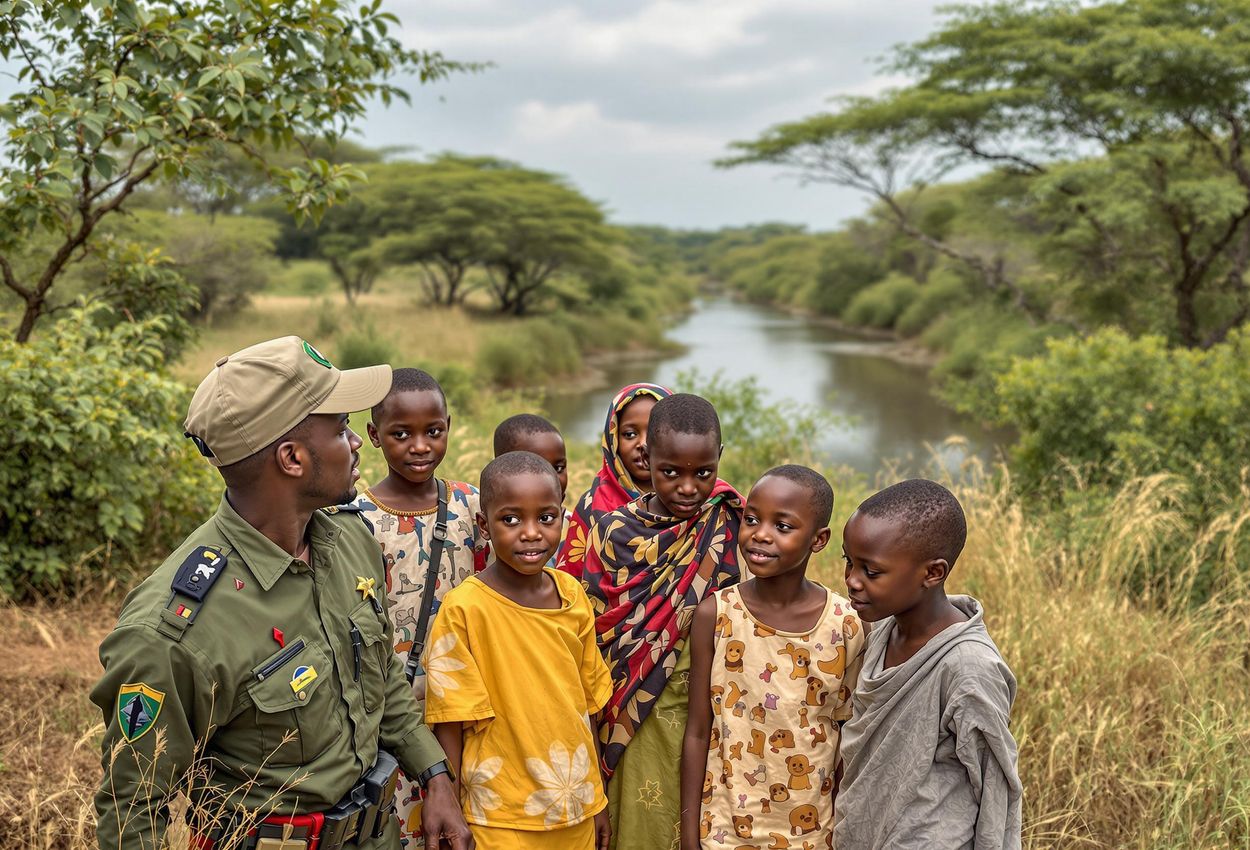
Yankari partners with local communities to promote sustainable tourism and community engagement initiatives. These programs aim to empower local residents, provide them with alternative livelihoods, and foster a sense of stewardship towards the park's resources. By involving communities in conservation efforts, the park can ensure its long-term sustainability and create a win-win situation for both wildlife and people.
Educational programs are also an important component of Yankari's conservation strategy. These programs target local schools and communities, raising awareness about the importance of biodiversity conservation and the role that everyone can play in protecting the environment. By educating future generations, the park can instill a sense of responsibility and ensure that conservation values are passed down through generations.
Yankari National Park offers a range of accommodation options to suit different budgets and preferences. Lodges are available near the Wikki Warm Spring, providing convenient access to this natural attraction. These lodges offer comfortable rooms, restaurants, and other amenities to ensure a pleasant stay.
For a more immersive experience, consider camping within the park. Campsites are available for those who want to connect with nature and enjoy the sounds of the African bush. Camping allows you to experience the park in its purest form, waking up to the sunrise and falling asleep under the starlit sky.
Accommodation Options:
Amenities vary depending on the accommodation you choose. Lodges typically offer amenities such as air conditioning, private bathrooms, and restaurants. Campsites may have basic facilities such as toilets and showers. Pricing also varies depending on the type of accommodation and the time of year.
Booking Information: To book accommodation in Yankari National Park, it is recommended to contact the park authorities or visit their website. You can also find information and booking options on various travel websites. It is advisable to book in advance, especially during peak season, to ensure availability.
A safari in Yankari National Park in July is an adventure that will stay with you long after you've left. The diverse wildlife, the soothing Wikki Warm Spring, and the park's commitment to conservation make it a truly unique destination. So pack your bags, prepare for an unforgettable experience, and discover the magic of Yankari, a hidden gem in the heart of Nigeria.

Our editors` picks of the latest and greatest in travel - delivered to your inbox daily
Relax on the beaches and explore the reefs of Xai-Xai.
View More
Embrace the cooler temperatures and experience the International Festival of the Sahara in Douz this December.
View More
Celebrate the year-end festivities in Accra, culminating in the vibrant Afrofuture festival.
View More Albania EDITION
 Algeria EDITION
 Argentina EDITION
 Armenia EDITION
 Australia EDITION
 Austria EDITION
 Bangladesh EDITION
 Belgium EDITION
 Belize EDITION
 Benin EDITION
 Bhutan EDITION
 Bolivia EDITION
 Bosnia and Herzegovina EDITION
 Botswana EDITION
 Brazil EDITION
 Bulgaria EDITION
 Burkina Faso EDITION
 Cambodia EDITION
 Cameroon EDITION
 Canada EDITION
 Central African Republic EDITION
 Chad EDITION
 Chile EDITION
 China EDITION
 Colombia EDITION
 Costa Rica EDITION
 Croatia EDITION
 Cyprus EDITION
 Denmark EDITION
 Djibouti EDITION
 Ecuador EDITION
 Egypt EDITION
 El Salvador EDITION
 Eritrea EDITION
 Estonia EDITION
 Ethiopia EDITION
 Finland EDITION
 France EDITION
 Gabon EDITION
 Georgia EDITION
 Germany EDITION
 Ghana EDITION
 Greece EDITION
 Guatemala EDITION
 Guinea EDITION
 Guinea-Bissau EDITION
 Honduras EDITION
 Hungary EDITION
 Iceland EDITION
 India EDITION
 Indonesia EDITION
 Ireland EDITION
 Israel EDITION
 Italy EDITION
 Jamaica EDITION
 Japan EDITION
 Jordan EDITION
 Kenya EDITION
 Kuwait EDITION
 Laos EDITION
 Latvia EDITION
 Lebanon EDITION
 Lesotho EDITION
 Liberia EDITION
 Lithuania EDITION
 Luxembourg EDITION
 Madagascar EDITION
 Malawi EDITION
 Malaysia EDITION
 Maldives EDITION
 Mali EDITION
 Malta EDITION
 Mauritania EDITION
 Mauritius EDITION
 Mexico EDITION
 Mongolia EDITION
 Montenegro EDITION
 Morocco EDITION
 Mozambique EDITION
 Namibia EDITION
 Nepal EDITION
 Netherlands EDITION
 New Zealand EDITION
 Nicaragua EDITION
 Niger EDITION
 Nigeria EDITION
 Norway EDITION
 Oman EDITION
 Pakistan EDITION
 Panama EDITION
 Papua New Guinea EDITION
 Paraguay EDITION
 Peru EDITION
 Philippines EDITION
 Poland EDITION
 Portugal EDITION
 Qatar EDITION
 Romania EDITION
 Rwanda EDITION
 Saudi Arabia EDITION
 Senegal EDITION
 Serbia EDITION
 Singapore EDITION
 Slovakia EDITION
 Slovenia EDITION
 Somalia EDITION
 South Africa EDITION
 South Korea EDITION
 Spain EDITION
 Sri Lanka EDITION
 Suriname EDITION
 Sweden EDITION
 Switzerland EDITION
 Tanzania EDITION
 Thailand EDITION
 Tunisia EDITION
 Uganda EDITION
 United Arab Emirates EDITION
 United Kingdom EDITION
 Uruguay EDITION
 Venezuela EDITION
 Vietnam EDITION
 Zambia EDITION
 Zimbabwe EDITION
Subscribe to our newsletter and get the most captivating travel stories, hidden gems, and expert insights delivered straight to your inbox. As a subscriber, you’ll be first in line for exclusive content, premium offers, and unforgettable travel experiences