


Destination Guide
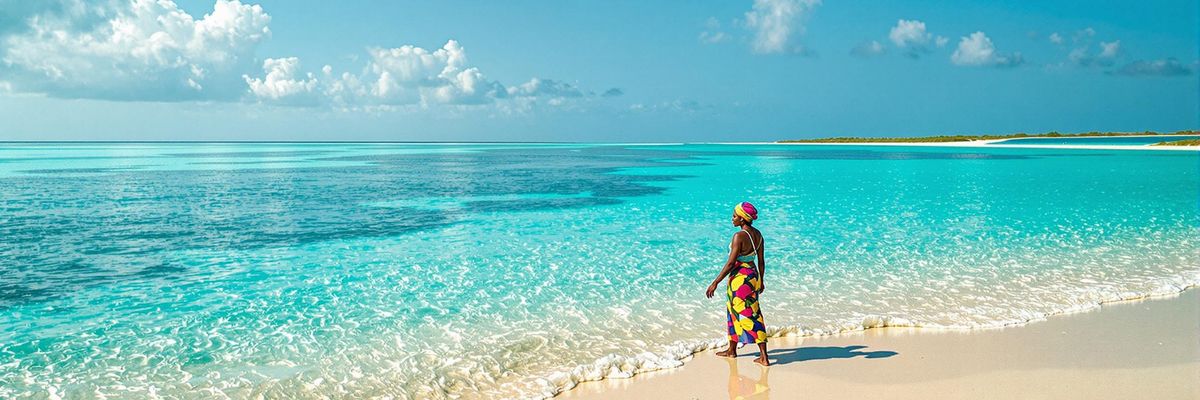
Xai-Xai: A Coastal Retreat
Relax on the beaches and explore the reefs of Xai-Xai.
View More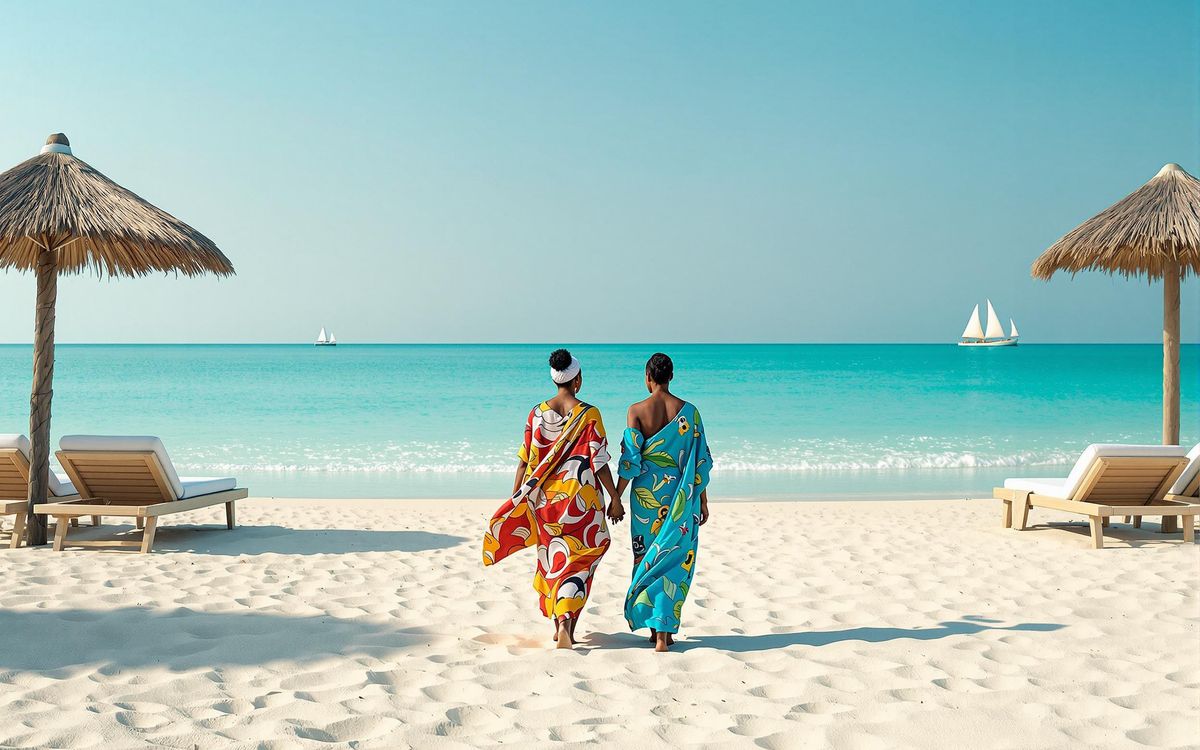

Escape to Zanzibar in March, where the promise of sun-kissed beaches and fragrant spice breezes awaits.
Imagine yourself lounging on powdery white sands, the turquoise waters of the Indian Ocean gently lapping at your feet. Zanzibar, the Spice Island, beckons with its unique blend of relaxation, adventure, and cultural immersion. March offers a sweet spot for travelers seeking a memorable escape, a time when the island transitions between the dry and rainy seasons, offering a mix of sunny days and refreshing showers.
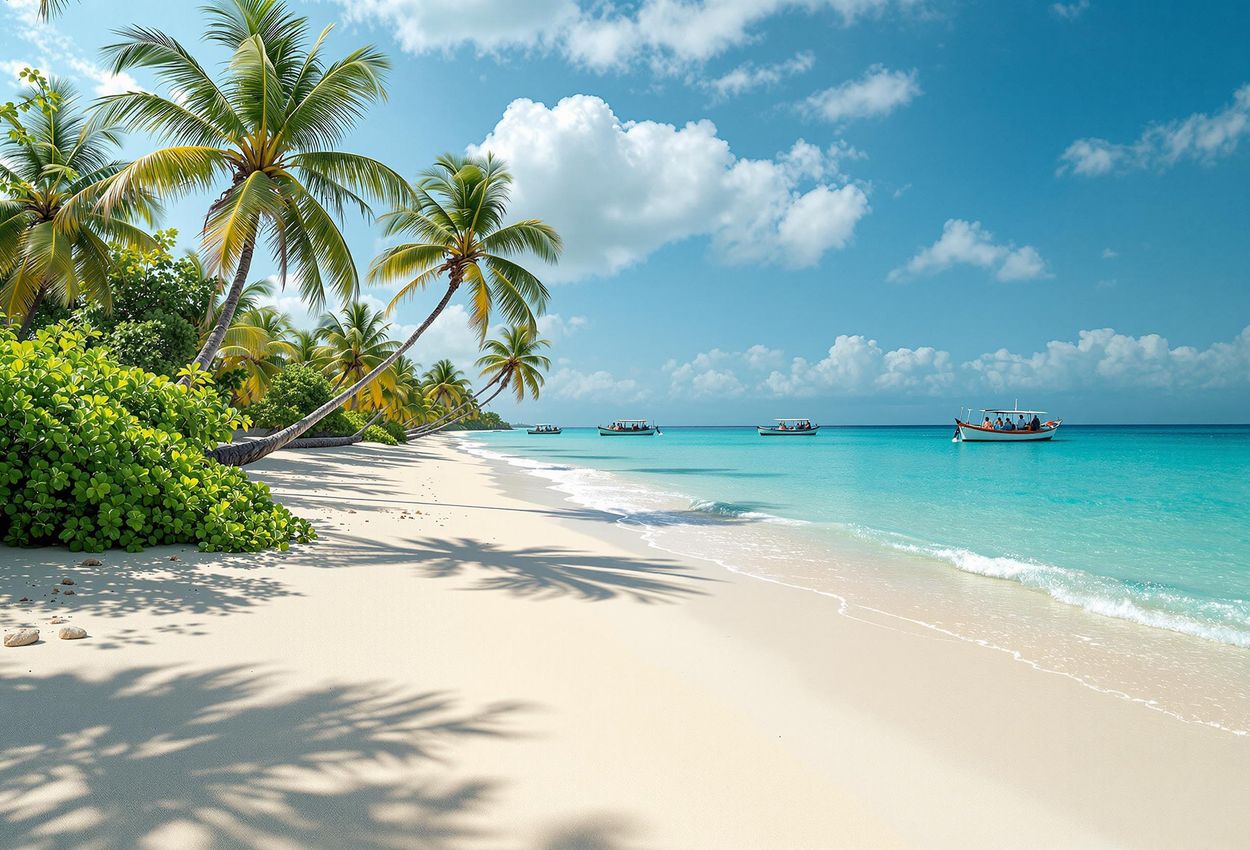
Prepare to be captivated by the island's beauty, from its pristine beaches to the labyrinthine streets of Stone Town, a UNESCO World Heritage Site. Discover the secrets of spice plantations, dive into a vibrant underwater world, and embrace the warmth of Zanzibari culture. This guide will help you navigate Zanzibar in March, ensuring an unforgettable journey filled with spice, sun, and serenity.
March in Zanzibar marks a transition from the dry season to the beginning of the rainy season. While temperatures remain warm and inviting, there's a higher chance of rainfall compared to the preceding months. However, this shouldn't deter you from visiting the Island, as showers are typically short-lived and followed by clear skies. You might even finish your week of vacation without seeing any rain.
The weather in March is characterized by a delightful mix of sunshine and occasional showers. Expect hot, sunny days with average temperatures ranging from 25°C (77°F) to 32°C (90°F). The humidity level rises, making the air feel hotter than it actually is. Rainfall averages 61mm, spread across the month, with nine rainy days. Showers are often short but intense, typically occurring in the afternoon or evening.
Don't let the prospect of rain dampen your spirits. The showers are usually brief and provide a welcome respite from the heat. The lush vegetation that springs to life after the rains adds an extra layer of beauty to the island's landscape. Plus, the reduced crowds and lower accommodation rates make March an attractive time to visit.
Local Tip: Pack light, breathable clothing to stay comfortable in the heat and humidity. A light rain jacket or umbrella will be useful for those occasional showers.
Zanzibar is renowned for its stunning coastline, offering a diverse range of beaches to suit every taste. In March, despite the chance of occasional showers, the beaches remain a major draw. Here are some of the best beaches to visit:
Nungwi Beach: Located on the northwest coast, Nungwi is one of the most beautiful and popular beaches in Zanzibar. It's a lively area with numerous beach resorts, hotels, restaurants, and bars offering a variety of nighttime entertainment. The calm waters are ideal for swimming, and the vibrant nightlife adds to its appeal. Nungwi also has fantastic coral reefs which are ideal for diving and snorkeling.
Kendwa Beach: Just a short distance from Nungwi, Kendwa offers a similar vibe with calm waters and vibrant nightlife. It's known for its stunning sunsets and full moon parties. The beaches are great for swimming because they don't experience very high ocean tide compared to other beaches.
Paje Beach: Situated on the southeast coast, Paje is a haven for kitesurfers due to its consistent winds. The beach also offers a glimpse into local culture, with traditional fishing villages nearby.
Jambiani Beach: For a more relaxed and cultural experience, head to Jambiani on the southeast coast. This quiet fishing village offers a glimpse into traditional Zanzibari life, with opportunities to interact with friendly locals. The warm, shallow waters are ideal for swimming, especially at high tide.
Matemwe Beach: If you're seeking a serene escape, Matemwe on the northeast coast is the perfect choice. This long, idyllic beach has some of the finest sand on the island. Traditional fishing villages dot the coastline, offering a fascinating insight into the local culture.
Hidden Gem: Pongwe Beach is arguably the best swimming beach in Zanzibar. Pongwe's quiet arc of beach is dotted with palm trees and backed by dense vegetation. The whole beach is protected by an offshore reef, which keeps the inner waters calm and safe for all to swim in.
Zanzibar boasts a vibrant underwater world, making it a prime destination for diving and snorkeling. March offers excellent conditions for marine adventures, with warm sea temperatures and clear visibility. The Indian Ocean waters around the island average around 30°C (86°F), providing comfortable conditions for swimming and water-based activities.
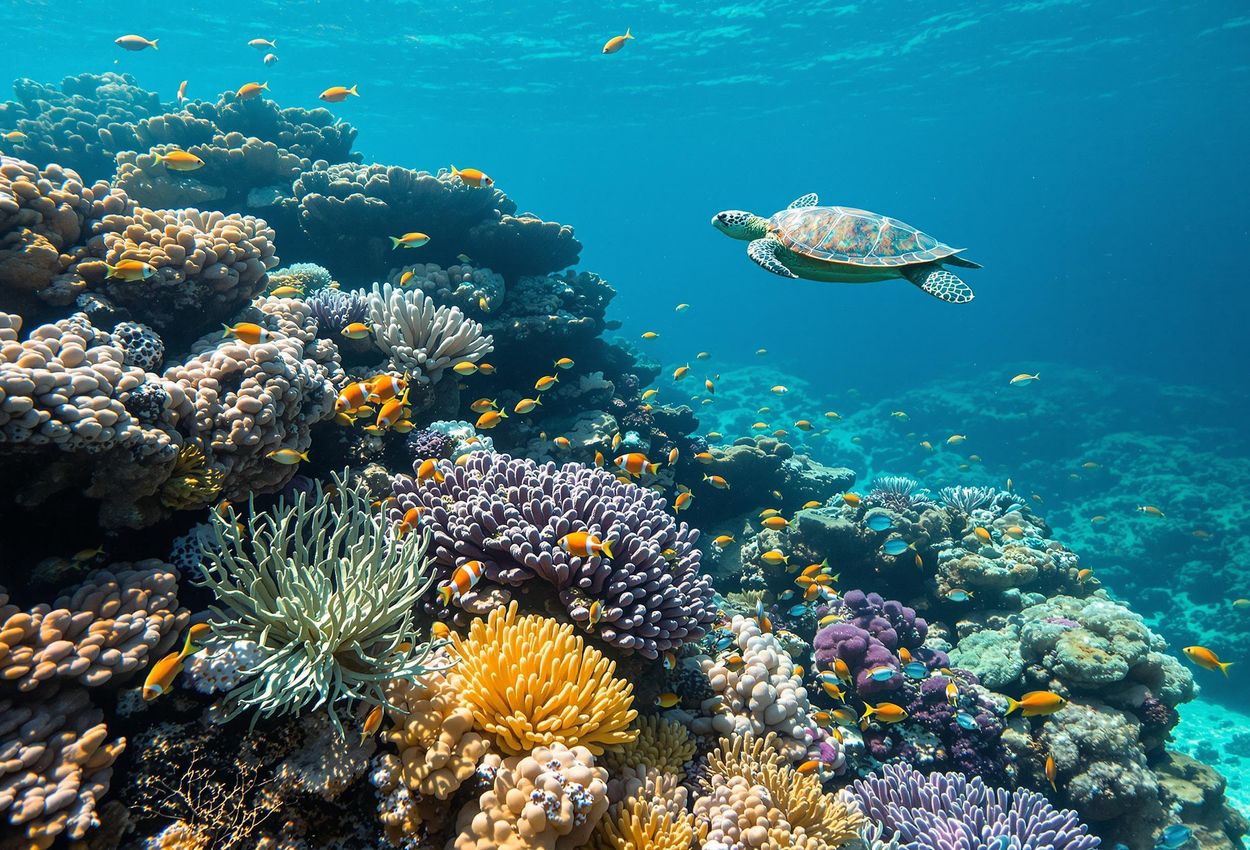
Mnemba Atoll: This is one of Zanzibar's most famous conservation area. Located off the northeast coast, Mnemba Atoll is a marine conservation area boasting crystal-clear waters, abundant marine life, and vibrant reef walls. Known for dolphin encounters, they often swim alongside the boats. The dive sites around the island are part of the Mnemba Island Marine Conservation Area (MIMCA) and boast some of the best visibility conditions in Zanzibar.
Other notable dive sites include:
Leven Bank: This site is a vertical wall located in the open sea, dropping down from 18 to 35+ meters. Due to the current and depth this dive site is suitable for experienced advanced divers only.
Tumbatu Island: Known for its unique underwater topography, Tumbatu Island features underwater caves and rich coral gardens.
During your dives or snorkeling trips, you can expect to see a variety of marine life, including dolphins, sea turtles, and colorful fish. The coral reefs are teeming with life, offering a dazzling display of colors and shapes.
Stone Town, also known as Mji Mkongwe, is the old part of Zanzibar City. Located on the western coast of Unguja, the main island of the Zanzibar Archipelago, Stone Town is a UNESCO World Heritage Site. It is a city of prominent historical and artistic importance in East Africa. Its architecture reflects the diverse influences underlying the Swahili culture, giving a unique mixture of Arab, Persian, Indian, and European elements.
As you wander through the narrow streets of Stone Town, you'll be transported back in time. The town's buildings, executed principally in coralline ragstone and mangrove timber, reflect a complex fusion of Swahili, Indian, Arab and European influences in building traditions and town planning.
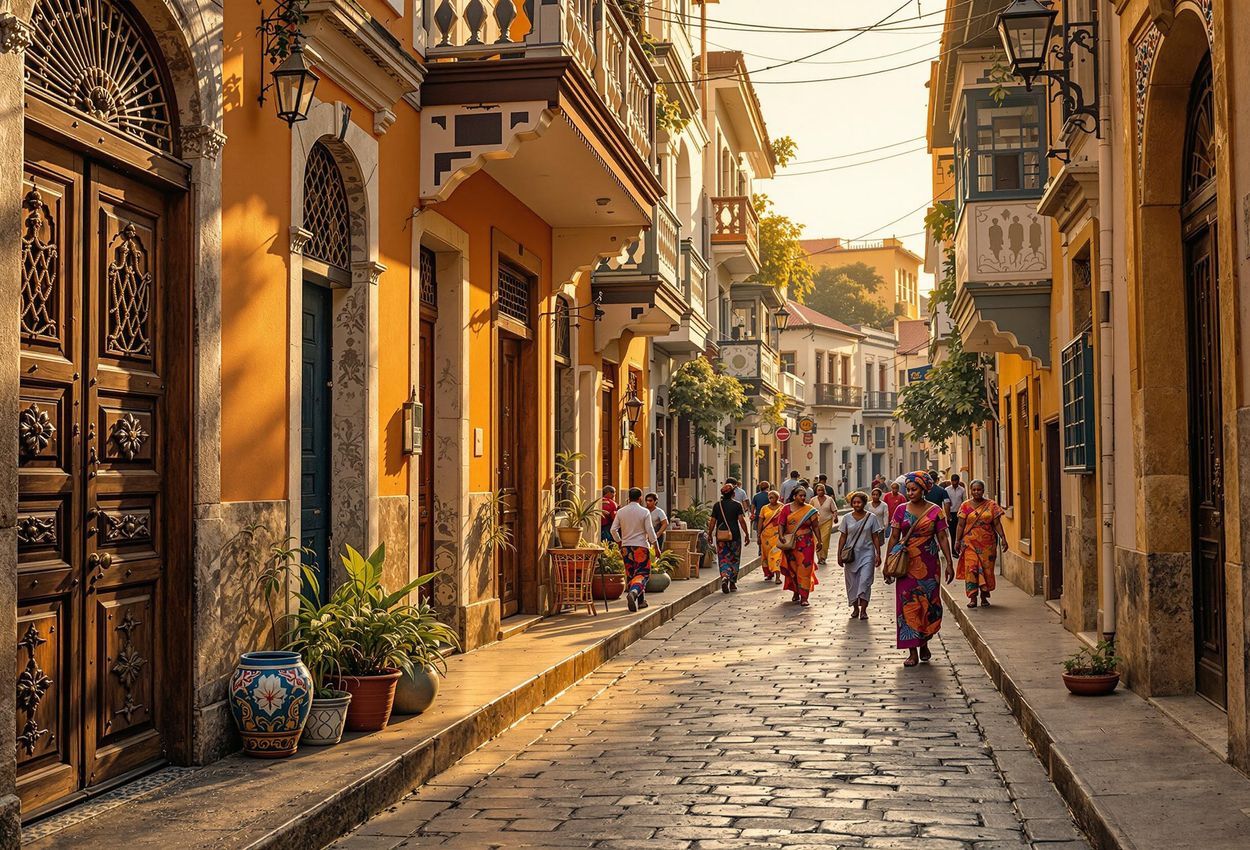
Key sites to visit include:
House of Wonders: This is probably the most well-known landmarks of Stone Town. It was the first building in Zanzibar to have electricity as well as the first building in East Africa to have a lift. Since 2000, its interior has been dedicated to a museum on Swahili and Zanzibar culture.
Old Fort: Adjacent to the House of Wonders, the Old Fort (Ngome Kongwe in Swahili) is a heavy stone fortress that was built in the 17th century by the Omanis.
Slave Market: All visitors to Stone Town should visit the Old Slave Market and the Anglican Church. This area is now a well-designed museum with panels and displays giving an introduction to the slave trade of East Africa.
While in Stone Town, consider experiencing local music like Taarab, a genre that blends African, Arab, and Indian influences.
Zanzibar is often referred to as the “Spice Island” due to its rich history of spice cultivation and trade. The spice trade in Zanzibar can be traced back to the early 19th century when Omani Arabs recognized the region as a prime location for growing cloves, nutmeg, cinnamon, and black pepper. The climate and soil of Zanzibar are remarkably conducive to spice cultivation, allowing the islands to flourish as a significant exporter of these valuable commodities.
A spice plantation tour is a must-do activity in Zanzibar, offering a sensory experience that will tantalize your taste buds and awaken your senses. You'll have the opportunity to see, smell, and taste a variety of spices, learning about their traditional uses in cooking and medicine.
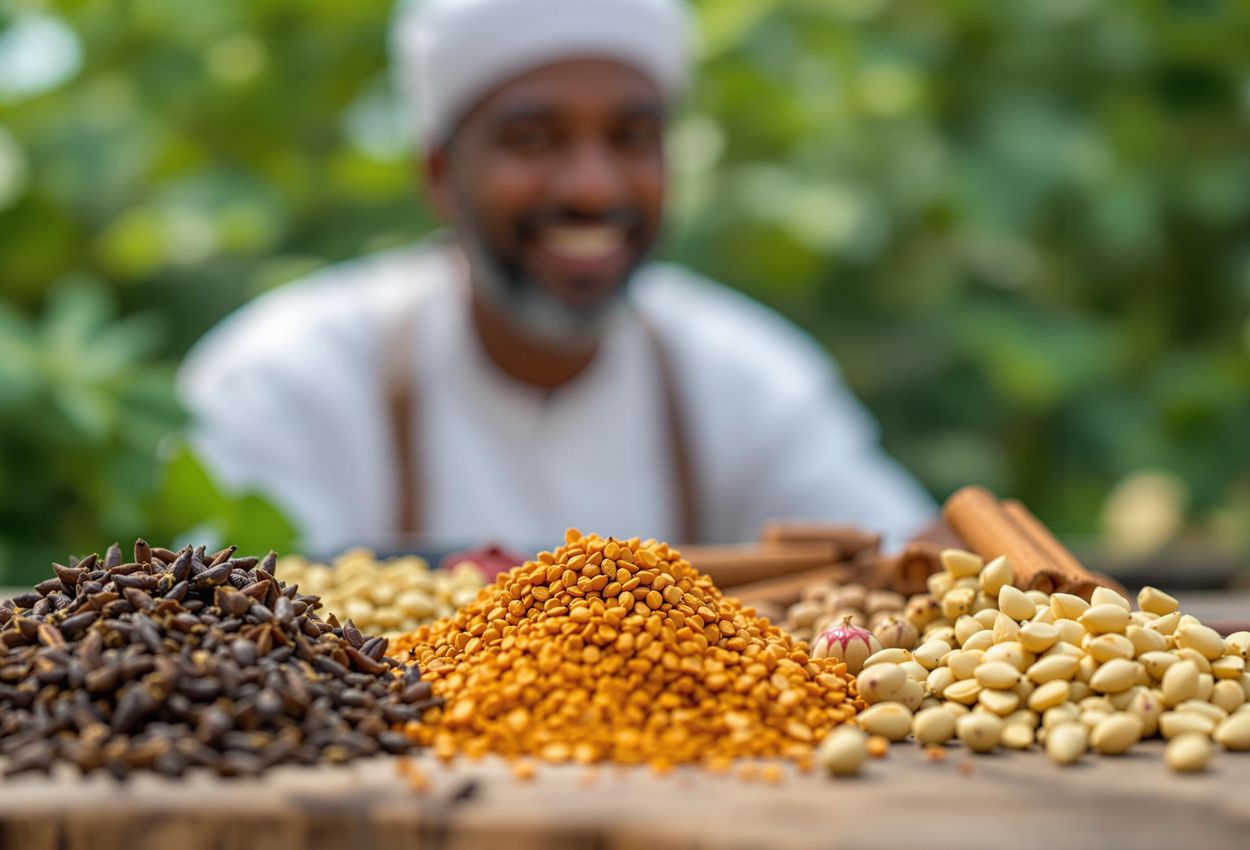
During the tour, you'll encounter a variety of spices, including cloves, nutmeg, cinnamon, and cardamom. You might also get to see coconut climbers, showcasing their skills in harvesting coconuts.
Local Tip: Don't miss the chance to purchase fresh spices directly from the plantation. They make excellent souvenirs and gifts.
Zanzibar is predominantly Muslim, and it's important to respect local customs and traditions during your visit. Here are some tips to help you navigate the cultural landscape:
Dress Modestly: Dress modestly, especially in Stone Town and religious sites. Women should wear clothing that covers their shoulders and knees. Men should opt for long pants and shirts with sleeves.
Greetings and Interactions: A simple “Jambo” (Hello) or “Habari” (How are you?) in Swahili is appreciated. Always greet elders and show respect in your interactions. Handshakes are common, but wait for a woman to extend her hand first, as some may prefer not to shake hands with men.
Use the Right Hand: In many East African cultures, including Zanzibar, the left hand is considered unclean. Always use your right hand for eating, shaking hands, and giving or receiving items.
Photography Etiquette: Always ask for permission before taking photos of people. Some individuals may not be comfortable with being photographed.

As a visitor to Zanzibar, it's important to practice responsible tourism, minimizing your impact on the environment and maximizing the benefits for local communities. Here are some ways to leave a gentle footprint:
Support Local Businesses: Choose locally-owned accommodations, dine at local restaurants, and shop at artisan markets. This ensures that your money stays within the community, helping to create jobs and strengthen the local economy.
Respect the Environment: Stay on designated paths when hiking or exploring. Avoid single-use plastics, opting for reusable bottles and bags instead. Participate in beach clean-ups or conservation projects to help protect marine life and habitats.
Choose Ethical Wildlife Experiences: If you're interested in wildlife experiences, choose ethical tours that prioritize animal welfare and conservation. Avoid places that exploit animals for entertainment, and opt for guided tours that educate visitors about local ecosystems and conservation efforts.
Bargaining is a common practice in Zanzibar's markets, and it's often expected by vendors. It's a cultural norm and a way to engage with the local community. Here are some tips for bargaining like a local:
Start with a Smile: Begin the negotiation with a friendly greeting and a smile. Building rapport with the seller can make the experience more enjoyable and lead to a better deal.
Research Prices Beforehand: Before you start bargaining, try to get an idea of the average price for the item you're interested in. This will give you a better sense of what's a fair price and help you avoid overpaying.
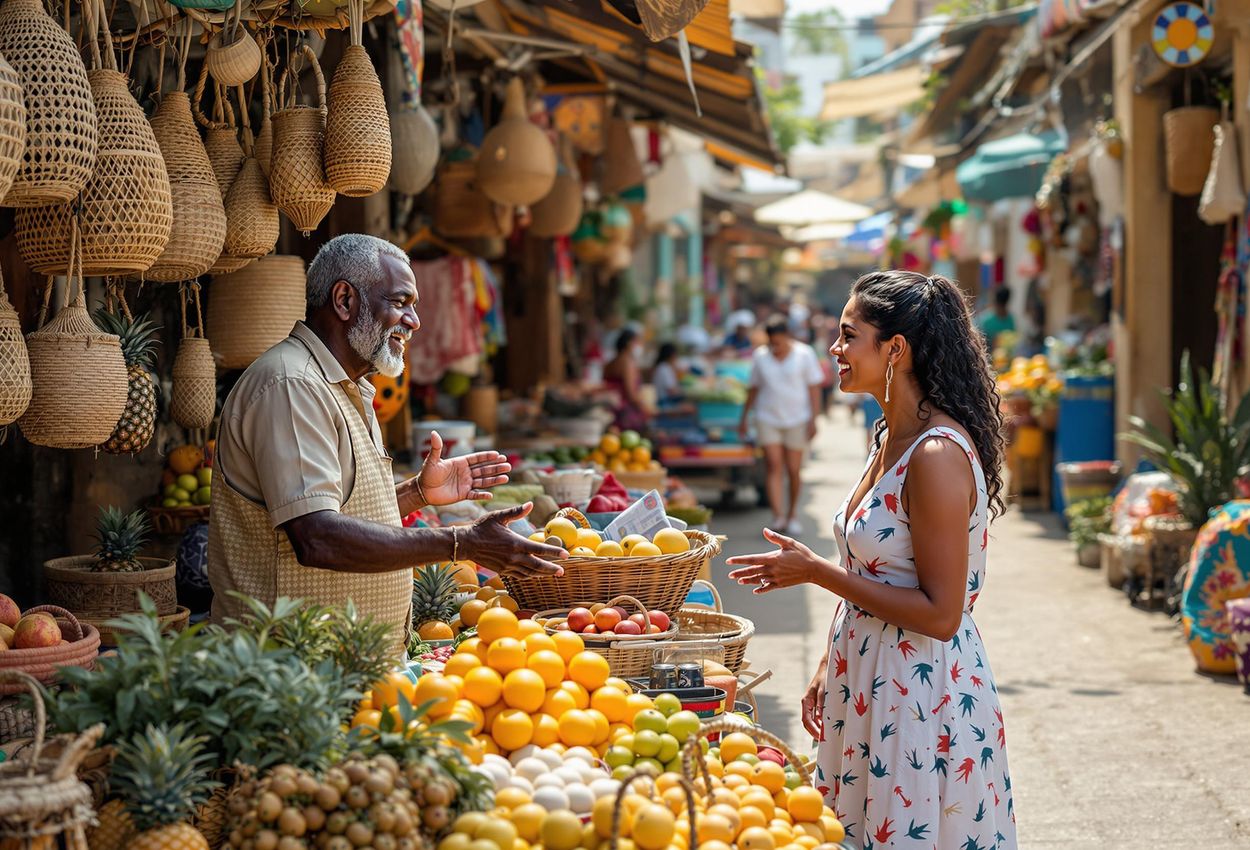
Make a Reasonable First Offer: Start with an offer that's around 50-60% of the asking price. Be prepared for the vendor to counteroffer, and be willing to negotiate until you reach a price that you're both comfortable with.
Be Prepared to Walk Away: If you can't reach an agreement on a price, be prepared to walk away. Sometimes, the vendor will call you back and offer a better price. If not, you can always try another stall.
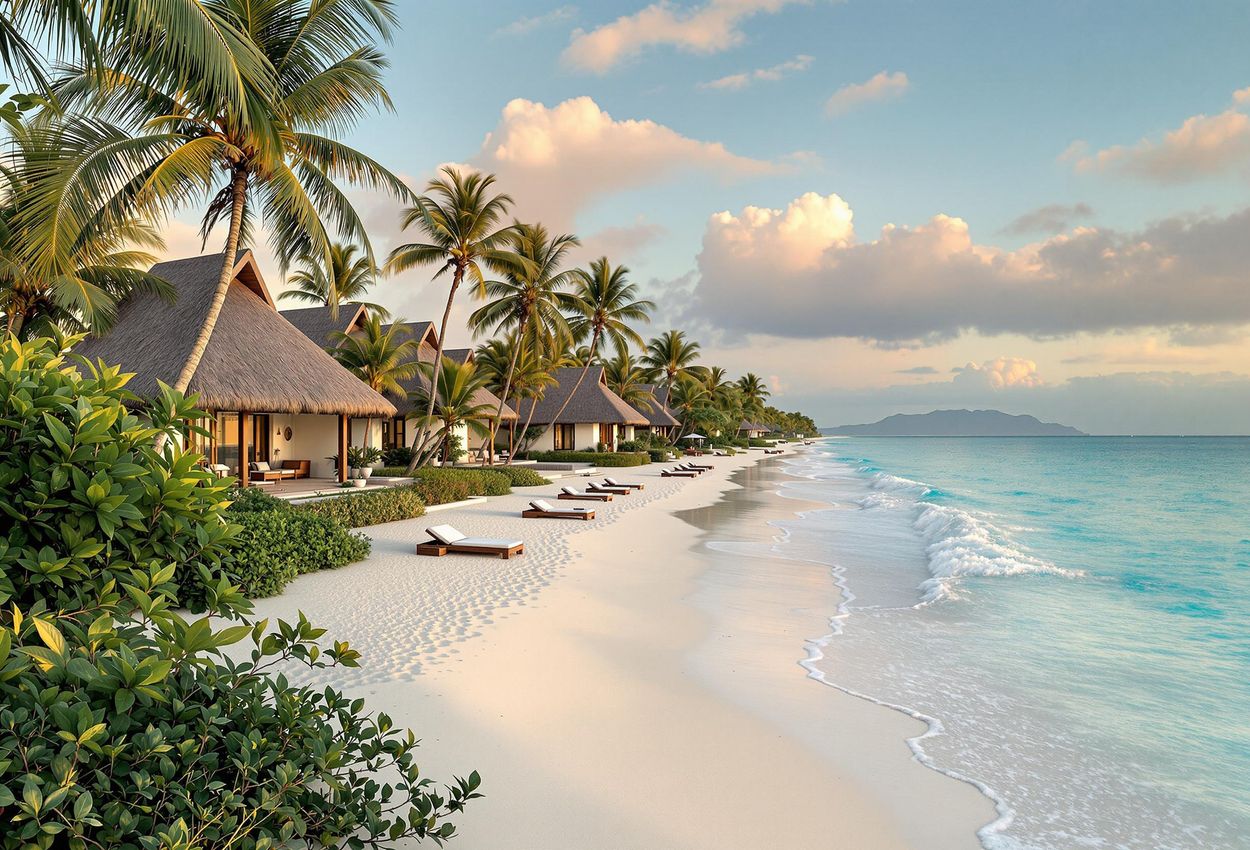
Zanzibar offers a wide range of accommodation options, from luxury resorts to boutique hotels and guesthouses. Here are a few suggestions for luxury resorts:
Zuri Zanzibar: Located in Kendwa Beach, Zuri Zanzibar offers a mix of luxury and natural beauty, making it a perfect place for relaxation and fun. The resort is designed to create a tranquil environment where guests can fully back in the beauty of Zanzibar.
White Sand Luxury Villas: Situated on the white sandy beachfront of Paje, Zanzibar White Sand Luxury Villas & Spa is a family-owned resort offering an exclusive escape. The resort offers an intimate and personalized luxury experience of Zanzibar.
Mnemba Island Lodge: This is a beautiful private island resort located off the coastal of Tanzania. It is surrounded by clear turquoise water white sandy beaches.
While Zanzibar's beaches are undoubtedly a major draw, the island offers a variety of other activities and attractions to explore. Here are a few suggestions:
Jozani Forest: Visit Jozani Forest to see the red colobus monkeys, which are unique to Zanzibar. The forest is also home to other wildlife, including Sykes' monkeys, bush babies, and various bird species.
Prison Island: Take a trip to Prison Island to swim with tortoises and learn about the island's history. The island was once used to contain troublesome slaves and later served as a quarantine station.
Sunset Dhow Cruise: Enjoy a romantic sunset dhow cruise, sailing along the coast and taking in the breathtaking views.
Local Tip: Combine a trip to Jozani Forest and Prison Island for a full-day adventure.
In March, Zanzibar offers a unique blend of relaxation, adventure, and cultural immersion. From its pristine beaches and vibrant underwater world to its historic Stone Town and fragrant spice plantations, the Spice Island has something to captivate every traveler. Embrace the warmth of Zanzibari culture, practice responsible tourism, and create memories that will last a lifetime.
Our editors` picks of the latest and greatest in travel - delivered to your inbox daily
Relax on the beaches and explore the reefs of Xai-Xai.
View More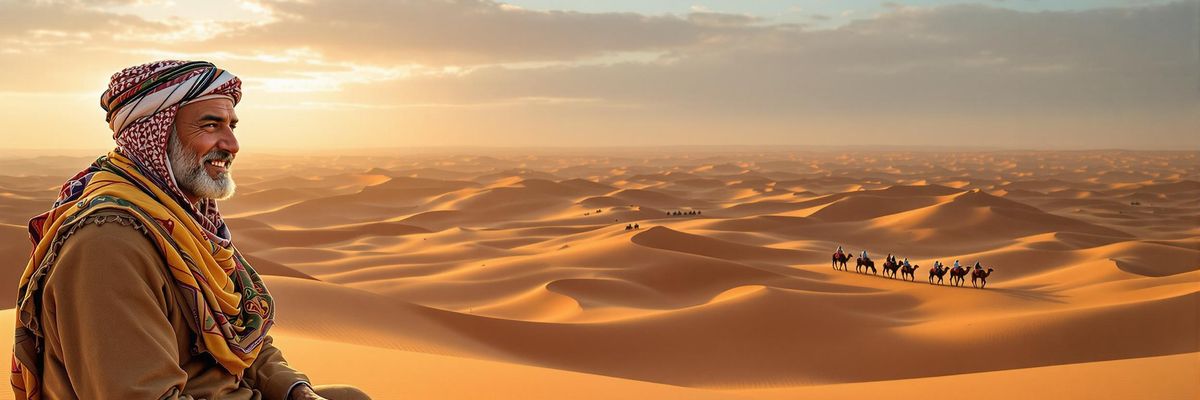
Embrace the cooler temperatures and experience the International Festival of the Sahara in Douz this December.
View More
Celebrate the year-end festivities in Accra, culminating in the vibrant Afrofuture festival.
View More Albania EDITION
 Algeria EDITION
 Argentina EDITION
 Armenia EDITION
 Australia EDITION
 Austria EDITION
 Bangladesh EDITION
 Belgium EDITION
 Belize EDITION
 Benin EDITION
 Bhutan EDITION
 Bolivia EDITION
 Bosnia and Herzegovina EDITION
 Botswana EDITION
 Brazil EDITION
 Bulgaria EDITION
 Burkina Faso EDITION
 Cambodia EDITION
 Cameroon EDITION
 Canada EDITION
 Central African Republic EDITION
 Chad EDITION
 Chile EDITION
 China EDITION
 Colombia EDITION
 Costa Rica EDITION
 Croatia EDITION
 Cyprus EDITION
 Denmark EDITION
 Djibouti EDITION
 Ecuador EDITION
 Egypt EDITION
 El Salvador EDITION
 Eritrea EDITION
 Estonia EDITION
 Ethiopia EDITION
 Finland EDITION
 France EDITION
 Gabon EDITION
 Georgia EDITION
 Germany EDITION
 Ghana EDITION
 Greece EDITION
 Guatemala EDITION
 Guinea EDITION
 Guinea-Bissau EDITION
 Honduras EDITION
 Hungary EDITION
 Iceland EDITION
 India EDITION
 Indonesia EDITION
 Ireland EDITION
 Israel EDITION
 Italy EDITION
 Jamaica EDITION
 Japan EDITION
 Jordan EDITION
 Kenya EDITION
 Kuwait EDITION
 Laos EDITION
 Latvia EDITION
 Lebanon EDITION
 Lesotho EDITION
 Liberia EDITION
 Lithuania EDITION
 Luxembourg EDITION
 Madagascar EDITION
 Malawi EDITION
 Malaysia EDITION
 Maldives EDITION
 Mali EDITION
 Malta EDITION
 Mauritania EDITION
 Mauritius EDITION
 Mexico EDITION
 Mongolia EDITION
 Montenegro EDITION
 Morocco EDITION
 Mozambique EDITION
 Namibia EDITION
 Nepal EDITION
 Netherlands EDITION
 New Zealand EDITION
 Nicaragua EDITION
 Niger EDITION
 Nigeria EDITION
 Norway EDITION
 Oman EDITION
 Pakistan EDITION
 Panama EDITION
 Papua New Guinea EDITION
 Paraguay EDITION
 Peru EDITION
 Philippines EDITION
 Poland EDITION
 Portugal EDITION
 Qatar EDITION
 Romania EDITION
 Rwanda EDITION
 Saudi Arabia EDITION
 Senegal EDITION
 Serbia EDITION
 Singapore EDITION
 Slovakia EDITION
 Slovenia EDITION
 Somalia EDITION
 South Africa EDITION
 South Korea EDITION
 Spain EDITION
 Sri Lanka EDITION
 Suriname EDITION
 Sweden EDITION
 Switzerland EDITION
 Tanzania EDITION
 Thailand EDITION
 Tunisia EDITION
 Uganda EDITION
 United Arab Emirates EDITION
 United Kingdom EDITION
 Uruguay EDITION
 Venezuela EDITION
 Vietnam EDITION
 Zambia EDITION
 Zimbabwe EDITION
Subscribe to our newsletter and get the most captivating travel stories, hidden gems, and expert insights delivered straight to your inbox. As a subscriber, you’ll be first in line for exclusive content, premium offers, and unforgettable travel experiences