


Destination Guide
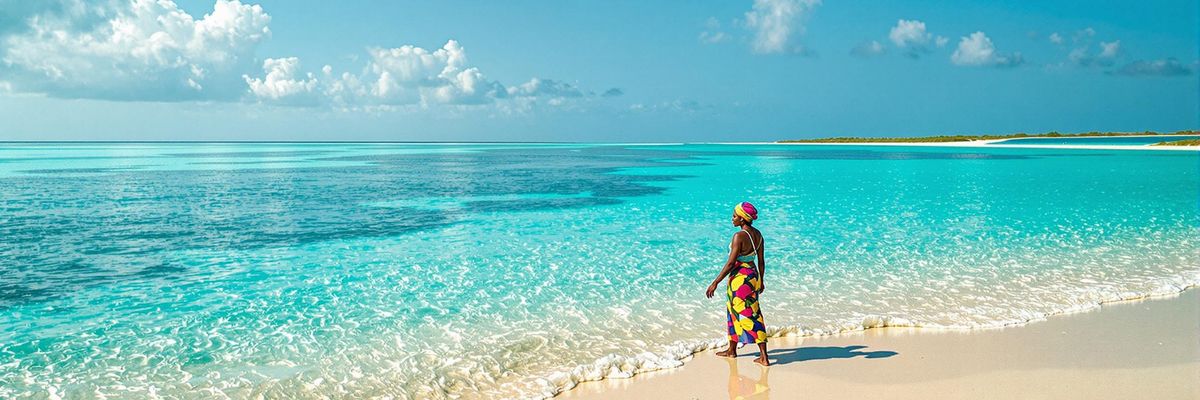
Xai-Xai: A Coastal Retreat
Relax on the beaches and explore the reefs of Xai-Xai.
View More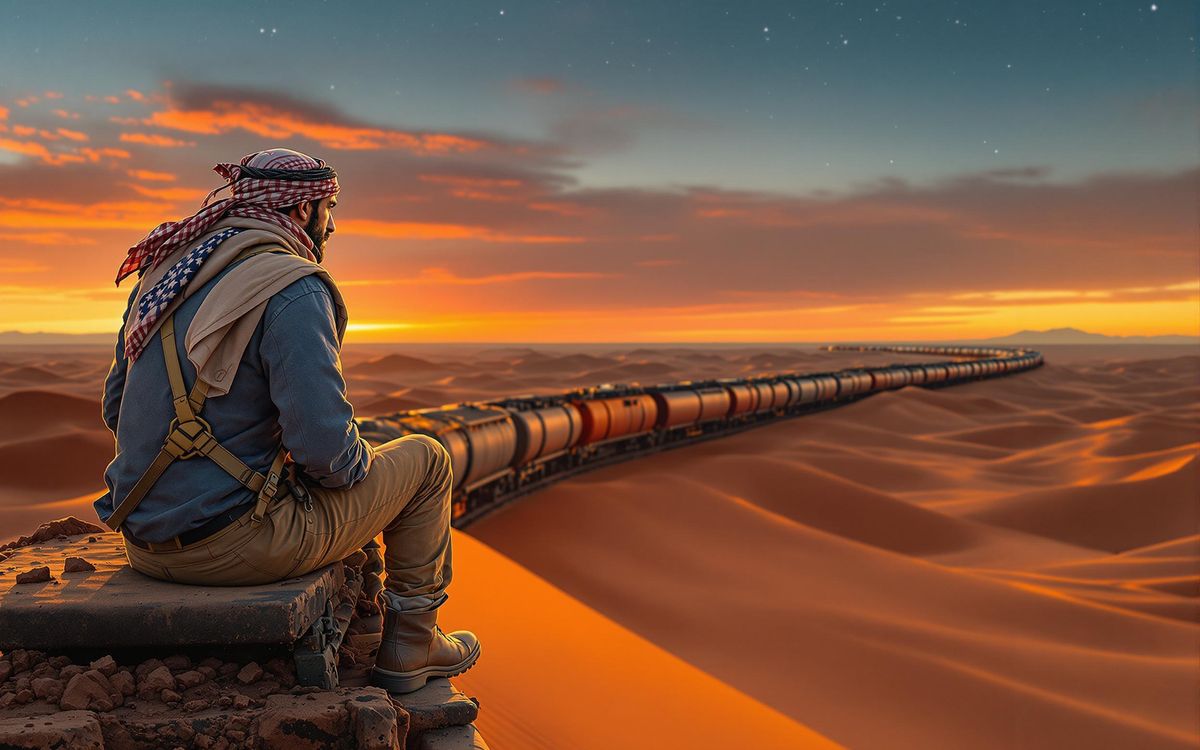

The Mauritanian Iron Ore Train. The name conjures images of a colossal, snaking beast traversing the Sahara Desert, and the reality doesn't disappoint. This isn't your average commuter rail; it's one of the longest trains in the world, a vital artery for Mauritania's economy, and a truly unforgettable adventure for those brave enough to ride it.
The train's primary purpose is simple: to transport iron ore from the mines of Zouérat to the coastal city of Nouadhibou, where it's shipped across the globe. But for intrepid travelers, it's an opportunity to experience the raw, untamed beauty of the Sahara in a way few others can. Imagine yourself perched atop a wagon laden with iron ore, the desert wind whipping around you, as the train rumbles across seemingly endless dunes. It's a journey of extremes, challenging your comfort zone and rewarding you with unparalleled views and a sense of accomplishment.
This guide will provide you with everything you need to know to embark on your own Iron Ore Train adventure, from what to pack to what to expect in Zouérat, the starting point of this extraordinary ride.
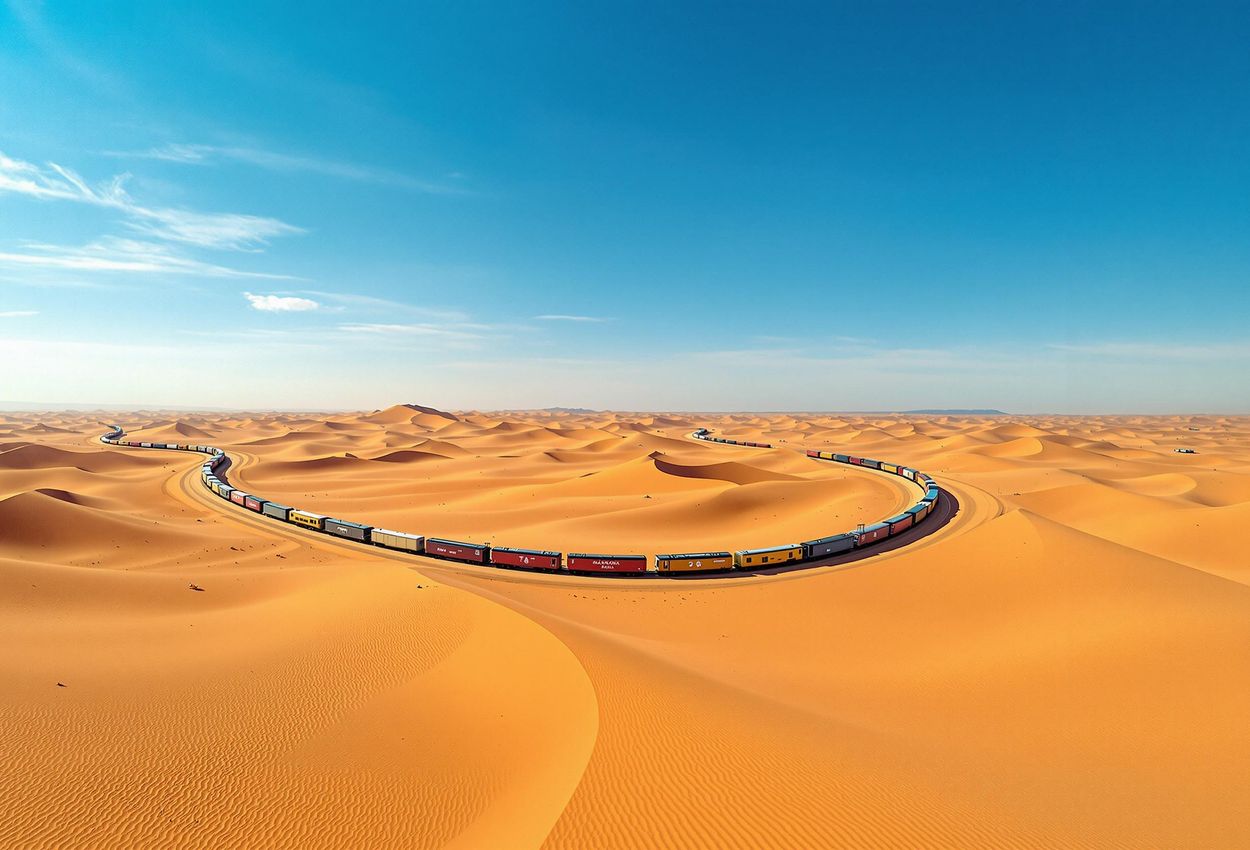
The Mauritanian Iron Ore Train isn't just a mode of transport; it's an experience that assaults your senses and etches itself into your memory. As one of the world's longest trains, stretching over 2.5 kilometers, it dominates the landscape, a black serpent winding its way through the ochre sands. Its purpose is straightforward – to haul iron ore from the mines of Zouérat to the port at Nouadhibou. But for those seeking adventure, it represents something far more profound: a passage into the heart of the Sahara.
Riding the train is not for the faint of heart. It's a test of endurance, a dance with the elements. The rewards, however, are immeasurable. Picture this: you're perched atop a mountain of iron ore, the sun beating down on your face, the wind howling in your ears. The landscape is a canvas of endless sand dunes, punctuated by the occasional rocky outcrop. The air is thick with the scent of iron and the fine dust that coats everything.
As the train rumbles onward, you become part of the landscape, a tiny speck against the vastness of the Sahara. The sun dips below the horizon, painting the sky in fiery hues of orange and red. The temperature plummets, and you huddle deeper into your layers, grateful for the warmth they provide. The stars emerge, a million diamonds scattered across the inky blackness. It's a moment of pure, unadulterated magic, a connection with the desert that few ever experience.
Zouérat, the starting point of this epic journey, is a mining town through and through. It's a place where the landscape is dominated by the presence of iron ore, a testament to the town's economic lifeblood. The town itself is a mix of rugged functionality and surprising charm, a place where you can experience the raw reality of life in the Sahara.
The journey begins here, in this remote outpost, where the iron serpent is loaded and prepared for its long haul to the coast. It's a place of industry and grit, a stark contrast to the serene beauty of the desert it traverses. But it's also a place of opportunity, a gateway to an adventure that will stay with you long after the train pulls into Nouadhibou.
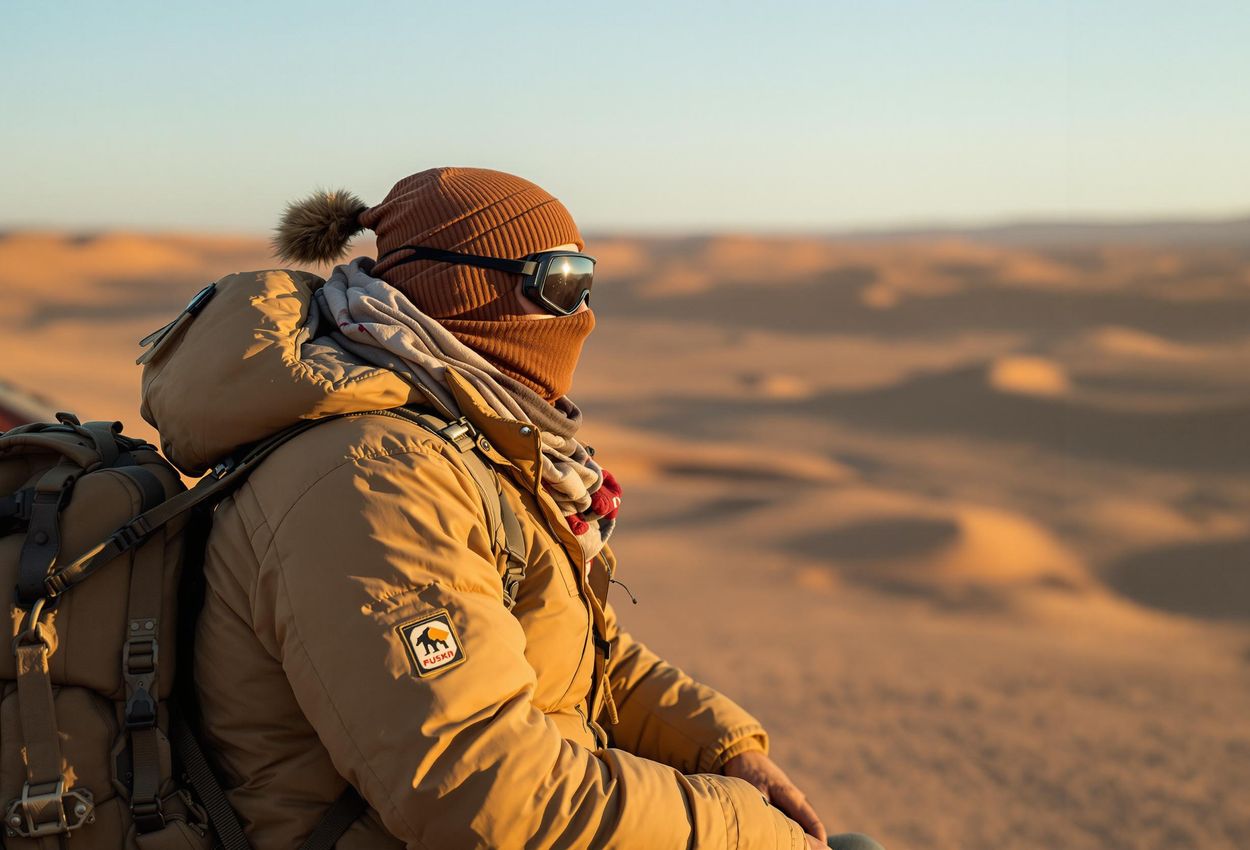
The Iron Ore Train is not a luxury experience, so careful preparation is key to ensuring a safe and relatively comfortable journey. Think of it as a self-supported expedition into the desert; you'll need to bring everything you need to survive and thrive in a harsh environment.
Here's a detailed packing list to get you started:
Each of these items plays a vital role in ensuring your comfort and safety on the Iron Ore Train. Don't skimp on these essentials; they can make the difference between a memorable adventure and a miserable ordeal.
Local Tip: Consider bringing earplugs to help block out the noise of the train and wind, making it easier to sleep.
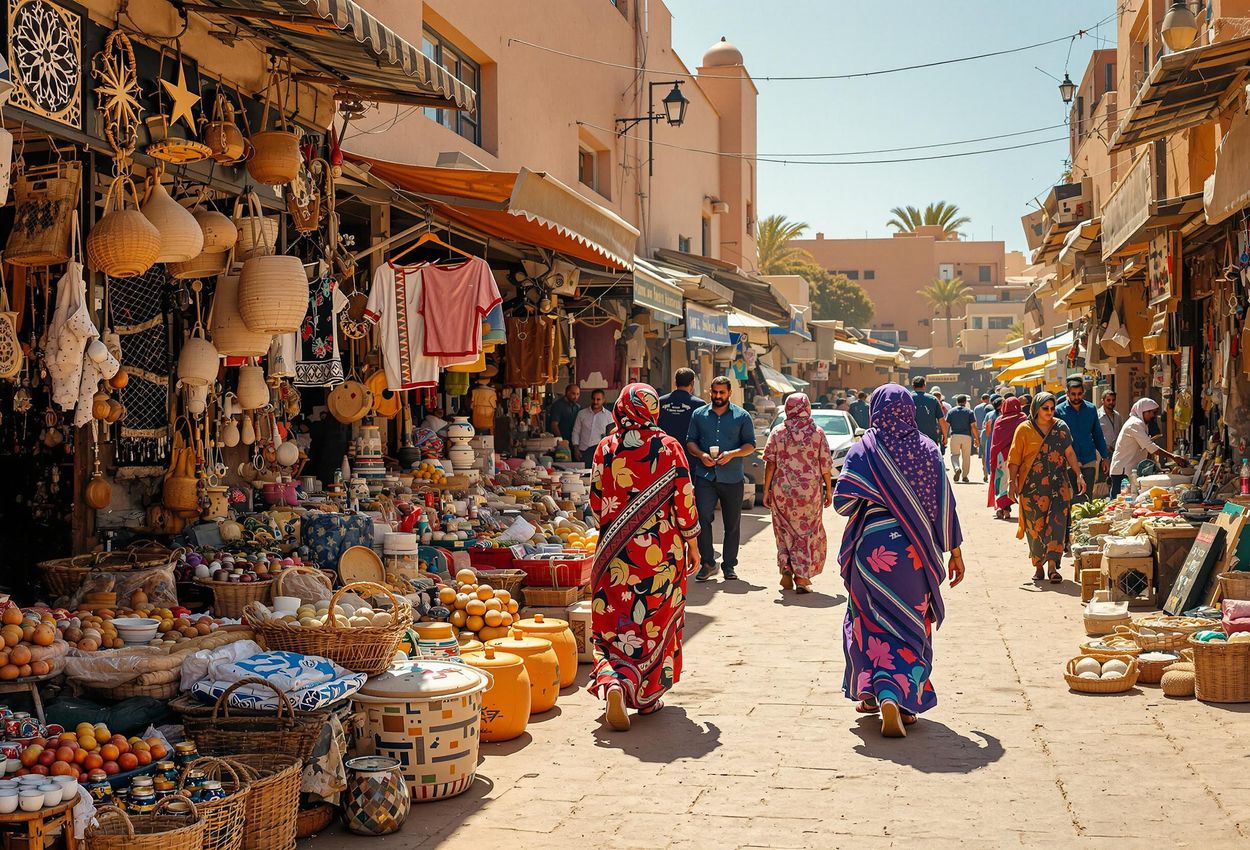
Zouérat is more than just a starting point; it's a unique destination in its own right. As a remote mining town, it offers a glimpse into a way of life far removed from the typical tourist trail. While it may not have the same attractions as other cities, its atmosphere and cultural experiences are well worth exploring.
Getting to Zouérat requires some planning. The most convenient option is to fly to Tazadit Airport, which has regular flights from Nouakchott. Alternatively, you can travel by road, but be prepared for a long and arduous journey. Hiring a 4WD vehicle with an experienced driver is highly recommended.
Accommodation options in Zouérat are limited but functional. You can find basic hotels and guesthouses that offer a comfortable place to rest before or after your train journey.
The atmosphere of Zouérat is unlike any other. It's a town built on iron ore, where the mining industry permeates every aspect of life. The streets are dusty, the buildings are utilitarian, and the air is filled with the sounds of machinery. Yet, there's a certain charm to be found in its authenticity, in its unvarnished portrayal of life in a remote corner of the Sahara.
Being in Zouérat is a cultural experience in itself. It's a chance to witness the daily lives of the people who work in the mines, to learn about their traditions and customs, and to gain a deeper understanding of Mauritania's economy. It's a reminder of the human element behind the global trade in resources, a perspective that's often lost in the complexities of modern commerce.
Local Tip: Visit the local market to experience the vibrant atmosphere and purchase traditional Mauritanian crafts and goods.
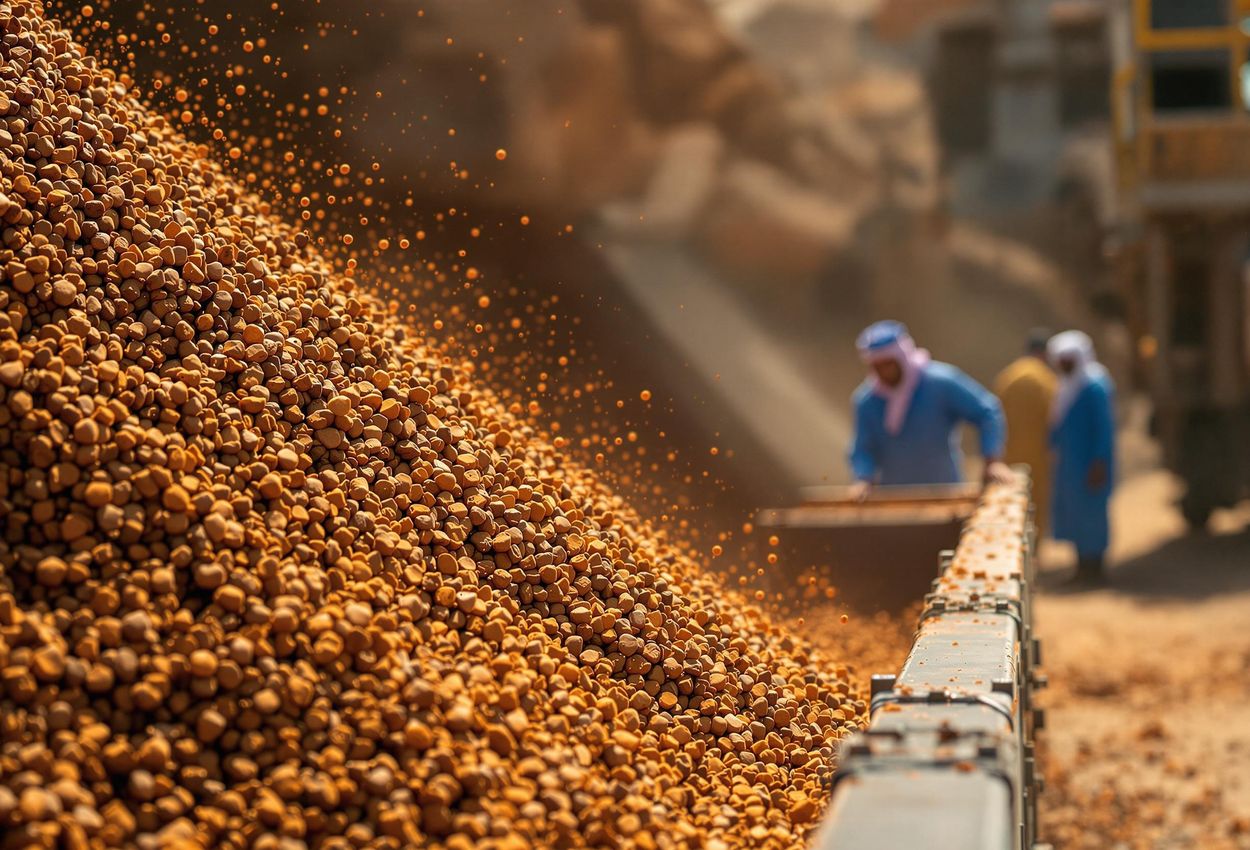
Riding the Iron Ore Train is an immersive experience that engages all your senses. As you settle atop the iron ore wagons, you'll be immediately struck by the sheer scale of the train. It stretches for kilometers, a seemingly endless line of black carriages disappearing into the horizon.
The sounds are equally captivating. The rumble of the train, the squeal of the brakes, and the constant clatter of the iron ore create a symphony of industrial noise. The wind howls in your ears, carrying with it the fine dust that coats everything.
The sights are breathtaking. The vastness of the Sahara unfolds before you, a panorama of sand dunes, rocky plateaus, and endless sky. The sunrises and sunsets are particularly spectacular, painting the desert in vibrant hues of orange, red, and purple.
The sensations are intense. The feel of the iron ore beneath you, the wind on your face, and the sun on your skin create a visceral connection with the desert. The dust gets everywhere, coating your clothes, your skin, and your lungs.
The challenges are real. The dust, the extreme temperatures, and the lack of facilities can take their toll. But with proper preparation and a positive attitude, you can overcome these obstacles and enjoy the journey.
To stay safe and comfortable on the train, it's important to:
One of the most rewarding aspects of the Iron Ore Train journey is the opportunity to interact with locals who also use the train as transportation. These encounters can be brief but meaningful, offering a glimpse into the lives of the people who call the Sahara home.
Hidden Gem: Take the time to learn a few basic phrases in Arabic or French, the local languages. It can go a long way in building connections with the people you meet on the train.

After hours of traversing the seemingly endless Sahara, the arrival in Nouadhibou is a welcome sight. Mauritania's second-largest city, Nouadhibou offers a stark contrast to the desert landscape, with its coastal environment and bustling port.
The port is the heart of Nouadhibou, where the iron ore is unloaded from the train and prepared for shipment around the world. The sight of the massive ore carriers is a testament to the scale of the mining operation and its importance to Mauritania's economy.
The feeling of relief upon arriving in Nouadhibou is palpable. After enduring the dust, the heat, and the discomfort of the train journey, the city offers a chance to relax, refresh, and reflect on your adventure.
From the train station, you can take a taxi to the city center. Taxis are readily available and relatively inexpensive. Be sure to negotiate the fare before you get in.
Nouadhibou itself has a few attractions worth exploring, including the fishing harbor, the local market, and the beaches. It's also a good base for exploring the Tidra Island National Park.
Local Tip: Enjoy fresh seafood at one of the local restaurants. Nouadhibou is known for its excellent seafood, a welcome change from the limited fare available on the train.

The question on many travelers' minds is whether the Iron Ore Train is still accessible to tourists. Reports have surfaced of a potential ban or restrictions enforced by SNIM, the company that operates the train, due to safety concerns.
While official restrictions may exist, the reality on the ground is often more nuanced. Determined travelers may still find ways to ride the train, sometimes with the help of local communities. However, it's important to acknowledge that riding the train is technically illegal and comes with inherent risks.
Before attempting the journey, it's crucial to verify the latest regulations and heed local advice. Contacting local tour operators or guides can provide valuable insights into the current situation and help you navigate the complexities of the situation.
It's also important to be aware of the potential consequences of riding the train against official regulations. You could face fines, arrest, or other penalties.
Ultimately, the decision of whether or not to ride the Iron Ore Train is a personal one. Weigh the risks and rewards carefully, and make an informed decision based on your own comfort level and travel style.
Important Note: Regardless of the current regulations, safety should always be your top priority. The Iron Ore Train is a challenging and potentially dangerous experience, and it's essential to be prepared for the risks involved.
Whether you choose to ride the Iron Ore Train or not, Zouérat and Nouadhibou offer unique and rewarding travel experiences. From the rugged beauty of the Sahara to the vibrant culture of Mauritania, there's something for every adventurous traveler to discover.
So, pack your bags, do your research, and prepare for an unforgettable journey into the heart of the Sahara. The Iron Ore Train may or may not be part of your itinerary, but the adventure awaits regardless.
Our editors` picks of the latest and greatest in travel - delivered to your inbox daily
Relax on the beaches and explore the reefs of Xai-Xai.
View More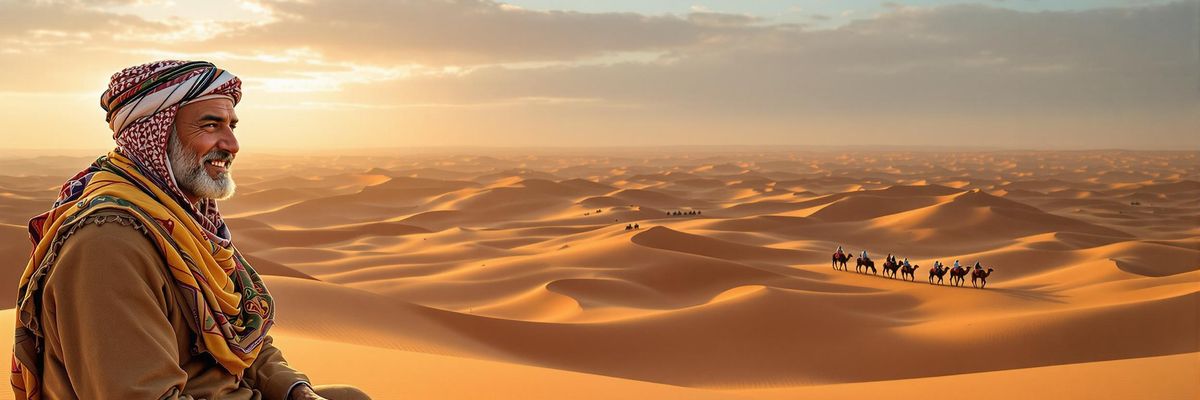
Embrace the cooler temperatures and experience the International Festival of the Sahara in Douz this December.
View More
Celebrate the year-end festivities in Accra, culminating in the vibrant Afrofuture festival.
View More Albania EDITION
 Algeria EDITION
 Argentina EDITION
 Armenia EDITION
 Australia EDITION
 Austria EDITION
 Bangladesh EDITION
 Belgium EDITION
 Belize EDITION
 Benin EDITION
 Bhutan EDITION
 Bolivia EDITION
 Bosnia and Herzegovina EDITION
 Botswana EDITION
 Brazil EDITION
 Bulgaria EDITION
 Burkina Faso EDITION
 Cambodia EDITION
 Cameroon EDITION
 Canada EDITION
 Central African Republic EDITION
 Chad EDITION
 Chile EDITION
 China EDITION
 Colombia EDITION
 Costa Rica EDITION
 Croatia EDITION
 Cyprus EDITION
 Denmark EDITION
 Djibouti EDITION
 Ecuador EDITION
 Egypt EDITION
 El Salvador EDITION
 Eritrea EDITION
 Estonia EDITION
 Ethiopia EDITION
 Finland EDITION
 France EDITION
 Gabon EDITION
 Georgia EDITION
 Germany EDITION
 Ghana EDITION
 Greece EDITION
 Guatemala EDITION
 Guinea EDITION
 Guinea-Bissau EDITION
 Honduras EDITION
 Hungary EDITION
 Iceland EDITION
 India EDITION
 Indonesia EDITION
 Ireland EDITION
 Israel EDITION
 Italy EDITION
 Jamaica EDITION
 Japan EDITION
 Jordan EDITION
 Kenya EDITION
 Kuwait EDITION
 Laos EDITION
 Latvia EDITION
 Lebanon EDITION
 Lesotho EDITION
 Liberia EDITION
 Lithuania EDITION
 Luxembourg EDITION
 Madagascar EDITION
 Malawi EDITION
 Malaysia EDITION
 Maldives EDITION
 Mali EDITION
 Malta EDITION
 Mauritania EDITION
 Mauritius EDITION
 Mexico EDITION
 Mongolia EDITION
 Montenegro EDITION
 Morocco EDITION
 Mozambique EDITION
 Namibia EDITION
 Nepal EDITION
 Netherlands EDITION
 New Zealand EDITION
 Nicaragua EDITION
 Niger EDITION
 Nigeria EDITION
 Norway EDITION
 Oman EDITION
 Pakistan EDITION
 Panama EDITION
 Papua New Guinea EDITION
 Paraguay EDITION
 Peru EDITION
 Philippines EDITION
 Poland EDITION
 Portugal EDITION
 Qatar EDITION
 Romania EDITION
 Rwanda EDITION
 Saudi Arabia EDITION
 Senegal EDITION
 Serbia EDITION
 Singapore EDITION
 Slovakia EDITION
 Slovenia EDITION
 Somalia EDITION
 South Africa EDITION
 South Korea EDITION
 Spain EDITION
 Sri Lanka EDITION
 Suriname EDITION
 Sweden EDITION
 Switzerland EDITION
 Tanzania EDITION
 Thailand EDITION
 Tunisia EDITION
 Uganda EDITION
 United Arab Emirates EDITION
 United Kingdom EDITION
 Uruguay EDITION
 Venezuela EDITION
 Vietnam EDITION
 Zambia EDITION
 Zimbabwe EDITION
Subscribe to our newsletter and get the most captivating travel stories, hidden gems, and expert insights delivered straight to your inbox. As a subscriber, you’ll be first in line for exclusive content, premium offers, and unforgettable travel experiences