From the sun-drenched shores of Lamu to the rugged coast of Ireland, coastal communities around the world are facing unprecedented environmental challenges. Yet, amidst these trials, their cultural traditions endure, offering a beacon of hope and a testament to the resilience of the human spirit. Join us as we explore the viant tapestry of coastal life, celeating the unique customs, time-honored practices, and unwavering determination of those who call the sea home.
The stories that follow are not just about survival; they are about the preservation of identity, the passing down of knowledge, and the innovative ways in which communities are adapting to a changing world while holding fast to their heritage. Through photography, interviews, and immersive storytelling, we delve into the heart of these coastal cultures, revealing the deep connection between people and the sea.
The Soulful Seafarers of Lamu: A Living Swahili Tapestry
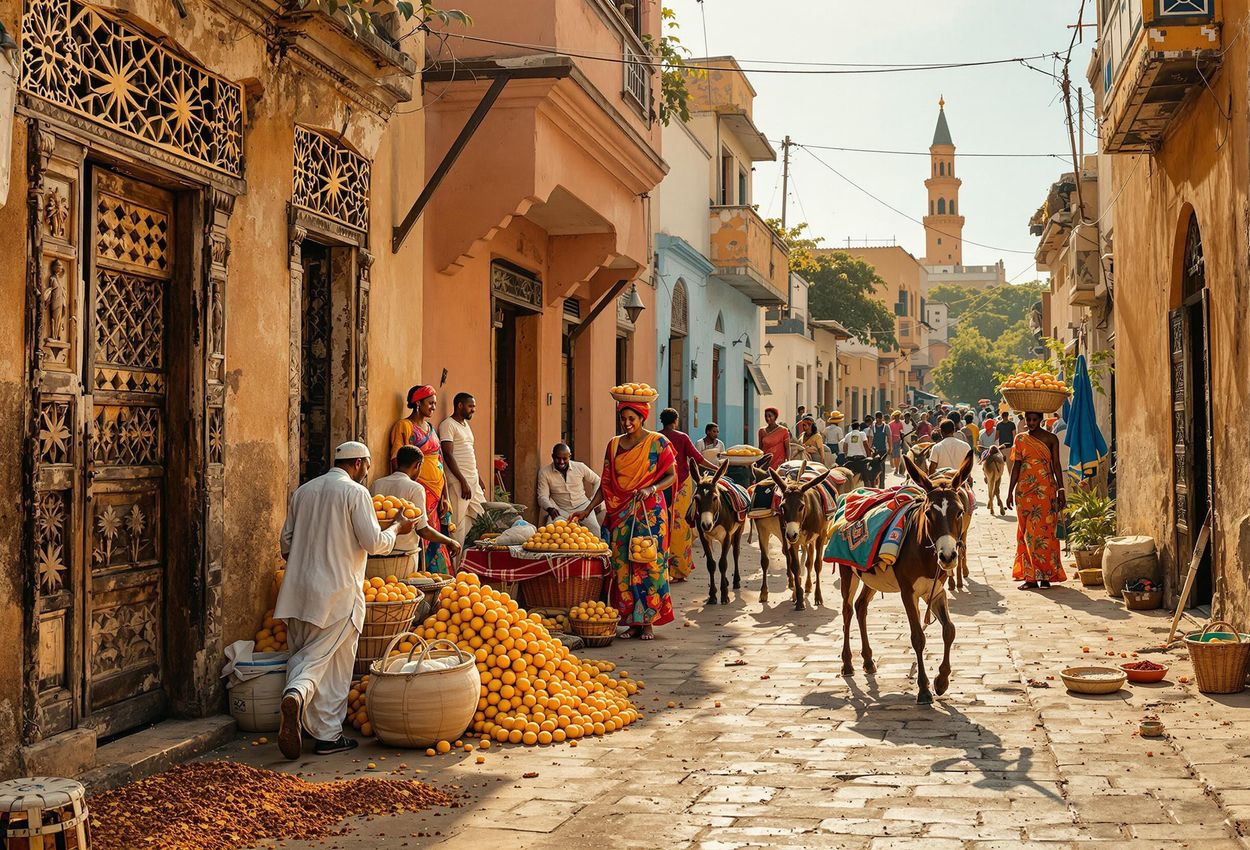
In the heart of the **Lamu Archipelago**, off the coast of **Kenya**, lies **Lamu Town**, a UNESCO World Heritage site where time seems to slow to the rhythm of the tides. Here, the Swahili culture thrives, a rich blend of African, Arab, and Indian influences that permeates every aspect of daily life. As you wander through the narrow, winding streets, the air is thick with the scent of spices and the sound of dhows gliding across the turquoise waters. The call to prayer echoes from ancient mosques, a melodic reminder of the deep-rooted Islamic faith that shapes the community.
The architecture of **Lamu** is a testament to the Swahili aesthetic, with intricately carved wooden doors adorning coral stone houses. Each door tells a story, a symbol of the family's history and status. The craftsmanship is passed down through generations, a living art form that continues to define the town's character. And as the sun sets, painting the sky in hues of orange and purple, the aroma of Swahili cuisineu2014biryani, spiced coconut fish, and freshly baked eadu2014wafts from open doorways, inviting you to partake in the evening feast.
Music is the lifeblood of **Lamu**, and Taarab, a genre that blends Arabic melodies with Swahili poetry, is the soundtrack to every celeation. At weddings and community gatherings, the soulful sounds of the oud and qanun fill the air, accompanied by the rhythmic clapping and ululating of the women. The **Lamu Cultural Festival** is a highlight of the year, a viant showcase of Swahili traditions, from dhow races and donkey competitions to poetry readings and traditional dances. It's a time for the community to come together, celeate their heritage, and pass it on to the next generation.
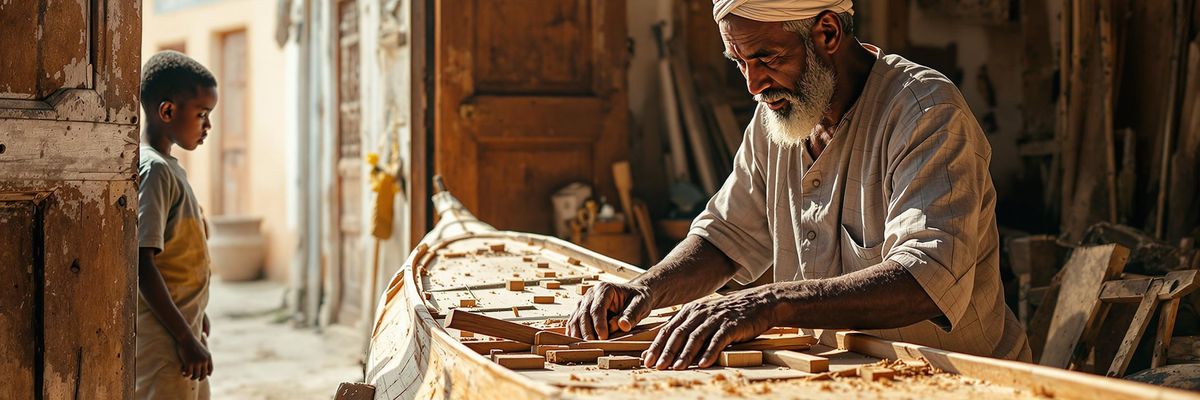
Hidden Gem: Tucked away in a quiet corner of **Lamu Town** is the workshop of Ali, a master dhow builder who is one of the last remaining practitioners of this ancient craft. Using traditional tools and techniques, Ali meticulously constructs these iconic sailing vessels, ensuring that the knowledge of his ancestors is not lost. Watching him work is like stepping back in time, a reminder of the ingenuity and skill that have sustained this coastal community for centuries. Ali's family has been building dhows for generations, and he hopes that his children will continue the tradition, keeping the spirit of **Lamu's** seafaring heritage alive.
Ireland's Dublin Bay: Where Ancient Tales Meet Modern Shores
**Dublin Bay**, a crescent of coastline stretching from the bustling city of **Dublin** to the rolling hills of **Wicklow**, is a place where ancient tales mingle with the realities of modern life. The beauty of the bay, with its sandy beaches, dramatic cliffs, and charming seaside towns, belies the challenges it faces from coastal erosion and climate change. But amidst these challenges, a spirit of innovation and community collaboration is emerging, driven by a deep respect for the past and a determination to protect the future.
The impact of climate change is evident along the **Dublin Bay** coastline, with rising sea levels and increased storm surges threatening homes, businesses, and natural habitats. But instead of succumbing to despair, communities are taking action, drawing on traditional knowledge and innovative solutions to mitigate the effects of erosion. One such initiative is the reintroduction of natural coastal defense systems, such as oyster beds and eelgrass meadows, which help to stabilize the shoreline and provide habitat for marine life. These projects are not only environmentally beneficial but also economically viable, creating jobs and boosting tourism in the region.
The **Coastal TALES** project is a shining example of how heritage stories can drive climate change adaptation. This community-led initiative focuses on recording and preserving local skills and knowledge related to the marine environment. Through interviews with fishermen, boat builders, and coastal residents, the project is capturing a wealth of information about past practices and traditional methods of managing the coastline. This knowledge is then used to inform the development of innovative solutions for climate change, ensuring that the wisdom of the past is not lost in the face of the future.
Hidden Gem: The folklore and oral histories of **Dublin Bay** are a treasure trove of information about past practices and traditional ways of life. By exploring these stories, we can gain a deeper understanding of the relationship between people and the sea and develop innovative solutions for climate change. For example, local tales about the movement of sand dunes and the impact of storms on the coastline can provide valuable insights into how to manage coastal erosion. And by listening to the stories of fishermen and sailors, we can learn about sustainable fishing practices and the importance of protecting marine biodiversity.

Resilience in the Marshall Islands: Canoe Building as Cultural Revival
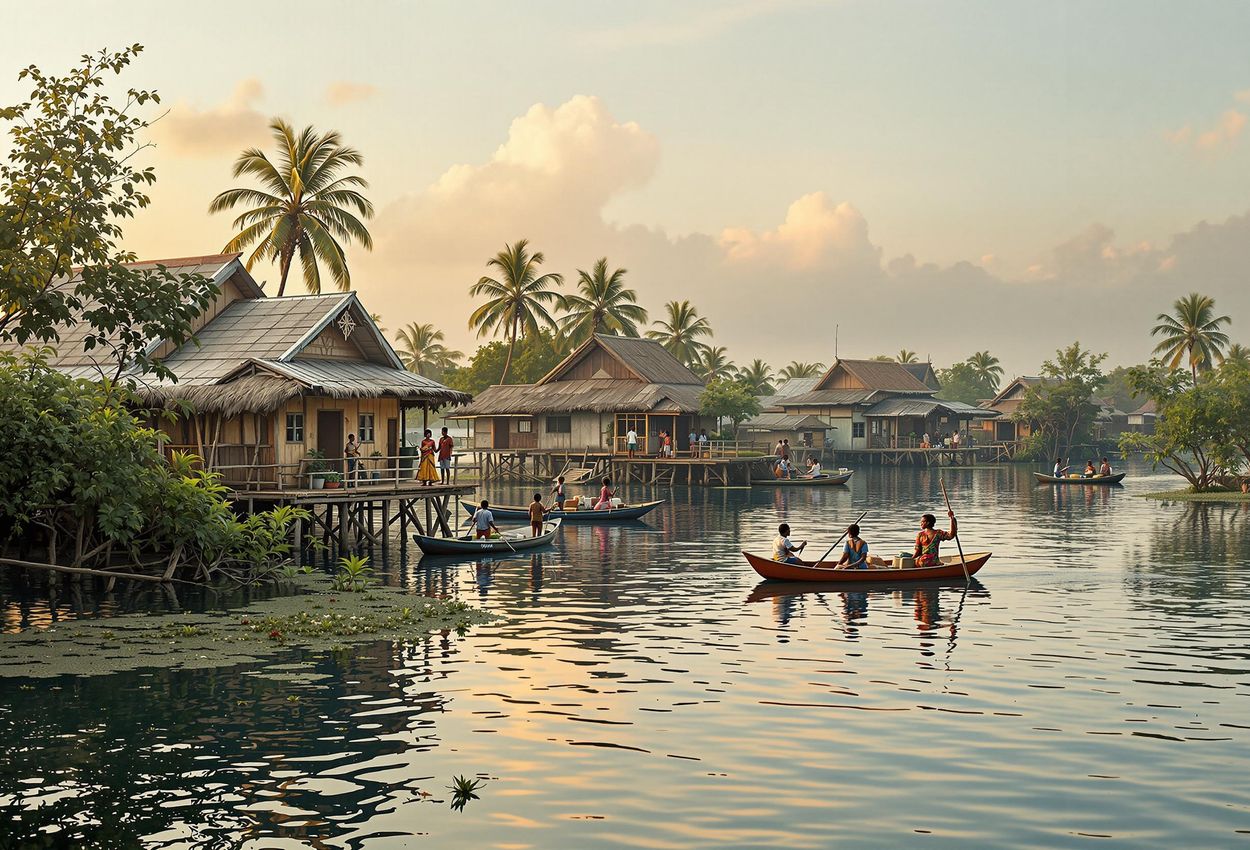
In the heart of the **Pacific Ocean**, lies the **Marshall Islands**, a nation of low-lying atolls that are among the most vulnerable to the impacts of climate change. Rising sea levels, increased storm surges, and coastal erosion are threatening the very existence of these islands, forcing communities to adapt and find new ways to survive. But amidst these challenges, a powerful cultural revival is taking place, centered around the art of traditional canoe building.
The **Waan Aelõñ in Majel (WAM)** Program is at the forefront of this cultural revival, empowering young **Marshallese** to reconnect with their heritage and develop the skills they need to adapt to climate change. The program teaches young people the art of building traditional outrigger canoes, known as waan, using locally sourced materials and time-honored techniques. This not only provides them with a valuable skill but also instills in them a deep sense of pride and connection to their culture.
For the **Marshallese**, canoes are more than just vessels for transportation; they are symbols of their identity, their resilience, and their connection to the sea. Canoe building is a sacred practice, steeped in tradition and ceremony. Each canoe is built with meticulous care, using knowledge passed down through generations. The process is not just about constructing a functional vessel; it's about forging a connection with the ancestors, honoring the spirits of the sea, and preserving the cultural heritage of the **Marshall Islands**.
Hidden Gem: The stories and legends associated with canoe building and navigation in **Marshallese** culture are rich and profound. These stories tell of ave seafarers who navigated vast distances using only the stars, the waves, and the flight patterns of birds. They speak of the deep spiritual connection between the **Marshallese** people and the ocean, a connection that is essential for their survival. By exploring these stories, we can gain a deeper appreciation for the cultural significance of canoes and the importance of preserving this ancient tradition.

Saintes-Maries-de-la-Mer: The Romani Pilgrimage to the Sea
In the heart of the **Camargue region** of **France**, lies the charming coastal town of **Saintes-Maries-de-la-Mer**, a place of pilgrimage and celeation for the Romani people. Every year, thousands of Roma from all over the world gather here to honor their patron saint, Saint Sarah, in a viant and moving ceremony that culminates in a procession to the sea.
The pilgrimage to **Saintes-Maries-de-la-Mer** is a sensory feast, a viant explosion of color, music, and emotion. As the statue of Saint Sarah is carried through the streets, the air is filled with the sound of songs, chants, and the rhythmic clapping of hands. Ranchers on white horses parade alongside the procession, adding to the spectacle. The atmosphere is electric, a palpable sense of devotion and joy that permeates the entire town.
The history of the pilgrimage dates back to the Middle Ages, when legend has it that Saint Sarah, a servant of the Three Marys who arrived in **France** after the crucifixion of Jesus, landed on the shores of **Saintes-Maries-de-la-Mer**. Saint Sarah is revered by the Roma as their protector, and the pilgrimage is a time for them to reaffirm their faith, celeate their culture, and connect with their community.
Hidden Gem: One of the most fascinating aspects of the Romani pilgrimage to **Saintes-Maries-de-la-Mer** is the tradition of leaving votive offerings for Saint Sarah. These offerings, which can include candles, flowers, and personal items, are placed at the feet of the statue as a sign of gratitude and devotion. The act of leaving an offering is a way for the Roma to connect with Saint Sarah on a personal level and to seek her blessings for the future.

Vietnam's Northeast Coast: Capturing Coastal Traditions Through Photography
Along the rugged and picturesque northeast coast of **Vietnam**, a timeless way of life unfolds. Here, rustic fishing villages cling to the shoreline, colorful craft workshops hum with activity, and salt farmers tend to their glistening fields. This is a region where pre-industrial traditions persist, where the warmth and hospitality of the locals are as captivating as the stunning scenery.
The journey along **Vietnam's** northeast coast is a photographer's dream, a visual feast of viant colors, intricate details, and captivating characters. In one village, silk production unfolds from worm to spool, a mesmerizing process that has been passed down through generations. In another, fishermen's wives mend nets with nimble fingers, their faces etched with the wisdom of the sea. Every corner reveals a story, a glimpse into a way of life that is both resilient and deeply connected to the natural world.
Specific locations along the coast, such as **Infinity Beach** and **Dong Chau**, offer unique perspectives on this coastal culture. **Infinity Beach**, with its vast expanse of sand and shallow waters, is a place where time seems to stand still. Here, fishermen cast their nets at dawn, children play in the surf, and families gather to watch the sunset. **Dong Chau**, a small island known for its pristine beaches and lush vegetation, is a haven for those seeking tranquility and natural beauty.
Hidden Gem: In one particular fishing village, a family tradition revolves around the passing down of knowledge related to the sea. Each generation of fishermen teaches the next the secrets of the tides, the currents, and the habits of the fish. This intergenerational knowledge is essential for their survival, ensuring that the skills and wisdom of the past are not lost in the face of modern challenges.

Sumba, Indonesia: The Marapu Culture's Deep Connection to the Ocean
In the remote island of **Sumba**, **Indonesia**, the ancient **Marapu** culture thrives, a testament to the enduring power of tradition and spirituality. Here, the Sumbanese people maintain a deep connection to the ocean, viewing it as a source of life, sustenance, and spiritual guidance. Their unique customs, beliefs, and practices reflect this profound relationship, shaping every aspect of their daily lives.
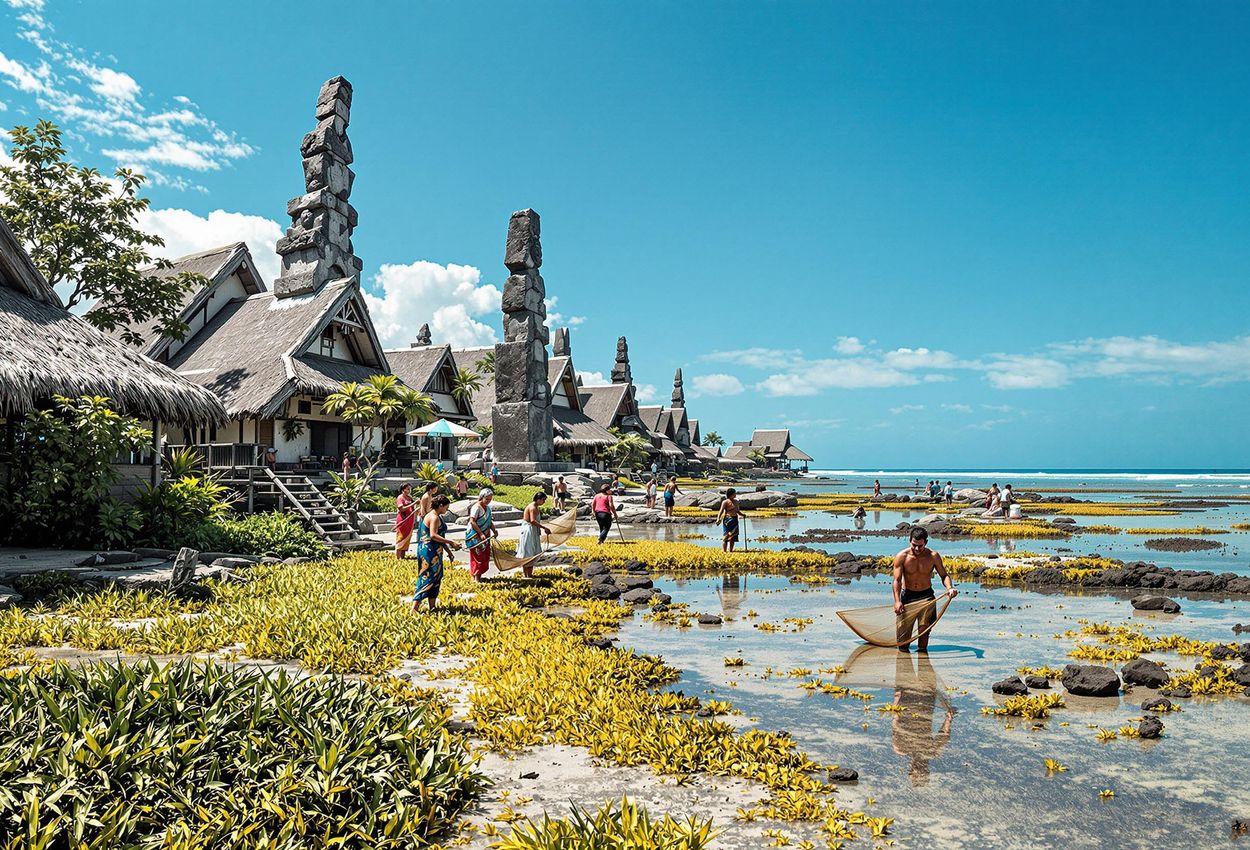
The architecture of **Sumba** is a reflection of the **Marapu** culture, with pointed-roof houses that reach towards the sky, symbolizing the connection between the earthly and the divine. Megalith monuments, erected in honor of ancestors, dot the landscape, serving as reminders of the past and the importance of lineage. These structures are not just physical landmarks; they are living embodiments of the Sumbanese spiritual beliefs.
Daily life in **Sumbanese** villages revolves around the rhythms of the ocean. During low tide, villagers gather along the shoreline, collecting seagrass and crustaceans, which form an essential part of their diet. This practice is not just about sustenance; it's about maintaining a balance with nature, respecting the resources of the sea, and ensuring the sustainability of their way of life.
Hidden Gem: The **Marapu** culture's spiritual beliefs related to the ocean are deeply intertwined with sustainable practices. They believe that the ocean is inhabited by spirits who must be respected and appeased. This belief system encourages them to fish responsibly, to avoid polluting the waters, and to protect marine life. By understanding and respecting these spiritual beliefs, we can gain valuable insights into how to promote sustainable practices in coastal communities around the world.
Kerala, India: Coastal Communities Conserving Marine Biodiversity
Along the sun-kissed coast of **Kerala**, **India**, in the region of **Trivandrum**, lies a network of fishing communities whose lives are intimately interwoven with the marine environment. These communities possess a wealth of traditional knowledge about marine habitats and sustainable fishing practices, knowledge that is essential for preserving the region's rich marine biodiversity.
For generations, these coastal communities have relied on the ocean for their sustenance, their livelihoods, and their cultural identity. They understand the delicate balance of the marine ecosystem and have developed sustainable fishing practices that ensure its long-term health. They know when and where to fish, what species to target, and how to minimize their impact on the environment. This knowledge is passed down through generations, a living testament to the wisdom of the past.
However, these communities face increasing challenges from modern development, including pollution, overfishing, and habitat destruction. The pressures of globalization and economic growth threaten to erode their traditional way of life and undermine their efforts to conserve marine biodiversity. It is essential that these communities are supported in their efforts to preserve their coastal language, traditions, and sustainable practices.
Hidden Gem: The local language, **Kadappuram Bhasha**, is a unique dialect spoken by the coastal fishing communities of **Kerala**. This language contains specific terms related to marine life and fishing practices, reflecting the deep connection between the people and the sea. By studying and preserving this language, we can gain valuable insights into the traditional knowledge and cultural heritage of these communities.

Bénin, West Africa: Heritage as a Key to Coastal Resilience
In the coastal communities of **Bénin**, **West Africa**, heritage plays a crucial role in building resilience to climate change. This heritage coheres communities through social responsibility and a strong sense of place. The fragile ecosystems, protected environments, and heritage sites along the coast are not just historical landmarks; they are integral to the identity and well-being of the people who live there.
The coastal communities of **Bénin** have a long history of adapting to environmental challenges. They have developed traditional methods of fishing, farming, and resource management that are sustainable and resilient. These practices are rooted in their cultural heritage, passed down through generations, and adapted to the specific conditions of their environment.
By recognizing and valuing their heritage, these communities can strengthen their social cohesion, enhance their adaptive capacity, and build a more sustainable future. Heritage is not just about preserving the past; it's about using the lessons of the past to inform the present and shape the future.
Hidden Gem: Beneath the sands of the **Bénin** coastline lies a hidden archaeology of local significance. These archaeological sites hold clues to the past, revealing the history of human settlement, adaptation, and resilience. By uncovering and studying these sites, we can gain a deeper understanding of the long-term relationship between people and the environment and learn valuable lessons for building coastal resilience.
Alaskan Alutiiq Tribe: Preserving Heritage Knowledge for Marine Ecosystems
In the remote village of **Old Harbor**, **Alaska**, the **Alutiiq Tribe** is working to preserve their heritage knowledge for the benefit of marine ecosystems. Through storytelling, cultural camps, and partnerships with museums, they are ensuring that the wisdom of their elders is passed down to younger generations.
The **Alutiiq** people have lived in harmony with the marine environment for thousands of years. They have developed a deep understanding of the local ecosystems, the behavior of marine animals, and the sustainable use of resources. This knowledge is encoded in their stories, songs, and traditions, passed down through generations through oral tradition.
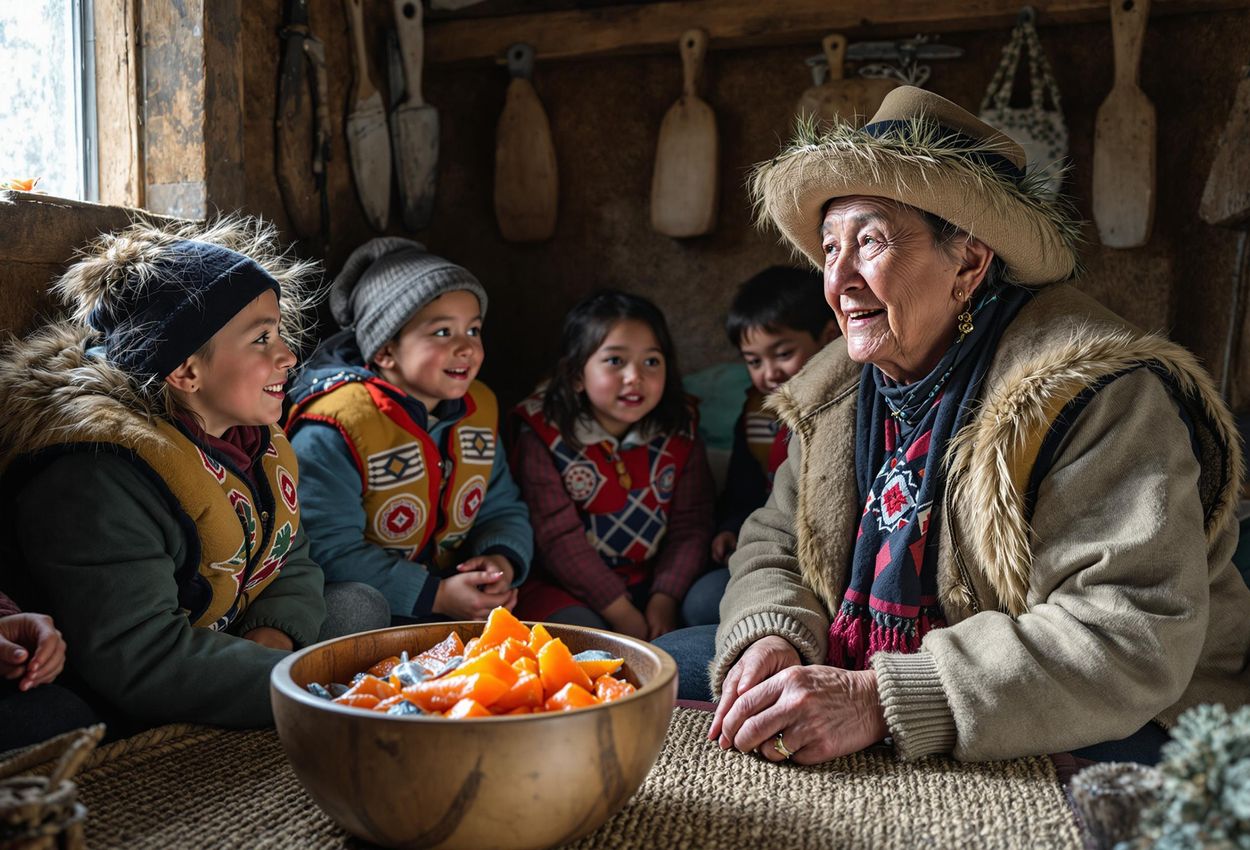
The **Nuniaq Youth Culture Camp** is a key initiative in this effort. At the camp, elders share stories and teachings with younger generations, imparting their knowledge of the marine environment and the **Alutiiq** way of life. These stories are not just entertaining; they are essential for preserving the cultural heritage of the **Alutiiq Tribe** and ensuring the sustainability of the marine ecosystems they depend on.
Hidden Gem: One specific story or teaching from the **Nuniaq Camp** relates to sustainable practices for harvesting salmon. The elders teach the young people to respect the salmon, to only take what they need, and to ensure that the spawning grounds are protected. This teaching is not just about fishing; it's about maintaining a balance with nature and ensuring the long-term health of the ecosystem.
Saint Croix: Bush Baths as a Pre-Wedding Ritual
In the lush landscapes of **St. Croix**, a unique tradition thrives: the practice of bush baths. These medicinal baths, steeped in local flora, are more than just a cleansing ritual; they are a celeation of community, healing, and the deep connection between people and the land. Perhaps most notably, bush baths are known as a pre-wedding ritual.
The process of preparing a bush bath is a labor of love, involving the careful selection and preparation of local plants. Each plant is chosen for its specific healing properties, from soothing skin irritations to relieving muscle aches. The plants are then steeped in bathwater, releasing their medicinal essence and creating a fragrant and therapeutic experience.
Taking a bush bath is not just an individual experience; it is a community bonding event. Friends and family gather to help prepare the bath, share stories, and offer support. It is a time for laughter, connection, and the reaffirmation of community ties.
Hidden Gem: The specific flora used in **St. Croix** bush baths varies depending on the individual's needs and preferences. Some popular choices include aloe vera for its soothing properties, lemongrass for its calming aroma, and eucalyptus for its decongestant effects. Each plant has its own unique healing properties, reflecting the rich biodiversity of the island and the traditional knowledge of its people.