Imagine yourself on a rugged coastline, the salty air filling your lungs, the sound of waves crashing against the rocks. Coastal foraging offers a unique opportunity to connect with nature, sourcing food directly from the environment in a sustainable and mindful way.
Embark on a Coastal Culinary Journey
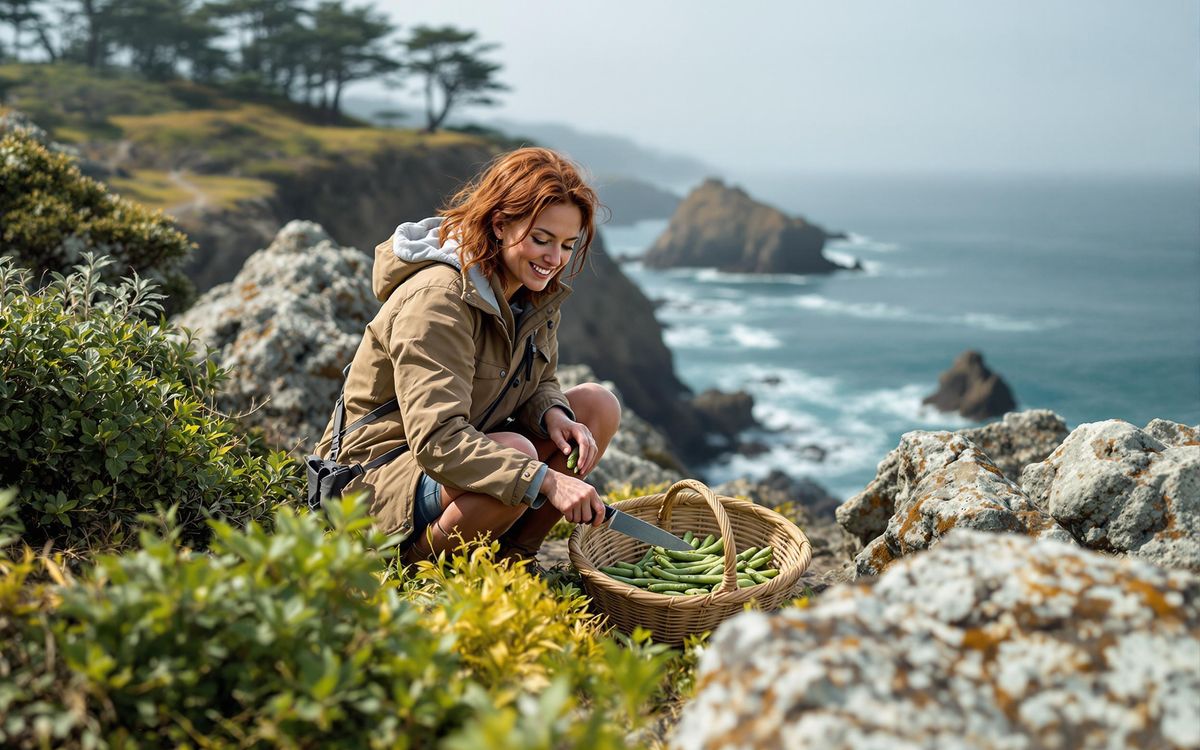
The Mendocino Coast in California, with its dramatic cliffs and rich marine life, provides an ideal backdrop for a coastal foraging adventure. As you arrive, the scent of salt air mixes with the earthy aroma of seaweed, creating an invigorating sensory experience. The rhythmic crashing of waves against the shore sets a tranquil tone, while the sight of windswept cypress trees clinging to the cliffs evokes a sense of wildness and serenity. This is more than just a culinary experience; it's a chance to reconnect with the natural world, to understand where our food comes from, and to appreciate the delicate balance of the coastal ecosystem. Coastal foraging is an exclusive and mindful practice, offering a rare opportunity to discover hidden culinary treasures while respecting the environment. It's about slowing down, observing closely, and learning to identify the edible bounty that the coast provides. The act of foraging transforms a simple walk on the beach into a treasure hunt, where each discovery is a testament to the power and generosity of nature. From the viant greens of sea beans to the deep reds of dulse seaweed, the coastline is a living pantry waiting to be explored. But with this privilege comes responsibility. Respecting the coastal ecosystem is paramount, ensuring that future generations can also enjoy the fruits of the sea.

The Art of Responsible Coastal Foraging
At the heart of coastal foraging lies a deep respect for the environment. Responsible practices are not just recommended; they are essential for preserving the delicate coastal ecosystem. This means adhering to specific guidelines to minimize our impact. Only harvest species that are plentiful, ensuring that the population remains healthy and robust. Avoid foraging in protected areas such as National Nature Reserves (NNR) or Sites of Special Scientific Interest (SSSI), where the ecosystem is particularly vulnerable. Always leave enough for wildlife, recognizing that we are sharing this space with countless other creatures who depend on these resources for survival. Before you even set foot on the beach, familiarize yourself with local regulations and obtain any necessary permits. Ignorance is not an excuse; it's your responsibility to understand the rules and abide by them. In the UK, the Wildlife and Countryside Act of 1981 provides legal protection for wild plants, and it's crucial to be aware of its implications for foraging. Local guides play a vital role in educating foragers about responsible practices. Their knowledge of the local ecosystem is invaluable, and they can teach you how to identify edible species, avoid harmful ones, and minimize your environmental impact. By following their guidance, you can ensure that your foraging activities are sustainable and beneficial for both you and the environment. Remember, coastal foraging is a privilege, not a right. It's a chance to connect with nature in a meaningful way, but it's also a responsibility to protect the environment for future generations.
Unveiling Edible Coastal Plants
The coastline is teeming with edible plants, each offering a unique flavor and texture. Sea Beans, also known as sea asparagus, are a prime example. These succulent plants thrive in salt marshes, their viant green stalks adding a splash of color to the landscape. Their flavor is distinctly salty, with a satisfying crunch that makes them a delightful addition to salads or stir-fries. Sea Buckthorn is another coastal treasure, easily recognizable by its viant orange berries. These berries are packed with Vitamin C and have a tart, acidic taste that is perfect for making sorbets, jams, or even cocktails. Imagine the sun-kissed flavor of a sea buckthorn sorbet on a warm summer evening, the perfect embodiment of coastal indulgence. Sea Rocket, also known as beach mustard, is a common sight on sandy beaches. Its leaves have a spicy, peppery flavor that adds a kick to salads and sandwiches. Look for its distinctive rocket-shaped leaves and its tendency to grow in sandy areas near the high tide line. Identifying edible coastal plants requires careful observation and a keen eye. Pay attention to the plant's overall appearance, its leaf shape, its flower structure, and its habitat. Never consume a plant unless you are absolutely certain of its identification. When in doubt, consult a local guide or expert. Many non-edible plants resemble their edible counterparts, and consuming the wrong plant can have serious consequences. For example, the deadly hemlock water dropwort can be mistaken for wild celery, so it is paramount that you are well-versed in the local flora before consuming anything you find. Coastal foraging is a rewarding experience, but it's also a responsibility. By learning to identify edible plants correctly, you can enjoy the bounty of the coast while ensuring your safety and protecting the environment.

Delving into the World of Seaweeds
The ocean's edge reveals a captivating world of edible seaweeds, each with its unique texture, flavor, and nutritional profile. Dulse, with its distinctive reddish hue, is a versatile seaweed that can be enjoyed both raw and cooked. Its flavor is slightly spicy, making it a delicious addition to salads, soups, or even as a crispy snack when pan-fried. Imagine the subtle heat of dulse enhancing the flavors of a simple seafood chowder, adding depth and complexity to the dish. Sea Lettuce, with its ight green color and delicate texture, resembles its terrestrial namesake. It's a perfect addition to salads, adding a fresh, oceanic flavor. Envision a viant sea lettuce salad with a light vinaigrette, a refreshing and healthy way to enjoy the bounty of the sea. Kelp, with its tough texture and rich umami flavor, is a staple in many Asian cuisines. It's often used to make stocks, oths, and soups, adding depth and complexity to the dish. Picture a steaming bowl of miso soup infused with the savory essence of kelp, a comforting and nourishing experience. Sustainable harvesting is key to ensuring the long-term health of seaweed populations. Always cut seaweed rather than pulling it, allowing it to regrow. Avoid overharvesting, taking only what you need and leaving plenty for the ecosystem to thrive. Be mindful of the location where you are foraging. Only harvest from clean beaches, avoiding areas with pollution or potential contamination. Be aware of algal blooms, which can make seaweeds unsafe to eat. Seaweeds are nutritional powerhouses, packed with vitamins, minerals, and antioxidants. They are a rich source of iodine, which is essential for thyroid health. Incorporating seaweeds into your diet is a delicious and healthy way to boost your nutrient intake. However, it is also important to be aware of iodine levels in seaweed and to consume it in moderation, especially if you have thyroid issues. The ocean offers a wealth of culinary treasures, and seaweeds are among the most versatile and nutritious. By harvesting them sustainably and responsibly, we can enjoy their benefits while protecting the marine ecosystem.
Discovering Coastal Seafood Delights
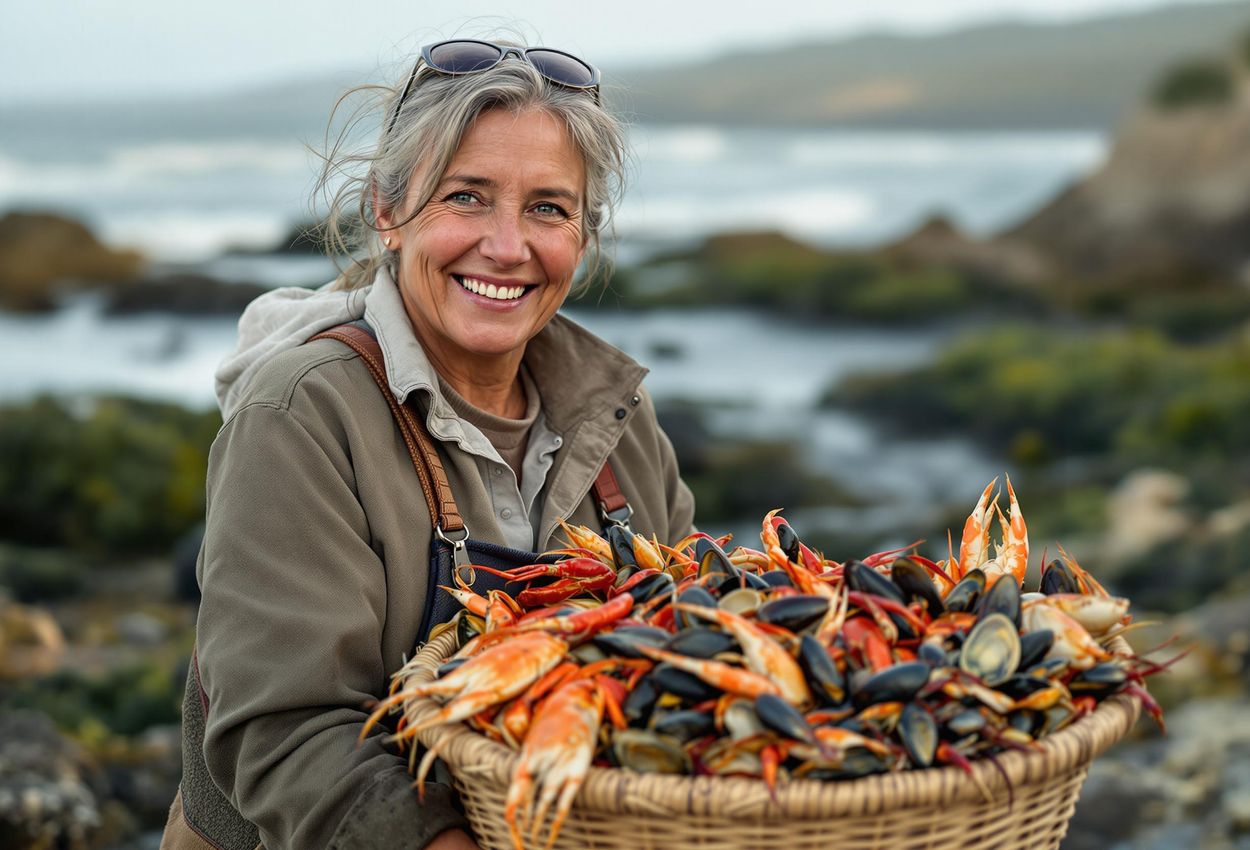
The intertidal zone is home to a variety of delectable seafood, waiting to be discovered by the adventurous forager. Mussels can be found in dense clusters on rocks, their dark shells clinging tightly to the surface. Look for them in areas with strong currents and plenty of wave action. Clams are buried in sandy beaches, their presence betrayed by small holes in the sand. Dig carefully, using a small shovel or trowel, and you'll soon unearth these hidden treasures. Crabs can be found scuttling among the rocks and seaweed, their sideways gait a familiar sight to coastal dwellers. Identifying live shellfish is crucial for ensuring their safety and freshness. Look for shells that are tightly closed or that close quickly when touched. Avoid any shellfish that are cracked, oken, or have an unpleasant odor. Foraging during colder months is generally safer, as the risk of harmful algae blooms is lower. Algal blooms can produce toxins that accumulate in shellfish, making them unsafe to eat. Sustainable harvesting practices are essential for preserving shellfish populations. Only take what you need, respecting size limits and leaving plenty for the ecosystem to thrive. Check with local authorities for any regulations regarding shellfish harvesting. There may be restrictions on the size, quantity, or location of shellfish that you are allowed to harvest. Foraging for shellfish can be dangerous, and it's important to be aware of the risks. Algal blooms and contamination are potential hazards, so always check with local authorities before harvesting. Wear appropriate footwear and clothing to protect yourself from sharp rocks and cold water. Never forage alone, and always let someone know where you are going and when you expect to return. With proper precautions and responsible practices, foraging for coastal seafood can be a rewarding and delicious experience.
Foraging Tours and Workshops: A Guided Experience
For those new to coastal foraging, participating in a guided tour or workshop is an excellent way to learn the ropes. These experiences offer the opportunity to learn from experienced guides, gain valuable knowledge, and connect with the local ecosystem in a meaningful way. Cortes Island in itish Columbia is one such location where guided foraging tours are readily available. These tours often include instruction on how to identify edible plants and seafood, as well as cooking demonstrations using foraged ingredients. Imagine learning to prepare a delicious seaweed salad on the beach, using ingredients that you harvested yourself. Chef Robin Kort is a renowned forager and chef who offers guided tours in the Vancouver area. Her expertise and passion for foraging are infectious, and she provides a wealth of knowledge about the local ecosystem. Through these tours, participants gain valuable skills in wildcrafting techniques, learning how to identify, harvest, and prepare a variety of wild foods. They also learn tips for making cooking easy and fun, transforming foraged ingredients into delicious and nutritious meals. The value of learning from experienced guides cannot be overstated. They can provide invaluable insights into the local ecosystem, teach you how to identify edible species, and help you avoid harmful ones. They can also share their knowledge of sustainable harvesting practices, ensuring that your foraging activities are environmentally responsible. Whether you are a beginner or an experienced forager, a guided tour or workshop can enhance your knowledge and appreciation of the coastal ecosystem. It's an opportunity to connect with nature in a meaningful way, learn new skills, and enjoy the delicious bounty of the sea.
Coastal Foraging in the itish Isles
The itish Isles offer a wealth of coastal foraging opportunities, with diverse terrains and a rich marine ecosystem. From the rugged coastlines of Scotland to the sandy beaches of England, there is something for every forager to discover. The Isle of Mull in Scotland is a prime location for foraging, with its abundance of seaweeds, shellfish, and foreshore plants. Imagine exploring the rocky coastline, harvesting dulse, sea lettuce, and other edible seaweeds. The Dorset coast in England is another excellent location, with its diverse marine life and stunning scenery. Chesil Beach is a particularly popular spot, known for its abundance of shellfish and foreshore plants. Many local guides offer coastal foraging tours in the itish Isles, providing valuable insights into the local ecosystem and teaching sustainable harvesting practices. These tours often include instruction on coastal bushcraft skills, such as tacklecraft and fishing from the rocks. Imagine learning to build a fishing rod from foraged materials and catching your own dinner from the sea. The diverse terrains of the itish Isles offer a unique opportunity to explore a variety of coastal habitats, from sandy beaches to rocky coastlines. Each habitat is home to a unique array of edible plants and seafood, providing a diverse and rewarding foraging experience. Whether you are a seasoned forager or a beginner, the itish Isles offer a wealth of opportunities to connect with nature and enjoy the delicious bounty of the sea.

Coastal Foraging Events and Festivals
Coastal foraging events and festivals are a celeation of sustainable cuisine, offering the opportunity to indulge in foraged delicacies, meet local chefs and producers, and learn about the coastal ecosystem. These events are a great way to experience the joy of coastal foraging in a community setting. Coastal Forage in Jervis Bay, NSW, Australia is one such event, offering a 10-course tasting lunch featuring foraged ingredients. Imagine meandering between food stations, sampling fresh seafood, and learning about the local flora and fauna. The event takes place in the Jervis Bay Marine Park, a stunning location with crystal-clear waters and abundant marine life. Forage Flora & Fungi Adventures in California is another popular event, offering guided foraging tours and cooking demonstrations. These events provide an opportunity to learn about the local ecosystem and enjoy the delicious bounty of the coast. The experiences offered at coastal foraging events are diverse and engaging. You can learn about sustainable harvesting practices, participate in cooking demonstrations, and sample foraged delicacies. You can also meet local chefs and producers, learning about their passion for sustainable cuisine. These events are a great way to connect with the coastal community and learn about the importance of preserving the marine ecosystem. Whether you are a seasoned forager or a beginner, coastal foraging events and festivals offer a unique and rewarding experience. They are a celeation of sustainable cuisine, a celeation of the coastal ecosystem, and a celeation of community.
The Environmental Impact of Coastal Foraging
While coastal foraging offers a unique opportunity to connect with nature and enjoy sustainable cuisine, it's important to be aware of its potential environmental impacts. Commercial foraging, in particular, can have negative consequences, such as stripping too much from the land and sea and damaging vegetation. It's crucial to minimize damage, seek permission before foraging, and only collect from plentiful populations. Overharvesting can deplete populations of edible plants and seafood, disrupting the delicate balance of the coastal ecosystem. Damaging vegetation can lead to soil erosion and habitat loss, further impacting the environment. The Wildlife and Countryside Act (1981) provides legal protections for wild plants, and it's important to be aware of these protections before foraging. The Act prohibits the uprooting of certain plants without permission, and it also restricts foraging in certain areas. By following sustainable practices and respecting the law, we can minimize the environmental impact of coastal foraging. This means only taking what we need, leaving plenty for the ecosystem to thrive, and avoiding any activities that could damage the environment. It also means educating ourselves about the local ecosystem and the potential impacts of our actions. Coastal foraging is a privilege, not a right, and it's our responsibility to protect the environment for future generations. By foraging responsibly, we can enjoy the bounty of the coast while ensuring its long-term health and sustainability.

Coastal Foraging: A Luxurious Connection with Nature
Coastal foraging offers a transformative experience, providing a luxurious way to connect with nature and promote sustainable cuisine. The unique sensory experiences, the importance of responsible practices, and the rewards of discovering hidden culinary treasures all contribute to this transformative power. Imagine the feeling of the sun on your skin, the sound of the waves crashing against the rocks, and the taste of freshly foraged seaweed. These sensory experiences create a deep connection with the natural world, fostering a sense of appreciation and respect. Responsible practices, such as only harvesting plentiful species and avoiding protected areas, are essential for preserving the coastal ecosystem. These practices ensure that future generations can also enjoy the bounty of the sea. Discovering hidden culinary treasures, such as edible plants and seafood, is a rewarding experience that connects us to our food in a meaningful way. Learning from local guides, participating in foraging tours and workshops, and attending coastal foraging events and festivals further enhance this connection. These experiences provide valuable knowledge, skills, and community support. Respecting the environment is paramount, ensuring that the coastal ecosystem is preserved for future generations. This means minimizing our impact, seeking permission before foraging, and only collecting from plentiful populations. Coastal foraging is more than just a culinary experience; it's a way of life. It's a way to connect with nature, promote sustainable cuisine, and protect the environment. It's a luxurious experience that nourishes both the body and the soul.