The worldu2019s coral reefs, viant ecosystems teeming with life, are facing an unprecedented crisis. Bleaching events, driven by rising ocean temperatures, are becoming more frequent and severe, threatening the very existence of these underwater paradises. But amidst the gloom, a beacon of hope shines: innovative coral restoration projects are emerging around the globe, offering a lifeline to these imperiled ecosystems.
Seeding the Future: Larval Propagation Techniques
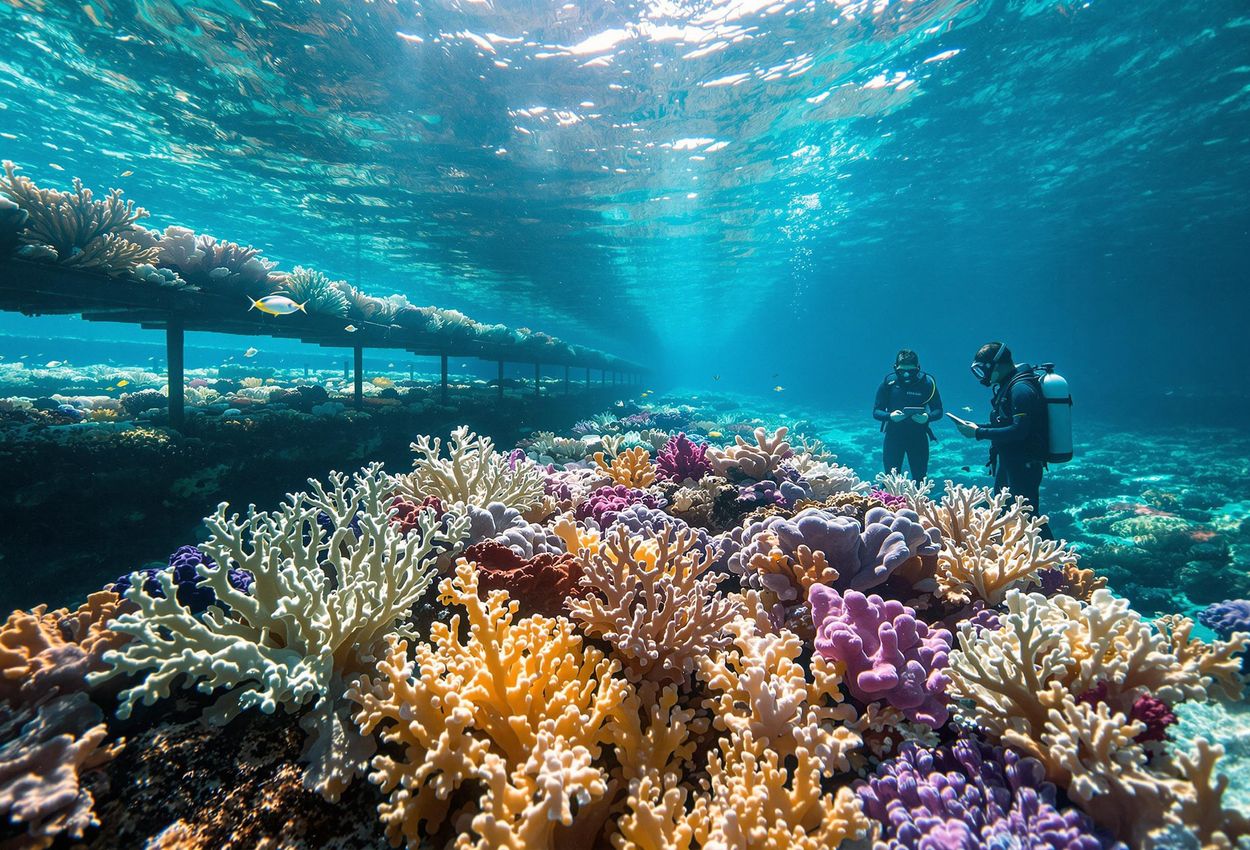
Imagine an 'IVF' clinic, but for corals. Thatu2019s essentially what larval propagation is. Organizations like SECORE International are pioneering this technique, accelerating the sexual reproduction of corals to create genetically stronger and more resilient strains. This process begins with the collection of coral spawn during natural spawning events, a spectacle of underwater fireworks that occurs only a few nights a year. Scientists carefully gather these eggs and sperm and facilitate fertilization in a controlled laboratory setting. The resulting coral larvae, tiny free-swimming organisms, are then nurtured in specialized nurseries.
The advantage of larval propagation lies in its ability to produce vast numbers of coral offspring, far exceeding the success rates of natural reproduction. In the wild, many coral larvae fall prey to predators or fail to find suitable substrate to settle on. By providing a protected environment in their early stages, larval propagation significantly increases their chances of survival. Once the larvae have developed into young polyps, they are ready to be seeded onto degraded reefs. This coral seeding process involves carefully attaching the young corals to the reef structure, providing them with a head start in their fight for survival.
At the Florida Coral Rescue Center in Orlando, Florida, scientists are actively involved in preserving coral species, particularly those threatened by Stony Coral Tissue Loss Disease. This devastating disease has decimated coral populations throughout the Caribbean and Florida Keys. By collecting and propagating corals from affected areas, the center serves as a vital gene bank, safeguarding the genetic diversity of these precious ecosystems.
According to Fernando etos from SECORE International, u201cLarval propagation is not just about increasing the number of corals; itu2019s about enhancing their resilience to future environmental stressors. By selecting for genetically stronger strains, we are giving these reefs a fighting chance in the face of climate change.u201d The process involves meticulous data collection and analysis to track the growth and survival rates of different coral genotypes, ensuring that the most resilient individuals are used for future propagation efforts.
Microfragmentation Marvels: Speeding Up Coral Growth
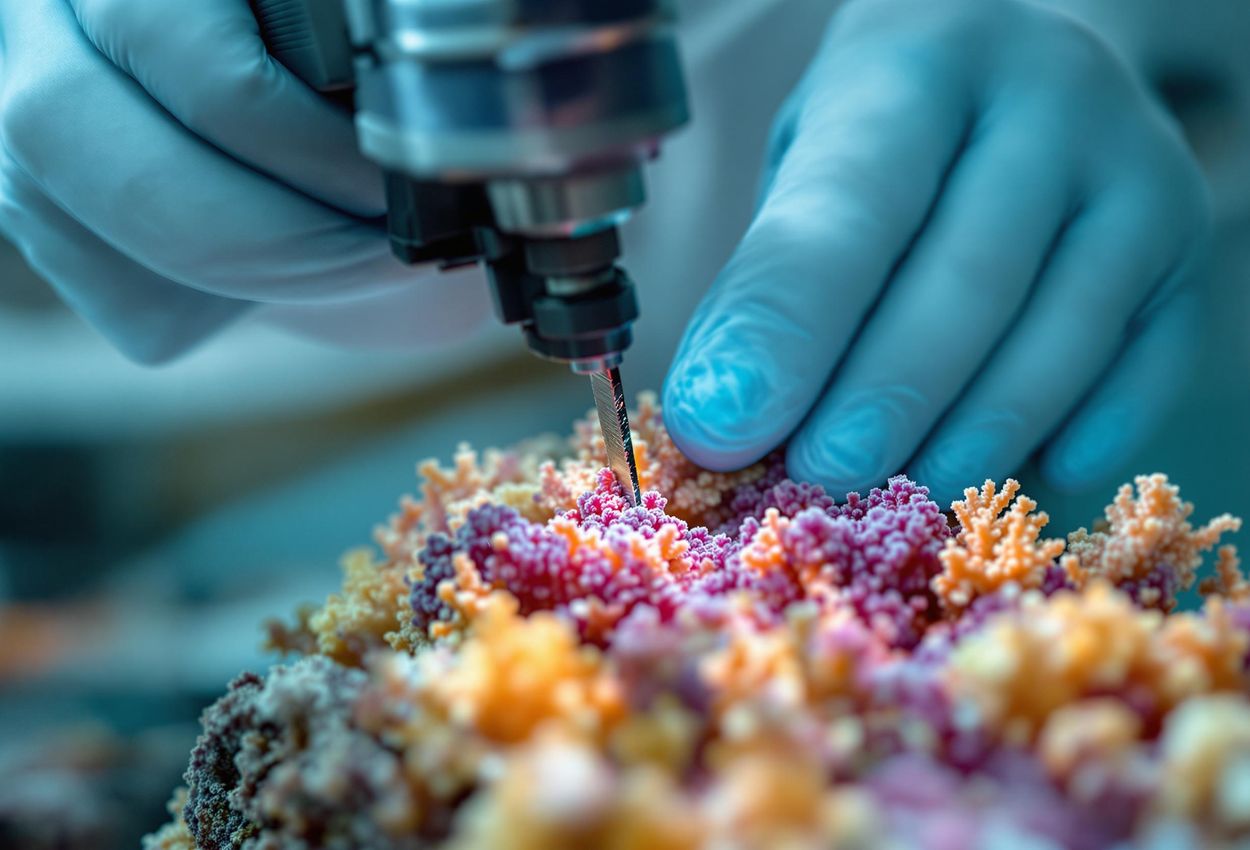
Imagine a coral that can grow several times faster than normal. Thatu2019s the promise of microfragmentation, a revolutionary technique thatu2019s transforming coral restoration. Traditional coral growth is a slow process, often taking decades for a coral colony to reach a substantial size. Microfragmentation, however, dramatically accelerates this process by cutting corals into tiny fragments, typically just a few millimeters in size. This seemingly counterintuitive approach triggers a rapid healing response, stimulating the coral to grow much faster than it normally would.
The KAUST Coral Restoration Initiative near Shushah Island, Saudi Arabia, is at the forefront of microfragmentation research. Coral husbandry teams there use micro-fragmentation and fusion techniques to speed up coral growth, enhance coral survival and biodiversity. These fragments are then carefully monitored and nurtured in controlled nursery environments, where they receive optimal light, water flow, and nutrient conditions. As the microfragments grow, they can be fused together to create larger, more robust coral colonies. This fusion process allows researchers to combine different coral genotypes, potentially creating hyid corals that are even more resilient to environmental stressors.
The benefits of microfragmentation extend beyond simply accelerating coral growth. It also allows for the propagation of rare or slow-growing coral species that would otherwise be difficult to restore. By creating numerous microfragments from a single coral colony, researchers can rapidly increase the population size of these vulnerable species, boosting their chances of survival. Furthermore, microfragmentation can be used to propagate corals that have been damaged by disease or bleaching, allowing researchers to salvage and restore these valuable genetic resources.
Digital Twins: AI-Powered Reef Management
Imagine having a virtual replica of a coral reef, a digital twin that allows you to explore different restoration scenarios and predict the impact of various environmental stressors. Thatu2019s the power of the KCRI eCoralu2122 digital twin, a cutting-edge tool developed by KAUST thatu2019s revolutionizing coral reef management.
This digital ecosystem combines artificial intelligence and machine learning-driven analytics to streamline coral restoration, scenario modeling, and decision-making. By integrating vast amounts of data on coral health, water quality, and environmental conditions, the digital twin creates a comprehensive and dynamic representation of the reef ecosystem. This allows researchers to simulate the effects of climate change, pollution, and other stressors, providing valuable insights into how to best protect and restore these vulnerable ecosystems. The eCoralu2122 digital twin provides real-time insights via data and analytics for strategic planning. For example, by modeling different coral outplanting strategies, researchers can identify the most effective locations and techniques for maximizing coral survival and growth. The digital twin can also be used to optimize water quality management, helping to reduce pollution and improve the overall health of the reef ecosystem.
According to Prof. David Suggett from KAUST, u201cThe digital twin is a game-changer for coral reef management. It allows us to make more informed decisions, based on real-time data and predictive modeling. This is essential for ensuring the long-term survival of these vital ecosystems.u201d The digital twin also facilitates collaboration among researchers, policymakers, and stakeholders, providing a common platform for sharing data and developing effective conservation strategies.

Biorock eakthroughs: Electrifying Coral Growth
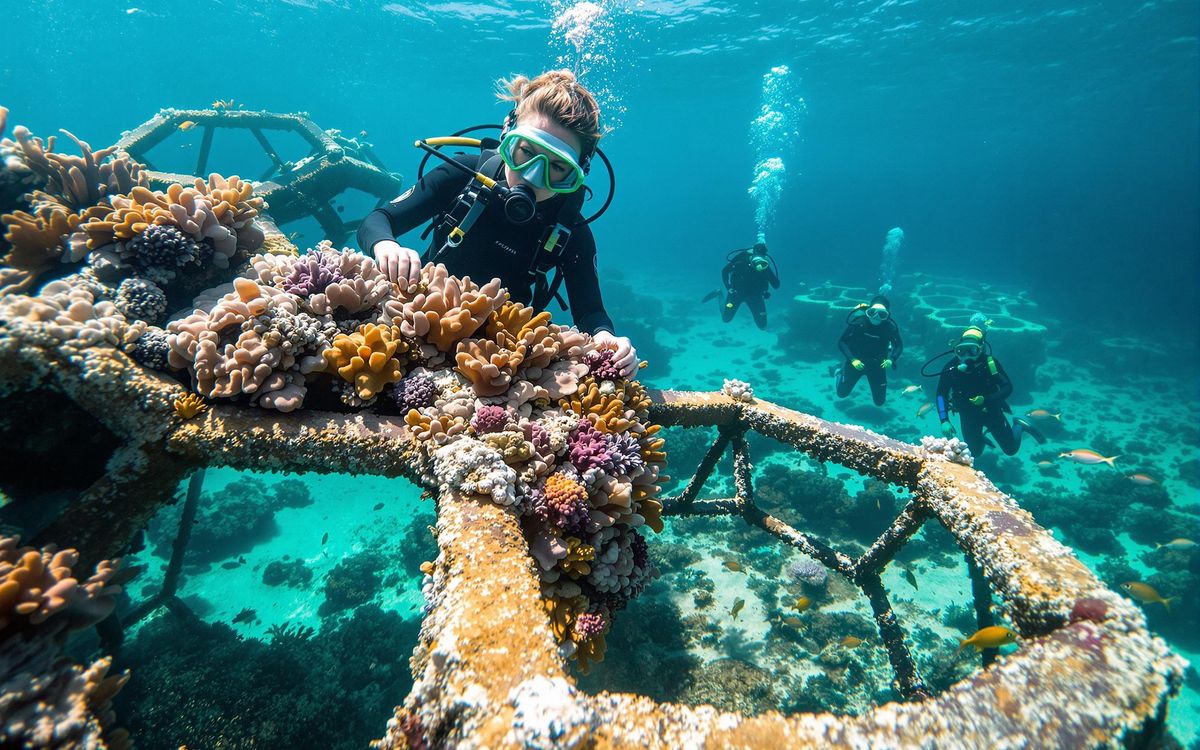
Imagine using electricity to stimulate coral growth. It sounds like science fiction, but itu2019s the reality of the biorock method, a revolutionary restoration technique thatu2019s showing remarkable success in various parts of the world. The biorock method utilizes light electrical fields to restore corals. This process, using the anodic-cathodic process on metal structures, accretes calcium carbonate to produce coral skeletons. These structures, typically made of steel mesh, are submerged in the ocean and connected to a low-voltage electrical current. The electricity triggers a chemical reaction that causes calcium carbonate, the building block of coral skeletons, to precipitate out of the seawater and coat the structure. This creates a hard, white substrate that corals readily colonize.
The benefits of the biorock method are numerous. First, it provides a stable and durable substrate for coral growth, even in areas with strong currents or wave action. Second, the electrical field stimulates coral growth, allowing corals to recover from bleaching events faster and become more resistant to future stressors. Third, the biorock structures attract a wide variety of marine life, creating thriving artificial reefs that enhance biodiversity. The biorock method has been particularly successful in the Maldives, where it has been used to restore severely degraded reefs. In these projects, biorock structures have been installed in areas that were once barren and lifeless, and within a few years, they have transformed into viant coral gardens teeming with fish and other marine organisms.
According to Tom J.F. Goreau, Director of The Global Coral Reef Alliance, u201cThe biorock method is a powerful tool for restoring coral reefs, particularly in areas that are facing severe environmental challenges. Itu2019s a simple, cost-effective, and sustainable solution that can make a real difference in the fight to save these vital ecosystems.u201d The method's ability to prevent bleaching is a crucial advantage in the face of rising ocean temperatures, offering a potential lifeline for coral reefs around the world.
Coral Gardening: Nurturing New Life
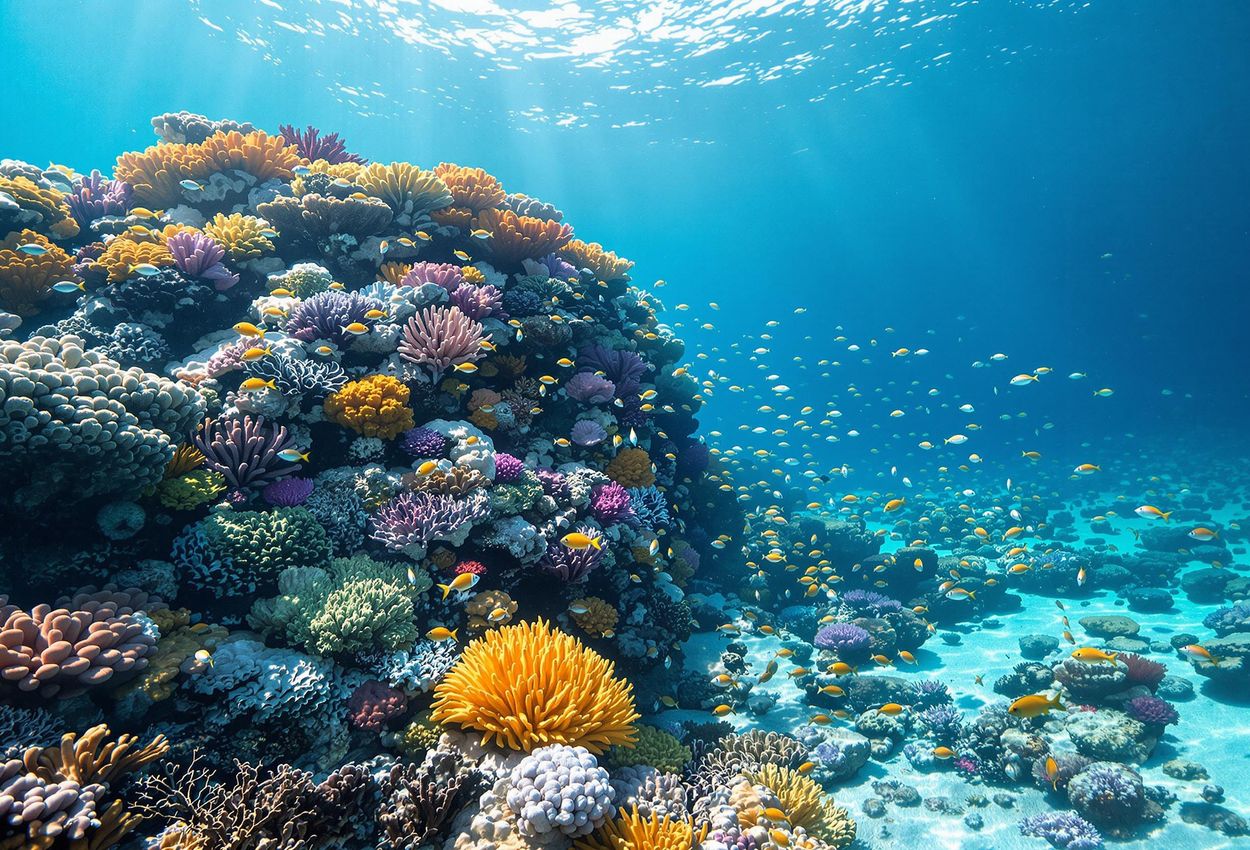
Imagine a garden, but instead of flowers and vegetables, itu2019s filled with corals. Thatu2019s the concept behind coral gardening, a popular and effective restoration technique thatu2019s being used in various parts of the world. Coral gardening involves collecting fragments of oken corals or small buds and regrowing them in land-based or underwater nurseries before being planted onto reefs. These nurseries provide a protected environment where corals can grow and thrive before being transplanted to degraded reef areas.
The process typically begins with the collection of coral fragments from healthy reefs. These fragments are then attached to small structures, such as PVC pipes or concrete blocks, and placed in the nursery. The nursery is carefully maintained to ensure optimal water quality, light, and nutrient conditions. As the corals grow, they are regularly cleaned to remove algae and other organisms that could inhibit their growth. Once the corals have reached a sufficient size, they are ready to be transplanted to the reef. This involves carefully attaching the corals to the reef substrate, using a variety of methods, such as epoxy or cable ties. Coralclip® devices are also used for attaching corals to the reef, providing a secure and stable hold.
In Nusa Penida, Indonesia, reef restoration structures are installed with transplanted coral, creating viant underwater ecosystems. These structures provide a framework for coral growth and attract a wide variety of marine life. Coral gardening is a labor-intensive process, but itu2019s also a highly rewarding one. By actively participating in the restoration of coral reefs, communities can play a vital role in protecting these valuable ecosystems for future generations.

Community Guardians: Local Involvement in Restoration
Coral restoration is not just a scientific endeavor; itu2019s also a community effort. Engaging local communities in restoration projects is essential for ensuring the long-term success of these initiatives. When local communities are involved, they develop a sense of ownership and stewardship over the reefs, which motivates them to protect these ecosystems for future generations.
The u02bbu0100kou02bbau02bbkou02bba vocational training program in Hawaiu02bbi provides valuable skills and knowledge to local residents, empowering them to participate in coral restoration efforts. Hands-on community engagement events at Olowalu Reef on Maui ing together volunteers from all walks of life to help restore this important reef ecosystem. These events provide an opportunity for community members to learn about coral reefs, participate in restoration activities, and connect with other like-minded individuals.
In St. Croix, U.S. Virgin Islands, Kemit-Amon Lewis is urging community involvement through Reefconnect.org. This platform provides a space for community members to share information, coordinate restoration efforts, and advocate for coral reef conservation. By empowering local communities to take action, we can create a powerful force for change that will help protect coral reefs for generations to come.

Stabilizing Substrates: Reef Restoration Structures
One of the biggest challenges in coral restoration is providing a stable substrate for corals to grow on. In many degraded reef areas, the natural substrate has been damaged or destroyed, making it difficult for corals to reestablish themselves. To address this challenge, restoration practitioners are increasingly using artificial reef restoration structures to stabilize substrates and encourage recolonization.
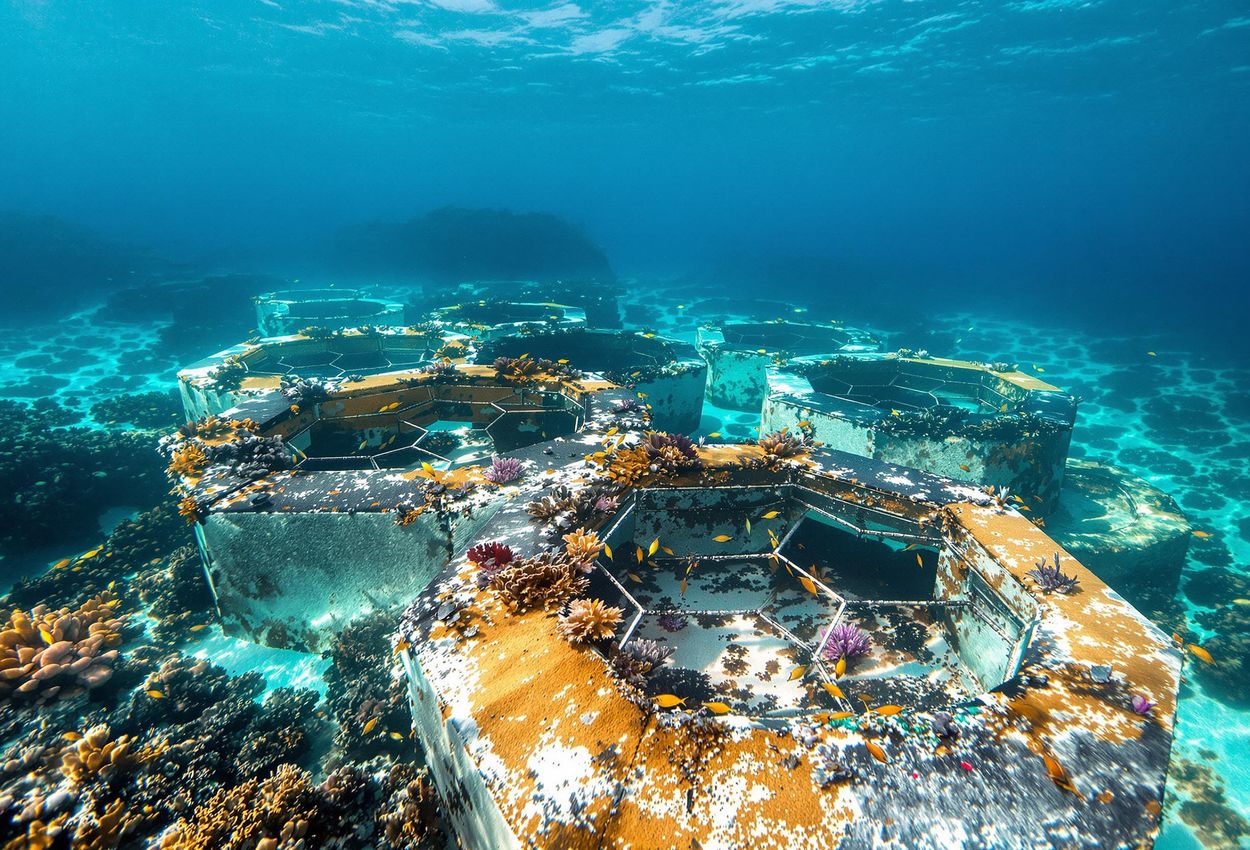
These structures come in a variety of shapes and sizes, but they typically consist of metal or concrete frames that are designed to mimic the natural complexity of a healthy reef. In Nusa Penida, Indonesia, metal hexagonal structures are secured to the seabed using stakes. The structures are then coated with resin and sand to protect against erosion and promote coral attachment. These structures provide a stable platform for coral growth and attract a wide variety of marine life, helping to kickstart the recovery of degraded reef ecosystems.
The use of artificial reef restoration structures is a promising approach to stabilizing substrates and promoting coral recolonization. However, itu2019s important to carefully consider the design and placement of these structures to ensure that they are effective and do not have any unintended negative impacts on the surrounding environment. Ongoing monitoring and research are essential for optimizing the use of these structures and maximizing their benefits for coral reef restoration.
Outplanting Innovations: Building Resilient Reefs
Outplanting, the process of transplanting corals from nurseries to degraded reef areas, is a critical step in coral restoration. However, traditional outplanting techniques can be labor-intensive and time-consuming. To address these challenges, restoration practitioners are constantly developing innovative outplanting techniques that are more efficient and effective.
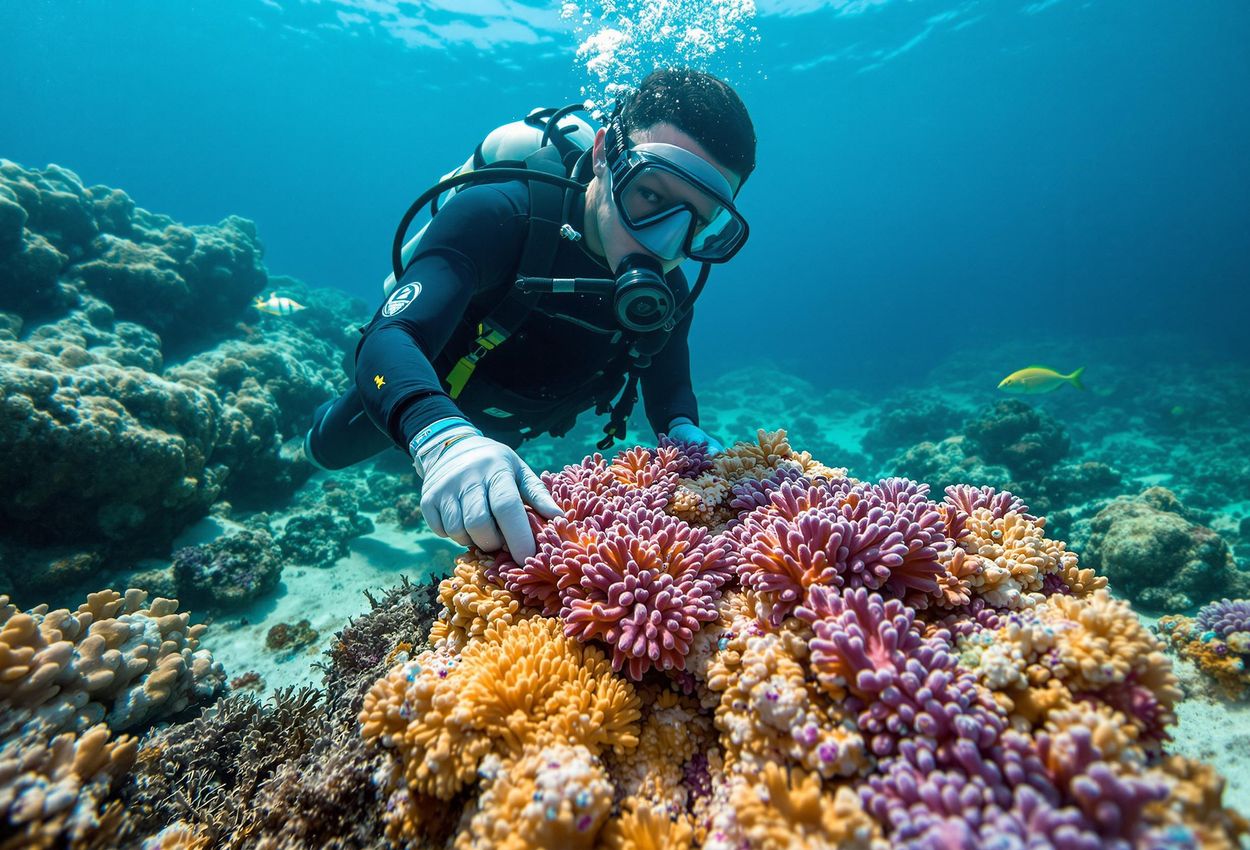
Acroporid outplanting, which involves transplanting anching corals from the Acropora genus, is a common restoration technique. Boulder coral outplanting, which involves transplanting massive corals, is another important approach. In both cases, non-toxic marine epoxy is used for attaching corals to the reef, providing a strong and durable bond. The restoration of star and ain corals using coral plugs is also a common practice. These plugs, which contain small fragments of coral, are inserted into holes drilled into the reef substrate. Small structures designed for specific coral species are also being explored, providing a customized habitat for these corals to thrive. At Molasses Reef, Florida Keys, restoration efforts are focused on restoring these iconic coral species.
Monitoring Marvels: Photomosaics and AI
Monitoring the progress of restoration work is essential for ensuring that these efforts are effective. Traditional monitoring techniques, such as visual surveys, can be time-consuming and subjective. To address these challenges, restoration practitioners are increasingly using photomosaics for monitoring the progress of restoration work.
Photomosaics are composite images that are created by stitching together multiple photographs of the reef. These images allow for measuring changes in coral coverage over time, providing a quantitative assessment of restoration success. The launch of CeruleanAI is democratizing access to this technology, making it easier for restoration practitioners to monitor the progress of their work. This AI-powered platform automates the process of creating and analyzing photomosaics, providing valuable insights into coral growth, health, and diversity. In the Florida Keys, photomosaics are being used to track the recovery of reefs that have been damaged by hurricanes and disease.

Coral Gene Banks: Preserving Genetic Diversity
Coral gene banks and cryopreservation are essential tools for protecting coral species from extinction. These facilities preserve coral samples that can be thawed and used to propagate and reintroduce corals to degraded reefs, safeguarding the genetic diversity of these precious ecosystems.
The concept of coral gene banks involves collecting and storing coral samples, such as sperm, eggs, and tissue, in a frozen state. This allows for the long-term preservation of coral genetic material, protecting it from the threats of climate change, disease, and other environmental stressors. The Great Barrier Reef Foundation is actively involved in this area of research, working to develop and implement effective coral gene banking strategies. Preserved samples can be thawed and used to propagate and reintroduce corals to degraded reefs, helping to restore these ecosystems to their former glory.
Emergency Response: Preparing for Reef Disasters
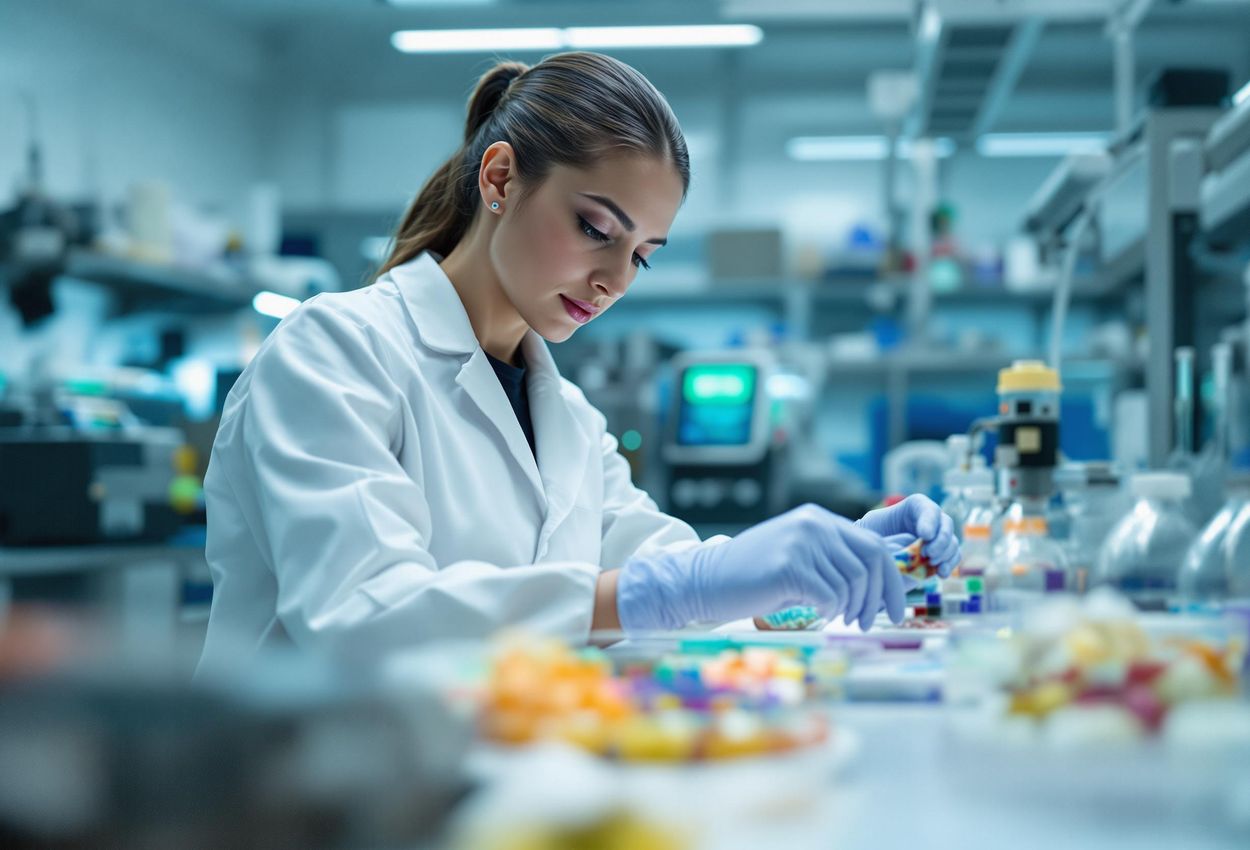
Coral reef emergencies, such as bleaching events and disease outeaks, can have devastating impacts on these ecosystems. Preparing for these emergencies and implementing response and restoration projects is essential for mitigating their effects. These projects enhance a jurisdictionu2019s ability to respond to and restore reefs, minimizing the long-term damage caused by these events.
The Coral Reef Stewardship Fund supports management efforts in various locations, including American Samoa, Commonwealth of the Northern Mariana Islands, Florida, Guam, Hawaii, Puerto Rico, and the U.S. Virgin Islands. These funds support a wide range of activities, such as coral monitoring, disease surveillance, and restoration projects. By investing in emergency preparedness and response, we can protect coral reefs from the worst impacts of these disasters.

Sustainable Solutions: Reducing Land-Based Pollution
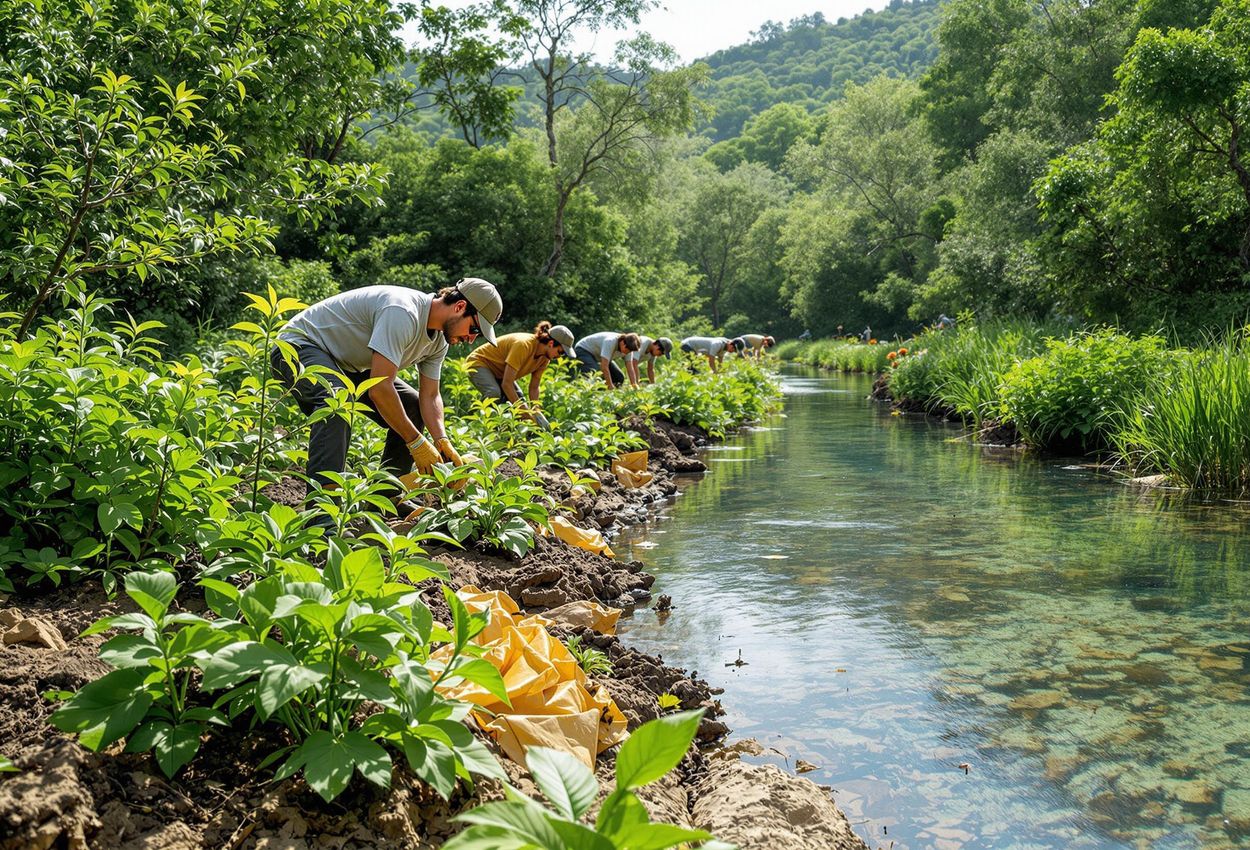
Land-based pollution, such as sediment and nutrient runoff, is a major threat to coral reefs. Reducing these pollution inputs is essential for protecting coral reefs and promoting their recovery. Projects that engage local industry, agriculture, community groups, and landowners in sediment and nutrient threat reduction activities are particularly effective. Actions such as stream restoration, nature-based solutions, and native planting can help to reduce pollution and improve water quality, benefiting coral reefs and other coastal ecosystems.
Partnerships for Progress: Collaborative Restoration
The development and deployment of new tools for reef conservation requires partnerships between research institutions, NGOs, private companies, and governments. These collaborations ing together diverse expertise and resources, accelerating the pace of innovation and ensuring that new technologies are effectively implemented. The collaboration between The Nature Conservancy and the University of Miami is a prime example of this type of partnership. By working together, these organizations are developing and testing new approaches to coral restoration, such as the use of coral microfragments and the development of resilient coral strains.
Through collaborative projects and their outcomes, we can create a more sustainable future for coral reefs. By fostering partnerships between different sectors, we can ensure that the best available science and technology are used to protect these valuable ecosystems for future generations. The future of coral reefs depends on our collective efforts. By emacing innovation, engaging communities, and fostering partnerships, we can create a ighter future for these vital ecosystems.