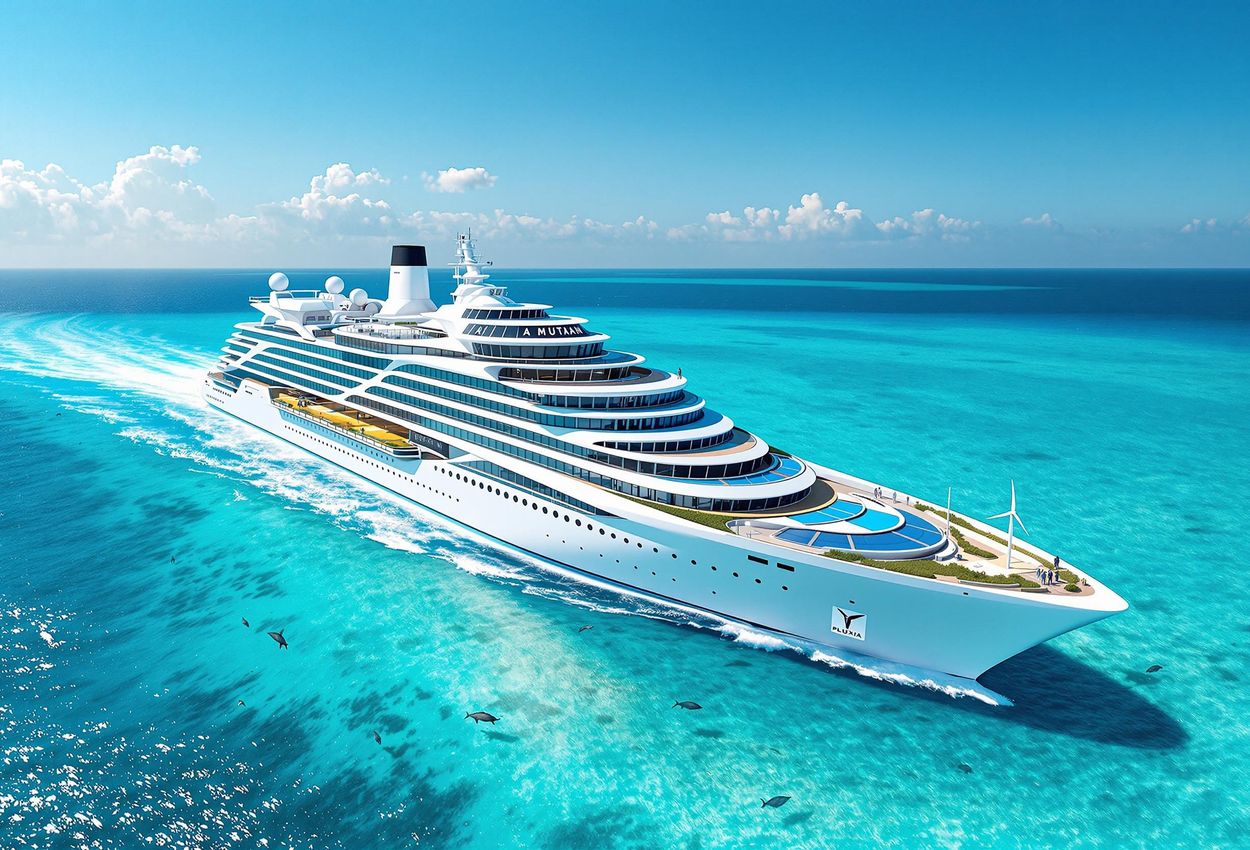
The allure of the open sea, the promise of exotic destinations, and the comfort of a floating resort have long made cruising a popular vacation choice. But as awareness of environmental issues grows, travelers are increasingly seeking ways to minimize their impact. Eco-friendly cruising is no longer a niche market; it's becoming a mainstream expectation, driven by a desire to explore the world responsibly.
Setting Sail Towards Sustainability: Why Eco-Cruising Matters Now
In 2025, the demand for sustainable travel options is surging, and the cruise industry is responding. Traditional cruising practices have historically been associated with significant environmental consequences, from air and water pollution to habitat disruption and waste generation. However, a new wave of eco-conscious travelers is demanding change, seeking voyages that prioritize the health of our oceans and the communities they visit. This shift in consumer preference is driving cruise lines to adopt more sustainable practices, recognizing that environmental responsibility is not just ethically sound but also economically vital.
The contrast between traditional and eco-friendly cruising is stark. Traditional cruises often rely on heavy fuel oil, which releases harmful emissions into the atmosphere, contributing to climate change and air pollution. Waste management practices can be inadequate, leading to the discharge of untreated sewage and plastic waste into the oceans. Eco-cruising, on the other hand, emphasizes reduced emissions through the use of alternative fuels and advanced technologies, comprehensive waste management systems that minimize pollution, and proactive measures to protect marine life and habitats. The benefits extend beyond environmental protection, encompassing support for local economies and cultural preservation in the destinations visited.
The eco-tourism market is experiencing exponential growth, with sustainable cruises representing a significant segment. Studies show that a growing percentage of travelers are willing to pay a premium for eco-friendly travel options, demonstrating a clear commitment to sustainability. Organizations like the Cruise Lines International Association (CLIA) are playing a crucial role in promoting sustainable practices within the industry, setting standards, and encouraging innovation. Their efforts are helping to drive the adoption of cleaner technologies and more responsible operational practices across the cruise sector.
u201cThe urgency of adopting eco-friendly measures in the cruise industry cannot be overstated,u201d says Dr. Emily Carter, a leading marine biologist and environmental consultant. u201cOur oceans are facing unprecedented threats from pollution and climate change, and the cruise industry has a responsibility to minimize its impact and contribute to the health of our marine ecosystems. The transition to sustainable cruising is not just a trend; it's an imperative for the future of our planet.u201d

Green Fleets of Tomorrow: Cruise Lines Leading the Charge
Several cruise lines are emerging as leaders in the eco-cruising movement, demonstrating a genuine commitment to sustainability through innovative technologies and responsible practices. Hurtigruten Expeditions stands out with its pioneering use of hyid-powered ships and its ambitious pursuit of zero-emission concepts. Their vessels incorporate battery packs that allow for silent, emission-free cruising in sensitive environments, such as fjords and polar regions. They are also actively exploring the use of alternative fuels like biofuels and hydrogen to further reduce their carbon footprint.
Royal Caribbean Group is another major player making significant strides in sustainability. Their LNG-powered ships, such as the Icon of the Seas, represent a major step forward in reducing air emissions. LNG (liquefied natural gas) is a cleaner-burning fuel than traditional heavy fuel oil, producing significantly lower levels of sulfur oxides, nitrogen oxides, and particulate matter. In addition to cleaner fuels, Royal Caribbean is implementing advanced waste management initiatives, including recycling programs, food waste reduction strategies, and technologies for converting waste into energy.
Norwegian Cruise Line Holdings is also investing heavily in sustainability, focusing on energy efficiency and emissions reduction. Their ships are equipped with exhaust gas cleaning systems (scrubbers) that remove pollutants from the exhaust stream, reducing air emissions. They are also implementing energy-efficient hull designs and optimizing HVAC systems to minimize energy consumption. Furthermore, they are actively involved in research and development projects aimed at exploring new sustainable technologies.
Specific ships like the MSC Euribia and Celeity Apex showcase the advancements being made in eco-friendly cruising. The MSC Euribia is one of the most energy-efficient cruise ships ever built, incorporating advanced technologies for reducing energy consumption and emissions. The Celeity Apex features a range of eco-friendly features, including advanced wastewater treatment systems and energy-efficient lighting and HVAC systems.
Many of these cruise lines have received certifications from reputable environmental organizations, such as Green Marine Certification and ISO 14001, demonstrating their commitment to meeting rigorous environmental standards. These certifications provide assurance to travelers that these cruise lines are genuinely committed to sustainability and are taking concrete steps to reduce their environmental impact.

Tech to the Rescue: Innovations That Are Changing the Game
The transformation of the cruise industry towards sustainability is being driven by a wave of innovative technologies that are revolutionizing how ships are powered, operated, and managed. Alternative fuels are at the forefront of this revolution, with LNG emerging as a viable option for reducing air emissions. Biofuels, derived from renewable sources like algae and plant oils, offer the potential for even greater emissions reductions. Hydrogen, while still in the early stages of development, holds immense promise as a zero-emission fuel for the future.
Energy-efficient systems are also playing a crucial role in reducing the environmental impact of cruising. LED lighting, which consumes significantly less energy than traditional lighting, is becoming standard on new cruise ships. Optimized HVAC systems, incorporating advanced sensors and controls, minimize energy consumption while maintaining passenger comfort. Smart cabins, equipped with energy-saving technologies and personalized settings, further contribute to energy efficiency.
Advanced wastewater treatment systems are essential for preventing water pollution. These systems remove pollutants from wastewater before it is discharged into the ocean, protecting marine ecosystems. Waste-to-energy systems offer a sustainable solution for waste management, converting waste into electricity or heat, reducing the need for landfill disposal.
Cruise lines are already using these technologies to achieve measurable results. For example, LNG-powered ships have demonstrated significant reductions in air emissions compared to traditional ships. Energy-efficient systems have reduced energy consumption by double-digit percentages, and advanced wastewater treatment systems have significantly improved water quality. The increasing adoption of shore power, also known as cold ironing, allows ships to connect to the electrical grid while in port, eliminating the need to run their engines and reducing emissions in port cities. This technology is crucial for improving air quality in port communities and minimizing the impact of cruising on local environments.

Waste Not, Want Not: How Cruise Lines Are Tackling Waste Reduction
Waste reduction is a critical component of sustainable cruising, and cruise lines are implementing a variety of strategies to minimize their waste output. The elimination of single-use plastics is a key priority, with cruise lines replacing plastic straws, cups, and utensils with biodegradable alternatives. Recycling programs are being expanded to include a wider range of materials, and passengers are encouraged to participate in recycling efforts.
Composting systems are being used to process food waste and other organic materials, reducing the amount of waste sent to landfills. Food waste reduction initiatives are aimed at minimizing the amount of food that is wasted onboard, through better planning, preparation, and storage practices. Cruise lines are also partnering with local communities to repurpose excess food, donating it to food banks and shelters.
Waste management technologies like Microwave-Assisted Pyrolysis (MAP) and Micro Auto Gasification (MAG) offer innovative solutions for processing waste onboard cruise ships. MAP uses microwaves to eak down waste into its constituent components, which can then be recycled or used as fuel. MAG uses high temperatures to gasify waste, producing a clean-burning gas that can be used to generate electricity.
Several cruise lines have successfully reduced their waste output through these measures. For example, some cruise lines have eliminated single-use plastics entirely, while others have achieved significant reductions in food waste. These successes demonstrate that waste reduction is achievable with the right strategies and technologies.

Sailing on Sunshine and Sea eezes: Renewable Energy at Sea
The integration of renewable energy sources is a promising avenue for reducing the reliance on fossil fuels in the cruise industry. Solar panels are being installed on cruise ships to generate electricity, providing a clean and sustainable source of power. Wind turbines, while less common, are also being explored as a potential source of renewable energy at sea.
Several cruise lines are already incorporating these technologies into their operations. For example, some cruise ships have large arrays of solar panels on their decks, generating a significant amount of electricity. Other cruise lines are experimenting with innovative concepts like wind and solar sails, which harness the power of the wind and sun to propel the ship, reducing fuel consumption.
While renewable energy technologies offer significant potential, there are also challenges to their widespread adoption in the cruise industry. The amount of energy that can be generated from solar and wind power is limited by the available space on the ship and the weather conditions. However, as technology advances and costs decrease, renewable energy is likely to play an increasingly important role in powering cruise ships.

Protecting the Big Blue: Initiatives for Marine Life Conservation
Protecting marine life is a fundamental aspect of eco-friendly cruising, and cruise lines are implementing a variety of measures to minimize their impact on marine ecosystems. Safe anchoring methods are used to avoid damaging coral reefs and other sensitive habitats. Cruise ships maintain a safe distance from marine animals, such as whales and dolphins, to avoid disturbing their natural behavior.
Cruise lines are also following special routes to protect reefs and other vulnerable areas. They are using products that won't harm marine life, such as reef-safe sunscreen and biodegradable cleaning products. Many cruise lines are partnering with marine conservation organizations to support research and conservation efforts. They are also supporting coral reef restoration projects, helping to rebuild damaged reefs and promote biodiversity.
Biodiversity conservation efforts are aimed at protecting the diversity of life in the oceans. Cruise lines are implementing measures to prevent the introduction of invasive species and to protect endangered species. Educational programs are being offered to passengers and crew, raising awareness of marine conservation issues and encouraging responsible behavior.

Sustainable Shores: Eco-Friendly Excursions and Community Engagement
Sustainable shore excursions and community engagement are essential for ensuring that cruising benefits local communities and protects the environment. Excursions that focus on environmental conservation, such as hiking in nature reserves and visiting eco-friendly attractions, are becoming increasingly popular. Excursions that support local economies, such as visiting local markets and restaurants, help to generate income for local communities.
Excursions that respect local cultures, such as visiting historical sites and participating in cultural events, promote cultural understanding and appreciation. Cruise lines are partnering with local communities to develop sustainable tourism practices and to ensure that tourism benefits local residents. They are also supporting wildlife conservation projects, such as protecting endangered species and restoring habitats.

The Passenger's Role: How to Cruise Responsibly
Passengers play a crucial role in promoting sustainable cruising. By choosing green cruise lines, travelers can support companies that are committed to environmental responsibility. Packing responsibly, by inging reusable water bottles and reef-safe sunscreen, can help to reduce waste and protect marine life.
Respecting marine life during shore excursions, by avoiding touching or feeding animals, can help to protect their natural behavior. Supporting local communities, by purchasing souvenirs from local artisans and eating at local restaurants, can help to generate income for local residents. Passengers can also participate in onboard educational programs and activities related to environmental conservation, learning more about marine ecosystems and how to protect them.
Making informed choices and supporting cruise lines committed to sustainability is essential for promoting responsible cruising. By choosing eco-friendly options, passengers can help to create a more sustainable future for the cruise industry and for the planet.

Challenges on the Horizon: Obstacles to Full Sustainability
Despite the progress being made, the cruise industry still faces significant challenges in achieving full sustainability. The high costs of implementing new technologies, such as alternative fuel systems and waste-to-energy systems, can be a barrier to adoption. The need for infrastructure development, such as shore power facilities in ports, requires collaboration between cruise lines, port authorities, and governments.
The complexities of waste management and emissions control, particularly in international waters, require innovative solutions and international cooperation. The issue of greenwashing, where companies make misleading claims about their environmental performance, is a concern that needs to be addressed through transparency and accountability. Continued innovation and collaboration are essential for overcoming these challenges and achieving full sustainability in the cruise industry.

Charting a Course for the Future: The Long-Term Vision of Eco-Cruising
The future of eco-friendly cruising is ight, with the potential for zero-emission ships, the widespread adoption of renewable energy, and the integration of sustainable practices into all aspects of the cruise experience. Technology, innovation, and collaboration will be key to achieving this vision. Zero-emission ships, powered by hydrogen or other renewable fuels, will eliminate air pollution and reduce the carbon footprint of cruising. The widespread adoption of renewable energy, such as solar and wind power, will further reduce the reliance on fossil fuels.
The integration of sustainable practices into all aspects of the cruise experience, from food sourcing to waste management, will create a truly eco-friendly vacation option.
u201cThe future of sustainable cruising is one where environmental responsibility is not just an add-on, but an integral part of the entire cruise experience,u201d says Maria Rodriguez, CEO of a leading cruise line. u201cWe are committed to investing in new technologies and sustainable practices to create a more sustainable future for our industry and for the planet.u201d