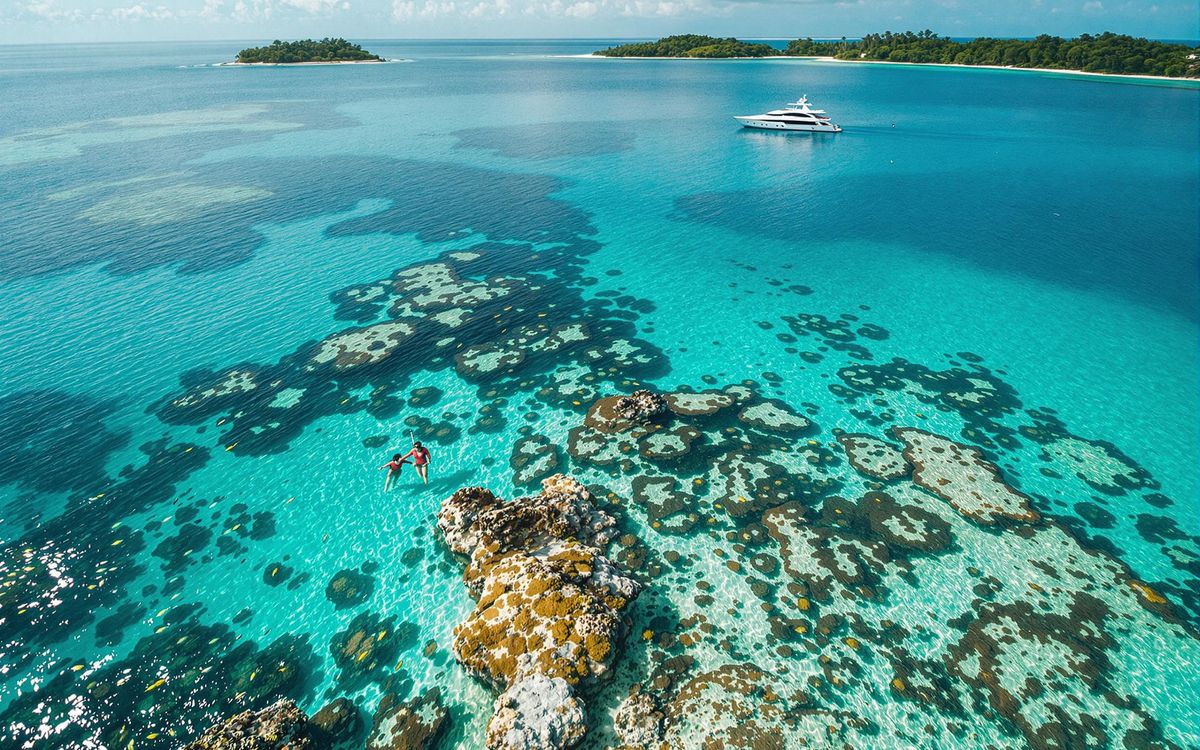
Imagine diving into crystal-clear waters, surrounded by viant coral teeming with life. But beneath the surface, an invisible threat lurks: chemical sunscreen. Choosing the right sunscreen is not just about protecting your skin; it's about safeguarding the delicate ecosystems of our oceans.
Understanding the Threat: Why Reef-Safe Sunscreen Matters
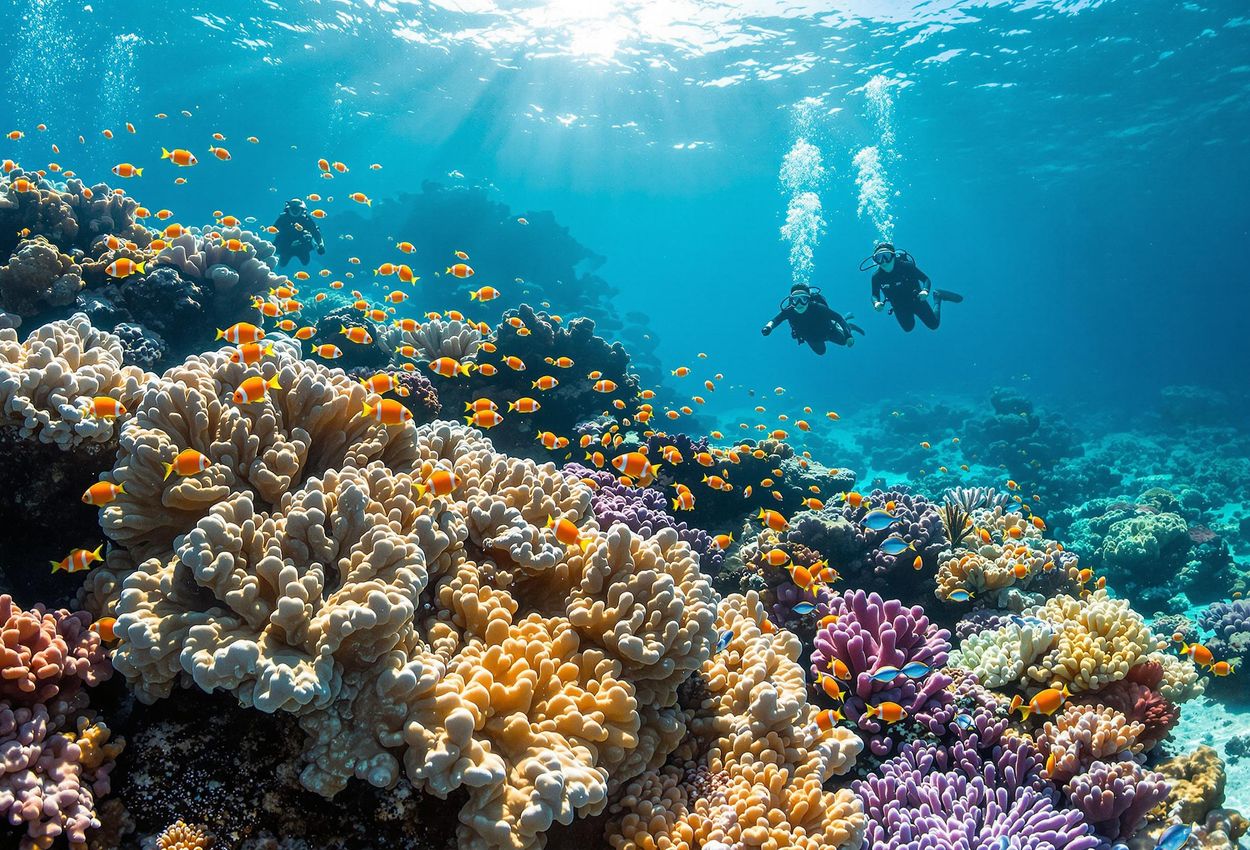
Coral reefs, often called the rainforests of the sea, are among the most biodiverse ecosystems on Earth. They provide habitat for countless marine species, protect coastlines from erosion, and support local economies through tourism and fishing. However, these vital ecosystems are facing unprecedented threats, including climate change, pollution, and the often-overlooked impact of chemical sunscreens. Every year, an estimated 14,000 tons of sunscreen wash into our oceans, releasing harmful chemicals that wreak havoc on coral reefs.
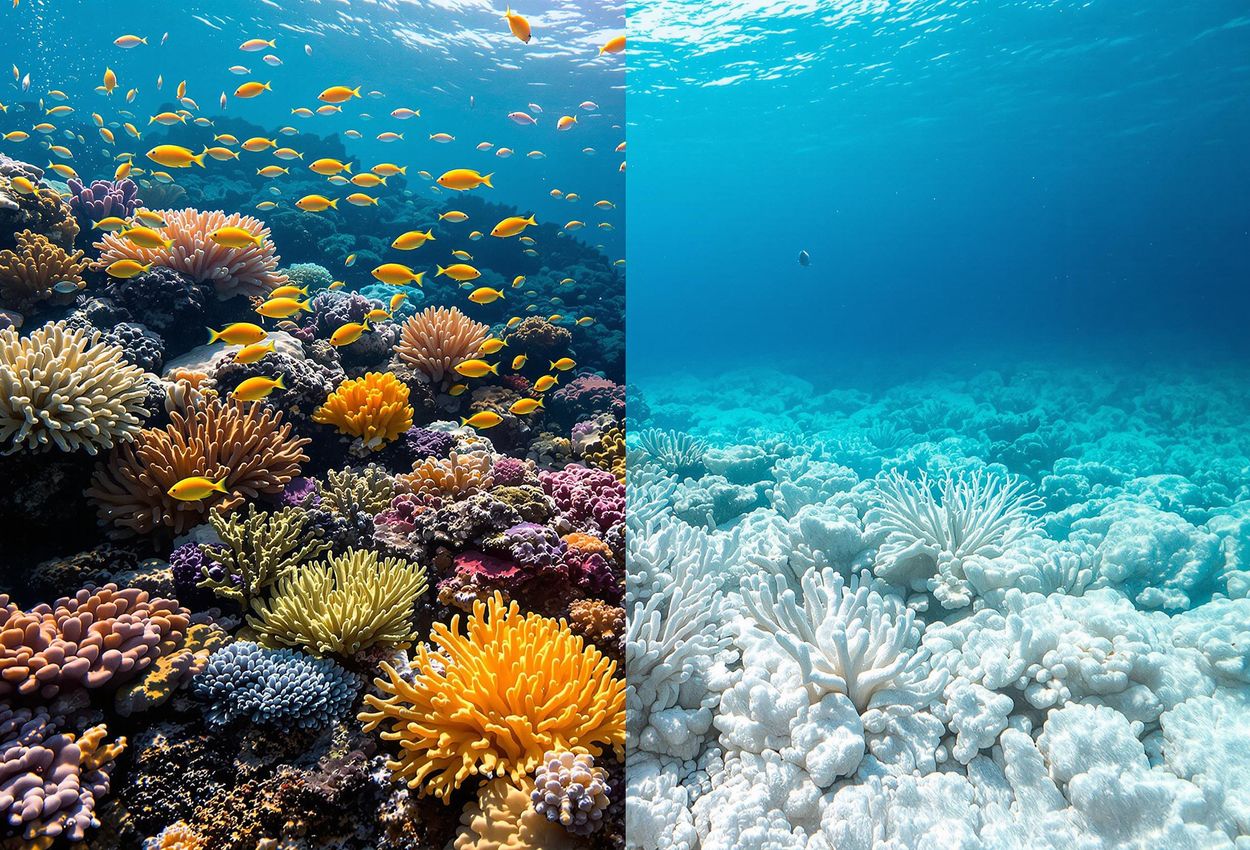
The primary concern lies in the chemicals found in many conventional sunscreens, particularly oxybenzone and octinoxate. These substances contribute significantly to coral bleaching, a phenomenon where corals expel the algae living in their tissues, causing them to turn white and become more susceptible to disease and death. This bleaching not only diminishes the beauty of these underwater landscapes but also disrupts the entire marine food web.
Recognizing the severity of the problem, several destinations have taken action to protect their coral reefs. Hawaii was the first state in the US to ban the sale and distribution of sunscreens containing oxybenzone and octinoxate, a law that went into effect in 2021. Key West, Florida, followed suit with a similar ban. Internationally, the island nation of Palau has implemented one of the strictest bans, prohibiting sunscreens containing ten different harmful chemicals. These bans signal a growing awareness of the need to protect our coral reefs and encourage travelers to make more responsible choices.
The 'Toxic 3 Os' and Other Culprits: Ingredients to Avoid
When selecting a sunscreen, itu2019s essential to become familiar with the ingredients that pose a threat to marine life. The u201cToxic 3 Osu201du2014oxybenzone, octinoxate, and octocryleneu2014are the most well-known offenders. Oxybenzone, in particular, is a potent chemical that disrupts coral DNA, leading to deformities in coral larvae and hindering their ability to reproduce. Octinoxate, another common UV filter, exacerbates coral bleaching and impairs coral growth. Octocrylene, while less studied, is increasingly recognized for its potential to accumulate in marine organisms and cause endocrine disruption.
However, the list of harmful sunscreen ingredients extends beyond the u201cToxic 3 Os.u201d Homosalate, another UV filter, has been shown to disrupt hormone function in marine life. 4-methylbenzylidene camphor (4-MBC), commonly used in Europe and Asia, is also known to be toxic to coral. Parabens, often used as preservatives, can interfere with the reproductive systems of marine animals. Triclosan, an antimicrobial agent, has been linked to algal toxicity. Finally, nano-particles of zinc oxide and titanium dioxide, while generally considered safer than chemical filters, can still pose a risk in high concentrations. These tiny particles can be ingested by marine organisms and cause cellular damage.
It's important to note that the term u201creef-safeu201d is currently unregulated, meaning that sunscreens labeled as such may still contain harmful ingredients. The best approach is to carefully check the ingredient list and avoid products containing any of the chemicals mentioned above. Becoming an informed consumer is the most effective way to protect coral reefs.
Mineral Power: Exploring Reef-Safe Active Ingredients
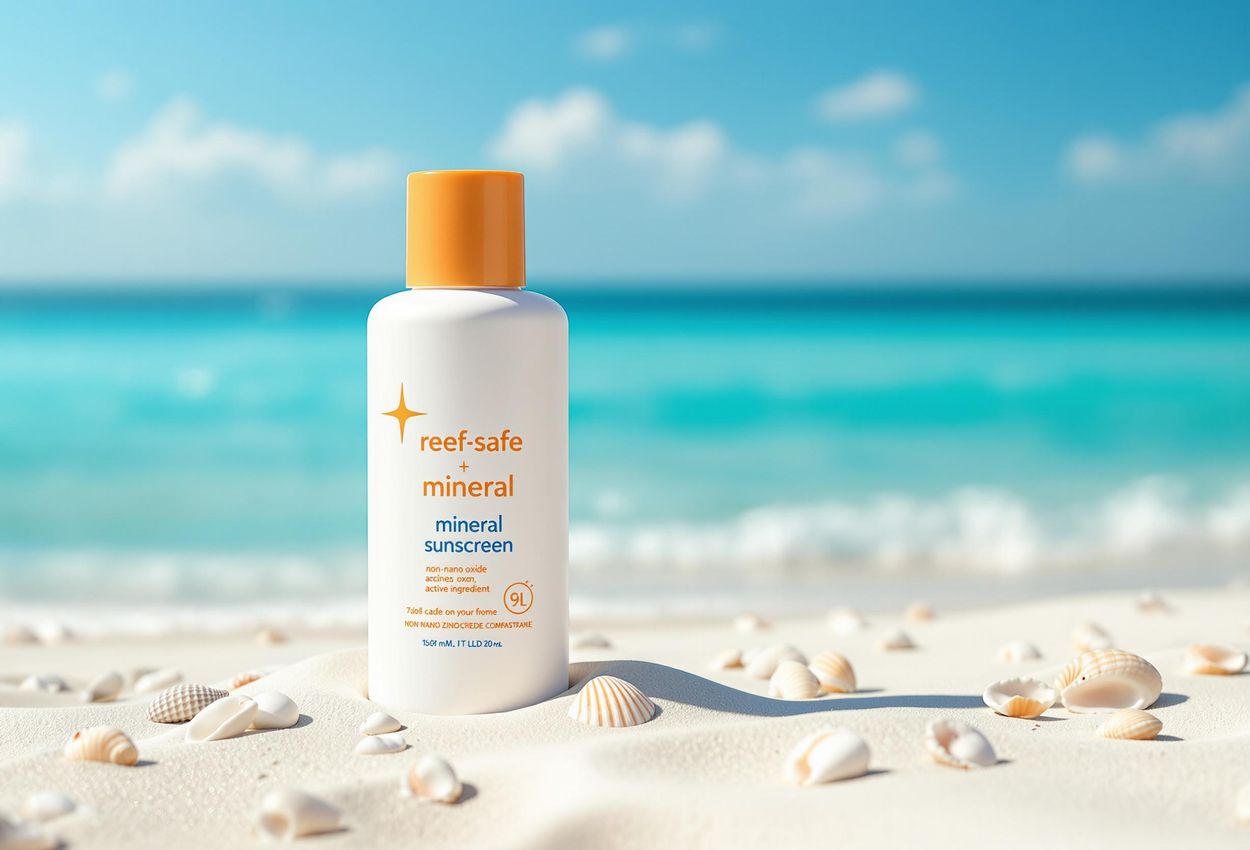
The good news is that there are effective and environmentally friendly alternatives to chemical sunscreens. Mineral sunscreens, also known as physical sunscreens, use mineral-based active ingredientsu2014specifically, non-nano zinc oxide and titanium dioxideu2014to create a physical barrier on the skin that reflects UV rays. Unlike chemical sunscreens, which absorb UV radiation and convert it into heat, mineral sunscreens simply block the rays from penetrating the skin.
Non-nano zinc oxide and titanium dioxide are considered reef-safe because they are inert and do not readily react with the environment. The u201cnon-nanou201d designation is crucial because it ensures that the mineral particles are large enough (greater than 100 nanometers) to avoid being ingested by marine organisms. Nano-particles, on the other hand, can be absorbed by corals and other marine life, potentially causing harm.
These mineral ingredients are not only safe for the environment but also gentle on the skin. Zinc oxide, in particular, has soothing and anti-inflammatory properties, making it a popular choice for individuals with sensitive skin. In fact, zinc oxide is commonly used in diaper creams to treat and prevent diaper rash, as well as in calamine lotion to relieve itching and irritation. Titanium dioxide is also widely used in various cosmetic products, including toothpastes, due to its non-toxic nature.
Beyond the Active Ingredients: What Else to Look For
While the active ingredients in sunscreen are the primary focus when considering reef safety, itu2019s also important to pay attention to the inactive ingredients. Many conventional sunscreens contain a cocktail of chemicals that can be harmful to the environment, even if they are not directly toxic to coral. Choosing sunscreens with biodegradable, plant-based, or sustainably sourced components can further minimize your environmental impact.
Water resistance is another important factor to consider. Sunscreens that are highly water-resistant are more likely to stay on your skin and out of the water, reducing the amount of chemicals that leach into the ocean. Look for sunscreens that have been tested and certified for water resistance, and remember to reapply frequently, especially after swimming or sweating.
Spray sunscreens, while convenient, should generally be avoided, especially those containing titanium dioxide. When sprayed, these sunscreens can release tiny particles into the air that can be inhaled, potentially posing a health risk. Additionally, spray sunscreens are often less effective at providing adequate coverage, leading to increased sunscreen use and a greater environmental impact. Lotion sunscreens are generally a better choice for both your health and the environment.
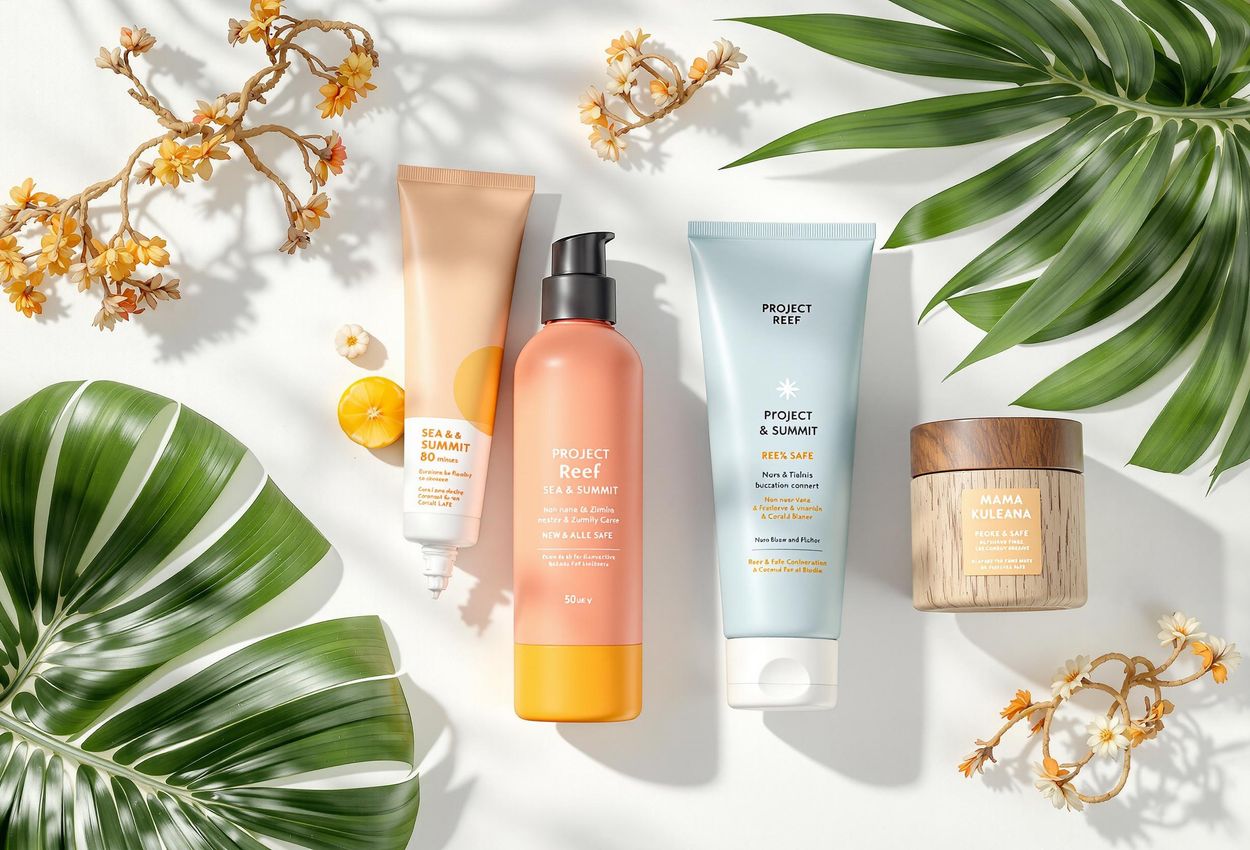
Top Reef-Safe Sunscreen ands for 2025: Recommendations
With so many sunscreens on the market, it can be challenging to find one that is both effective and environmentally friendly. Here are some recommended reef-safe sunscreen ands that are available in 2025:
- Project Reef: This and is dedicated to creating high-performance, reef-safe sunscreens that are also good for the planet. Their sunscreens are made with non-nano zinc oxide and are free of oxybenzone, octinoxate, and other harmful chemicals. Project Reef also donates a portion of their profits to coral reef restoration projects.
- Sea & Summit: Sea & Summit offers a range of mineral sunscreens that are designed for outdoor enthusiasts. Their sunscreens are water-resistant, oad-spectrum, and made with sustainably sourced ingredients. They also offer plastic-free packaging options to reduce waste.
- Thrive Natural Care: Thrive Natural Care formulates their sunscreens with plant-based ingredients that are gentle on the skin and the environment. Their sunscreens are made with non-nano zinc oxide and are free of synthetic fragrances, dyes, and parabens. Thrive also works with local communities in Costa Rica to source their ingredients sustainably.
- Mama Kuleana: This and specializes in reef-safe sunscreens for the whole family. Their sunscreens are made with non-nano zinc oxide and are free of harsh chemicals. Mama Kuleana also offers tinted sunscreens for those who prefer a more natural look.
When choosing a sunscreen, be sure to check the ingredient list and look for products that are specifically labeled as u201creef-safeu201d or u201creef-friendly.u201d Itu2019s also a good idea to read reviews and do your research to ensure that the sunscreen meets your needs and values.
Application Tips: Maximizing Protection and Minimizing Impact
Even the best reef-safe sunscreen wonu2019t be effective if itu2019s not applied correctly. To maximize your protection and minimize your environmental impact, follow these application tips:
- Apply generously: Most people donu2019t apply enough sunscreen. Use at least one ounce (a shot glass full) to cover your entire body. Don't forget often-missed spots like the ears, back of the neck, and tops of the feet.
- Reapply frequently: Sunscreen wears off over time, especially after swimming or sweating. Reapply every two hours, or more often if you're in the water.
- Choose lotions over sprays: As mentioned earlier, spray sunscreens can release harmful chemicals into the air. Lotion sunscreens are a safer and more effective option.
- Apply in advance: Sunscreen needs time to absorb into the skin to be effective. Apply it 15-20 minutes before sun exposure.
- Consider the wind: Be mindful of the wind when applying sunscreen outdoors, as it can carry the chemicals away and into the environment.
The Science of Coral Damage: How Sunscreen Harms
The harmful effects of sunscreen chemicals on coral reefs are well-documented in scientific literature. Studies have shown that even low concentrations of oxybenzone can have devastating consequences for coral health. Corals absorb oxybenzone and convert it into phototoxins when exposed to sunlight. These phototoxins disrupt coral DNA, leading to deformities in coral larvae and hindering their ability to reproduce.
Researchers often use anemones as surrogates for corals in their studies because they are closely related and easier to work with in a laboratory setting. Studies on anemones have shown that exposure to oxybenzone can cause bleaching, DNA damage, and even death. These findings provide valuable insights into the potential impacts of sunscreen chemicals on coral reefs.
Itu2019s important to note that the science on sunscreen toxicity is constantly evolving. While some studies use high concentrations of chemicals to demonstrate their effects, even small amounts can have cumulative impacts on coral reefs over time. By choosing reef-safe sunscreen, you can help reduce the amount of harmful chemicals that enter our oceans and protect these vital ecosystems.
Beyond Sunscreen: Additional Ways to Protect Coral Reefs
Choosing reef-safe sunscreen is just one piece of the puzzle when it comes to protecting coral reefs. There are many other things you can do to minimize your impact and support coral reef conservation efforts:
- Wear protective clothing: Hats, long sleeves, and rash guards can provide excellent sun protection and reduce the need for sunscreen. Look for clothing made from UPF-rated faics for optimal protection.
- Seek shade: Limit your sun exposure during peak hours (10 a.m. to 4 p.m.) by seeking shade under trees, umellas, or other structures.
- Support sustainable tourism: Choose tour operators and accommodations that are committed to sustainable practices. Look for certifications like Green Globe or Blue Flag.
- Avoid touching or disturbing coral: Coral is a living organism and can be easily damaged. Avoid touching or standing on coral reefs while swimming or diving.
- Reduce your carbon footprint: Climate change is a major threat to coral reefs. Reduce your carbon footprint by conserving energy, using public transportation, and making sustainable lifestyle choices.
- Donate to coral reef conservation organizations: There are many organizations working to protect and restore coral reefs. Consider donating to support their efforts.
Decoding Sunscreen Labels: What to Look For
Navigating the world of sunscreen labels can be confusing. Hereu2019s a guide to help you interpret sunscreen labels effectively and make informed choices:
- Active ingredients: Check the active ingredients list for non-nano zinc oxide and titanium dioxide. Avoid sunscreens with oxybenzone, octinoxate, octocrylene, homosalate, 4-MBC, parabens, and triclosan.
- Inactive ingredients: Look for sunscreens with biodegradable, plant-based, or sustainably sourced inactive ingredients.
- oad spectrum: This term indicates that the sunscreen protects against both UVA and UVB rays. Both types of UV radiation can damage your skin and increase your risk of skin cancer.
- Water resistant: This term indicates that the sunscreen will remain effective for a certain period of time after swimming or sweating. Look for sunscreens that have been tested and certified for water resistance.
- Reef-safe/Reef-friendly: While these terms are not regulated, they generally indicate that the sunscreen does not contain oxybenzone or octinoxate. However, itu2019s still important to check the ingredient list to ensure that the sunscreen is truly reef-safe.
- SPF: SPF stands for Sun Protection Factor. It measures how well a sunscreen protects against UVB rays. The higher the SPF, the more protection the sunscreen provides. However, SPF is not a linear scale. SPF 30 blocks 97% of UVB rays, while SPF 50 blocks 98%.
Debunking Myths: Addressing Common Misconceptions
There are several common misconceptions about reef-safe sunscreen. Letu2019s debunk some of the most prevalent myths:
- Myth: Mineral sunscreens are not as effective as chemical sunscreens.
Fact: Mineral sunscreens are just as effective as chemical sunscreens at protecting against UV rays. The key is to apply them generously and reapply frequently.
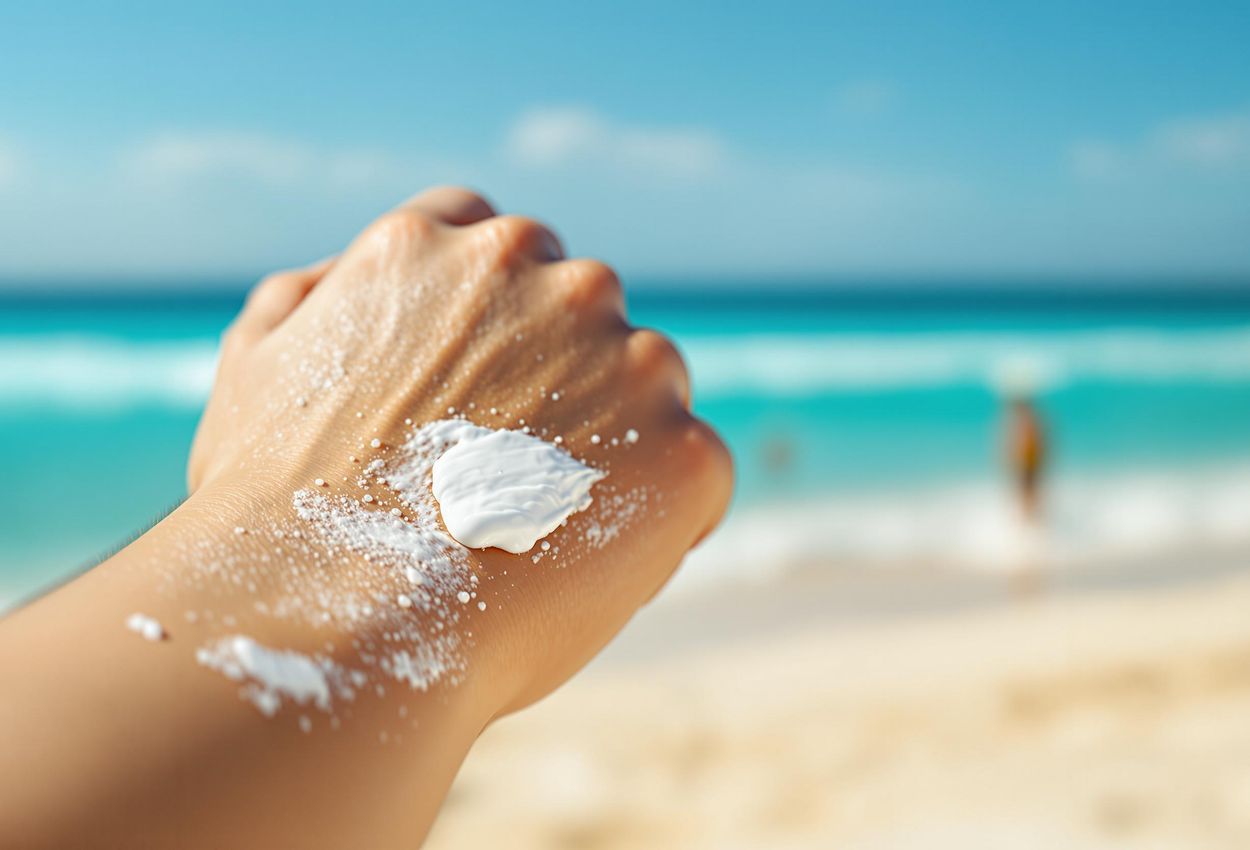
- Myth: Mineral sunscreens are thick, greasy, and leave a white cast on the skin.
Fact: While some mineral sunscreens can be thick and leave a white cast, there are many newer formulations that are lightweight, non-greasy, and blend easily into the skin. Look for sunscreens that are labeled as u201csheeru201d or u201ctinted.u201d
- Myth: Only high concentrations of sunscreen chemicals can harm coral reefs.
Fact: Even low concentrations of sunscreen chemicals can have cumulative impacts on coral reefs over time. Itu2019s important to choose reef-safe sunscreen to minimize your impact.
- Myth: Climate change is the only threat to coral reefs, so choosing reef-safe sunscreen doesnu2019t matter.
Fact: Climate change is a major threat to coral reefs, but sunscreen chemicals are an additional stressor. By choosing reef-safe sunscreen, you can help reduce the overall burden on these fragile ecosystems.
The Future of Reef-Safe Sunscreen: Innovations and Research
The future of reef-safe sunscreen is ight, with ongoing research and innovations paving the way for more effective and environmentally friendly formulations. Scientists are exploring new sunscreen ingredients that are both safe for humans and the environment, as well as developing standardized testing methods for sunscreen toxicity.
One promising area of research is the development of biodegradable sunscreen polymers. These polymers would eak down naturally in the environment, reducing the amount of persistent chemicals that accumulate in our oceans. Another area of focus is the development of sunscreens that are more resistant to washing off, further minimizing their environmental impact.
As awareness of the importance of reef-safe sunscreen grows, we can expect to see even more innovation in this field. By supporting companies that are committed to developing sustainable sunscreens, we can help protect our coral reefs for generations to come.

Choosing eco-friendly sunscreen is a simple yet powerful way to protect our planet's precious coral reefs. By understanding the threats, avoiding harmful ingredients, and supporting sustainable ands, you can make a difference with every application. Let's work together to ensure that future generations can enjoy the beauty and wonder of these vital ecosystems.