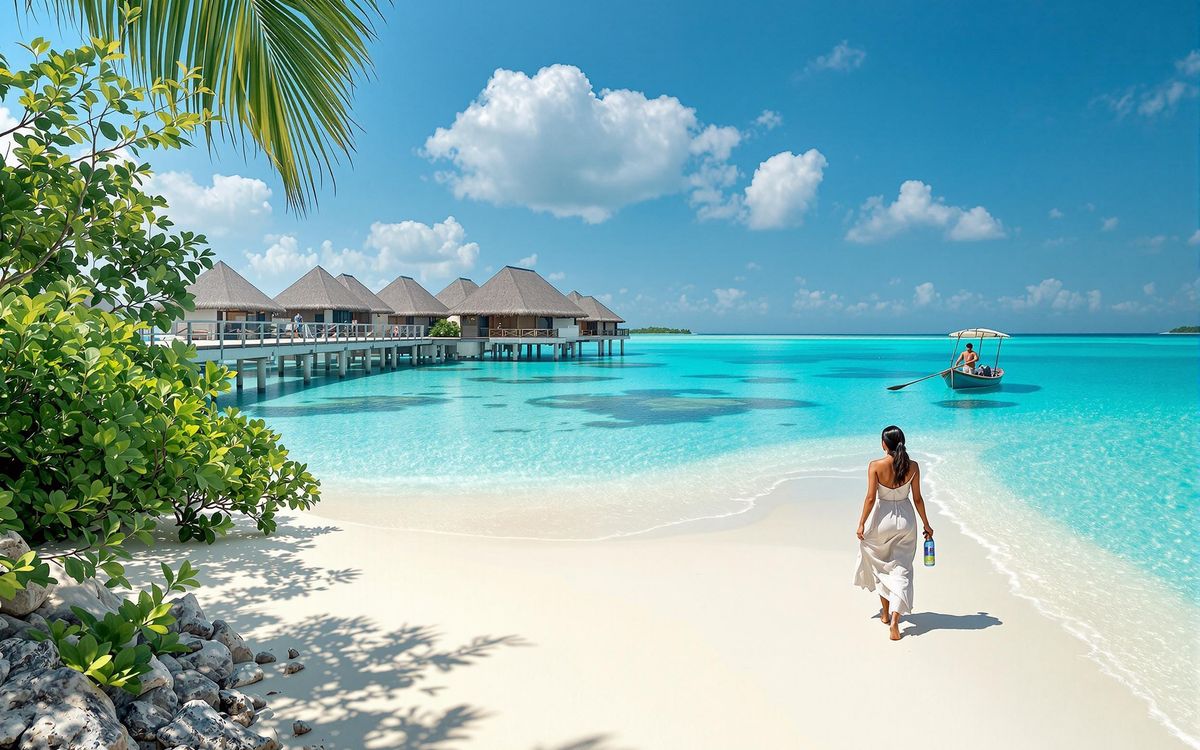
The allure of the coast, with its sun-kissed beaches, viant marine life, and rich cultural heritage, has long drawn travelers from across the globe. But this popularity comes at a cost. As coastal tourism continues to surge, the delicate balance between economic prosperity and environmental preservation hangs precariously. We stand at a pivotal moment, a time where innovative solutions and conscious choices must converge to safeguard the future of these treasured destinations.
Understanding the Shifting Tides A New Era for Coastal Tourism
Coastal tourism is a behemoth, a global industry contributing an estimated 10% to the worldu2019s GDP. From the bustling promenades of Barcelona to the serene shores of the Maldives, the allure of the sea draws millions, fueling economies and supporting livelihoods. However, this very success is now threatening the foundations upon which it is built. The relentless influx of tourists often leads to the degradation of natural habitats, rampant pollution, and the erosion of cultural authenticity. The Great Barrier Reef, a jewel of the natural world, serves as a stark reminder of the challenges posed by concentrated tourism. Its viant coral ecosystems are under immense stress from pollution, climate change, and the sheer volume of visitors. Experts warn that the current model of mass tourism is simply unsustainable, demanding a paradigm shift towards responsible and regenerative practices.
Economic Engines and Environmental Concerns The Two Faces of Coastal Tourism
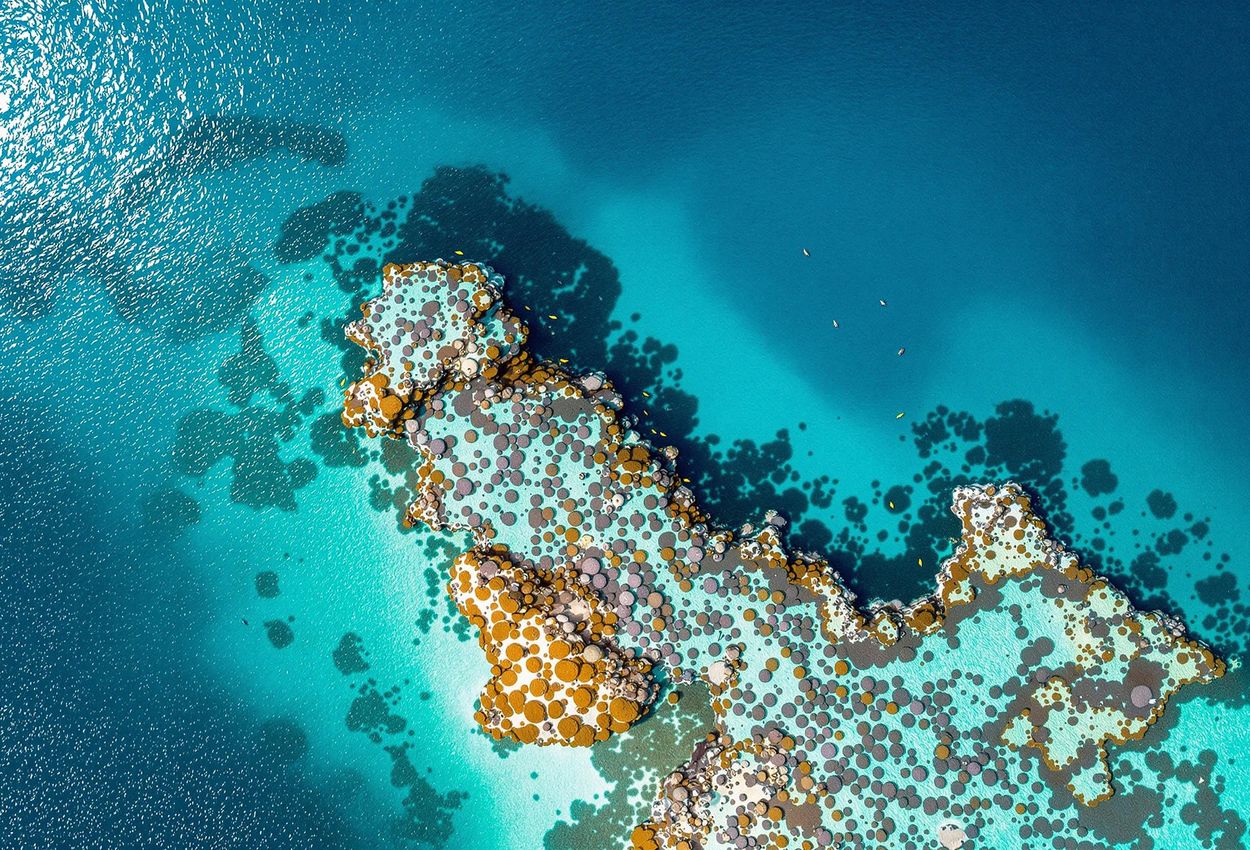
The economic benefits of coastal tourism are undeniable. In Small Island Developing States (SIDS), tourism often represents the lifeblood of the economy, providing crucial employment opportunities and generating significant revenue. Coastal tourism supports countless jobs, from hotel staff and tour guides to local artisans and fishermen. The World Travel & Tourism Council (WTTC) estimates that the coastal tourism sector generates trillions of dollars annually, contributing significantly to national GDPs. Yet, this economic prosperity comes at a steep environmental price. Uncontrolled development leads to pollution, habitat destruction, and the depletion of precious resources. Fragile ecosystems like coral reefs and mangrove forests, which provide vital coastal protection and support rich biodiversity, are particularly vulnerable. A recent WTTC report highlights the significant greenhouse gas emissions associated with coastal tourism, further exacerbating the climate crisis. The challenge lies in finding a way to harness the economic power of tourism while mitigating its detrimental environmental impacts.
Innovative Solutions Ocean Accounts for Sustainable Management
One promising solution lies in the concept of integrated ocean and tourism accounts. These accounts provide a framework for quantifying the economic value of coastal ecosystems and integrating environmental considerations into tourism management strategies. By assigning monetary value to natural resources like coral reefs, mangroves, and beaches, policymakers can make more informed decisions about tourism development and conservation efforts. These accounts enable a comprehensive assessment of the trade-offs between economic growth and environmental protection, ensuring that tourism development is aligned with sustainability goals. The integration of Tourism Satellite Accounts (TSAs) with ocean accounts offers a powerful tool for evidence-based tourism management, allowing destinations to track the economic performance of the tourism sector while simultaneously monitoring its environmental impact.
Policy and Planning The Role of Governance in Sustainable Tourism
Effective policies and regulations are essential for ensuring the resilience and sustainability of coastal tourism. Governments play a crucial role in setting the framework for responsible tourism development, implementing measures to protect natural resources, and promoting sustainable practices. Protected area networks, such as marine reserves and national parks, are vital for safeguarding biodiversity and preserving critical habitats. Restrictions on single-use plastics, waste management programs, and visitor caps can help to minimize pollution and reduce the environmental footprint of tourism. The High Ambition Coalition for Nature and People's 30x30 initiative, which aims to protect 30% of the world's oceans and land by 2030, provides a valuable framework for conservation efforts. By enacting and enforcing robust environmental regulations, governments can ensure that coastal tourism operates within sustainable limits.

Infrastructure and Nature-Based Solutions Building a Resilient Coastline
Investing in sustainable infrastructure and nature-based solutions is crucial for mitigating the impacts of climate change and environmental degradation on coastal areas. Mangrove forests, for example, provide natural coastal protection, buffering shorelines from erosion and storm surges. Restoring and protecting these vital ecosystems can enhance coastal resilience and safeguard communities and infrastructure. Sustainable waste-water treatment systems are essential for preventing pollution and protecting water quality. Climate-resilient building codes can ensure that new developments are designed to withstand the impacts of climate change, such as rising sea levels and extreme weather events. Innovative projects like the solar-powered tour boat in Ecuador's Galapagos National Park demonstrate the potential for clean energy to reduce the carbon footprint of coastal tourism. By emacing nature-based solutions and investing in sustainable infrastructure, coastal destinations can build a more resilient and sustainable future.
Community Engagement Empowering Local Voices in Tourism
Engaging local communities and Indigenous Peoples in tourism planning and management is paramount for ensuring that tourism benefits local livelihoods and preserves cultural heritage. Tourism should be a force for empowerment, providing opportunities for local residents to participate in the industry and share in its economic benefits. Co-created conservation plans, developed in partnership with local communities, can ensure that tourism development is aligned with local values and priorities. Benefit-sharing mechanisms, such as community-owned tourism enterprises and revenue-sharing agreements, can help to distribute the economic benefits of tourism more equitably. Successful community-based tourism initiatives, such as those in Fiji, demonstrate the potential for tourism to empower local communities and promote sustainable development.
Financial Investments Funding a Sustainable Future
Financial investments play a critical role in supporting sustainable tourism enterprises and conservation efforts. A shift from a 'do no harm' approach to a 'net positive contribution' is needed, where tourism actively contributes to environmental restoration and social well-being. Governments need to provide incentives for nature-positive tourism, encouraging businesses to adopt sustainable practices and invest in conservation initiatives. The Ocean eakthroughs initiative highlights the need for increased financial flows to support sustainable ocean management, including sustainable tourism. Impact investing, which seeks to generate both financial returns and positive social and environmental impacts, is gaining traction as a means of funding sustainable tourism projects. By aligning financial incentives with sustainability goals, we can unlock the potential for tourism to be a force for good.
Technological Innovations Smart Solutions for Coastal Management
Technology offers a powerful toolkit for promoting sustainable tourism and enhancing coastal management. Smart water management systems, such as those implemented in Benidorm, can help to conserve water resources and reduce water pollution. Real-time beach monitoring apps can provide visitors with information on water quality, beach conditions, and potential hazards. Digital platforms can connect tourists with local businesses, promoting local economies and reducing the environmental impact of transportation. In Chalkida, Greece, digital platforms are being used to promote sustainable tourism experiences and connect visitors with local artisans and producers. By leveraging technology, coastal destinations can enhance visitor experiences while minimizing environmental impact.

Regenerative Tourism Healing and Enriching Destinations
Regenerative tourism represents a paradigm shift, moving beyond sustainability to focus on restoration and renewal. Instead of simply minimizing negative impacts, regenerative tourism seeks to actively improve the environment and enhance the well-being of local communities. Destinations emacing regenerative practices, such as Asturias, Spain, and Bora Bora, are implementing initiatives like coastal cleanups, supporting local farmers, and preserving cultural heritage. Regenerative tourism emphasizes the importance of creating meaningful connections between visitors and local communities, fostering a sense of stewardship and responsibility. By emacing regenerative principles, coastal destinations can heal and enrich their ecosystems, creating a more viant and resilient future.
Case Studies in Sustainability Success Stories from Around the Globe
Numerous coastal destinations around the world are demonstrating the potential for sustainable tourism. Costa Rica, a pioneer in ecotourism, has successfully developed a thriving tourism industry while protecting its rich biodiversity. New Zealand's Tiaki u2013 Care for New Zealand initiative promotes responsible tourism practices, encouraging visitors to respect the environment and local culture. Benidorm, Spain, recognized as a European Green Pioneer of Smart Tourism 2025, has implemented innovative solutions for water management, waste reduction, and energy efficiency. These case studies offer valuable lessons and inspiration for other coastal destinations seeking to emace sustainable tourism practices. By learning from these success stories, we can accelerate the transition towards a more sustainable future for coastal tourism.
Adapting to Climate Change Protecting Coastal Communities
Climate change poses a significant threat to coastal tourism, with rising sea levels, extreme weather events, and coastal erosion impacting destinations around the world. Adaptation strategies are essential for protecting coastal communities and ensuring the long-term viability of coastal tourism. Coastal protection measures, such as seawalls and beach nourishment, can help to mitigate the impacts of erosion and flooding. Resilience-building initiatives, such as early warning systems and disaster preparedness programs, can help communities to prepare for and respond to extreme weather events. In the Netherlands, innovative coastal protection measures are being implemented to safeguard coastal communities from rising sea levels. By investing in adaptation strategies, coastal destinations can protect their communities and infrastructure from the impacts of climate change.
The Traveler's Role Making Conscious Choices
Travelers have a crucial role to play in promoting sustainable coastal tourism. By making conscious choices, such as supporting local businesses, choosing eco-friendly accommodations, and participating in conservation activities, travelers can contribute to a more sustainable future. Responsible tourism practices, such as 'slow tourism,' encourage visitors to spend more time in a destination, immerse themselves in the local culture, and reduce their environmental impact. Respecting local cultures and traditions is essential for ensuring that tourism benefits local communities. By emacing responsible tourism practices, travelers can be a force for good, supporting sustainable development and protecting the environment.

Looking Ahead A Vision for Sustainable Coastal Tourism in 2050
Looking ahead to 2050, the vision for sustainable coastal tourism is one of thriving ecosystems, resilient communities, and responsible travelers. Continued innovation, collaboration, and commitment to environmental conservation are essential for realizing this vision. Balancing economic growth with ecological preservation will be paramount for ensuring a resilient and thriving coastal tourism sector. By emacing sustainable practices, investing in nature-based solutions, and empowering local communities, we can create a future where coastal tourism benefits both people and the planet. The future of coastal tourism depends on our collective commitment to sustainability, ensuring that these treasured destinations can be enjoyed by generations to come.