From the coral reefs of Palau to the sawgrass prairies of the Everglades, a global movement is underway, driven by communities dedicated to preserving our planet's vital coastlines. This is the story of their resilience, innovation, and unwavering commitment to a sustainable future.
Around the world, coastal ecosystems face unprecedented threats: climate change, pollution, and unsustainable development. Yet, amidst these challenges, beacons of hope are emerging. From island nations to vast wetlands, local communities are stepping up as guardians of the coast, implementing innovative solutions and drawing upon generations of traditional knowledge to protect these invaluable environments. Their stories are a testament to the power of collective action and the profound connection between people and place.
Palau's Promise: A Sanctuary Born of Tradition
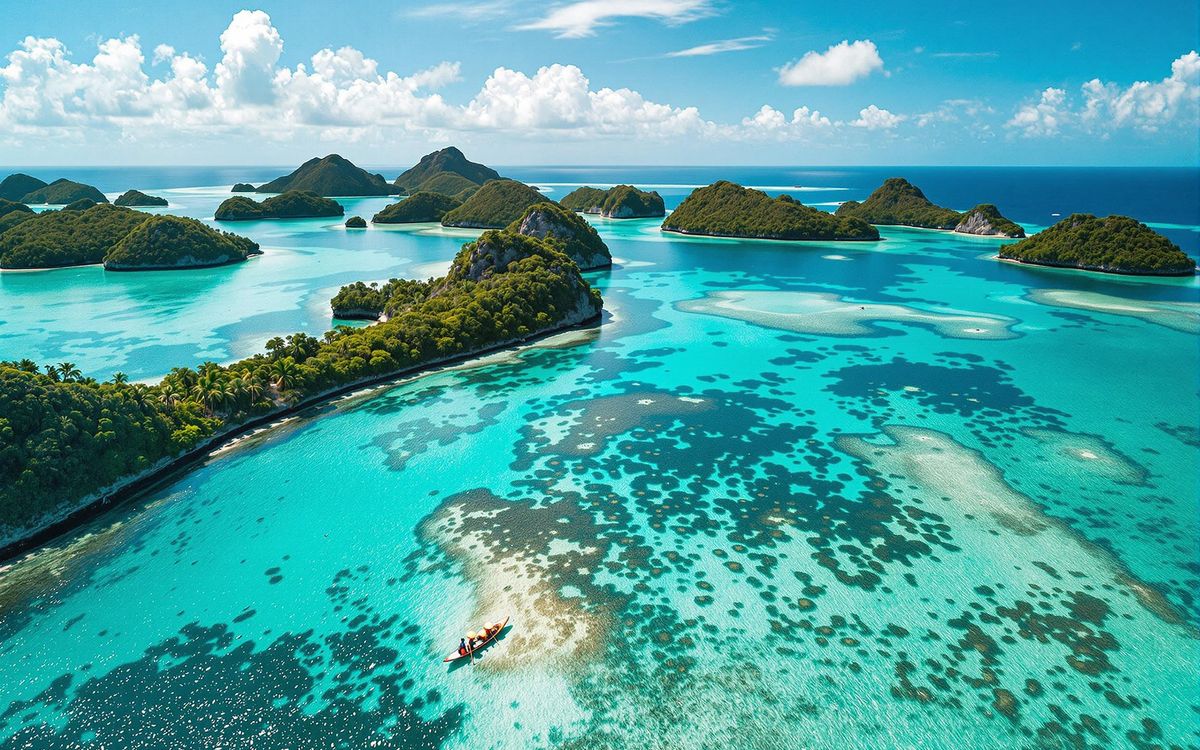
In the heart of Micronesia lies Palau, an archipelago nation that has emerged as a global leader in marine conservation. The turquoise waters surrounding these islands teem with life, a testament to Palau's unwavering commitment to protecting its marine heritage. At the forefront of this effort is the Palau National Marine Sanctuary (PNMS), a vast expanse covering 80% of the nation's Exclusive Economic Zone (EEZ). This sanctuary operates under a 'no-take' policy, safeguarding a rich tapestry of coral reefs, fish populations, and marine mammals from the detrimental effects of fishing and resource extraction.
The success of the PNMS is deeply rooted in the Palauan concept of 'bul,' a traditional practice of placing a temporary moratorium on resource use to allow for regeneration. This ancient wisdom aligns seamlessly with modern conservation principles, demonstrating Palau's unique ability to blend cultural heritage with scientific innovation. The Palau International Coral Reef Center (PICRC) plays a crucial role in monitoring the health of the sanctuary's ecosystems, providing invaluable data to inform management decisions and track the effectiveness of conservation measures. Researchers at PICRC study coral bleaching, ocean acidification, and other threats to coral reefs, contributing to a global understanding of these complex challenges.
Palau's commitment to marine protection extends beyond the PNMS. The nation has gained international recognition for its bold decision to ban sunscreens containing chemicals harmful to coral reefs. This pioneering initiative, coupled with an eco-pledge that visitors are required to sign, underscores Palau's dedication to responsible tourism and environmental stewardship. The Rock Islands Southern Lagoon, a UNESCO World Heritage site, is a stunning example of Palau's natural beauty and biodiversity. This archipelago of limestone islands, sculpted by millennia of erosion, is home to a remarkable array of marine life, including endemic species of jellyfish that thrive in saltwater lakes.
Efforts to protect sharks are another key component of Palau's conservation strategy. By establishing a shark sanctuary, Palau has provided a safe haven for these apex predators, recognizing their vital role in maintaining the health of the marine ecosystem. The economic benefits of marine protection are also becoming increasingly apparent. Sustainable fishing practices, coupled with thriving tourism, are generating revenue for local communities, demonstrating that conservation and economic development can go hand in hand. The resurgence of fish populations within the PNMS is having a positive spillover effect, benefiting fishermen in nearby areas.
Palau's commitment extends to integrating traditional knowledge and practices into conservation strategies, ensuring that local communities are actively involved in the management of their marine resources. This collaborative approach fosters a sense of ownership and stewardship, empowering communities to become true guardians of the coast. As Palau looks to the future, the nation remains committed to exploring innovative strategies and fortifying MPA regulations, ensuring that its marine ecosystems continue to thrive for generations to come. Exploring the Ngerukewid Island Preserve and the Ngerumekaol Spawning Area further exemplifies Palau's dedication to preserving its natural wonders.
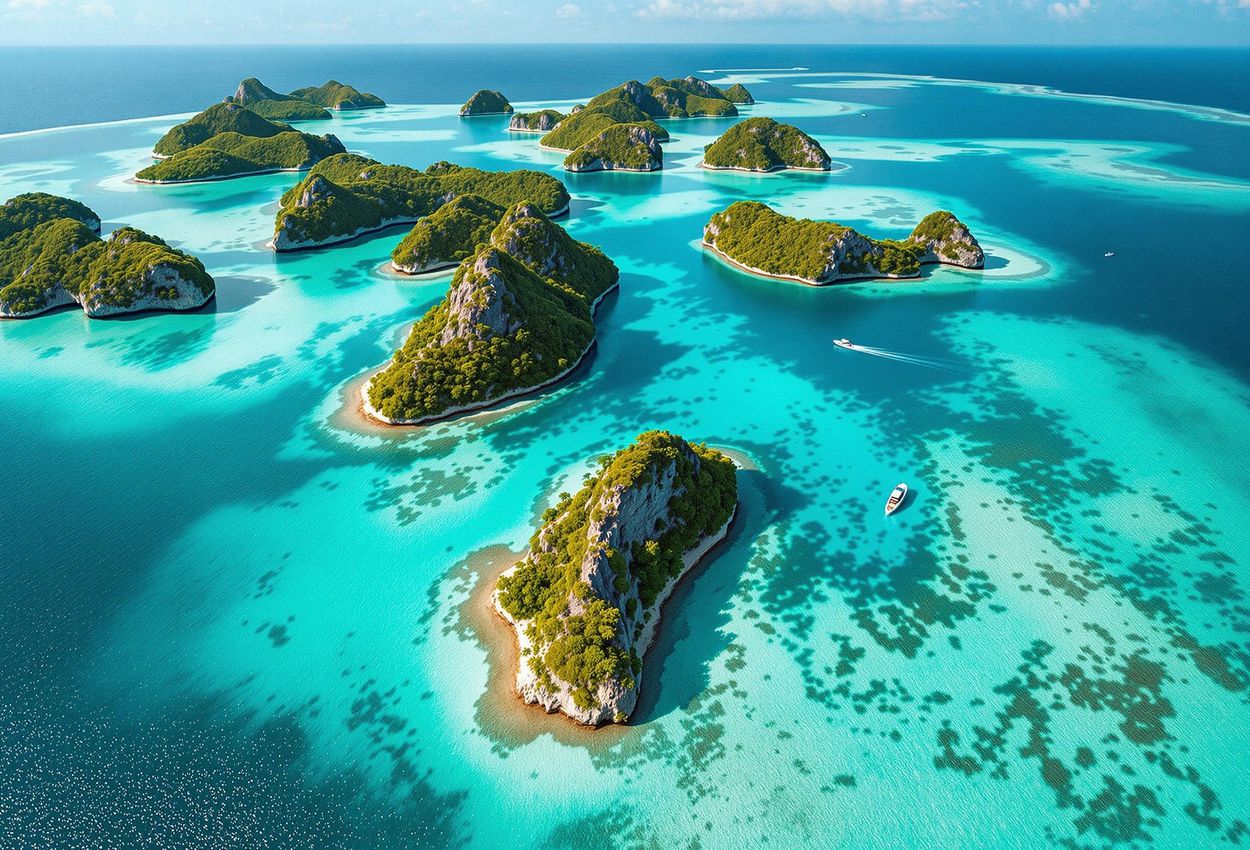
Image Description: A eathtaking aerial view of the Rock Islands Southern Lagoon in Palau. The image should capture the viant turquoise waters, the lush green islands, and the intricate network of coral reefs below the surface. The sun should be high in the sky, casting a warm glow over the landscape. A small boat could be seen navigating through the islands, adding a sense of scale and adventure. The focus should be on showcasing the natural beauty and biodiversity of the region, highlighting the importance of marine conservation efforts. The image should evoke a sense of wonder and inspire viewers to learn more about Palau's commitment to protecting its marine environment. This image will highlight Palau's beauty and biodiversity, emphasizing the importance of the PNMS. The aerial perspective provides a comprehensive view of the lagoon, showcasing the intricate network of reefs and islands. The presence of a small boat adds a human element, suggesting the possibilities for exploration and adventure. The warm lighting and viant colors create a sense of paradise, inviting viewers to experience the magic of Palau for themselves. The image should be taken during the dry season (December to April) to ensure clear visibility and calm waters. This image will act as a visual cornerstone for the article, immediately immersing the reader in Palau's natural splendor and setting the stage for the narrative of conservation and community stewardship that follows. The image should be high-resolution, allowing for detailed examination of the coral reefs and marine life. The composition should be balanced, with the islands and water equally represented. The overall effect should be one of awe and inspiration, leaving viewers with a deep appreciation for the importance of protecting our planet's coastal ecosystems.
Style Instructions: Aerial shot, taken with a wide-angle lens (e.g., 24mm) to capture the vastness of the lagoon. Use a high shutter speed (e.g., 1/500s) to ensure sharpness. Adjust aperture for optimal depth of field, so both islands and coral reefs are in focus (e.g. f/8-f/11). Capture on a sunny day around midday for optimal light. Taken on April 1, 2025.
Maldives' Mosaic: Weaving Resilience into Reefs
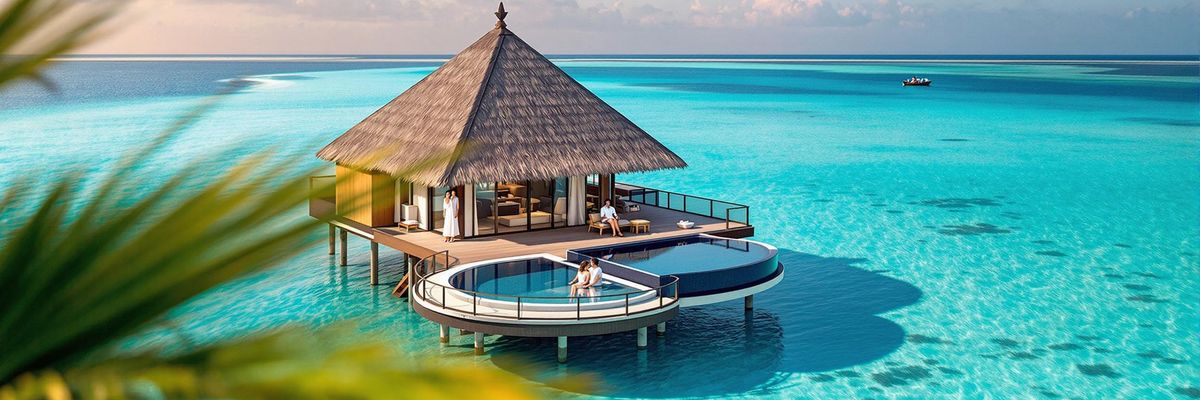
The Maldives, a nation of coral islands scattered across the Indian Ocean, faces an existential threat from climate change and rising sea levels. Despite these challenges, the Maldivian people are demonstrating remarkable resilience, implementing innovative solutions to protect their fragile coral reefs and safeguard their way of life. Coral restoration projects are at the heart of these efforts, with initiatives like those led by the Maldives Coral Institute (MCI) and Reefscapers playing a crucial role in revitalizing damaged reefs.
These projects utilize coral frames and nurseries to propagate new coral colonies, providing a foundation for reef regeneration. Fragments of healthy coral are attached to artificial structures, allowing them to grow and develop before being transplanted back onto degraded reef areas. This process helps to accelerate the natural recovery of coral reefs, providing habitat for fish and other marine life. A unique angle in the Maldives' conservation efforts is the 'Future Climate Coral Bank' project, which focuses on identifying and cultivating coral species that are more resilient to rising ocean temperatures and ocean acidification. These resilient corals are then used in restoration projects, increasing the likelihood of long-term success.
Hanifaru Bay, a Marine Protected Area (MPA), is a testament to the Maldives' commitment to biodiversity conservation. This small bay is a feeding hotspot for manta rays and whale sharks, attracting hundreds of these gentle giants during the southwest monsoon season. The MPA designation helps to protect these iconic species from overfishing and habitat destruction, ensuring that they continue to thrive in Maldivian waters. Eco-friendly resorts are also playing a vital role in promoting sustainable tourism and environmental conservation in the Maldives. Resorts like Soneva Fushi and Four Seasons Landaa Giraavaru are implementing a range of sustainable practices, including waste reduction, renewable energy use, and responsible sourcing of food and materials.
Community-led initiatives are also gaining momentum in the Maldives, with local communities actively involved in coral planting and reef monitoring. Tourists are often invited to participate in these activities, providing them with a unique opportunity to contribute to conservation efforts and learn about the importance of protecting coral reefs. In places like K. Himmafushi Reef and Fulhadhoo, local communities are actively engaged in reef restoration, showcasing a ground-up approach to conservation.
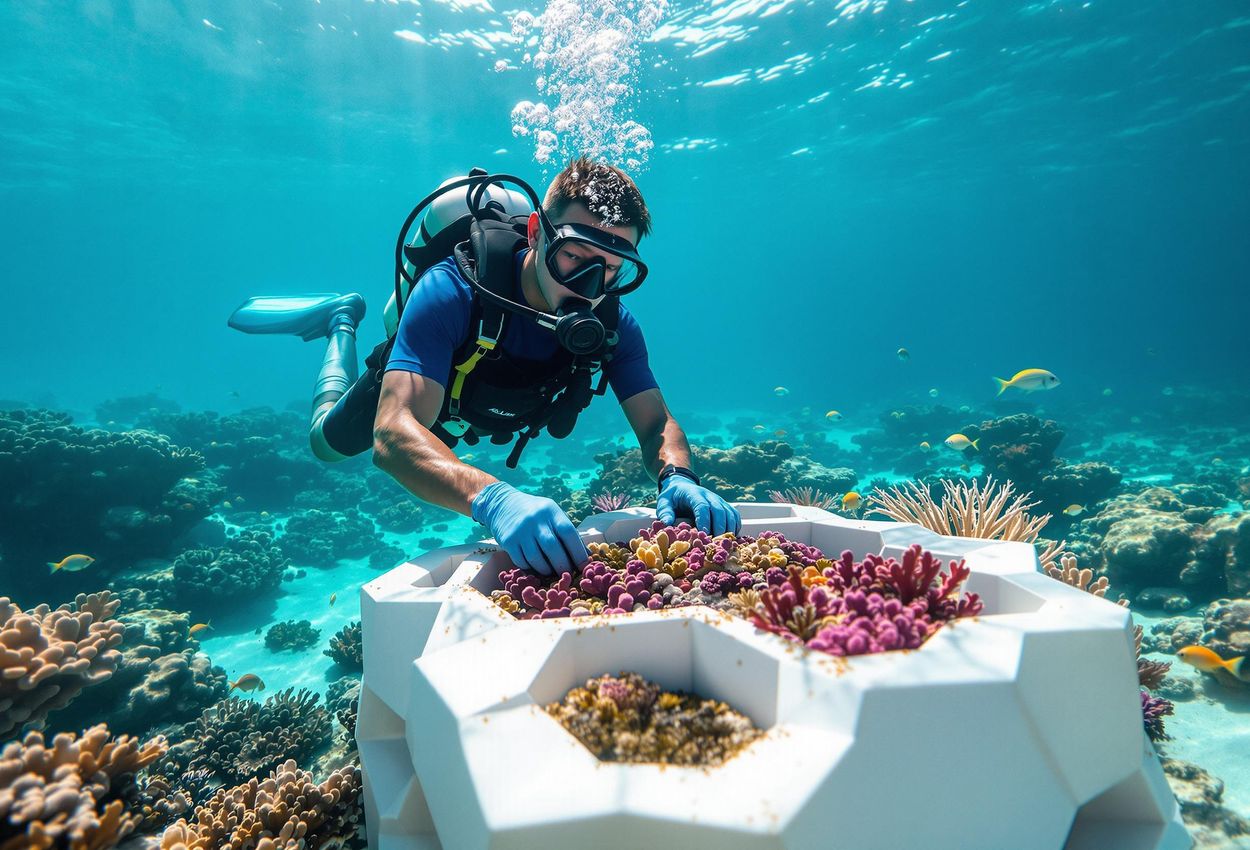
Image Description: An underwater shot of a coral restoration project in the Maldives. The image should feature a diver planting coral fragments onto a coral frame. The water should be clear and blue, with viant coral reefs in the background. The diver should be wearing scuba gear and be carefully attaching the coral fragments to the frame. The coral fragments should be colorful and healthy, showcasing the potential for reef regeneration. The image should convey a sense of hope and optimism, highlighting the positive impact of coral restoration efforts. The coral frame should be surrounded by other healthy corals and marine life, demonstrating the biodiversity of the reef ecosystem. The image should be taken during the day, with natural sunlight illuminating the scene. The diver should be positioned in the foreground, with the coral frame and reef in the background. The composition should be balanced, with the diver, coral frame, and reef equally represented. The overall effect should be one of beauty and inspiration, leaving viewers with a deep appreciation for the importance of protecting coral reefs. This image will illustrate the hands-on efforts to restore coral reefs in the Maldives, emphasizing the importance of these projects for the long-term health of the marine ecosystem. The presence of a diver adds a human element, highlighting the dedication and hard work of those involved in coral restoration. The viant colors of the coral reefs create a sense of beauty and wonder, inviting viewers to learn more about these fascinating ecosystems. The image should be high-resolution, allowing for detailed examination of the coral fragments and marine life. The composition should be balanced, with the diver, coral frame, and reef equally represented. The overall effect should be one of hope and inspiration, leaving viewers with a deep appreciation for the importance of protecting our planet's coral reefs.
Style Instructions: Underwater shot, taken with a wide-angle lens (e.g., 16-35mm) to capture the diver and the surrounding reef. Use a strobe or underwater flash to illuminate the scene and ing out the colors of the coral. Set the aperture to f/8 or f/11 for optimal depth of field. Capture on a sunny day for optimal light. Taken on April 1, 2025.
Everglades' Emace: Restoring a River of Grass
The Everglades, a vast wetland ecosystem in South Florida, has been dramatically altered by human activity over the past century. Drainage and development have disrupted the natural flow of water, leading to habitat loss, water quality degradation, and a decline in biodiversity. However, a massive restoration effort is underway to reverse these impacts and restore the Everglades to its former glory. The Comprehensive Everglades Restoration Plan (CERP) is the largest environmental restoration project in U.S. history, with the goal of restoring the natural water flow, improving water quality, and enhancing habitat for wildlife.
Specific projects within CERP include the Kissimmee River Restoration Project, which has restored the meandering flow of the Kissimmee River, and the Everglades Agricultural Area Reservoir, which will store and treat water before it is released into the Everglades. Restoring the natural water flow is crucial for the health of the Everglades ecosystem. By allowing water to flow naturally through the wetlands, the restoration projects are helping to revitalize habitat for wading birds, fish, and other wildlife. Improving water quality is another key goal of CERP. By reducing nutrient pollution and restoring natural filtration processes, the restoration projects are helping to create a healthier environment for plants and animals.
A hidden gem in the story of the Everglades is Marjory Stoneman Douglas, a journalist and conservationist who wrote the seminal book 'The Everglades: River of Grass.' Published in 1947, this book ought the Everglades to the attention of the world, sparking a movement to protect this unique ecosystem. The Everglades is also one of the few places in the world where alligators and crocodiles co-exist in the wild. These apex predators play a vital role in maintaining the balance of the ecosystem, helping to control populations of fish and other animals.
The U.S. Army Corps of Engineers and the South Florida Water Management District are the lead agencies responsible for implementing CERP. These agencies work in partnership with other federal, state, and local organizations to plan, design, and construct restoration projects. The Everglades National Park and Big Cypress National Preserve serve as crucial protected areas within the oader Everglades ecosystem, safeguarding critical habitats and providing opportunities for recreation and education. The health of Lake Okeechobee and the flow of water through the Kissimmee River are vital to the overall restoration of the Florida Bay.
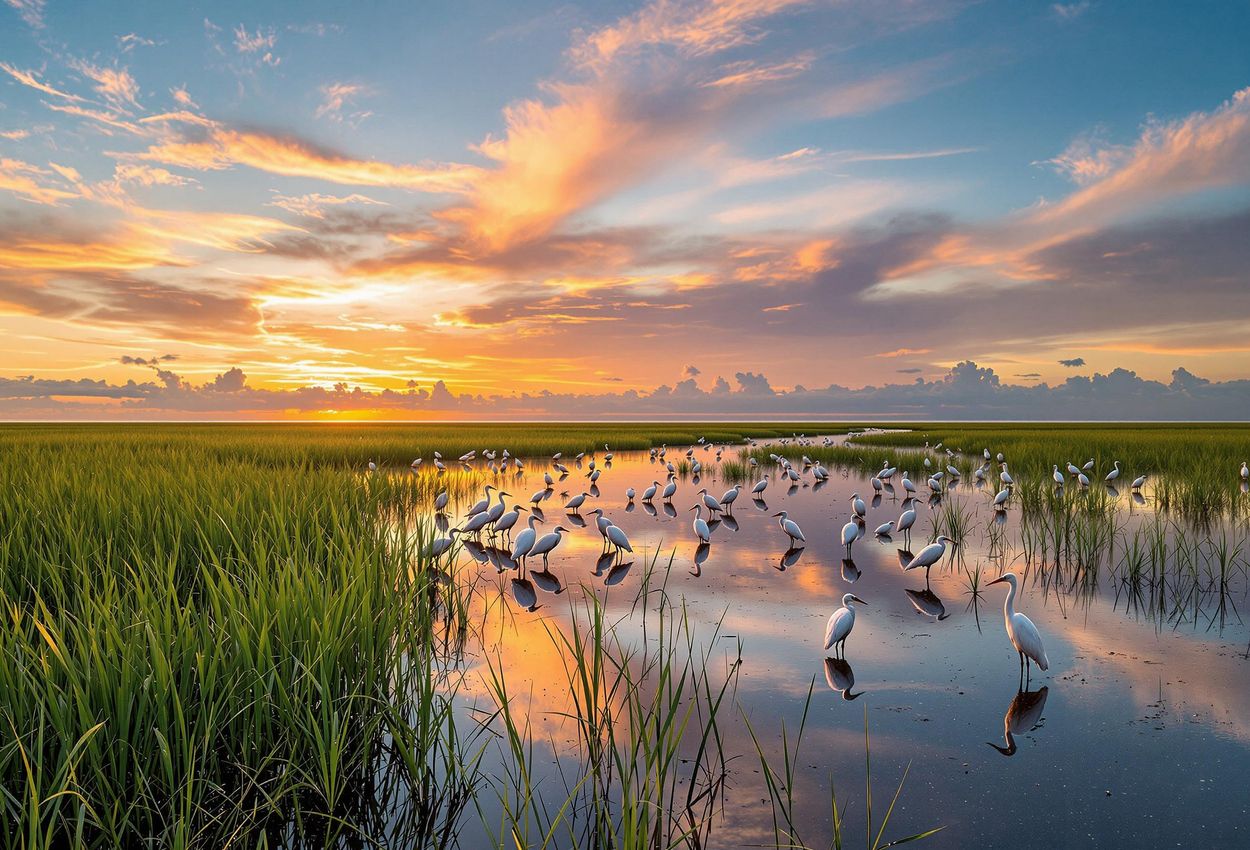
Image Description: A panoramic landscape shot of the Everglades National Park. The image should capture the vastness of the sawgrass prairie, with a wide expanse of water and sky. A flock of wading birds (e.g., herons, egrets, ibis) should be visible in the distance, foraging in the shallow water. The sun should be setting, casting a warm golden light over the landscape. The image should convey a sense of tranquility and natural beauty, highlighting the importance of preserving this unique ecosystem. The sawgrass should be swaying gently in the eeze, creating a sense of movement and life. The sky should be filled with clouds, adding depth and texture to the image. The overall effect should be one of awe and inspiration, leaving viewers with a deep appreciation for the importance of protecting our planet's wetlands. This image will showcase the vastness and beauty of the Everglades, emphasizing the importance of restoring this unique ecosystem. The presence of wading birds adds a sense of life and biodiversity, highlighting the ecological value of the Everglades. The warm golden light of the setting sun creates a sense of tranquility and natural beauty. The image should be high-resolution, allowing for detailed examination of the sawgrass, water, and sky. The composition should be balanced, with the sawgrass, water, and sky equally represented. The overall effect should be one of awe and inspiration, leaving viewers with a deep appreciation for the importance of protecting our planet's wetlands.
Style Instructions: Landscape shot, taken with a wide-angle lens (e.g., 16-35mm) to capture the vastness of the Everglades. Use a tripod to ensure sharpness. Set the aperture to f/8 or f/11 for optimal depth of field. Capture during the golden hour (shortly after sunrise or before sunset) for optimal light. Taken on April 1, 2025.
Guardians of the Future: Communities Leading the Charge
Behind every successful conservation initiative lies the dedication and hard work of local communities. In Palau, the Maldives, and the Everglades, communities are playing a vital role in protecting their coastal ecosystems, drawing upon traditional knowledge, implementing innovative approaches, and fostering a sense of stewardship.
In Palau, local communities are actively involved in monitoring the health of coral reefs, enforcing fishing regulations, and promoting sustainable tourism practices. Their traditional knowledge of marine ecosystems is invaluable in guiding conservation efforts, ensuring that they are effective and culturally appropriate. In the Maldives, communities are participating in coral planting projects, cleaning up beaches, and raising awareness about the importance of protecting coral reefs. Their involvement is crucial for the long-term success of coral restoration efforts, ensuring that they are supported by local residents. In the Everglades, communities are working to restore natural water flow, remove invasive species, and educate visitors about the importance of protecting this unique ecosystem. Their dedication is essential for the long-term health of the Everglades, ensuring that it continues to provide habitat for wildlife and clean water for people.
Community-based tourism initiatives are also playing an increasingly important role in supporting conservation efforts. By providing economic opportunities for local communities, these initiatives create incentives for protecting coastal ecosystems. In Palau, tourists can stay in locally owned guesthouses, eat at local restaurants, and participate in guided tours led by local residents. In the Maldives, tourists can visit local islands, learn about Maldivian culture, and support local businesses. In the Everglades, tourists can take airboat tours led by local guides, visit local museums, and purchase locally made crafts.
Education and awareness are also essential for fostering a sense of stewardship. By educating local communities and visitors about the importance of protecting coastal ecosystems, we can inspire them to take action and become guardians of the future. In Palau, schools are incorporating marine conservation into their curriculum, teaching students about the importance of protecting coral reefs. In the Maldives, community centers are hosting workshops and seminars on coral reef conservation. In the Everglades, park rangers are leading guided tours and educational programs for visitors of all ages.

Image Description: A candid shot of a community meeting in a village in Palau. The image should feature a group of local residents gathered together, discussing conservation efforts. The atmosphere should be informal and collaborative, with people actively listening and sharing their ideas. The image should convey a sense of community and shared purpose, highlighting the importance of local involvement in conservation. The meeting should be taking place outdoors, in a traditional Palauan setting. The participants should be dressed in traditional clothing, reflecting their cultural heritage. The image should be taken during the day, with natural sunlight illuminating the scene. The focus should be on the faces of the participants, capturing their expressions and emotions. The overall effect should be one of authenticity and engagement, leaving viewers with a deep appreciation for the importance of community involvement in conservation. This image will showcase the human element of coastal conservation efforts, emphasizing the importance of local involvement in protecting these ecosystems. The presence of community members adds a sense of authenticity and engagement, highlighting the shared purpose and dedication of these individuals. The informal and collaborative atmosphere of the meeting conveys a sense of community and shared ownership. The image should be high-resolution, allowing for detailed examination of the participants' faces and expressions. The composition should be balanced, with the participants equally represented. The overall effect should be one of authenticity and engagement, leaving viewers with a deep appreciation for the importance of community involvement in conservation.
Style Instructions: Candid shot, taken with a medium telephoto lens (e.g., 50mm or 85mm) to capture the faces of the participants without being intrusive. Use a shallow depth of field (e.g., f/2.8 or f/4) to blur the background and focus on the participants. Capture on a sunny day for optimal light. Taken on April 1, 2025.
Palau's Eco-Tourism Evolution
Palau has successfully positioned itself as a premier eco-tourism destination, where sustainable practices and respect for local traditions are paramount. This transition has been carefully managed to balance the economic benefits of tourism with the need to protect the country's pristine environment. The Palau National Marine Sanctuary (PNMS) has played a crucial role in attracting eco-conscious tourists, who are drawn to the opportunity to experience the country's rich marine biodiversity.
The PNMS has helped to create a sustainable tourism industry by protecting coral reefs and fish populations, which are the main attractions for divers and snorkelers. The sanctuary has also helped to reduce the impact of tourism on the environment by limiting the number of visitors allowed in certain areas and promoting responsible diving and snorkeling practices. One of the most unique experiences offered in Palau is diving in the Jellyfish Lake, a saltwater lake that is home to millions of non-stinging jellyfish. However, the lake's ecosystem is fragile, and its opening is contingent on ecologically sound practices being in place. If open, visitors are required to follow strict guidelines to minimize their impact on the jellyfish population. Exploring the Rock Islands is another popular activity, with tourists kayaking through the maze of limestone islands, swimming in hidden lagoons, and snorkeling in viant coral reefs.
Tourists can contribute to conservation efforts during their visit by choosing eco-friendly accommodations, participating in responsible diving and snorkeling practices, and supporting local businesses that are committed to sustainability. By staying in eco-resorts, tourists can reduce their environmental footprint and support local communities. By avoiding single-use plastics, using reef-safe sunscreen, and respecting marine life, tourists can help to protect Palau's fragile ecosystems. By purchasing locally made crafts and souvenirs, tourists can support local artisans and contribute to the local economy.
Palau's commitment to sustainable tourism is a model for other countries to follow. By balancing economic development with environmental protection, Palau has created a thriving tourism industry that benefits both the local community and the environment. Through careful planning, responsible management, and community involvement, Palau has demonstrated that tourism can be a force for good.
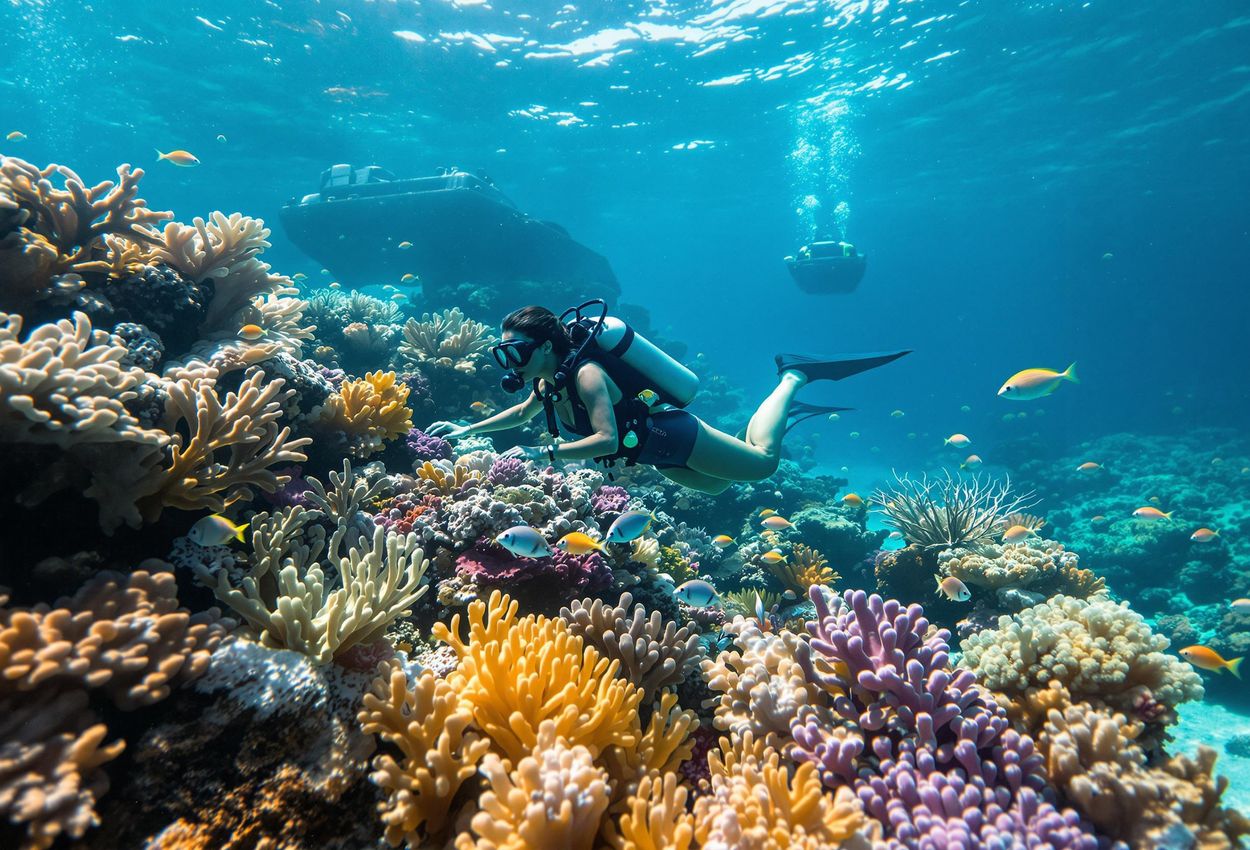
Image Description: An idyllic image of a diver exploring a viant coral reef in Palau, with a focus on sustainable tourism. The diver should be using a reef-safe sunscreen and maintaining a respectful distance from the coral. The water should be crystal clear, showcasing the diverse marine life and colorful coral formations. The composition should highlight the beauty of the underwater environment while subtly emphasizing the diver's responsible behavior. The lighting should be natural and warm, creating an inviting and awe-inspiring scene. In the background, there could be a glimpse of a small, eco-friendly dive boat, further reinforcing the theme of sustainable tourism. The overall image should convey a sense of harmony between humans and nature, inspiring viewers to travel responsibly and protect our planet's precious ecosystems. The diver could be equipped with underwater camera gear, capturing the beauty of the reef while adhering to ethical photography practices. The choice of coral species and marine life should be representative of Palau's unique biodiversity. The setting should be in a Marine Protected Area within Palau, highlighting the effectiveness of conservation efforts. The image should be taken during the day, with natural sunlight illuminating the scene. The focus should be on the diver and the coral reef, capturing their interaction in a way that promotes respect and appreciation. The overall effect should be one of inspiration and hope, leaving viewers with a desire to learn more about sustainable tourism and marine conservation.
Style Instructions: Underwater shot, taken with a wide-angle lens (e.g., 16-35mm) to capture the diver and the surrounding reef. Use a strobe or underwater flash to illuminate the scene and ing out the colors of the coral. Set the aperture to f/8 or f/11 for optimal depth of field. Capture on a sunny day for optimal light. Taken on April 1, 2025.