Imagine waking to the sound of fishing boats chugging out to sea, the scent of salt and sun-baked wood filling the air. Forget generic resorts; the real magic lies in connecting with the soul of a place, and nowhere is that more profound than in coastal communities. Emace the journey of immersive coastal stays, where you're not just a tourist, but a temporary resident, learning, sharing, and contributing to the viant tapestry of local life.
Unveiling the Soul of Coastal Villages
The allure of coastal villages is undeniable. They are enclaves of unique traditions, steeped in history, and blessed with eathtaking natural beauty. These aren't just picturesque postcards; they are living, eathing communities with stories etched into every weathered building and salty face. The shift away from conventional, surface-level tourism towards authentic cultural exchange is a powerful and enriching one. It's about seeking genuine connection, understanding different ways of life, and leaving a positive impact on the places you visit. Consider the iconic fishing villages of Cinque Terre, Italy, clinging precariously to the Ligurian coastline, each town a riot of color and centuries of maritime history. Or venture to the remote communities of Haida Gwaii, Canada, where the indigenous Haida people have maintained a deep connection to the land and sea for millennia, their culture woven into the very faic of the islands. These are just glimpses into a world of possibilities, where travel becomes a transformative experience.

Homestays: Your Gateway to Local Life
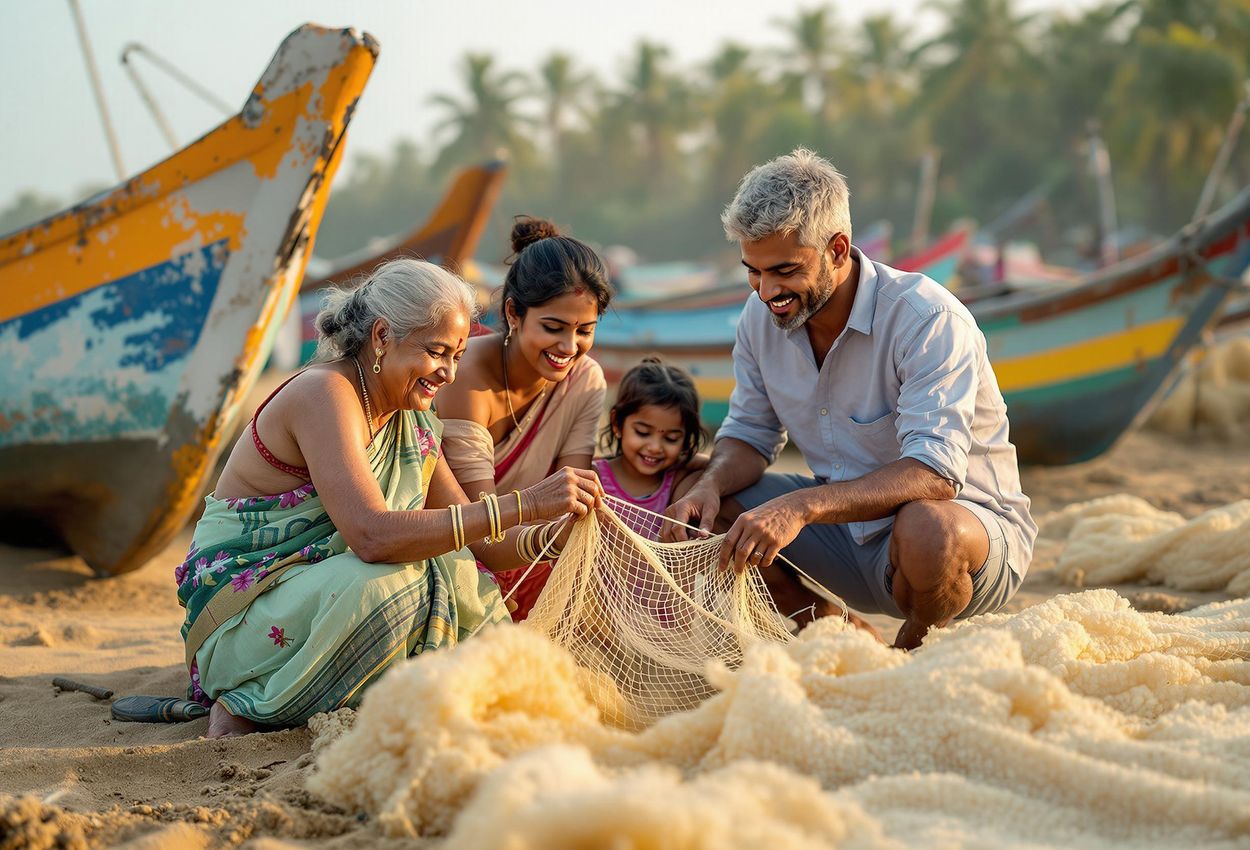
The most direct route to understanding a coastal community is through its people, and homestays provide that intimate access. Imagine stepping into the daily life of a local family, sharing meals prepared with fresh, local ingredients, and participating in their routines. This is more than just accommodation; it's an immersive cultural exchange. In Kerala, India, you might find yourself learning about traditional fishing practices, helping to mend nets, or even venturing out on a fishing boat at dawn. The aroma of spices hangs heavy in the air as you learn to prepare authentic Keralan seafood curries, the recipes passed down through generations. In the Azores, Portugal, you could be swept up in the viant energy of a local festival, helping to decorate the streets, participating in traditional dances, and sharing stories with the community. These experiences forge lasting connections, eaking down cultural barriers and fostering a deeper understanding of the world around us. The simple act of sharing a meal or a story can be profoundly transformative, both for the traveler and the host family.
Community-Run Tourism: A Collaborative Journey
Beyond individual homestays, community-run tourism initiatives offer a powerful model for sustainable and equitable travel. These programs empower local residents, giving them ownership over the tourism industry and ensuring that the benefits flow directly back into the community. Consider the ecotourism projects along the Amazonian coasts of Ecuador, where indigenous communities offer guided tours of the rainforest, sharing their ancestral knowledge of medicinal plants, wildlife, and sustainable living. You're not just observing; you're learning from the experts, contributing to the preservation of their culture and the rainforest ecosystem. Or look to the Naisisili homestay initiative in Fiji, where tourism revenue supports community development projects, empowering women and promoting gender equality. These initiatives foster a sense of collective responsibility, ensuring that tourism benefits everyone, not just a select few. It's a collaborative journey, where travelers and local communities work together to create a more sustainable and enriching experience for all.
Sustainable Practices: Respecting the Coastal Ecosystem
The beauty of coastal communities is inextricably linked to the health of their surrounding ecosystems. Responsible tourism is not just a feel-good concept; it's a necessity for preserving these delicate environments for future generations. Simple actions can make a significant difference. Reduce your waste by inging reusable water bottles, shopping bags, and toiletries. Conserve water by taking shorter showers and being mindful of your consumption. Support local conservation efforts by volunteering your time or donating to organizations working to protect marine life and coastal habitats. In Palau, you can participate in reef restoration projects, planting coral fragments and learning about the importance of these underwater ecosystems. In Bali, Indonesia, join coastal clean-up programs, helping to remove plastic pollution and protect the island's pristine beaches. Every small act of responsibility contributes to a larger effort to safeguard the beauty and biodiversity of coastal environments.
Cultural Sensitivity: idging the Divide
Immersive travel is about more than just seeing new places; it's about understanding and respecting different cultures. Before you embark on your journey, take the time to learn about the local customs and traditions. Mastering a few basic phrases in the local language can go a long way in building rapport and showing respect. Dress appropriately, being mindful of local norms and sensitivities. Avoid intrusive behavior, such as taking photos without permission or entering private spaces uninvited. In Japan's coastal towns, bowing is a common greeting, and removing your shoes before entering someone's home is considered polite. In the Polynesian Islands, traditional dances are a sacred expression of culture, and visitors should observe them with reverence and respect. By demonstrating cultural sensitivity, you can idge the divide between traveler and local, fostering meaningful connections and enriching your travel experience.

Culinary Adventures: Tasting the Flavors of the Coast
Coastal communities offer a treasure trove of culinary experiences, from the freshest seafood delicacies to traditional dishes passed down through generations. Exploring local markets is a feast for the senses, a viant display of colors, aromas, and flavors. Participate in cooking classes, learning to prepare authentic dishes using local ingredients. Savor the unique flavors of the region, from the iny sweetness of oysters to the spicy tang of seafood curries. In ittany, France, you can experience the thrill of oyster harvesting, wading through the shallow waters at low tide and learning about the art of oyster farming. In Japan, you can learn to make sushi from local fishermen, using the freshest catch of the day. These culinary adventures are not just about satisfying your appetite; they're about connecting with the culture and traditions of the community through its food.
Artisanal Encounters: Supporting Local Craftsmanship
The artistic traditions of coastal communities are often deeply intertwined with their natural environment and cultural heritage. Supporting local artisans is a way to preserve these traditions and contribute to the economic well-being of the community. Visit local workshops, observe artisans at work, and learn about the artistry behind each creation. Purchase handmade souvenirs, knowing that your money is directly supporting the local economy. In the Philippines, you can find intricate woven baskets and textiles, crafted using traditional techniques passed down through generations. In Greece, you can admire the artistry of local potters, creating beautiful ceramics using clay sourced from the surrounding landscape. In Scandinavia, you can discover the beauty of traditional wood carving, with intricate designs inspired by the natural world. These artisanal encounters are not just about buying souvenirs; they're about connecting with the creative spirit of the community and supporting the preservation of its cultural heritage.

Festival Celeations: Immersing in Local Traditions
Festivals and celeations are a window into the soul of a coastal community, a viant expression of its cultural identity. Participating in these events is a unique opportunity to immerse yourself in local traditions, experiencing the music, dance, and rituals that define the region. The Carnival in azil is a riot of color, music, and dance, a celeation of life and joy that sweeps through the coastal cities. The Dragon Boat Festival in Hong Kong is a thrilling spectacle of dragon boat races, a celeation of Chinese culture and tradition. The Day of the Dead in Mexico's coastal towns is a poignant and colorful celeation of life and rememance, a unique blend of indigenous and Catholic traditions. These festivals are not just for tourists; they're for the community, and participating in them is a way to connect with the local people and experience their culture in its most authentic form.
Hidden Gems: Unveiling Secret Coastal Sanctuaries
While well-known coastal destinations have their appeal, the true magic often lies in discovering the hidden gems, the lesser-known corners of the world that offer a more secluded and authentic experience. These are the places where you can escape the crowds, connect with nature, and immerse yourself in the local culture without the distractions of mass tourism. Explore the undiscovered coves of Croatia's Dalmatian Coast, where you can find secluded beaches and charming villages untouched by time. Discover the remote fishing villages of Iceland's Westfjords, where you can witness the raw beauty of the Arctic landscape and experience the resilience of the Icelandic people. Uncover the secluded beaches of Mozambique's Quirimbas Archipelago, where you can snorkel in pristine waters and relax on deserted islands. These hidden gems offer a glimpse into a different world, a world of tranquility, authenticity, and unspoiled beauty.

Responsible Tourism: A Pledge for the Future
As you embark on your immersive coastal adventure, remember that your choices have an impact. By traveling responsibly, you can contribute to a more sustainable and equitable future for these unique destinations. Make a pledge to support local businesses, choosing locally owned restaurants, shops, and accommodations. Respect local customs, learning about the culture and traditions of the community. Minimize your impact on the environment, reducing your waste, conserving water, and supporting local conservation efforts. By traveling responsibly, you can ensure that these coastal communities continue to thrive for generations to come. It's not just about taking; it's about giving back, about leaving a positive legacy that benefits both the traveler and the local community. The future of coastal tourism depends on our collective commitment to responsible and sustainable practices.