Imagine arriving in a place where the very act of entry commits you to its preservation. This is the reality in Palau, a nation that has redefined tourism with its groundeaking Palau Pledge. More than just a stamp on your passport, it's a promise to protect a paradise.
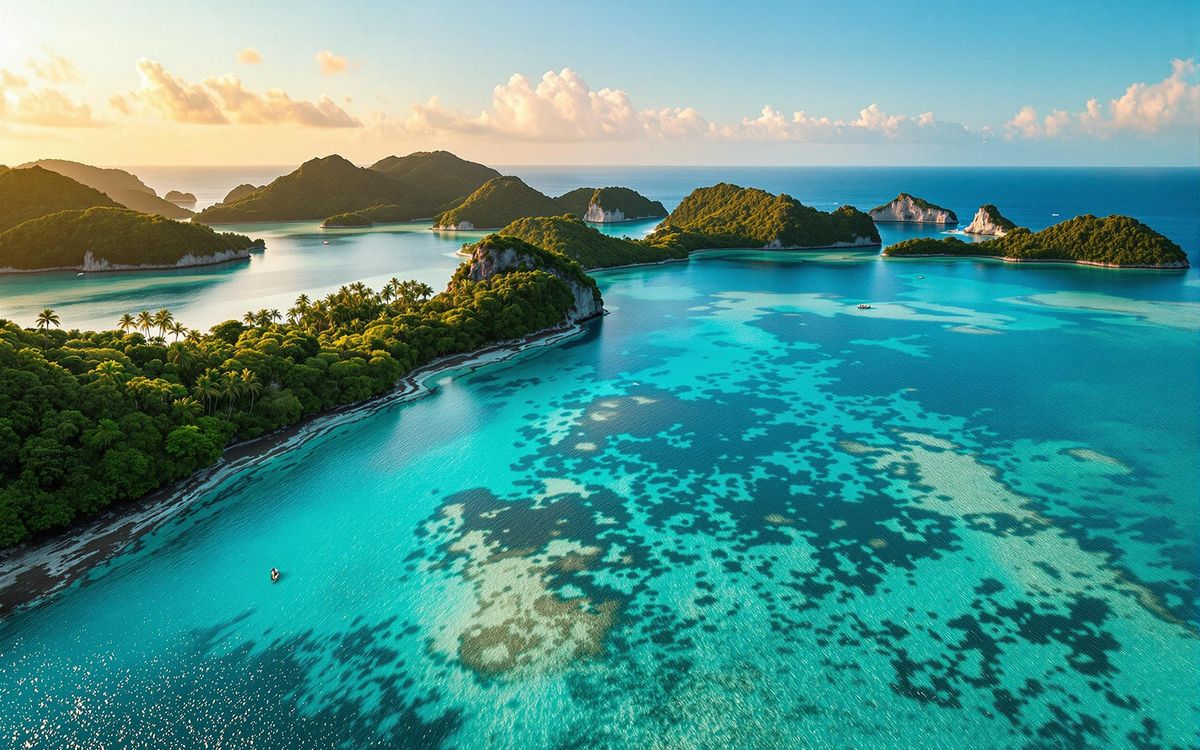
Palau, an archipelago of over 500 islands, isn't just another idyllic tropical destination; it's a living testament to the power of sustainable practices. The nationu2019s commitment to preserving its unparalleled marine ecosystem and rich cultural heritage has made it a global leader in responsible tourism. From the revolutionary Palau Pledge to the vast Palau National Marine Sanctuary, every initiative is designed to ensure that tourism benefits, rather than burdens, this island nation.
A Pledge for Paradise: The Palau Pledge and Responsible Tourism
The journey to sustainable tourism in Palau begins before you even set foot on its shores. The Palau Pledge, a unique immigration policy, requires all visitors to sign a commitment to protect the nation's environment. This isn't a symbolic gesture; it's a legally binding agreement, imprinted directly onto the arrival card, compelling visitors to acknowledge their responsibility towards Palau's natural heritage.
The genesis of the Palau Pledge lies in the Palauan concept of stewardship, deeply rooted in its traditional values. Concepts like 'Bul', which signifies a resource restriction implemented to allow for regeneration, and 'Mengereomel', a practice of conservation through replanting, resonate throughout Palauan society. These age-old customs highlight a profound understanding of the delicate balance between human activity and environmental preservation.
Arriving in Palau, the air is thick with the scent of salt and frangipani. The turquoise waters shimmer under the tropical sun, beckoning you to explore their depths. As you sign the Palau Pledge, a sense of responsibility washes over you. Itu2019s more than just a formality; it's a personal commitment to ensuring that this paradise remains pristine for generations to come. The pledge, written by Palauan children, reinforces the message that protecting their home is a shared responsibility.
The Responsible Tourism Education Act of 2018 further solidifies this commitment. This act mandates that all tourism businesses provide environmental education to their guests, ensuring that visitors are well-informed about Palau's conservation efforts and how they can contribute. From dive operators explaining reef etiquette to hotels promoting eco-friendly practices, every aspect of the tourism industry is aligned with sustainability.

u201cThe Palau Pledge has been incredibly effective in raising awareness and changing visitor behavior,u201d explains a representative from the Palau Visitors Authority (PVA). u201cWe've seen a significant increase in responsible tourism practices, with visitors actively participating in conservation efforts and respecting our cultural values. Our future plans involve expanding the Pledge to include online platforms and incorporating interactive educational programs.u201d
Palau's commitment to responsible tourism extends beyond the Pledge. The nation actively promotes eco-friendly accommodations, supports local businesses committed to sustainability, and invests in renewable energy sources. This holistic approach ensures that tourism benefits the environment, the economy, and the local community.
Palau's dedication to sustainability sets it apart as a global leader. By prioritizing conservation and empowering its citizens, Palau is demonstrating that tourism and environmental protection can coexist harmoniously. It's a model for other nations to emulate, proving that a commitment to responsible practices can preserve paradise for future generations.
Guardians of the Reef: Exploring the Palau National Marine Sanctuary
In 2015, Palau took its commitment to marine conservation to an unprecedented level with the establishment of the Palau National Marine Sanctuary (PNMS). Fully implemented in 2020, the PNMS protects 80% of Palau's Exclusive Economic Zone (EEZ), an area spanning 500,000 square kilometers, making it one of the largest marine protected areas in the world.
The sanctuary operates under a 'no-take' zone policy, prohibiting all fishing and extractive activities within its boundaries. This bold decision reflects the Palauan tradition of 'bul', a customary practice of placing temporary restrictions on resource use to allow for regeneration. By extending this tradition to a vast marine area, Palau is ensuring the long-term health and resilience of its ocean ecosystem.
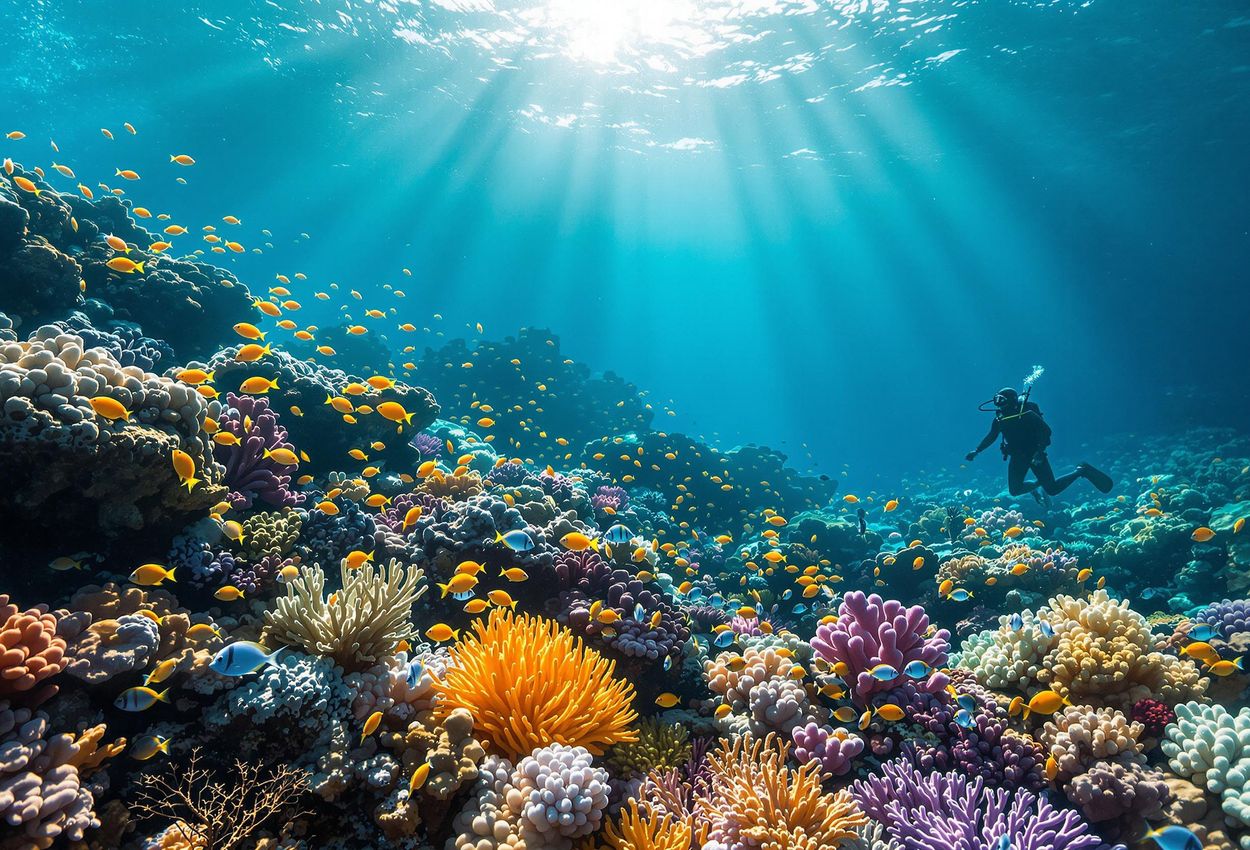
The PNMS is a biodiversity hotspot, teeming with an astonishing array of marine life. Sharks, dugongs, manta rays, and Napoleon wrasse are just a few of the iconic species that call this sanctuary home. The coral reefs within the PNMS are among the most diverse and viant on Earth, providing habitat for countless fish species and inverteates.
Diving or snorkeling in the PNMS is an unforgettable experience. Descending into the crystal-clear waters, you are immediately enveloped by a kaleidoscope of colors. Schools of shimmering fish dart through the coral gardens, while larger predators patrol the reef edges. The sounds of the ocean u2013 the gentle lapping of waves, the clicking of crustaceans, the distant calls of seabirds u2013 create a symphony of nature. The feeling of being surrounded by such pristine beauty is both humbling and exhilarating.
u201cThe PNMS has had a significant impact on marine biodiversity,u201d says a conservationist from the Palau International Coral Reef Center (PICRC). u201cWe've seen an increase in fish biomass and coral cover within the sanctuary, indicating that the 'no-take' policy is working. However, managing such a vast protected area presents numerous challenges, including illegal fishing, climate change impacts, and the need for effective monitoring and enforcement.u201d
The PNMS has partnered with the National Marine Sanctuary of American Samoa to share expertise and resources, strengthening its capacity for effective management. This collaboration highlights the importance of international cooperation in addressing global conservation challenges.
Beyond its ecological benefits, the PNMS also generates significant economic returns. Increased tourism revenue, driven by the sanctuary's pristine marine environment, supports local businesses and creates employment opportunities. Sustainable fishing practices in the remaining 20% of the EEZ ensure that local communities continue to benefit from the ocean's resources.
The PNMS is a testament to Palau's unwavering commitment to marine conservation. By protecting its ocean ecosystem, Palau is safeguarding its natural heritage, supporting its economy, and inspiring other nations to follow suit. It's a model for how marine protected areas can contribute to both environmental sustainability and economic prosperity.
Balancing Act: Community-Driven Tourism in Palau's Sixteen States
Palau's commitment to sustainable tourism extends beyond national policies to the grassroots level, with its sixteen states playing a crucial role in shaping tourism policies. The Palau Development Plan underscores the importance of community input in environmental and cultural protection, ensuring that local voices are heard and respected.
Each of Palau's sixteen states boasts unique cultural experiences and eco-friendly activities, offering visitors a diverse range of opportunities to connect with the local community and environment. From kayaking through mangrove forests to exploring ancient historical sites, each state offers a distinct perspective on Palauan culture and natural beauty.
Visiting a local village in Palau is an immersive experience. The air is filled with the sounds of laughter, the aroma of traditional cooking, and the sight of viant colors. Participating in a traditional Palauan activity, such as weaving baskets or learning traditional dances, provides a deeper understanding of the nation's cultural heritage. Tasting local cuisine, prepared with fresh, locally sourced ingredients, is a culinary journey that tantalizes the senses.
u201cTourism has ought both benefits and challenges to our community,u201d explains a local community leader. u201cIt has created jobs and generated income, but it has also put pressure on our resources and cultural traditions. We are working closely with the Palau Visitors Authority to ensure that tourism benefits our community and preserves our cultural heritage.u201d
Community-based tourism initiatives empower local residents to take ownership of the tourism industry, ensuring that its benefits are shared equitably. These initiatives often focus on preserving cultural traditions, protecting natural resources, and promoting sustainable practices.

The Palau Visitors Authority (PVA) plays a vital role in connecting the tourism industry with local communities. The PVA facilitates communication, provides training and resources, and promotes community-based tourism initiatives. This collaborative approach ensures that tourism benefits local residents and preserves Palauan culture.
Carbon Neutral Ambitions: Palau's Sustainable Travel Initiative
Palau has set an ambitious goal: to become the world's first carbon-neutral tourism destination. In partnership with Sustainable Travel International and Slow Food, Palau is implementing a comprehensive strategy to neutralize tourism's carbon footprint, improve local food production, increase food security, empower women, and conserve coastal ecosystems.
This initiative recognizes that tourism, while beneficial to the economy, can also contribute to carbon emissions through transportation, accommodation, and other activities. To address this challenge, Palau is investing in renewable energy sources, promoting energy-efficient practices, and encouraging visitors to offset their carbon footprint through contributions to conservation projects.
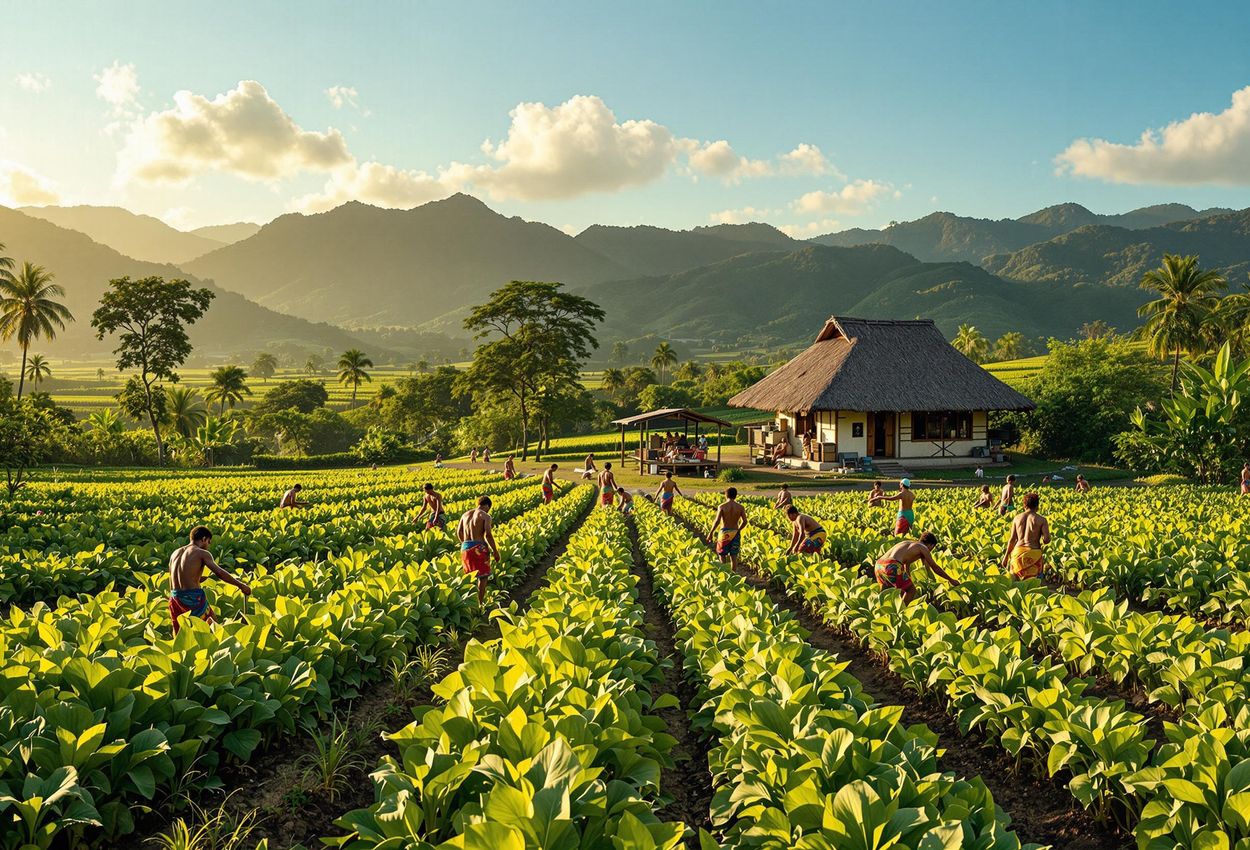
Visiting a local farm in Palau is an eye-opening experience. The air is fresh and clean, the soil is rich and fertile, and the crops are bursting with flavor. Participating in sustainable agriculture practices, such as composting and water conservation, provides a hands-on understanding of the importance of environmental stewardship. Tasting locally sourced food, prepared with traditional methods, is a culinary delight that connects you to the land and its people.
u201cOur carbon-neutral initiative is a critical step towards ensuring the long-term sustainability of our tourism industry,u201d explains a representative from the Palau Bureau of Tourism. u201cWe are working closely with our partners to reduce our carbon footprint, promote sustainable practices, and empower our local communities. We believe that by prioritizing sustainability, we can create a tourism industry that benefits both our environment and our economy.u201d
Achieving carbon neutrality presents numerous challenges, including the need for significant investment in renewable energy infrastructure, the adoption of sustainable practices across the tourism industry, and the engagement of visitors in offsetting their carbon footprint. Palau is addressing these challenges through a combination of policy initiatives, public awareness campaigns, and partnerships with international organizations.
Palau's commitment to sustainable tourism is a testament to its vision, its resilience, and its unwavering dedication to preserving its natural and cultural heritage. By emacing responsible practices, empowering local communities, and investing in a sustainable future, Palau is demonstrating that tourism can be a force for good, benefiting both the environment and the economy. As visitors, we have a responsibility to support Palau's efforts by respecting its environment, engaging with its culture, and contributing to its sustainable tourism initiatives. Together, we can ensure that Palau remains a paradise for generations to come.