Plan Sustainably, Dream Responsibly
The allure of a coastal vacation is undeniable: the rhythmic crash of waves, the sun-kissed skin, and the salty air. But beneath the idyllic surface lies a responsibility u2013 to protect these fragile ecosystems we so eagerly seek. Sustainable travel begins long before you dip your toes in the sand; it starts with mindful planning.
Before you even consider booking that flight, dedicate time to researching eco-friendly accommodations. Look beyond the glossy ochures and delve into their sustainability practices. Do they boast LEED, Green Key, or EarthCheck certifications? These aren't just buzzwords; they signify a commitment to minimizing environmental impact. In bustling Miami, serene Jamaica, or laid-back Oceanside, CA, these certifications can guide you towards hotels genuinely invested in conservation. Consider the carbon footprint of your journey to the destination.
Opting for locally-owned guesthouses, such as those found dotting the shores of the Gili Islands, Indonesia, not only provides an authentic cultural experience but also directly supports the local economy. Seek out accommodations that actively engage in water and energy conservation. Do they use solar power? Do they have water-saving initiatives in place? These small details add up to a significant impact. Furthermore, choose hotels that demonstrably contribute to local communities and environmental conservation projects. A growing number of establishments are partnering with local organizations to protect the very environments that draw tourists in the first place.
For example, the 1 Hotel South Beach in Miami is renowned for its commitment to sustainability, incorporating reclaimed materials in its design and implementing various energy-efficient practices. Similarly, the Half Moon Resort in Jamaica has long been a champion of environmental stewardship, with initiatives ranging from rainwater harvesting to supporting local conservation efforts. By choosing such establishments, you're not just booking a room; you're investing in a more sustainable future for coastal destinations. Consider accommodations that offer bike rentals to explore the surrounding areas. This reduces your reliance on cars and allows you to immerse yourself in the local environment at a slower, more appreciative pace. Think about the legacy you want to leave behind. By planning sustainably, you can transform your coastal vacation from a fleeting escape into a force for good. Choosing a hotel that is near public transport will reduce your reliance on taxis.

Pack Light, Travel ight
The art of packing light is not just about avoiding baggage fees; it's a powerful tool for minimizing your carbon footprint. Every item you ing contributes to the overall weight of the aircraft, which in turn affects fuel consumption. But beyond the weight factor, mindful packing also means choosing items that are gentle on the environment. A pivotal aspect of sustainable packing is emacing reusable items. Ditch the single-use plastics and invest in a durable, reusable water bottle. Carry a set of reusable shopping bags for your market visits and souvenir hunts. Pack a set of reusable utensils to avoid disposable cutlery when grabbing a quick bite on the go. These small changes can drastically reduce the amount of waste you generate during your trip.
When it comes to protecting yourself from the sun's rays, choose reef-safe sunscreen. Traditional sunscreens often contain chemicals like oxybenzone and octinoxate, which are known to harm coral reefs. Instead, opt for mineral-based sunscreens with non-nano zinc oxide as the active ingredient. ands like Maui Surfer Honey, ThinkSport, and Badger offer excellent reef-safe options. Remember, protecting our oceans is just as important as protecting your skin.
Consider packing solid toiletries such as shampoo bars, conditioner bars, and solid soap. These not only minimize plastic waste but also take up less space and are less likely to leak in your luggage. Many companies now offer high-quality solid toiletries that are just as effective as their liquid counterparts. Another sustainable packing tip is to choose clothing made from recycled materials. Many ands now offer stylish and comfortable clothing made from recycled plastic bottles or other recycled materials. By choosing these items, you're supporting companies that are committed to reducing waste and promoting sustainability. When packing, consider the activities you'll be participating in and choose versatile clothing items that can be mixed and matched. This will help you minimize the number of items you need to ing, reducing your overall carbon footprint. Consider rolling your clothes instead of folding them to maximize space and minimize wrinkles. This will allow you to pack more efficiently and ing fewer items. Finally, before you zip up your suitcase, take a moment to review everything you've packed. Ask yourself if you really need each item and if there are any unnecessary items you can leave behind. By being mindful of your packing choices, you can significantly reduce your environmental impact and travel more sustainably.

Dine Responsibly, Savor Locally
Food is an integral part of any travel experience, but it also presents an opportunity to make sustainable choices. By dining responsibly and savoring local flavors, you can support local communities, reduce your environmental impact, and enjoy a more authentic culinary experience. Seek out farm-to-table restaurants that prioritize sourcing local, organic ingredients. These restaurants not only offer fresher, more flavorful meals but also support local farmers and reduce the carbon footprint associated with transporting food over long distances. Areas like Virginia Beach, VA, and the Vanilla Islands are known for their thriving farm-to-table scenes.
Emace plant-based meals whenever possible. Reducing your meat consumption is one of the most impactful ways to lower your environmental footprint. Plant-based meals are often lower in calories and saturated fat, and they require fewer resources to produce than meat-based meals. Explore the local vegetarian and vegan options, and you might discover some unexpected culinary delights. Be mindful of food waste. Order only what you can realistically eat, and don't be afraid to ask for a doggy bag to take leftovers with you. Food waste is a major environmental problem, contributing to greenhouse gas emissions and wasting valuable resources. By reducing food waste, you can help minimize your impact. When it comes to seafood, make sustainable choices. Check for eco-certifications like the Marine Stewardship Council (MSC) and the Aquaculture Stewardship Council (ASC), which indicate that the seafood has been harvested or farmed sustainably. Support local fisheries that employ responsible fishing methods, and ask restaurants about their seafood sourcing practices. Opt for sustainable seafood choices like farmed salmon with improved aquaculture practices. These practices prioritize environmental sustainability and animal welfare. Avoid ordering seafood that is known to be overfished or caught using destructive fishing methods. Before dining out, research restaurants in the area that prioritize sustainability and local sourcing. Look for restaurants that have received awards or certifications for their sustainability efforts. Check online reviews to see what other diners have to say about the restaurant's sustainability practices. Consider packing your own reusable containers for taking leftovers or packing snacks for the road. This will help you avoid using disposable containers and reduce waste. By making conscious choices about where you eat and what you order, you can enjoy a delicious and sustainable dining experience on your coastal vacation.
Consider visiting local farmers' markets to purchase fresh, seasonal ingredients for your own meals. This is a great way to support local farmers and experience the flavors of the region. When cooking your own meals, be mindful of portion sizes to avoid food waste.

Respect Wildlife, Observe Gently
Coastal ecosystems are teeming with life, from playful dolphins to majestic sea turtles. As visitors, it's our responsibility to respect these creatures and their habitats, ensuring that our presence doesn't disrupt their natural behaviors. Be aware of fragile ecosystems in the areas you visit. The Geopark Schelde Delta estuaries and the coral reefs in Hawaii are just two examples of delicate environments that require our utmost care. Always keep a safe distance from animals, whether it's sea turtles nesting on the beach or migratory birds feeding in the wetlands. Observe them from afar, using binoculars or a telephoto lens to get a closer look without disturbing them. Avoid feeding wild animals, as this can alter their natural foraging behaviors and make them dependent on humans. When participating in marine activities, choose tour operators that are committed to eco-friendly practices. Look for operators that follow responsible wildlife viewing guidelines, use low-impact boats, and educate their guests about the local ecosystem. Avoid operators that harass or disturb marine life. Practice Leave No Trace principles. Pack out everything you pack in, and leave the area as you found it. Avoid touching or disturbing coral reefs, and be mindful of your footsteps in sensitive areas like sand dunes and salt marshes. Consider volunteering for coastal cleanup events. This is a great way to give back to the community and help protect the marine environment. Organizations in areas like Oceanside, CA often organize regular beach cleanups that are open to volunteers. Before visiting a coastal area, research the local wildlife and their habitats. Learn about the potential impacts of tourism on these ecosystems, and be prepared to adjust your behavior accordingly. Be aware of any regulations or guidelines that are in place to protect wildlife. Respect any closures or restrictions that are in place to protect nesting sites or other sensitive areas. Report any instances of wildlife harassment or disturbance to the appropriate authorities. By reporting these incidents, you can help ensure that wildlife is protected from harm. Support organizations that are working to protect coastal ecosystems and wildlife. Donate to conservation groups, volunteer your time, or simply spread awareness about the importance of protecting these valuable resources. By working together, we can ensure that future generations can enjoy the beauty and wonder of coastal ecosystems.

Offset Your Journey, Emace the Air
Air travel, while convenient, is a significant contributor to greenhouse gas emissions. Offsetting your carbon footprint is a way to mitigate the environmental impact of your journey, investing in projects that reduce or remove carbon dioxide from the atmosphere. Many airlines, such as American Airlines and KLM, offer carbon offset programs that allow you to purchase offsets when you book your flight. These programs typically invest in projects that reduce greenhouse gas emissions, such as renewable energy, reforestation, and energy efficiency. You can also purchase carbon offsets through independent organizations like The Ocean Foundation's SeaGrass Grow Program and Wren. These organizations often support a wider range of carbon offset projects, including blue carbon ecosystems like mangroves and seagrasses, which are particularly effective at sequestering carbon dioxide.
When choosing a carbon offset project, look for projects that are certified by reputable organizations like the Gold Standard or the Verified Carbon Standard. These certifications ensure that the projects are actually reducing greenhouse gas emissions and that they are being managed in a sustainable way. Consider supporting projects that not only reduce carbon emissions but also provide other environmental and social benefits, such as protecting biodiversity or improving livelihoods. Whenever possible, opt for lower-impact transportation options. Use public transport, cycling, or walking instead of driving. These options are not only more sustainable but also allow you to experience your destination in a more immersive way. Explore destinations that promote low-impact activities like hiking and snorkeling in protected areas. Bonaire, for example, is renowned for its commitment to sustainable tourism and offers a wide range of low-impact activities. Before your trip, calculate your carbon footprint using an online carbon calculator. This will give you a better understanding of the environmental impact of your travel and help you determine how many carbon offsets you need to purchase. Consider making a donation to a local environmental organization in your destination. This is a great way to support conservation efforts and give back to the community. Spread awareness about the importance of carbon offsetting and sustainable travel. Talk to your friends and family about the steps they can take to reduce their environmental impact when traveling. By taking these steps, you can help mitigate the environmental impact of your journey and contribute to a more sustainable future for travel. Before booking your trip, research the carbon footprint of different transportation options. Consider taking a train or bus instead of flying, if possible. When you arrive at your destination, explore the local area on foot or by bicycle. This is a great way to reduce your carbon footprint and experience the destination in a more immersive way.

Support Communities, Shop Mindfully
Travel is an exchange, not just of currency but also of cultures and experiences. By supporting local communities and shopping mindfully, you can ensure that your travels benefit the people and places you visit. Prioritize buying locally-made products and souvenirs. This supports local artisans and businesses, helping to keep traditional crafts alive and boosting the local economy. Look for items made from sustainable materials, such as recycled paper, bamboo, or locally sourced wood. Avoid products made from endangered species or coral, as these contribute to the destruction of fragile ecosystems. Staying in locally-owned accommodations, such as guesthouses in Costa Rica, is another great way to support local communities. These accommodations are often more environmentally friendly than large chain hotels, and they provide a more authentic cultural experience. Using local tour operators ensures that your money stays in the community and supports local jobs. Look for tour operators that are committed to sustainable tourism practices and that prioritize the well-being of the local community.
Support initiatives that support local economies. Best In Travel's collaboration with local guides and artisans is a great example of how tourism can be used to empower local communities. Before you go shopping, research the local crafts and traditions of your destination. This will help you identify authentic souvenirs and avoid buying mass-produced items that are not actually made locally. Be respectful of local customs and traditions when shopping. Avoid haggling aggressively, and be prepared to pay a fair price for goods and services. Consider volunteering your time with a local organization. This is a great way to give back to the community and learn more about the local culture. Spread awareness about the importance of supporting local communities and shopping mindfully. Talk to your friends and family about the steps they can take to travel more responsibly. Before you travel, research the local economy and identify ways to support local businesses. Consider purchasing a guidebook or map that is produced by a local company. When you arrive at your destination, visit local markets and craft fairs to find unique souvenirs and support local artisans. Be aware of the potential impacts of tourism on local communities. Avoid contributing to overtourism by visiting popular destinations during the off-season or by exploring lesser-known areas. By taking these steps, you can help ensure that your travels benefit the people and places you visit. Consider taking a cooking class to learn about local cuisine and support local chefs. This is a great way to experience the local culture and learn new skills. When dining out, choose restaurants that source their ingredients locally and support local farmers.

Reduce Plastics, Love the Seas
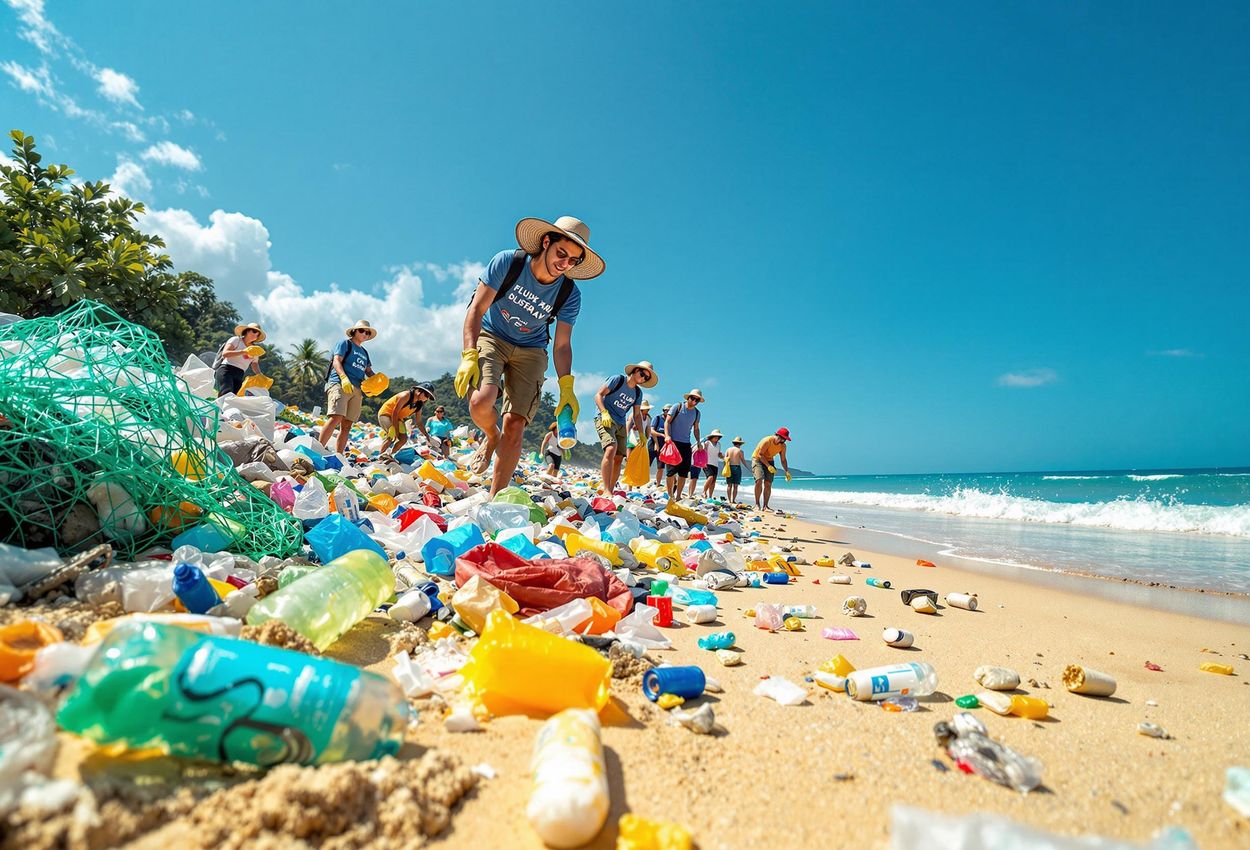
Plastic pollution is one of the most pressing environmental issues facing our oceans today. By minimizing your plastic use and waste, you can help protect marine life and preserve the beauty of our coastlines. ing reusable items with you on your trip, such as water bottles, straws, shopping bags, and cutlery. These items will help you avoid using single-use plastics that can end up in the ocean. Skip single-use plastics whenever possible. Opt for reusable alternatives like bamboo utensils, wax paper, and reusable food containers. Say no to plastic straws, and ing your own reusable straw instead. Support destinations with plastic bans. The Gili Islands, for example, have banned single-use plastics in an effort to reduce pollution. Support organizations that are working to reduce plastic pollution, such as the Alliance for the Great Lakes and Sustainable Coastlines Hawaii.
Participate in beach cleanups. This is a great way to give back to the community and help remove plastic pollution from our coastlines. Support initiatives to reduce solid waste production. This includes composting, recycling, and reducing your overall consumption. Before you go shopping, make a list of the items you need and avoid buying impulse purchases that you don't really need. Choose products that are packaged in sustainable materials, such as glass, paper, or cardboard. Avoid products that are packaged in plastic. When you are finished with a plastic item, recycle it properly. If recycling is not available, dispose of the item responsibly. Educate yourself about the different types of plastic and their environmental impacts. This will help you make informed choices about which plastics to avoid. Spread awareness about the importance of reducing plastic pollution. Talk to your friends and family about the steps they can take to reduce their plastic consumption. Before you travel, research the local recycling programs and waste management practices. This will help you dispose of your waste responsibly. When you are at the beach, be mindful of your surroundings and avoid littering. Pick up any trash you see, even if it's not yours. By taking these steps, you can help reduce plastic pollution and protect our oceans. Consider using reusable beeswax wraps instead of plastic wrap to store food. This is a sustainable and eco-friendly alternative. When ordering takeout food, ask for your meal to be packaged in reusable containers. If reusable containers are not available, choose takeout restaurants that use sustainable packaging materials. By taking these steps, you can help reduce plastic pollution and protect our oceans. Consider supporting local businesses that are committed to reducing plastic waste. Look for businesses that offer discounts for customers who ing their own reusable bags or containers.