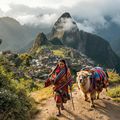
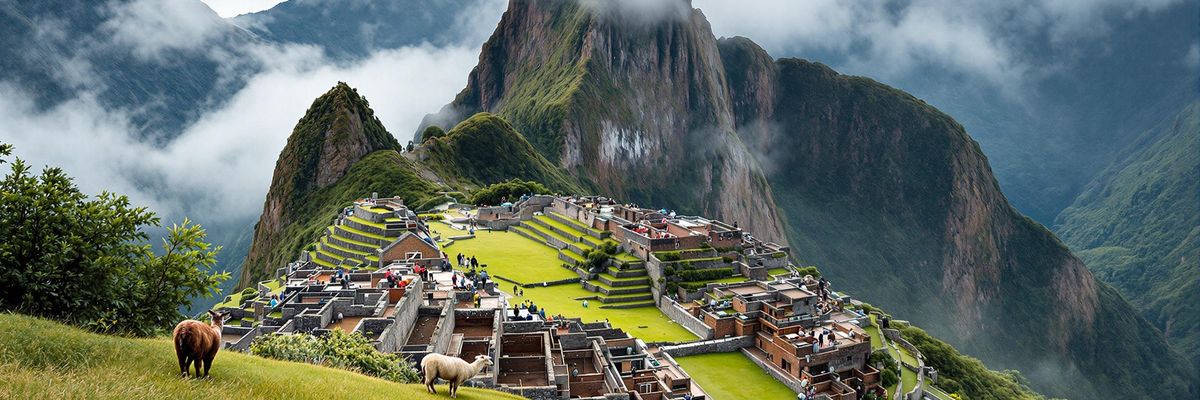
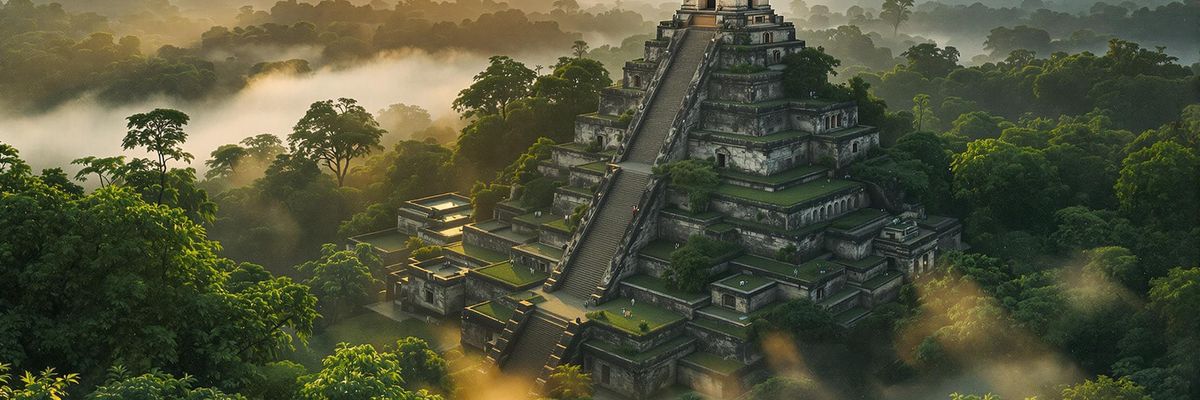
The Inca Trail, a legendary path to the mystical citadel of Machu Picchu, beckons travelers with its rich history and breathtaking landscapes. But as tourism increases, preserving this ancient route for future generations becomes paramount. This reimagined Inca Trail experience prioritizes sustainability and cultural immersion, offering a responsible and enriching adventure.
The Inca Trail is more than just a trek; it's a journey through time, connecting the imperial capital of Cusco to the sacred city of Machu Picchu. These stones laid by the Inca civilization mark not only a physical journey but also a spiritual passage. Recognized as a UNESCO World Heritage Site in 1983, both the Inca Trail and Machu Picchu are acknowledged for their exceptional cultural significance and biodiversity. The trail winds through diverse landscapes, passing ancient ruins and terraced fields, providing a tangible link to the past. However, the rise in tourism has presented challenges, including environmental degradation, waste accumulation, and the exploitation of porters. Today, a limit of 500 people per day, including hikers and support staff, ensures a balance between preservation and access.
The need for sustainable tourism is clear. Uncontrolled tourism, which once saw up to 1,500 people trekking each day, led to severe environmental damage, including trail erosion and damage to archaeological sites. The impact extended beyond the environment, with porters facing exploitative conditions and unregulated camping threatening historical structures. To combat these issues, the Peruvian government implemented strict regulations in 2001, including daily quotas, mandatory licensed guides, and designated campsites. These measures have been transformative, making the Inca Trail a model for responsible tourism management.

Practical steps can be taken to ensure a sustainable trek. Reducing plastic use is crucial; opt for reusable water bottles and containers. Proper waste disposal is essential, adhering to the 'Leave No Trace' principles to minimize environmental impact. Tour operators committed to sustainability often provide garbage bags and encourage trekkers to pack out all waste. Eco-friendly camping practices, such as using biodegradable soap and minimizing campfires, further reduce your footprint. By choosing responsible hiking practices, every visitor becomes a guardian of the Inca Trail, helping ensure its beauty and significance endures for generations.
Respecting wildlife is also paramount. The Historic Sanctuary of Machu Picchu is home to a diverse array of flora and fauna. It is important to observe animals from a distance and avoid feeding them. Refrain from uprooting plants or altering the natural environment. The Andean culture often views the natural environment as having a soul or spirit, so respecting the flora and fauna is a sign of reverence.
A Sustainable Footprint: Eco-Conscious Trekking
Planning a sustainable trek involves several key considerations, starting with minimizing waste.
Reducing plastic consumption is crucial. Carry a reusable water bottle and refill it whenever possible. Avoid single-use plastics by bringing your own containers for snacks and meals. When purchasing supplies, choose products with minimal packaging or opt for items packaged in biodegradable materials. By making conscious choices, you can significantly reduce the amount of waste you generate on the trail.
Proper waste disposal is equally important. Adhere to the 'Leave No Trace' principles by packing out everything you pack in. Use the garbage bags provided by tour operators and dispose of waste responsibly in designated areas. Avoid burying or burning trash, as this can contaminate the soil and harm wildlife. If you encounter trash left by others, consider picking it up to help keep the trail clean.
Choosing eco-friendly products is another way to minimize your impact. Opt for biodegradable soaps, shampoos, and detergents. These products break down more easily in the environment, reducing the risk of pollution. When using toilet paper, bury it in a small hole away from water sources. Avoid using wet wipes, as they often contain plastic and take a long time to decompose.
Selecting a tour operator committed to sustainability is essential. Look for companies that prioritize environmental protection and support local communities. These operators often implement eco-friendly camping practices, such as using solar power and composting food waste. They also ensure that porters are treated ethically and paid fair wages. By choosing a responsible tour operator, you can be confident that your trek is contributing to the preservation of the Inca Trail.

Cultural Immersion: Connecting with Andean Communities
The Inca Trail offers unparalleled opportunities for cultural immersion, allowing trekkers to connect with local Andean communities and learn about their traditions.
Engaging with local guides is a meaningful way to learn about the history and culture of the region. These guides often come from nearby communities and possess extensive knowledge of the Inca civilization and its customs. They can share stories, legends, and insights that bring the trail to life. By hiring local guides, you support their livelihoods and contribute to the economic well-being of their communities.
Supporting local artisans and businesses is another way to immerse yourself in the culture. Along the trail, you may encounter artisans selling handmade crafts, such as textiles, ceramics, and jewelry. Purchasing these items directly supports the artisans and helps preserve their traditional skills. Consider buying souvenirs from local shops and markets instead of large chain stores. This ensures that your money stays within the community and benefits local families.
Participating in traditional practices provides a deeper understanding of Andean culture. Some tour operators offer opportunities to visit local farms and learn about traditional agricultural techniques. You may have the chance to help with planting or harvesting crops, gaining firsthand experience of the challenges and rewards of farming in the Andes. You can also learn about traditional weaving techniques and try your hand at creating your own textiles.
Respecting the Quechua culture is essential. The Quechua people are the descendants of the Incas and have maintained many of their traditions and beliefs. Learn a few basic Quechua phrases to show your respect and interest in their culture. Be mindful of local customs and traditions, such as dress codes and etiquette. Ask permission before taking photos of people or their property. By showing respect for the Quechua culture, you can build meaningful connections and create lasting memories.
Many cultural immersion programs offer opportunities to live with local families, attend interactive seminars, visit cultural and historical sites, work alongside families and farmers, participate in volunteer service, and trek to Machu Picchu.

Flora and Fauna: Discovering the Andes' Biodiversity
The Andes Mountains are a treasure trove of biodiversity, boasting unique flora and fauna adapted to the high-altitude environment.
The diverse ecosystems range from cloud forests to mountain peaks, each supporting a distinct array of species. Cloud forests, found at elevations between 800 and 3,500 meters, are characterized by their dense vegetation and persistent mist. These forests are home to a variety of orchids, bromeliads, and ferns, as well as numerous bird species, such as the Andean cock-of-the-rock. Mountain peaks, reaching altitudes of over 4,000 meters, are characterized by their sparse vegetation and harsh conditions. These areas are home to hardy plants, such as grasses and lichens, as well as animals adapted to the cold, such as the Andean condor and the vicuña.
Specific species highlight the region's unique biodiversity. The Andean condor, one of the largest flying birds in the world, soars above the mountain peaks, scavenging for food. The cock-of-the-rock, Peru's national bird, displays its vibrant red plumage in the cloud forests. Various orchid species, adapted to the humid climate, add splashes of color to the landscape. Llamas and alpacas, domesticated by pre-Inca cultures, graze on the lower slopes, providing food and transportation.
Adaptations of plants and animals to the high-altitude environment are remarkable. Plants have developed strategies to cope with the thin air, intense sunlight, and cold temperatures. Some plants have small leaves to reduce water loss, while others have thick stems to store water. Animals have adapted to the low oxygen levels by developing larger lungs and more efficient respiratory systems.
The Tropical Andes is considered the most biodiverse region in the world. It contains about one-sixth of all plant life on the planet, including 30,000 species of vascular plants. The region also has the largest variety of amphibian, bird and mammal species.

Luxury with a Conscience: High-End Sustainable Tours
Experiencing the Inca Trail with a touch of luxury doesn't have to compromise sustainability.
Gourmet meals prepared with local ingredients offer a culinary delight while supporting local farmers. Many tour operators work with communities to source fresh produce, ensuring that meals are both delicious and sustainable. These meals often feature traditional Andean dishes, providing a taste of the local culture. By choosing tours that prioritize local ingredients, you can reduce your carbon footprint and support the regional economy.
Comfortable eco-lodges provide a relaxing retreat without harming the environment. These lodges often use sustainable materials, such as bamboo and adobe, and employ eco-friendly practices, such as solar power and rainwater harvesting. They also work with local communities to provide employment and support conservation efforts. By staying in eco-lodges, you can enjoy a comfortable experience while minimizing your environmental impact.
Personalized service ensures minimal environmental impact. Some tour operators offer small-group tours with a high guide-to-trekker ratio, allowing for more personalized attention and a reduced impact on the trail. These tours often include experienced guides who are knowledgeable about the local environment and culture. By choosing a personalized tour, you can ensure that your trek is both enriching and sustainable.
Glamping experiences offer a unique way to enjoy the outdoors without sacrificing comfort. Sustainable materials and practices, such as eco-friendly tents and composting toilets, minimize the environmental impact. Glamping sites often provide comfortable beds, hot showers, and gourmet meals, allowing you to relax and rejuvenate after a day of trekking.
Several companies offer luxury Inca Trail tours designed to provide an intimate experience with nature and history. These tours often include visits to less-visited Incan sites and breathtaking campsites, allowing you to stay away from the crowds. You can also enjoy gourmet meals prepared with hand-picked ingredients by master chefs specializing in camping meals.

The Porter's Perspective: Ethical Treatment and Fair Wages
The ethical treatment of porters is a critical aspect of sustainable tourism on the Inca Trail.
Porters face numerous challenges, including carrying heavy loads at high altitudes, working long hours, and enduring harsh weather conditions. Regulations are in place to protect their rights, but enforcement can be inconsistent. It is important to choose tour operators that prioritize porter welfare and provide proper gear, compensation, and working conditions.
Tour operators that prioritize porter welfare ensure they receive fair wages, proper gear, and adequate food and shelter. They also limit the weight porters are required to carry and provide them with health insurance and accident insurance policies. By supporting these operators, you contribute to improving the lives of porters and their families.
The 'Porter's Law' in Peru aims to protect porters' rights by ensuring they receive fair payment, health insurance, and accident insurance. The law also stipulates the maximum weight porters can carry and requires tour operators to provide them with proper gear and shelter. However, despite these regulations, some tour operators continue to exploit porters.
Choosing a responsible tour operator is the best way to ensure porters are treated ethically. Look for companies that are transparent about their labor practices and committed to porter welfare. Read reviews and ask questions to ensure the operator is reputable and treats its porters with respect. By making informed choices, you can help create a more just and sustainable tourism industry.
It is important to show porters proper respect by thanking them verbally and offering a tip. Engaging with them along the trek and showing genuine appreciation for their hard work can make them feel valued.
Preserving the Past: Restoration and Conservation Efforts
Ongoing efforts are crucial to restore and conserve the Inca Trail and Machu Picchu for future generations.
Sustainable materials and low-impact equipment minimize the environmental impact of restoration work. Construction of retaining walls and slopes stabilizes the area and prevents future erosion. Workers lay stones to reinforce platforms and refurbish stone pathways and staircases, ensuring safe and accessible routes for visitors.
Waste management programs ensure responsible disposal of waste. A strict 'Leave No Trace' policy ensures that all waste is carefully managed, either recycled or carried out. Sustainable materials are integral, with tents, sleeping bags, and camping gear chosen for their eco-friendly properties.
UNESCO and the Peruvian government play a vital role in preserving the site. UNESCO recognized both the Inca Trail and Machu Picchu as a Cultural and Natural World Heritage Site in 1983. The Peruvian government implements regulations to protect the trail, such as daily visitor quotas and mandatory licensed guides.
The director of Machu Picchu Sanctuary has announced that the trail will close for maintenance, conservation, and cleaning work. Specialists and technicians will tamp down the route, attend to the drainage system, reforest affected areas, undertake conservation work on archaeological monuments and sites, cut overgrown vegetation, and renovate campsites and hygienic services.
In 2024, a major reforestation initiative was launched to preserve the trail's natural beauty and historical significance. The initiative focuses on reintroducing native plant species, improving soil quality, and engaging local communities.

Beyond the Trail: Exploring Alternative Routes
Alternative trekking routes to Machu Picchu offer unique experiences and reduce pressure on the Inca Trail.
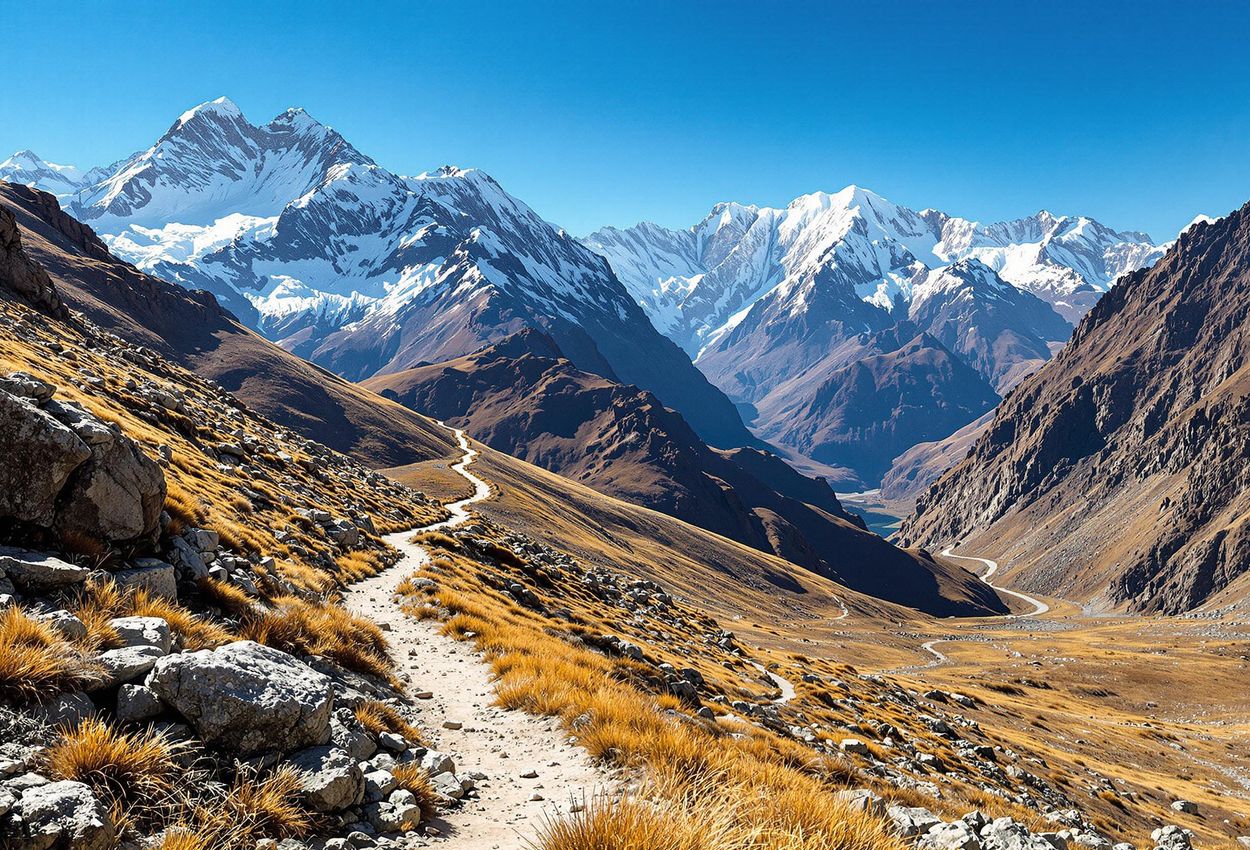
The Salkantay Trek is known for its stunning mountain scenery. It is the most popular alternative trek to Machu Picchu. The route provides unparalleled views of the snow-capped Mount Salkantay and offers a diverse range of scenic views. The trek typically takes 5 days to complete, with two additional days spent acclimatizing and exploring Cusco.
The Lares Trek offers an authentic Andean cultural experience. The trail goes through a number of fascinating and unique local villages, some of which have remained unchanged for hundreds of years. Trekkers will meet and interact with local farmers and weavers wearing their traditional Andean clothes. The trek is relatively easy and less crowded than the Inca Trail.
The Inca Quarry Trail explores Inca buildings, water channels, and quarries. The trail ends at Ollantaytambo, where trekkers can visit one of the most famous sets of Inca ruins before taking the train to Machu Picchu. Most versions of the Chaski Route include a stop at the spectacular waterfall named Perolniyoc and its nearby ruins.
These alternative routes offer diverse landscapes, cultural encounters, and challenges. The Salkantay Trek is ideal for mountain lovers, while the Lares Trek is perfect for those seeking cultural immersion. The Inca Quarry Trail provides a glimpse into Inca engineering and construction techniques. Each route offers a unique perspective on the journey to Machu Picchu.
By exploring these alternative routes, trekkers can reduce the impact on the Inca Trail and discover new facets of the Andean region. These routes offer a more sustainable way to experience the beauty and history of the area.
The Inca Trail, reimagined with a focus on sustainability and cultural sensitivity, offers a transformative journey to Machu Picchu. By embracing responsible travel practices, supporting local communities, and respecting the natural environment, trekkers can ensure that this ancient path remains a treasure for generations to come.