Embark on a transformative journey to the world's most sacred spaces, where ancient temples and monasteries become sanctuaries for mindful exploration and inner peace.
In a world increasingly defined by its frenetic pace, the allure of sacred spaces offers a profound antidote. Ancient temples and monasteries, steeped in history and spiritual significance, beckon travelers seeking more than just a visual experience. This is about mindful travel, a journey that intertwines external exploration with internal reflection. It's an invitation to connect with your inner self amidst the grandeur of the world’s most revered sites, fostering a sense of tranquility and understanding that extends far beyond the trip itself.
This article serves as your guide to practicing mindfulness in these powerful locations, offering practical tips and techniques to enhance your travel experience. Learn how to set intentions, engage your senses, incorporate mindful movement, and immerse yourself in local traditions, transforming your journey into a pilgrimage of peace.

Preparing Your Mind: Setting Intentions Before You Go
Before setting foot on sacred ground, the journey inward begins. Preparing your mind is as crucial as packing your bags. This involves more than just reading a guidebook; it's about setting clear, mindful intentions for your visit.
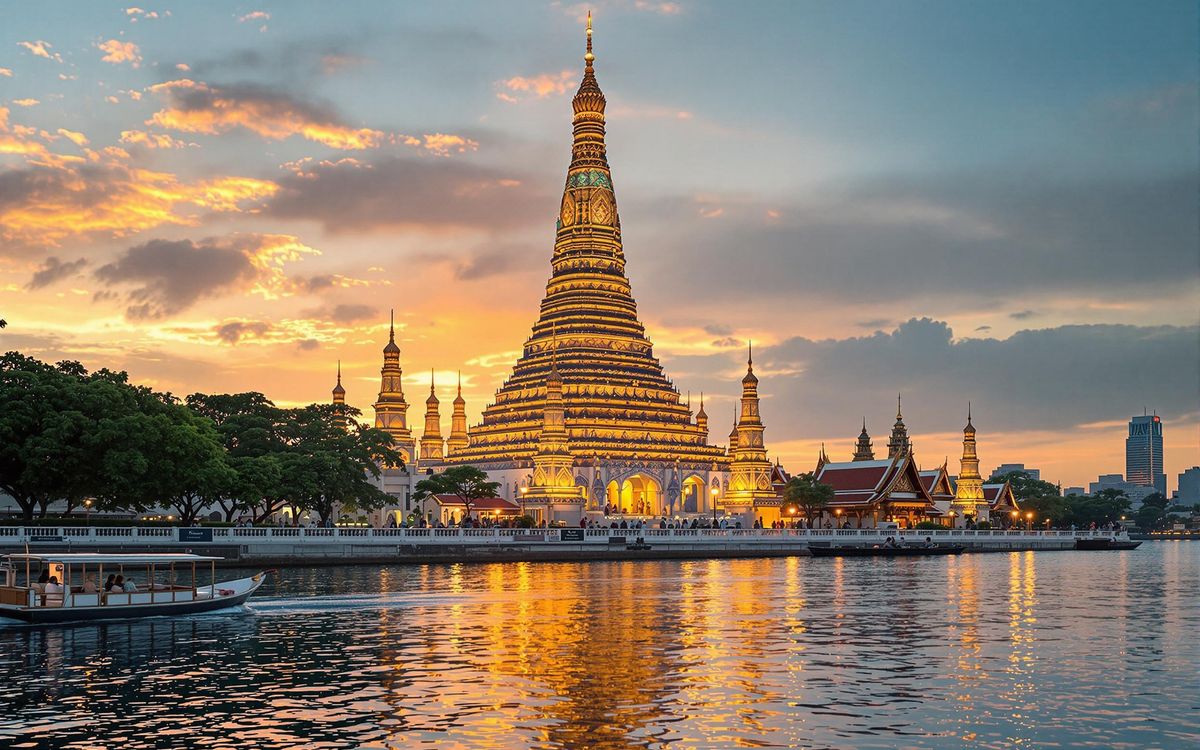
Begin by researching the history, customs, and appropriate attire of the temple or monastery you plan to visit. Understanding the cultural context will deepen your appreciation and ensure respectful behavior. For example, before visiting Wat Arun in Bangkok, understanding that it is an active temple with resident monks will remind you to dress respectfully. Men should wear long pants and shirts with sleeves, while women should wear skirts or pants extending to the knee and avoid exposing their shoulders.
Consider journaling as a tool for self-reflection. Ask yourself: What do I hope to gain from this experience? Am I seeking inner peace, spiritual connection, or a deeper understanding of a particular culture? Writing down your goals will provide a compass for your journey, helping you stay focused on your intentions amidst the sensory overload of travel.
Respect for local traditions is paramount. Many sacred sites have specific dress codes and customs that must be observed. At Wat Arun, visitors should dress modestly, covering shoulders and knees. Shoes are typically removed before entering temple buildings, and it's important to be mindful of your behavior, avoiding loud conversations or disruptive actions. By honoring these customs, you demonstrate respect for the local culture and create a more meaningful and authentic experience for yourself and others.
Visualizing your visit can also be a powerful tool. Imagine yourself walking through the temple grounds, observing the rituals, and interacting with the local community. This mental rehearsal can help you feel more prepared and present when you arrive, allowing you to fully embrace the experience.

Arriving with Awareness: Sensory Immersion Techniques
Stepping into a sacred space is an invitation to fully engage your senses. Arriving with awareness means being present in the moment, noticing the sights, sounds, smells, and textures that surround you. It's about shifting from a mindset of observation to one of immersion, allowing the environment to speak to you on a deeper level.
One effective technique is to practice a 'digital detox.' Minimize phone use to avoid the distractions of social media and emails, allowing yourself to fully appreciate the surroundings. Instead, focus on the sounds of chanting, the scent of incense, or the feel of the cool stone beneath your feet. These sensory details can transport you to a different state of consciousness, fostering a sense of connection and awe.
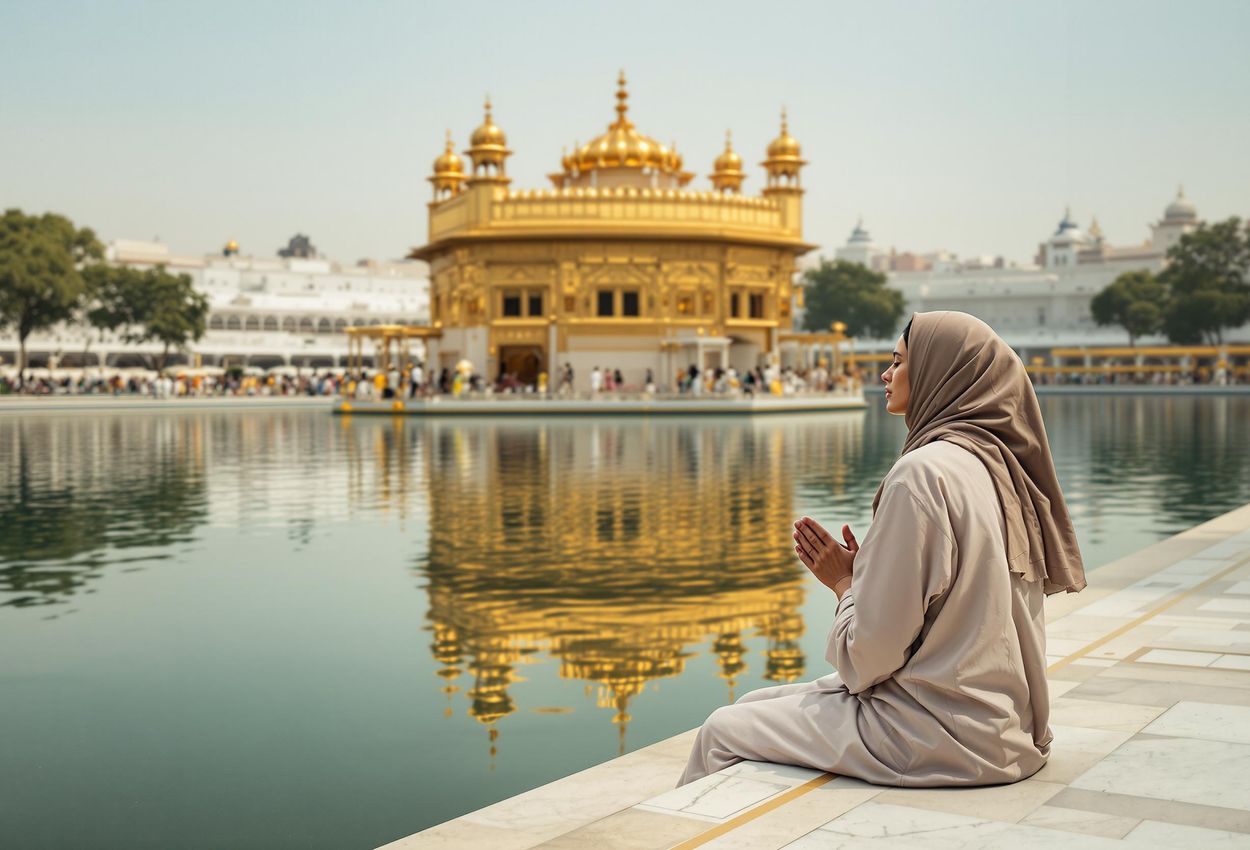
Consider the Golden Temple in Amritsar, India, as an example. As you approach the temple, be mindful of the continuous devotional music (Kirtan) that fills the air. The sound is not just background noise; it's an integral part of the temple's atmosphere, designed to uplift the spirit and calm the mind. Pay attention to the smell of langar, the communal kitchen, where volunteers prepare and serve free meals to thousands of visitors daily. This act of selfless service is a testament to the Sikh values of compassion and equality.
Engage with the environment through mindful walking. Notice the way the sunlight filters through the temple architecture, creating patterns of light and shadow. Feel the texture of the marble floors beneath your feet, worn smooth by centuries of pilgrims. Observe the intricate details of the carvings and sculptures, each telling a story of faith and devotion.
By consciously engaging your senses, you can transform your visit from a superficial experience into a profound encounter. It's about slowing down, paying attention, and allowing the sacred space to work its magic on your soul.
Mindful Movement: Yoga and Tai Chi in Tranquil Settings
Integrating mindful movement practices like yoga or Tai Chi into your visit can deepen your connection with the sacred space. Where permitted, these gentle exercises can enhance your awareness and promote a sense of inner peace.
Before practicing any form of movement, it's essential to be respectful of the environment and any local customs. Choose a quiet, secluded spot where you won't disturb others, and dress modestly. Be mindful of your movements, avoiding any poses or actions that could be perceived as disrespectful or disruptive.
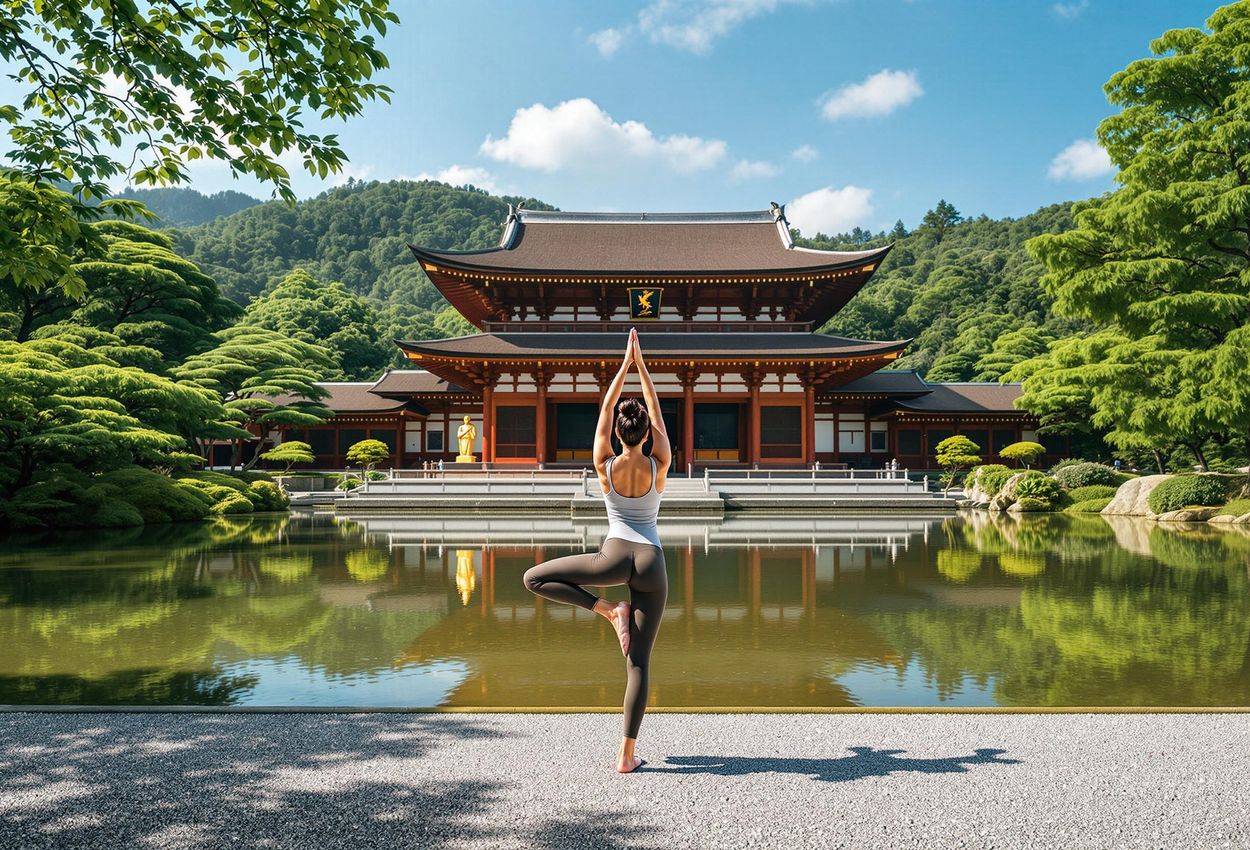
Simple yoga poses can be particularly effective for grounding yourself in the present moment. Gentle stretches, such as the mountain pose (Tadasana) or the tree pose (Vrksasana), can help you connect with your body and breath, fostering a sense of stability and balance. The key is to focus on your breath and the sensations in your body, allowing your mind to quiet down and your awareness to expand.
Imagine practicing gentle stretches near the gardens of Byodo-in Temple in Uji, Japan. The serene setting, with its meticulously manicured gardens and tranquil pond, provides the perfect backdrop for mindful movement. As you stretch and breathe, feel the connection between your body and the natural world, allowing the beauty of the surroundings to inspire a sense of inner peace.
Tai Chi, with its slow, flowing movements, is another excellent option for mindful movement in sacred spaces. The practice emphasizes balance, coordination, and breath control, promoting a sense of harmony and well-being. Whether you're a seasoned practitioner or a beginner, incorporating these practices into your visit can transform your experience, allowing you to connect with the sacred space on a deeper level.
Meditative Moments: Guided Practices for Temple Grounds
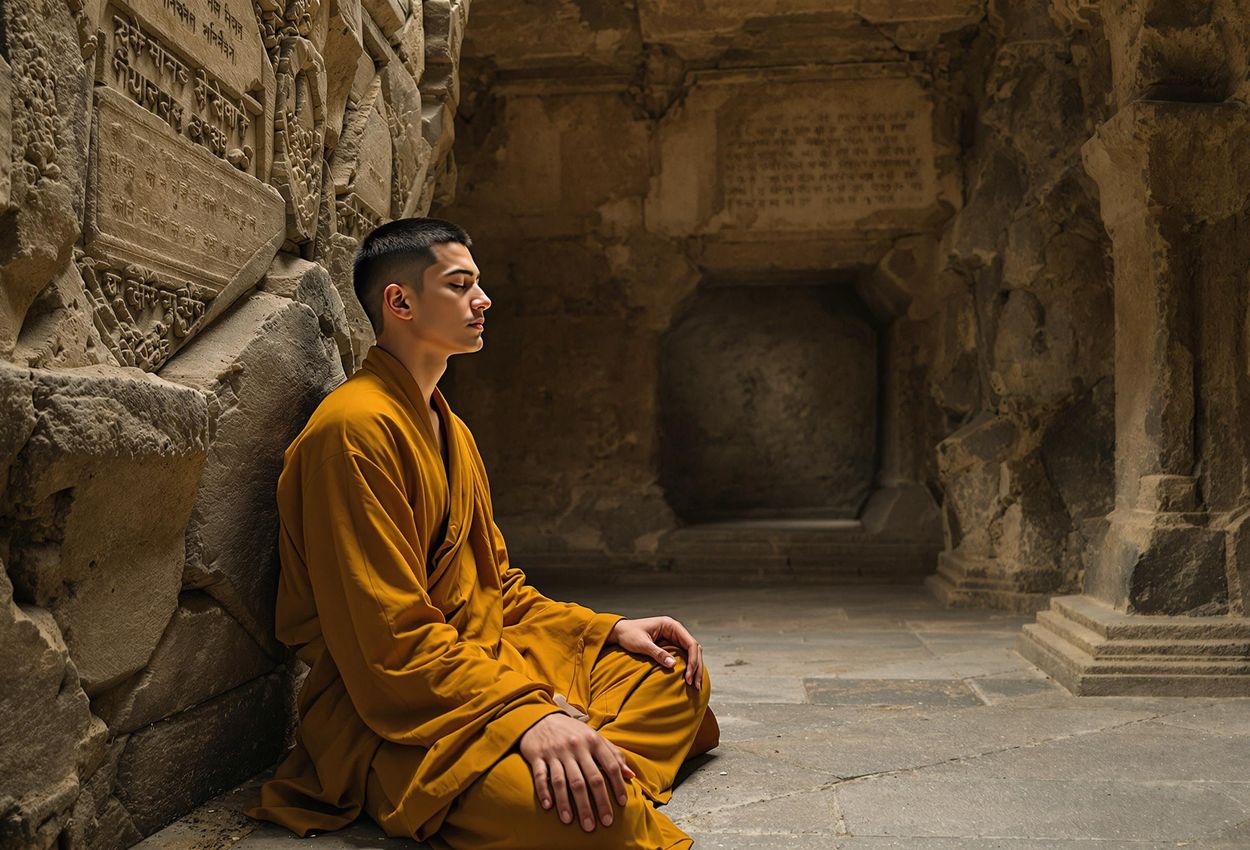
Meditation is a powerful tool for cultivating mindfulness and connecting with the spiritual essence of a sacred space. Finding a quiet corner in a temple or monastery and engaging in guided meditation practices can enhance your experience, fostering a sense of inner peace and understanding.
Start by finding a comfortable position, either sitting or standing, and closing your eyes. Focus on your breath, noticing the sensation of the air entering and leaving your body. As thoughts arise, gently acknowledge them and let them pass without judgment, returning your attention to your breath.
Visualization techniques can also be effective for deepening your meditation practice. Imagine yourself surrounded by the energy of the sacred space, feeling the presence of the divine within and around you. Visualize yourself connecting with the wisdom and compassion of the spiritual teachers who have walked these grounds before you.
Consider the Junagarh Buddhist Caves in Gujarat, India as an example. These ancient caves, carved out of rock, provide a secluded and peaceful environment for meditation. Find a quiet corner and practice a guided meditation focused on compassion and gratitude. Visualize yourself extending loving-kindness to all beings, including yourself, and expressing gratitude for the blessings in your life.
Breath awareness is another simple yet powerful meditation technique. Focus on the natural rhythm of your breath, noticing the rise and fall of your chest or abdomen. As your mind wanders, gently guide it back to your breath, allowing yourself to be fully present in the moment. Even a few minutes of mindful breathing can have a profound impact, calming your mind and opening your heart to the sacredness of the space.
Cultural Immersion: Engaging with Local Traditions Respectfully
Truly experiencing a sacred space involves more than just observing; it requires engaging with the local culture and traditions in a respectful manner. This means learning about the customs, rituals, and beliefs of the community and participating in them with an open mind and a humble heart.
One of the simplest yet most effective ways to connect with the local culture is to learn a few basic phrases in the local language. Even a simple “hello” or “thank you” can go a long way in building rapport and demonstrating your respect for the community. Observing local rituals without disrupting them is another important aspect of cultural immersion. Watch how the locals pray, meditate, or perform ceremonies, and try to understand the meaning behind their actions. Avoid taking photographs without permission, and be mindful of your behavior, ensuring that you don't disrupt the flow of the ritual.
Consider a traditional tea ceremony at a monastery in Mount Koya, Japan, as an example. The tea ceremony is a deeply symbolic ritual that embodies the principles of harmony, respect, purity, and tranquility. As a guest, it's important to understand the etiquette and significance of each step, from the way you enter the tea room to the way you hold and drink the tea.
Participating in local festivals and celebrations is another excellent way to immerse yourself in the culture. These events offer a glimpse into the heart and soul of the community, allowing you to experience their traditions firsthand. Whether you're watching a traditional dance performance, sampling local cuisine, or joining in a religious procession, be sure to do so with respect and reverence.
By engaging with local traditions respectfully, you not only enrich your own travel experience but also contribute to the preservation of cultural heritage. It's a way of giving back to the community, showing your appreciation for their hospitality, and fostering a deeper understanding of the world around you.