Embark on an unforgettable journey through the Mediterranean's most captivating archaeological sites, where history whispers from ancient stones and civilizations come to life.
From the ashes of Vesuvius to the sun-drenched temples of Greece and the grand Roman forums, prepare to be transported to a world of emperors, gods, and epic tales. This curated list unveils ten must-visit destinations, each offering a unique window into the past and a chance to connect with the legacy of human achievement.
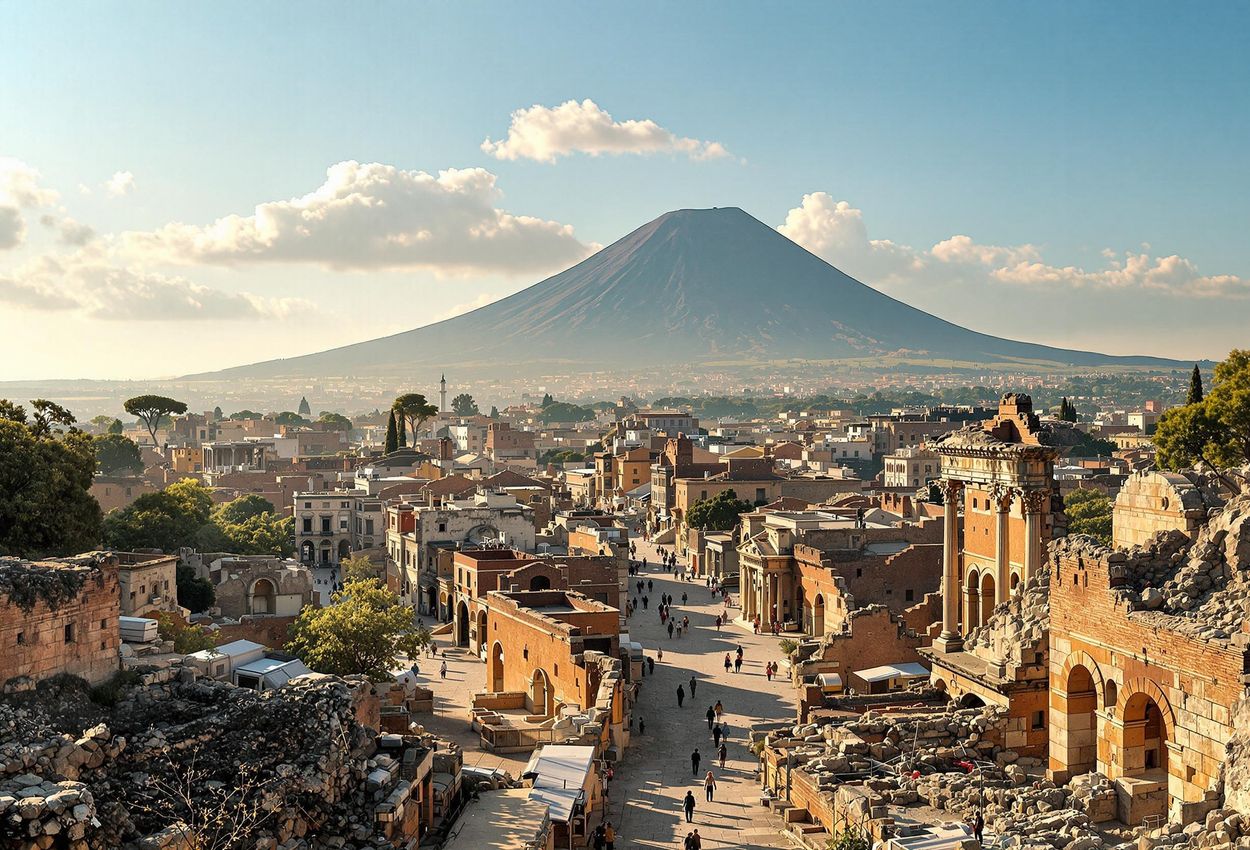
Whispers of Vesuvius: Pompeii, Italy
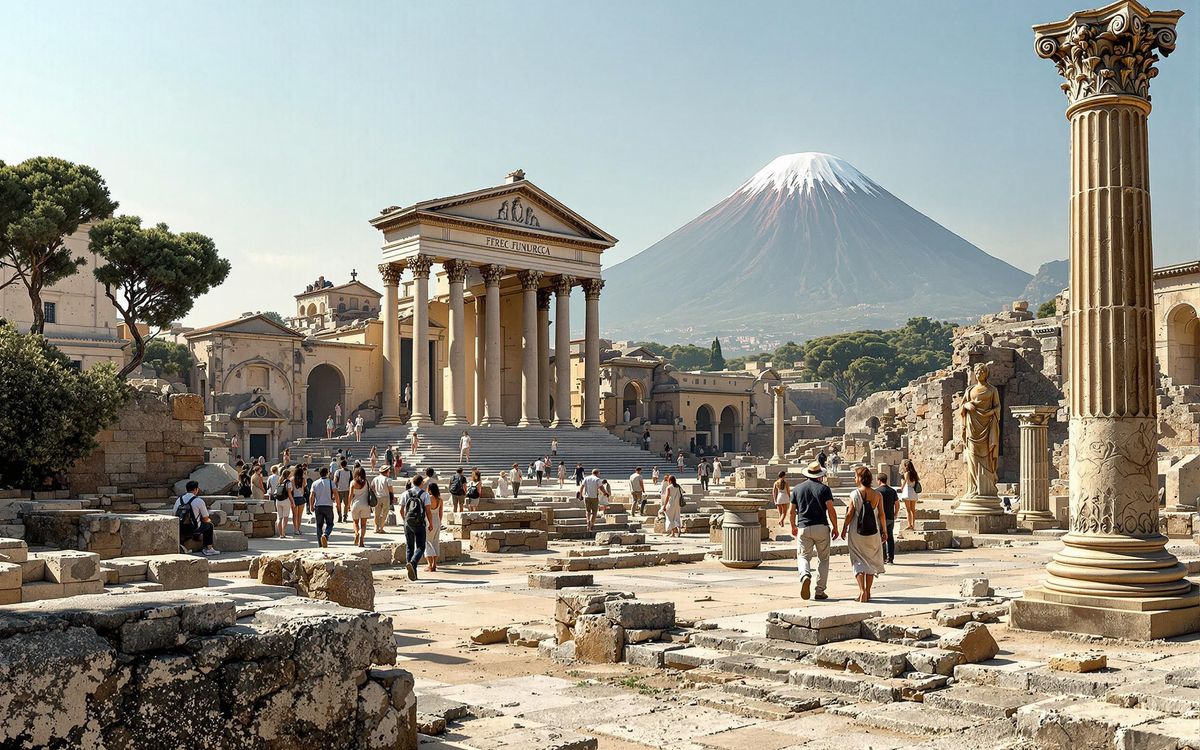
Step into a moment frozen in time at Pompeii, the ancient Roman city tragically entombed by the eruption of Mount Vesuvius in 79 AD. Walking through its remarkably preserved streets is an experience like no other, offering a chillingly intimate glimpse into daily life in the first century. The scale of the catastrophe is both devastating and awe-inspiring, as you witness the remnants of homes, shops, and public buildings, all eerily intact beneath layers of volcanic ash.
Begin your exploration at the Forum, the heart of Pompeii's political and social life. Imagine the bustling marketplace, the lively debates, and the vibrant energy that once filled this space. Wander through the House of the Vettii, a lavishly decorated residence showcasing the wealth and artistic tastes of Pompeii's elite. Its intricate frescoes offer a tantalizing peek into the lives of its former inhabitants. Finally, stand in the Amphitheatre, where gladiatorial contests and public spectacles once drew roaring crowds. The sheer scale of the structure is a testament to the importance of entertainment in Roman society.
Perhaps the most poignant aspect of Pompeii is the possibility of encountering body casts – the plaster recreations of the victims who perished in the eruption. These haunting figures offer a stark and deeply emotional connection to the past, reminding us of the human cost of this natural disaster.
Hidden Gem: Venture beyond the main sites to the Villa of the Mysteries, located just outside the city walls. This opulent villa is renowned for its enigmatic frescoes, which depict scenes of a mysterious initiation rite, possibly related to the cult of Dionysus. The vibrant colors and intricate details of these paintings offer a fascinating glimpse into the religious practices of the time. The villa served not only as a residence but also as a place of business and religious practice. The most common interpretation of the frescoes is that they depict a bride initiating into the Bacchic Mysteries in preparation for marriage.
Local Tip: Getting to Pompeii is easy via the Circumvesuviana train from Naples. The site is vast, so wear comfortable shoes and allow at least a full day to explore. Opening hours are from 9 am to 7 pm April to October, and the entrance fee is €19 for adults.
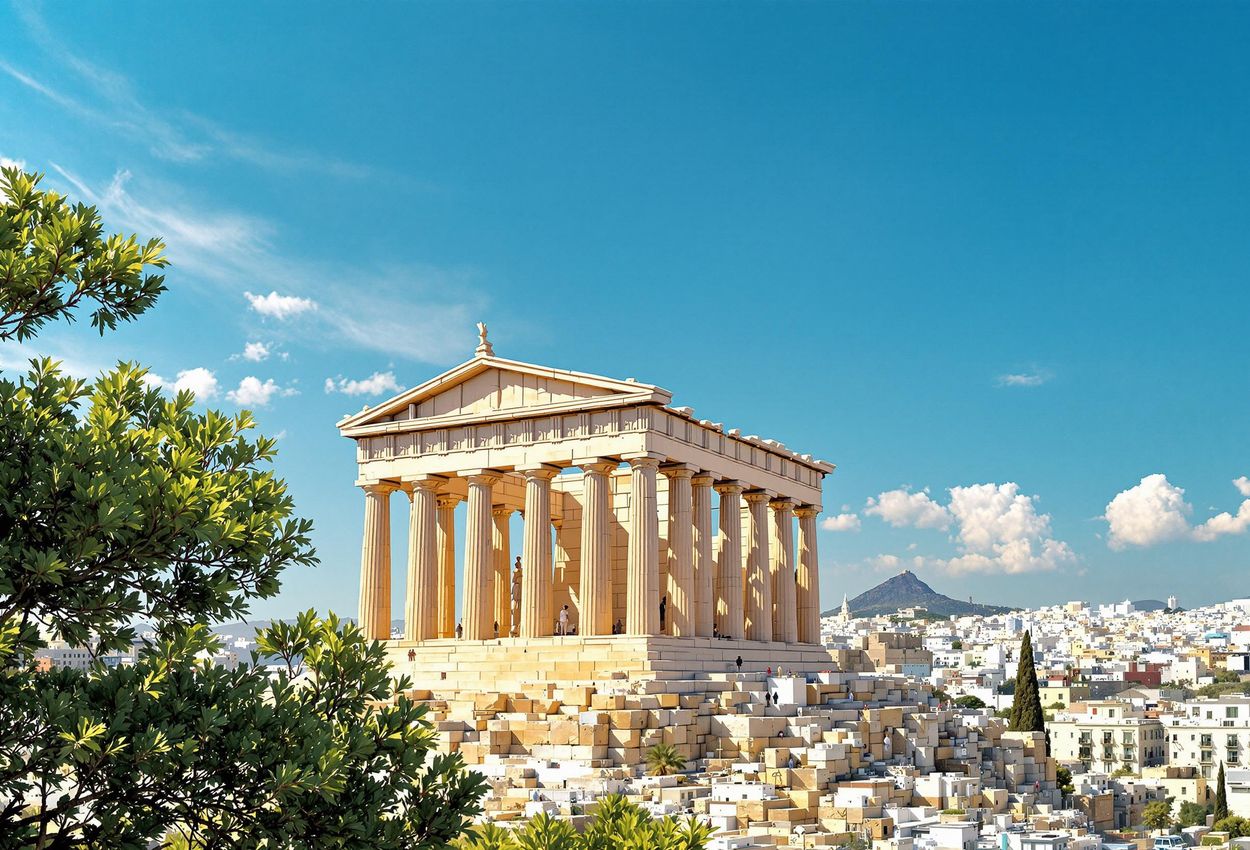
The Cradle of Democracy: Acropolis, Athens, Greece
Perched atop a rocky hill overlooking the sprawling city of Athens, the Acropolis stands as a powerful symbol of ancient Greek civilization and the birthplace of democracy. This UNESCO World Heritage site is home to some of the most iconic architectural masterpieces in the world, each a testament to the ingenuity and artistry of the ancient Greeks.
The Parthenon, a magnificent temple dedicated to the goddess Athena, dominates the Acropolis. Marvel at its Doric columns and intricate sculptures, which embody the classical ideals of harmony and proportion. Imagine the vibrant colors that once adorned this temple, and the awe it must have inspired in ancient visitors. Explore the Erechtheion, another iconic structure known for its elegant Porch of the Caryatids, featuring sculpted female figures supporting the roof. Each of these figures is a unique work of art, showcasing the skill and artistry of the ancient Greek sculptors. Don't miss the Temple of Athena Nike, a small but perfectly formed temple dedicated to the goddess of victory. Its delicate design and strategic location offer breathtaking views of the city below.
As you wander through the Acropolis, take time to soak in the panoramic views of Athens. From this vantage point, you can appreciate the city's rich history and its vibrant modern life.
To delve deeper into the history and significance of the Acropolis, visit the Acropolis Museum, located at the foot of the hill. Here, you can admire a vast collection of artifacts unearthed from the site, including sculptures, pottery, and everyday objects. The museum's modern design and informative exhibits provide valuable context for understanding the Acropolis's enduring legacy.
Hidden Gem: Escape the crowds and discover the lesser-known North Slope of the Acropolis. This area was once home to various shrines and sanctuaries, offering a glimpse into the more personal and intimate religious practices of the ancient Athenians. Here, you can find the Klepsydra spring, an ancient water source, and caves dedicated to Apollo, Zeus, and Pan.
Local Tip: The Acropolis is open from 8 am to 8 pm in summer, and the full admission ticket costs €30. The nearest Metro station is Acropoli. Arrive early in the morning to avoid the crowds and the heat.
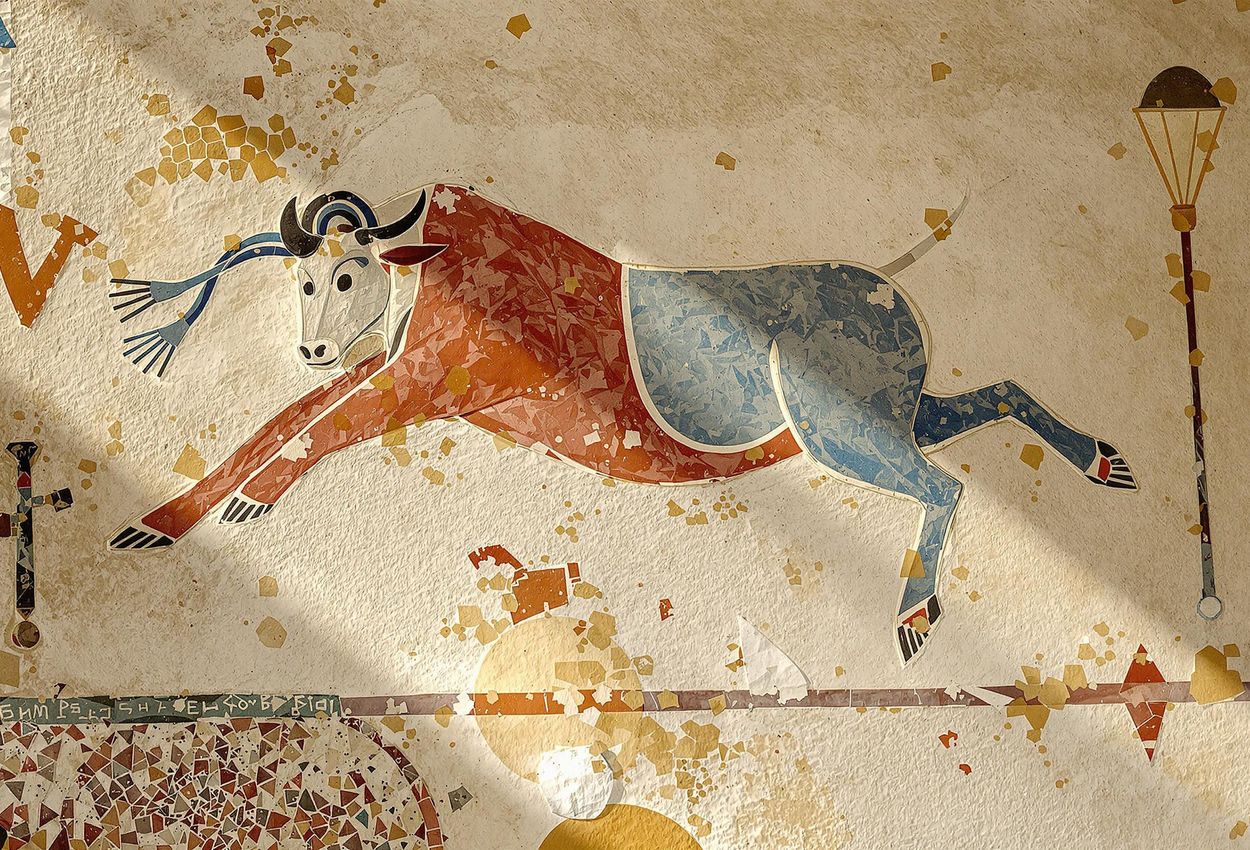
Minoan Labyrinth: Knossos, Crete, Greece
Journey to the island of Crete and uncover the mysteries of Knossos, the heart of Minoan civilization. This sprawling archaeological site was once a magnificent palace complex, home to a sophisticated and enigmatic culture that thrived thousands of years ago.
Explore the Palace of Knossos, a labyrinthine structure with intricate passageways, vibrant frescoes, and impressive architectural features. Imagine the bustling activity that once filled these halls, the royal ceremonies, and the daily life of the Minoan people. Step into the Throne Room, where the Minoan ruler once held court, and admire the iconic griffin fresco, a symbol of power and authority. Marvel at the Bull-Leaping Fresco, which depicts a daring and acrobatic ritual that was central to Minoan culture. Its dynamic composition and vivid colors offer a glimpse into the Minoans' love of spectacle and athleticism.
As you wander through Knossos, delve into the legend of the Minotaur, the mythical creature that was said to have been confined to a labyrinth beneath the palace. This enduring myth reflects the complexity and mystery of Minoan civilization, and its enduring influence on Western culture.
Hidden Gem: Seek out the Queen's Megaron, a more private area within the palace. Here, you can admire the Dolphin Fresco, a beautiful depiction of marine life that showcases the Minoans' artistic skill and their connection to the sea. The fresco represents a vivid seascape featuring dolphins swimming among yellow, pink, and blue fish, set against a light blue background with a darker net-like pattern symbolizing the iridescent surface of the sea.
Local Tip: To reach Knossos, take a bus from Heraklion. The site is open from 8:00 to 19:30 in summer, and the ticket price is €15 for adults.
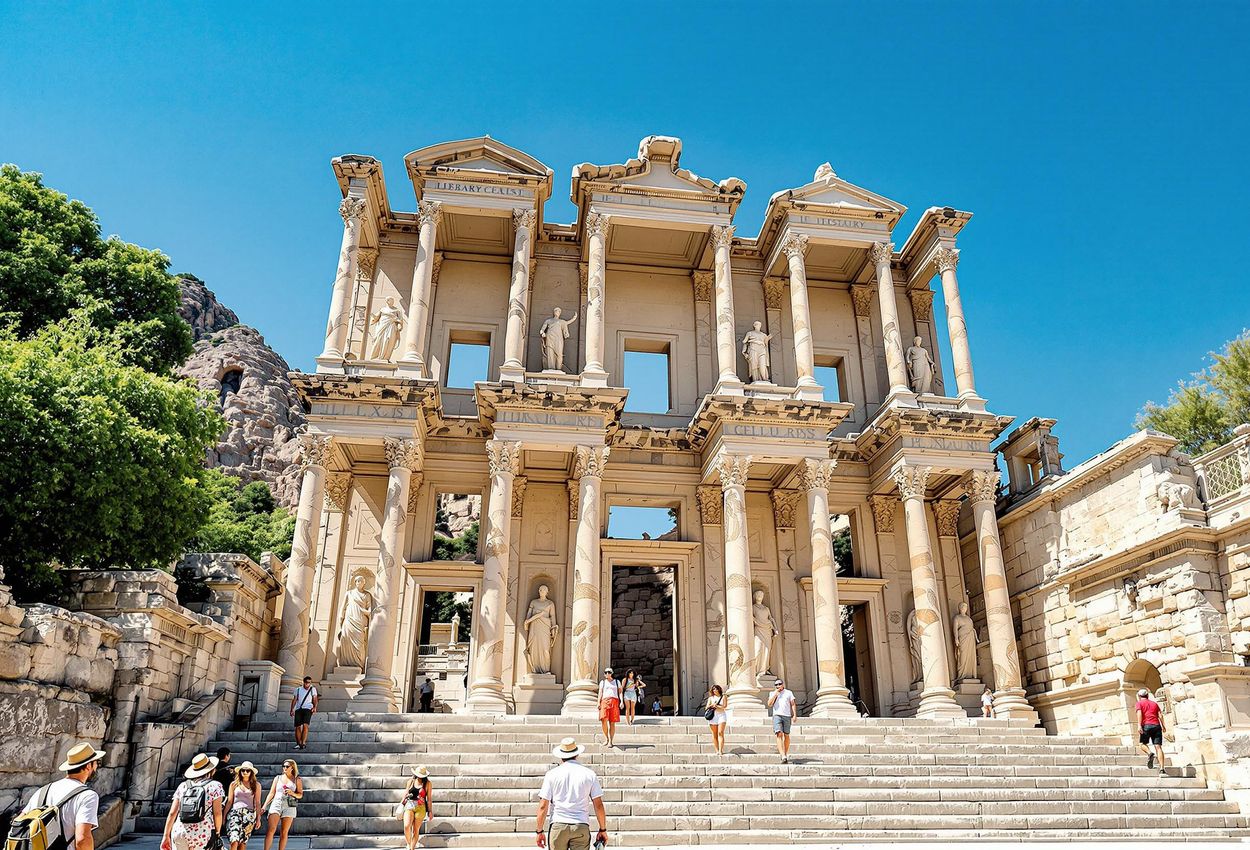
A Crossroads of Civilizations: Ephesus, Turkey
Discover Ephesus, an ancient city on the Aegean coast of Turkey that served as a melting pot of Greek, Roman, and early Christian cultures. This remarkably well-preserved site offers a fascinating glimpse into the lives of its diverse inhabitants and its pivotal role in history.
Stand in awe before the Library of Celsus, a stunning example of Roman architecture that once housed thousands of scrolls. Its intricate facade and towering columns are a testament to the city's wealth and intellectual pursuits. Imagine the lively performances and public gatherings that once took place in the Great Theatre, which could accommodate tens of thousands of spectators. Explore the Temple of Artemis, one of the Seven Wonders of the Ancient World, although only fragments remain of this once-magnificent structure. Learn about Ephesus's connection to St. Paul, who preached here, and the Virgin Mary, who is believed to have spent her final years in the vicinity.
Hidden Gem: Don't miss the Terrace Houses, located on the slopes of Bülbüldağ Mountain. These opulent residences offer a glimpse into the luxurious lifestyle of wealthy Ephesians. The houses showcased the extravagant lifestyles enjoyed by the elite during the Roman era. The walls were adorned with colorful frescoes depicting mythological figures. The floors, covered with geometric mosaics, reflected the Roman preference for elegant yet functional design.
Local Tip: The entrance fee for Ephesus is €40, which includes access to the Ephesus Experience Museum. The site is open from 8:00 to 19:00 in summer. Nearby attractions include the House of the Virgin Mary.
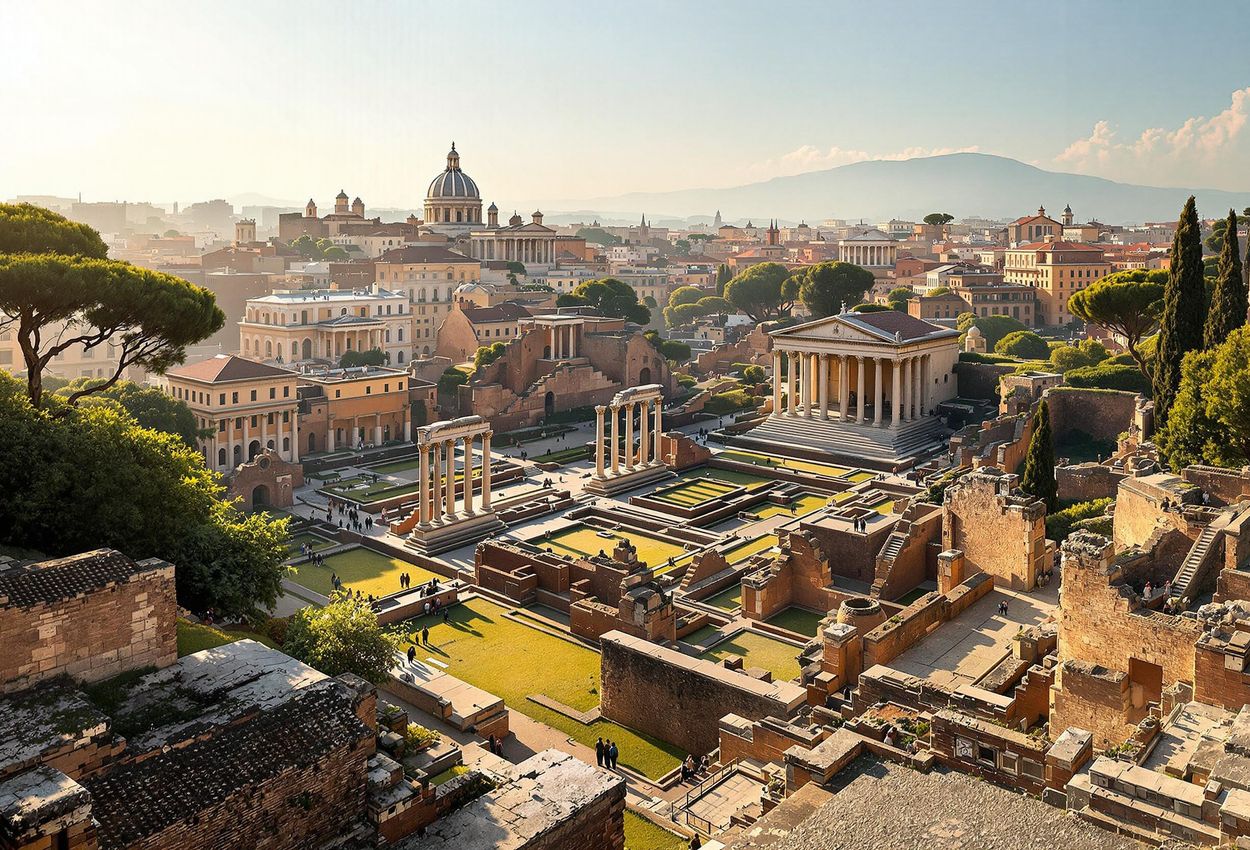
Center of Roman Life: Roman Forum, Rome, Italy
Immerse yourself in the heart of ancient Rome at the Roman Forum, a sprawling complex of ruins that once served as the center of political, religious, and social life. Walking through this historic space is like stepping back in time, as you imagine the bustling activity and the momentous events that unfolded here.
Marvel at the Temple of Saturn, one of the oldest and most important temples in the Forum, and the Arch of Titus, a triumphal arch commemorating the Roman victory in the Jewish War. Follow the Via Sacra, the main street of ancient Rome, and imagine the legions marching in triumph, the senators debating, and the citizens going about their daily lives. Explore the ruins of the Senate House where decisions impacting the course of the Roman empire were decided.
Hidden Gem: Seek out the Curia Julia, the Senate House, and reflect on its significance in Roman governance. The Curia Julia in the Roman Forum was the senate house in Ancient Rome, built under Julius Caesar and later restored by Diocletian after being damaged by fire. The Curia stood at the very heart of the ancient city, both physically and politically, and would have borne witness to some of Rome's most famous events and figures.
Local Tip: Access to the Roman Forum is included with tickets to the Colosseum. The site is open from 8.30 am to 7.15 pm in summer, and the ticket price is €18 for adults.
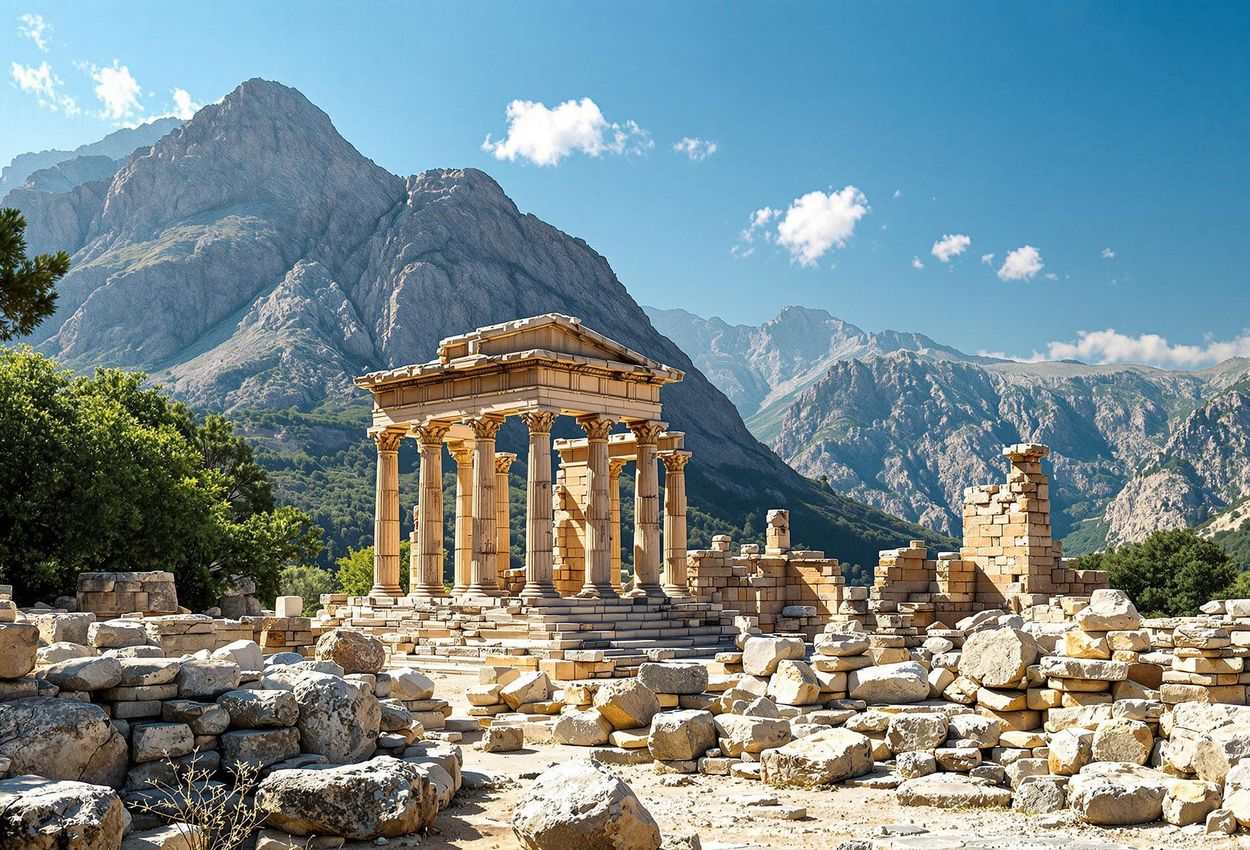
Navel of the World: Delphi, Greece
Ascend to Delphi, a mystical sanctuary nestled on the slopes of Mount Parnassus, and discover the home of the Oracle, the most influential voice in ancient Greece. The atmosphere here is palpable, as you imagine the pilgrims seeking guidance from the gods and the pronouncements that shaped the course of history.
Explore the Temple of Apollo, where the Oracle delivered her prophecies, and the Theatre, where dramatic performances and musical contests were held. Visit the Sanctuary of Athena Pronaia, a picturesque complex of temples and monuments dedicated to the goddess of wisdom. Its iconic Tholos, a circular temple with Doric columns, is one of the most recognizable landmarks in Greece.
Hidden Gem: Discover the Castalian Spring, where pilgrims purified themselves before consulting the Oracle. Historically, visitors to Delphi would wash in the spring to cleanse themselves before entering the oracle's sanctuary. This ritual underscored the significance of The Castalian Spring for those seeking enlightenment and guidance.
Local Tip: Delphi is open from 8:00 to 19:30 in summer, and the ticket price is €12. The site is easily accessible by bus from Athens.
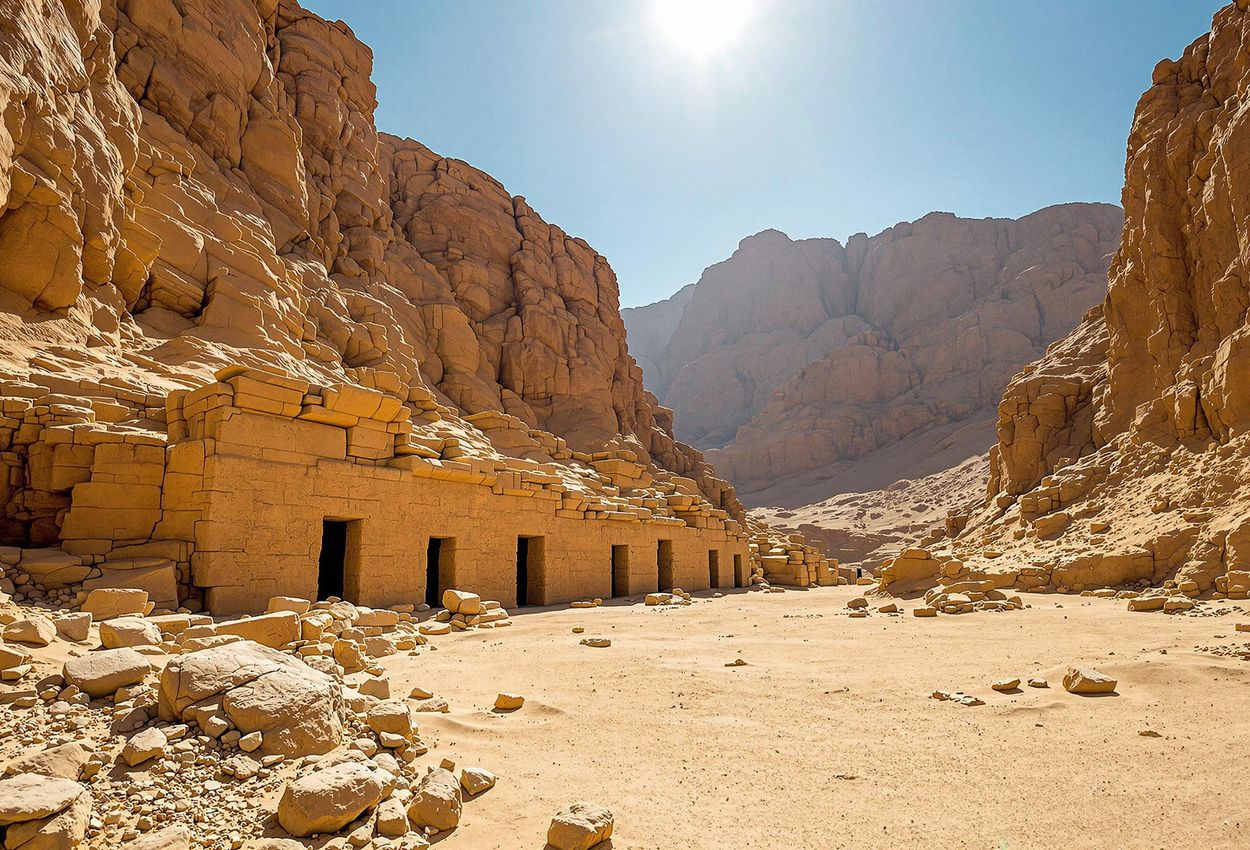
Pharaohs' Eternal Home: Valley of the Kings, Egypt
Descend into the Valley of the Kings, a desolate landscape in Egypt that holds the tombs of pharaohs from the New Kingdom, including the famed Tutankhamun. This is where pharaohs were buried and meant to reside for eternity. The elaborate tombs, filled with treasures and intricate decorations, offer a glimpse into the ancient Egyptian beliefs about death and the afterlife.
Explore the tombs of Tutankhamun, Seti I, and Ramses VI, each a unique masterpiece of ancient Egyptian art and architecture. Marvel at the vibrant hieroglyphics that adorn the walls, telling stories of the pharaohs' lives, their journeys through the underworld, and their hopes for eternal life. Learn about the elaborate burial rituals and the significance of the objects found within the tombs, from golden masks to chariots and furniture.
Hidden Gem: Seek out the tomb of Thutmose III, known for its unique and isolated location. The tomb itself can be found in a narrow gorge at the bottom of the Valley of the Kings. The entrance is 30 meters above ground level.
Local Tip: The Valley of the Kings is open from 6 am to 5 pm. Tickets cost around 245 EGP, with an extra 300 EGP to visit Tutankhamun's tomb.
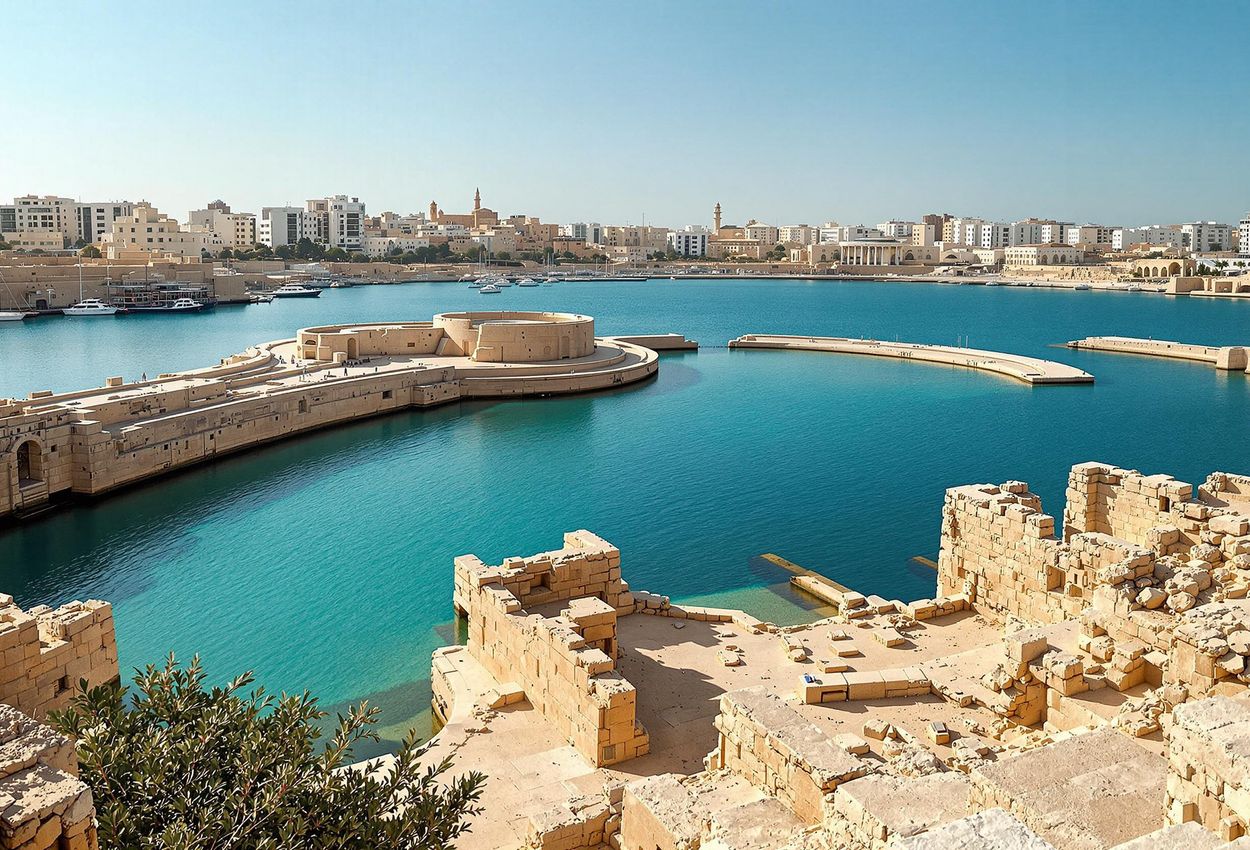
Echoes of Punic Wars: Carthage, Tunisia
Uncover the ruins of Carthage, an ancient city in Tunisia that once rivaled Rome for control of the Mediterranean. This powerful city-state, founded by the Phoenicians, was a major center of trade, culture, and military power.
Explore the Punic Ports, the ancient harbors that once housed Carthage's mighty fleet, and the Antonine Baths, a sprawling complex of Roman baths that testify to the city's later Roman influence. Visit the Tophet, a controversial site where archaeologists have discovered the remains of child sacrifices, offering a chilling glimpse into the religious practices of the ancient Carthaginians. Learn about Hannibal, the Carthaginian general who led his army across the Alps to challenge Rome, and the Punic Wars, the epic conflicts that ultimately led to Carthage's destruction.
Hidden Gem: Ascend Byrsa Hill, the ancient citadel of Carthage, and enjoy panoramic views of the city and the sea. Byrsa Hill is an important ancient site that once sat at the centre of the thriving city of Carthage. The hill was called “Byrsa Hill”, which can be translated from Greek as “bull skin”.
Local Tip: Carthage is open from 8:30 AM to 5:30 PM, and tickets cost $5 for adults. Don't miss the Carthage Museum, which houses a collection of artifacts from the city's rich history.
Phoenician Glory: Baalbek, Lebanon
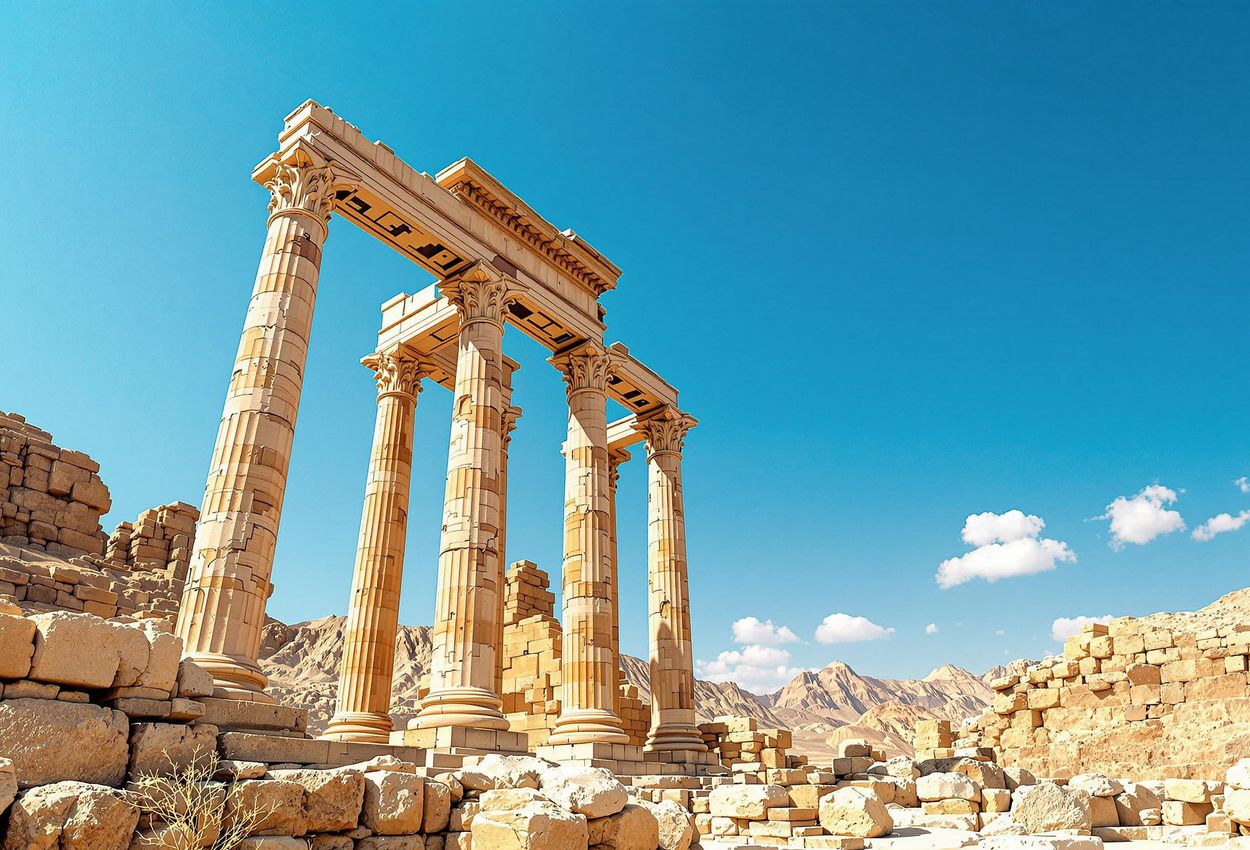
Journey to Baalbek, a city in Lebanon that showcases a remarkable blend of Phoenician and Roman influences. This ancient site is home to some of the most impressive Roman temples ever built, testaments to the grandeur and power of the Roman Empire.
Marvel at the Temple of Jupiter, a colossal structure that once dominated the skyline, and the Temple of Bacchus, one of the best-preserved Roman temples in the world. Admire the Temple of Venus, a smaller but exquisitely decorated temple dedicated to the goddess of love. Explore the Great Court, a vast open space that once served as the center of religious and social life.
Hidden Gem: Explore the Great Court of the Temple of Jupiter and imagine its role in ancient ceremonies. Massive tower altars were in the center of the Great Court, where priests would lead ritual offerings and animal sacrifices to please the local deities(gods). The Great Court would have had large water basins with fountains for ritual cleansing and washing before offerings and sacrifices took place.
Local Tip: Check travel advisories before visiting Baalbek, and plan your trip with a reputable tour operator. Be sure to allocate ample time to explore the vast complex and appreciate its architectural wonders.
Greek Temples in Italy: Paestum, Italy
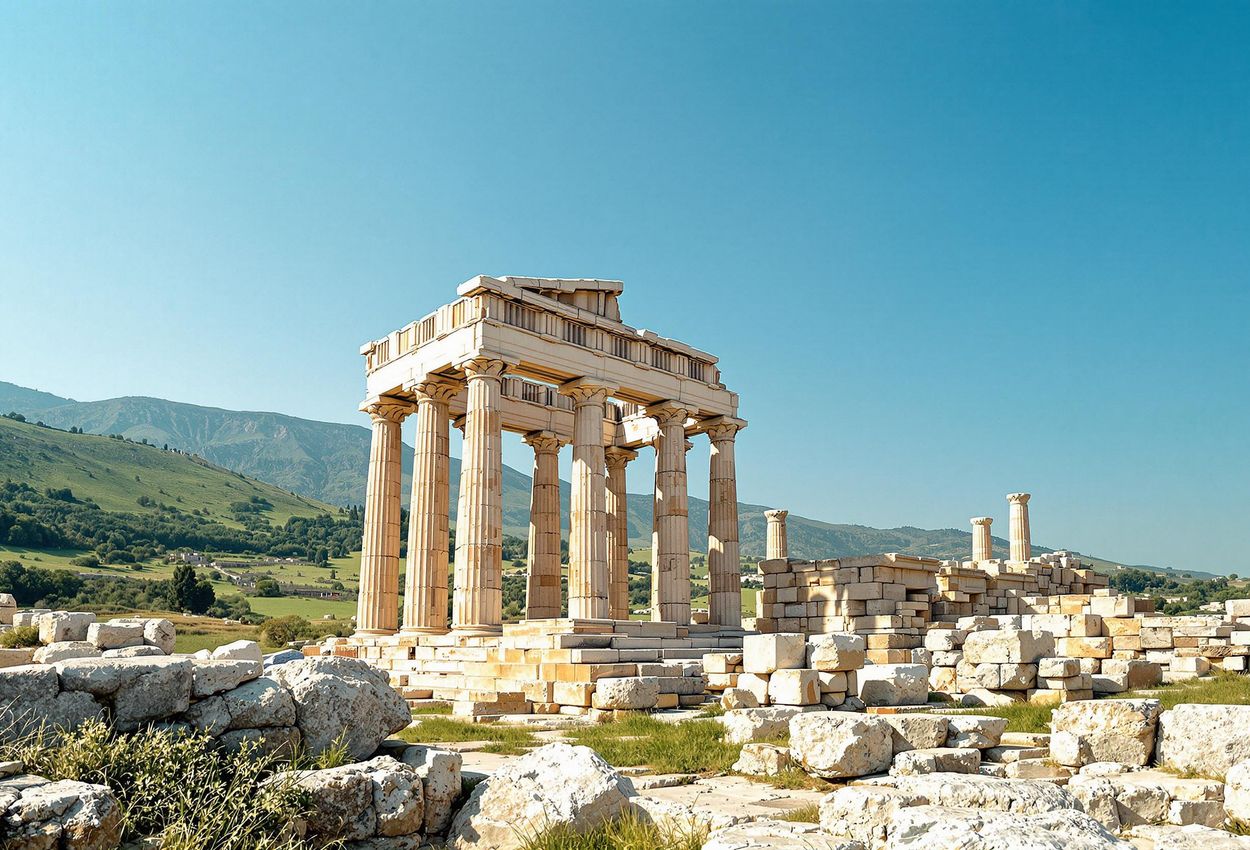
Discover Paestum, an ancient city in southern Italy that boasts some of the best-preserved Greek temples in the world. These magnificent structures, built by Greek colonists, offer a glimpse into the architectural prowess and cultural heritage of ancient Greece.
Admire the Temple of Hera I, also known as the Basilica, the oldest and largest of the temples, and the Temple of Neptune (Hera II), a remarkably well-preserved Doric temple that dominates the site. Explore the Temple of Athena, a smaller but equally impressive temple dedicated to the goddess of wisdom. Marvel at the Doric architecture of these temples, characterized by their massive columns, simple capitals, and harmonious proportions.
Hidden Gem: Visit the Tomb of the Diver, found nearby, and reflect on its significance as a rare example of Greek painting. The Tomb of the Diver was found by Mario Napoli in June of 1968, near the city of Paestum located in Magna Graecia. The significance of this particular tomb is that it contains the only example of Greek wall painting from the Orientalizing, Archaic, or Classical period to survive in entirety.
Local Tip: Paestum is open from 8:30 am to 7:30 pm April to August, and tickets cost €15 for adults. Don't miss the museum, which houses a collection of artifacts from the site, including sculptures and pottery.