Embarking on a journey to explore archaeological sites is a privilege, a chance to connect with civilizations long past. However, this exploration comes with a responsibility: to protect these fragile remnants of history for future generations. This guide provides essential dos and don'ts for navigating archaeological sites responsibly, ensuring your visit is both enriching and respectful.
From the towering pyramids of Egypt to the intricate temples of Southeast Asia, these sites are non-renewable resources that require careful stewardship. By following these guidelines, you can minimize your impact, maximize your cultural understanding, and contribute to the preservation of our shared human heritage.
Whether you're a seasoned traveler or a first-time explorer, these tips will help you navigate archaeological sites with awareness and respect, leaving a positive legacy for those who come after you.
Step Lightly: Respecting the Ground Beneath Your Feet
The simple act of walking can have a significant impact on archaeological sites. Soil erosion, disturbance of buried artifacts, and damage to delicate structures are all potential consequences of careless foot traffic. To mitigate these risks, it's crucial to adhere to marked paths and designated viewing areas.
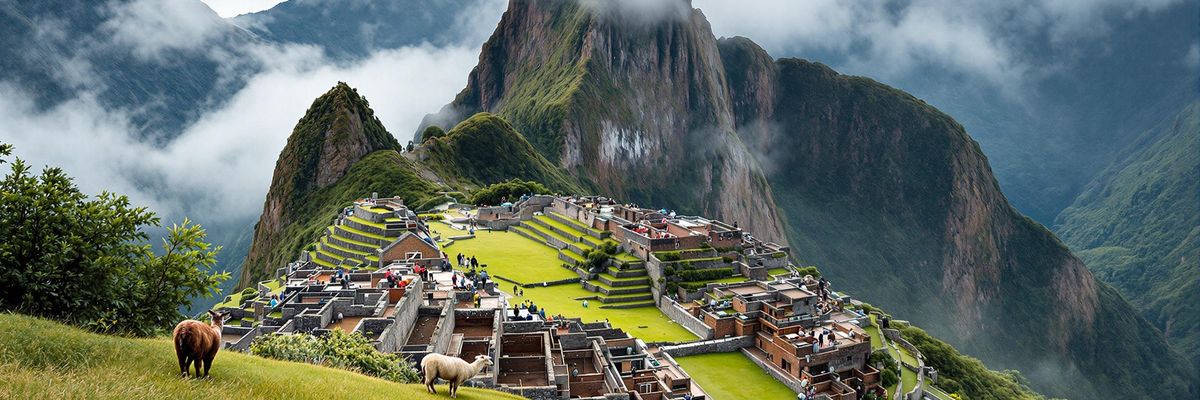
At iconic sites like Machu Picchu in Peru or Teotihuacan in Mexico, trails are carefully designed to minimize erosion and protect sensitive areas. Straying from these paths, even unintentionally, can contribute to the degradation of the site. Imagine hundreds of visitors each day taking a shortcut across a grassy area – the cumulative effect can be devastating.
Furthermore, avoid leaning, sitting, or climbing on ancient structures. While it may be tempting to pose for a photo on the Great Wall of China or touch the stones of Stonehenge, these actions can cause irreversible damage. The oils from our skin, the pressure of our bodies, and even subtle vibrations can weaken the materials and accelerate their deterioration.
Think of these sites as delicate ecosystems. Just as a hiker in a national park treads carefully to avoid disturbing the flora and fauna, so too should a visitor to an archaeological site be mindful of their impact on the physical environment. Every step counts, and by staying on marked paths and avoiding contact with structures, you can help ensure that these sites remain intact for generations to come.
It's also important to be aware of the weather conditions. Heavy rain or extreme heat can make surfaces slippery or fragile. Take extra care during these times, and be prepared to adjust your plans if necessary. Your safety, and the safety of the site, should always be a top priority.
By respecting the ground beneath your feet, you demonstrate a commitment to responsible exploration and contribute to the long-term preservation of these invaluable historical treasures.
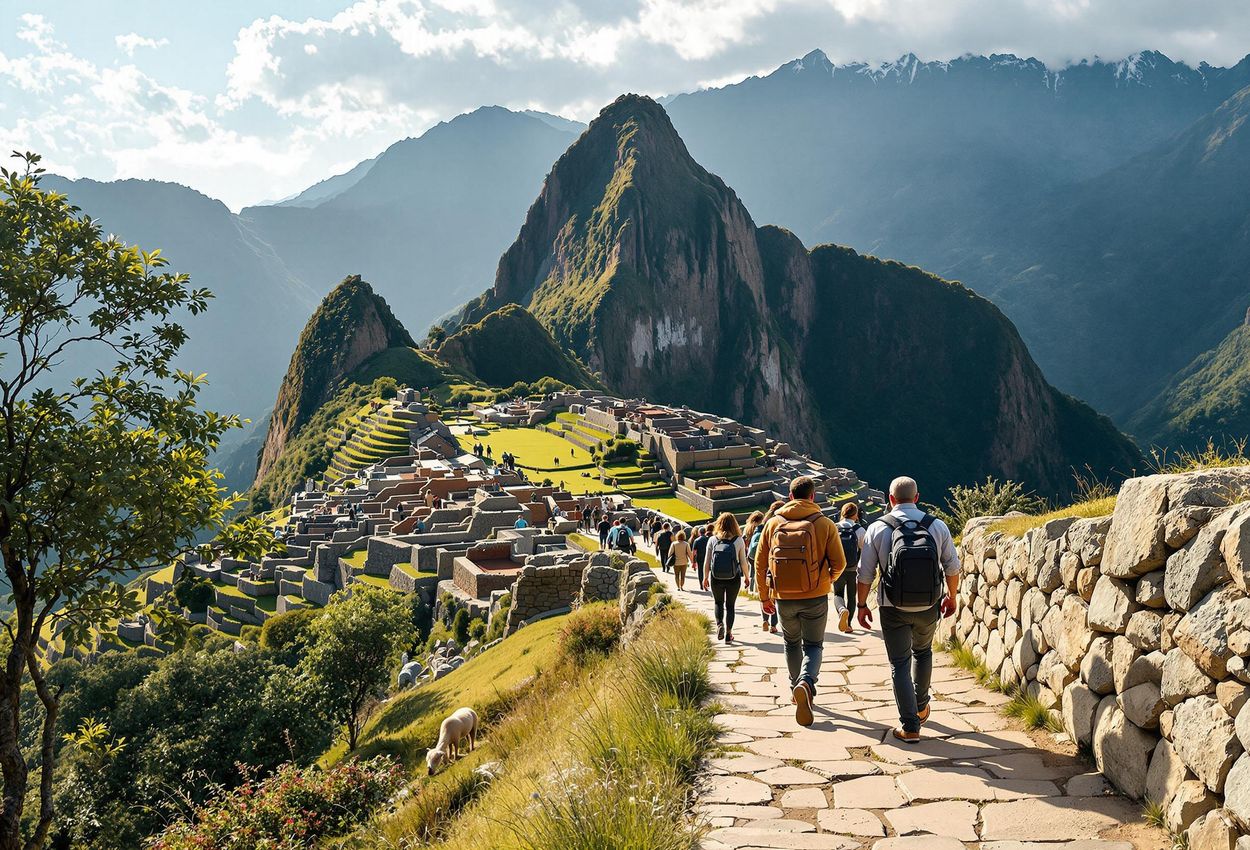
Ideal image: A wide shot of tourists walking on a clearly marked path at Machu Picchu, with the iconic ruins in the background. The weather is clear, and the scene is well-lit, showcasing the natural beauty of the site and the responsible behavior of the visitors. The focus is on the path and the tourists, emphasizing the importance of staying on designated trails.
Style instructions: Capture the scene with a wide-angle lens to showcase the vastness of Machu Picchu and the surrounding landscape. Use natural lighting to create a serene and inviting atmosphere. The photo should be taken in the early morning or late afternoon to capture the golden light. Date of Photo: 2025-04-20
Leave No Trace: Preserving Artifacts for Future Discovery
One of the most fundamental principles of responsible archaeological tourism is to leave artifacts undisturbed. Whether it's a shard of pottery at Pompeii or a fragment of a terracotta warrior at the Terracotta Army site, removing even a small item can disrupt the archaeological context and hinder future research.
Imagine an archaeologist painstakingly piecing together the story of a past civilization. Every artifact, no matter how insignificant it may seem, provides a clue. When an artifact is removed, it's like tearing a page from a history book – the narrative becomes incomplete, and the opportunity to learn is diminished.
Moreover, the act of removing artifacts often supports looting and the destruction of archaeological sites. When there is a demand for ancient objects, unscrupulous individuals are incentivized to plunder sites, often causing irreparable damage in the process. By refusing to purchase artifacts, you can help to break this cycle of destruction.
Instead of taking something from a site, consider giving back. Many archaeological sites have associated museums or research centers that rely on donations to continue their work. A financial contribution, no matter how small, can make a significant difference in supporting preservation efforts.
As ethical alternatives to purchasing artifacts, consider purchasing replicas or locally produced crafts. These items provide a tangible reminder of your visit while also supporting the local economy. Look for artisans who use traditional techniques and sustainable materials, and be sure to ask about the provenance of the items you are buying.
Remember, the goal is to leave the site as you found it, or even better. By leaving no trace, you ensure that future generations will have the opportunity to experience the wonder and excitement of archaeological discovery.

Ideal image: A close-up shot of a tourist's hand hovering over a small artifact (e.g., a pottery shard) at Pompeii, but not touching it. The background is blurred, emphasizing the artifact and the tourist's respectful behavior. The lighting is soft and diffused, creating a sense of reverence.
Style instructions: Use a macro lens to capture the detail of the artifact and the texture of the surrounding soil. The focus should be sharp on the artifact and the tourist's hand, with a shallow depth of field to blur the background. The photo should be taken on a cloudy day to avoid harsh shadows. Date of Photo: 2025-05-15
Listen and Learn: Engaging Respectfully with Local Communities
Archaeological sites are not just collections of stones and artifacts; they are also deeply intertwined with the cultures and traditions of the people who live nearby. Engaging respectfully with local communities is an essential aspect of responsible archaeological tourism.
Before visiting a site like Angkor Wat in Cambodia or Mesa Verde in the United States, take the time to research the local culture and customs. Learn about their history, their beliefs, and their relationship to the site. This knowledge will help you to appreciate the site on a deeper level and avoid inadvertently causing offense.
One of the best ways to learn about a site is to engage with local guides and community members. They can provide insights that you won't find in any guidebook, and they can help you to understand the site from their perspective. Be sure to listen attentively to their stories and ask questions respectfully.
Supporting local businesses and initiatives is another way to contribute to the preservation of the site. When you buy souvenirs from local artisans or eat at local restaurants, you are helping to sustain the local economy and provide incentives for communities to protect their cultural heritage. Look for businesses that are committed to sustainable practices and that contribute to the well-being of the community.
Be mindful of local sensitivities regarding photography and dress code. Some sites may have restrictions on photography, particularly in sacred areas. Dress modestly and avoid revealing clothing, especially when visiting temples or other religious sites. It's always a good idea to err on the side of caution and dress in a way that shows respect for the local culture.
Remember, you are a guest in their community. By listening and learning, you can build bridges of understanding and contribute to a more positive and sustainable tourism experience.
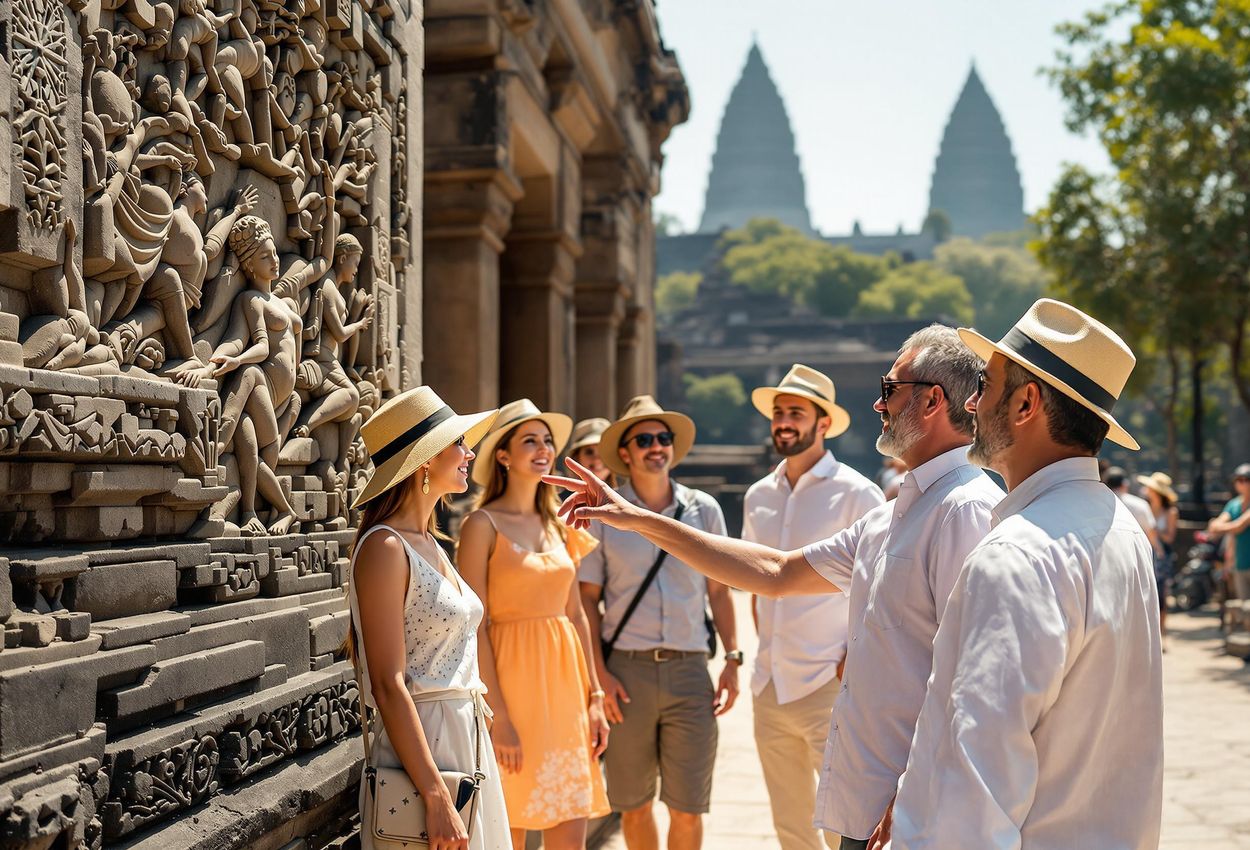
Ideal image: A group of tourists listening attentively to a local guide at Angkor Wat. The guide is gesturing towards a carving, and the tourists are looking at him with interest. The scene is warm and inviting, showcasing the positive interaction between the tourists and the local community.
Style instructions: Capture the scene with a medium-telephoto lens to create a sense of intimacy. Use natural lighting to create a warm and inviting atmosphere. The focus should be sharp on the guide and the tourists, with a shallow depth of field to blur the background. The photo should be taken during the day, when the light is soft and diffused. Date of Photo: 2025-03-10
Be a Steward: Protecting Rock Art and Ancient Inscriptions
Rock art and ancient inscriptions are fragile and irreplaceable records of human history. At sites like Lascaux Cave in France or the Nazca Lines in Peru, these delicate surfaces are vulnerable to damage from a variety of sources.
The oils from our skin can cause significant damage to rock art, accelerating its deterioration. Avoid touching these surfaces, even if it seems harmless. Similarly, dust and dirt can obscure the images and make them more difficult to see. Be careful not to brush against the rock art or disturb the surrounding soil.
Never carve, paint, or otherwise alter rock art. This is not only disrespectful but also illegal in many jurisdictions. Vandalism can cause irreparable damage and destroy valuable historical information.
Report any signs of damage or vandalism to park rangers or site authorities. Your vigilance can help to protect these sites from further harm. If you see someone touching the rock art or engaging in other destructive behavior, politely ask them to stop. If they refuse, report the incident to the appropriate authorities.
Remember, you are a steward of these ancient treasures. By protecting rock art and ancient inscriptions, you are helping to preserve them for future generations to study and enjoy.
It's important to note that some sites may have specific guidelines for protecting rock art and inscriptions. Be sure to read and follow these guidelines carefully. Some sites may require you to wear gloves or use special viewing equipment. Others may restrict access to certain areas.
By being a responsible steward, you can help ensure that these remarkable examples of human creativity and ingenuity continue to inspire and educate us for years to come.
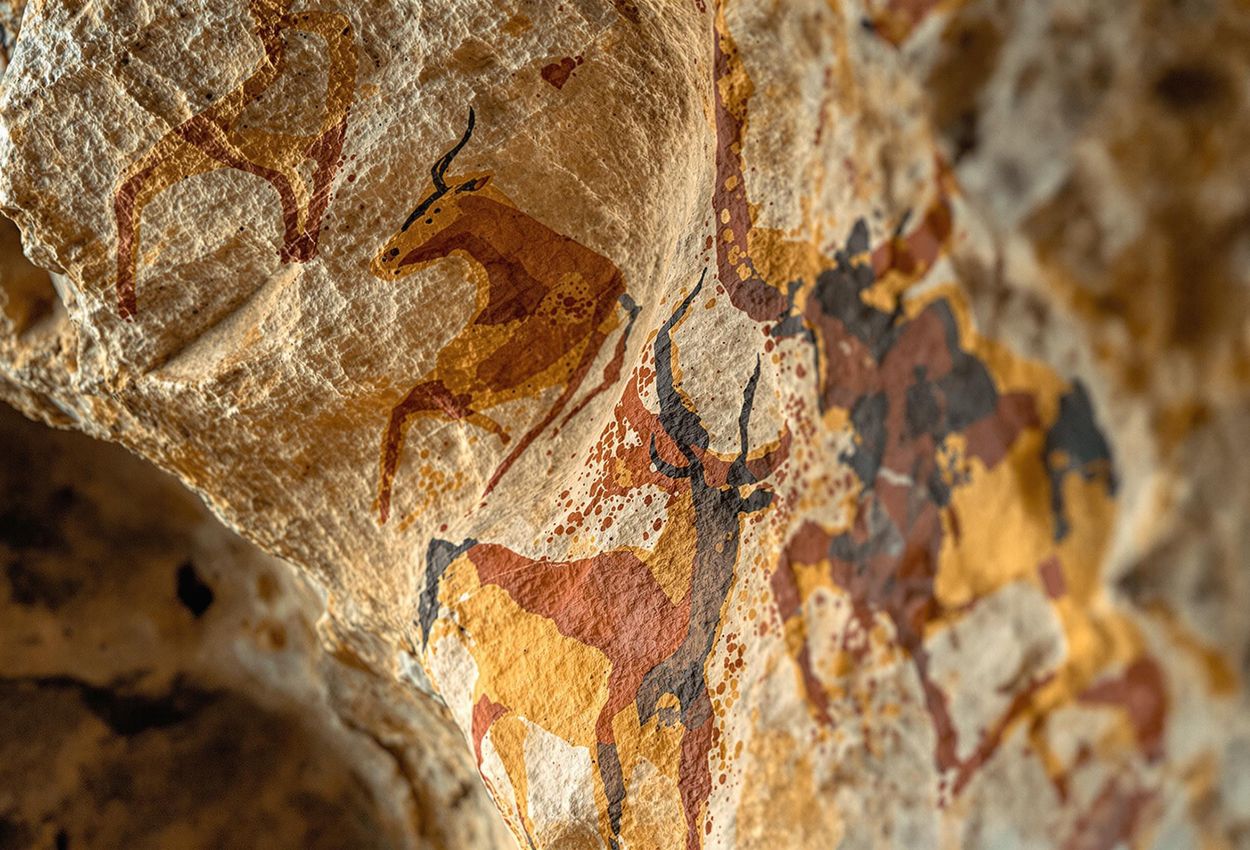
Ideal image: A close-up shot of a section of rock art in Lascaux Cave, with a soft, diffused light illuminating the paintings. The focus is sharp on the details of the art, showcasing its intricate beauty and fragility. There is no one in the shot.
Style instructions: Use a macro lens to capture the detail of the rock art. The lighting should be soft and diffused to avoid harsh shadows. The photo should be taken from a low angle to emphasize the scale of the paintings. Date of Photo: 2025-02-20
By following these guidelines, you can ensure that your visit to archaeological sites is both enriching and responsible. Remember, these sites are not just tourist attractions; they are invaluable resources that require our collective stewardship. By stepping lightly, leaving no trace, listening and learning, and being a steward, you can contribute to the preservation of our shared human heritage.
Local Tip: Before visiting any archaeological site, check the official website for specific guidelines and regulations. Many sites have unique rules regarding photography, dress code, and permitted activities. Following these rules will help you to ensure that your visit is both respectful and enjoyable.
Hidden Gem: Seek out smaller, lesser-known archaeological sites. These sites often offer a more intimate and authentic experience, and they are less likely to be crowded with tourists. By exploring these hidden gems, you can support local communities and contribute to the preservation of these often-overlooked treasures.