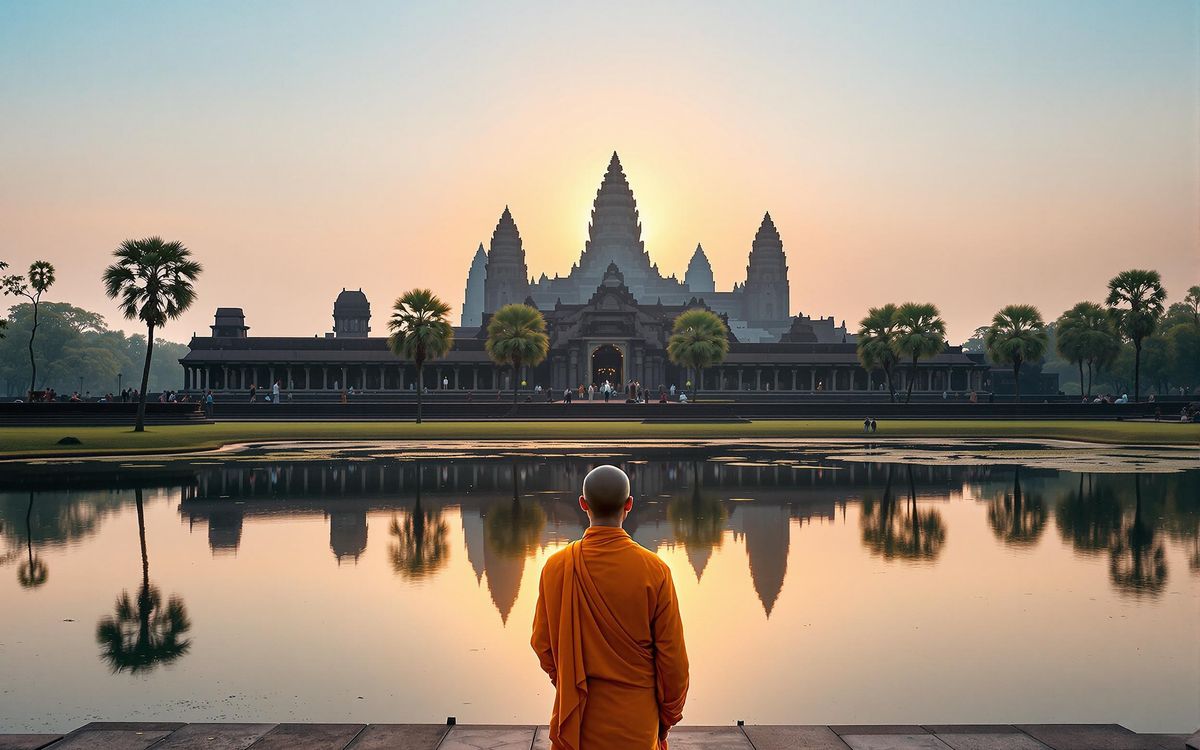
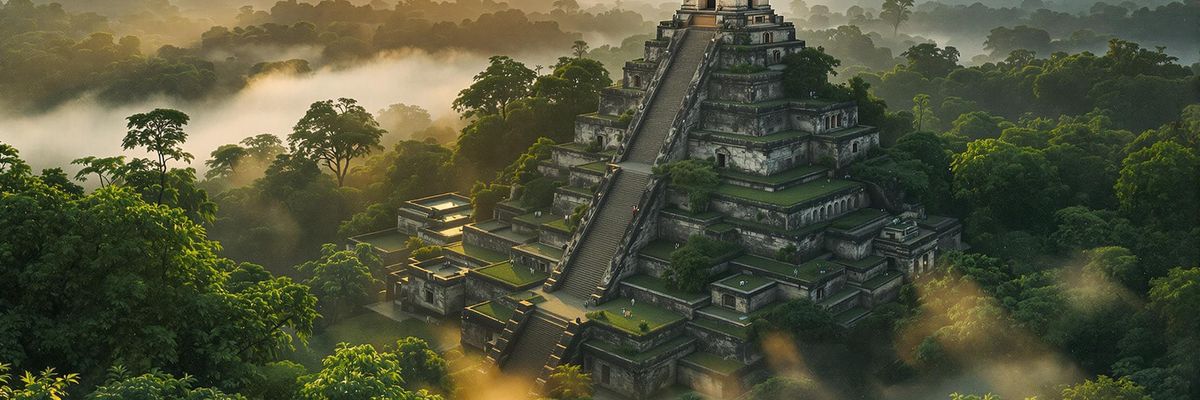
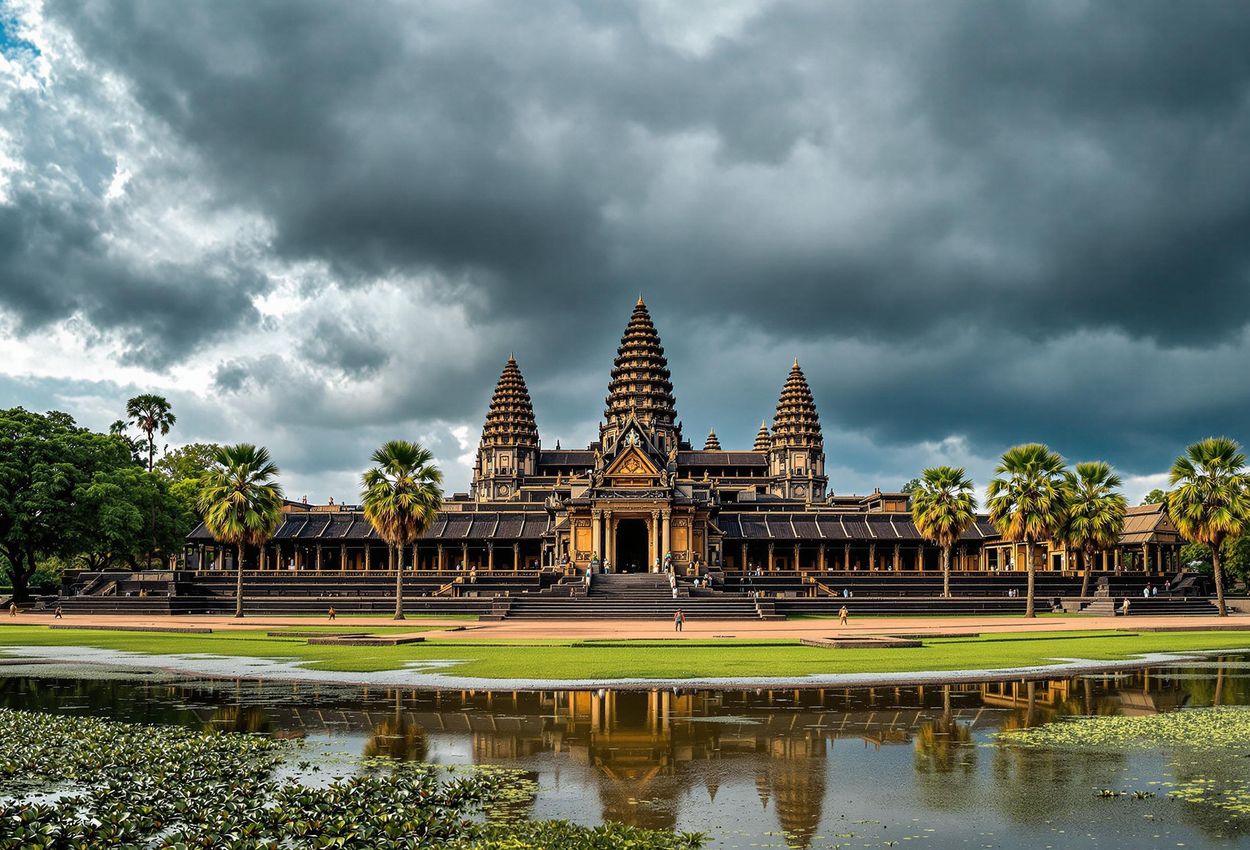
Angkor Wat, the heart and soul of Cambodia, continues to whisper secrets from its ancient stones, captivating archaeologists and historians alike. Recent excavations around this magnificent temple complex have unearthed surprising details, shedding new light on the lives, beliefs, and defenses of the Khmer people who once thrived here.
Designated as a UNESCO World Heritage Site in 1992, Angkor is more than just a temple; it's a sprawling archaeological park encompassing remains of the Khmer Empire capitals from the 9th to 15th centuries. The main attraction, Angkor Wat, is located a few miles north of the modern town of Siem Reap. This temple was built in the 12th century by King Suryavarman II. It was first dedicated to the Hindu god Vishnu, but later transformed into a Buddhist center.
The APSARA National Authority, the Cambodian government agency that manages the Angkor Archaeological Park, collaborates with international teams to preserve and explore this area. Their combined efforts reveal a deeper understanding of Angkor Wat.
Archaeological research is essential to protecting Angkor Wat for future generations. These excavations provide a glimpse into the rich history of the Khmer Empire.

In April 2020, near the Mahabharata gallery, a remarkable discovery was made: hundreds of fragments of Buddha statues, a testament to the temple's evolving religious landscape. This collection, dating from the 12th to the 19th centuries, offers a tangible link to the Buddhist practices that took root within Angkor Wat's walls.
The Buddha fragments were found near the third enclosure of Angkor Wat, close to the Mahabharata gallery. Mr. Im Sokrithy, Director of the Department of Conservation Monuments and Archaeology, highlighted the importance of this discovery.
The fragments date from the 12th to the 19th centuries. The placement of these fragments together indicates a single event in recent times. Currently, the fragments are stored at a museum for analysis. Plans are underway to display the fragments in the museum or inside Angkor Wat.
This discovery underscores the shift from Hinduism to Buddhism. After the Khmer Empire defeated the Chams, Angkor Wat transformed into a Buddhist site. The Buddha statue fragments embody this transformation.
These findings offer insight into the religious practices within Angkor Wat. The fragments reveal the temple's history and its significance as a religious site.

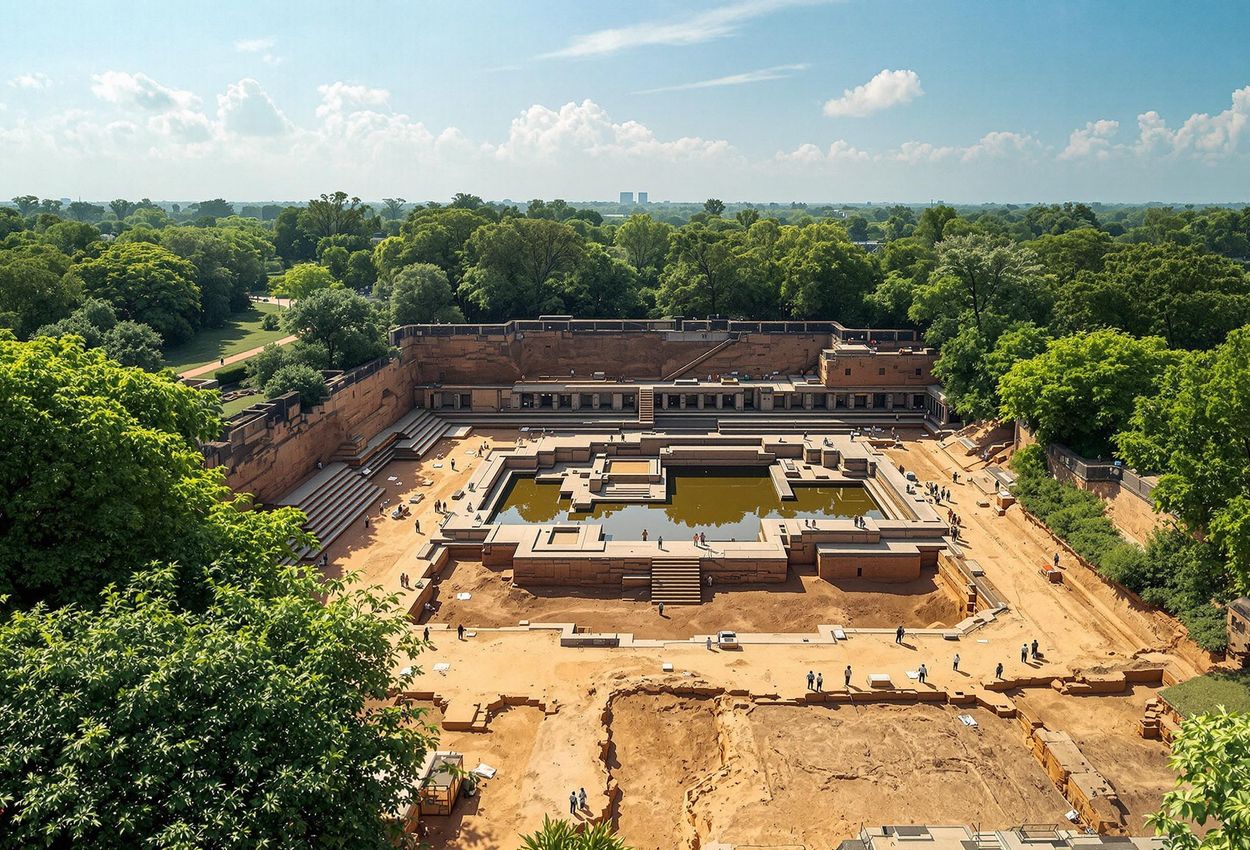
Excavations at Srah Srang, the Royal Pool, have yielded an astonishing array of artifacts, painting a vivid picture of the rituals and daily life that once unfolded around its waters. From glittering crystal quartz to intricate stone carvings, each find adds a layer to our understanding of Angkor's elite.
Srah Srang, the Royal Pool, is located approximately 3 kilometers northeast of Angkor Wat. It was built in the 10th century and renovated in the 13th century. The pool was still in use in the 16th and 17th centuries.
Excavations at Srah Srang uncovered crystal quartz, stone carvings, metal objects, and wooden remains. Dr. Ea Darith and other archaeologists were involved in the excavation. The most notable finds were a pair of stone turtles.
The discovery of crystal quartz suggests the pool's use in rituals. The stone carvings offer insight into the artistic achievements of the Khmer people. Metal objects and wooden remains provide information about daily life.
These artifacts enhance our understanding of Srah Srang. The Royal Pool was a significant site during the Khmer Empire. The excavation provides information about the pool's historical context.
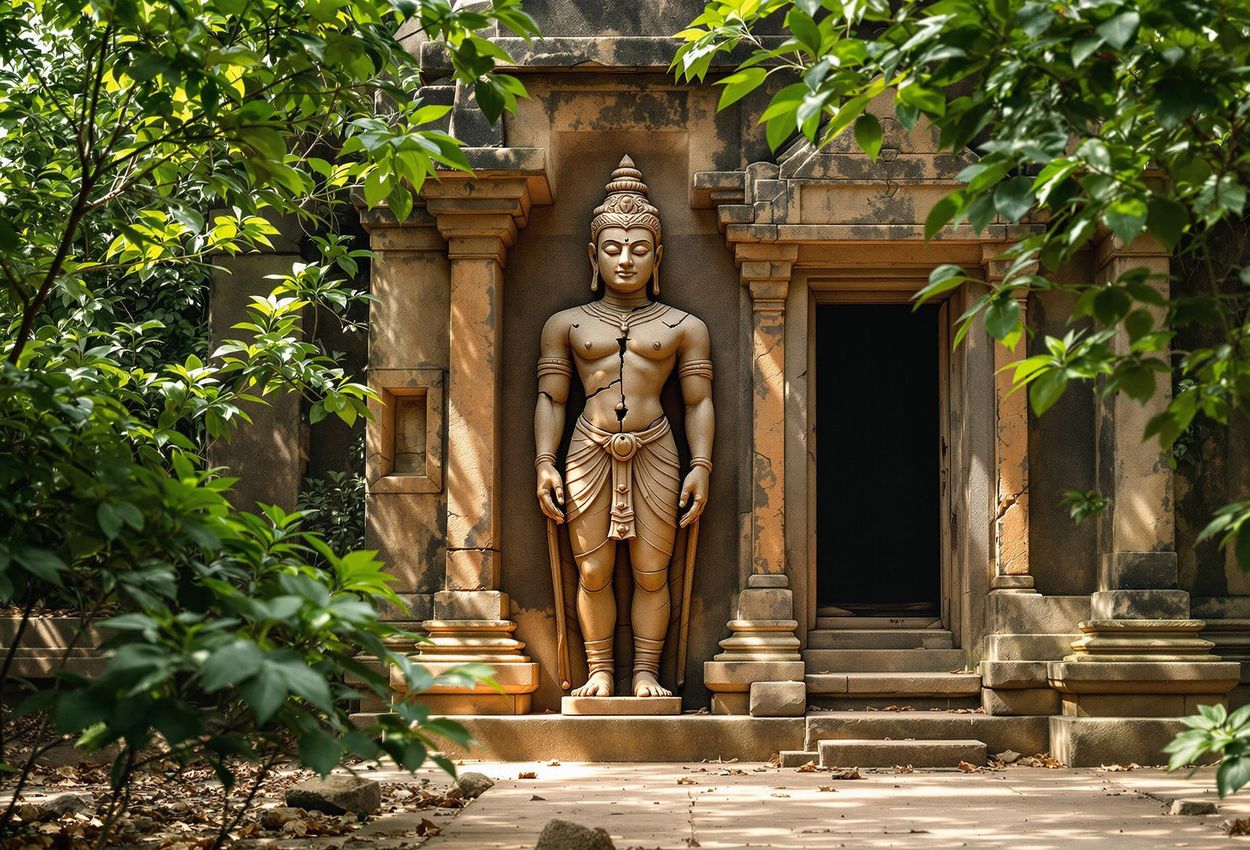
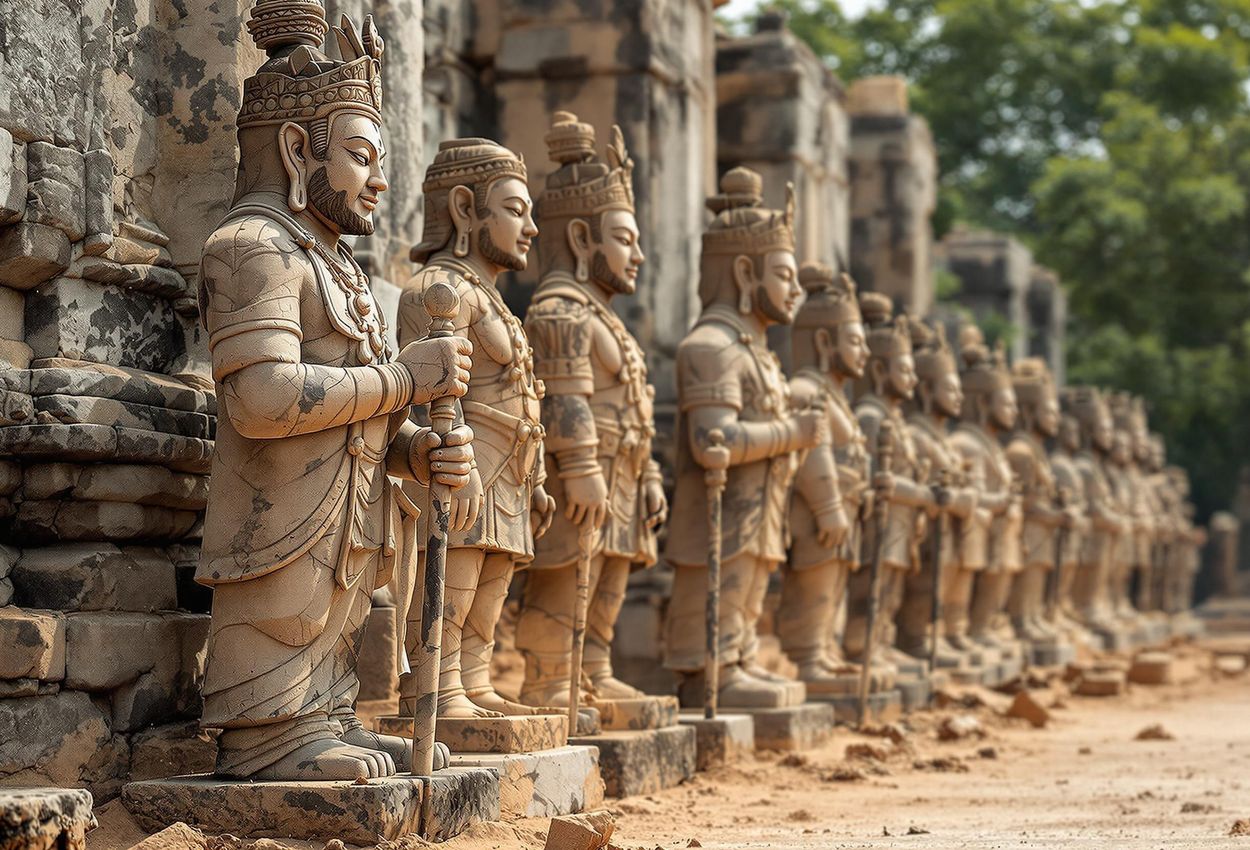
At Banteay Prei Temple, the unearthing of a 700-year-old sandstone dvarapala, or door guardian statue, offers a glimpse into the artistic and spiritual beliefs of the Bayon period. This broken yet imposing figure stands as a silent sentinel, guarding the temple's secrets for centuries.
A 700-year-old sandstone door guardian statue (dvarapala) was discovered at Banteay Prei Temple. The statue is in the Bayon style and associated with King Jayavarman VII. Banteay Prei is located five miles north of the Angkor temple complex.
The statue measures five feet and two inches. The dvarapala is broken, but its features are still visible. The statue will be stored at the Preah Norodom Sihanouk-Angkor Museum.
Dvarapalas served as guardians, protecting temples from evil. The statue's Bayon style reflects the influence of King Jayavarman VII. The Preah Norodom Sihanouk-Angkor Museum will provide a safe home for the statue.
This discovery enhances our understanding of Banteay Prei Temple. The dvarapala reflects the temple's history and artistic style. The statue provides insight into the spiritual beliefs of the Khmer people.
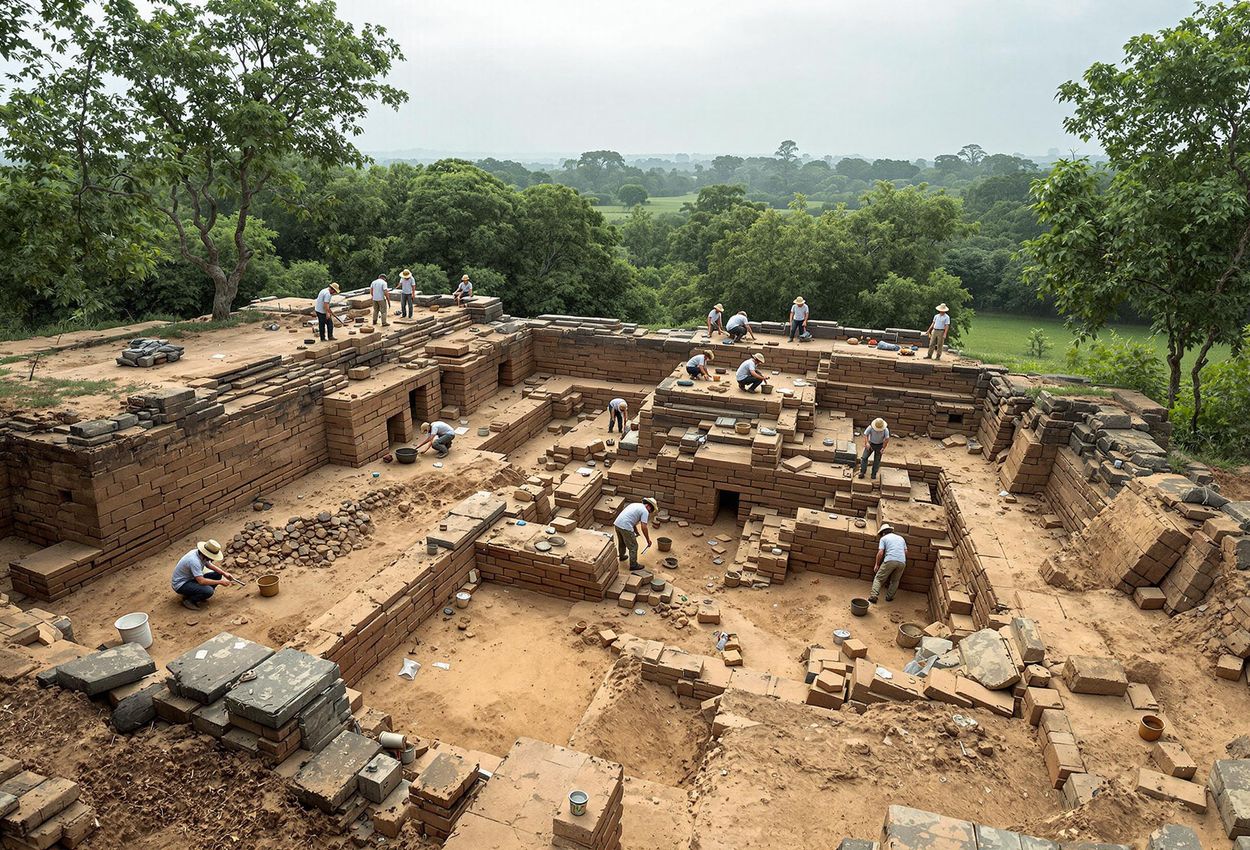
The household archaeology project offers a fascinating glimpse into the lives of ordinary people who lived near Angkor Wat. The discovery of house structures, sandstone pieces, and ceramics challenges traditional understandings of Angkor Wat's social hierarchy, revealing a more complex and nuanced society than previously imagined.
The household archaeology project aims to understand the daily lives of people near Angkor Wat. A possible house structure, sandstone pieces, and ceramics were discovered. Dr. Alison Kyra Carter provided insights into the project.
Evidence suggests low-density residential occupation. Roads and ponds were also discovered. These discoveries challenge traditional understandings of Angkor Wat's social hierarchy.
The discovery of a house structure provides information about residential life. Sandstone pieces and ceramics offer insights into daily activities. The presence of roads and ponds indicates community planning.
This project transforms our understanding of Angkor Wat. The discoveries reveal the lives of ordinary people. The project challenges traditional assumptions about social hierarchy.
The revelation that Angkor Wat was fortified with wooden structures late in its history is a stunning discovery, rewriting our understanding of the temple's role and resilience. This defensive transformation reveals Angkor Wat's last stand, a testament to its enduring importance in a changing world.
Angkor Wat was fortified with wooden structures late in its history. This reveals Angkor Wat's last attempt at defense. This is the first known example of an Angkorian temple being modified for defensive use.
The wooden structures suggest a defensive strategy. The fortification reflects a period of instability. This discovery challenges the perception of Angkor Wat as solely a religious site.
This finding is significant for understanding Angkor Wat's later history. The fortification demonstrates the temple's adaptability. The discovery provides insight into the defensive capabilities of the Khmer people.
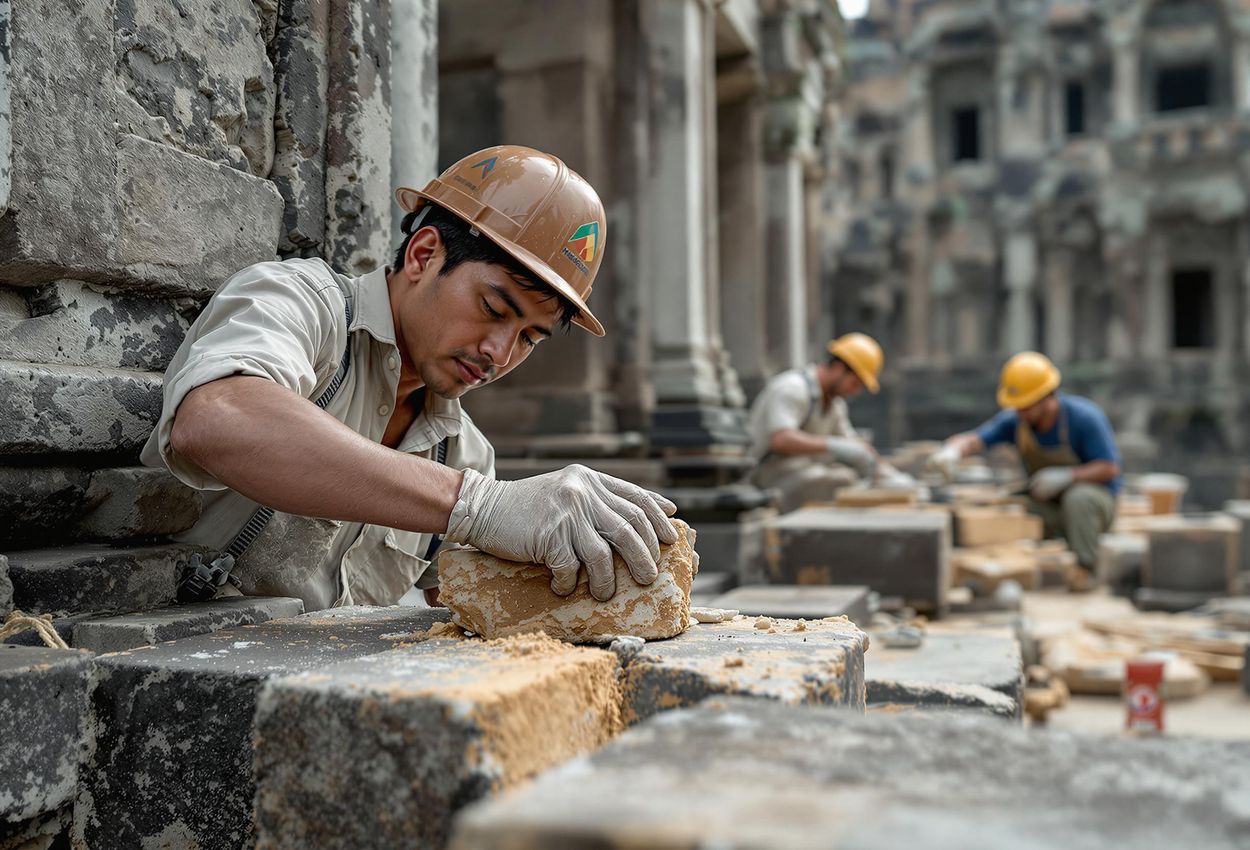
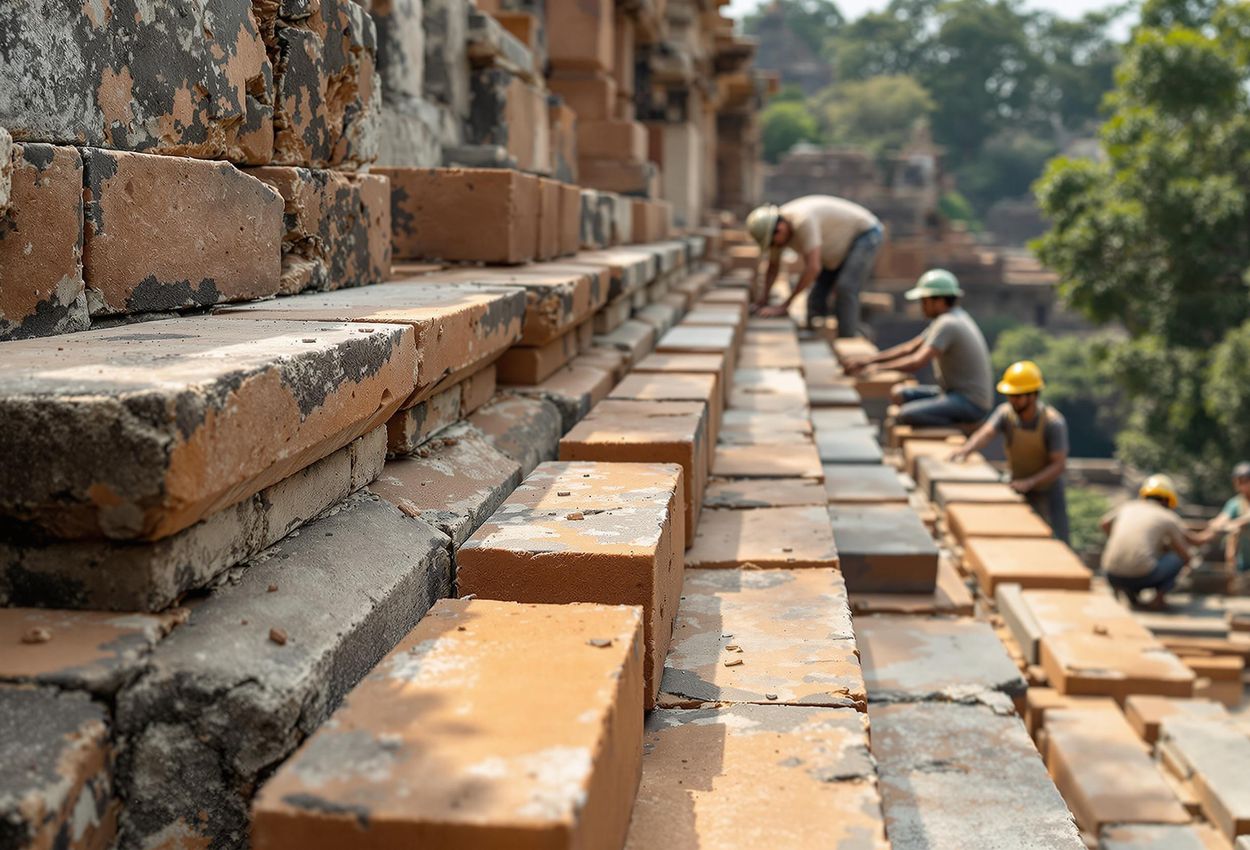
The ongoing restoration projects at Angkor Wat, spearheaded by the APSARA National Authority, are a testament to the commitment to preserving this cultural treasure. From dismantling damaged sections to replacing old cement with fresh sandstone, each step is taken with meticulous care, ensuring the temple's longevity for generations to come.
The APSARA National Authority is working on restoration projects at Angkor Wat. They are working on the second terrace causeway. Damaged sections are being dismantled and old cement is being replaced with fresh sandstone.
The restoration of Naga balustrades is underway. International support and funding are essential for temple preservation. Japan has provided significant funding for the Western Causeway restoration.
Dismantling damaged sections ensures structural integrity. Replacing old cement with sandstone maintains the temple's aesthetic. Restoring Naga balustrades preserves the temple's artistic details.
These restoration projects are vital for Angkor Wat's future. The APSARA National Authority is dedicated to preserving the temple. International support is essential for these efforts.
The discovery of 12 sandstone statues at Angkor Thom, serving as 'door guardians,' exemplifies the exquisite Khneang Style, adding another layer to the artistic richness of the Khmer Empire. These statues, found buried at depths of up to 4.5 feet, stand as silent witnesses to the grandeur of Angkor Thom.
Twelve sandstone statues were discovered at Angkor Thom. These statues are 'door guardians' and exemplify the Khneang Style. The statues range from 39 to 43 inches in height.
The statues were found up to 4.5 feet deep. The Apsara and the China-Cambodia Government Team are working together to safeguard the area. The statues were discovered near the north gate leading to the Royal Palace.
Door guardians were placed at entrances of important buildings. The Khneang Style dates to the 11th century. The statues will be cleaned, restored, and returned to their original locations.
This discovery highlights the artistic achievements of the Khmer Empire. The door guardians reflect the spiritual beliefs of the time. The collaboration between Apsara and the China-Cambodia Government Team ensures the preservation of this heritage.
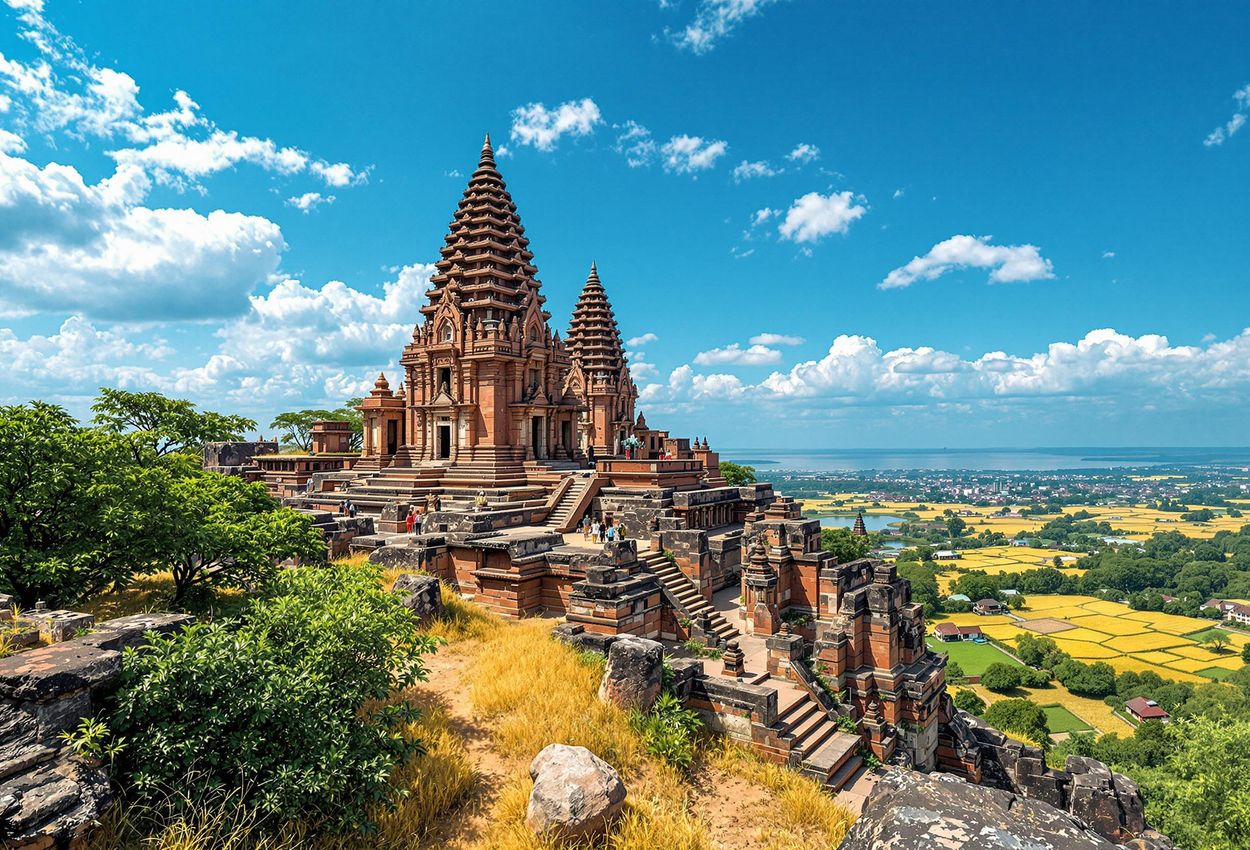
The restoration of the 1,000-year-old brick temple on Phnom Krom, completed after meticulous work, offers visitors a chance to step back in time. From its perch atop Phnom Krom Temple, the restored structure provides breathtaking views of Tonle Sap Lake, a testament to the enduring beauty and spiritual significance of this ancient site.
A 1,000-year-old brick temple has been restored on the north side of Phnom Krom Temple. The temple is six meters wide and over seven meters high. It was built in the late ninth century.
The restoration preserved existing bricks and cut new bricks. Phnom Krom Temple offers views of Tonle Sap Lake. Phnom Krom is located near Siem Reap.
Preserving existing bricks maintains the temple's authenticity. Cutting new bricks ensures the temple's structural integrity. The views of Tonle Sap Lake enhance the temple's appeal.
This restoration project revitalizes Phnom Krom Temple. The restored temple provides insight into ancient architecture. The site offers a unique cultural experience.
The Korean Heritage Agency's completion of the northeastern section of Bakan marks a significant milestone in the ongoing international efforts to preserve Angkor Wat. The project, involving collaboration with experts from the APSARA National Authority, ensures that future generations can marvel at the intricate beauty of this sacred space.
The Korean Heritage Agency has completed the restoration of the northeastern section of Bakan. Bakan is the highest accessible floor of Angkor Wat. Experts from the APSARA National Authority collaborated on the project.
Bakan's structural condition had deteriorated over time. Previous restoration efforts were undertaken by the École française d'Extrême-Orient, the Archaeological Survey of India, and other countries. The project helps ensure the sustainability of Cambodian efforts to restore the temples.
Restoring Bakan preserves a significant part of Angkor Wat. Collaboration with the APSARA National Authority ensures cultural sensitivity. This project contributes to the long-term preservation of Angkor Wat.
These efforts ensure that Angkor Wat remains a treasure for future generations. The restoration of Bakan symbolizes international cooperation. The project highlights the importance of preserving cultural heritage.