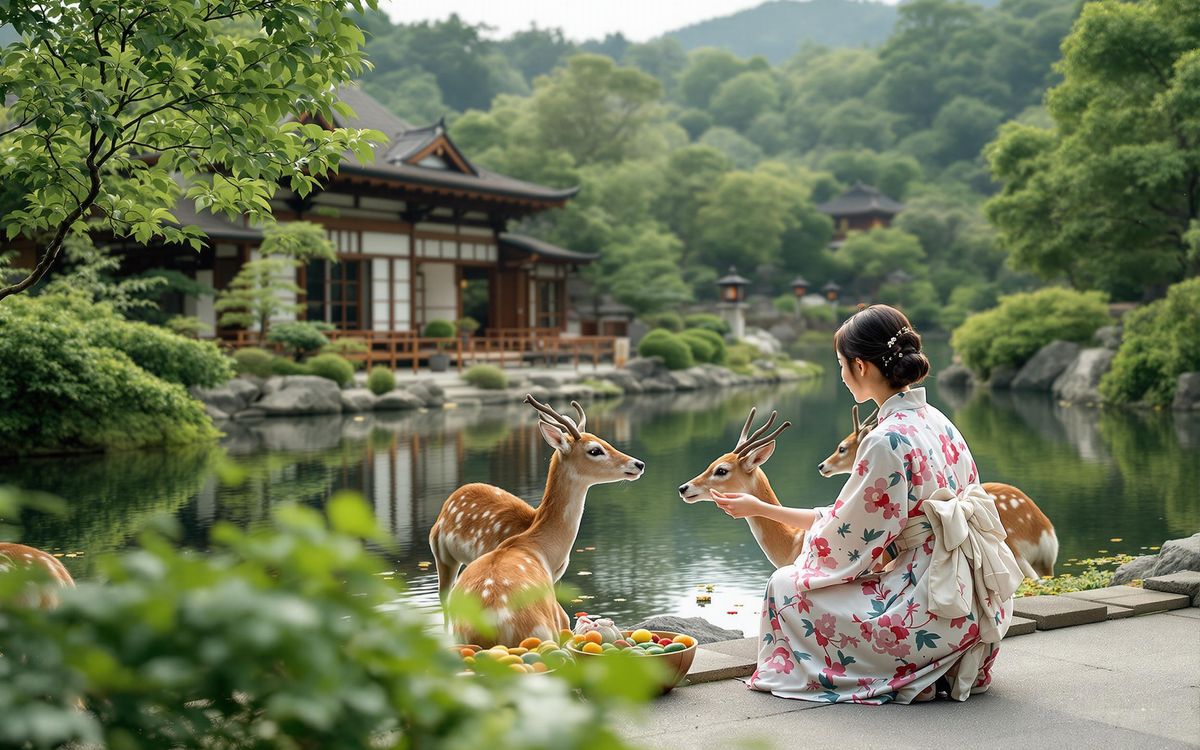
Immerse yourself in the heart of Japan's ancient capital with a stay in a traditional ryokan, where time slows down and the essence of Japanese culture comes to life.
Nestled near the enchanting city of Nara, these traditional Japanese inns offer a sanctuary of tranquility, blending seamlessly with the historical significance of their surroundings. From the meticulously designed tatami rooms to the rejuvenating onsen experiences and the exquisite kaiseki cuisine, a stay in a ryokan near Nara is an unforgettable journey into the heart of Japanese hospitality and tradition.
In this review, we'll explore the captivating experience of staying in a traditional ryokan near ancient Nara, highlighting the cultural immersion, the quality of accommodations, and the unforgettable dining experiences that await.
Stepping Back in Time: Arrival at the Ryokan
The journey to a traditional ryokan near Nara begins with a sense of anticipation, a feeling of stepping back in time to an era of refined elegance and serene simplicity. As you approach the ryokan, the architecture immediately captivates, often featuring a harmonious blend of wood, stone, and traditional Japanese design elements. The surrounding landscape plays an integral role in setting the scene, with meticulously manicured gardens, tranquil ponds, and perhaps even a glimpse of iconic landmarks like Todai-ji Temple or Mount Wakakusa in the distance.
Consider arriving at Tsubakiso, an 85-year-old Japanese townhouse with a lovely garden, or perhaps Asukasou, located at the entrance of Nara Park, or even Sarusawaike Yoshidaya, overlooking Nara-koen Park. Each offers a unique charm and a gateway to traditional Japanese hospitality.
The initial sensory impressions are profound: the gentle sounds of nature, the subtle fragrance of wood and tatami mats, and the visual harmony of the surroundings create an atmosphere of immediate calm. Upon entering, you are greeted by the warm smiles of the staff, dressed in traditional attire, their welcoming presence embodying the spirit of omotenashi – the Japanese art of selfless hospitality.
The lobby or entrance area often showcases unique or historically significant features, such as antique furniture, traditional artwork, or meticulously crafted flower arrangements. These details offer a glimpse into the ryokan's history and its commitment to preserving Japanese culture.
Hidden Gem: Many ryokans near Nara have fascinating stories woven into their history. For example, Sarusawaike Yoshidaya is a modern take on a traditional ryokan, originally founded in the early Meiji era. Discovering these little-known facts adds a layer of depth to your stay, connecting you to the ryokan's legacy and the cultural heritage of Nara.

A Sanctuary of Tatami and Tranquility: The Room
The accommodations in a traditional ryokan are designed to evoke a sense of peace and harmony, with every element carefully chosen to reflect Japanese aesthetics. Tatami mats cover the floor, providing a soft and natural surface underfoot, while shoji screens filter the light, creating a gentle and diffused ambiance.
The centerpiece of the room is the futon bedding, traditionally laid out on the tatami mats for a restful night's sleep. Many rooms offer views of meticulously maintained gardens, serene mountains, or the charming cityscape of Nara, providing a visual connection to the surrounding environment.
A yukata, a light cotton kimono, is provided for guests to wear during their stay, along with instructions on how to properly wear it. Slippers are also provided for navigating the ryokan's interior spaces. Modern amenities are often seamlessly integrated into the traditional setting, offering convenience without disrupting the overall ambiance.
Hidden Gem: Look for specific details in the room's design that reflect local craftsmanship or history. Some ryokans feature handcrafted furniture, locally sourced textiles, or artwork inspired by Nara's cultural heritage. These subtle touches enhance the sense of place and provide a deeper connection to the region's artistic traditions.
![]()
The Art of Kaiseki: A Culinary Journey
The dining experience in a traditional ryokan is a culinary journey that celebrates the art of kaiseki, a multi-course Japanese dinner that emphasizes seasonal ingredients, meticulous presentation, and harmonious flavors. Each dish is a work of art, carefully arranged to appeal to both the eye and the palate.
Local and seasonal ingredients take center stage, showcasing the bounty of the surrounding region. Specific dishes may include delicate sashimi, grilled fish, simmered vegetables, and flavorful soups, each prepared with utmost care and attention to detail. The cultural significance of each dish is often explained by the attentive staff, providing insight into the traditions and stories behind the cuisine.
The dining area itself is designed to enhance the experience, with serene décor, soft lighting, and views of the surrounding gardens. The service is impeccable, with staff anticipating your needs and ensuring a seamless and memorable dining experience.
Hidden Gem: Ask about the origin of a specific ingredient or a unique preparation method used by the ryokan's chef. You might discover that the ryokan sources its vegetables from a local farm or that the chef employs a centuries-old technique to enhance the flavor of a particular dish. These insights add depth to your appreciation of the culinary artistry on display.
![]()
Bathing in Tradition: The Onsen Experience
The onsen, or hot spring bath, is an integral part of the ryokan experience, offering a chance to relax, rejuvenate, and immerse yourself in Japanese bathing culture. Ryokans often feature a variety of baths, including indoor baths, outdoor baths (rotenburo), and private baths, each with its own unique ambiance and features.
Outdoor baths provide a connection to nature, allowing you to soak in the mineral-rich waters while surrounded by lush greenery, towering trees, or perhaps even a starlit sky. Indoor baths offer a more intimate and enclosed setting, often featuring traditional Japanese design elements and soothing lighting.
Understanding onsen etiquette is essential for a respectful and enjoyable experience. This includes washing your body thoroughly before entering the bath, avoiding splashing or loud noises, and refraining from bringing towels or clothing into the water. The benefits of bathing in onsen waters are numerous, with the mineral-rich waters said to promote relaxation, improve circulation, and soothe aching muscles.
Hidden Gem: Discover a historical fact about the onsen's water source or a unique bathing ritual practiced at the ryokan. Some onsen waters are believed to have special healing properties, while others are associated with local legends or folklore. Learning about these details adds a layer of intrigue to your onsen experience.
![]()
Beyond the Walls: Exploring Ancient Nara
The ryokan's proximity to Nara's historical sites makes it an ideal base for exploring the ancient city and its cultural treasures. A walking tour of nearby attractions is highly recommended, allowing you to immerse yourself in the history and beauty of the area.
Todai-ji Temple, home to the iconic Great Buddha statue, is a must-see, as is Nara Park, where you can encounter wild deer roaming freely. Kasuga Taisha Shrine, with its thousands of lanterns, offers a glimpse into Shinto traditions and the region's spiritual heritage.
Encountering the wild deer in Nara Park is a unique and unforgettable experience. These gentle creatures are considered sacred messengers of the Shinto gods and have become a symbol of the city. You can purchase deer crackers (shika senbei) to feed them, but be mindful of their behavior and avoid teasing them.
Other nearby cultural experiences include attending a traditional tea ceremony, participating in a calligraphy workshop, or trying your hand at traditional crafts like Akahada pottery. These activities offer a deeper understanding of Japanese culture and provide a chance to connect with local artisans.
Hidden Gem: Seek out a lesser-known historical site or a unique local tradition that tourists often miss. This might be a small temple tucked away in a quiet neighborhood, a local festival celebrating ancient customs, or a hidden garden showcasing the beauty of Japanese landscape design. Discovering these hidden gems will enrich your experience and provide a deeper appreciation for the cultural tapestry of Nara.
![]()
A stay in a traditional ryokan near ancient Nara is more than just a hotel experience; it's a cultural immersion that touches the senses and nourishes the soul. From the moment you arrive, you are transported to a world of refined elegance, serene simplicity, and warm hospitality. Whether you're seeking relaxation, cultural exploration, or a deeper connection to Japanese traditions, a ryokan stay near Nara is an unforgettable journey into the heart of Japan.
As you depart, you'll carry with you not just memories of stunning landscapes and exquisite cuisine, but a profound appreciation for the timeless beauty and enduring spirit of Japanese culture.