Winter travel is often synonymous with delays, discomfort, and environmental concerns, but the aviation industry is rapidly evolving, embracing cutting-edge technologies to mitigate these challenges.
These advancements promise smoother journeys, enhanced passenger experiences, and a reduced carbon footprint, even amidst the harshest winter conditions. From artificial intelligence optimizing flight paths to sustainable aviation fuels powering greener flights, the future of winter travel is taking shape in the skies and on the ground.
Smarter Skies: AI Takes Flight in Winter Operations
Artificial intelligence is revolutionizing winter flight operations, providing airlines with unprecedented capabilities to navigate challenging weather conditions. AI-powered predictive analytics are helping airlines anticipate and manage weather disruptions with greater accuracy. For example, airlines like
Delta are using AI to analyze vast amounts of weather data, predict potential disruptions, and optimize flight paths in real-time. This proactive approach minimizes delays and ensures safer journeys for passengers.
AI is also transforming de-icing processes at airports. At hubs like
Chicago O'Hare International Airport, AI-driven systems manage de-icing operations, ensuring efficiency and safety. These systems utilize real-time data to determine the precise amount of de-icing fluid needed for each aircraft, reducing waste and environmental impact. The integration of AI in air traffic management further enhances airspace efficiency during winter. AI algorithms analyze traffic patterns, weather conditions, and aircraft performance to optimize flight routes and minimize delays, ensuring smoother and more predictable travel experiences for passengers.
Furthermore, AI systems can offer real-time analysis of environmental conditions, optimize operations for better performance in snowy weather, and ensure safer interactions between the Passenger Loading Bridge (PLB), aircraft, and ground personnel. The combination of reduced visibility, icy tarmacs, and the need for a safe, efficient, and regulatory-compliant environment makes AI an invaluable tool for a smoother, more resilient winter operation.

Cabin Comfort Elevated: Personalization and Wellness
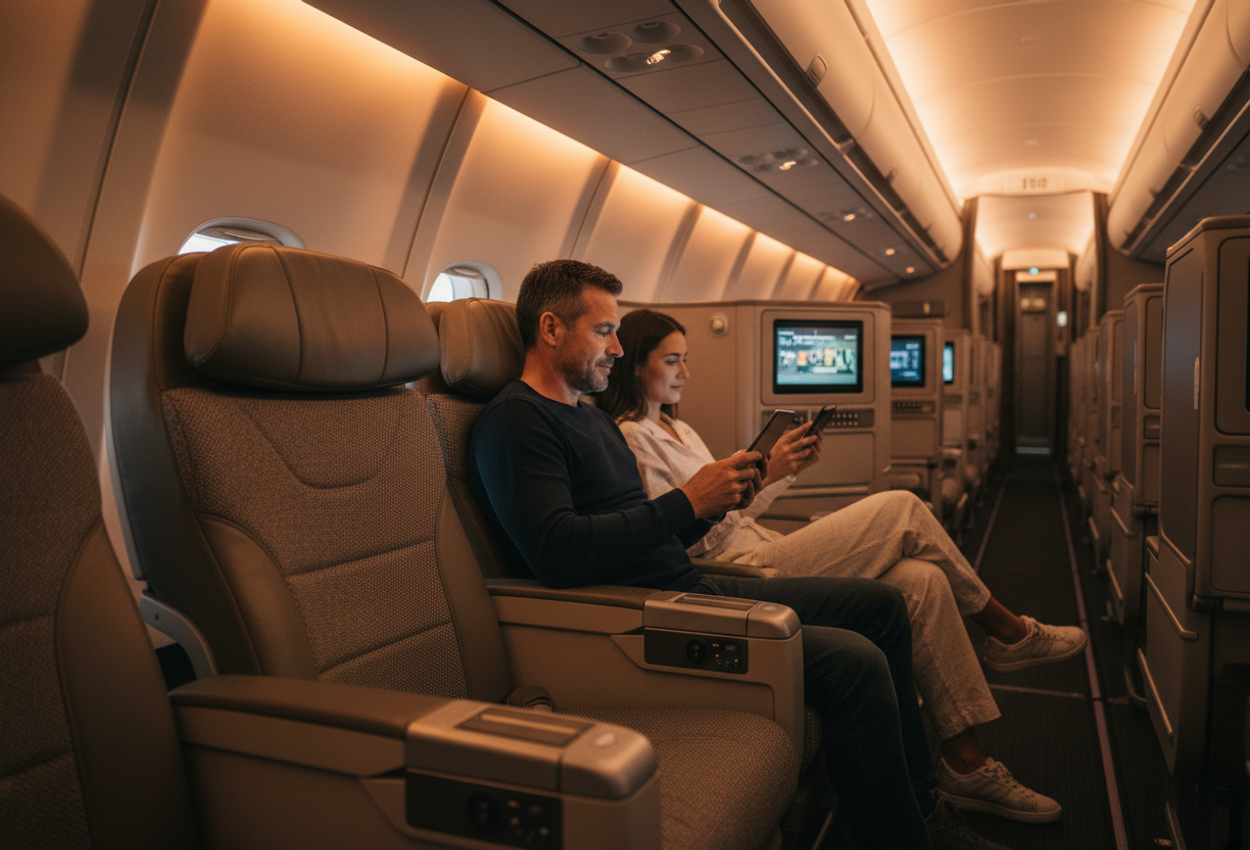
Innovations in cabin design are significantly enhancing passenger comfort during winter flights, focusing on personalization and wellness to create a more enjoyable travel experience. Smart cabins equipped with IoT sensors are at the forefront of this transformation. These sensors monitor and adjust lighting, temperature, and seating preferences based on individual needs, ensuring optimal comfort for every passenger.
Advancements in air filtration systems are also playing a crucial role in improving cabin air quality. High-efficiency particulate air (HEPA) filters remove allergens, pollutants, and pathogens, providing passengers with cleaner and healthier air to breathe. Mood lighting systems are being implemented to reduce jet lag and promote relaxation during flights. These systems mimic natural light patterns, helping passengers adjust to different time zones and arrive at their destinations feeling refreshed. Airlines like
Emirates are leading the way in offering personalized in-flight entertainment and meal options. Passengers can pre-select their favorite movies, TV shows, music, and meals through the airline's mobile app, creating a customized travel experience. This level of personalization ensures that passengers feel valued and comfortable throughout their journey.
Sustainable Soaring: Green Tech for Winter Flights
The aviation industry is making significant strides in sustainability, particularly in winter operations, by embracing green technologies and practices. Sustainable Aviation Fuels (SAF) are at the forefront of this movement, offering a viable alternative to traditional jet fuels. Airlines like
Air Canada are actively promoting the role of SAF in reducing emissions and achieving net-zero goals. SAF can be produced from various sustainable sources, including waste oils, algae, and non-food crops, offering a significant reduction in carbon emissions compared to conventional jet fuel.
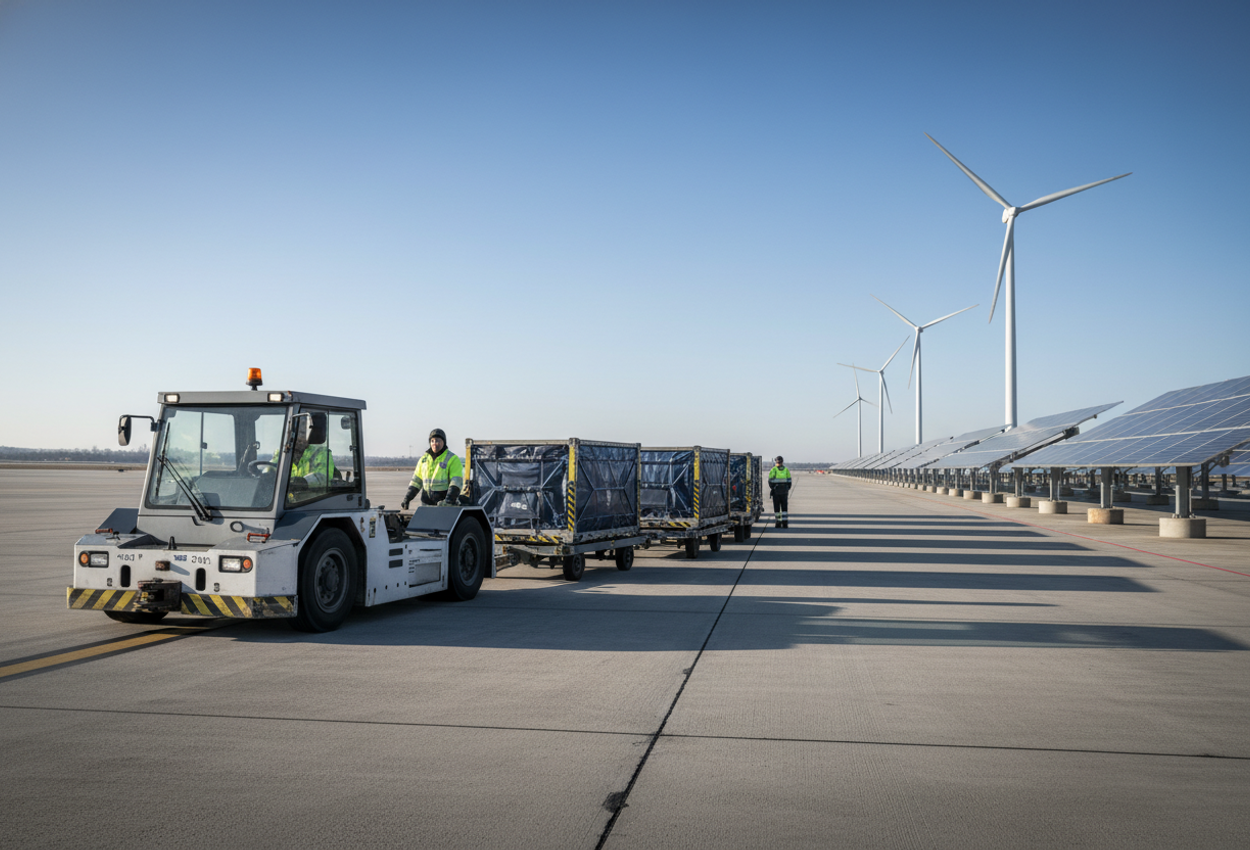
The development of electric and hybrid aircraft for short-distance winter routes is also gaining momentum. These aircraft offer a cleaner and quieter alternative for regional travel, reducing both air and noise pollution. Green manufacturing practices are being adopted to minimize the environmental impact of aircraft production. This includes using sustainable materials like composites and recycled metals, as well as implementing energy-efficient manufacturing processes. Airports like
Amsterdam Schiphol are leading the way in using electric ground support equipment to minimize their carbon footprint. This includes electric baggage handlers, aircraft tugs, and other ground vehicles, reducing emissions and improving air quality around the airport.
Seamless Transit: Airport Innovations for Winter
Airports are implementing innovative solutions to improve the passenger experience during winter, focusing on efficiency, convenience, and safety. Biometric systems are streamlining check-in and boarding processes, reducing wait times and minimizing contact.
Kempegowda International Airport in
Bengaluru has implemented biometric systems that allow passengers to breeze through security and boarding gates using facial recognition technology.
Smart baggage tracking systems are using technologies like
Apple AirTags to reduce lost luggage incidents.
United Airlines has adopted this technology, allowing passengers to track their bags in real-time through the airline's mobile app. Touchless technologies and self-service kiosks are minimizing contact and streamlining passenger flow. These technologies include contactless check-in, automated security screening, and self-boarding gates, reducing the risk of spreading germs and improving overall efficiency.

These innovations collectively contribute to a more seamless and stress-free travel experience during the winter months. By leveraging technology and embracing sustainable practices, the aviation industry is transforming winter travel into a more comfortable, convenient, and environmentally responsible experience.