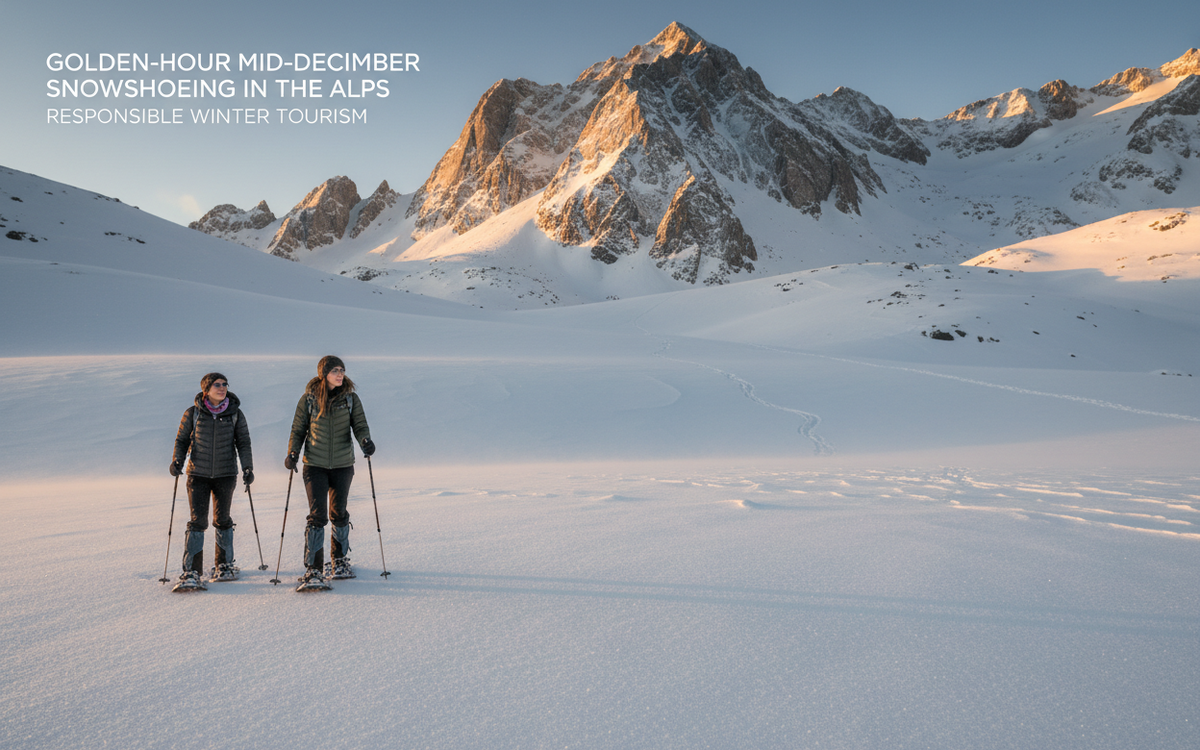
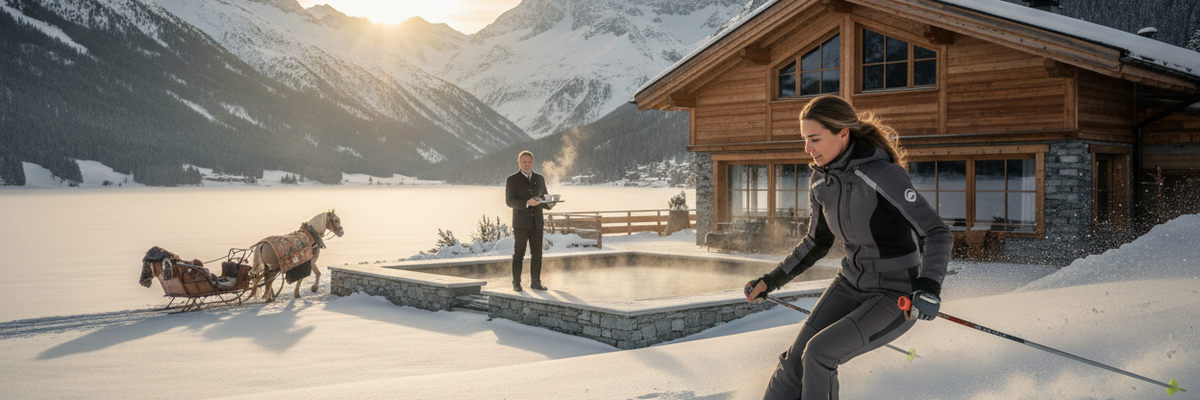
The allure of winter wonderlands draws millions, but unchecked tourism threatens these fragile environments. It's time to explore the impact and embrace responsible practices.
Winter's Icy Embrace: A Double-Edged Sword
Winter wonderlands, with their pristine snow-covered landscapes and opportunities for exhilarating activities, have always held a special allure for travelers. From the majestic Alps to the serene Rocky Mountains, these destinations promise unforgettable experiences. However, the increasing popularity of winter tourism has brought a growing concern: overtourism. The influx of visitors, while economically beneficial, poses a significant threat to the delicate ecosystems that make these places so unique.
Winter ecosystems are particularly vulnerable due to their unique environmental characteristics. The subnivium, the space between the snowpack and the ground, provides a crucial habitat for various species, offering insulation and protection from harsh weather conditions. The stability of the snowpack itself is vital for regulating soil temperatures and preventing erosion. However, the weight and activity of large numbers of tourists can disrupt these delicate balances, compacting the snow, damaging vegetation, and disturbing wildlife.
Climate change further exacerbates these vulnerabilities, with rising temperatures and altered snowfall patterns impacting the very foundation of winter tourism. In the Alps, temperatures have risen significantly over the past few decades, leading to reduced snow cover and shorter winter seasons. This not only affects the quality of the tourist experience but also threatens the long-term viability of these destinations. The delicate balance between tourism and environmental preservation is becoming increasingly precarious, demanding urgent attention and sustainable solutions.
The consequences of overtourism extend beyond the environment, impacting local communities and economies as well. Increased traffic, strain on infrastructure, and rising costs of living can diminish the quality of life for residents, while the commodification of local culture can erode the authenticity of the tourist experience. Addressing these challenges requires a holistic approach that considers the interconnectedness of environmental, social, and economic factors, ensuring a sustainable future for winter wonderlands and the communities that call them home.
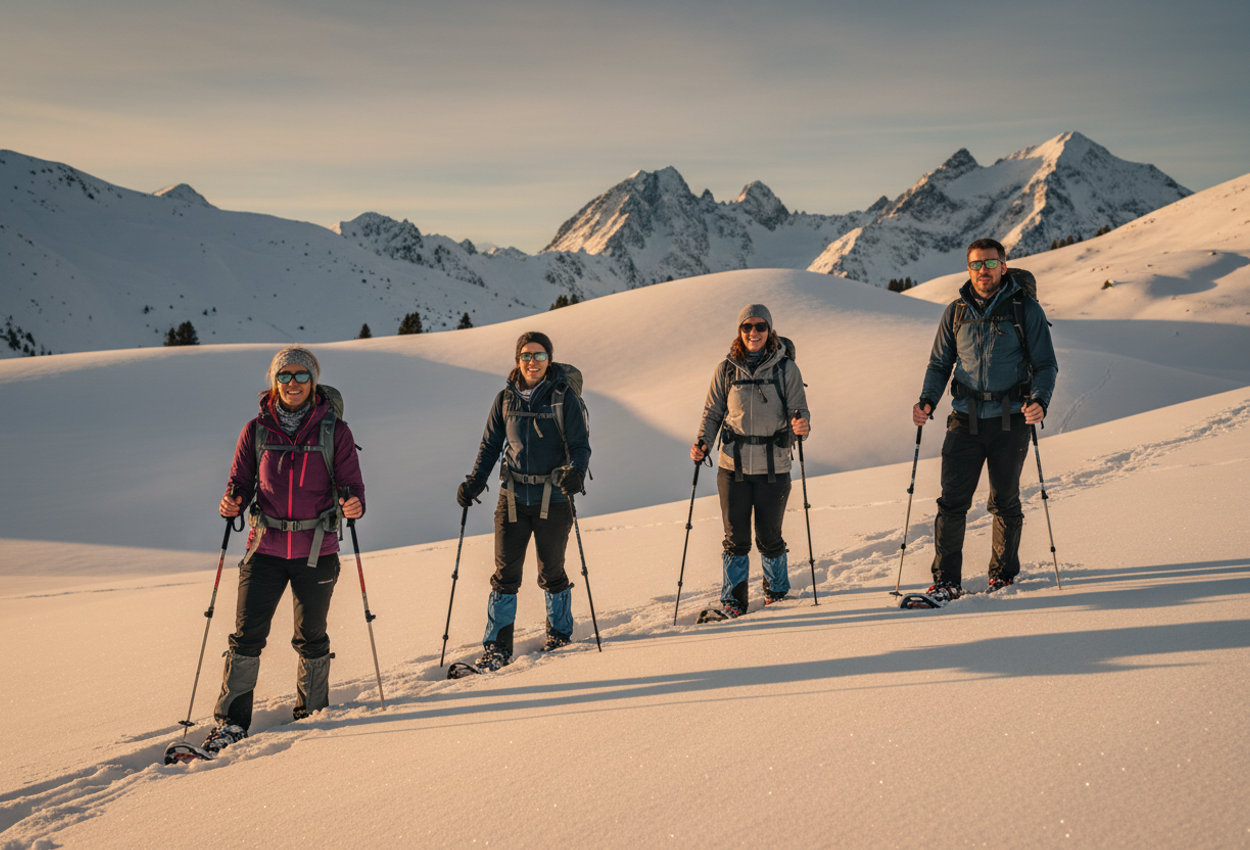
Image Description: A wide, landscape-style shot capturing a snow-covered mountain range in the Alps during winter. The foreground shows a group of people snowshoeing, spread out to minimize impact on the snow. The sun is setting, casting a warm glow on the peaks. The purpose is to illustrate the beauty of winter landscapes while subtly highlighting responsible tourism. Style Instructions: Use a wide-angle lens to capture the vastness of the mountains. Focus on the snowshoers to emphasize human presence, but keep them small in the frame to suggest harmony with nature. The lighting should be warm and inviting, taken on December 15, 2025, during the late afternoon to emphasize the serene and peaceful atmosphere. Style: Landscape
Crowdsourcing Catastrophe: Destinations on the Brink
Several winter destinations are already grappling with the harsh realities of overtourism, serving as cautionary tales for others. Roccaraso, Italy, a popular ski resort in the Apennine Mountains, experienced an 'invasion' of tour buses, causing gridlock and overwhelming the town's infrastructure. In January 2025, over 260 buses carrying more than 10,000 visitors descended upon the town, clogging roads, overcrowding ski slopes, and leaving residents furious. The influx was triggered by a viral TikTok post, highlighting the power of social media to amplify tourism pressures.
The Jungfrau Region in Switzerland, renowned for its stunning views of the Eiger, Mönch, and Jungfrau peaks, faces similar challenges. The region attracts over a million visitors annually, straining local infrastructure and exacerbating housing scarcity. Day-trippers, who often don't contribute to infrastructure maintenance through visitor taxes, overcrowd the area, while short-term rentals like Airbnb further reduce housing availability for local residents.
The environmental damage is also evident in the Jungfrau Region, with the Aletsch Glacier, the largest glacier in the Alps, experiencing a rapid retreat. Since 1984, the Aletsch Glacier has retreated more than 1,300 meters (4,300 feet), and has lost 43 meters of water equivalent. These statistics paint a grim picture of the impact of overtourism and climate change on fragile winter ecosystems.
These destinations serve as stark reminders of the need for proactive measures to manage tourism sustainably. Limiting visitor numbers, investing in infrastructure, promoting responsible travel practices, and engaging local communities are crucial steps to mitigate the negative impacts of overtourism and ensure the long-term health of these winter wonderlands.
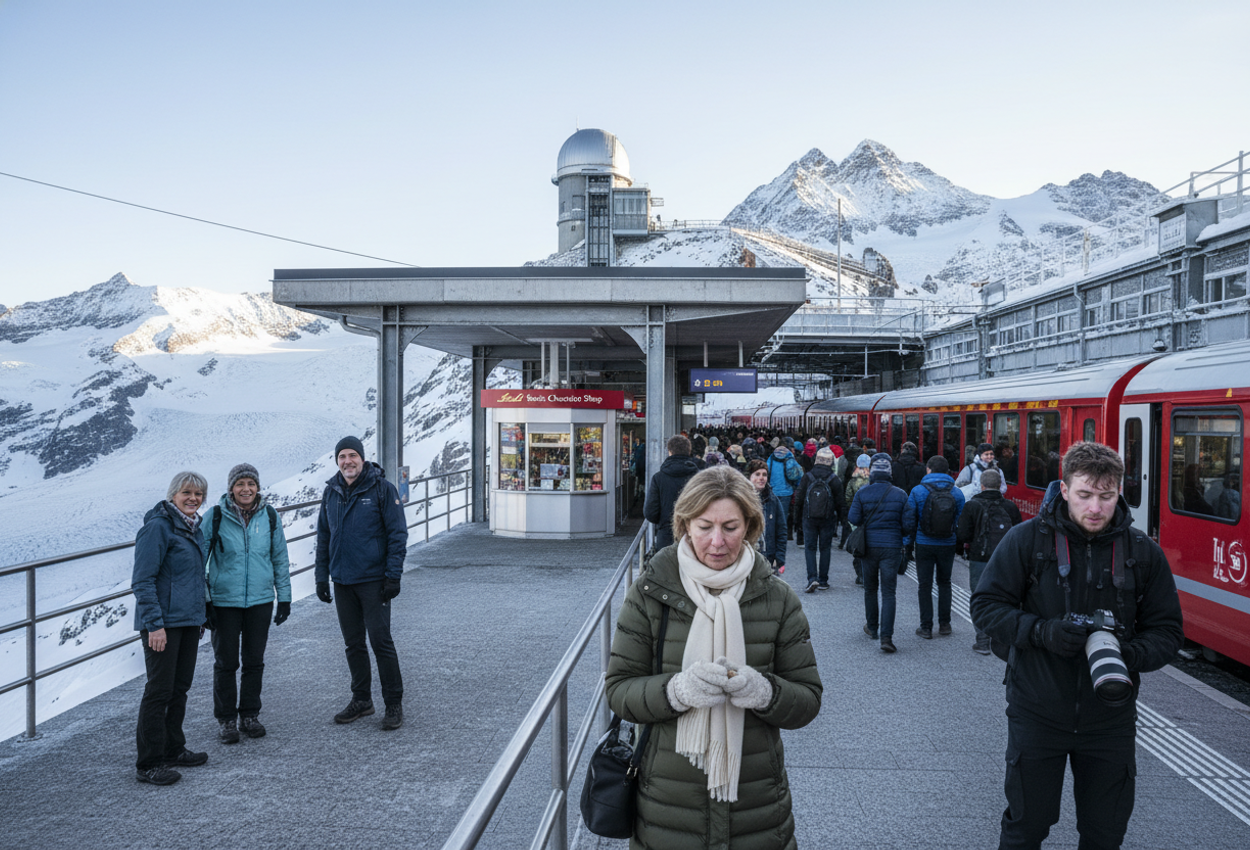
Image Description: A photograph capturing the Jungfrau Region in Switzerland during peak winter season. The Jungfraujoch is visible in the background, heavily visited by tourists. The foreground shows a crowded train station with people disembarking, highlighting the congestion. The purpose is to depict the overcrowding issues in popular winter destinations. Style Instructions: Capture the scene from a slightly elevated angle to emphasize the density of people. Use a candid style to show the natural flow of tourists. Taken on January 20, 2026, mid-morning to capture the busiest time. Style: Street
The Carbon Footprint of Cozy: Tourism's Environmental Impact
Winter tourism, while providing economic benefits, carries a significant environmental cost, primarily through increased carbon dioxide (CO2) emissions. Flights to popular winter destinations contribute substantially to this footprint. For example, flights to Geneva, a gateway to many Alpine ski resorts, generate considerable CO2 emissions. The aviation sector accounts for approximately 2.5% of global greenhouse gas emissions.
Another significant contributor to the carbon footprint of winter tourism is the use of snowmobiles. These recreational vehicles, while providing access to remote areas, emit high levels of CO2 and other pollutants, impacting air quality and contributing to climate change. The environmental impact of snowmobiles is particularly pronounced in sensitive alpine environments, where the exhaust fumes can damage vegetation and disrupt wildlife.
Artificial snowmaking, a common practice in many ski resorts, is also an energy-intensive process with significant environmental consequences. The production of artificial snow requires vast amounts of water and energy, placing a strain on local resources. In Canada, annual snowmaking demands the same energy required to power 17,000 homes. Furthermore, the process can disrupt natural water cycles, alter soil composition, and harm plant life.
Addressing the carbon footprint of winter tourism requires a multi-faceted approach. Encouraging the use of public transportation, promoting energy-efficient snowmaking technologies, investing in renewable energy sources, and raising awareness among travelers are essential steps towards mitigating the environmental impact of this industry.
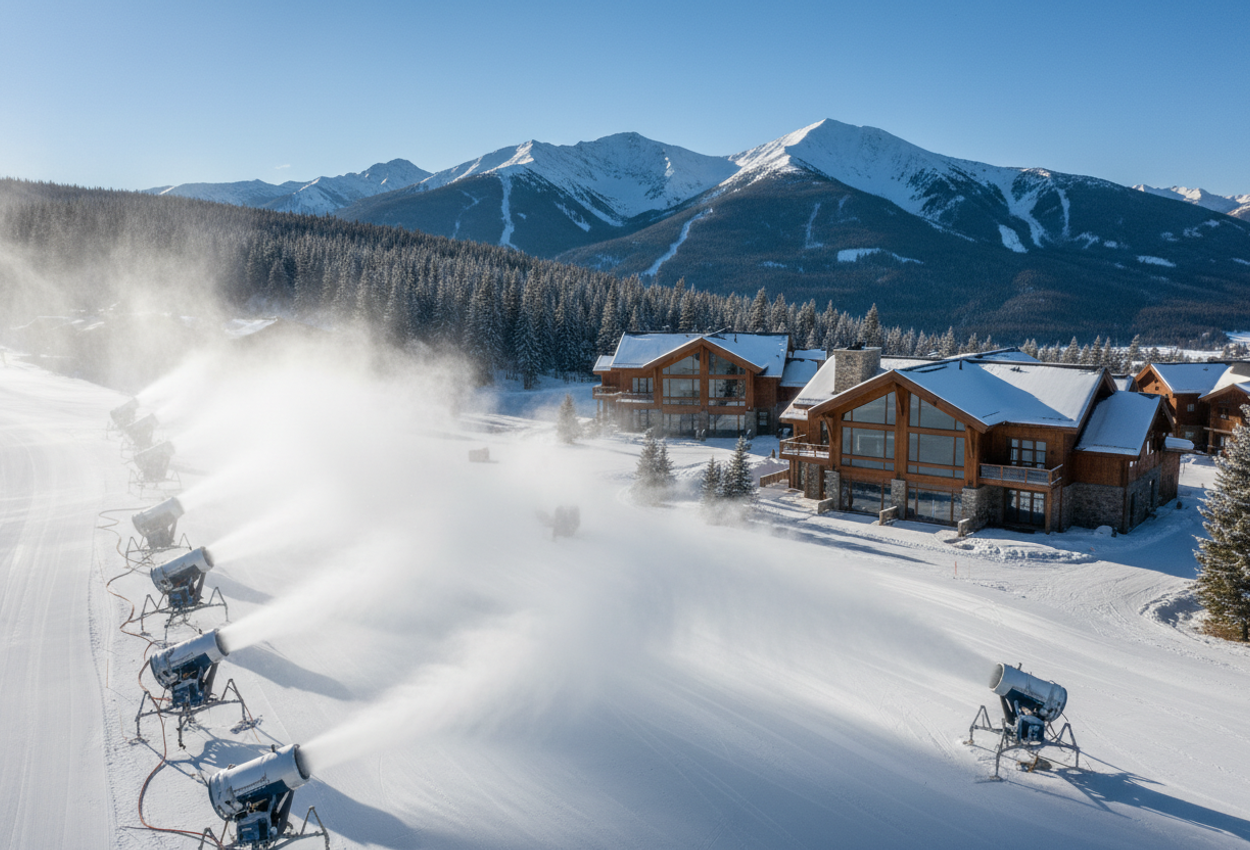
Image Description: An aerial shot of a ski resort in Canada during the daytime. Artificial snowmaking machines are actively spraying snow on the slopes. The purpose is to highlight the energy-intensive process of artificial snowmaking. Style Instructions: Use a high-angle to show the extent of the snowmaking operation. Capture the scene on a sunny day, December 28, 2025, to contrast the artificial snow with the natural environment. Style: Aerial
Voices from the Frontlines: Experts Weigh In
Environmental experts, industry leaders, and local communities are increasingly vocal about the challenges and potential solutions for sustainable winter tourism. Organizations like the Natural Resources Defense Council (NRDC) and Protect Our Winters (POW) have conducted extensive research on the economic and environmental impacts of climate change on winter tourism. Their studies highlight the urgent need for action to protect these valuable ecosystems and economies.
Elizabeth Burakowski, a Research Assistant Professor at the University of New Hampshire, has co-authored reports with POW on the economic impacts of climate change on winter tourism. Her research emphasizes the vulnerability of winter economies to fluctuating snow conditions and the importance of reducing carbon emissions to ensure the long-term viability of these industries.
Matt Magnusson, also from the University of New Hampshire, has collaborated with Burakowski on studies examining the economic contributions of winter sports in a changing climate. Their work underscores the need for sustainable tourism practices that balance economic development with environmental protection.
Local residents are also raising their voices, expressing concerns about the strain on resources and infrastructure caused by overtourism. In destinations like the Jungfrau Region, housing shortages and increased living costs are impacting the quality of life for local communities. Engaging these communities in decision-making processes and ensuring that they benefit from tourism revenue is crucial for fostering sustainable and equitable tourism development.

Image Description: A panel discussion at a sustainability conference. Elizabeth Burakowski is speaking at the podium, with Matt Magnusson and a local community leader seated beside her. The audience is engaged and attentive. The purpose is to showcase the collaborative effort in addressing overtourism. Style Instructions: Capture the scene with a medium shot, focusing on the speakers. Use natural lighting and a professional setting. Taken on January 10, 2026, during the conference. Style: Event
Sustainable Slopes: Solutions for a Greener Winter
Adopting sustainable travel practices is essential for preserving winter wonderlands for future generations. Choosing eco-friendly transportation options, such as trains and electric vehicles, can significantly reduce your carbon footprint. Many European countries offer extensive rail networks that connect major cities with ski resorts, providing a convenient and environmentally responsible alternative to flying.
Selecting sustainable accommodations is another crucial step. Eco-certified resorts and hotels prioritize energy efficiency, waste reduction, and water conservation. These establishments often use renewable energy sources, implement recycling programs, and support local communities.
Supporting destinations with strong sustainability initiatives is also vital. Vail, Colorado, is the first certified sustainable mountain resort destination in the world, demonstrating a commitment to balancing tourism growth with environmental stewardship and community needs. By choosing destinations like Vail, travelers can support responsible tourism practices and encourage other resorts to adopt similar initiatives.
Ultimately, responsible travel is about making conscious choices that minimize your impact on the environment and maximize the benefits for local communities. By embracing sustainable practices, travelers can continue to enjoy the beauty and wonder of winter destinations while ensuring their long-term preservation.
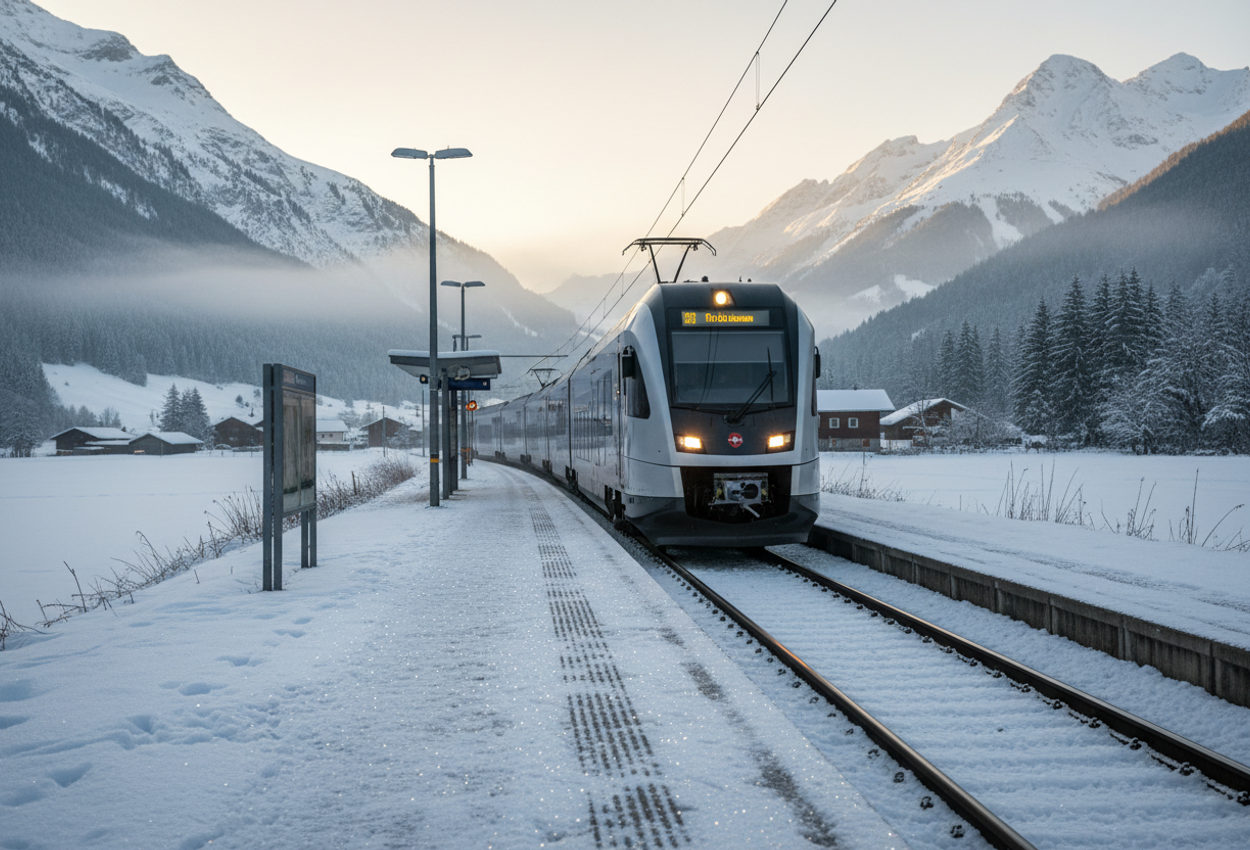
Image Description: A serene shot of a train arriving at a snow-covered train station in the Swiss Alps. The train is modern and energy-efficient. The purpose is to promote eco-friendly transportation options. Style Instructions: Use a long shot to capture the train in its environment. The lighting should be soft and natural, taken on January 25, 2026, during the early morning to emphasize the peacefulness. Style: Serene