Winter transforms the world into a breathtaking canvas of white and silver, offering unique opportunities for photographers. From the serene beauty of snow-covered landscapes to the joyous atmosphere of holiday festivities, winter provides a wealth of captivating subjects. However, the season also presents unique challenges, including low light, harsh weather, and the complexities of capturing snow accurately. Mastering these challenges unlocks a world of stunning photographic possibilities.
This guide delves into the art of winter photography, providing tips and techniques to capture the magic of snowy landscapes, portraits in a winter wonderland, the delicate dance of falling snow, and the vibrant spirit of holiday events. Whether you're a seasoned photographer or just starting out, these insights will help you elevate your winter photography and create lasting memories.
Chasing the Light: Mastering Winter Landscape Photography
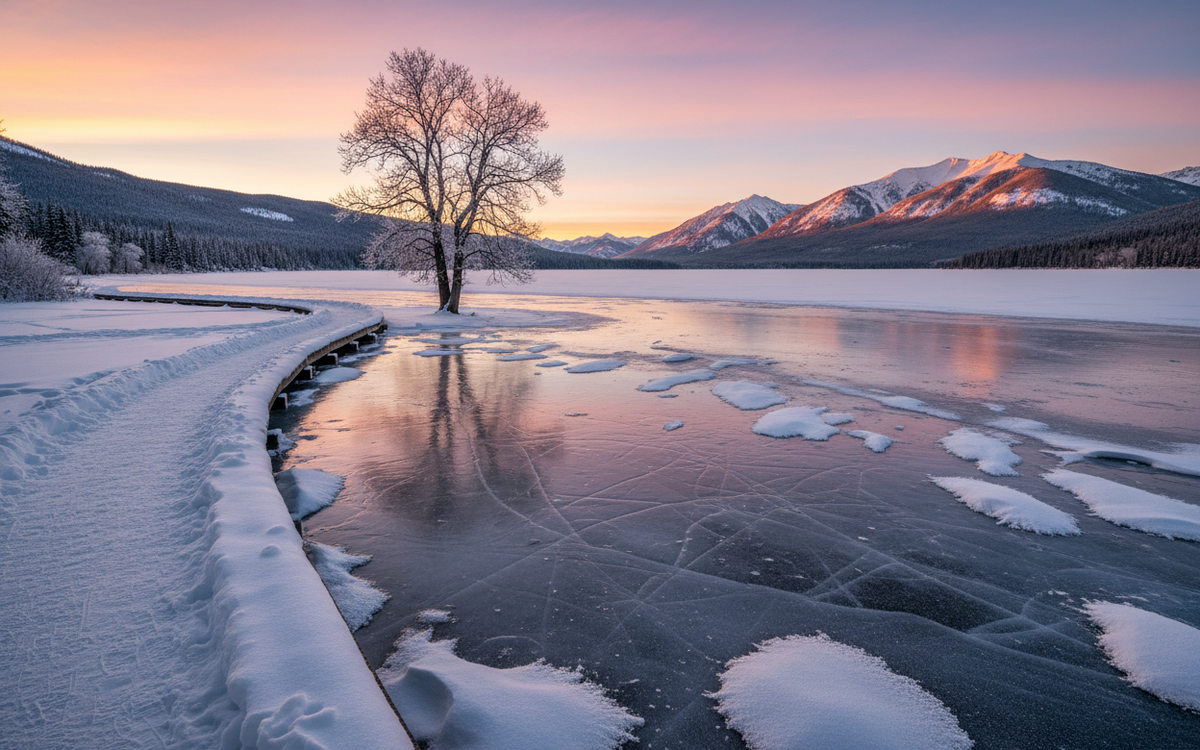
Winter light possesses a unique quality, often softer and more diffused than in other seasons. The low angle of the sun creates long shadows and highlights textures in the snow, offering dramatic landscape opportunities.
To make the most of winter light, prioritize shooting during the golden hours—the hour after sunrise and the hour before sunset. During these times, the light is warm and gentle, casting a beautiful glow on the landscape. The long shadows accentuate the contours of the snow-covered terrain, adding depth and dimension to your photos.
Exposure compensation is crucial in winter landscape photography. Snow can trick your camera's meter into underexposing the scene, resulting in dull, gray snow. To combat this, increase your exposure compensation by +1 or +2 stops to ensure the snow appears bright white. However, be careful not to overexpose, as this can lead to a loss of detail in the highlights.
Composition is key to creating compelling winter landscapes. Look for leading lines created by snowdrifts, frozen streams, or fences to guide the viewer's eye through the scene. Incorporate elements like lone trees, mountain peaks, or barns to serve as focal points and add interest. Also, utilize negative space to emphasize the stark beauty of the winter landscape.
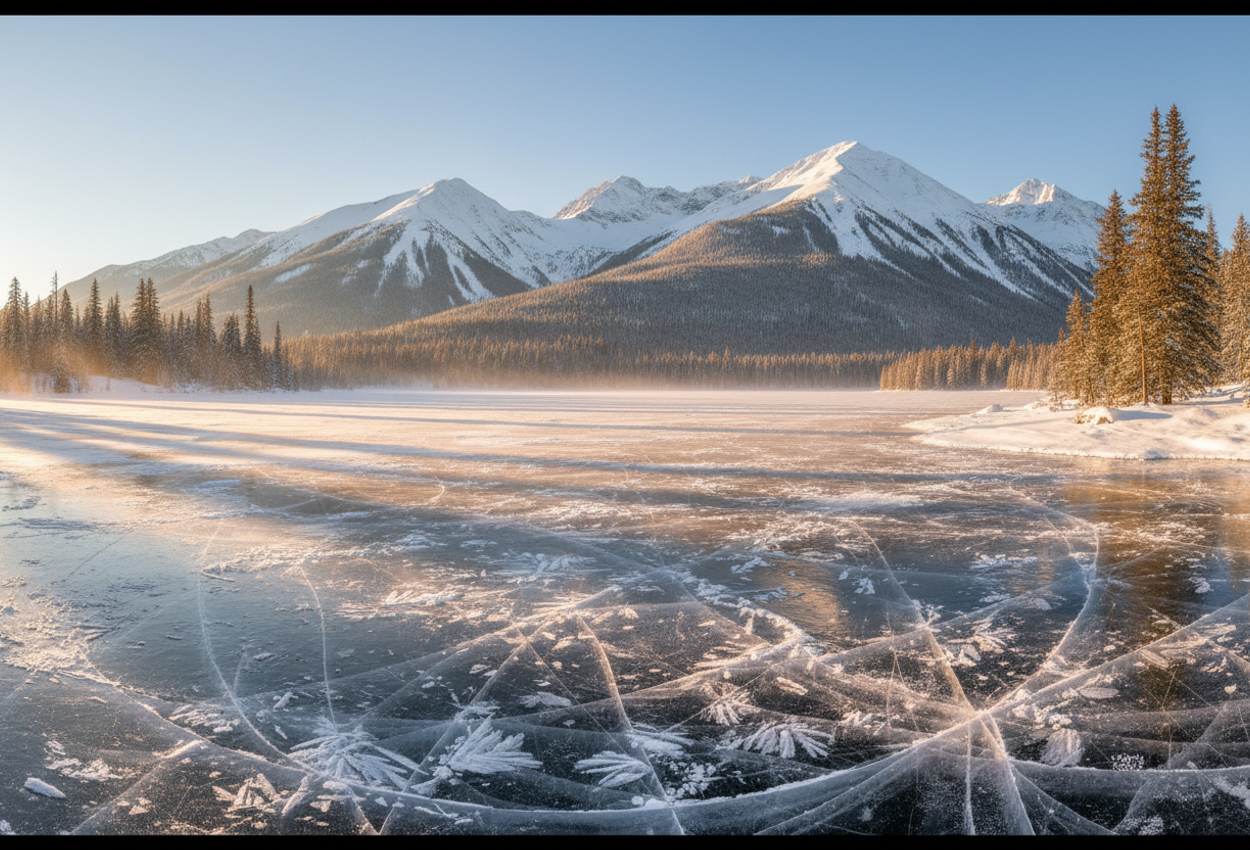
Texture plays a vital role in winter landscape photography. Seek out foreground elements like cracked ice, wind-shaped snowdrifts, or frosted branches to add tactile interest to your images. These textures contrast beautifully with the smooth, expansive snow, creating a more engaging and visually appealing photograph.
For stunning winter landscape opportunities, consider visiting Sprague Lake in Rocky Mountain National Park. The lake's serene waters, surrounded by snow-capped peaks and evergreen forests, offer a quintessential winter scene.
Portraits in a Winter Wonderland: Capturing People Amidst the Snow
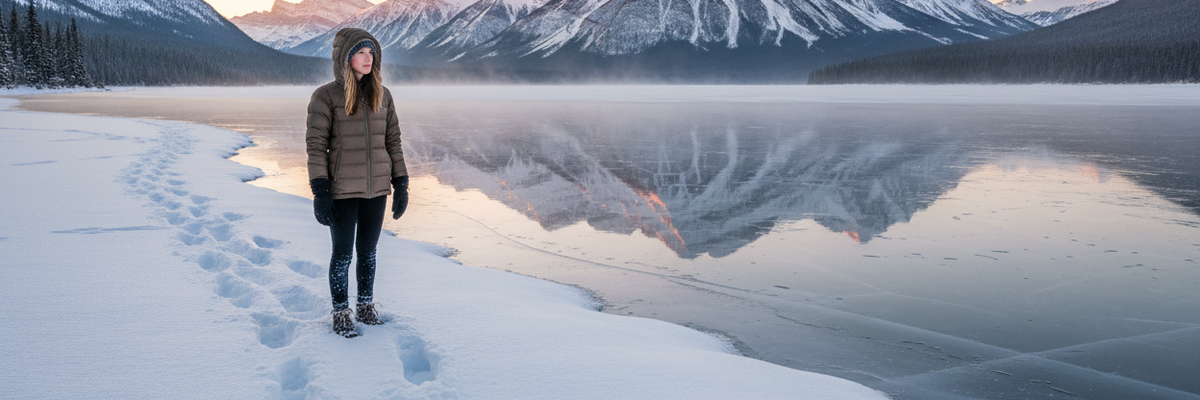
Winter provides a magical backdrop for portrait photography, transforming ordinary settings into enchanting winter wonderlands. However, capturing compelling portraits in the snow requires careful consideration of clothing, lighting, and composition.
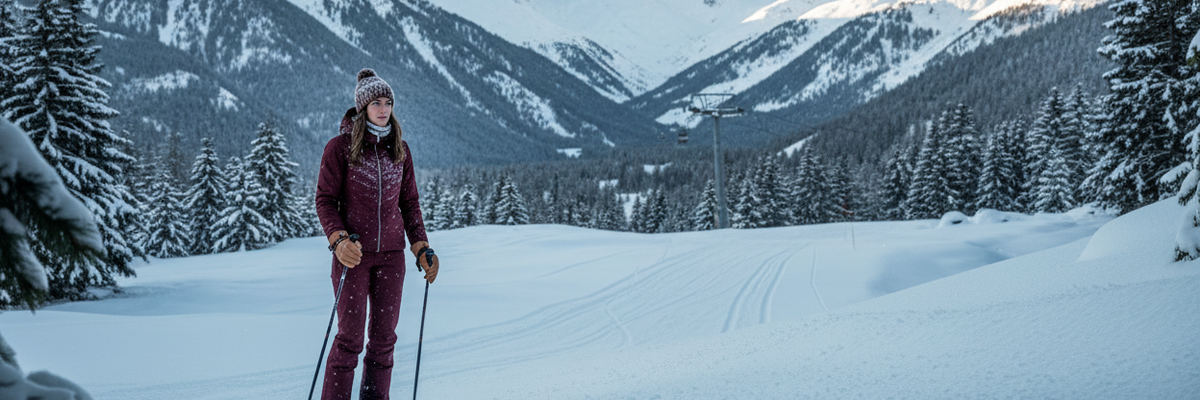
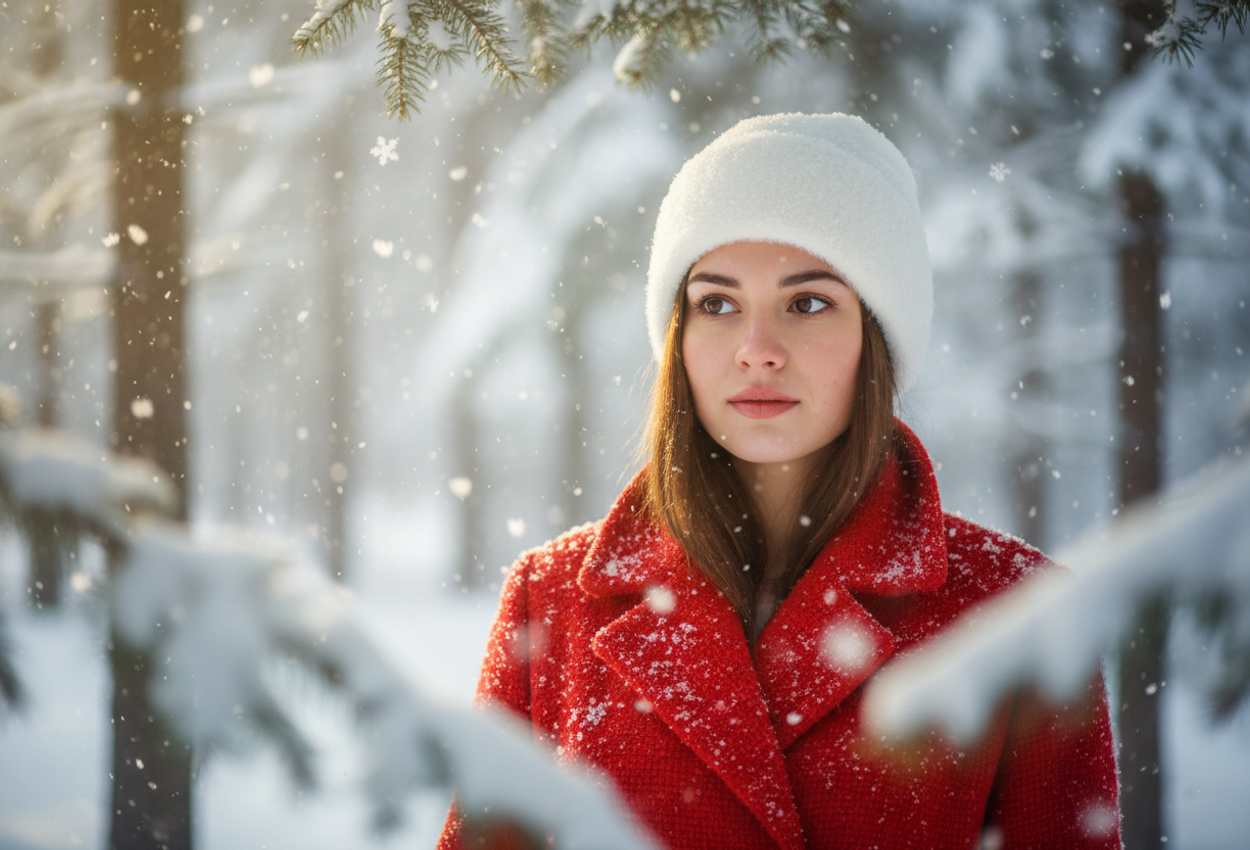
When choosing clothing for winter portraits, opt for bright, bold colors that contrast beautifully with the white snow. Deep reds, golden yellows, and bright blues pop against the snowy backdrop, making your subjects stand out. Encourage your subjects to dress in layers for warmth and versatility, allowing them to adjust their outfits as needed.
Creating artificial snowfall can add a touch of whimsy and authenticity to your winter portraits. Gently toss handfuls of snow into the air, capturing the fleeting moments as the snowflakes dance around your subjects. Use burst mode on your camera to capture a series of shots, ensuring you get the perfect expression amidst the falling snow.
If the natural light is too harsh, don't hesitate to shoot in black and white. The contrasts between your subjects and the snow will be enhanced by a monochrome look, creating a timeless and artistic effect. Frame your shots to include trees or buildings blurred in the background, adding depth and perspective to your portraits.
For a picturesque portrait backdrop, consider the Matthaei Botanical Gardens and Nichols Arboretum at the University of Michigan. These locations offer a variety of natural settings, from snow-covered gardens to wooded trails, providing ample opportunities for stunning winter portraits.
Freezing the Flurry: Techniques for Photographing Falling Snow
Capturing falling snow in photographs can be challenging, but with the right techniques, you can create dreamy and ethereal images that showcase the beauty of a winter snowstorm.
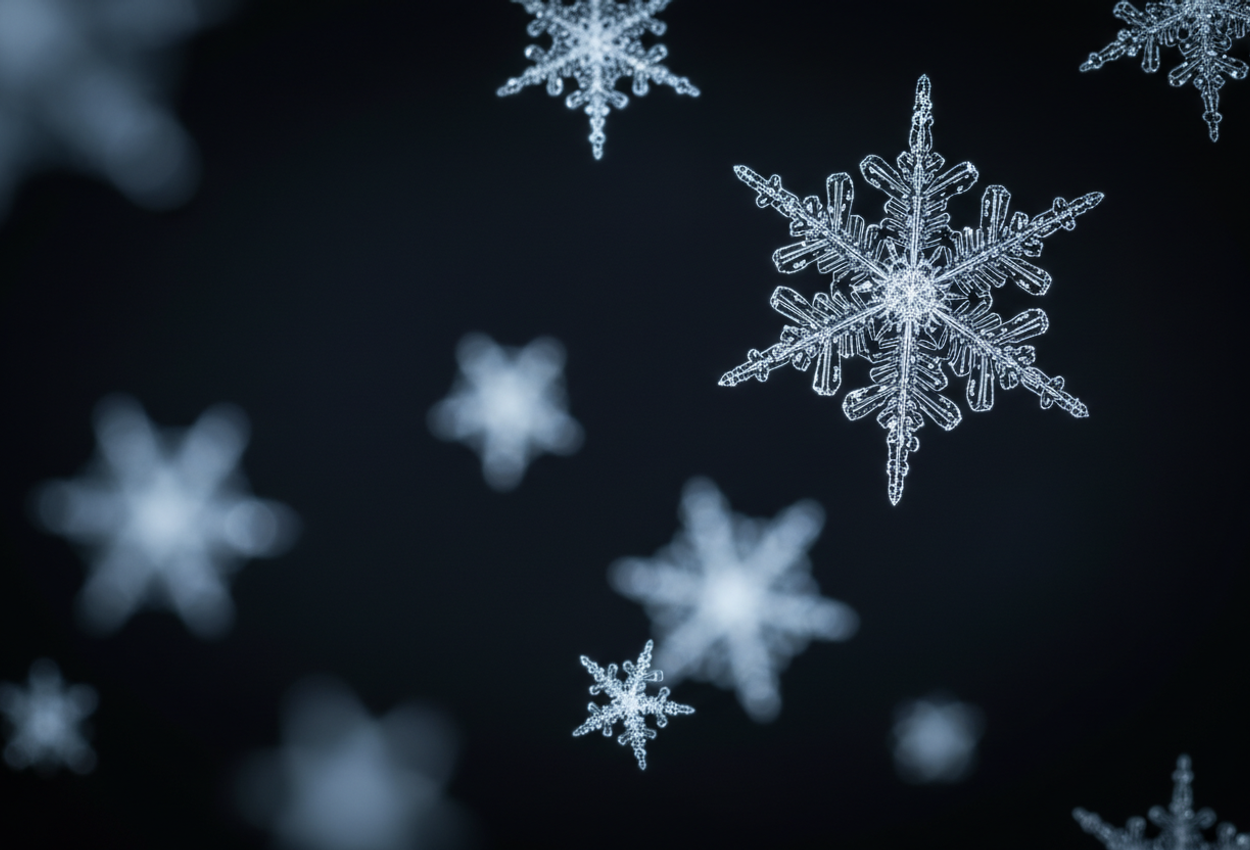
To freeze the flurries and capture individual snowflakes, use a fast shutter speed of 1/125th of a second or faster. This will ensure that the snowflakes appear sharp and defined rather than blurry streaks. Alternatively, experiment with slower shutter speeds for a dreamy effect, blurring the snowflakes into soft, ethereal lines.
Backlighting can dramatically enhance the visibility of falling snow. Position your subjects or scene in front of a light source, such as a flash or natural light, to accentuate the snowflakes as they fall. When creating artificial snowfall, keep the snow loose and fluffy to ensure it catches the light effectively.
A dark background can make snowflakes more visible in your photographs. Look for scenes with deep green trees, dark buildings, or bodies of water to provide contrast and highlight the delicate details of the snowflakes.
For a captivating snowy scene, consider shooting near Vail Village during a snowstorm. The charming village, nestled in the heart of the Colorado Rockies, provides a picturesque backdrop for capturing the magic of falling snow.
Festive Flash: Lighting Secrets for Holiday Event Photography
Holiday events offer a wealth of photographic opportunities, from twinkling lights to heartwarming gatherings. However, capturing the spirit of these events requires careful attention to lighting.
Whenever possible, utilize natural light to capture the warmth and ambiance of festive events. Open windows and doorways to allow natural light to flood the scene, creating a soft and inviting atmosphere. If natural light is limited, supplement it with artificial light sources, such as lamps or string lights.
If you must use a flash, diffuse or reflect it to avoid harsh shadows. Use a diffuser to soften the light, or bounce the flash off a nearby wall or ceiling to create a more natural and flattering effect. Experiment with white balance to achieve warmer tones, enhancing the cozy and inviting feel of your holiday event photos.
Capture the preparation stages of holiday events, showcasing the anticipation and excitement leading up to the main event. Take close-up shots of details like decorations, food, and gifts to add visual interest and tell a more complete story.
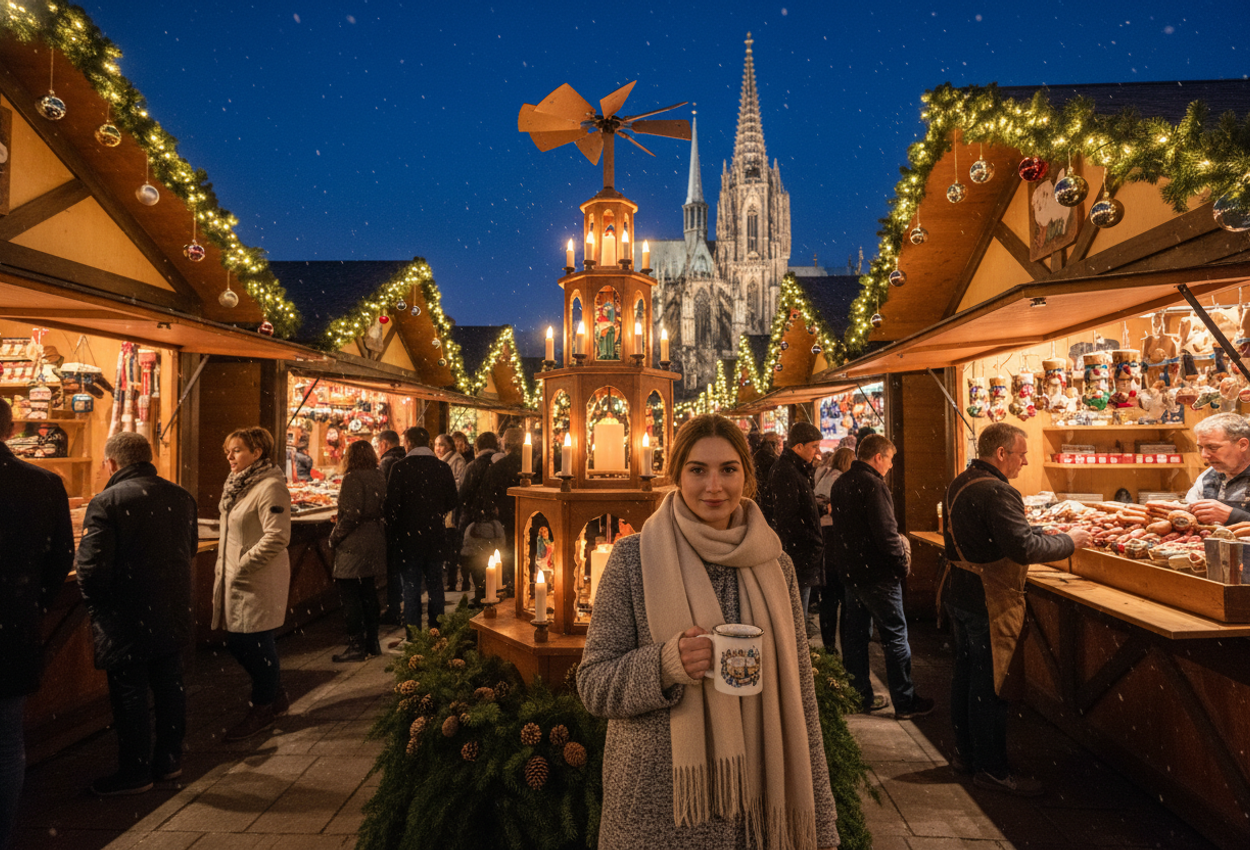
For a vibrant and festive photo opportunity, visit a Christmas market in Chicago, such as Christkindlmarket. The market's twinkling lights, colorful decorations, and bustling crowds provide a wealth of captivating subjects.
Editing the Elements: Post-Processing Winter Photos for Maximum Impact
Post-processing plays a crucial role in enhancing the beauty of winter photographs, allowing you to fine-tune colors, contrast, and exposure to achieve your desired look.
Adjust white balance to maintain the crisp, clean feeling of winter. Snow can often appear too yellow or blue in photographs, so use the white balance tool to correct the color cast and ensure the snow appears bright white.
Reduce global contrast and add it back using the tone curve for a smoother look. This technique helps to avoid harsh shadows and highlights, creating a more balanced and visually appealing image. Adjust exposure to ensure snow appears bright white, compensating for the camera's tendency to underexpose snowy scenes.
Experiment with split toning to add subtle color to the shadows, enhancing the mood and atmosphere of your winter photos. Use Lightroom for color grading and editing, taking advantage of its powerful tools to fine-tune your images and achieve your creative vision.
By mastering these techniques, you can transform your winter photographs into stunning works of art that capture the beauty and magic of the season.