The allure of winter landscapes, the thrill of snow-covered slopes, and the charm of festive winter villages have long fueled a thriving tourism industry. However, this industry now stands at a critical juncture, grappling with the escalating impacts of climate change and a growing awareness of the need for sustainable practices.
The future of winter tourism hinges on our ability to reconcile economic ambitions with environmental stewardship, ensuring that these cherished destinations remain vibrant and resilient for generations to come. The time for decisive action is now, demanding a collaborative effort from industry leaders, policymakers, local communities, and travelers alike.
A Shifting Landscape: Winter Tourism at a Crossroads
Winter tourism is a significant economic driver for many regions, particularly in mountainous areas such as the Tyrol region of Austria. The industry provides jobs, supports local businesses, and generates substantial revenue. However, the rising temperatures and erratic snowfall patterns caused by climate change are threatening the reliability of winter seasons. This poses a serious challenge to the economic stability of these regions, forcing a re-evaluation of traditional tourism models. Tourists and industry stakeholders are becoming increasingly aware of the need for sustainable practices.
The traditional model of winter tourism, heavily reliant on snow sports, faces an uncertain future. As natural snowfall becomes less predictable, the reliance on artificial snowmaking grows, further straining resources and increasing carbon emissions. This creates a vicious cycle where the very activities that draw tourists contribute to the environmental problems that threaten the industry's long-term viability. The challenge lies in finding innovative ways to offer fulfilling winter experiences while minimizing the environmental footprint.
The shift towards sustainability requires a fundamental change in mindset. It calls for embracing new technologies, adopting responsible practices, and fostering a deeper appreciation for the natural environment. Destinations that proactively address these challenges will be best positioned to thrive in the evolving landscape of winter tourism. This involves not only mitigating the negative impacts of tourism but also leveraging its potential to contribute to conservation efforts and support local communities.
The Melting Snowball: Environmental Impacts and Their Consequences
Traditional winter tourism has significant environmental consequences, ranging from deforestation to carbon emissions. Deforestation to create ski runs and infrastructure leads to habitat disruption and loss of biodiversity. The construction of resorts and hotels often involves clearing forests, impacting local ecosystems, and displacing wildlife. This not only diminishes the natural beauty of these areas but also reduces their capacity to absorb carbon dioxide, exacerbating climate change. The delicate balance of mountain ecosystems is further threatened by the physical presence of tourists and the infrastructure that supports them.
Artificial snow production, while extending ski seasons, is an energy-intensive process that contributes to carbon emissions and water scarcity. In Canada, the annual snowmaking process requires the same energy needed to power approximately 17,000 homes, resulting in 130,095 tons of CO2 emissions. Furthermore, it takes 43.4 million cubic meters of water to produce 42 million cubic meters of artificial snow. The use of artificial snow can also disrupt natural water cycles and harm plant life. The ecological consequences of snowmaking highlight the urgent need for more sustainable alternatives.
The impact on local communities is another critical consideration. Water scarcity, exacerbated by snowmaking, can affect local agriculture and ecosystems. The influx of tourists can also strain local resources and disrupt traditional lifestyles. It is essential to involve local communities in tourism planning and decision-making to ensure that their needs and concerns are addressed. This includes providing economic opportunities for local residents and promoting cultural preservation. By empowering local communities, tourism can become a force for good, fostering both economic prosperity and environmental stewardship.

Green Shoots: Sustainable Initiatives Taking Root
Despite the challenges, many ski resorts and destinations are embracing sustainable tourism initiatives. Investments in renewable energy sources, such as wind and solar power, are becoming increasingly common. The Aspen Skiing Company, for example, has been a leader in this area, investing in renewable energy and advocating for climate action. Eco-friendly construction practices are also gaining traction, with resorts using sustainable materials and energy-efficient designs. Waste reduction programs, including composting and recycling, are helping to minimize the environmental impact of tourism operations.
Promoting sustainable transportation options is another key strategy. Electric shuttles, incentives for train travel, and carpooling programs can reduce carbon emissions associated with transportation. Encouraging visitors to use public transportation or electric vehicles can significantly lower the carbon footprint of their trip. Some resorts are also offering discounts or other incentives for travelers who choose sustainable transportation options. By making it easier and more appealing to travel sustainably, destinations can encourage a shift towards more responsible tourism practices.
These green shoots of sustainability offer hope for a more environmentally responsible future for winter tourism. However, scaling up these initiatives and replicating them across the industry is crucial. This requires a collective effort from industry stakeholders, policymakers, and travelers. By supporting sustainable businesses and making conscious travel choices, we can help to accelerate the transition towards a more sustainable winter tourism industry. The long-term viability of these destinations depends on our ability to embrace sustainable practices and protect the natural environment that makes them so special.
Beyond the Slopes: Diversifying Winter Experiences
To reduce reliance on traditional snow sports, destinations are exploring alternative winter activities that minimize environmental impact. Snowshoeing, cross-country skiing, and winter hiking offer opportunities to experience the beauty of winter landscapes without the need for extensive infrastructure or artificial snow. These activities are also more accessible to a wider range of visitors, promoting inclusivity in winter tourism. Cultural tourism, highlighting local traditions, cuisine, and crafts, can also provide unique and enriching experiences.
The Canary Islands, for example, have successfully diversified their tourism offerings by promoting nature-based experiences. This includes hiking, stargazing, and exploring the islands' unique volcanic landscapes. By offering a wider range of activities, destinations can attract visitors year-round and reduce their dependence on seasonal snow sports. This not only enhances the resilience of the tourism industry but also promotes a more sustainable and diversified economy. The key is to identify and develop activities that are both appealing to visitors and environmentally responsible.
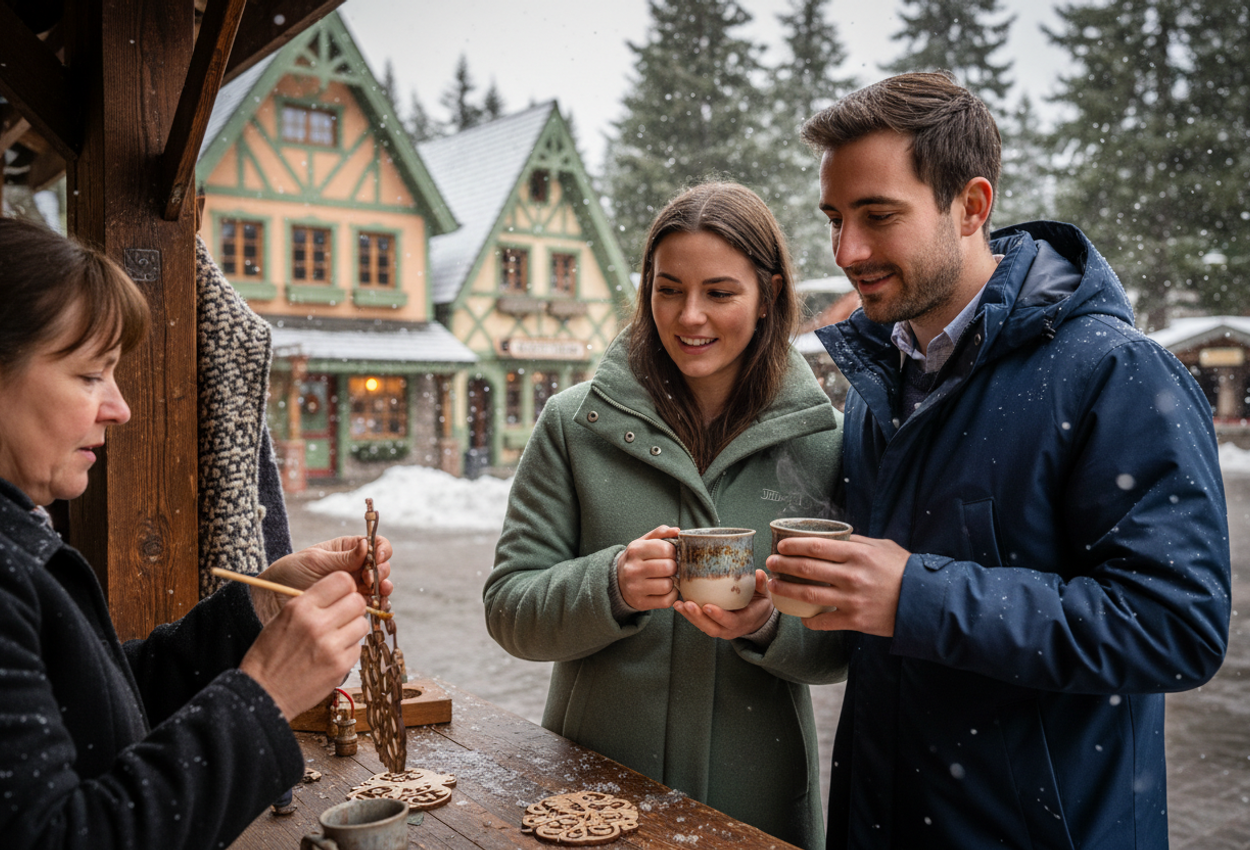
Diversifying winter experiences also involves creating opportunities for visitors to connect with local communities and cultures. This can include participating in local festivals, learning about traditional crafts, or sampling regional cuisine. By engaging with local communities, visitors can gain a deeper understanding of the destination and contribute to its economic and cultural vitality. This approach to tourism not only enhances the visitor experience but also promotes sustainable development and cultural preservation.
Community First: Empowering Local Voices
Involving local communities in tourism planning and decision-making is essential for sustainable tourism development. Tourism can support local economies through job creation, support for local businesses, and promotion of local culture. Resorts that prioritize hiring from the community and partnering with local organizations are more likely to foster positive relationships and create a sense of shared ownership. This approach ensures that the benefits of tourism are distributed equitably and that local communities have a say in shaping their future.
Community-based tourism initiatives can empower local residents to become active participants in the tourism industry. This can include offering guided tours, providing accommodations in local homes, or selling locally made products. By supporting these initiatives, travelers can contribute directly to the economic well-being of local communities and help to preserve their cultural heritage. It is also important to ensure that local communities have access to training and resources to develop their tourism businesses and manage their natural resources sustainably.
The future of winter tourism depends on our ability to create a more equitable and sustainable model that benefits both visitors and local communities. This requires a shift in mindset from a purely economic focus to a more holistic approach that values environmental stewardship, cultural preservation, and community empowerment. By working together, we can ensure that winter destinations remain vibrant and resilient for generations to come. This involves fostering open communication, building trust, and creating opportunities for collaboration between all stakeholders. The ultimate goal is to create a tourism industry that is both economically viable and socially responsible.