As winter's icy grip tightens, mastering the art of safe driving becomes paramount. From preparing your vehicle to adapting your driving style, these essential tips will help you navigate snowy and icy conditions with confidence.
Pre-Trip Vehicle Prep: Your Winter-Ready Ride
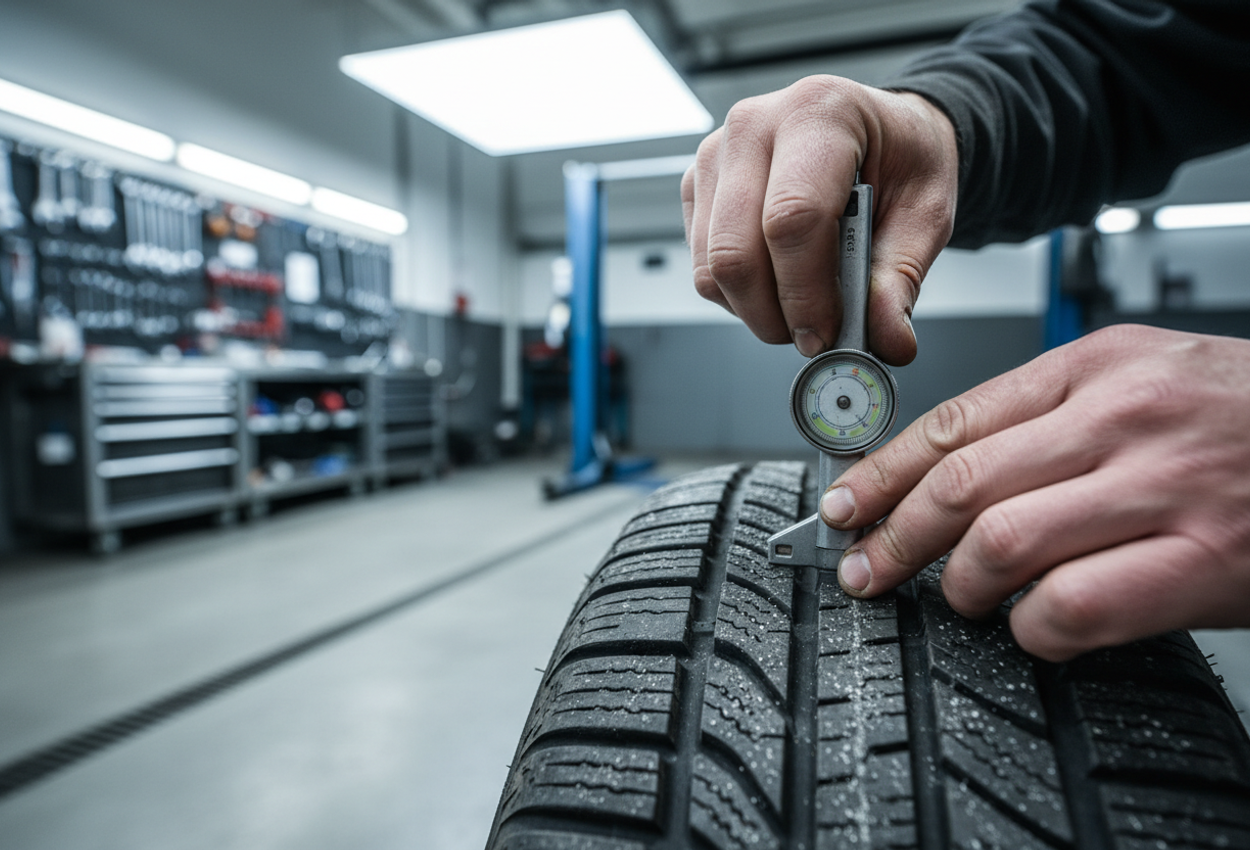
Before winter's chill descends, ensuring your vehicle is primed for the frosty challenges ahead is crucial. This pre-trip ritual isn't merely a checklist; it's a pledge to safety, a proactive measure against the unpredictable nature of winter roads. Begin with the foundation of your vehicle's stability: the tires. Assess the tire treads with the diligence of a seasoned mechanic. Adequate tread depth is your lifeline, gripping the road when conditions threaten to send you adrift. If the treads are shallow, consider switching to winter tires, engineered with specialized rubber compounds and tread patterns designed to conquer snow and ice.
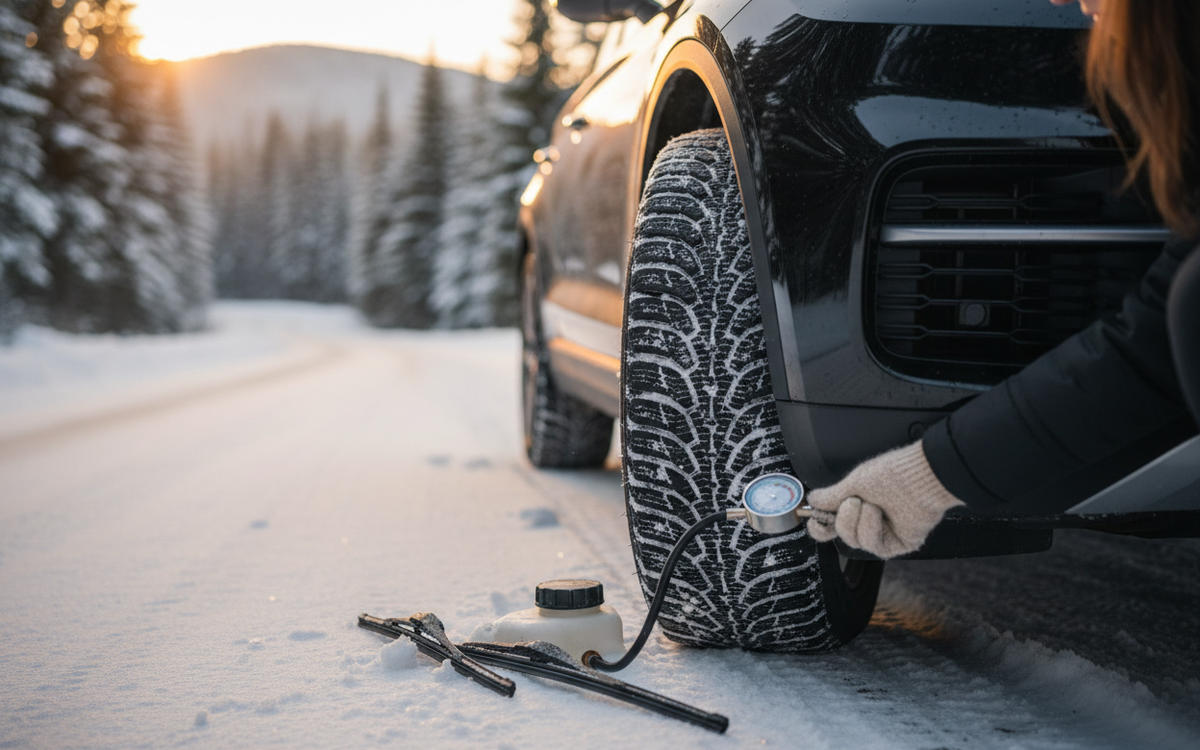
Tire pressure is equally vital, fluctuating with temperature changes. Cold air shrinks tires, reducing their contact with the road. Regularly check and adjust tire pressure to the manufacturer's recommended levels, typically found on a sticker inside the driver's side door or in your owner's manual. This ensures optimal handling and braking performance. Next, turn your attention to the unsung heroes of winter visibility: windshield wipers. Inspect them meticulously for signs of wear and tear – cracks, splits, or stiffness. Replace them without hesitation if they show any compromise. Opt for winter-specific wiper blades, built to withstand ice and snow buildup, maintaining a clear field of vision even in the harshest conditions.
The washer fluid reservoir demands a similar level of attention. Empty it of any lingering summer fluid and replenish it with a winter-specific blend. This specialized fluid boasts a lower freezing point, preventing it from solidifying in the lines and rendering your wipers useless against road grime and salt spray. Don't underestimate the importance of a robust battery. Winter's frigid temperatures can sap a battery's power, leaving you stranded with a vehicle that refuses to start. Have your battery tested by a professional to ensure it's up to the task. If it's nearing the end of its lifespan, consider replacing it proactively.
Equally important is the health of your vehicle's cooling system. Check the coolant levels and ensure the mixture is appropriate for sub-freezing temperatures. A frozen engine block can lead to catastrophic damage, leaving you with a hefty repair bill. As a preventative measure against fuel line freeze-up, diligently maintain a gas tank that's at least half full. This simple practice minimizes the amount of air in the tank, reducing the risk of condensation and subsequent ice formation. Finally, a quirky yet effective local tip: lightly spray your car door seals with cooking spray. This creates a barrier that prevents the rubber from freezing and sticking to the metal, saving you from the frustration of a door that refuses to open on a frosty morning.
Mastering Winter Driving Techniques: Stay in Control
Winter driving demands a different skillset than navigating clear, dry roads. It's a delicate dance between vehicle control and road conditions, requiring heightened awareness and a gentle touch. The cardinal rule of winter driving is simple: slow down. Reduce your speed significantly, allowing ample time to react to unexpected hazards. Increase your following distance, creating a buffer zone between you and the vehicle ahead. This extra space provides crucial stopping distance on slippery surfaces.
Accelerate and decelerate with the finesse of a seasoned conductor, avoiding sudden movements that can trigger a skid. Apply the gas pedal and brakes with gentle, deliberate pressure, allowing the vehicle's traction control system to work its magic. If your vehicle lacks ABS (anti-lock braking system), pump the brakes in a controlled manner to prevent wheel lockup. For vehicles equipped with ABS, maintain steady pressure on the brake pedal, allowing the system to automatically modulate braking force.
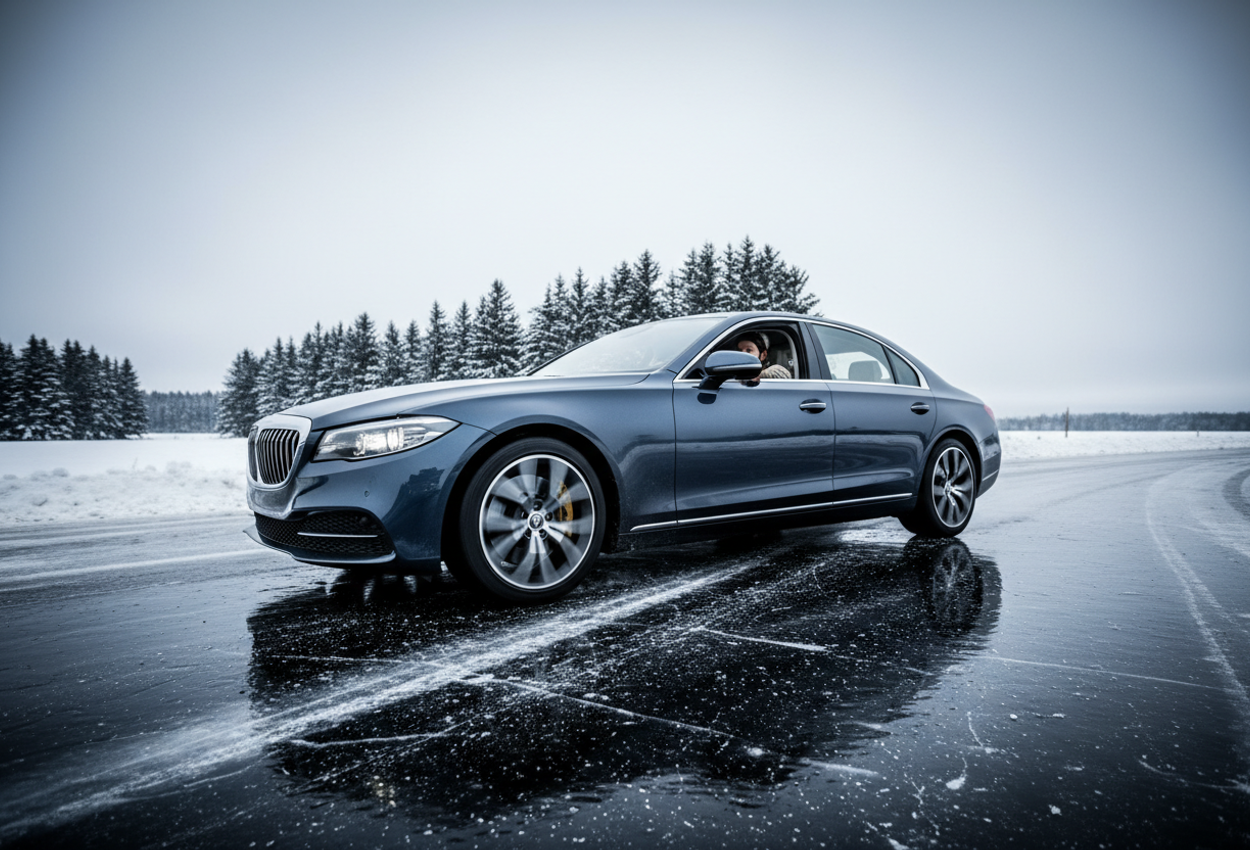
Steering into a skid is a counterintuitive yet essential technique. If your vehicle begins to slide, resist the urge to jerk the steering wheel in the direction you want to go. Instead, gently steer in the direction of the skid, regaining control before gradually straightening the wheel. Cruise control, a welcome convenience on long highway drives, becomes a liability on slippery surfaces. Deactivate it immediately when encountering snow or ice, as it can interfere with your ability to react to changing road conditions.
Black ice, the bane of winter drivers, is a thin, transparent layer of ice that blends seamlessly with the road surface. It's notoriously difficult to spot and can cause sudden, unexpected loss of control. If you suspect you're driving on black ice, remain calm and avoid sudden maneuvers. Gently ease off the accelerator and steer straight ahead, allowing the vehicle to glide over the slippery patch. When ascending hills, engage low gears to maximize traction. This provides more power to the wheels, reducing the risk of spinning out. Avoid stopping on a hill whenever possible, as regaining momentum on an icy incline can be treacherous.
Emergency Winter Car Kit: Your Roadside Lifesaver
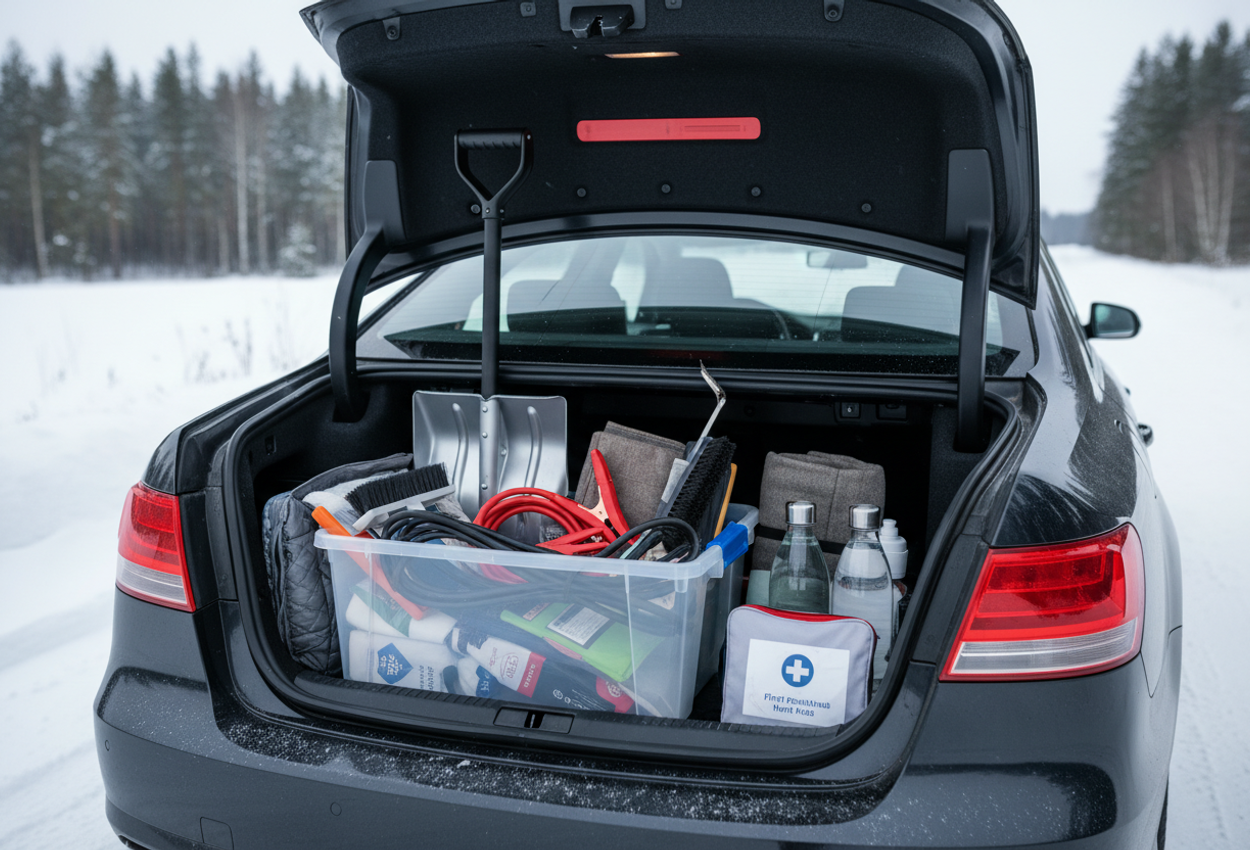
A well-stocked winter emergency car kit is your lifeline when the unexpected occurs on a snow-covered road. It's a portable arsenal of essential supplies, designed to keep you safe and comfortable until help arrives. At the heart of your kit lies a snow shovel, your primary weapon against being stranded in deep snow. Choose a lightweight, collapsible shovel that's easy to store and maneuver. An ice scraper and snow brush are equally vital for maintaining visibility. Select a scraper with a comfortable grip and a sturdy blade, capable of tackling thick layers of ice. Abrasive material, such as sand or kitty litter, provides essential traction when your tires are spinning helplessly on ice. Store it in a resealable container for easy access.
Jumper cables are indispensable for jump-starting a dead battery, a common occurrence in cold weather. Ensure they're of sufficient gauge and length to reach the battery terminals of another vehicle. A flashlight with extra batteries is crucial for illuminating your surroundings in the darkness of winter nights. Choose a durable, waterproof flashlight with a long battery life. Warning devices, such as flares or reflective triangles, alert oncoming traffic to your presence, preventing further accidents. A well-stocked first aid kit is essential for treating minor injuries. Include bandages, antiseptic wipes, pain relievers, and any personal medications.
Blankets, warm clothing, hats, and gloves provide crucial protection against hypothermia in frigid temperatures. Pack multiple layers of clothing to trap body heat. Water and non-perishable food items, such as energy bars or dried fruit, provide sustenance when you're stranded for an extended period. A cell phone charger ensures your phone remains operational, allowing you to call for help or stay in contact with loved ones. Finally, don't forget any necessary medications, ensuring you have an adequate supply to last until you reach safety.
Staying Informed: Weather Forecasts and Road Conditions
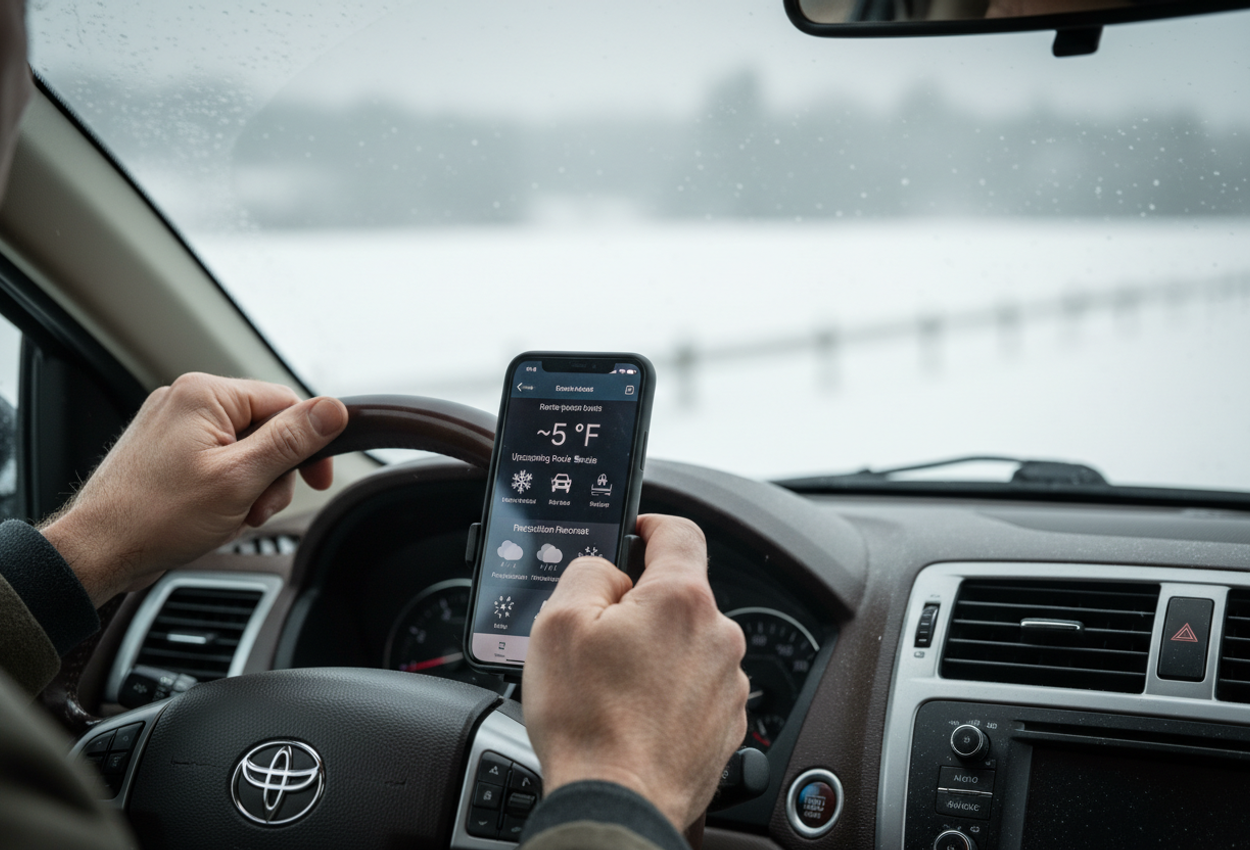
Before embarking on any winter journey, consulting weather forecasts and road conditions is paramount. It's the equivalent of a seasoned sailor charting their course before setting sail, mitigating risks and ensuring a safe passage. The National Weather Service (NWS) is a reliable source for comprehensive weather information, providing forecasts, warnings, and advisories for your specific route. Their website and mobile app offer detailed weather maps, radar images, and text-based forecasts, allowing you to assess potential hazards along your journey.
State-specific Department of Transportation (DOT) websites offer real-time road conditions, including closures, accidents, and snow and ice coverage. Many states also operate 511 services, providing up-to-the-minute traffic information via phone or mobile app. These services often include camera feeds, allowing you to visually assess road conditions before you travel. Weather apps with route-specific forecasts provide a convenient way to monitor weather conditions along your planned route. These apps often offer customizable alerts, notifying you of potential hazards such as snowstorms or icy patches.
Armed with this information, adjust your travel plans accordingly. If the forecast calls for severe weather, consider delaying your trip or choosing an alternate route. Don't hesitate to postpone your journey if road conditions are deemed unsafe. Your safety and the safety of others should always be your top priority.