As the days grow shorter and the air turns crisp, a sense of anticipation fills the hearts of people around the globe. Winter, often associated with stillness and introspection, is also a time for vibrant celebrations that illuminate the darkness and bring communities together. From dazzling ice sculptures to enchanting Christmas markets, these festivals offer a unique glimpse into the diverse cultures and traditions that make our world so captivating.
Join us as we embark on a journey to explore some of the most spectacular winter festivals around the world, each offering its own unique blend of history, artistry, and festive cheer.
Quebec's Carnival: A Bonhomme's Winter Wonderland
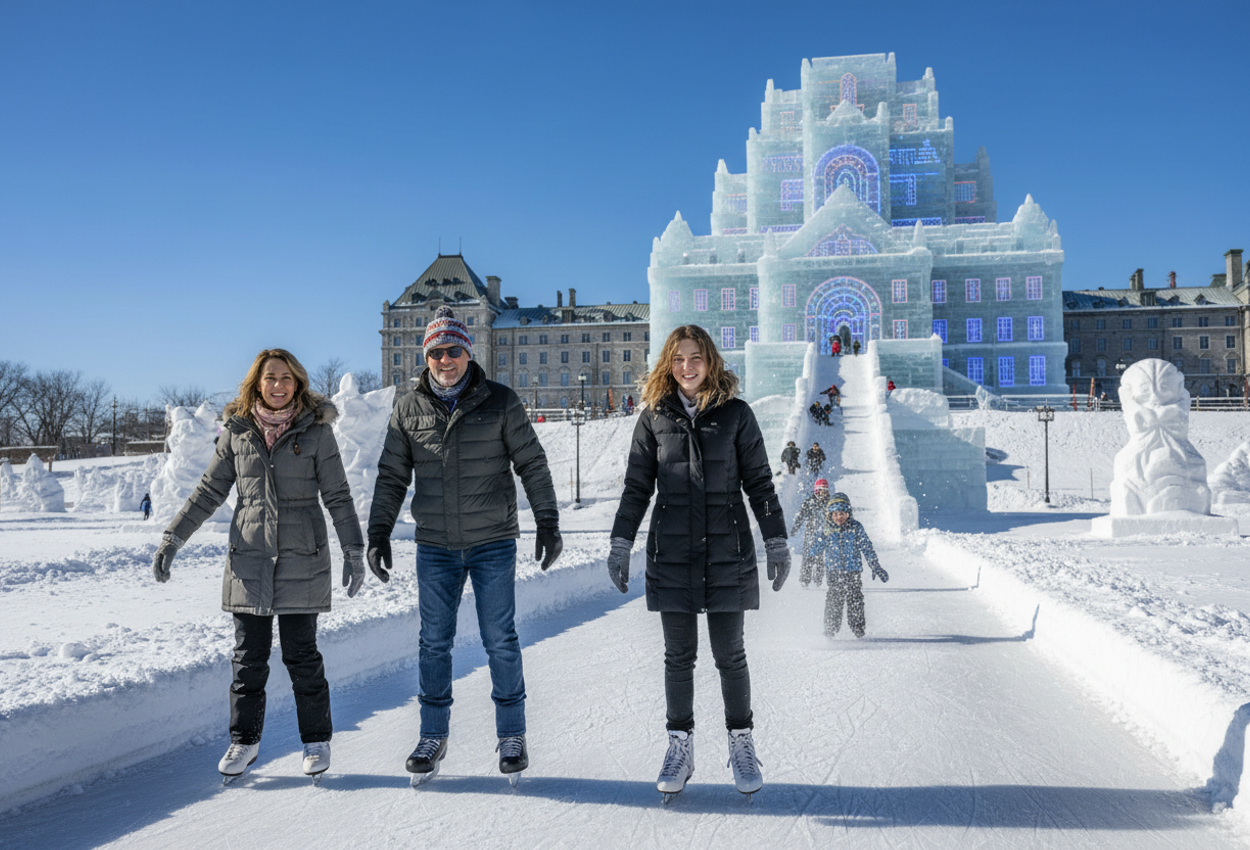
The Quebec Winter Carnival, a pre-Lenten festival held in Quebec City, Canada, is a true celebration of winter. Since 1955, this annual event has transformed the city into a vast, enchanting playground, drawing visitors from far and wide. At the heart of the festivities is Bonhomme Carnaval, the festival's jovial snowman mascot, who embodies the spirit of fun and merriment.
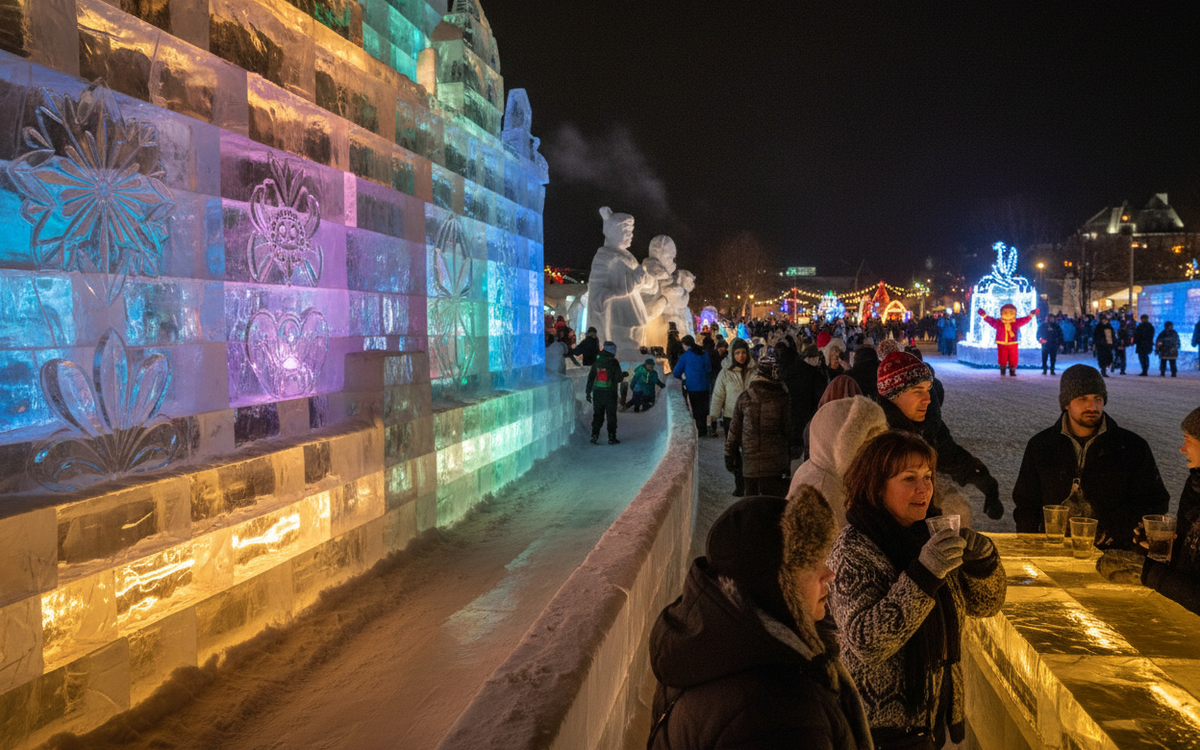
One of the carnival's most impressive features is the display of ice sculptures. Artists from around the world converge to create breathtaking works of art from giant blocks of ice and snow, transforming the city into an outdoor museum. These sculptures often draw inspiration from winter themes and Quebec's cultural heritage, adding a touch of magic to the wintry landscape.
The carnival also features thrilling ice canoe races on the icy waters of the Saint Lawrence River. Teams of intrepid paddlers brave the frigid conditions, navigating their canoes through the treacherous ice floes. These races are a test of skill, strength, and teamwork, and they provide a spectacle for spectators.
As night falls, the carnival comes alive with dazzling night parades. These colorful processions wind their way through the city streets, featuring elaborate floats, marching bands, and performers in vibrant costumes. Bonhomme himself leads the parades, spreading cheer and excitement among the crowds.
The Quebec Winter Carnival is a family-friendly event with activities for all ages. Children can enjoy snow slides, ice skating, and other winter games, while adults can relax on heated terraces and sample local delicacies. The carnival offers a unique blend of activities that capture the essence of winter in Quebec.
Key events take place at various locations throughout Quebec City. The Plains of Abraham serve as the main setting for the snow-sculpting contests and other outdoor activities. Bonhomme's Ice Palace, a magnificent structure built entirely of ice blocks, stands proudly in the Loto-Québec Zone near Old Quebec.
To fully immerse themselves in the festivities, travelers can purchase an Effigy, a small pin that grants access to many of the carnival's activities. It is also traditional to drink Caribou, a hot alcoholic beverage, to stay warm. The Quebec Winter Carnival offers a chance to experience the local culture and create lasting memories.
Harbin's Frozen Fairytale: A City Sculpted in Ice
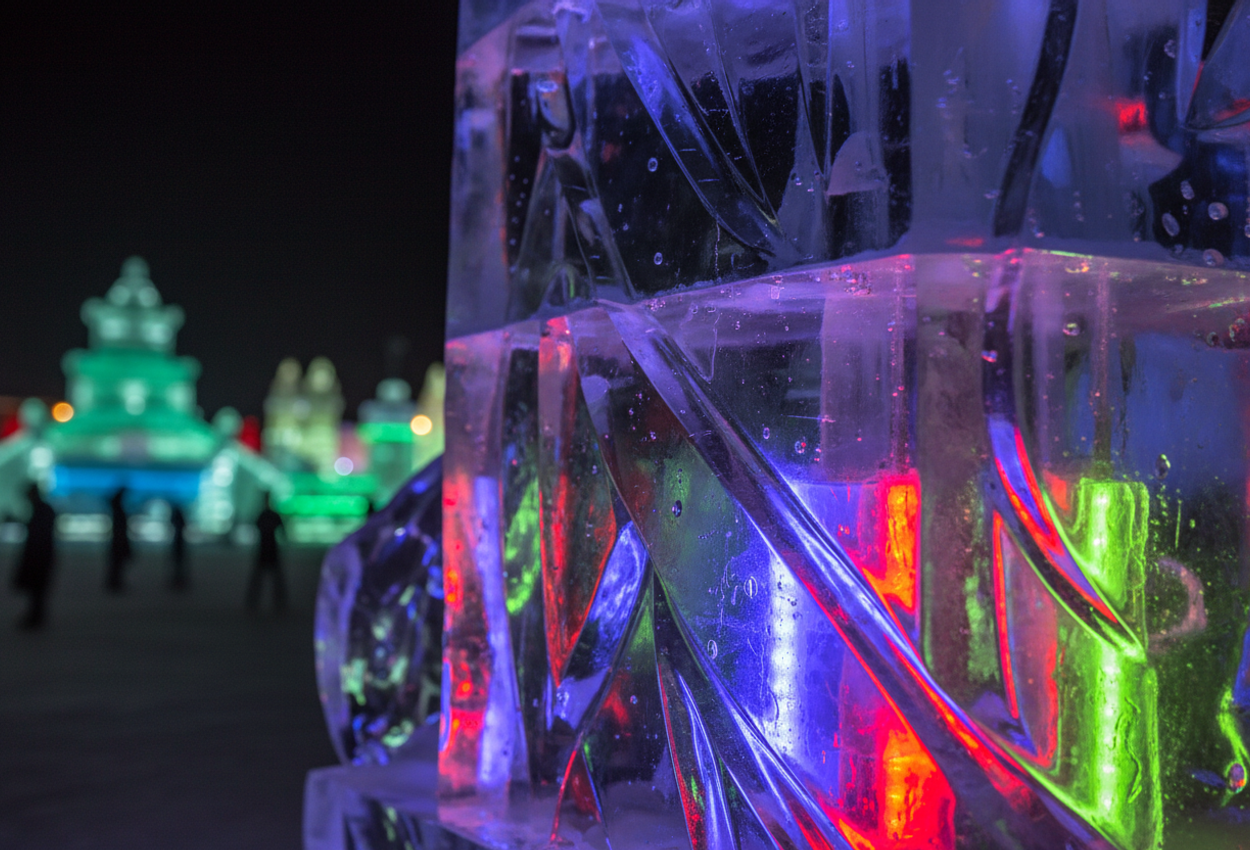
Venture to northeastern China, and you'll discover the mesmerizing Harbin Ice and Snow Festival, a spectacle that transforms the city into a breathtaking frozen fairytale. This annual event showcases massive, intricate ice sculptures and buildings crafted entirely from ice, creating a surreal and enchanting atmosphere.
As you step into this winter wonderland, you'll be awestruck by the sheer scale and artistry of the ice sculptures. Towering castles, mythical creatures, and iconic landmarks are meticulously carved from blocks of ice harvested from the Songhua River. The sculptures are then illuminated with vibrant lights, creating a dazzling display that is truly unforgettable.
The Harbin Ice and Snow Festival has a rich history, dating back to Harbin's traditional ice lantern show and garden party, which began in 1963. The festival was interrupted for several years during the Cultural Revolution but resumed in 1985 as an annual event at Zhaolin Park. In 2001, the Harbin Ice Festival merged with Heilongjiang's International Ski Festival, solidifying its status as a world-class winter celebration.
Each year, the festival features different theme parks, each showcasing a particular theme related to Chinese culture and folklore. One of the most popular attractions is the Harbin Ice and Snow World, which spans over 600,000 square meters and features more than 100 landmarks made from ice and snow.
The ice for the sculptures is sourced directly from the frozen Songhua River, a testament to the region's abundant natural resources. Sculptors from around the world participate in the annual competition, showcasing their talents and adding to the festival's international appeal.
The Harbin Ice and Snow Festival is not just a visual spectacle; it's also a cultural celebration. Traditional folk songs and dances are performed, and trade fairs and exhibitions are held, adding to the festival's vibrant atmosphere.
The festival typically opens in late December and lasts until late February, drawing millions of visitors from around the globe. It has become one of the world's top winter celebrations, rivaling the Sapporo Snow Festival in Japan and Canada's Quebec Winter Carnival.
Sapporo's Snowy Spectacle: Sculptures That Touch the Sky
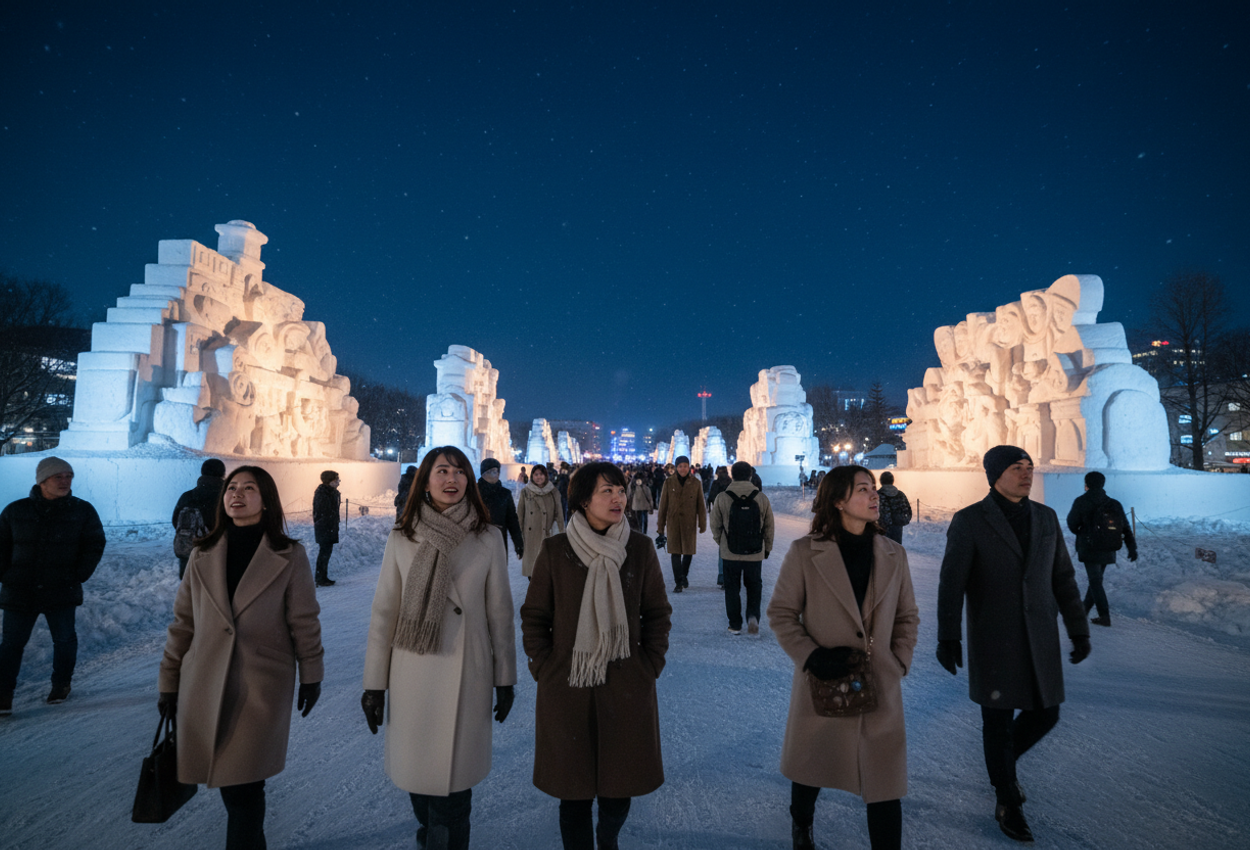
Journey to the island of Hokkaido in Japan, and you'll encounter the Sapporo Snow Festival, a mesmerizing display of gigantic snow sculptures that seem to touch the sky. Held annually in Sapporo over seven days in February, this festival attracts millions of visitors who come to marvel at the artistry and creativity on display.
The festival's main site is Odori Park, a centrally located park that stretches 1.5 kilometers. Here, you'll find the festival's famous large snow sculptures, some measuring more than 25 meters wide and 15 meters high. These sculptures are lit up daily until 10:00 PM, creating a magical atmosphere.
The Sapporo Snow Festival began in 1950 when high school students built a few snow statues in Odori Park. Since then, it has evolved into a large, commercialized event featuring spectacular snow and ice sculptures. In 1955, the Japan Self-Defense Forces joined in and built the first massive snow sculptures, for which the Snow Festival has now become famous.
In addition to the Odori Site, the festival is also staged at the Susukino Site and the Tsudome Site. The Susukino Site, located in Sapporo's largest entertainment district, features about one hundred ice sculptures. The Tsudome Site is a family-oriented site with snow slides, snow rafting, and more snow sculptures.
Visitors can enjoy a variety of regional foods from all over Hokkaidō at the Odori Park and Satoland sites, such as fresh seafood, potatoes, corn, and fresh dairy products. The festival also features live performances, including musical concerts, plays, and contests.
Hidden Gem: During the festival, be sure to try yukidaruma jiru, a lesser-known regional snow dish available only during the festival. This hearty soup, made with local vegetables and meat, is the perfect way to warm up on a cold winter day.
German Christmas Markets: Gingerbread Dreams and Yuletide Cheer
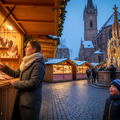
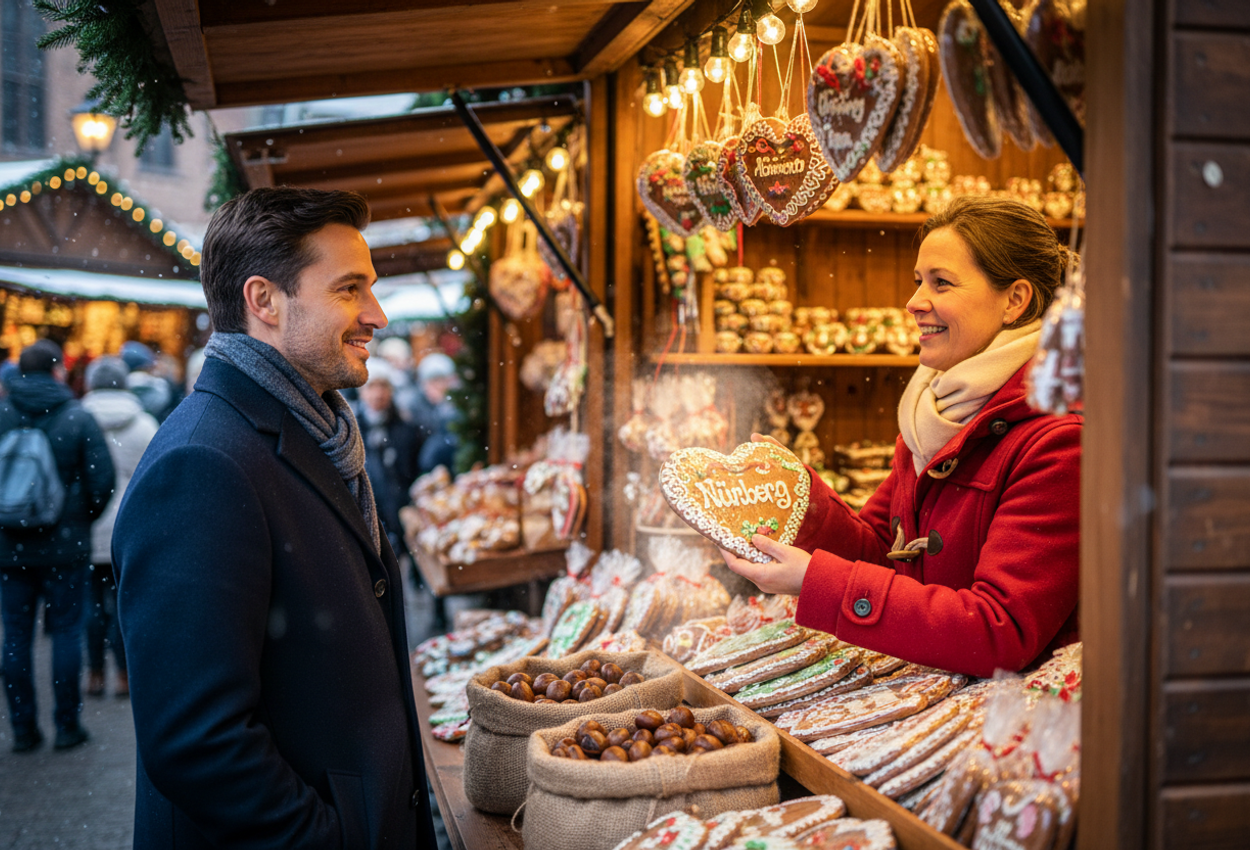
Immerse yourself in the enchanting world of German Christmas markets, where the aroma of gingerbread fills the air, twinkling lights illuminate charming stalls, and handmade crafts beckon from every corner. These markets, steeped in history and tradition, offer a magical experience that captures the essence of the holiday season.
One of the most famous German Christmas markets is the Nuremberg Christkindlesmarkt, held annually in the Hauptmarkt, the central square in Nuremberg's old town. With about two million visitors a year, the Nürnberger Christkindlesmarkt is one of the largest Christmas markets in Germany and one of the most famous in the world.
The Nuremberg Christkindlesmarkt dates back to the 17th century, with the first evidence of its existence found on a wooden box from 1628. The market was not held during the Second World War but was restarted in 1948. The market begins on the Friday preceding the first Sunday in Advent and ends on Christmas Eve.
Another notable market is the Striezelmarkt in Dresden, known for its towering Striezel, a traditional German fruitcake. These markets offer a glimpse into Germany's rich cultural heritage and provide a festive atmosphere for locals and tourists alike.
A culturally specific detail of the Nuremberg Christkindlesmarkt is the tradition of the Christkind opening the market. The Christkind, a young woman dressed in white and gold, with curly blond hair, a tall golden crown and angel-wing-like long golden sleeves, recites a prologue from the balcony of the Frauenkirche church, officially opening the market. The Christkind is elected every two years and must be a native of Nuremberg between 16 and 19 years of age.
At the German Christmas markets, you can find a variety of traditional foods and drinks, such as Glühwein (mulled wine), gingerbread, and roasted chestnuts. You can also find unique holiday gifts, such as handmade ornaments, wooden toys, and traditional German crafts.
Venice's Carnival: Masks, Gondolas, and Timeless Elegance
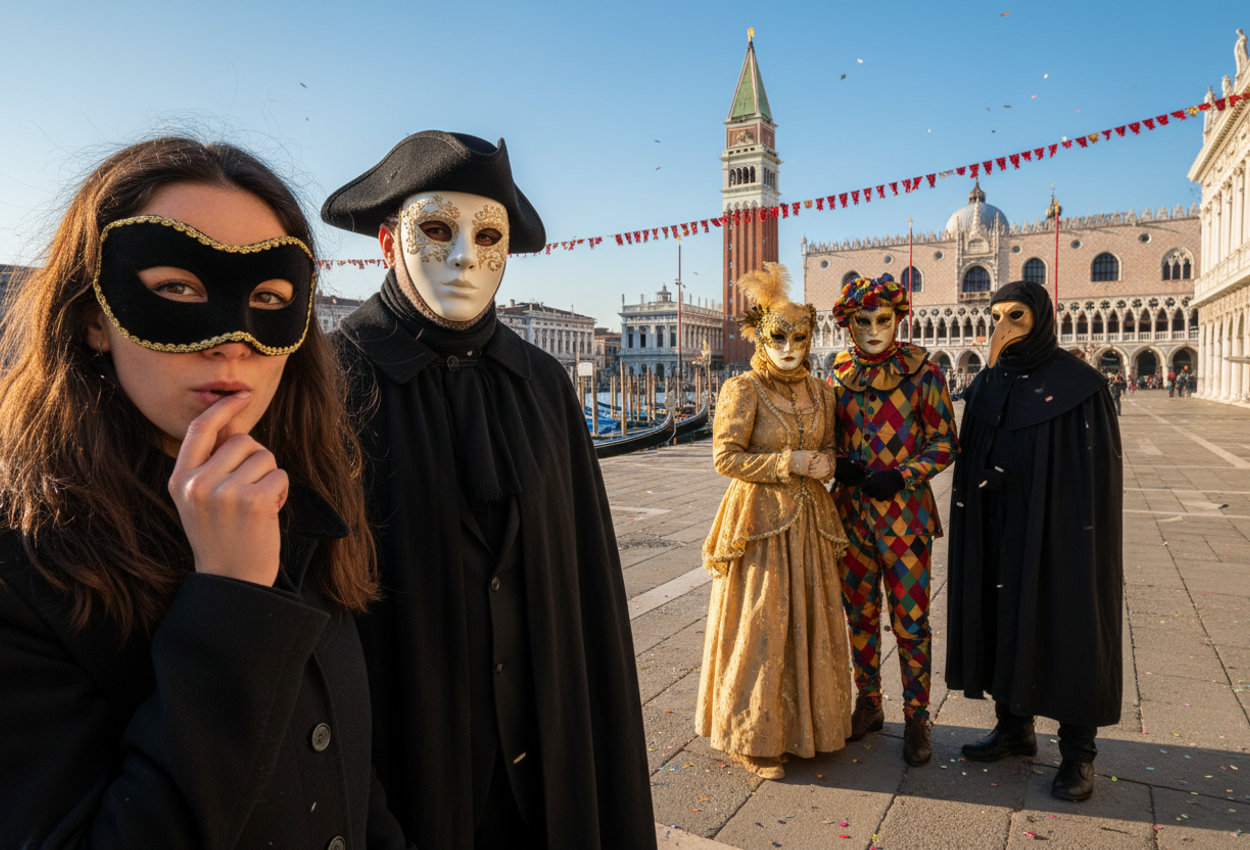
Experience the enchanting allure of the Carnival of Venice in Italy, a celebration that blends history, art, and Venetian partying. This annual event is renowned for its elaborate masks and costumes, gondola parades, and historical re-enactments, transporting visitors to a world of timeless elegance.
The Carnival of Venice has a rich history, dating back to the 11th century. It was a time for Venetians to indulge in revelry and disguise themselves, blurring social boundaries and creating a sense of anonymity. Today, the carnival continues to embrace this spirit of freedom and expression.
The heart of the carnival is St. Mark's Square, where you'll find a dazzling display of costumes and masks. People from all over the world gather to showcase their elaborate attire, transforming the square into a living tapestry of colors and designs.
One of the most iconic symbols of the Carnival of Venice is the Venetian mask. These masks, crafted from papier-mâché and adorned with intricate details, are works of art in themselves. They range from traditional designs to fantastical creations, each reflecting the wearer's unique personality.
Travelers can participate in masked balls and other events, immersing themselves in the carnival's festive atmosphere. These balls offer a chance to dance the night away in a grand setting, surrounded by fellow revelers in stunning costumes.
Hidden Gem: For an authentic Venetian experience, visit a small artisan shop that creates masks using traditional techniques. These shops, often hidden away in narrow alleyways, offer a glimpse into the craftsmanship and artistry that goes into creating these iconic symbols of the carnival. One can explore shops such as Ca' Macana, La Bottega dei Mascareri or Atelier Flavia.
These winter festivals offer a glimpse into the diverse cultures and traditions that make our world so captivating. From the dazzling ice sculptures of Harbin to the enchanting Christmas markets of Germany, these celebrations illuminate the darkness and bring communities together.