Traveling as a couple is an adventure, but when you add different cultures into the mix, it can become a complex dance of understanding and adaptation. Don't let cultural differences derail your dream vacation; instead, emace them as opportunities for growth and connection.
Before You Pack: Research and Shared Expectations
Before embarking on your journey, it's crucial to do your homework. Research the cultural norms and etiquette of your destination. This isn't just about knowing the major holidays; it's about understanding the subtle nuances that can make or eak a cultural interaction. For example, in many parts of Southeast Asia, particularly when visiting temples like Wat Arun in Bangkok, it's essential to dress modestly, covering shoulders and knees. This shows respect for the local customs and ensures you're welcomed with open arms.
Dining customs also vary widely. In Japan, slurping noodles isn't considered rude; it's a sign that you're enjoying your meal. However, sticking your chopsticks upright in a bowl of rice is a major faux pas, as it resembles a funerary offering. Knowing these small details can help you navigate social situations with grace and avoid unintentional offense.
Beyond the research, have open and honest conversations with your partner about your expectations for the trip. What activities are you most looking forward to? Are you envisioning a relaxed pace with plenty of downtime, or a packed itinerary filled with sightseeing? What's your budget, and how do you plan to manage expenses? Creating a shared vision board or itinerary can be a fun way to ensure that both partners feel heard and valued, setting the stage for a harmonious adventure. Discussing preferred activities, balancing museum visits with adventure sports, or agreeing on a budget beforehand can prevent conflicts later on.
Consider creating a detailed itinerary together, outlining daily activities, potential challenges, and backup plans. This collaborative approach ensures both partners are aware of the trip's structure and can voice any concerns or preferences. Remember, the goal is to create a shared experience that caters to both individuals' interests and comfort levels. By addressing these fundamental aspects before you even pack your bags, you're laying a solid foundation for a culturally enriching and conflict-free journey.

Lost in Translation: Communication is Still Key
Even with meticulous planning, language barriers can present significant challenges when traveling aoad. Misunderstandings can easily arise, especially when cultural differences add another layer of complexity. Non-verbal communication, such as gestures and body language, varies significantly across cultures. What might be considered a friendly gesture in one culture could be offensive in another. For instance, direct eye contact, seen as a sign of respect in some Western cultures, can be interpreted as aggressive or challenging in certain Asian or African societies.
Learning basic phrases in the local language can go a long way in showing respect and facilitating interactions. Knowing how to say 'hello,' 'thank you,' and 'excuse me' can open doors and create positive connections with locals. It demonstrates a willingness to engage with the culture and can often lead to unexpected opportunities and experiences. Even if your pronunciation isn't perfect, the effort will be appreciated.
Patience and active listening are essential when communicating with both locals and each other, especially when language barriers exist. Avoid interrupting or finishing sentences for others, and take the time to truly understand what's being said, even if it requires clarification. Pay attention to non-verbal cues and body language, and be mindful of your own expressions and gestures. If a misunderstanding occurs, remain calm and try to rephrase your message or ask for clarification from a different perspective. A willingness to learn and adapt will help idge communication gaps and foster stronger connections.
When communicating with your partner, be extra mindful of your tone and word choice, especially when discussing sensitive topics. Frustration can easily escalate when navigating unfamiliar situations, so it's crucial to remain patient and understanding. Remember, you're a team, and effective communication is the key to overcoming challenges together. By prioritizing clear and respectful communication, you can navigate language barriers and cultural differences with greater ease and create a more enjoyable travel experience for both of you.

When 'Yes' Means 'Maybe': Decoding Indirect Communication
In many cultures, particularly in East Asia and Latin America, indirect communication is the norm. Direct confrontation is avoided to maintain harmony and save face. This can be particularly challenging for couples accustomed to direct communication styles. A simple 'yes' might not always indicate agreement; it could mean 'I hear you' or 'I understand,' without necessarily implying commitment.
Interpreting subtle cues and body language becomes crucial in these situations. A hesitant tone, averted gaze, or prolonged silence can all be indicators that 'yes' doesn't truly mean yes. It's essential to be patient and ask clarifying questions to ensure mutual understanding, avoiding assumptions and misunderstandings. Instead of directly challenging or disagreeing, try using phrases like 'Could you help me understand...' or 'I'm not sure I'm following...' This approach shows respect and encourages open dialogue without causing embarrassment or discomfort.
For example, if you're asking a local for directions and they respond with a vague 'yes' and point in a general direction, it might be wise to seek confirmation from another source or consult a map. Similarly, if your partner seems hesitant about a particular activity, gently probe for their true feelings without pressuring them to agree. Creating a safe space for open and honest communication will help you navigate indirect communication styles and avoid potential conflicts.
Remember that understanding and adapting to indirect communication styles is a sign of cultural sensitivity and respect. By being patient, observant, and willing to ask clarifying questions, you can build stronger relationships with locals and create a more enriching travel experience for both you and your partner. Emacing this nuanced approach to communication will not only enhance your travels but also strengthen your bond as a couple.

Saving Face Together: Understanding Honor and Shame Cultures
In many collectivist cultures, particularly in Asia and the Middle East, 'face' – one's reputation, honor, and social standing – is of paramount importance. Public criticism or disagreement can cause significant embarrassment and damage relationships. Therefore, it's crucial to be mindful of your words and actions in public, avoiding any behavior that could cause your partner or others to 'lose face'. This includes refraining from public arguments, correcting mistakes in front of others, or engaging in any behavior that could be perceived as disrespectful.
Addressing sensitive issues privately is essential in these cultures. If you have a concern or disagreement with your partner, wait until you're in a private setting to discuss it calmly and respectfully. Offering praise and appreciation publicly, on the other hand, can reinforce positive relationships and enhance your partner's social standing. This could involve acknowledging their contributions to the trip, praising their language skills, or highlighting their positive interactions with locals.
For example, if your partner makes a mistake while ordering food in a restaurant, avoid correcting them in front of the waiter. Instead, gently offer assistance or clarification in private. Similarly, if you disagree with a decision they've made, wait until you're alone to discuss your concerns and offer alternative solutions. By prioritizing the preservation of 'face,' you can foster stronger relationships and avoid unnecessary conflict.
Understanding the significance of 'face' is not just about avoiding embarrassment; it's about demonstrating respect for cultural values and building trust. By being mindful of your words and actions, you can create a more harmonious travel experience and strengthen your bond as a couple. This cultural awareness will not only enhance your travels but also enrich your understanding of human interaction and social dynamics.

Tipping Points: Navigating Financial Expectations
Tipping customs vary dramatically around the world. In some cultures, like the USA, tipping is expected for various services, while in others, like Japan, it's considered insulting. Navigating these differences can be tricky and potentially awkward. Researching tipping etiquette beforehand is essential to avoid unintentionally causing offense or appearing stingy.
In the United States, for example, tipping 15-20% is customary for restaurant service, while in Japan, it's not only unnecessary but can also be seen as disrespectful. In some European countries, a service charge is often included in the bill, making additional tipping optional. Understanding these nuances is crucial for avoiding faux pas and demonstrating cultural sensitivity.
Financial decisions can often be a source of conflict for couples, so it's wise to create a shared budget and agree on spending priorities before the trip. Discuss how you'll handle expenses, whether you'll split everything evenly or take turns paying. Consider using a travel budgeting app to track spending and avoid misunderstandings. Also, be prepared to adjust your budget based on local prices and unforeseen circumstances. Flexibility and open communication are key to navigating financial challenges and ensuring a smooth and enjoyable trip.
Remember that financial etiquette extends beyond tipping. Haggling, for example, is common in some cultures but considered rude in others. Be aware of local customs and adjust your behavior accordingly. By addressing financial expectations and creating a shared budget, you can minimize potential conflicts and focus on enjoying your travels together. This proactive approach will not only enhance your financial harmony but also strengthen your relationship as a couple.

Personal Space Invaders: Adjusting to Different Boundaries
The concept of personal space varies significantly across cultures. Some cultures, like those in the Mediterranean and Latin America, are more comfortable with close physical proximity than others, such as those in Northern Europe and North America. Being aware of these differences and respecting the personal space boundaries of locals is crucial for avoiding discomfort and misunderstandings.
Observing local interactions can help you gauge appropriate distances. Do people stand close together when conversing, or do they maintain a wider gap? Are hugs and kisses common greetings, or are handshakes more formal? Avoid making assumptions based on your own cultural norms and be prepared to adjust your behavior accordingly. If you're unsure, it's always better to err on the side of caution and maintain a respectful distance.
For example, in some cultures, it's common to touch someone's arm or shoulder while speaking, while in others, this could be considered intrusive. Similarly, standing too close to someone in a crowded space could be seen as aggressive or disrespectful. By being observant and mindful of local customs, you can avoid unintentionally making others uncomfortable and foster positive interactions.
Remember that respecting personal space boundaries is a sign of cultural sensitivity and consideration. By being aware of these differences and adapting your behavior accordingly, you can create a more harmonious travel experience and build stronger relationships with locals. This cultural awareness will not only enhance your travels but also oaden your understanding of human interaction and social dynamics.
Dress Codes Decoded: Respecting Local Customs
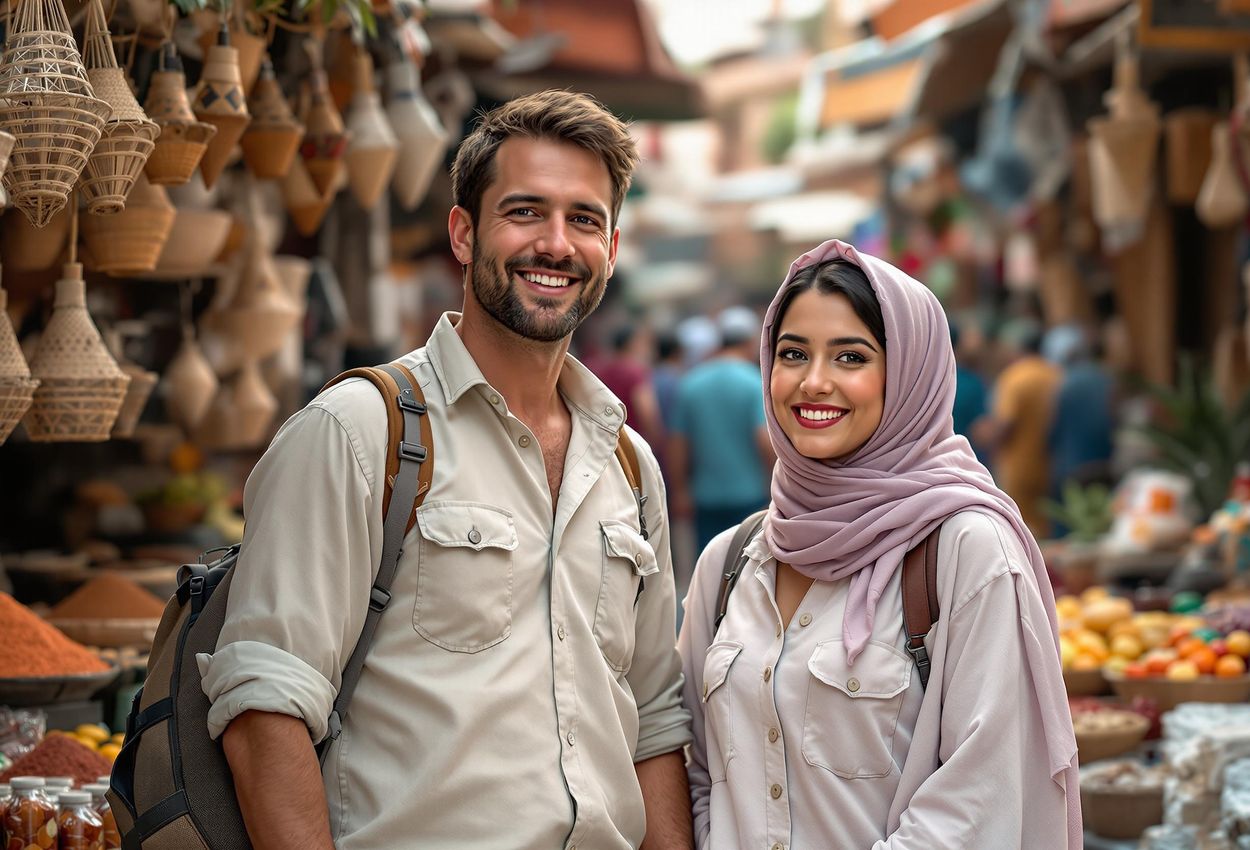
Dressing appropriately is a fundamental way to show respect for local customs and traditions. Different cultures have different expectations regarding attire, and failing to meet these expectations can be seen as disrespectful or offensive. Researching dress code requirements before traveling is essential, particularly when visiting religious sites or conservative societies.
For example, when visiting mosques or temples, it's typically required to cover shoulders and knees. In some conservative societies, avoiding revealing clothing is crucial. On formal occasions, dressing modestly and respectfully is always a safe bet. Opting for modest and respectful attire, even if it differs from your usual style, can help you avoid unwanted attention or causing offense.
When visiting churches in Malta, it's essential to dress modestly, covering shoulders and knees at all times. Similarly, when visiting religious sites in Israel, modesty is crucial, especially at places like the Western Wall. This means covering shoulders, arms, legs, and chest. Men should wear a head covering (kippah or hat), while women may need to use a shawl. Inappropriate clothing may prevent entry.
Packing accordingly is essential for respecting local customs. Consider inging versatile items that can be layered or adapted to different situations. A lightweight scarf, for example, can be used to cover your shoulders when visiting a religious site or to protect yourself from the sun. Similarly, long pants or skirts can be worn in conservative societies. By being prepared and dressing respectfully, you can demonstrate your appreciation for local customs and avoid causing offense.

Food for Thought: Navigating Culinary Differences
Adapting to unfamiliar cuisines and dining customs can be both exciting and challenging. What's considered a delicacy in one culture might be offensive in another. For example, eating insects is a common practice in some parts of the world, while it's considered taboo in others. Similarly, using specific animal parts in cooking can be offensive to certain cultures or religions.
Being open-minded and trying new foods is a great way to immerse yourself in the local culture, but it's also important to respect your own dietary restrictions and preferences. If you have allergies or religious restrictions, be sure to communicate them clearly to restaurant staff. Researching local specialties and dining etiquette beforehand can help you avoid faux pas and make informed choices about what to eat.
For example, in some cultures, it's customary to eat with your hands, while in others, utensils are required. Similarly, some cultures have specific rules about who sits where at the table or how food is served. By being aware of these customs, you can navigate dining situations with greater confidence and avoid unintentional offense. Exploring local markets and cooking classes together can be a fun way to find common ground and learn more about the local cuisine. This shared experience can create lasting memories and strengthen your bond as a couple.
Remember that food is an integral part of culture, and being open to trying new things is a sign of respect and appreciation. By researching local specialties, communicating your dietary needs, and emacing new culinary experiences, you can create a more enriching and enjoyable travel experience for both you and your partner.

Conflict Resolution Across Cultures: Finding Common Ground
Conflicts are inevitable, but how you resolve them can make or eak your travel experience. When cultural differences are involved, it's even more important to approach conflict resolution with sensitivity and understanding. Active listening, empathy, and a willingness to compromise are essential skills for navigating disagreements and finding common ground.
Using 'I' statements to express your feelings without blaming or accusing your partner can help de-escalate tense situations. For example, instead of saying 'You always do this...', try saying 'I feel frustrated when this happens...' This approach focuses on your own emotions and avoids putting your partner on the defensive. Avoiding assumptions or generalizations about your partner's culture is also crucial. Instead, focus on understanding their individual perspectives and experiences.
If conflicts become persistent or difficult to resolve, seeking professional help from a therapist or counselor experienced in intercultural relationships can be beneficial. A trained professional can provide guidance and support in navigating cultural differences and developing effective communication strategies. Remember that seeking help is a sign of strength, not weakness, and can help you build a stronger and more resilient relationship.
Remember that conflict resolution is not about winning or losing; it's about finding a solution that works for both of you. By prioritizing active listening, empathy, and a willingness to compromise, you can navigate disagreements with greater ease and strengthen your bond as a couple. This proactive approach will not only enhance your travels but also enrich your relationship as a whole.

Emace the Unexpected: Turning Misunderstandings into Adventures
Despite your best efforts, cultural misunderstandings are bound to happen. Instead of viewing them as setbacks, emace them as opportunities for learning and growth. Maintaining a sense of humor and flexibility can help you navigate unexpected situations with grace and resilience. Avoid taking yourselves too seriously and be willing to laugh at your own mistakes.
Documenting your experiences in a journal or blog can be a fun way to reflect on your journey and share your insights with others. This can also help you process any challenges or misunderstandings that may arise. Sharing anecdotes of humorous or enlightening experiences that resulted from cultural differences can be a great way to connect with others and foster cross-cultural understanding.
Remember that navigating cultural differences can strengthen your bond and create lasting memories. By emacing the unexpected and viewing misunderstandings as opportunities for growth, you can transform potential setbacks into enriching experiences. This positive attitude will not only enhance your travels but also deepen your appreciation for the world and its diverse cultures.
Ultimately, the key to navigating cultural differences when traveling as a couple is to approach each situation with an open mind, a willingness to learn, and a deep respect for local customs and traditions. By emacing these principles, you can create a travel experience that is not only enjoyable but also transformative, strengthening your bond as a couple and enriching your understanding of the world.