As the calendar flips to January, a world of celeations unfolds, each with its unique culinary tapestry. From luck-filled Southern meals to delicate Japanese delicacies, join us as we explore the delicious traditions that unite and distinguish cultures across the globe.
A Southern U.S. New Year: Black-Eyed Peas, Greens, and Cornead
In the Southern United States, New Year's Day is synonymous with a hearty meal steeped in symbolism. At the center of this tradition are black-eyed peas, representing coins and prosperity for the year ahead. These humble legumes are often cooked with pork, another symbol of good fortune, in a dish known as Hoppin' John. The tradition of eating black-eyed peas on New Year's Day dates back to the Civil War. Union troops would requisition foodstuffs, but were said to leave black eyed peas because the troops considered them unfit for consumption. Those grateful to have them considered themselves fortunate.
Alongside the black-eyed peas, collard greens take their place, their verdant hue symbolizing paper money. The more greens consumed, the greater the potential wealth in the coming year. Cornead, golden and crumbly, completes the trio, representing gold. Together, these dishes form a powerful trifecta of hope and prosperity.
A classic Hoppin' John recipe typically includes black-eyed peas, rice, chopped onion, and diced ham or bacon. Some cooks add a pinch of red pepper flakes for a touch of heat. A unique tradition involves placing a dime in the pot while the Hoppin' John cooks; whoever finds the dime in their serving is said to have extra good luck. Pork is crucial to the Southern New Year's meal, representing progress and forward movement, as pigs root forward when foraging. Serving chicken, or a winged animal that flies, would represent your fortune as possibly flying away from you.
Hidden Gem: A lesser-known tradition dictates that one should eat all but three black-eyed peas from their bowl. These remaining peas are said to attract luck, wealth, and even romance in the new year.

France's Épiphanie: Galette des Rois and Hidden Treasures
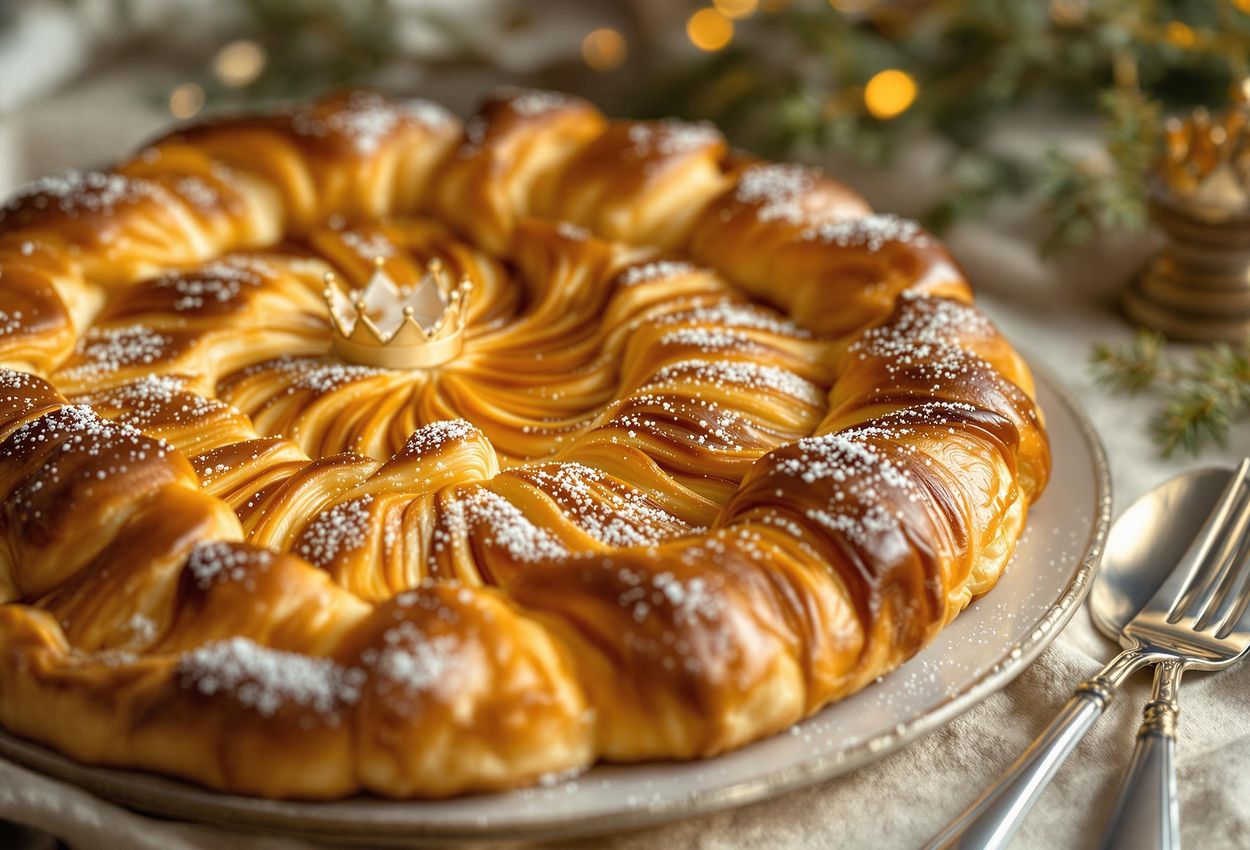
In France, January 6th marks Épiphanie, or Three Kings Day, a celeation of the arrival of the Magi to the infant Jesus. The culinary centerpiece of this holiday is the Galette des Rois, a flaky puff pastry filled with a sweet almond cream called frangipane. Hidden within the galette is a fève, traditionally a bean but now often a small porcelain figurine.
The tradition dictates that the youngest person in the room hides under the table and calls out names to assign slices, ensuring impartiality. Whoever finds the fève in their slice is crowned king or queen for the day, often with a paper crown. In Southern France, a variation called Gâteau des Rois is enjoyed. This ioche-like cake is studded with candied fruits and flavored with orange blossom water.
The tradition of the Galette des Rois dates back to the 14th century. During this period, slaves were freed and a “king of the festival” was chosen by lottery to rule over the festival for one day.
Hidden Gem: Collectors eagerly seek out limited-edition porcelain figurines each year, turning the simple act of eating cake into a treasure hunt. Some of the best and most creative galette de rois in Paris can be found at pâtisseries.
Seollal in South Korea: Tteokguk, Dumplings, and Ancestral Homage
Seollal, the Korean Lunar New Year, is a multi-day celeation centered on family, food, and honoring ancestors. One of the most iconic traditions of Seollal is eating tteokguk, a hearty and delicious soup made with thinly sliced rice cakes. This dish holds a special significance during the New Year. According to Korean tradition, eating a bowl of tteokguk symbolizes growing a year older. It is believed that one cannot officially age until they have had their bowl of this soup.
Tteokguk, a rice cake soup, takes center stage. Thinly sliced oval rice cakes are simmered in a savory oth, often made with beef, and garnished with egg, seaweed, and scallions. The white color of the rice cakes symbolizes purity and a fresh start. Mandu, or dumplings, are another essential dish, filled with meat, vegetables, and kimchi. The shape of Mandu resembles ancient Korean coins, representing wealth and prosperity.
Seollal is also a time for ancestral worship. Families gather to perform rituals, offering food and drink to honor their ancestors. This act reflects gratitude and respect for past generations while seeking blessings for the year ahead.
Hidden Gem: Crafting Mandu is often a multi-day family affair, with each member contributing to the filling, shaping, and cooking of these symbolic dumplings.

Tết in Vietnam: Bánh Chưng, Pickled Vegetables, and Lucky Money
Tết Nguyê Đá, the Vietnamese Lunar New Year, is a time of renewal, family reunions, and viant traditions. Bánh Chưng, a square-shaped sticky rice cake filled with mung beans and pork, is the quintessential Tết dish. Wrapped in green leaves and tied with bamboo strings, Bánh Chưng symbolizes the earth and is a labor of love to prepare.
Pickled vegetables, or dưa mó, add a tangy counterpoint to the richness of Bánh Chưng. These colorful pickles, often made with carrots, daikon radish, and papaya, represent good fortune and prosperity. Candied fruits, or mứt, are another essential Tết treat, offered to guests as a symbol of hospitality and good luck.
The tradition of giving lucky money in red envelopes, or lì xì, is a cherished custom. Adults gift these envelopes to children and unmarried young adults, wishing them good health and success in the new year.
Hidden Gem: Cleaning homes before Tết is a tradition to sweep away bad luck and prepare for a fresh start. The first three days of Tet are dedicated to honoring and expressing gratitude to those who have played significant roles in our lives.

Japan's Osechi-ryori: Tiered Boxes of Symbolic Delights
Osechi-ryori, the Japanese New Year dish, is a feast for the eyes and the palate, presented in beautifully lacquered tiered boxes. Each dish is carefully prepared and packed, with every ingredient carrying symbolic meaning. Herring roe, or kazunoko, represents fertility, while sweet black beans, or kuromame, symbolize health. Sweet chestnuts, or kuri kinton, signify success and financial prosperity.
Other essential Osechi-ryori dishes include kombu seaweed rolls, representing joy; shrimp, symbolizing longevity; and datemaki, a sweet rolled omelet, representing knowledge and scholarship.
Hidden Gem: Traditionally, stoves are not used for the first three days of the year, giving cooks a much-deserved eak. The food is prepared in advance so people can enjoy the new year.

Taiwan's Lunar New Year: Dumplings, Whole Fish, and Mandarin Oranges
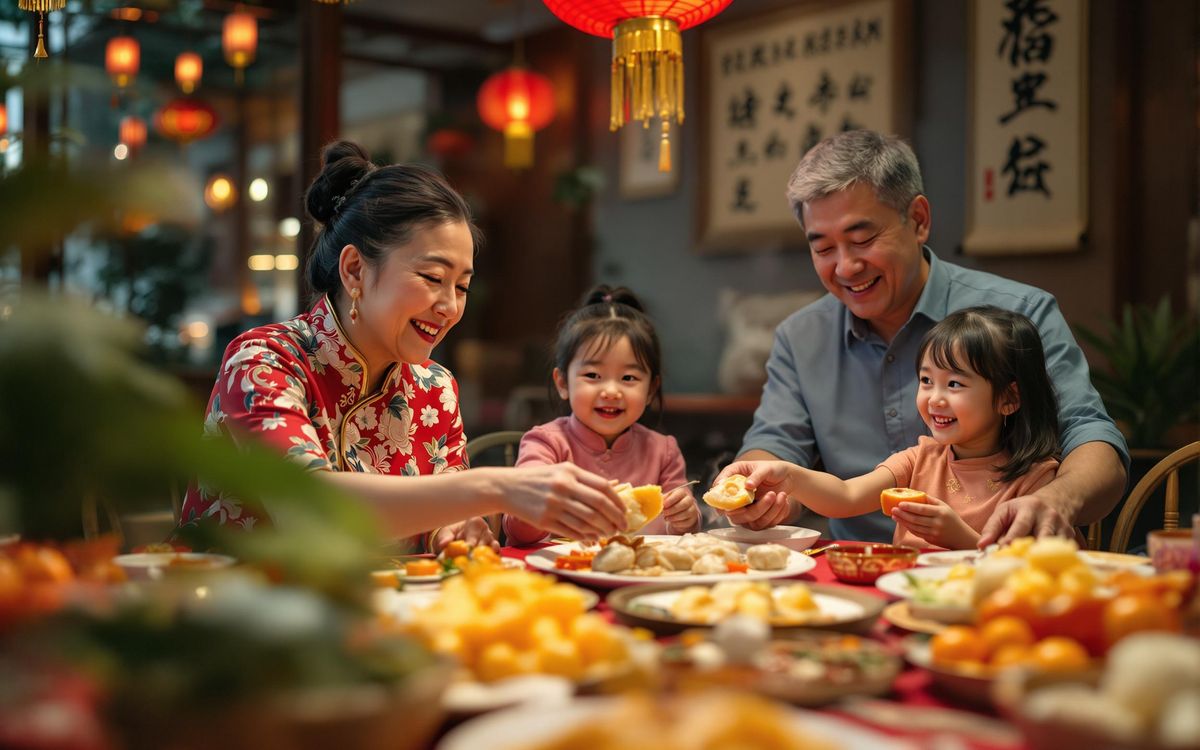
The Taiwanese Lunar New Year is a viant celeation filled with family reunions and symbolic foods. Dumplings, resembling ancient Chinese gold ingots, are a must-have, representing wealth and prosperity. Some families even hide a coin or peanut in a dumpling for added luck.
A whole fish, symbolizing abundance, graces the New Year's table. The fish is often steamed or aised, and a portion is left uneaten to ensure a surplus in the coming year. Mandarin oranges, with their ight color and sweet taste, represent good fortune and are exchanged as gifts.
The pineapple is traditionally associated with wealth, good fortune, and prosperity. So, it will come as no surprise that this is also part of many Lunar New Year feasts. The pineapple itself is popular, though it is not in season at this time of year. Far more common are pineapple cakes, which are in high demand and are often used as gifts at this time of year.
Hidden Gem: The practice of hiding a coin or peanut in a dumpling adds an element of surprise and excitement to the New Year's meal, promising good fortune to the lucky finder.

Spain's Día de los Reyes: Seafood, Meats, and Rosca de Reyes
Día de los Reyes, or Three Kings Day, is celeated on January 6th in Spain and marks the end of the Christmas season. Families gather for a festive meal featuring an array of seafood and meat dishes. Shrimp, prawns, and roasted lamb are popular choices.
The culinary highlight of Día de los Reyes is the Rosca de Reyes, a ring-shaped cake adorned with candied fruits. Hidden inside the cake is a small figurine and a bean. Whoever finds the figurine is crowned king or queen, while the person who finds the bean has to host the next year's party.
Hidden Gem: Street parades, with the Three Kings tossing candied fruits to the crowds, add a touch of magic and whimsy to the Día de los Reyes celeations.

Lebanon: Flavours of Lebanon food festival
If you're craving a taste of the Middle East, January's Flavours of Lebanon food festival at the Cafe Quan in Lucknow is the place to be! This event ings the rich, aromatic flavours of Lebanese cuisine to the heart of India. Lebanese cuisine is known for its harmonious blend of fresh ingredients, bold spices, and age-old culinary traditions. From the earthy aroma of sumac to the nutty richness of tahini, every dish tells a story of heritage and flavor.
Guests can indulge in an array of traditional dishes, from creamy hummus and tabbouleh to succulent kebabs and fresh baklava. Other dishes are warm, flaky spinach and cheese-filled fatayer or crispy falafels, perfectly seasoned and golden fried. Mains featuring succulent chicken and lamb shawarma, slow-cooked to perfection, alongside a fragrant platter of saffron rice or couscous. End your Lebanese food feast on a sweet note with irresistible desserts like baklava, layered with honey and nuts, or creamy muhallabieh, delicately infused with rose water and pistachios.
Hidden Gem: Refreshing options like traditional mint lemonade and other Middle Eastern-inspired drinks.

Makar Sankranti/Pongal in India: Kite Flying and Sweet Rice Dishes
Makar Sankranti and Pongal are viant harvest festivals celeated across India in January. In Gujarat, kite-flying competitions fill the skies with colorful displays. In Punjab, bonfires are lit to mark the end of winter.
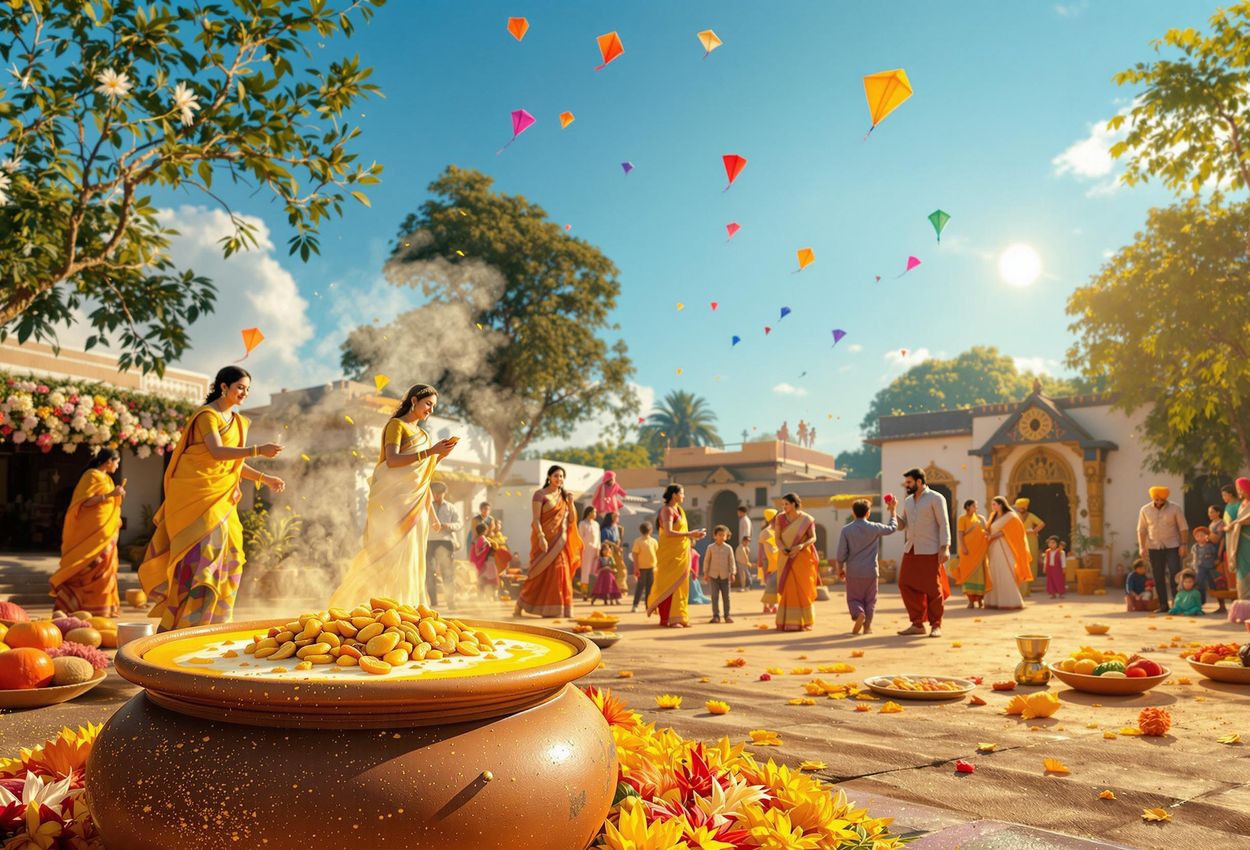
In Bihar, Khichdi, a savory rice and lentil dish, is prepared and shared. In South India, Pongal, a sweet rice dish made with jaggery and milk, is the star of the celeation. The dish is cooked in a new clay pot until it overflows, symbolizing abundance and prosperity.
Hidden Gem: Decorating homes with Kolams, intricate Rangoli patterns made with rice flour, is a traditional way to welcome good fortune and prosperity.
Kwanzaa: Celeating African Heritage with Hearty Flavors
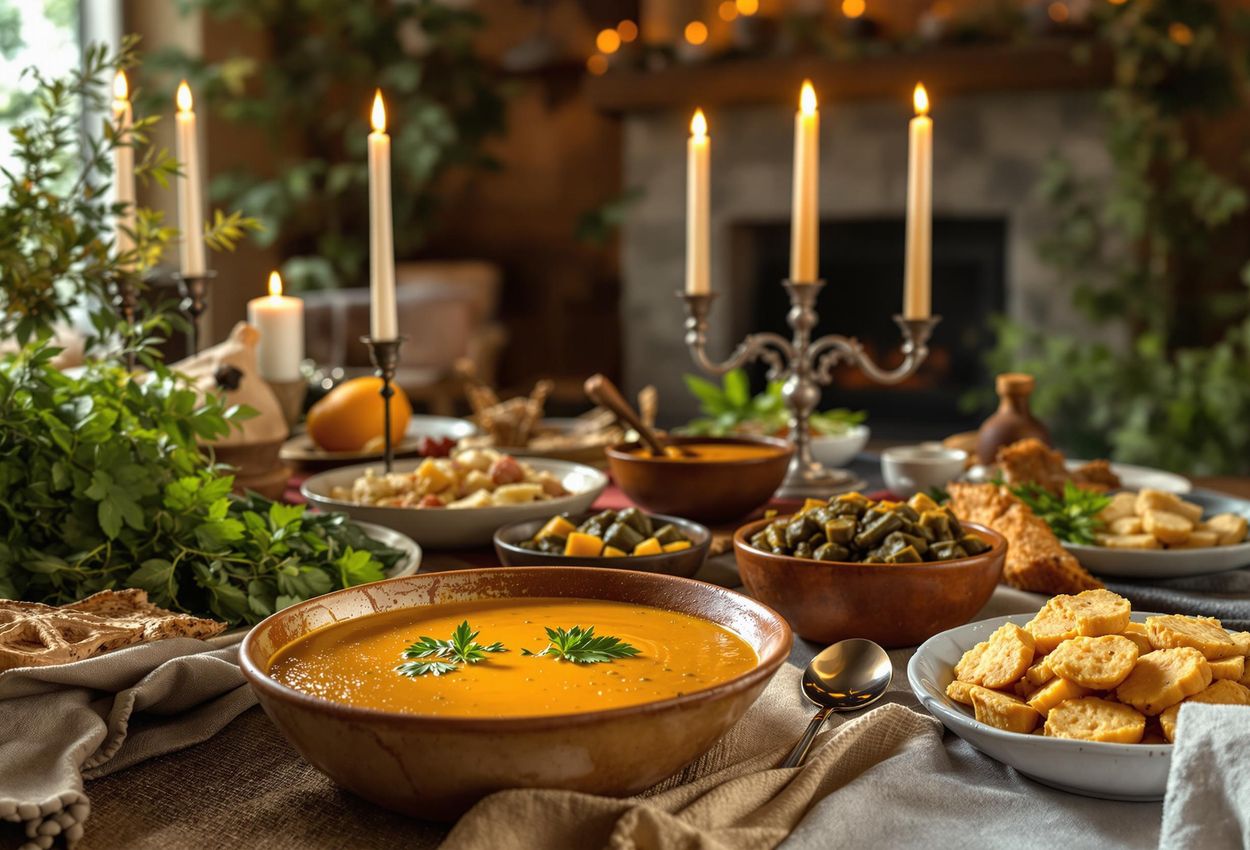
Kwanzaa, celeated from December 26th to January 1st, honors African heritage and culture. The Kwanzaa feast, or Karamu, features hearty flavors derived from the African diaspora. Dishes such as squash soup or peanutty stew, with okra and greens on the side, are common.
Hidden Gem: The emphasis on fresh, local ingredients and the sharing of food with family and community embodies the principles of Kwanzaa.
Maryland: Food Festivals
Maryland offers a delightful array of food festivals throughout the year, and January is no exception. While specific events may vary annually, keep an eye out for winter-themed food festivals and restaurant weeks that showcase the state's culinary scene.
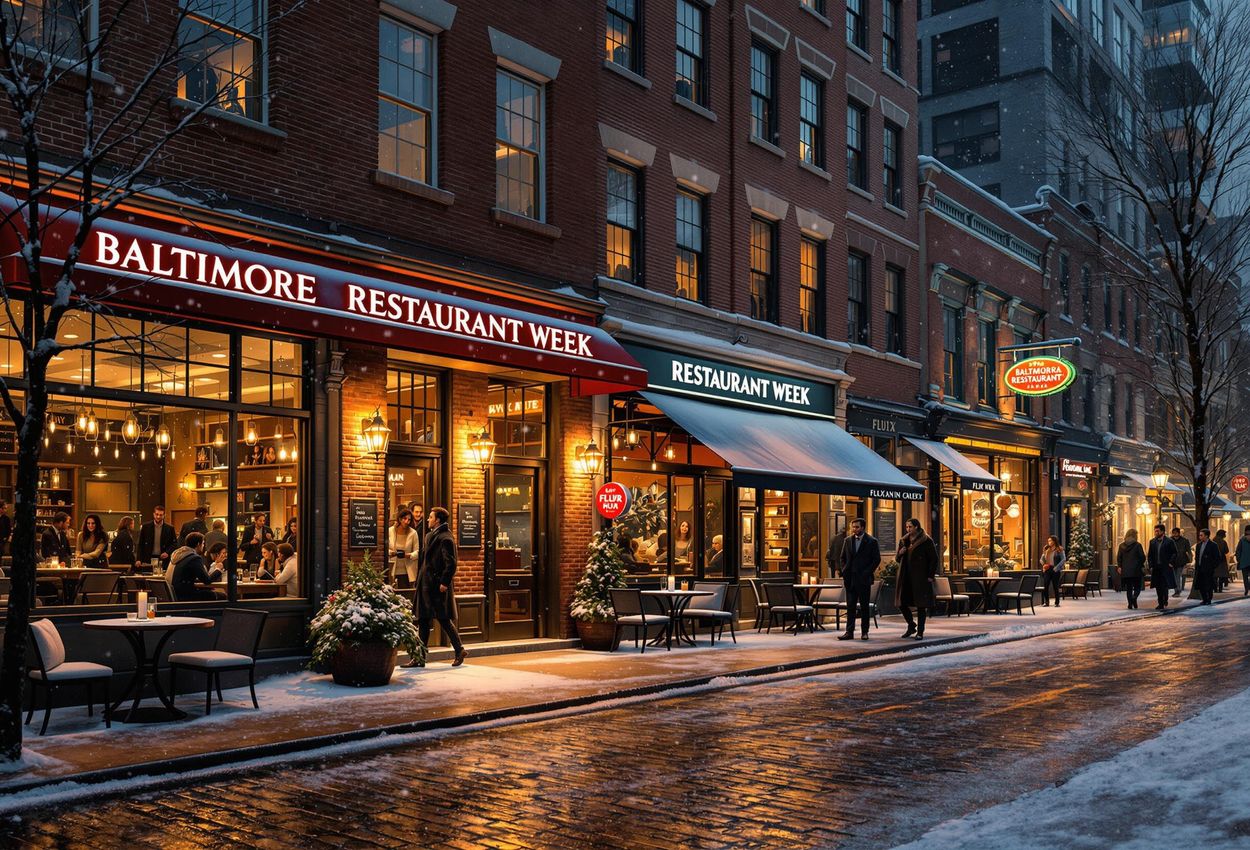
Baltimore Restaurant Week, typically held in January, features prix-fixe menus at participating restaurants, offering diners a chance to explore the city's diverse culinary landscape. Bel Air and Harford County also host their own Restaurant Weeks, highlighting local eateries. Berlin, Town of Berlin Restaurant Week, Camidge, Ice & Oyster Fest, Ellicott City, Howard County Restaurant Weeks & Craft Beverages, Port Tobacco, Charles County Restaurant Week, Towson, Baltimore County Restaurant Week.
Hidden Gem: These events often provide a platform for local chefs to showcase their creativity and innovation, offering unique and memorable dining experiences.
Florida: Food Festivals
Florida's warm climate allows for year-round food festivals, and January is no exception. The Sarasota Seafood & Music Festival in Sarasota offers a wide selection of dishes, including fresh seafood, meats, and vegetarian options. The Annual Florida Key Lime Pie Festival at evard Veterans Memorial Park in Merritt Island celeates the state's signature dessert.
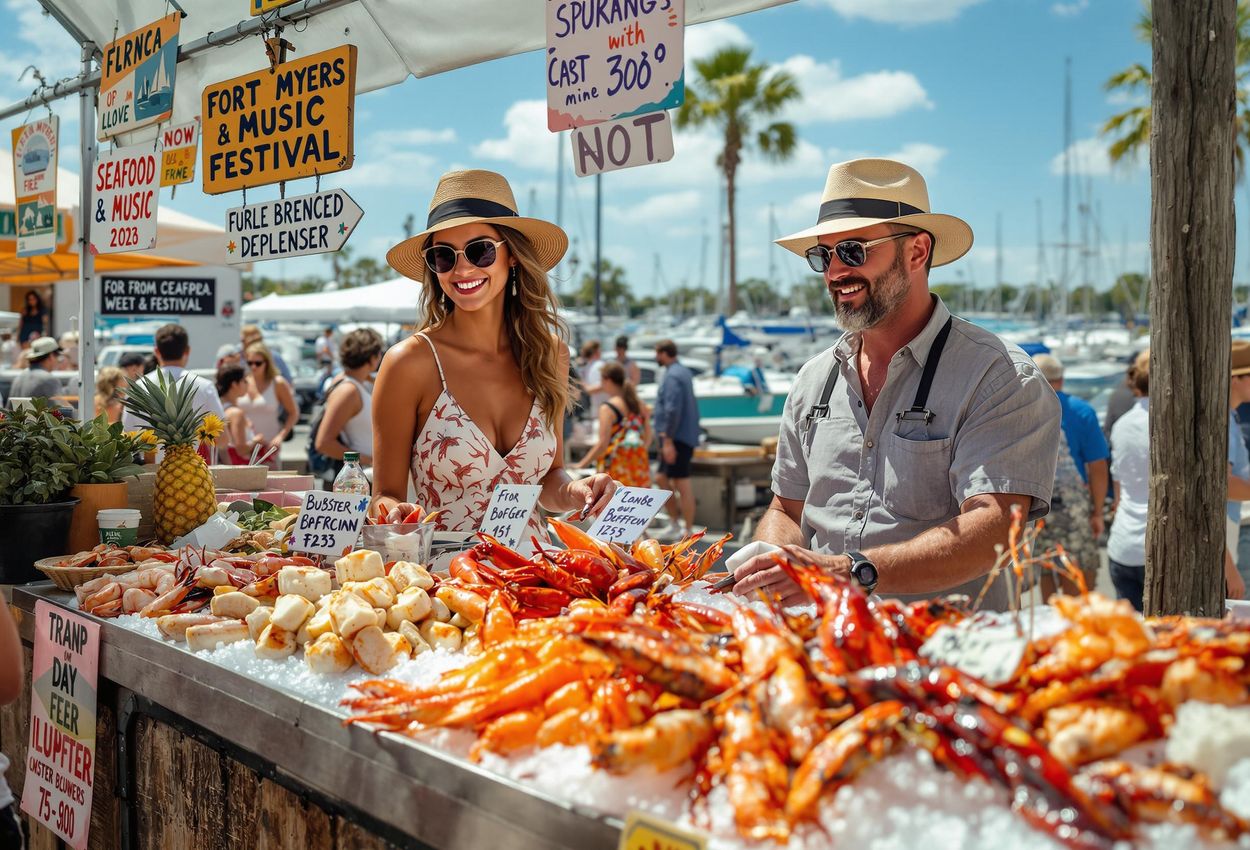
The Fort Myers Seafood & Music Festival, held on the waterfront in historic downtown Fort Myers, features fresh seafood and live music. Enjoy foods cooked fresh onsite (seafood, meat, vegetarian) with a variety of side dishes and of course – desserts! Seafood is from Florida's coastal waters, a sustainable and renewable resource. For drinks, choose from alcoholic, non-alcoholic and fruit drinks.
Hidden Gem: These festivals often feature local artisans and craft vendors, offering a chance to discover unique souvenirs and gifts.
Harbin Ice Festival
The Harbin Ice Festival, held annually in Harbin, China, is a winter wonderland of massive ice sculptures and snow art. Artists create structures using blocks of ice from the Songhua River, which are then illuminated with colorful LED lights.
Visitors can explore ice castles, slide down frozen slides, and see intricate ice carvings that reach heights of up to 150 feet. The festival includes various ice sculpture competitions, snow sculpture competitions, winter fishing, winter sports, winter activities, celeations, parades, events, and five theme parks: Sun Island International Snow Sculpture Art Expo, Harbin Ice and Snow World, Harbin Wanda Ice Lantern World, Zhaolin Park Ice Lantern Art Fair, and Songhua River Ice and Snow Carnival.
Hidden Gem: The festival offers a unique opportunity to witness the artistry and skill of ice sculptors from around the world.

SeaWorld Orlando's Seven Seas Food Festival
SeaWorld Orlando's Seven Seas Food Festival is a culinary adventure like no other! From January 31 to May 4, indulge in a world of flavor with over 190 mouthwatering dishes inspired by global cuisines.
Whether you're a foodie or inging the whole family, you'll savor delectable bites paired perfectly with refreshing wines, viant cocktails, and craft ews. Spice up your visit with live concerts with headlining concerts every Saturday, and additional performances on select Fridays and Sundays. Revel in festive vibes during special celeations like Mardi Gras, St. Patrick's Day, and Cinco de Mayo.
Hidden Gem: The Seven Seas Food Festival offers a sampling lanyard that allows guests to enjoy various food and drink offerings at a discounted rate.