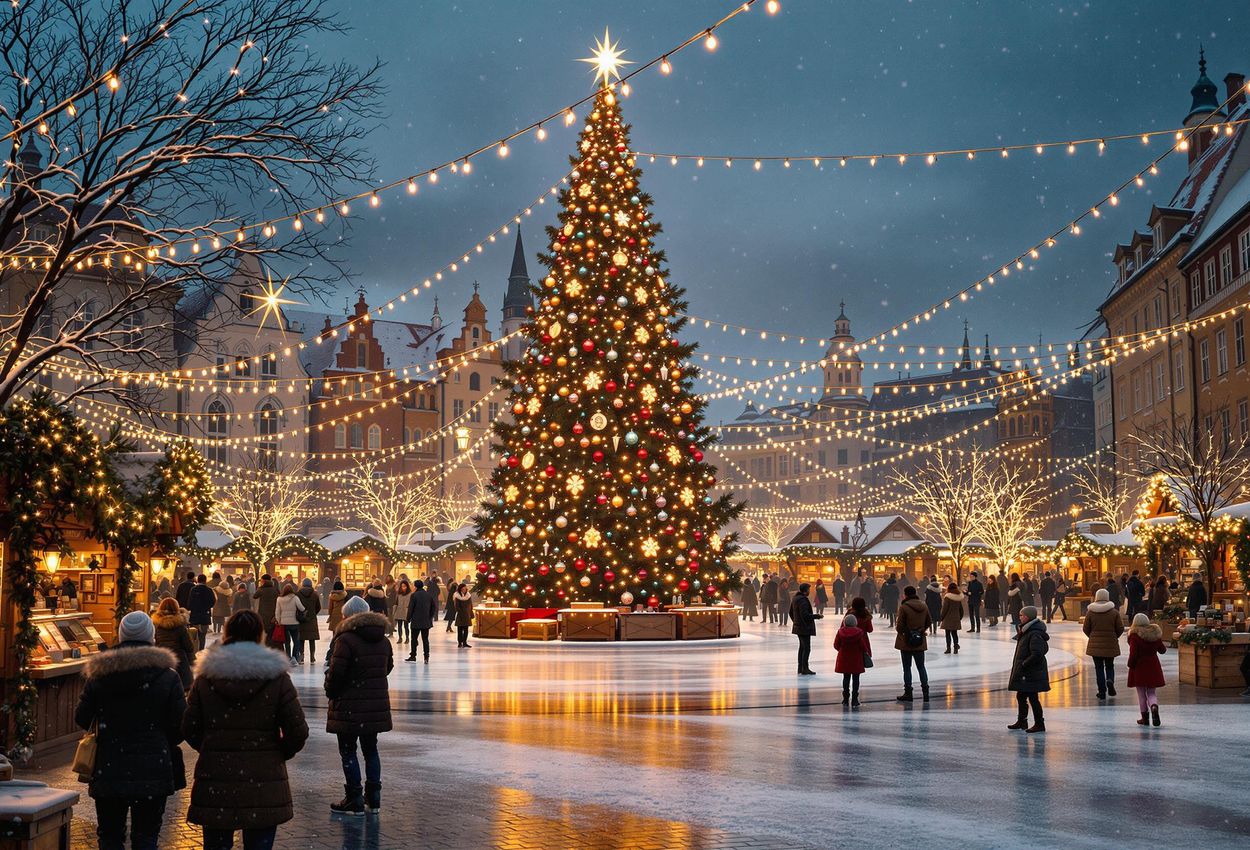
As the days shorten and temperatures plummet, communities around the world ignite with the spirit of winter festivals, transforming the season of dormancy into a viant tapestry of light, warmth, and connection. These celeations, deeply rooted in cultural traditions, offer a powerful reminder of hope and resilience in the face of winter's challenges.
A Dance of Light and Shadow: Unveiling Winter's Allure
Winter, often associated with darkness and cold, paradoxically becomes a canvas for humanity's most radiant expressions of joy. Winter festivals are more than just distractions from the chill; they are affirmations of life, community, and the enduring human spirit. These celeations, whether they involve dazzling displays of ice art or intimate family gatherings, share common threads: a longing for renewal, a celeation of endurance, and a collective emace of hope. The quiet introspection of winter provides a unique opportunity to reflect on the past year and anticipate the future with renewed optimism.
Across diverse climates and cultures, the experience of winter evokes a shared human response. From the snow-laden landscapes of the north to the milder, yet equally significant, winter observances in warmer regions, people find ways to counter the season's challenges. The need for warmth, both physical and emotional, drives communities to create spaces of gathering and celeation. These festivals become focal points, drawing people together to share traditions, stories, and the simple joy of human companionship. They are a testament to our collective ability to transform adversity into an opportunity for connection and creativity.
Hidden Gem: The roots of many modern winter festivals can be traced back to ancient celeations. The Rural Dionysia in ancient Greece, celeated in the month of Poseideon (December-January), honored Dionysus, the god of wine, theatre, and fertility, with processions and performances. Similarly, the Roman Saturnalia, a week-long festival in mid-December, celeated Saturn, the god of agriculture, with feasting, gift-giving, and a temporary suspension of social hierarchies. These ancient traditions, with their emphasis on community, celeation, and the triumph of light over darkness, echo in the winter festivals we celeate today.
Harbin's Frozen Fairytale: A Symphony of Ice and Light
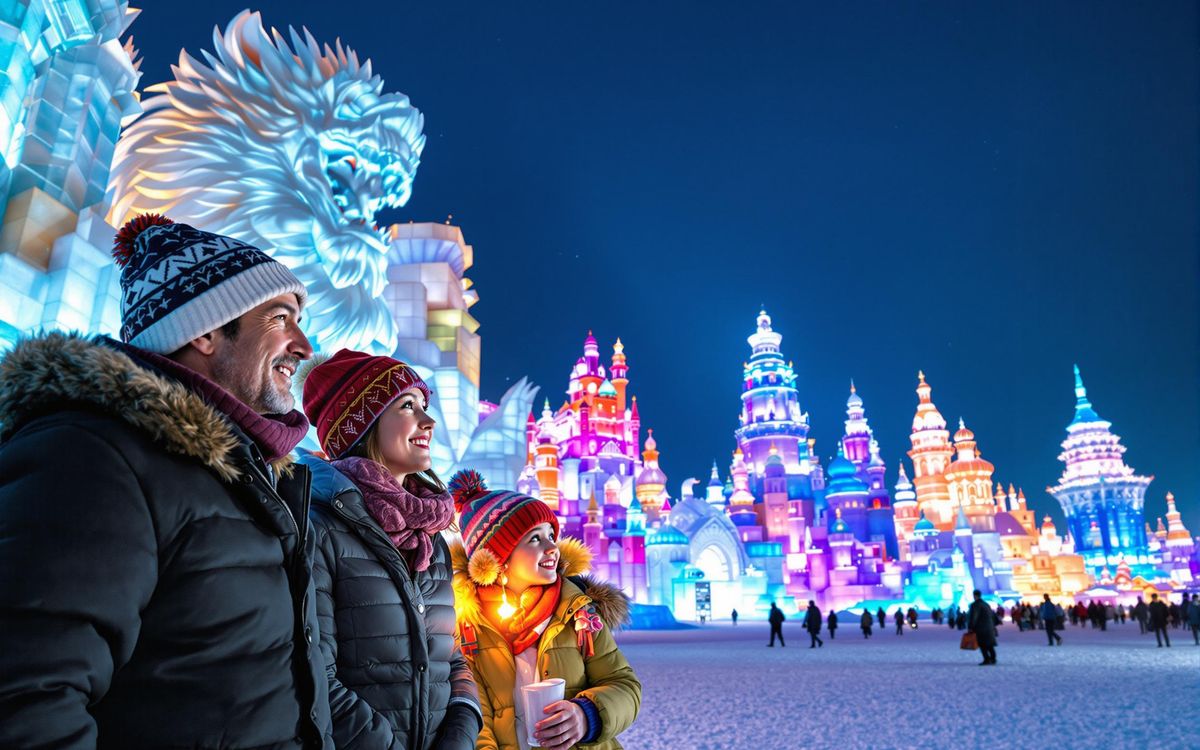
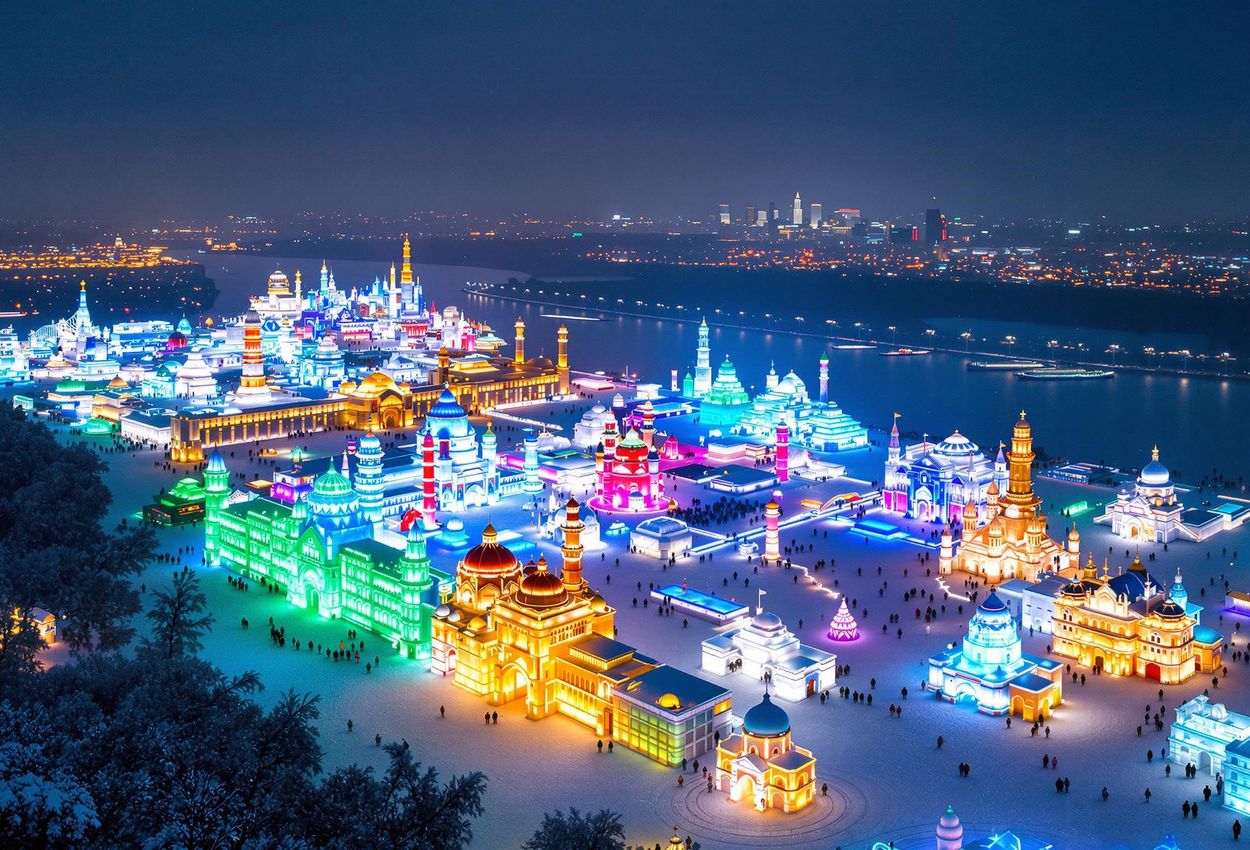
In the heart of northeastern China, where winter temperatures can plummet to well below freezing {weather information for administrative_area: Heilongjiang} , the city of Harbin transforms into a eathtaking spectacle of ice and snow. The Harbin International Ice and Snow Sculpture Festival is a testament to human artistry and engineering, showcasing colossal ice sculptures that shimmer with ethereal beauty. This festival isn't just a display; it's an immersive experience, drawing millions of visitors from around the globe to witness its frozen wonders.
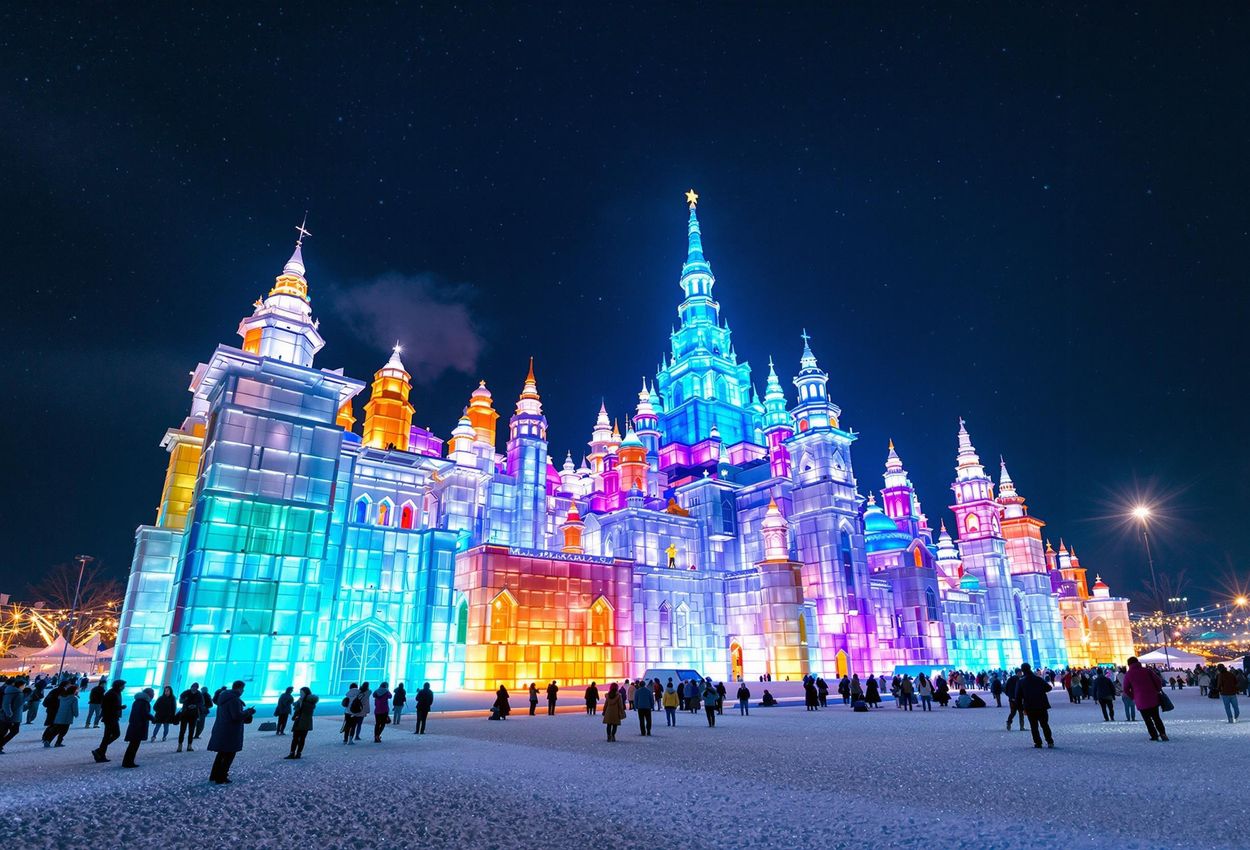
The sheer scale of the ice sculptures is awe-inspiring. Towering castles, mythical creatures, and intricate architectural marvels rise from the frozen ground, illuminated by a kaleidoscope of colored lights. The artistry is equally impressive, with sculptors from around the world meticulously crafting each detail, transforming blocks of ice into eathtaking works of art. Visitors can wander through this frozen wonderland, marveling at the skill and creativity on display, and feeling a sense of wonder amidst the icy grandeur.
The festival encompasses several theme parks, each offering a unique experience. The Sun Island International Snow Sculpture Art Expo features massive snow sculptures, often depicting scenes from folklore and mythology. Harbin Ice and Snow World showcases illuminated ice buildings, creating a dazzling cityscape of frozen structures. Zhaolin Park Ice Lantern Art Fair offers a more traditional experience, with intricate ice lanterns illuminating the park's serene landscape. Beyond the visual spectacle, the festival offers a range of winter activities, from ice skating and sledding to ice cycling and even polar bear encounters.
Hidden Gem: To fully appreciate the Harbin International Ice and Snow Sculpture Festival, plan your visit to experience both the daytime and nighttime beauty of the sculptures. During the day, the sunlight illuminates the intricate details of the ice carvings, revealing their delicate artistry. At night, the sculptures are transformed by viant colored lights, creating a magical and ethereal atmosphere. The festival has also incorporated elements from the Asian Winter Games when Harbin hosted, showcasing winter sports themes in some of the ice sculptures.
Quebec's Winter Carnival: A Celeation of Nordic Culture
Across the globe in Quebec City, Canada {weather information for locality: Québec City, administrative_area: QC}, the Quebec Winter Carnival stands as a viant testament to the city's Nordic heritage and its residents' unwavering spirit in the face of winter's icy grip. This annual celeation, steeped in history and tradition, transforms the city into a winter wonderland, drawing visitors from far and wide to partake in its unique festivities.
The carnival's roots stretch back to the late 19th century, when the city's residents sought to create a festive atmosphere during the long, cold winter months. Over time, it evolved into a grand celeation of Quebec's unique culture and traditions, showcasing its French-Canadian heritage and its enduring connection to the Nordic world. Today, the carnival is a major cultural event, attracting hundreds of thousands of visitors each year.
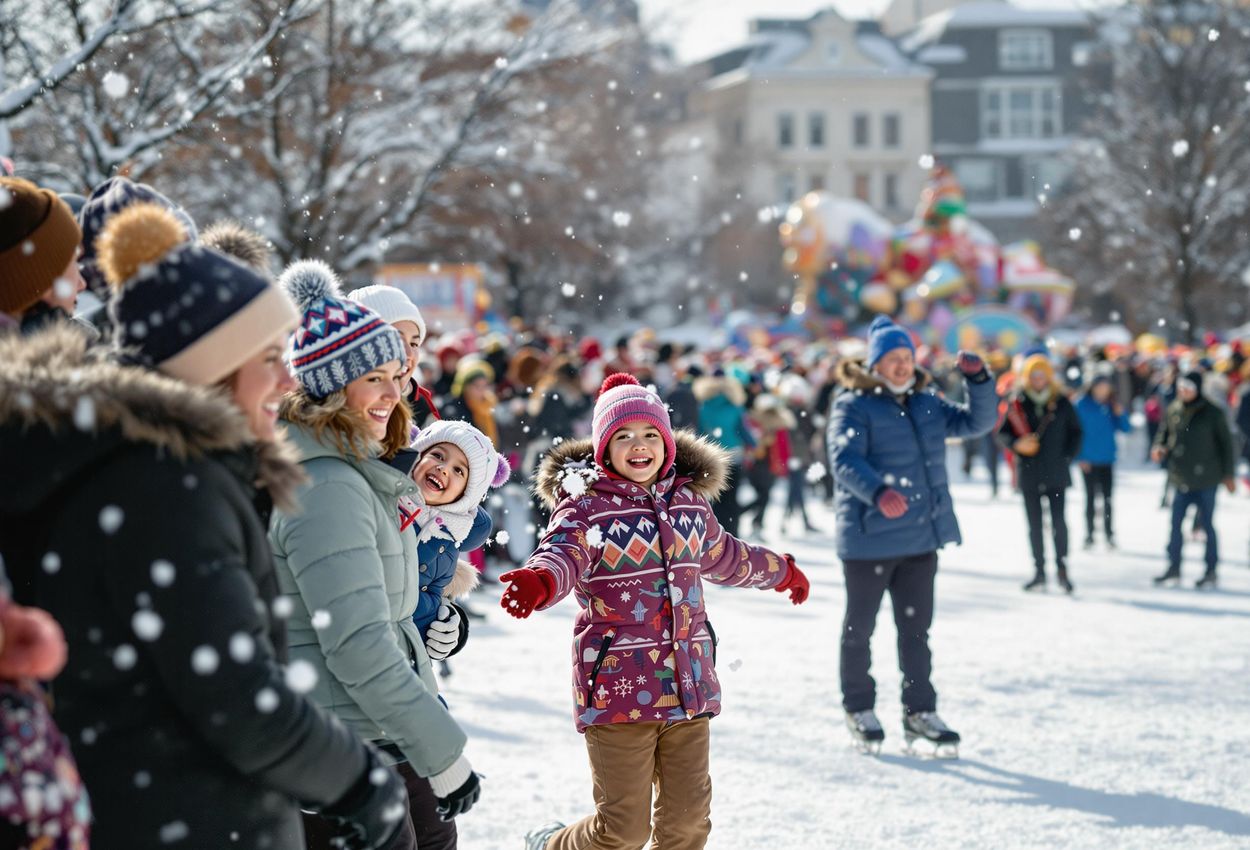
The carnival is renowned for its elaborate ice sculptures, which adorn the city's squares and parks, transforming them into galleries of frozen art. Parades wind through the streets, featuring colorful floats, marching bands, and the carnival's beloved mascot, Bonhomme, a jovial snowman who embodies the spirit of the festival. Bonhomme's Ice Palace, a magnificent structure built entirely of ice, serves as the carnival's centerpiece, a symbol of the city's resilience and its emace of winter's beauty.
Beyond the visual spectacles, the Quebec Winter Carnival offers a plethora of activities for all ages. Visitors can enjoy snow and ice tobogganing, ice skating, snow sculpting competitions, and a variety of games and musical performances. The carnival is a celeation of community, inging people together to share in the joy of winter and to revel in the unique spirit of Quebec City.
Hidden Gem: The arrow sash (ceinture fléchée) is a significant symbol in Quebec society, deeply intertwined with its history and culture. The arrowhead technique is believed to be a combination of Native American and French-Canadian weaving traditions. In the 19th century, the sash was used to tighten coats and provide back support, and is now worn with pride, particularly during the carnival. The arrow sash can still be seen today in French-Canadian and Métis culture.
Dongzhi: China's Winter Solstice Celeation
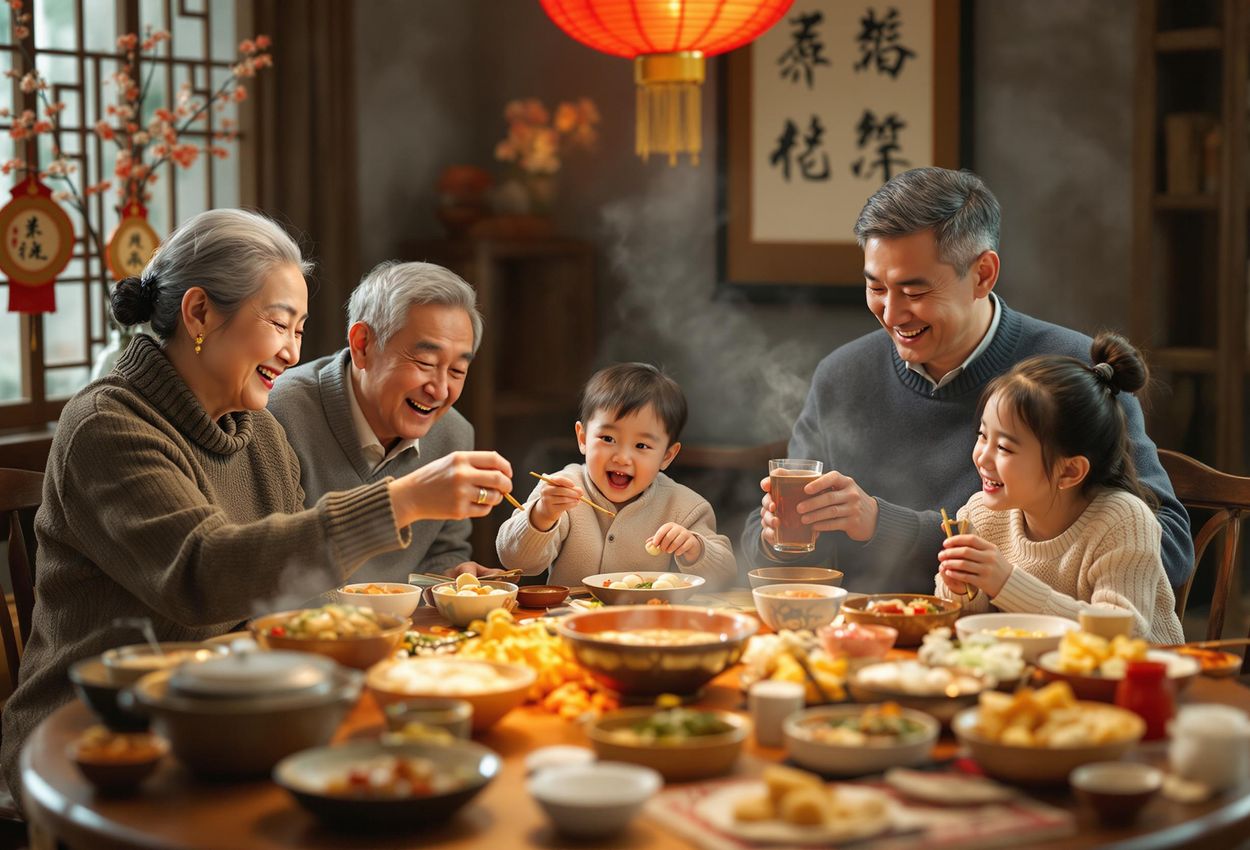
In China, the winter solstice, known as Dongzhi, is a time for family reunion and the celeation of the cyclical nature of life. This ancient festival, observed on the year's shortest day, is steeped in tradition and symbolism, offering a glimpse into the rich cultural heritage of China.
The tradition of families gathering to enjoy warm foods is central to the Dongzhi Festival. Tangyuan (sweet rice dumplings), a symbol of unity and completeness, are a must-have dish. These glutinous rice balls, often filled with sweet sesame or red bean paste, are shared among family members, representing togetherness and the hope for a harmonious future. Eating foods with high Yang energy, is a belief that helps restore and relax the body.
The festival is also associated with ancestor worship, as families pay homage to their ancestors and seek their blessings. This act of rememance reinforces familial bonds and honors the continuity of generations. The act of giving out dumplings began with Zhang Zhongjing, who gave out dumplings to the poor to prevent them from getting frostbite on their ears.
Hidden Gem: The Dongzhi Festival's origins can be traced back to the yin and yang philosophy of balance and harmony in the cosmos. The festival marks a turning point, with the promise of ighter days ahead. Following Dongzhi, daytime will gradually lengthen, as Yang will also increase.
Yalda Night: Persian Celeation of Light Over Darkness
In Iran and other parts of the Persian-speaking world, Shab-e Yalda, or Yalda Night, is a cherished celeation of the winter solstice. This ancient festival, steeped in Zoroastrian traditions, marks the longest night of the year and the triumph of light over darkness.
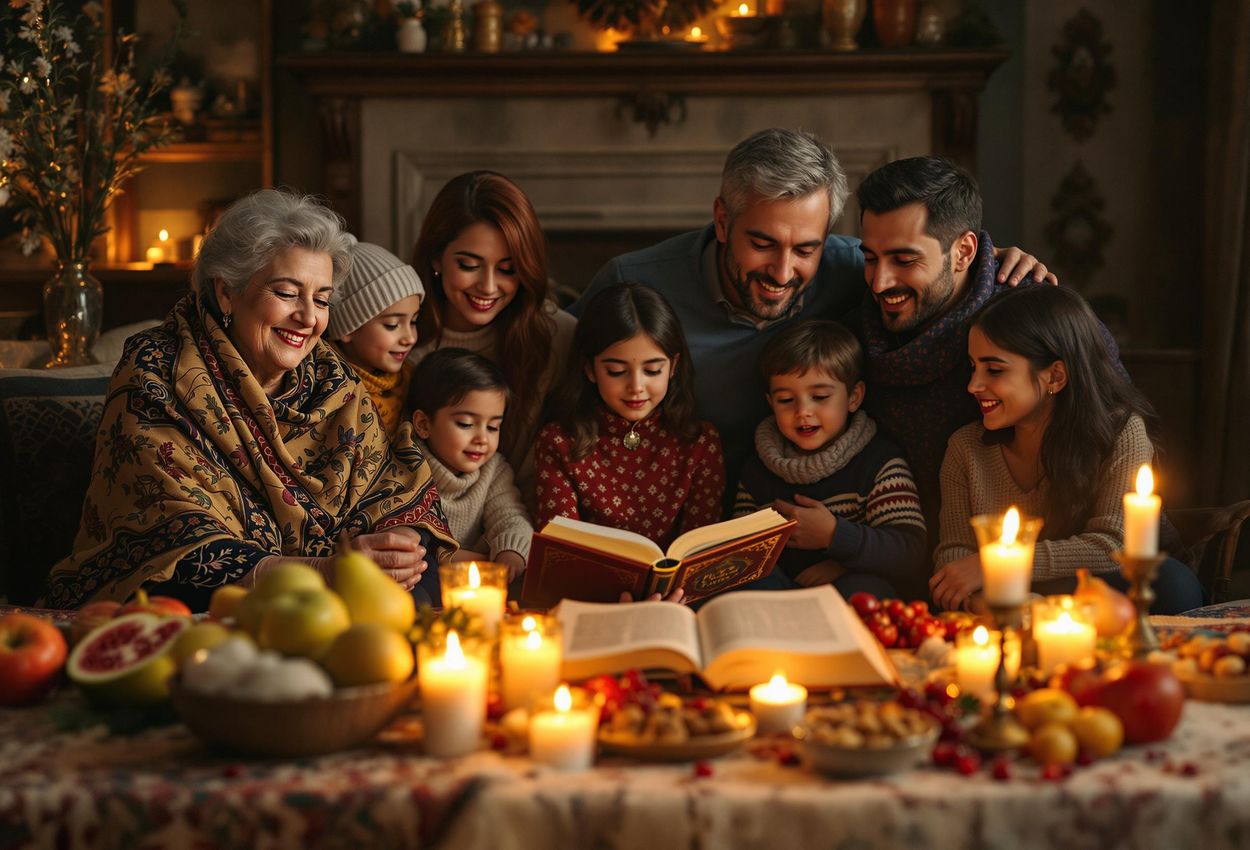
Families gather to eat, drink, and read poetry, particularly the works of Hafez, a renowned Persian poet. Watermelons and pomegranates, symbols of fertility and abundance, are prominently displayed and consumed. The red color of these fruits symbolizes the crimson hues of dawn and the hope of ighter days to come. Staying awake throughout the night is another key aspect of Yalda, to protect against evil forces, but has evolved into a symbol of hope and ightness.
The festival's connection to Zoroastrian traditions is evident in its celeation of Mithra, the ancient Persian angel of light. Yalda Night embodies much more than just a seasonal change; it celeates light triumphing over darkness, warmth over cold, and togetherness over solitude.
Hidden Gem: Fire plays a significant role in Shab-e Yalda, symbolizing purification and life-affirming energy. Lighting candles or small fires is a common tradition, echoing the warmth and vitality of life and to ward off darkness and evil forces, creating a warm gathering space together.
Soyal: Hopi's Winter Solstice Ceremony
Among the Hopi people of northeastern Arizona, the winter solstice is marked by the Soyal ceremony, a sacred ritual that celeates the renewal of life and the return of the sun. This ancient ceremony, steeped in tradition and symbolism, is a testament to the Hopi's deep connection to the natural world.
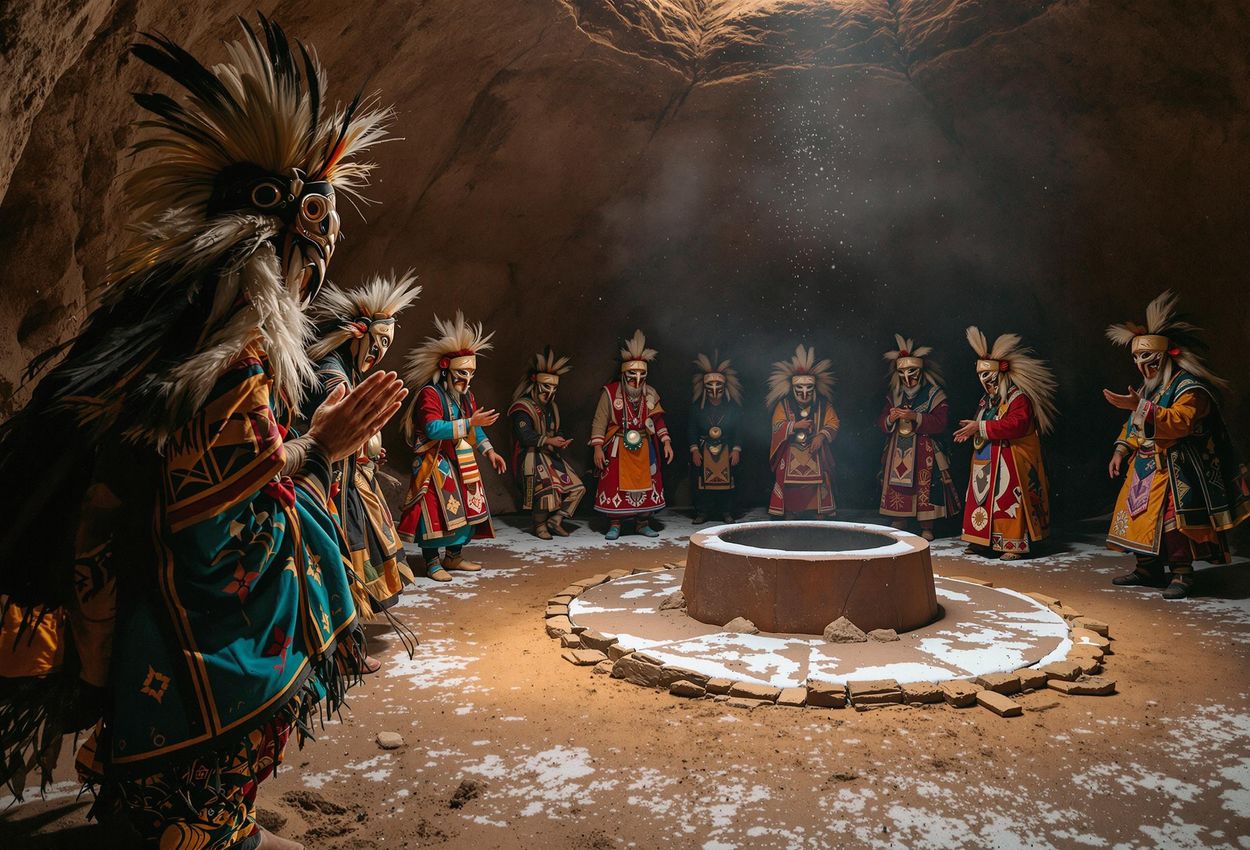
The Soyal ceremony is a time for prayers, songs, and dances, all aimed at inging the sun back from its winter slumber. The Kachinas, spirits that guard over the Hopi, dance at the winter solstice Soyal Ceremony. The rituals are performed in underground chambers called kivas. The longest ceremony on the ceremonial cycle, lasting up to 16 days, sacred rituals are performed in underground chambers called kivas. At Soyal time elders pass down stories to children, teaching pivotal lessons like respecting others.
The purpose of the rituals is to ensure the renewal of life, and to promote harmony and balance. The Hopi believe everything that will occur during the year is arranged at Soyal.
Hidden Gem: The prayers and rituals implement a plan of life for the coming year, ceremonially turning back the sun toward its summer path. Paphos, prayer sticks, are made prior to the Soyal Ceremony, to bless all the community, including their homes, animals, and plants.
St. Paul Winter Carnival: A Response to 'Another Siberia'
In St. Paul, Minnesota, the Winter Carnival is a celeation of winter's beauty and a defiant response to a New York Times reporter's disparaging remark in 1885, calling the city another Siberia, unfit for human habitation. This annual festival, dating back to 1886, transforms the city into a winter playground, showcasing the resilience and spirit of its residents.
The St. Paul Winter Carnival features elaborate ice sculptures, a winter parade, royalty and coronation and a much-elaborated mythic tale of the Vulcans antagonism of King Boreas' winter turning to spring. The festival is an extraordinary blend of lore, legend and delightfully quirky detail that could only be imagined by the denizens of a snowy, sometimes freezing paradise called St. Paul.
The centerpiece of the carnival is the ice castle, but there are many other popular activities. They include a contest for the best ice sculpture and a snowplow contest, which provides inventors a chance to present robots or machines of their own design that clear snowy paths automatically.
Hidden Gem: The initial establishment of the St. Paul Winter Carnival was a direct response to a New York Times reporter's comment that referred to St. Paul as another Siberia, unfit for human habitation. The Saint Paul Chamber of Commerce decided to prove not only that St. Paul was habitable but that its citizens were very much alive during winter, their most dominant season.
Scandinavian Lucia Day: Celeating the Queen of Light
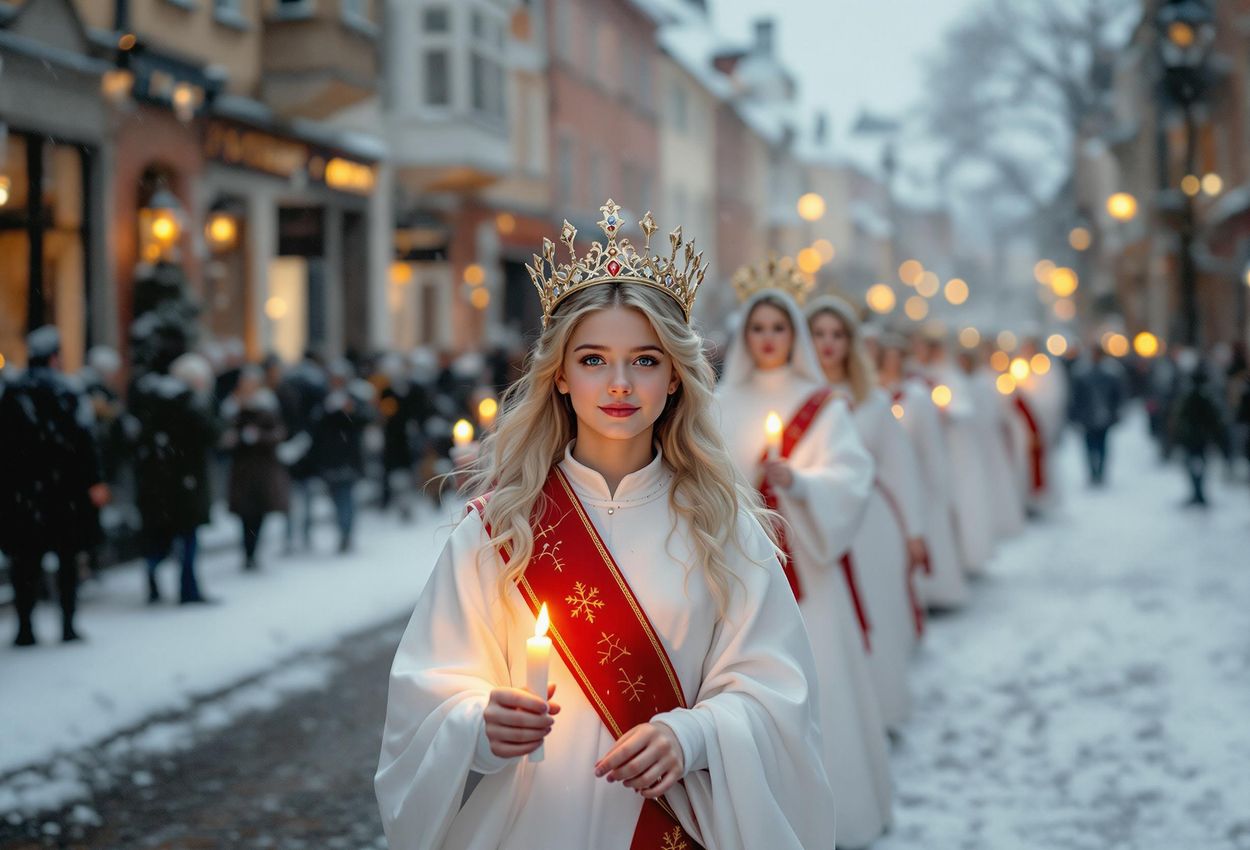
In Scandinavia, Lucia Day, celeated on December 13th, is a festival of light that honors Saint Lucy, the Queen of Light, and heralds the coming of Christmas. This cherished tradition, steeped in folklore and symbolism, ings warmth and hope to the darkest days of winter.
The celeation typically involves a procession of women dressed in white gowns, each holding a candle. The procession is led by one girl, designated as Lucia, who wears a crown of candles on her head. The women sing traditional songs, filling the air with melodies of hope and joy.
Serving coffee and Lussekatter, saffron buns, are also a key part of Lucia Day. She has been immortalised carrying a tray of fika by several iconic Swedish artists, such as Carl Larsson.
Hidden Gem: The celeation commemorates Lucia of Syracuse, a virgin martyr of the early-fourth-century, known as the Queen of Light. According to legend, she ought food and aid to Christians hiding in Roman catacombs, lighting her way with a candlelit wreath on her head.
Hanukkah: Jewish Festival of Lights
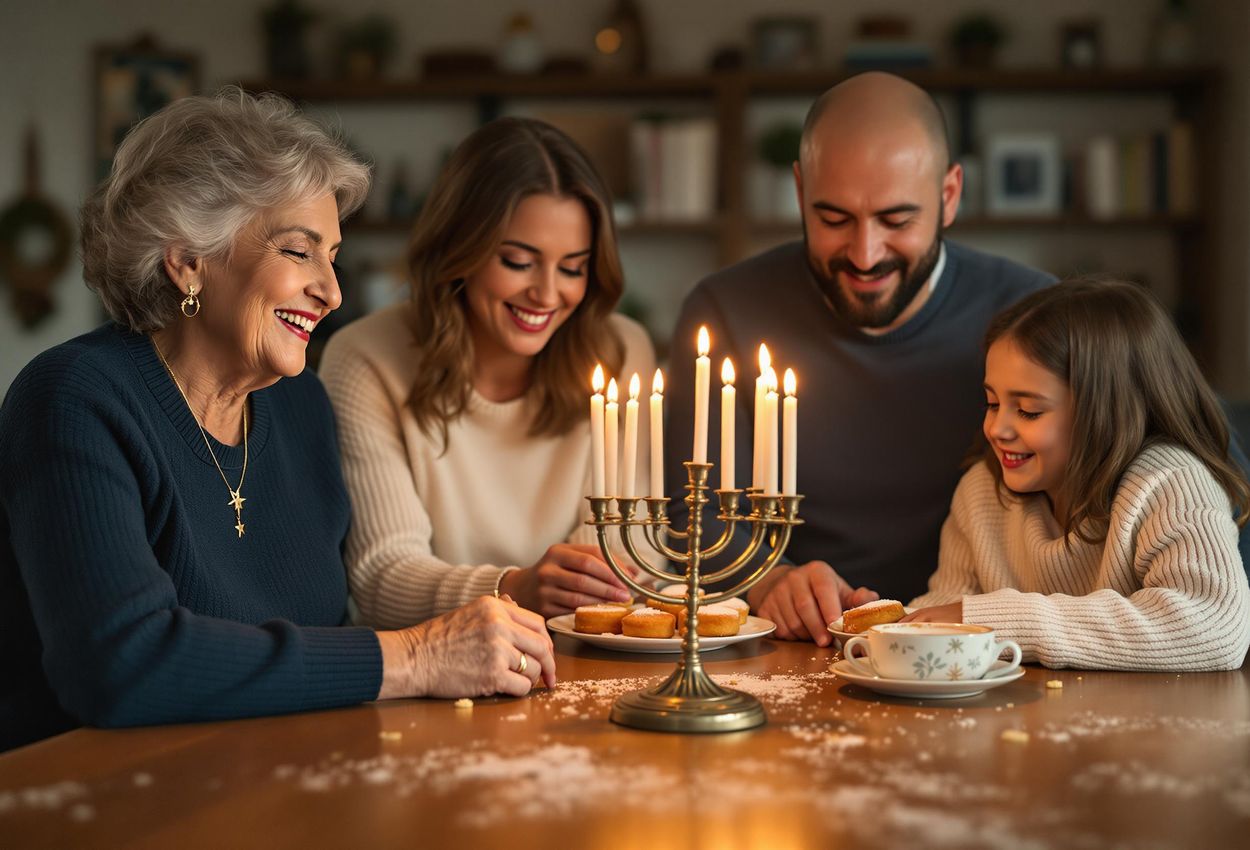
Hanukkah, the Jewish festival of lights, is an eight-day celeation that commemorates the rededication of the Second Temple in Jerusalem during the second century BCE. This joyous festival, filled with traditions and symbolism, celeates the triumph of light over darkness and the enduring spirit of the Jewish people.
The central tradition of Hanukkah is the lighting of the menorah, a candelaum with nine anches. One candle is lit on the first night, and an additional candle is lit each subsequent night, until all eight candles are burning ightly on the final night. The ninth candle, called the shamash, is used to light the other candles.
Traditional foods, such as latkes (potato pancakes) and sufganiyot (jelly-filled doughnuts), are also enjoyed during Hanukkah. These fried foods are a reminder of the miracle of the oil that burned for eight days.
Hidden Gem:Hanukkah celeates one of the most miraculous events in Jewish history – when Jews won in a battle against Greece, and were therefore able to practise their religion freely. The Maccabees fought a guerrilla war against the well-trained, well-equipped forces of the mercenary Syrian army. In three years, the Maccabees cleared the way back to the Temple Mount, which they reclaimed.
Diwali: Triumph of Light Over Darkness
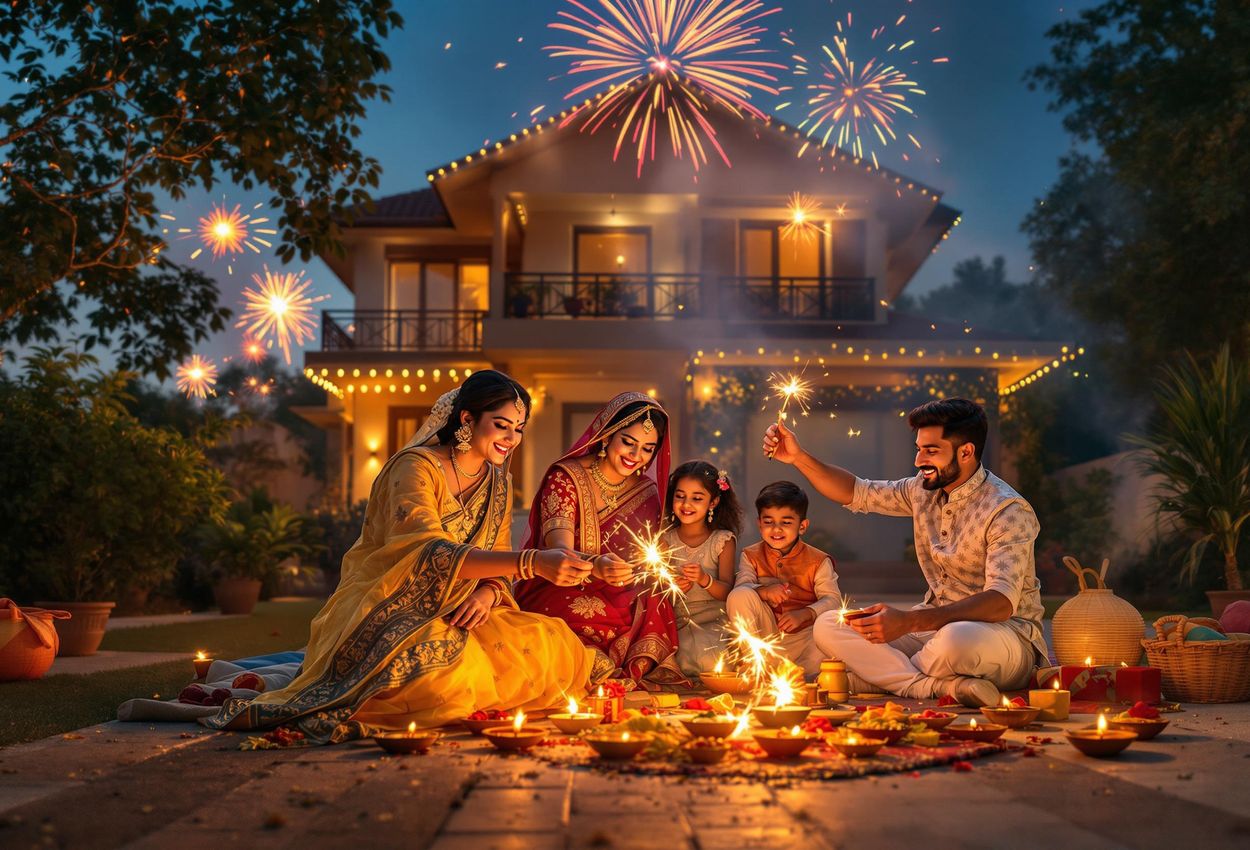
Diwali, the Hindu festival of lights, is a five-day celeation that marks the triumph of light over darkness, good over evil, and knowledge over ignorance. This viant festival, celeated by Hindus, Jains, Sikhs and Buddhists, is a time for joy, reflection, and the strengthening of community bonds.
Lights and lanterns are an essential part of Diwali celeations. Homes, temples, and businesses are adorned with diyas (oil lamps), candles, and colorful lights, creating a dazzling spectacle. The lighting of these lamps symbolizes the dispelling of darkness and the welcoming of prosperity and good fortune.
Rituals and traditions associated with the festival include buying gold to ing good luck, and taking warm oil baths to symbolise physical and spiritual purification. Families pray for the blessing of a prosperous, peaceful, and healthy new year for their families and friends.
Hidden Gem: The festival is about celeating the triumph of light over darkness, and knowledge over ignorance. On this day, families pray for the blessing of a prosperous, peaceful, and healthy new year for their families and friends. Diwali links directly to the Goddess Lakshmi who symbolises wealth and prosperity and Lord Ganesha, the remover of obstacles.