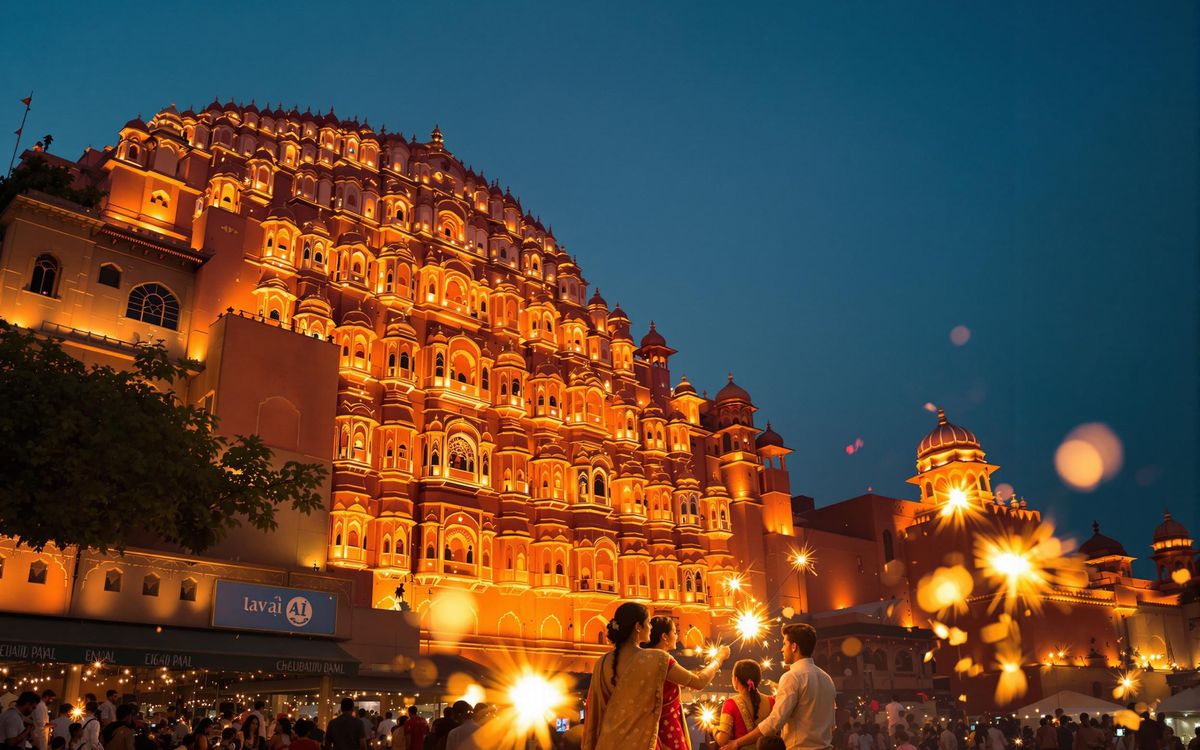
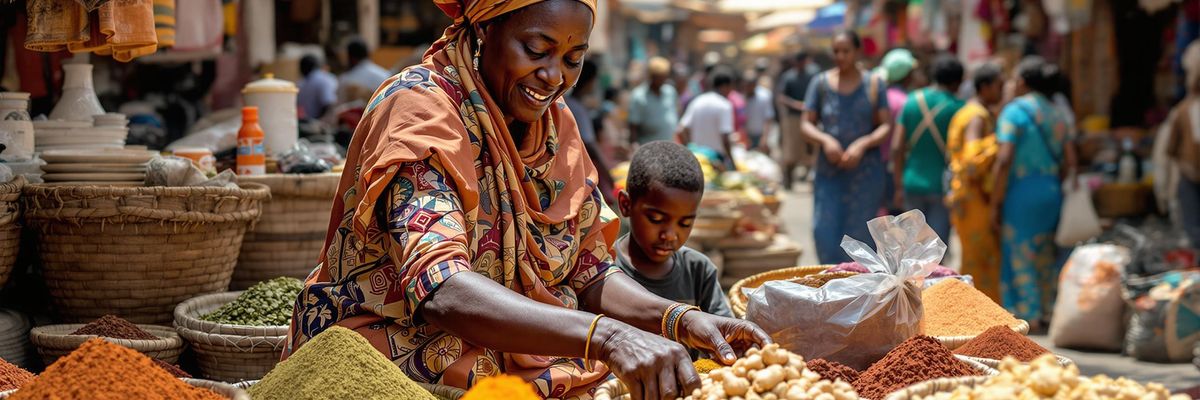
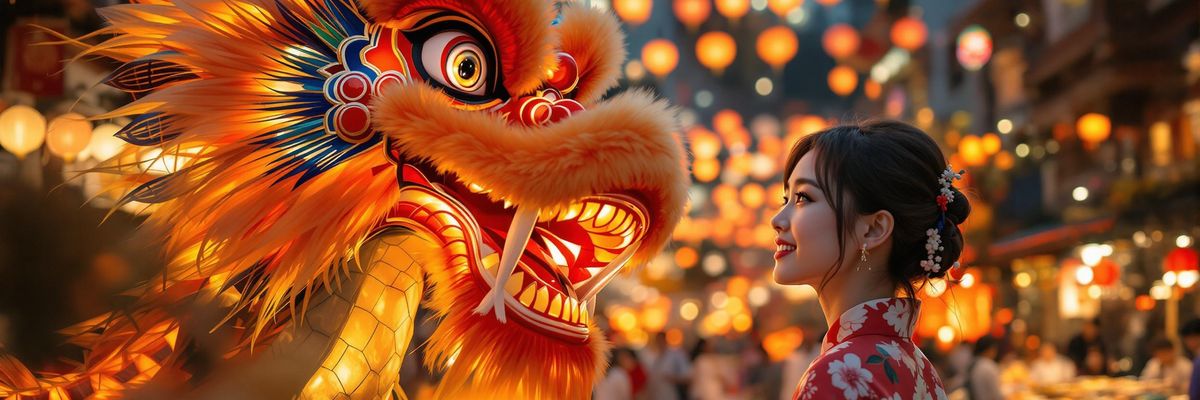
Participating in cultural celeations offers a unique opportunity to immerse oneself in the traditions, values, and spirit of diverse communities. However, it's crucial to approach these experiences with sensitivity, respect, and a genuine desire to learn. This etiquette guide provides practical advice on how to navigate cultural celeations responsibly, ensuring a positive and enriching experience for both visitors and hosts.
Dive Deep: Research Before You Celeate
Before embarking on a journey to participate in a cultural celeation, thorough research is paramount. Understanding the historical context, significance, and traditions associated with the event is essential for demonstrating respect and avoiding unintentional faux pas. Cultural guidebooks, academic articles, and local community websites can provide valuable insights into the celeation's origins, customs, and expected behaviors. For instance, researching the significance of colors in the viant festival of Diwali or understanding the intricate steps of a traditional tea ceremony in Japan can significantly enhance your appreciation and participation.
Furthermore, it's crucial to familiarize yourself with the specific protocols and etiquette guidelines associated with the celeation. This includes understanding appropriate dress codes, customary greetings (bows, handshakes, etc.), and any taboo topics or behaviors to avoid. Learning basic phrases in the local language can also demonstrate respect and facilitate meaningful interactions with community members. By investing time in pre-travel research, you demonstrate a genuine commitment to understanding and honoring the cultural traditions you're about to experience.
Delving into the symbolism behind rituals, clothing, or food served is key to celeating cultural festivals with respect. Engage with people from the culture to gain a first-hand perspective, steering clear of sources that depict the culture in a shallow or incorrect way. Understanding the values attached to the festival ensures that your participation is positive and avoids inappropriate actions.
Local Tip: Check local community websites and forums for firsthand accounts and advice from residents. This can provide insights beyond typical tourist information.

Image Description: A traveler is sitting at a cafe, using their laptop to research a local festival. The cafe is decorated with local art, and the traveler has a guidebook open beside the laptop. The scene is set during the daytime, with natural light streaming through the windows, creating a warm and inviting atmosphere. The traveler is dressed casually but respectfully, blending in with the local patrons. The purpose of the image is to emphasize the importance of pre-travel research. Style Instructions: Candid, Date: 2025-01-01, Lens selection: 35mm, Light settings: Natural light, Focus object: Laptop screen, Composition: Medium shot
Dress the Part: Mindful Attire Choices
Selecting appropriate attire is a fundamental aspect of demonstrating respect for local customs and traditions. Modesty and cultural sensitivity should guide your clothing choices, ensuring that your attire doesn't cause offense or disrupt the solemnity of religious or cultural events. Researching specific dress codes for different celeations is essential, as customs can vary significantly across cultures. For example, avoiding ight colors at a funeral in certain cultures or covering shoulders and heads when visiting religious sites are common practices that show reverence.
Before packing your suitcase, consider researching traditional garments worn during the celeation and understanding their significance. While wearing traditional attire can be a meaningful gesture of respect, it's crucial to avoid cultural appropriation. Instead, consider incorporating local colors or faics into your existing wardrobe as a subtle nod to the local culture. Packing versatile clothing items that can be adapted to various cultural contexts is also a practical approach, allowing you to navigate different settings with ease and sensitivity.
When attending a religious or spiritual event, wearing clothing that is polite and in accordance with local cultural norms is a must. If unsure, it's better to wear neutral, respectful clothing than to risk wearing something inappropriate. This shows consideration for the values and traditions of the community.
Hidden Gem: Seek out local artisans or tailors who can create custom-made clothing items using traditional faics and designs. This not only supports the local economy but also allows you to acquire unique and culturally authentic pieces.
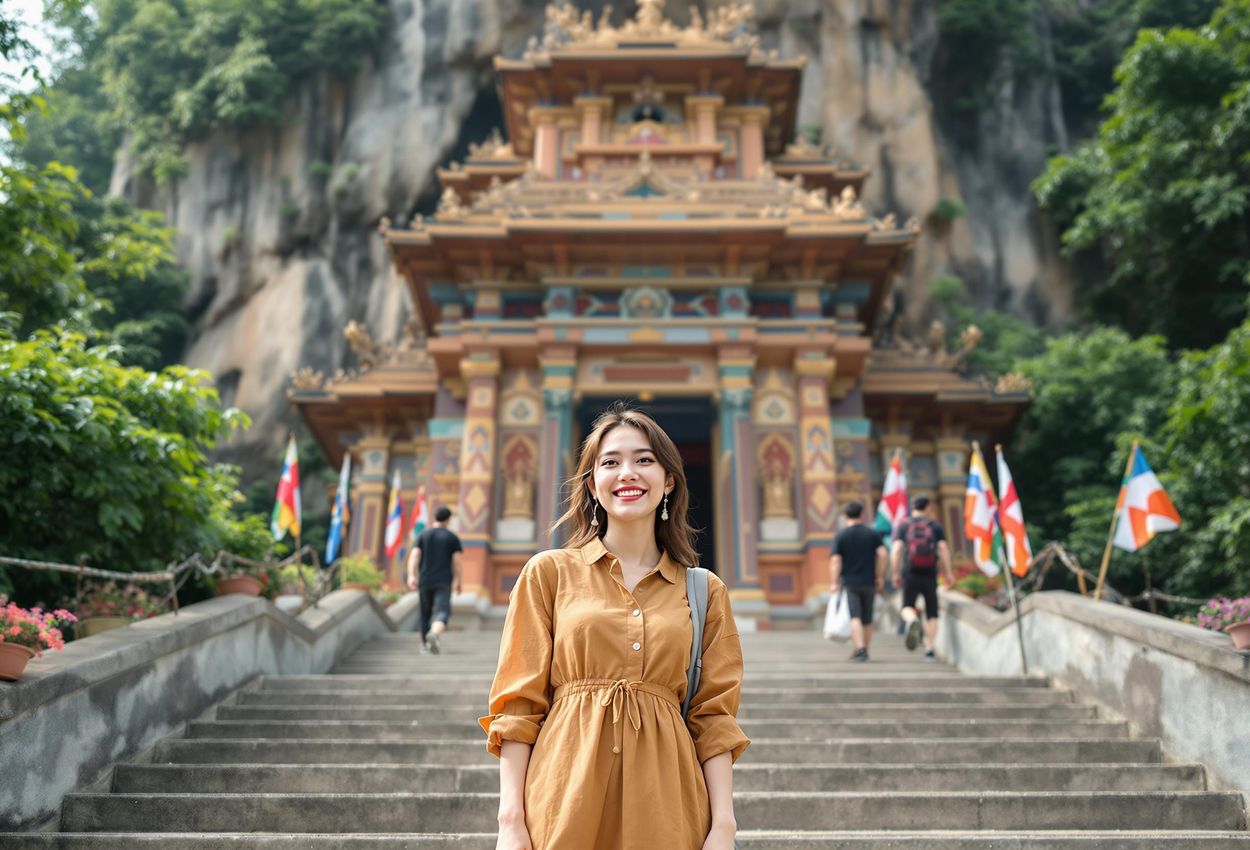
Image Description: A traveler respectfully dressed in modest clothing suitable for visiting a religious site. They are wearing loose-fitting pants, a long-sleeved shirt, and a headscarf. The scene is set outside a temple, with intricate carvings and viant colors visible in the background. The purpose of the image is to illustrate appropriate attire for cultural celeations. Style Instructions: Serene, Date: 2025-01-01, Lens selection: 50mm, Light settings: Soft, diffused light, Focus object: The traveler, Composition: Full shot
Gift-Giving with Grace: Thoughtful Tokens of Respect
Gift-giving is a universal gesture of goodwill, but its nuances vary significantly across cultures. To avoid causing offense or miscommunication, it's essential to research appropriate gifts for specific cultural celeations. Locally made crafts, food items, or symbolic presents are often well-received, as they demonstrate thoughtfulness and support local communities. However, caution against gifts that may be considered offensive, such as alcohol in some cultures or certain colors of flowers in others, is crucial.
Understanding the proper way to present gifts is also essential. In some Asian cultures, using both hands to give and receive gifts is a sign of respect, while in other cultures, wrapping gifts in specific colors or patterns may hold symbolic meaning. If unsure about gift preferences, politely inquire about suitable gifts without causing offense. This demonstrates your consideration and ensures that your gesture is well-received.
When giving gifts in countries like Japan, presentation is as important as content. Gifts are often wrapped beautifully, and it's customary to give and receive them with both hands. In China, it is common for a person to refuse a gift a few times before accepting it as a way of expressing modesty and good manners.
Local Tip: Support local artisans by purchasing handcrafted gifts that reflect the unique cultural heritage of the region.
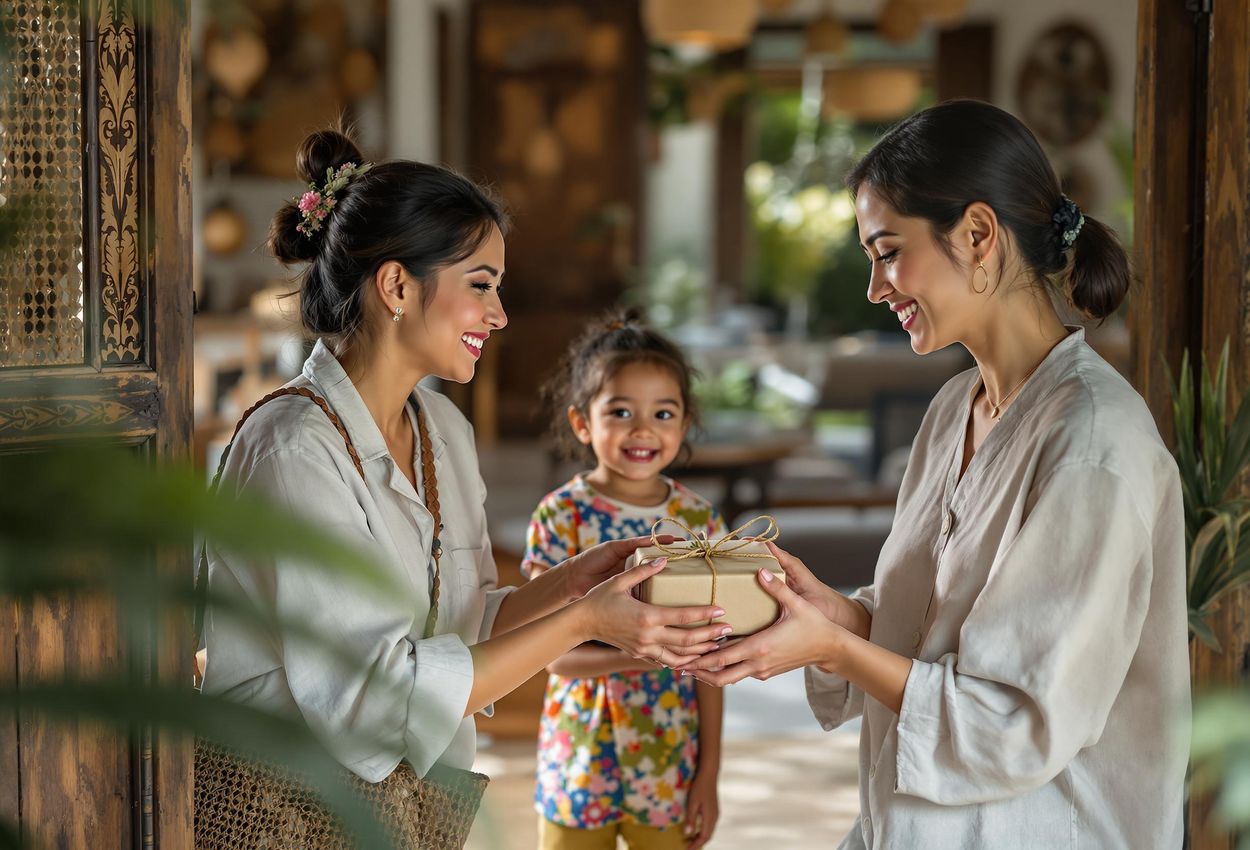
Image Description: A traveler presenting a beautifully wrapped gift to a local family. The gift is a locally made craft, and the family is smiling and appreciative. The scene is set inside a traditional home, with cultural decorations visible in the background. The purpose of the image is to highlight appropriate gift-giving etiquette. Style Instructions: Candid, Date: 2025-01-01, Lens selection: 24mm, Light settings: Warm, indoor lighting, Focus object: The gift, Composition: Medium shot
Engage, Don't Impose: Respectful Interaction with Locals
Positive interactions with local communities are the cornerstone of responsible cultural immersion. Approaching conversations with curiosity and respect, while avoiding assumptions or stereotypes, is essential for fostering meaningful connections. Active listening and showing genuine interest in local perspectives can create a welcoming atmosphere and encourage open dialogue. Be mindful of your body language, maintaining appropriate eye contact and respecting personal space, as cultural norms may differ from your own.
Participating in local activities while being mindful of cultural sensitivities can provide unique insights into the community's way of life. However, it's crucial to ask permission before taking photos of people or sacred sites, as some cultures may view this as intrusive or disrespectful. If language barriers exist, utilize translation apps or learn basic phrases to facilitate communication and demonstrate your willingness to connect with locals on their terms.
Interacting with the local community is an excellent way to delve into the heart of a culture. Seek local festivals, markets, and community events where you can participate in their traditions. Be open-minded and respectful, as this will foster a welcoming atmosphere that encourages locals to share their stories, traditions, and insights.
Hidden Gem: Volunteer your time to a local organization or community project. This provides an opportunity to give back to the community while immersing yourself in its culture and values.
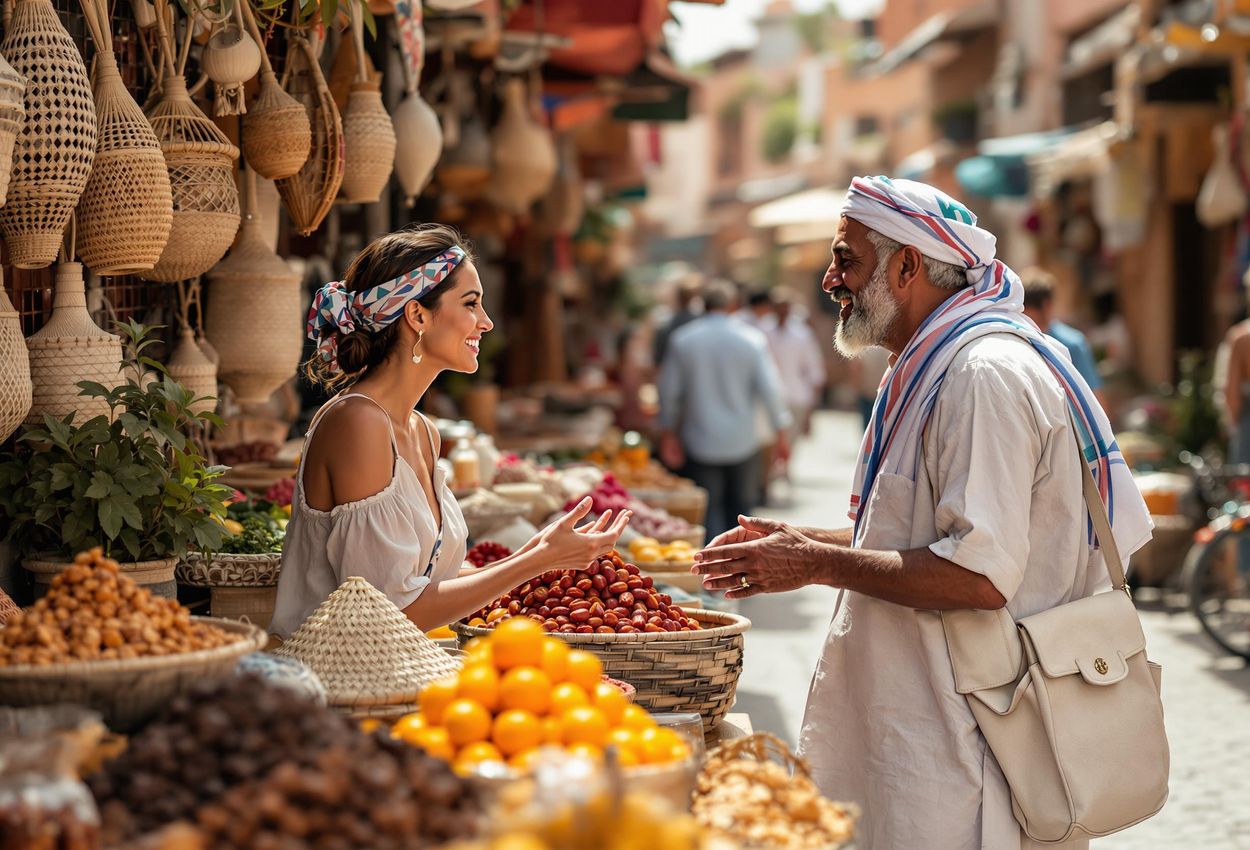
Image Description: A traveler engaging in a conversation with a local artisan at a community market. The traveler is listening attentively, and the artisan is explaining their craft with enthusiasm. The scene is set during the daytime, with viant colors and bustling activity in the background. The purpose of the image is to emphasize respectful interaction with locals. Style Instructions: Candid, Date: 2025-01-01, Lens selection: 35mm, Light settings: Natural light, Focus object: The traveler and the artisan, Composition: Medium shot
Sacred Spaces: Navigating Religious Sites with Reverence
Religious sites often hold deep cultural and spiritual significance for local communities, requiring visitors to adhere to specific guidelines and customs. Silence, modesty, and adherence to local customs are paramount when entering these spaces, demonstrating respect for the beliefs and practices of the community. Researching specific rules for different religious sites, such as removing shoes before entering a mosque or covering heads in a synagogue, is essential for avoiding unintentional offense.
Disruptive behavior, such as loud talking or photography in restricted areas, should be avoided at all costs. Learning about the history and significance of the site before visiting can enhance your appreciation and understanding, allowing you to engage with the space in a more meaningful way. Showing respect for religious symbols and rituals, even if they differ from your own beliefs, is a fundamental aspect of responsible cultural immersion.
When visiting temples and shrines, try dressing discreetly as some people may be uncomfortable around women who are wearing revealing outfits or men wearing shorts. Before stepping in at the Main Gate or “Torii” Gate, put your hands together and bow once toward the main hall. When entering the gate, avoid walking exactly by the center line, as that space is believed to be the “seichu”, reserved for the spirits and gods to move freely to and fro the premises.
Local Tip: Hire a local guide to provide insights into the history, significance, and customs associated with the religious site. Their expertise can enhance your understanding and appreciation of the space.
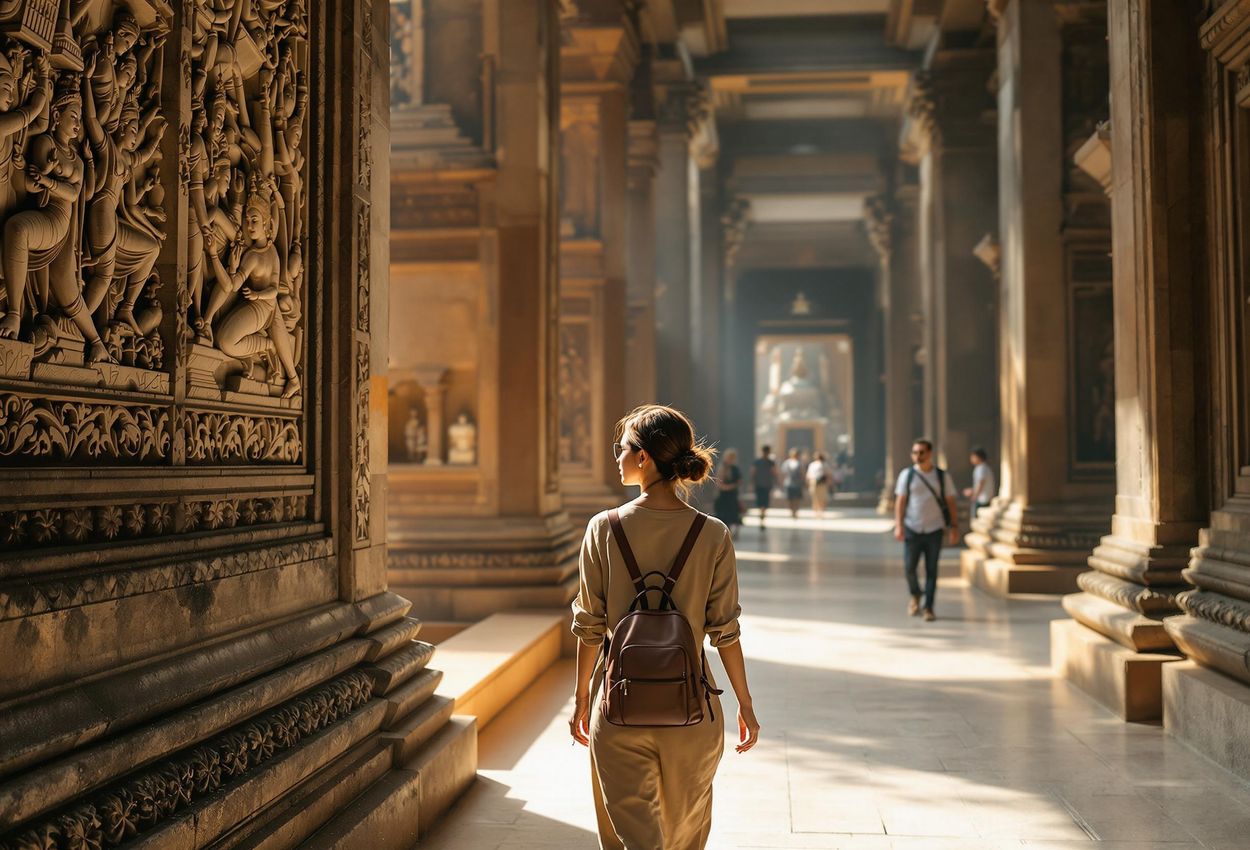
Image Description: A traveler behaving respectfully inside a religious site. They are dressed modestly, maintaining silence, and observing the local customs. The scene is set inside a temple, with intricate carvings and religious symbols visible in the background. The purpose of the image is to illustrate respectful behavior in religious sites. Style Instructions: Serene, Date: 2025-01-01, Lens selection: 50mm, Light settings: Soft, diffused light, Focus object: The traveler, Composition: Medium shot
Feasting with Finesse: Dining Etiquette Across Cultures
Dining etiquette varies significantly across cultures, encompassing table manners, utensil usage, and serving customs. Understanding these nuances is essential for navigating cultural celeations with grace and avoiding unintentional offense. Researching specific dining rules, such as using chopsticks correctly in Asian cultures or avoiding certain foods during religious holidays, can demonstrate your respect for local traditions.
Learning how to accept food and drinks graciously, even if you don't particularly enjoy them, is a valuable skill. Tipping customs and expressing gratitude to hosts are also important aspects of dining etiquette to consider. Avoid wasting food or being overly critical of local cuisine, as this can be seen as disrespectful. In some cultures, like in China, leaving a little food on your plate is a way to show that you are full.
It's rude to decline a drink in Cambodia, you shouldn't say thank you in India, while over in Bahrain, everything should be given and taken with the right hand, rather than the left.
Hidden Gem: Take a cooking class to learn about local ingredients, techniques, and traditional dishes. This provides a hands-on experience and allows you to appreciate the culinary heritage of the region.
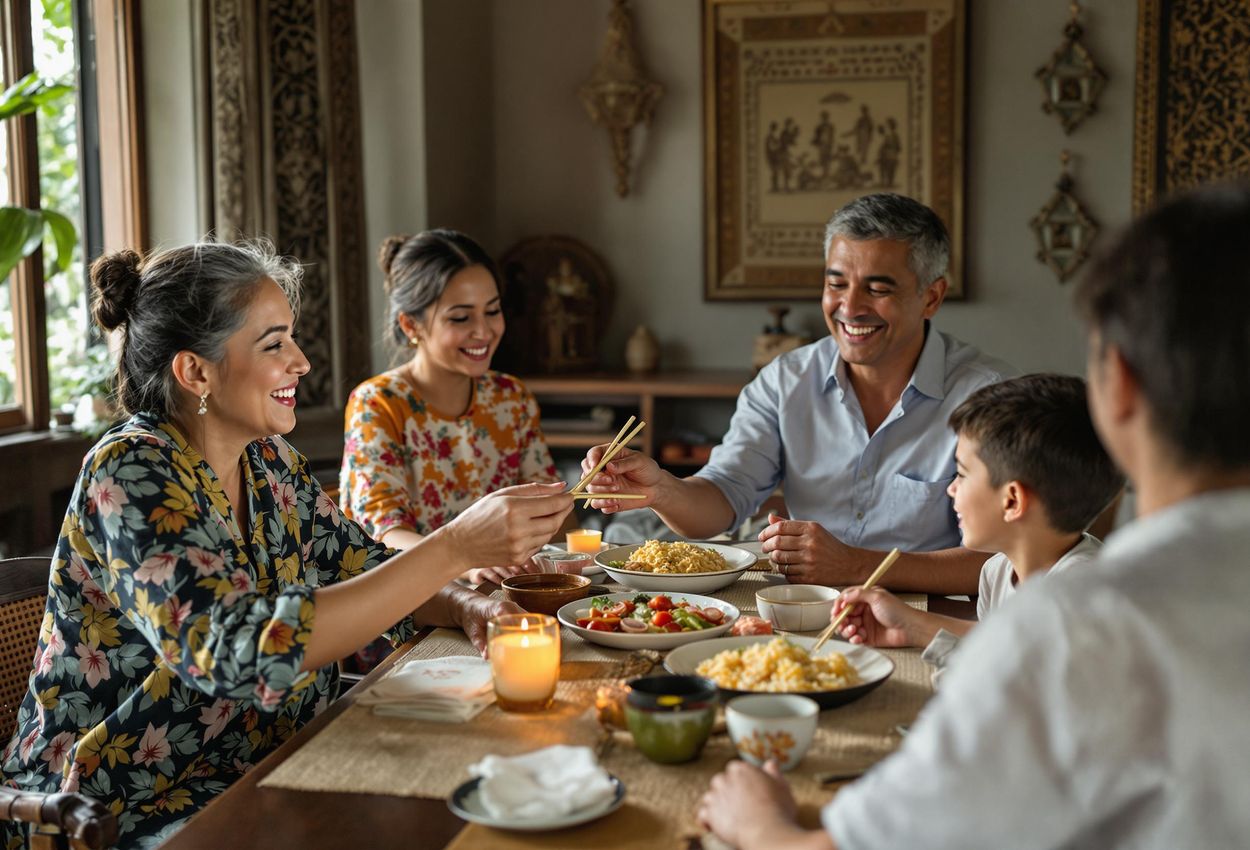
Image Description: A traveler participating in a traditional meal with a local family. They are using the appropriate utensils and observing the local dining etiquette. The scene is set inside a traditional home, with cultural decorations and traditional dishes visible on the table. The purpose of the image is to highlight dining etiquette across cultures. Style Instructions: Candid, Date: 2025-01-01, Lens selection: 35mm, Light settings: Warm, indoor lighting, Focus object: The traveler and the local family, Composition: Medium shot
Kids on Culture: Involving Children Respectfully
Involving children in cultural celeations can be a rewarding experience, but it requires careful planning and sensitivity. Educating children about local customs and traditions before traveling is essential for preparing them for the cultural differences they may encounter. Suggesting age-appropriate activities that can help children engage with the culture, such as learning local songs or crafts, can foster a deeper appreciation for diversity.
Managing children's behavior in public settings, such as religious sites or formal events, requires clear guidelines and expectations. Encourage children to ask questions and show curiosity while being mindful of cultural sensitivities. Packing appropriate clothing and supplies for children, ensuring they are comfortable and respectful, is also crucial. By involving children in cultural celeations responsibly, you can instill in them a lifelong appreciation for diversity and cultural understanding.
Early learning centers can include multicultural celeations to emace inclusivity actively. Recognizing and celeating various cultural events shows children that everyone's traditions are valued, fostering a sense of belonging and unity among young children, encouraging them to be inclusive, open-minded, and respectful.
Local Tip: Engage children in pre-trip research by reading books, watching documentaries, and exploring interactive websites about the destination's culture and traditions.

Image Description: Children are participating in a cultural celeation, dressed in traditional clothing and engaging in a local craft. The scene is set during the daytime, with viant colors and joyful expressions visible. The purpose of the image is to emphasize involving children in cultural celeations respectfully. Style Instructions: Candid, Date: 2025-01-01, Lens selection: 24mm, Light settings: Natural light, Focus object: The children, Composition: Full shot
Leave No Trace: Sustainable Celeation Practices
Promoting sustainable and responsible travel during cultural celeations is essential for minimizing environmental impact and supporting local communities. Reducing waste, conserving resources, and supporting local businesses are key practices for minimizing your environmental footprint. Encourage the use of eco-friendly transportation options and accommodations, opting for sustainable alternatives whenever possible.
Respecting local wildlife and natural habitats is crucial for preserving the environment for future generations. Avoid purchasing souvenirs made from endangered species or harmful materials, opting instead for ethically sourced and sustainable products. Supporting community-based tourism initiatives that benefit local communities can also contribute to sustainable development and cultural preservation.
Supporting local businesses, working with local guides, and dining at local restaurants support the local economy. Purchasing products from local artists and craftsmen is important in supporting the preservation and development of local cultural heritage.
Hidden Gem: Participate in a local conservation project or environmental cleanup initiative. This provides an opportunity to give back to the community while contributing to the preservation of its natural environment.

Image Description: A traveler is using eco-friendly transportation, such as a bicycle, to explore a local community. They are carrying a reusable water bottle and shopping bag, demonstrating sustainable travel practices. The scene is set during the daytime, with lush greenery and cultural landmarks visible in the background. The purpose of the image is to emphasize sustainable celeation practices. Style Instructions: Serene, Date: 2025-01-01, Lens selection: 35mm, Light settings: Natural light, Focus object: The traveler, Composition: Full shot
When Things Go Wrong: Handling Cultural Missteps Gracefully
Despite your best efforts, cultural misunderstandings or faux pas may occur. Handling these situations with grace and humility is essential for minimizing offense and maintaining positive relationships. Apologizing sincerely and learning from mistakes can demonstrate your respect for the local culture and your willingness to understand different perspectives. Seeking clarification from locals when unsure about proper etiquette can also prevent misunderstandings.
Encourage open communication and a willingness to understand different perspectives, fostering a dialogue that promotes cultural exchange. Avoid escalating conflicts and maintain respectful interactions, even when faced with challenging situations. Self-awareness and cultural sensitivity are key to navigating cultural missteps gracefully and turning them into learning opportunities.
If you offend or hurt the other party unintentionally, apologize sincerely and gracefully and try to resolve the issue as soon as possible. Learn from your mistakes and experiences and use them as opportunities to improve your intercultural competence and sensitivity.
Local Tip: Carry a small notebook or translation app to facilitate communication and seek clarification from locals when unsure about proper etiquette.
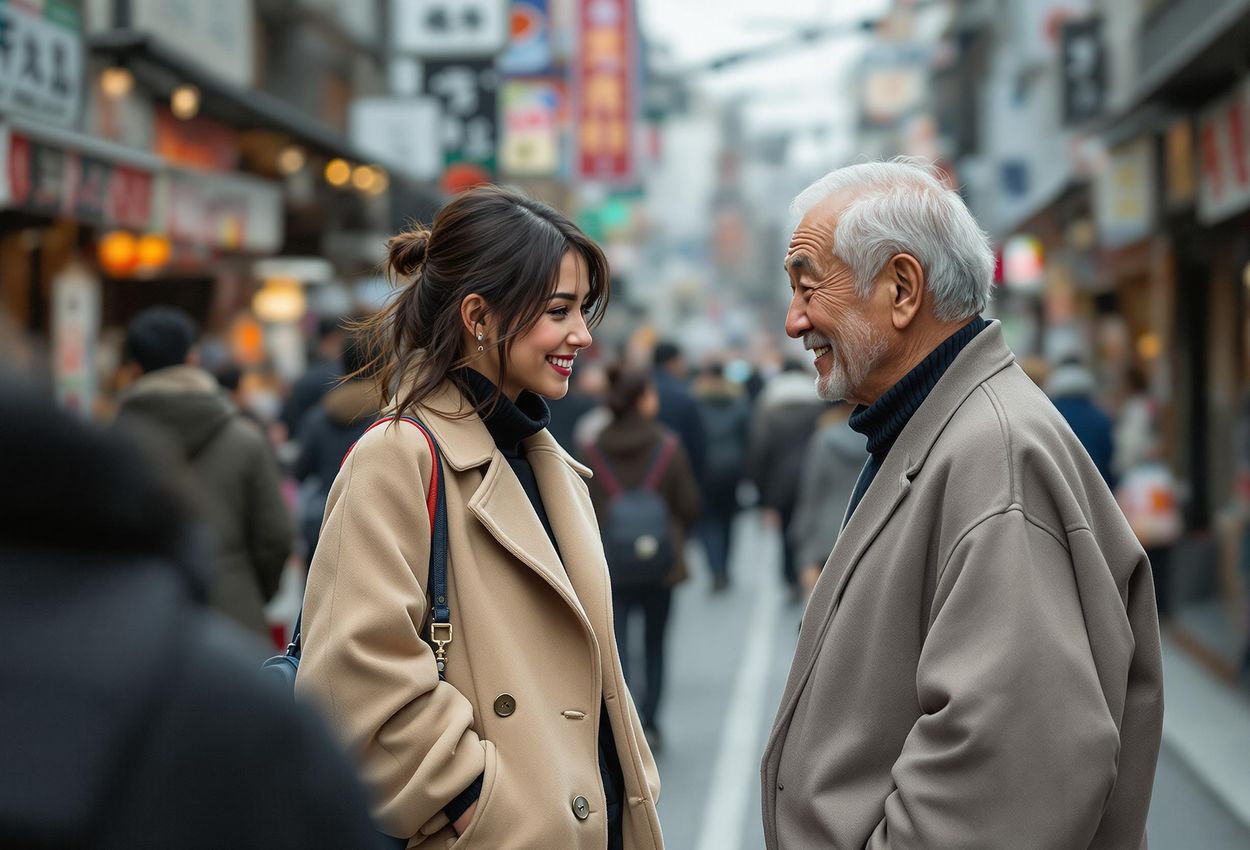
Image Description: A traveler is apologizing to a local after accidentally committing a cultural faux pas. The local is accepting the apology with understanding and offering guidance on proper etiquette. The scene is set during the daytime, with a cultural landmark visible in the background. The purpose of the image is to emphasize handling cultural missteps gracefully. Style Instructions: Candid, Date: 2025-01-01, Lens selection: 50mm, Light settings: Soft, diffused light, Focus object: The traveler and the local, Composition: Medium shot
Beyond the Festival: Continuing Cultural Appreciation
Cultural appreciation shouldn't end when the celeation is over. Continuing to learn about and engage with different cultures can enrich your life and foster a deeper understanding of the world. Supporting cultural organizations, attending cultural events, and engaging in cross-cultural dialogue can promote diversity and inclusivity in your own community. Reading books, watching documentaries, and learning new languages can also expand your cultural horizons.
Challenging stereotypes and promoting cultural diversity in your daily life can contribute to a more inclusive and understanding society. Seek out opportunities to connect with people from different backgrounds, share your experiences, and learn from their perspectives. By emacing lifelong learning and cultural engagement, you can contribute to a more interconnected and harmonious world.
Invite children to talk about their traditions with the class. This empowers them to feel proud of their heritage, supports their self-esteem, and gives others a window into their unique world.
Hidden Gem: Participate in a cultural exchange program or volunteer aoad. This provides an immersive experience and allows you to contribute to a community while gaining a deeper understanding of its culture and values.

Image Description: A traveler is attending a cultural event in their local community. They are engaging in a conversation with a performer, demonstrating their continued cultural appreciation. The scene is set during the evening, with festive lighting and cultural decorations visible in the background. The purpose of the image is to emphasize continuing cultural appreciation. Style Instructions: Event, Date: 2025-01-01, Lens selection: 24mm, Light settings: Festive lighting, Focus object: The traveler and the performer, Composition: Medium shot
By following these guidelines, you can participate in cultural celeations respectfully, ensuring a memorable and meaningful experience for both yourself and the communities you visit. Remember, responsible travel is about more than just seeing new places; it's about connecting with people, understanding their cultures, and contributing to a more sustainable and interconnected world.