From the clinking of champagne glasses to the dazzling burst of fireworks, New Year's Eve is a global spectacle. But beyond the revelry lies a rich tapestry of traditions, woven from the customs of ancient civilizations and shaped by centuries of cultural exchange. Join us as we journey through time, uncovering the fascinating evolution of New Year's traditions, from the dawn of agriculture to the digital age.
Akitu: Mesopotamia's Spring Awakening
Imagine the fertile crescent of Mesopotamia, circa 2000 BCE. Here, the Akitu festival, a celeation of renewal and rebirth, marked the start of the agricultural year. Unlike our modern New Year, Akitu coincided with the spring equinox, typically in March or April, a time when life stirred anew after the dormancy of winter. This 11-day extravaganza was deeply intertwined with the rhythms of nature, honoring the gods and ensuring a bountiful harvest.
The heart of Akitu lay in its elaborate rituals and ceremonies. Statues of revered deities, such as Marduk, the patron god of Babylon, were paraded through the city streets, a viant spectacle of color and reverence. Feasts were abundant, filled with the bounty of the land, and music echoed through the ziggurats. But perhaps the most striking aspect of Akitu was the humbling of the king. In a symbolic gesture, the ruler was stripped of his royal insignia and subjected to a form of ritual humiliation, reaffirming his subservience to the gods and his responsibility to the people. This act served as a potent reminder that even the most powerful were accountable to a higher power.
Akitu was more than just a celeation; it was a vital component of Mesopotamian society, reinforcing their connection to the land, their gods, and their king. It was a time for reflection, renewal, and a collective hope for prosperity in the year to come. The echoes of Akitu resonate even today, reminding us of the enduring human need to mark the passage of time and to celeate the cyclical nature of life.
Egypt's Nile and Sirius: A River of Renewal
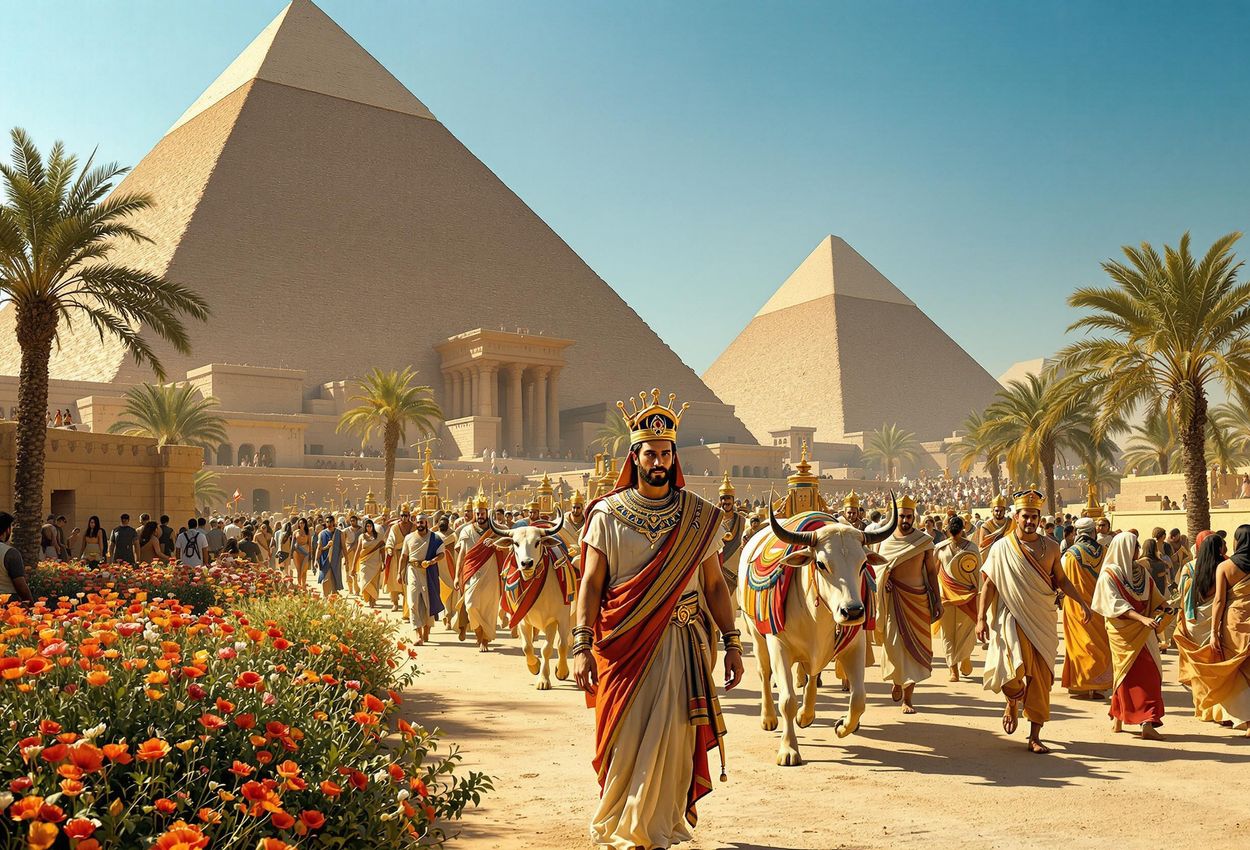
In ancient Egypt, the New Year, known as Wepet Renpet, was inextricably linked to the life-giving Nile River. Celeated in late July or early August, Wepet Renpet coincided with the annual flooding of the Nile, a phenomenon crucial for the fertility of the land. This event was also associated with the heliacal rising of the star Sirius, whose appearance in the sky heralded the coming flood.
The Egyptians marked Wepet Renpet with a variety of customs, reflecting their deep reverence for the natural world and their belief in the cyclical nature of time. Gift-giving was a common practice, symbolizing goodwill and the sharing of blessings. Images of deities were exposed to the sunlight, a ritual believed to regenerate their power and ensure their continued protection. Unique to this celeation were New Year flasks, vessels filled with water from the Nile, believed to carry the river’s life-giving essence into the new year.
Interestingly, the date of Wepet Renpet was not fixed, due to the complexities of the Egyptian calendar. This meant that the New Year could occasionally be celeated multiple times within a single solar year, a testament to the Egyptians' flexible approach to timekeeping. Standing in the shadows of the Giza pyramids, the Egyptians understood the importance of the Nile, not just for sustenance, but as a symbol of rebirth and renewal, mirroring the cyclical nature of their own lives and beliefs.

Janus and the Kalends: Rome's Two-Faced Celeations
The Roman influence on our modern New Year is undeniable. In 46 BCE, Julius Caesar introduced the Julian calendar, establishing January 1st as the official start of the year. This decision was deeply symbolic, linked to the god Janus, the two-faced deity of beginnings, transitions, and doorways. Janus, with one face looking back at the past and the other gazing forward into the future, perfectly embodied the spirit of the New Year.
Roman celeations of the Kalends of January were a blend of religious observance and festive revelry. Offerings were made to Janus, seeking his blessings for the year ahead. Gift exchanges, known as strenae, were common, with people offering each other tokens of good fortune. The raucous festival of Saturnalia, dedicated to the god Saturn, often overlapped with the New Year celeations, adding to the atmosphere of merriment and indulgence in Rome.
The duality of Janus, reflecting on the past while anticipating the future, remains a powerful symbol of the New Year. It reminds us to learn from our experiences, to emace change, and to approach the unknown with hope and optimism. The Roman legacy continues to shape our New Year traditions, connecting us to a rich history of celeation and reflection.

Rosh Hashanah: A Time for Reflection and Sweetness
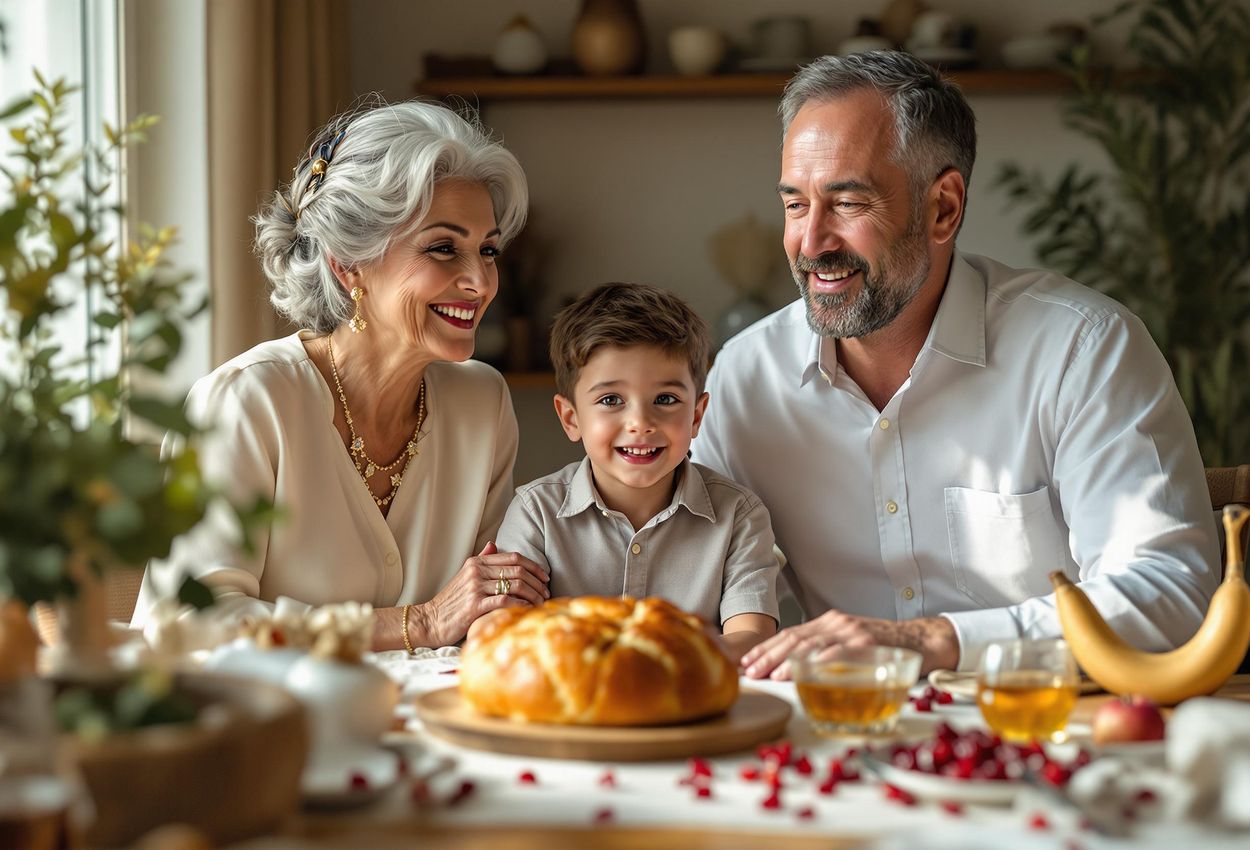
Rosh Hashanah, the Jewish New Year, offers a stark contrast to the often-secular celeations of January 1st. Translating to 'Head of the Year,' Rosh Hashanah is a time for deep spiritual reflection, penitence, and seeking forgiveness. It marks the beginning of the High Holy Days, a period of intense introspection leading up to Yom Kippur, the Day of Atonement.
Central to Rosh Hashanah is the blowing of the shofar, a ram's horn, whose piercing sound is meant to awaken the soul and call people to repentance. Symbolic foods play a significant role in the Rosh Hashanah meal, each carrying a specific meaning. Apples dipped in honey symbolize the hope for a sweet new year, while round challah ead represents the cyclical nature of life. Pomegranates, with their many seeds, symbolize abundance and the hope for a year filled with blessings.
Another unique tradition is the Tashlich ceremony, where people symbolically cast their sins into a body of water, often a river or stream. Rosh Hashanah is a time for families to come together, to reflect on the past year, and to seek forgiveness and renewal. It is a powerful reminder of the importance of self-examination, spiritual growth, and the pursuit of a more meaningful life.
Spring Festival: China's Lunar Revelry
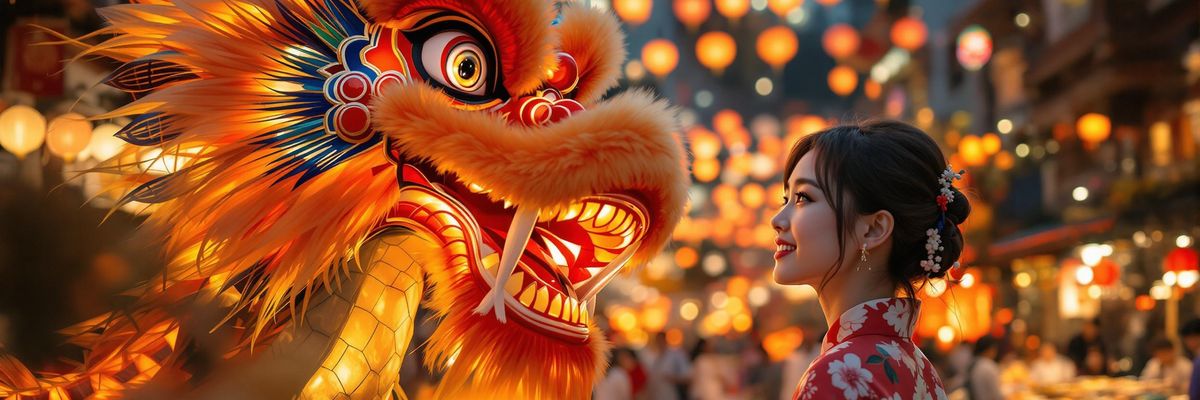
The Chinese Lunar New Year, also known as the Spring Festival, is a viant and elaborate celeation rooted in ancient agricultural practices. Unlike the Gregorian calendar, the Lunar New Year is based on the cycles of the moon, typically falling between late January and mid-Feuary. This festival is a time for family reunions, ancestor worship, and the warding off of evil spirits.
Legend has it that the Spring Festival originated as a way to protect against a mythical beast called Nian, who preyed on villages at the end of each year. To scare away Nian, people would light firecrackers, hang red decorations, and make loud noises. These traditions continue to this day, with firecrackers and red lanterns adorning homes and streets throughout China and Hong Kong.
Family reunion dinners are a central part of the Spring Festival, with families traveling long distances to be together. Ancestor worship is also a significant tradition, honoring those who came before and seeking their blessings for the new year. Red envelopes, known as Hong Bao, filled with money, are given to children and unmarried adults, symbolizing good luck and prosperity. The Spring Festival is a time for cleaning houses, repaying debts, and generally preparing for a fresh start, ensuring a year filled with good fortune and happiness.

Hogmanay: Scotland's Fiery First Footing
Hogmanay, the Scottish New Year's Eve celeation, is a unique and spirited event, steeped in tradition and folklore. More than just a party, Hogmanay is a time for cleansing the old year and welcoming the new with open arms. The celeations often extend for several days, filled with music, dancing, and plenty of whisky.
One of the most distinctive Hogmanay traditions is 'first-footing.' The first person to cross the threshold of a home after midnight is believed to ing good luck for the coming year. Ideally, this 'first-footer' should be a dark-haired male, carrying symbolic gifts such as coal, salt, ead, and whisky, each representing warmth, prosperity, sustenance, and cheer. The singing of 'Auld Lang Syne,' a poignant reflection on friendships past and present, is another cherished Hogmanay tradition.
In some parts of Scotland, the swinging of giant fireballs on poles is a spectacular Hogmanay tradition, symbolizing the burning away of the old year and the welcoming of the new. Hogmanay is a time for community, connection, and a shared hope for a ighter future. The belief that the first visitor sets the tone for the year underscores the importance of hospitality, generosity, and the power of human connection.
![]()
Las Doce Uvas de la Suerte: Spain's Grapes of Good Luck
In Spain, New Year's Eve is a whirlwind of excitement and anticipation, centered around the tradition of las doce uvas de la suerte – the twelve grapes of good luck. As the clock strikes midnight, marking the arrival of the new year, Spaniards across the country frantically attempt to eat one grape for each chime of the clock.
The belief is that each grape consumed ings good luck for a specific month of the coming year. The challenge lies in the precise timing required to successfully eat all twelve grapes before the final chime fades away. This often leads to hilarious scenes of people stuffing their mouths with grapes, struggling to keep pace with the rapid succession of chimes. Adding to the festive atmosphere, many Spaniards observe the custom of wearing red underwear on New Year's Eve, believed to attract love and passion in the year ahead.
The tradition of las doce uvas de la suerte is a testament to the Spanish love of ritual and the belief in the power of symbolic actions. It is a fun, engaging, and slightly chaotic way to welcome the new year, surrounded by friends, family, and a shared sense of hope and anticipation.

Reveillon on the Beach: azil's Ocean Offerings
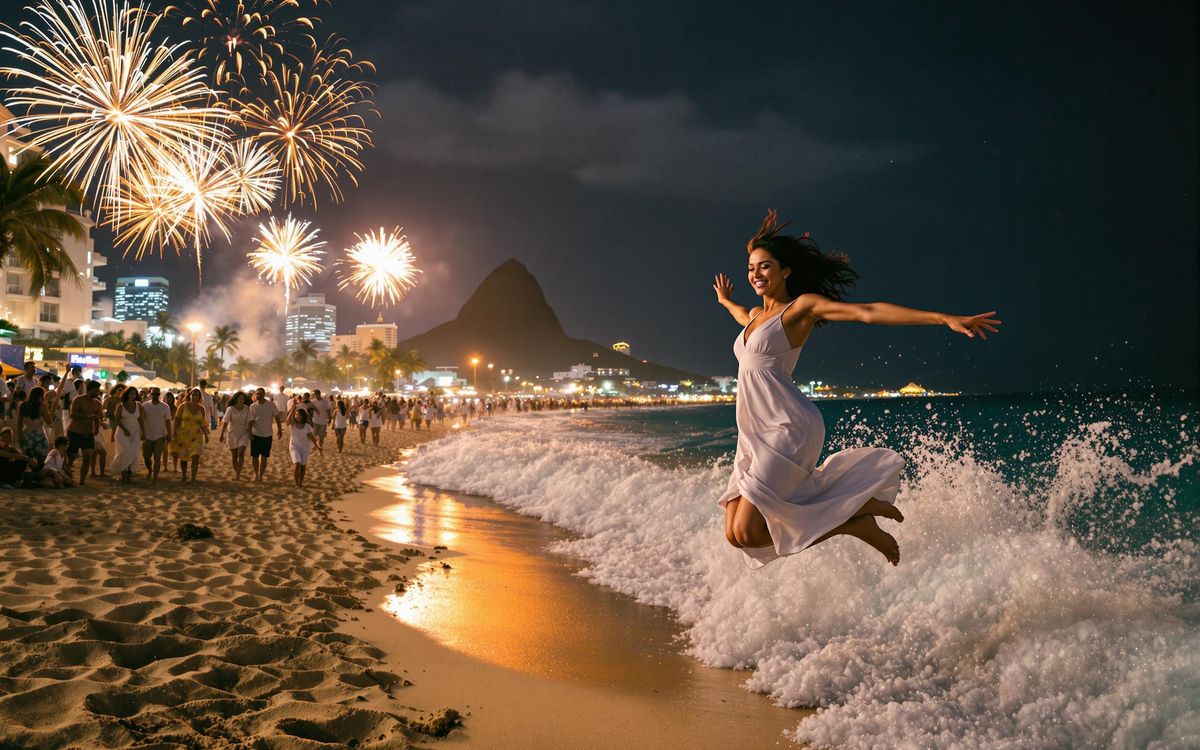
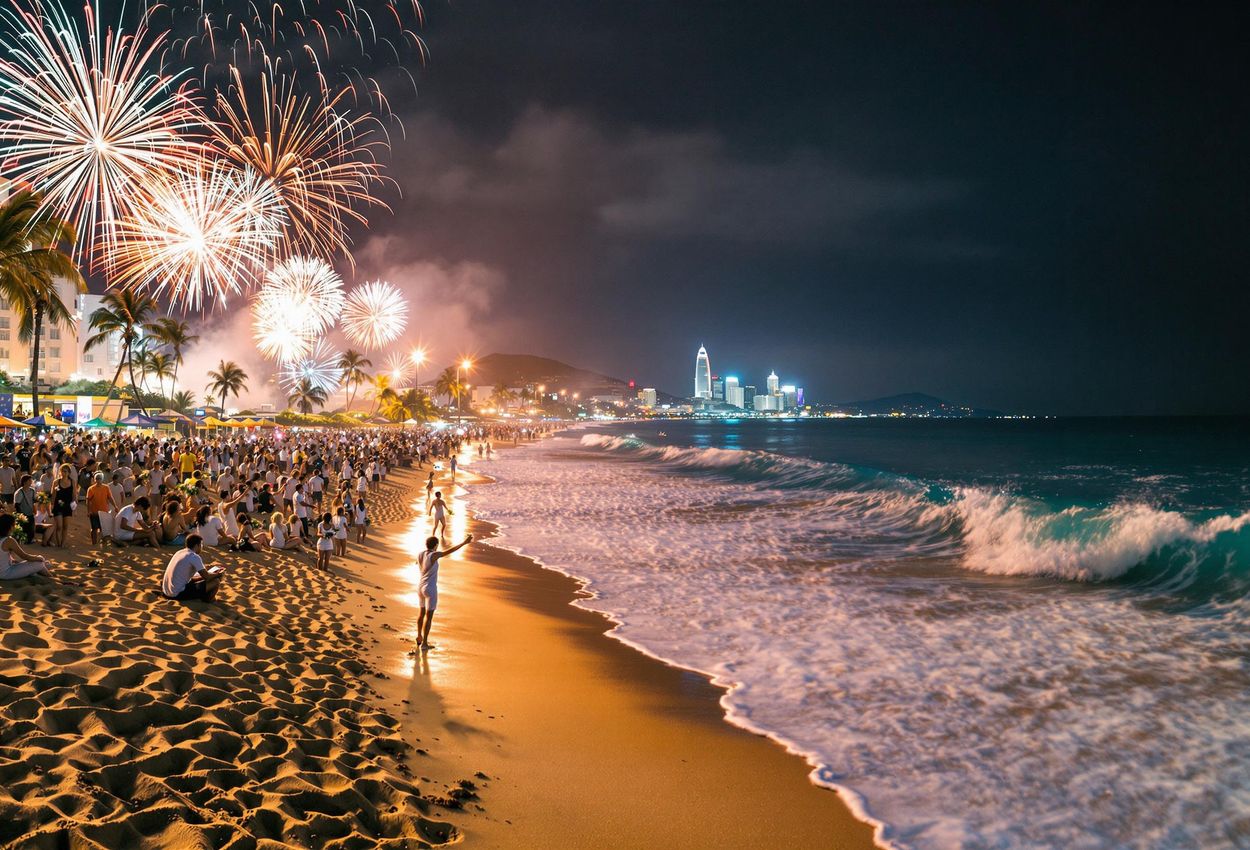
Reveillon in azil is an unforgettable spectacle, a viant celeation of life, hope, and the power of the ocean. Millions of people gather on the beaches, dressed in white, to welcome the new year with music, dancing, and a unique blend of traditions.
The tradition of wearing white is deeply symbolic, representing peace, purity, and good luck for the year ahead. As midnight approaches, the beaches come alive with energy, as revelers prepare to jump over seven ocean waves, each jump accompanied by a wish for the new year. This ritual is an offering to Lemanjá, the goddess of the sea, who is revered in Afro-azilian religions.
Another beautiful tradition is the throwing of flowers into the sea, a gesture of gratitude and a plea for blessings in the coming year. The scent of flowers fills the air, mingling with the salty eeze, creating a truly magical atmosphere. Reveillon is a powerful expression of azilian culture, blending indigenous beliefs, African traditions, and a deep connection to the natural world.
eaking Plates and Leaping In: Denmark's Noisy New Year
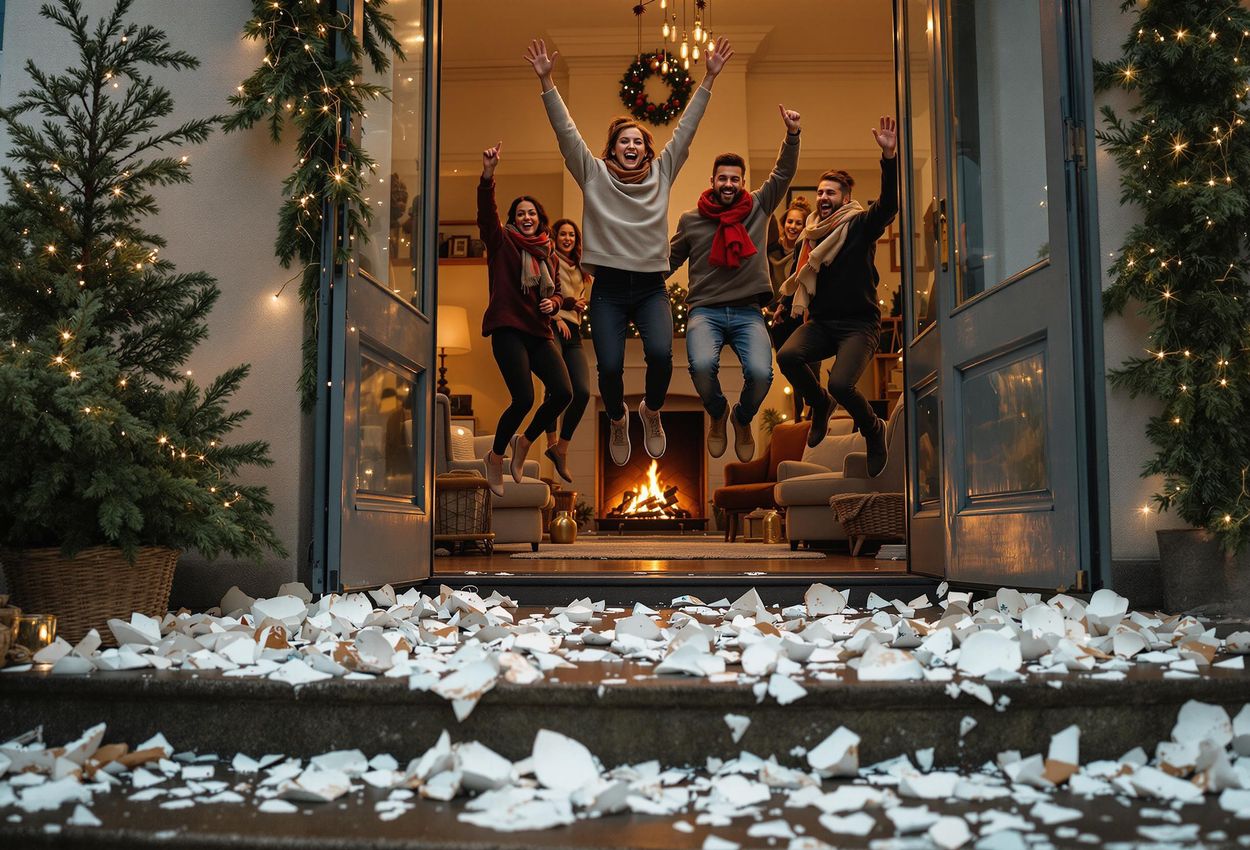
In Denmark, New Year's Eve is a boisterous affair, marked by two particularly unique traditions: smashing plates against the doors of friends and family, and jumping off chairs at midnight.
The tradition of smashing plates may seem destructive, but it is actually a gesture of goodwill. The more oken plates found on your doorstep on New Year's morning, the more friends and good fortune you are believed to have. This tradition is a testament to the Danish emphasis on community and the value of strong social connections.
As the clock strikes midnight, Danes across the country jump off chairs, symbolically 'leaping' into the new year. This playful tradition represents a leap of faith, a willingness to emace the unknown, and a joyful anticipation of the possibilities that lie ahead. The combination of oken plates and leaping Danes creates a truly memorable and uniquely Danish New Year's experience.
Año Nuevo: Mexico's Suitcase Dreams
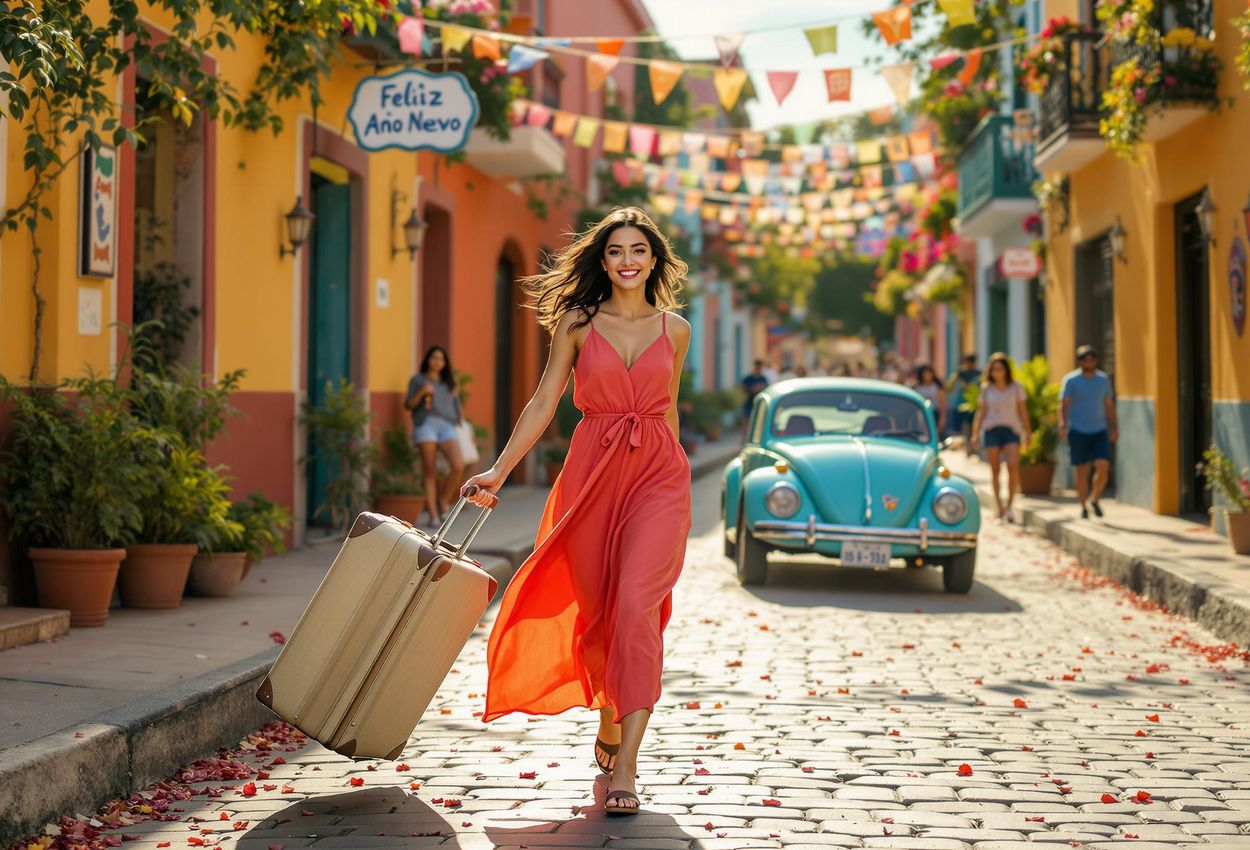
Mexico's Año Nuevo is a viant celeation filled with hope, optimism, and a touch of playful superstition. Mexicans emace a variety of customs designed to manifest their desires for the coming year, from wearing specific colors of underwear to walking around with empty suitcases.
The tradition of wearing colored underwear is a lighthearted way to attract specific blessings. Red underwear is worn to attract love and passion, while yellow underwear is believed to ing wealth and prosperity. Another popular tradition involves walking around the block with an empty suitcase, symbolizing the hope for travels and adventures in the new year. Some people even run around the block for extra emphasis.
These traditions reflect the Mexican belief in the power of intention and the importance of visualizing one's dreams. Año Nuevo is a time for setting goals, emacing new possibilities, and approaching the future with a sense of optimism and excitement. It’s a time for family, friends, and a shared belief in the magic of new beginnings.