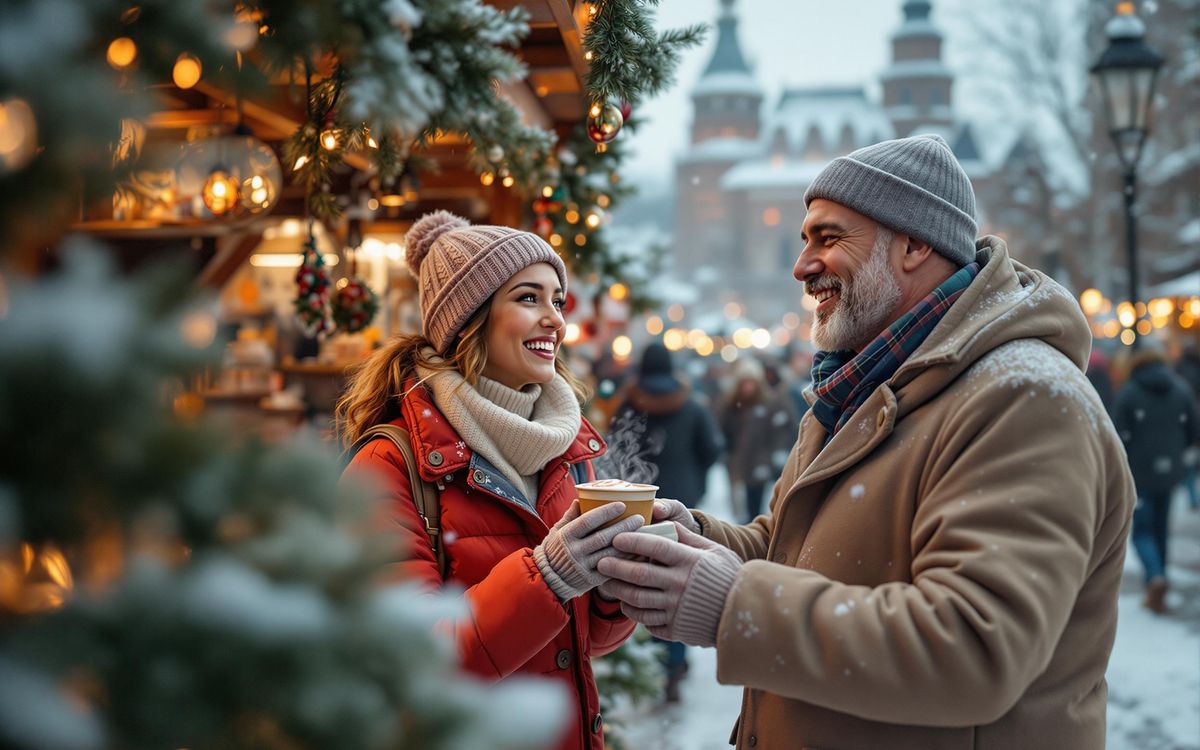
Winter festivals offer a magical escape, but crowded venues and cold weather can also increase your risk of illness. Arm yourself with knowledge and preparation to fully enjoy the festivities while safeguarding your health.
Vaccination is Your First Line of Defense
Before you pack your bags for a winter festival, prioritize getting vaccinated against the flu and COVID-19. Medical professionals, including the Centers for Disease Control and Prevention (CDC) and the World Health Organization (WHO), recommend annual flu shots and updated COVID-19 boosters for everyone eligible. These vaccines are readily available at local pharmacies and clinics in many cities, including Denver, Salt Lake City, and Minneapolis.
In addition to flu and COVID-19 vaccines, consider other recommended vaccinations for travel during winter. Depending on your destination and activities, healthcare providers may suggest Hepatitis A, Typhoid, and Tetanus vaccines. Hepatitis A is recommended if you're traveling to areas with poor sanitation. The Hepatitis A vaccine is typically given as a single initial injection, with a second dose 6 to 12 months later. Two doses should protect you for at least 25 years. Typhoid vaccination is recommended for most persons, 2 years of age and older, travelling to South Asia including Afghanistan, Bangladesh, Bhutan, India, Maldives, Nepal, Pakistan and Sri Lanka. Tetanus vaccines are typically administered during childhood, but booster doses are recommended every 10 years, especially when traveling to areas where medical services are limited.
Speak with a healthcare provider or visit a travel clinic well in advance of your trip to discuss your specific needs and receive personalized recommendations. They can assess your health history, travel itinerary, and potential risks to ensure you receive the appropriate vaccinations and health advice.

Mastering Hygiene: Keeping Germs at Bay
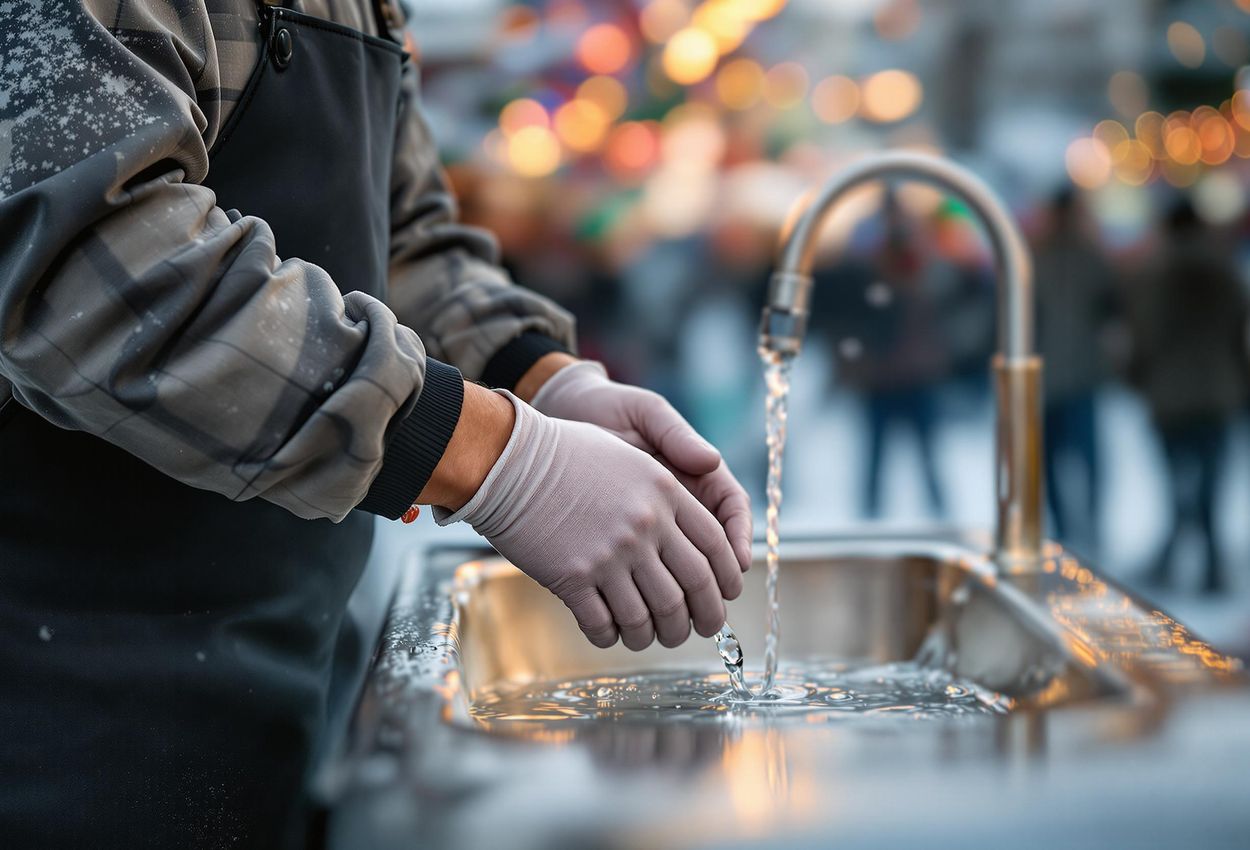
Effective hygiene practices are crucial for minimizing the spread of germs, especially in crowded festival environments. Frequent handwashing with soap and water for at least 20 seconds is a simple yet powerful way to protect yourself and others. Wash your hands thoroughly after touching surfaces in public areas, using restrooms, and before eating or preparing food.
When soap and water are not readily available, use hand sanitizer with at least 60% alcohol. Apply a generous amount to your palms and rub your hands together until they are dry. Avoid touching your face, especially your eyes, nose, and mouth, with unwashed hands, as this is a common way for germs to enter your body.
Consider carrying disinfectant wipes to clean surfaces like doorknobs, tables, and other frequently touched objects. Practice proper cough and sneeze etiquette by covering your mouth and nose with a tissue or your elbow. Dispose of used tissues properly and wash your hands afterward.
By diligently practicing these hygiene habits, you can significantly reduce your risk of contracting and spreading germs, allowing you to enjoy winter festivals with greater peace of mind.
Smart Eating: Food Safety at Winter Festivals
Navigating the tempting array of food vendors at winter festivals requires careful attention to food safety. Choose food from reputable vendors with visible hygiene practices. Look for vendors who maintain clean workstations, wear gloves, and follow proper food handling procedures.
Avoid raw or undercooked foods, and ensure that cooked foods are served hot. Perishable foods should be kept at safe temperatures, below 40°F or above 140°F. Be cautious of consuming unpasteurized milk or products made with it, as they may contain harmful bacteria. Similarly, avoid uncooked dough or batter, which may harbor germs.
Many winter festivals feature unique treats. Exercise caution when consuming them. For example, if you indulge in eggnog, ensure it is made with pasteurized eggs. By making informed food choices and adhering to these guidelines, you can minimize your risk of foodborne illness and savor the culinary delights of winter festivals safely.
Dress for Success: Layering Up for Warmth and Health
Dressing warmly in layers is essential for protecting against cold weather and maintaining your health during winter festivals. A well-layered outfit allows you to adjust to changing temperatures and activity levels, preventing both overheating and chills.
Start with a base layer made of moisture-wicking material like merino wool or synthetic faics. This layer helps to draw sweat away from your skin, keeping you dry and comfortable. Add an insulating layer, such as a fleece jacket or down vest, to trap warmth. Finally, top it off with an outer layer that protects against wind and snow. A waterproof and windproof jacket and pants are ideal for harsh weather conditions.
Cover your extremities with hats, gloves, and scarves to prevent frostbite. Insulated and waterproof boots are crucial for keeping your feet dry and warm. ands like Keen, Asolo, Kamik, Salomon, The North Face and Oboz offer winter hiking boots suitable for extreme cold conditions. Consider ands and types of winter gear suitable for extreme cold conditions, available in locations that host winter festivals like Quebec City, or Sapporo.
Hydration is Key: Staying Refreshed in Cold Weather
Staying hydrated is crucial, even in cold weather, as dehydration can occur even when you don't feel thirsty. Cold temperatures can suppress your thirst response, making it easy to become dehydrated without realizing it. Dehydration can lead to fatigue, headaches, and a weakened immune system.
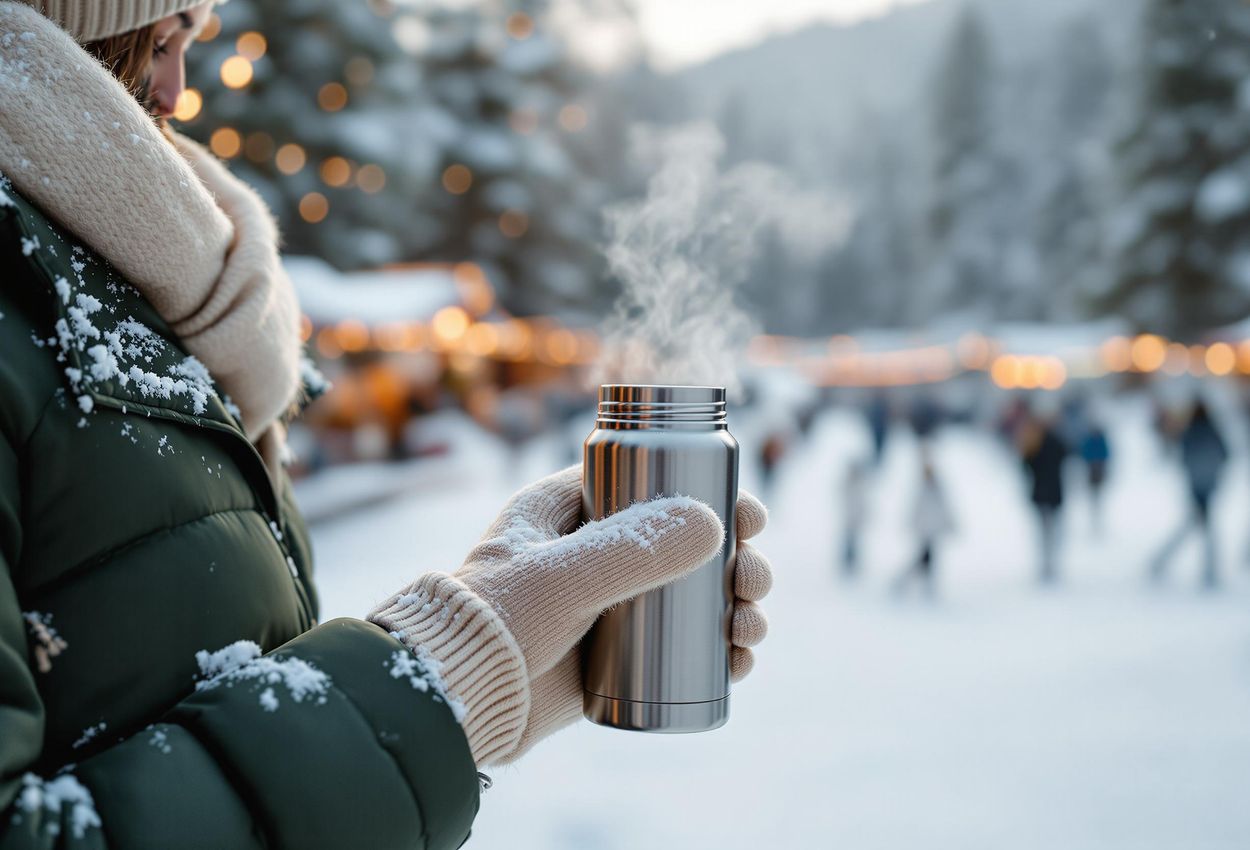
Drink plenty of water, herbal teas, and warm beverages throughout the day. Herbal teas like chamomile, mint, or hibiscus are naturally caffeine-free and provide hydration. Avoid excessive alcohol consumption, as it can lead to dehydration and lower body temperature. Carry a thermos with a hot drink to warm up while outdoors. Local beverages popular at winter festivals in locations such as Germany or Austria can be a great way to stay warm and hydrated.
Rest and Recovery: Prioritizing Sleep and Stress Management
Getting enough sleep is essential for supporting your immune system and overall well-being. Aim for 7-9 hours of quality sleep each night. Maintain a regular sleep schedule, even during travel, to regulate your body's natural sleep-wake cycle.
Manage stress through relaxation techniques such as meditation, deep eathing exercises, or gentle yoga. Schedule downtime to relax and recharge during winter festivals. Maintain social connections with friends and family to combat feelings of loneliness or isolation. Engaging in enjoyable activities and spending time with loved ones can boost your mood and reduce stress levels.
Indoor Air Quality: Keeping Your Surroundings Healthy
Maintaining good indoor air quality is vital for preventing respiratory infections, especially during winter when people spend more time indoors. Use a humidifier to keep the air moist and prevent dry nasal passages, which can make you more susceptible to infections.
Ventilate your home or hotel rooms by opening windows for a few minutes each day to circulate fresh air. Avoid smoking indoors and minimize exposure to pollutants and irritants. Air purifiers can help remove airborne allergens and pollutants, further improving indoor air quality.
Staying Active: Exercising Indoors and Outdoors
Staying active during the winter months is essential for boosting your immune system and maintaining your physical and mental well-being. Engage in indoor activities such as dancing, indoor cycling, or virtual fitness classes. If weather permits, enjoy outdoor activities like isk walking, snowshoeing, or cross-country skiing, with appropriate safety gear.
Set achievable fitness goals and eak them down into smaller, manageable steps. Regular physical activity can reduce stress and improve your mood. Consider locations such as the Ice Castles in New Hampshire for winter activities.

Mental Wellness: Combating Seasonal Affective Disorder
Seasonal Affective Disorder (SAD) can significantly impact mood and energy levels during winter. Spend time outdoors in natural sunlight to boost vitamin D levels, which can help improve mood. Even on cold or cloudy days, outdoor light can be beneficial.
Maintain social connections and engage in activities you enjoy to combat feelings of loneliness or isolation. Light therapy lamps can simulate sunlight and improve mood. Seek professional help if symptoms of SAD are severe or persistent. Cognitive behavioral therapy (CBT) and antidepressants are effective treatments for SAD. Visit outdoor spaces even in winter, such as the parks in Chicago or New York, to enjoy the beauty of the season and boost your mood.
Travel Smart: Preparing for a Healthy Trip
When traveling to winter festivals, consult a healthcare provider or travel clinic for personalized advice and vaccinations. Pack a travel health kit with essentials like hand sanitizer, disinfectant wipes, pain relievers, and any necessary medications.
Get travel insurance that covers medical expenses and emergency evacuation. Check travel advisories and follow local health guidelines. Prevent jet lag by adjusting your sleep schedule gradually before your trip and staying hydrated during travel. Travel clinics in cities like London or Toronto can provide specific travel health advice and vaccinations. Travel Guard MedEvac Plan provides medical coverage, air evacuation services, including medical transportation to the nearest adequate medical facility and then home.
By following these tips, you can protect your health and fully enjoy the magic of winter festivals.