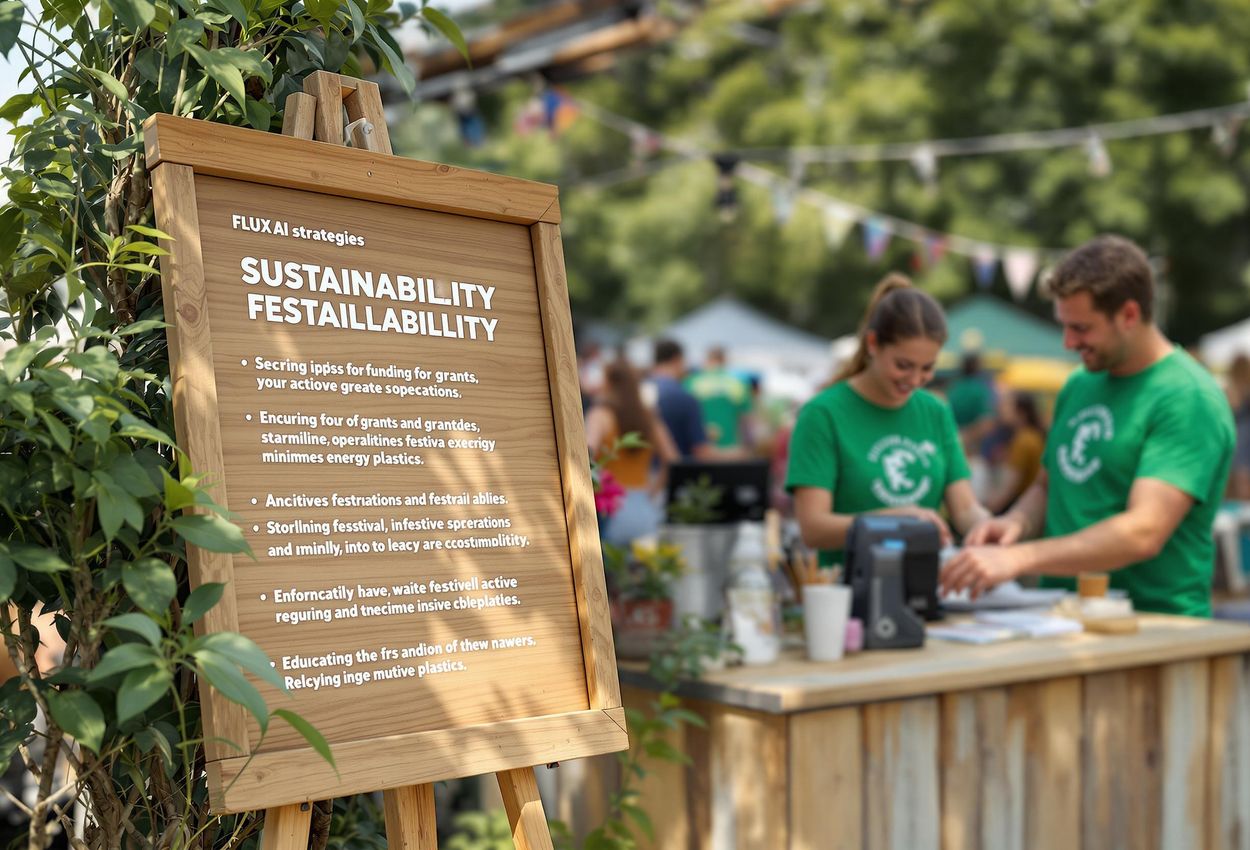
As the festival scene explodes with viant energy, a crucial question emerges: How can we celeate without compromising the planet?
From music festivals to cultural gatherings, these events ing communities together but often leave behind a trail of waste and environmental concerns. This article delves into the heart of sustainable celeations, offering practical tips and inspiring examples to minimize your ecological footprint while maximizing the fun. Learn how to make eco-conscious choices, support sustainable initiatives, and ensure that the party doesn't cost the Earth.
The Festival Footprint: Understanding the Environmental Impact
The concept of festival ecology is gaining prominence as we recognize the significant environmental consequences of large-scale events. Festivals, while offering unique cultural experiences, contribute to a range of environmental problems, including waste generation, carbon emissions, water usage, and noise pollution. A typical music festival can produce 500 tons of carbon emissions over a three-day period, with the average attendee generating 5kg of CO2 per day. Understanding these impacts is the first step toward creating more sustainable celeations.
Waste generation is a primary concern. Festivals often see a surge in abandoned tents, single-use plastics, and general litter. The research conducted by ighton University highlights the sheer volume of waste left behind, from plastic cups and food wrappers to discarded camping gear.
Carbon emissions are another significant factor. Transportation of attendees, artists, and equipment, coupled with energy consumption from generators and lighting, contributes to a festival's carbon footprint. Power generation alone can account for up to 70% of an event's carbon footprint. Many festivals are adopting more sustainable energy solutions including solar and wind power.
Water usage, though often overlooked, is substantial. Toilets, showers, and food vendors all require significant amounts of water, placing a strain on local resources.
Noise pollution is also a consideration, particularly for festivals located near residential areas or sensitive ecosystems. The constant barrage of music and amplified sound can disrupt wildlife and impact the quality of life for nearby communities.
Festivals held in natural environments, such as beaches or forests, can be particularly damaging. The influx of people can lead to habitat destruction, soil compaction, and disturbance of local wildlife. For example, a beach festival might damage dune ecosystems, harm nesting birds, and pollute coastal waters with litter and waste.
Quantifying the impact through statistics helps to illustrate the scale of the problem. Each person, whether worker or visitor, can generate a footprint of 25 kg of carbon dioxide. Understanding these numbers is crucial for motivating change and implementing effective sustainability measures.

Greener Travel: Reducing Your Carbon Footprint to Get There
Visitor transportation often accounts for a significant portion of a festival's total CO2 emissions, sometimes reaching up to 80%. Choosing sustainable transportation options is, therefore, one of the most impactful ways to reduce your environmental footprint when attending a festival.
Public transportation is an excellent choice. Trains and buses offer a far more efficient way to move large numbers of people compared to individual cars. Many festival organizers partner with transportation companies to offer direct routes to the event, making it even easier to choose public transport. For instance, Big Green Coach specializes in providing sustainable transport solutions for live music and sports events, offering carbon-neutral coach services directly to festival sites from numerous UK pick-up locations. Consider initiatives like increased parking fees to incentivize public transport use.
Carpooling is another effective strategy. Sharing a ride with friends or fellow festival-goers reduces the number of vehicles on the road and lowers overall emissions. Several apps and websites can help connect people traveling to the same event, making carpooling more convenient than ever.
Cycling is a healthy and eco-friendly option, especially for local festivals. If the distance is manageable, consider biking to the event. Some festivals provide secure bike parking facilities to encourage cycling.
Packing light can also contribute to reducing travel-related emissions. The heavier your luggage, the more fuel is required to transport it. Choosing direct routes minimizes the distance traveled and, consequently, the amount of emissions produced.
By carefully planning your journey and choosing greener travel options, you can significantly reduce your carbon footprint and contribute to a more sustainable festival experience.

Zero-Waste Warriors: Minimizing Waste at Festivals
Festivals often generate mountains of waste, but with a few simple strategies, you can become a zero-waste warrior and significantly reduce your environmental impact. A key step is to ing reusable items. Water bottles, tableware, and shopping bags can replace single-use plastics and reduce the amount of waste you generate. Bonnaroo waste management diverted 67% of all waste from the landfill by weight in 2014.
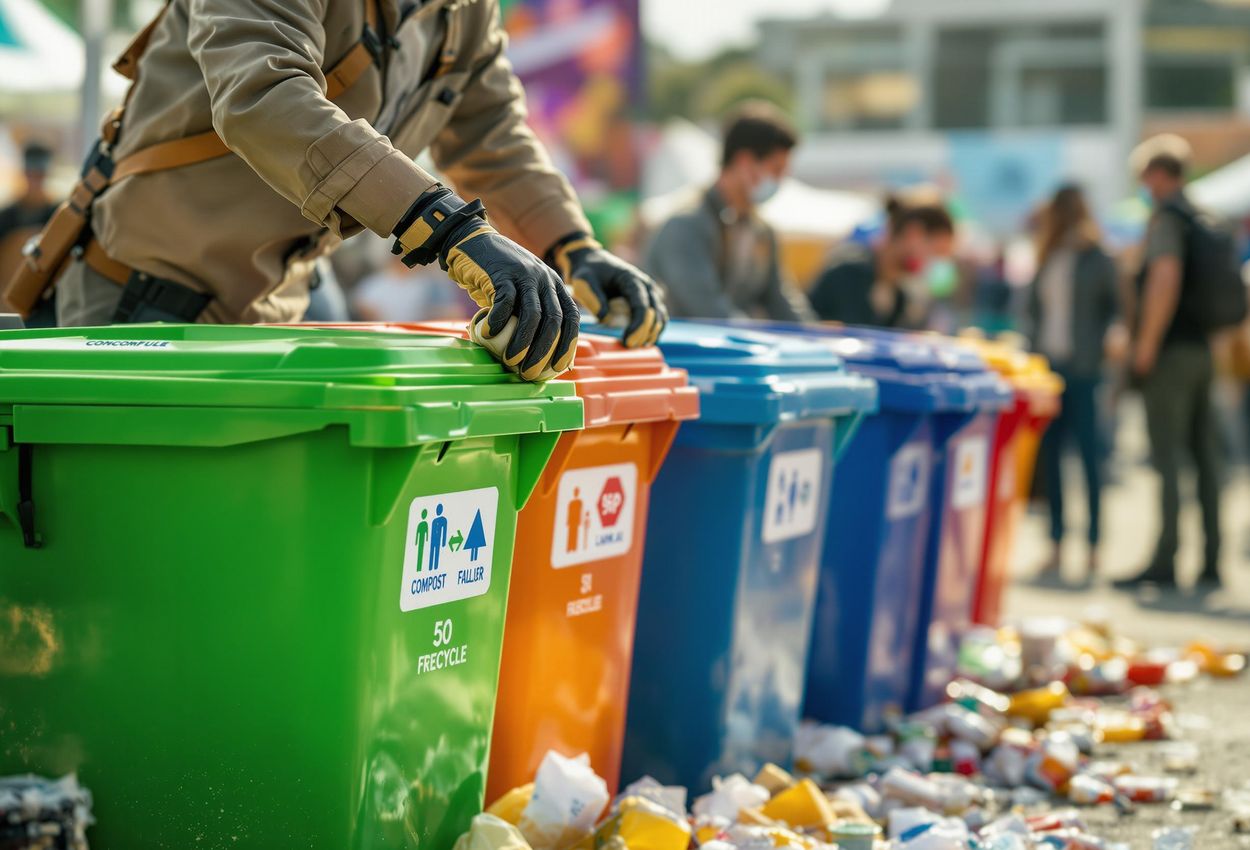
Choosing products with minimal packaging is another effective way to minimize waste. Opt for items that come in bulk or with recyclable packaging. Properly sorting waste for recycling and composting is crucial. Make sure to familiarize yourself with the festival's waste management system and dispose of items in the appropriate bins.
Many festivals have implemented successful waste reduction programs that you can support. Compost toilets, for example, reduce water usage and turn human waste into valuable fertilizer. Some festivals ban single-use plastics altogether, requiring vendors to use compostable or reusable alternatives.
Water refill stations are becoming increasingly common, providing a convenient way to stay hydrated without purchasing bottled water. Some festivals even offer a sustainability deposit initiative, where attendees pay a fee that is returned when they return a bag of waste they collected.
Innovative solutions like the 'Rewash Revolution' at Strawberry Fields festival in Australia, which uses a 100% reusable crockery system, demonstrate the potential for large-scale waste reduction. By emacing these strategies, you can help transform festivals into zero-waste events.
Sustainable Sustenance: Eating and Drinking Responsibly
The environmental impact of food and beverage choices at festivals is significant, but by making responsible decisions, you can enjoy your festival treats with a clear conscience. Supporting local and organic food vendors is a great way to reduce your footprint. Local vendors often source their ingredients from nearby farms, reducing transportation emissions and supporting the local economy.
Organic food is produced without synthetic pesticides or fertilizers, minimizing harm to the environment. Choosing plant-based options is another impactful strategy. Plant-based meals generally have a lower carbon footprint compared to meat-heavy dishes. Many festivals now offer a variety of vegetarian and vegan options, making it easier than ever to choose sustainable sustenance.
Avoiding single-use packaging is crucial. ing your own reusable containers and utensils, and choose vendors who prioritize sustainable packaging. Reducing food waste is also essential. Plan your meals carefully to avoid buying more food than you can eat, and donate any unopened food to local food banks.
Some festivals are taking innovative steps to promote sustainable food choices. For example, some festivals have implemented a CO2 calculator in the food court, allowing attendees to see the environmental impact of their meal choices. By making informed and responsible food and beverage decisions, you can contribute to a more sustainable festival experience.

Eco-Friendly Camping: Sustainable Practices On-Site
Camping is a quintessential part of many festivals, but it can also be a source of environmental problems. By adopting sustainable camping practices, you can minimize your impact and enjoy the experience responsibly. Renting camping gear is a great option, especially if you only camp occasionally. Renting reduces the need to purchase new equipment, saving resources and reducing waste.
Choosing eco-friendly tents and sleeping bags is another important step. Look for products made from recycled materials or sustainable faics. Using solar-powered chargers and lights can reduce your reliance on batteries and other non-renewable energy sources. Properly disposing of waste is essential. Use the designated recycling and compost bins, and never leave any trash behind.
The 'Take Your Tent Home' campaign encourages campers to take their tents with them at the end of the festival, reducing the number of abandoned tents left behind. Initiatives like Decathlon's 'No Tent Left Behind' offer incentives for returning tents, which are then refurbished and resold. Always leave your campsite clean and remove all tent pegs to prevent hazards for other campers and wildlife.

Powering the Party: Renewable Energy and Efficiency
The energy demands of a festival are substantial, but by emacing renewable energy sources and energy efficiency measures, festivals can significantly reduce their environmental impact. Many festivals are now using solar power, wind power, or waste vegetable oil biodiesel to power stages and facilities. The Green Man Festival, for example, uses an entirely solar-powered stage. Some festivals are pioneering the use of renewable energy sources, including wind turbines and solar panels, to power their events.
Conserving energy is also crucial. Use LED lights, which consume far less energy than traditional bulbs, and minimize your use of electronic devices. Consider the potential of kinetic energy. Stationary bikes or dancing pads can be used to generate electricity, providing a fun and interactive way to charge batteries.
By supporting festivals that prioritize renewable energy and adopting energy-efficient practices yourself, you can help power the party sustainably.
Respecting the Local Environment: Protecting Ecosystems and Wildlife
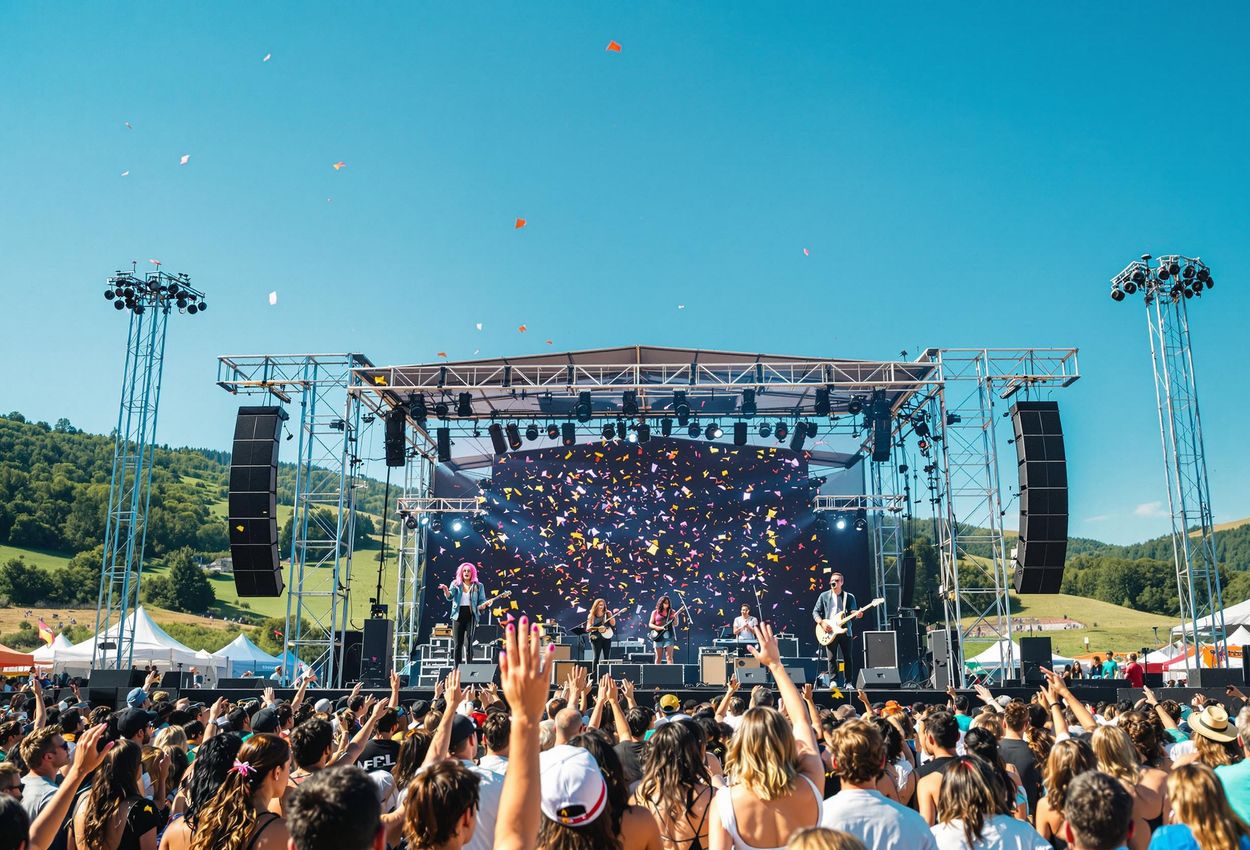
Festivals can have a significant impact on local ecosystems and wildlife, but by respecting the environment and taking precautions, you can help protect these valuable resources. Staying on marked trails helps to prevent soil compaction and disturbance of vegetation. Avoid disturbing vegetation or wildlife, and never feed animals.
Properly dispose of waste to prevent pollution. Even seemingly harmless items like cigarette butts can contaminate soil and water. Festivals, especially those in natural environments like beaches, have the potential to damage local ecosystems. Measures to protect local wildlife and habitats are essential.

Supporting Sustainable Festivals: Choosing Eco-Conscious Events
One of the most effective ways to promote sustainability in the festival industry is to support eco-conscious events. Before attending a festival, research its sustainability initiatives. Look for certifications, partnerships with environmental organizations, and transparent reporting on environmental impact. AGF (A Greener Future) Certification is a comprehensive standard for sustainability in the live events sector.
Festivals with strong sustainability commitments often implement a range of measures, such as waste reduction programs, renewable energy usage, water conservation, and community engagement. Examples of festivals with a strong commitment to sustainability include Boom Festival in Portugal, Green Man Festival in Wales, and Shambala Festival in the UK.
The European Festivals Association (EFA) and its 'Go Green, Festivals' campaign is another valuable resource for identifying sustainable festivals. By choosing to attend and support these events, you can help drive positive change in the festival industry.

Ethical Fashion: Dressing Sustainably for the Occasion
Festival fashion can be a fun and expressive way to celeate, but it's important to consider the environmental impact of your clothing choices. The fast fashion industry is a major contributor to carbon emissions and resource depletion, so choosing sustainable clothing options is essential.
Vintage and upcycled garments are a great choice, giving new life to pre-owned items and reducing the demand for new production. Ethically produced garments, made with sustainable materials and fair labor practices, are another responsible option. Consider renting festival attire or swapping clothes with friends to minimize your consumption. Many ands and initiatives promote sustainable fashion, offering stylish and eco-friendly alternatives.

Beyond the Festival: Continuing Sustainable Practices at Home
Sustainability is not just a one-time event; it's a continuous journey. Integrate sustainable practices into your daily life beyond the festival. Reduce waste by recycling, composting, and avoiding single-use plastics. Conserve energy by using energy-efficient appliances and reducing your electricity consumption.
Support local businesses and make eco-friendly choices in transportation, food, and fashion. By adopting these practices, you can extend the positive impact of sustainable festivals into your everyday life.

Festivals Leading the Way: Examples of Successful Sustainability Programs
Many festivals are leading the way in sustainability, implementing innovative programs and achieving measurable results. Paradise City Festival in Belgium has implemented measures to reduce waste, increase recycling rates, and promote sustainable transportation. Boom Festival in Portugal is renowned for its comprehensive environmental program, which includes waste management, water conservation, and renewable energy usage.
Green Man Festival in Wales has implemented a range of sustainability initiatives, including renewable energy, waste reduction, and community engagement. Shambala in the UK has reduced its carbon footprint by over 90%, is powered by 100% renewable electricity, is meat, fish, and dairy-milk free, and has eradicated single use plastics. These festivals demonstrate the potential for large-scale events to operate sustainably and inspire others to follow suit.

The Role of Technology: Innovations for a Greener Future
Technology is playing an increasingly important role in promoting sustainability at festivals. Mobile apps can be used to provide information on waste sorting, track energy consumption, and encourage sustainable behavior. Smart grids can optimize energy management, reducing waste and improving efficiency. Digital ticketing reduces paper waste and streamlines the entry process.
Algorithm-controlled generators can minimize excess energy consumption, and blockchain technology can be used to track and verify sustainable practices. These innovations offer exciting possibilities for creating a greener future for festivals.

Community Engagement: Empowering Local Communities
Engaging local communities in festival planning is essential for ensuring sustainability and creating positive social impacts. Festival organizers should involve local communities in decision-making, support local businesses, and create opportunities for cultural exchange.
Partnering with local organizations to promote sustainability and community development can create lasting benefits. Festivals have the potential to generate positive economic and social impacts in host communities, fostering a sense of shared ownership and responsibility.

The Future of Sustainable Celeations: Trends and Innovations
The future of sustainable celeations is ight, with emerging trends and innovations paving the way for even more eco-friendly events. Regenerative practices, which go beyond minimizing harm to actively restoring ecosystems, are gaining traction. Circular economy models, which prioritize reuse and recycling, are becoming more common.
Carbon offsetting initiatives, which compensate for emissions by investing in projects that reduce greenhouse gases, are also on the rise. Research and development efforts are focused on creating new solutions for environmental challenges. Collaboration and knowledge sharing are essential for advancing sustainability in the festival industry.

Overcoming Challenges: Addressing Barriers to Sustainability
Implementing sustainability initiatives at festivals is not without its challenges. Cost, logistical complexity, and lack of awareness among attendees can all pose barriers. Securing funding, streamlining operations, and educating festival-goers are crucial strategies for overcoming these challenges.
Long-term commitment and continuous improvement are essential for achieving lasting sustainability. By addressing these barriers and emacing a proactive approach, festivals can create a more sustainable future for celeations.