Varanasi, also known as Kashi or Banaras, is more than just a city; it's an experience that transcends the ordinary. It's a place where the veil between the earthly and the divine thins, inviting you to immerse yourself in a spiritual journey unlike any other.
Located in **Uttar Pradesh**, on the banks of the sacred **Ganges River**, **Varanasi** stands as one of the oldest living cities in the world. For centuries, it has served as a beacon for pilgrims seeking spiritual solace and enlightenment. The very air here hums with a palpable energy, a symphony of sights, sounds, and scents that captivate and transform all who venture within its emace.
Legend says that **Varanasi** is so sacred that dying here grants **moksha**, liberation from the relentless cycle of rebirth. This belief infuses the city with a unique perspective, where life and death intertwine in a mesmerizing dance. It is said that even if the world were to face complete destruction, **Varanasi** would remain untouched, a testament to its enduring spiritual power.
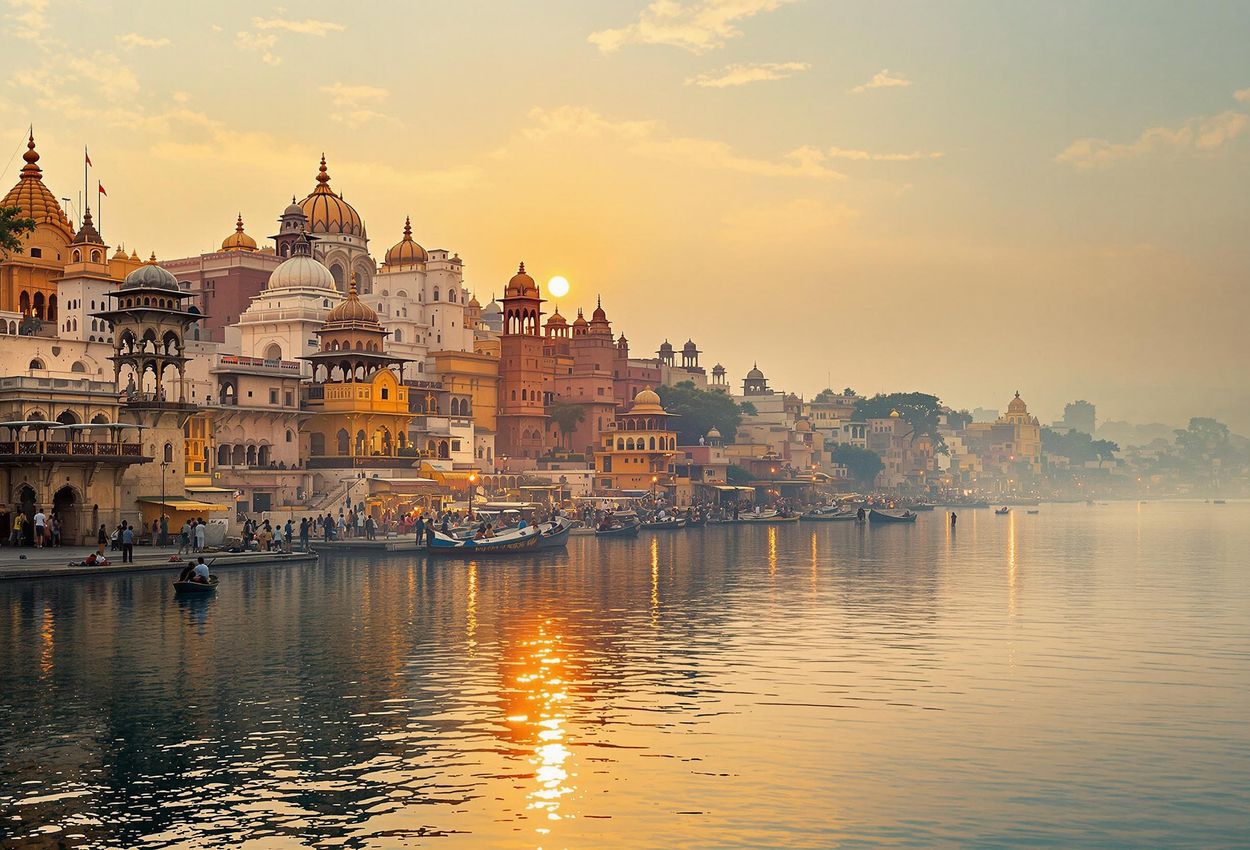
Unveiling Varanasi The City of Light
The spiritual significance of **Varanasi** is deeply rooted in Hindu mythology and tradition. It is believed to be the city of **Lord Shiva**, one of the principal deities, and is considered one of the seven holiest cities (**Sapta Puri**) that can grant **moksha**. The **Pandavas**, heroes of the epic **Mahabharata**, are said to have visited **Varanasi** to atone for their sins. The city's ancient name, **Kashi**, is associated with a kingdom dating back 2,500 years, further solidifying its historical importance.
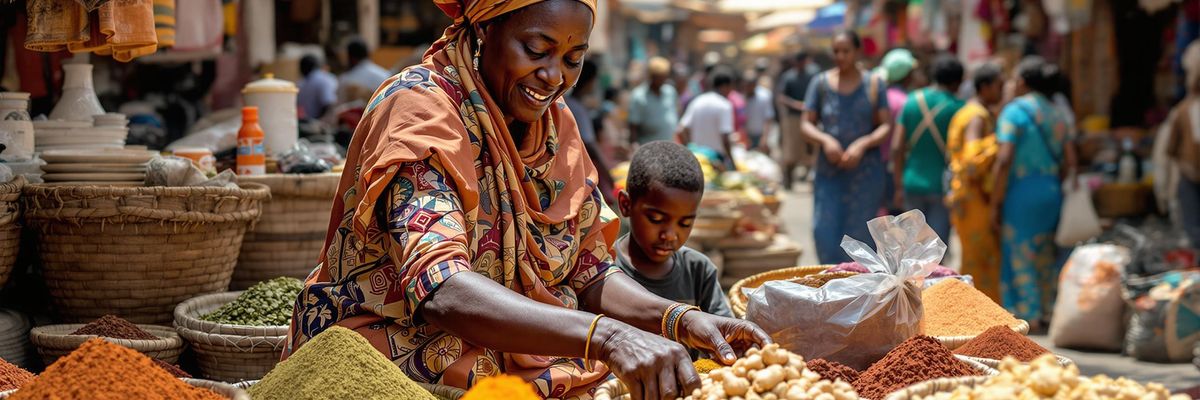
The sensory experience of **Varanasi** is overwhelming, in the most beautiful way. The scent of incense wafts through the air, mingling with the aroma of marigolds and street food. The sounds of chanting and temple bells create a constant, soothing hum. The viant colors of saris, the ochre robes of monks, and the dazzling displays in the markets assault your senses in a kaleidoscope of impressions. This constant stimulation is part of **Varanasi's** charm, a reminder that you've entered a world far removed from the mundane.
The city's location on the **Ganges** is no accident. The river is considered sacred, a goddess in her own right, and bathing in its waters is believed to cleanse sins and ing one closer to enlightenment. Pilgrims flock to the ghats, the steps leading down to the river, to participate in this ritual, their faith unwavering.
Hidden Gem: It is believed that **Varanasi** was founded by **Shiva**. During a fight between **Shiva** and **ahma**, one of **ahma**'s five heads was torn off by **Shiva**. When **Shiva** came to **Varanasi** in this state, the hanging head of **ahma** dropped from **Shiva**'s hand and disappeared into the ground, and **Varanasi** is therefore considered an extremely holy site.
Sunrise on the Ganges A Boat Ride to Enlightenment
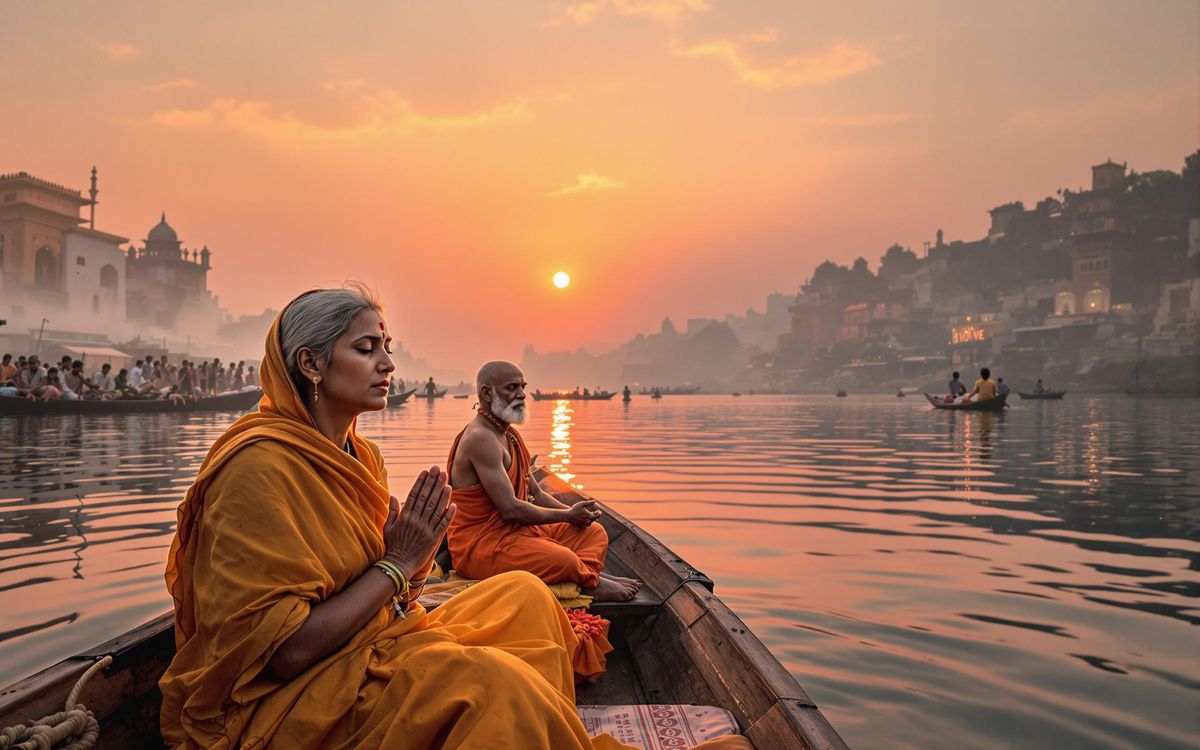
Imagine drifting along the **Ganges** as the first rays of dawn paint the sky in hues of orange, pink, and gold. A sunrise boat ride on the **Ganges** is an essential **Varanasi** experience, offering a unique perspective on the city's spiritual heart. As you glide along the water, the city slowly awakens, revealing its beauty in the soft morning light.
The sounds of the city come alive – the rhythmic chanting of mantras, the tinkling of temple bells, and the gentle lapping of the water against the boat. Devotees begin their day with prayers and rituals, their voices blending into a harmonious chorus. The air is crisp and cool, carrying the scent of incense and the promise of a new day.
Specific ghats, like **Assi Ghat** at the southern end of the city and **Dashashwamedh Ghat**, each possess a unique character. **Assi Ghat** is known for its viant atmosphere and is considered where the sacred **Assi River** meets the **Ganges**. **Dashashwamedh Ghat**, close to the **Vishwanath Temple**, is famous for its grand evening **Ganga Aarti**.
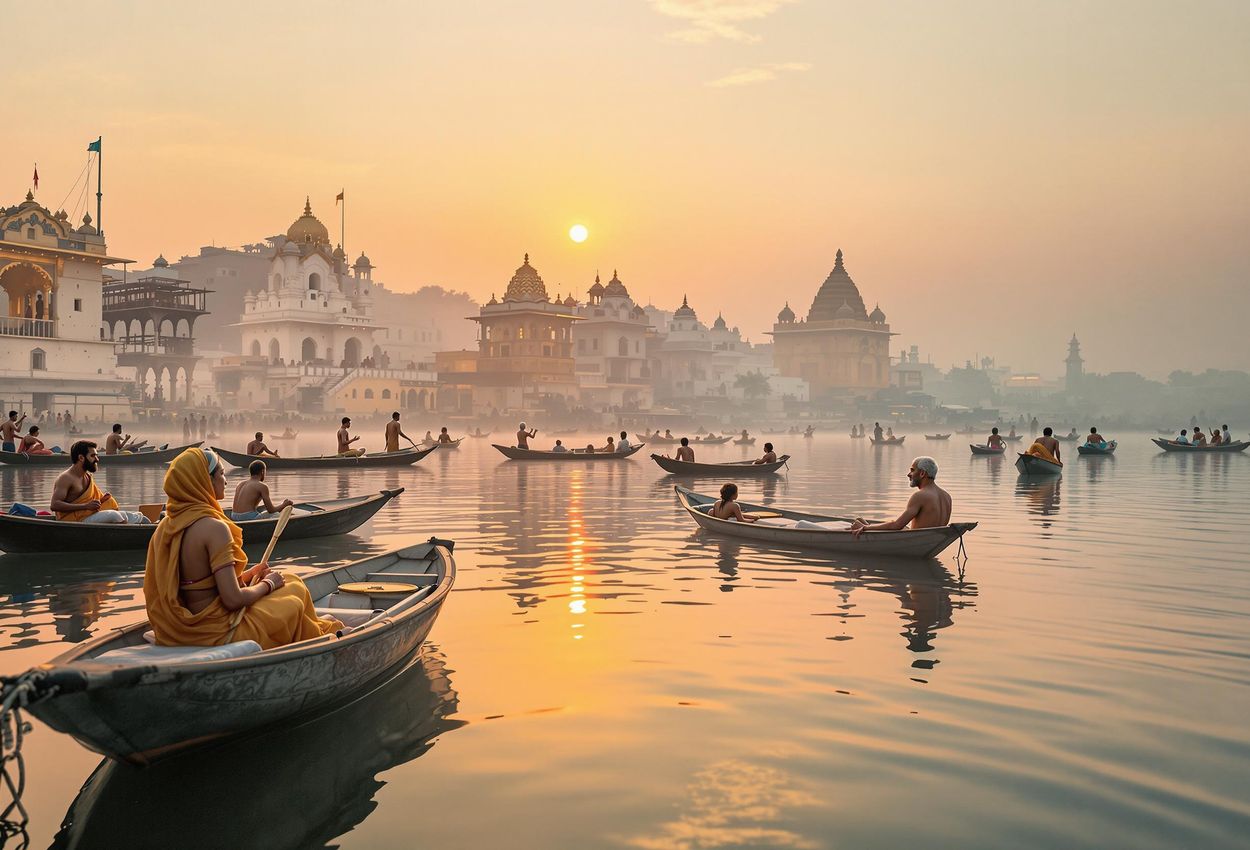
Pilgrims engage in various rituals, most notably bathing in the **Ganges**. This act is believed to cleanse sins and purify the soul, inging one closer to spiritual liberation. Watching these rituals unfold from the vantage point of a boat is a deeply moving experience, a testament to the enduring power of faith.
Hidden Gem: Don't miss **Namo Ghat**, the first fully wheelchair-accessible ghat in **Varanasi**. This modernized ghat is a testament to the city's evolving infrastructure, making the spiritual experience accessible to all.
Ghats of Varanasi Steps to Salvation
The ghats are the very soul of **Varanasi**, a series of steps leading down to the **Ganges**, each with its own unique story and significance. These are not just physical structures; they are the stage upon which the drama of life and death plays out, a constant reminder of the cyclical nature of existence.
**Dashashwamedh Ghat** is one of the oldest and most important, believed to be where **Lord ahma** performed ten horse sacrifices. **Manikarnika Ghat** is the primary cremation ground, where Hindus believe that being cremated leads to **Moksha**. **Assi Ghat**, at the southern end of the city, is where the **Assi River** meets the **Ganges**. **Scindia Ghat** is known for its submerged **Shiva** temple, a result of the ghat's collapse some years ago.
The activities on the ghats are diverse and captivating. Pilgrims bathe in the river, priests perform rituals, and families gather to mourn their loved ones. The ghats are a place where life and death coexist, where the mundane and the sacred intertwine.

The visual contrast on the ghats is striking. The viant colors of saris and flowers stand in stark contrast to the somber reality of death at **Manikarnika Ghat**. The laughter of children playing mingles with the mournful cries of grieving families. This juxtaposition is part of what makes **Varanasi** so unique, a city that emaces the full spectrum of human experience.
Hidden Gem: Did you know that Hindu genealogy registers are kept at **Varanasi**? Families have maintained records of their ancestry for generations, making it a valuable resource for those seeking to trace their roots.
Temples of Varanasi Abodes of the Divine
**Varanasi** is a city of temples, each dedicated to different deities and each with its own unique history and significance. These temples are not just places of worship; they are repositories of art, architecture, and cultural heritage.
**Kashi Vishwanath Temple**, dedicated to **Lord Shiva**, is one of the most important and revered temples in India. The temple is constructed in the Nagara style of temple architecture, mostly prevalent in northern India with pious Jyotirlinga which is a dark own colored stone enshrined in the Sanctum, placed on a silver platform. The main temple is a quadrangle in shape and is surrounded by smaller shrines of other gods. There is a small well in the temple called the Jnana Vapi (the wisdom well) that sits to the north of the main temple. A Sabha Griha or Congregation Hall is leading to the inner Garbha Griha or Sanctum Sanctorum.
**Durga Temple**, also known as the Monkey Temple, is dedicated to **Goddess Durga**. It was built in the 18th century by a Bengali Maharani in the north Indian Style with multi tiered shikhara. An attractive pond known as the Durga Kund is made on the right side of the temple which really increases the beauty of the temple.
**Sankat Mochan Hanuman Temple** is dedicated to **Lord Hanuman**, known for its resident monkey population and the distribution of *laddoos* (sweets) as offerings. The **Tulsi Manas Temple** is dedicated to **Lord Rama**, with walls inscribed with verses from the epic **Ramcharitmanas**.
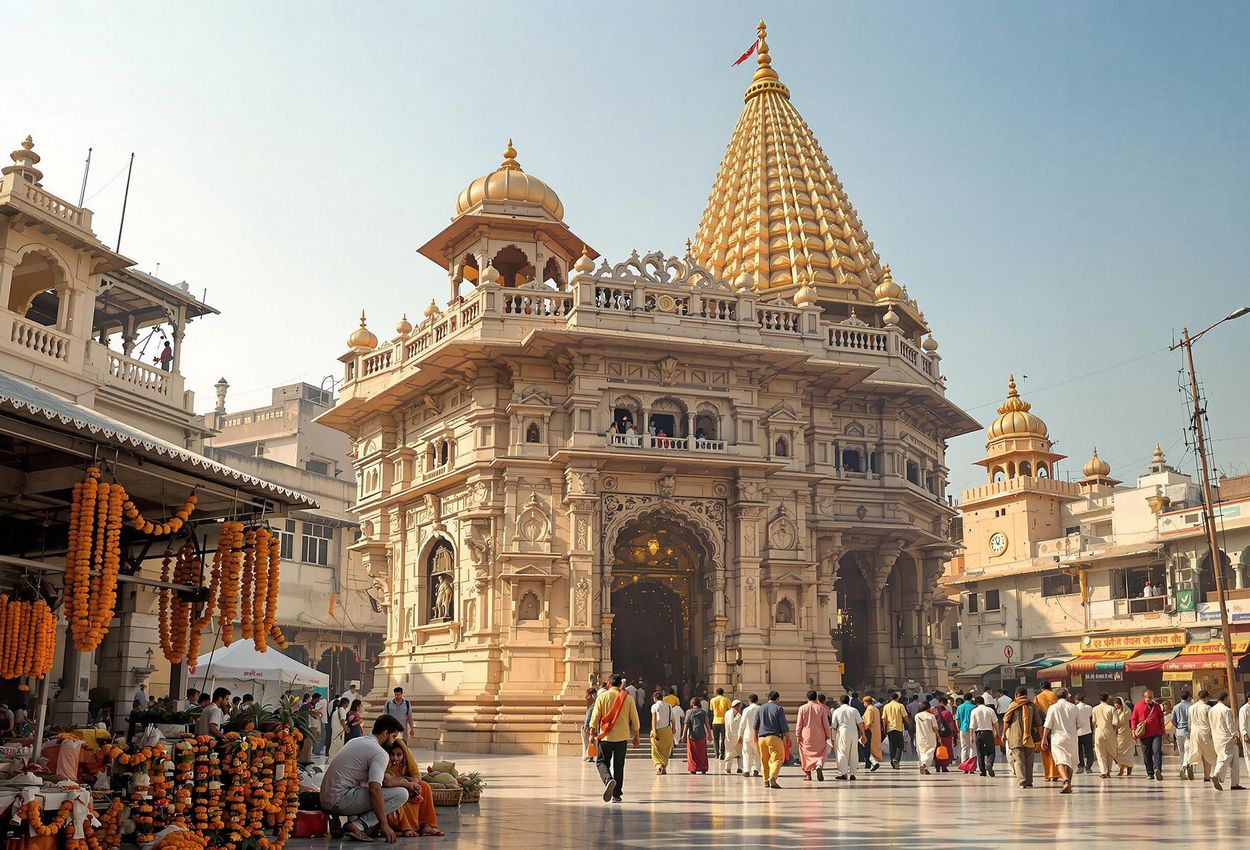
The deities worshipped in these temples are diverse, reflecting the rich tapestry of Hindu beliefs. From **Shiva** to **Durga**, **Hanuman** to **Rama**, each deity represents a different aspect of the divine, offering devotees a multitude of paths to connect with the spiritual realm.
Hidden Gem: Seek out the **Nepali Temple** (Kathwala Temple) on **Lalita Ghat**, a replica of the **Pashupatinath Temple** in **Kathmandu**. Its unique architecture and serene atmosphere make it a hidden gem worth discovering.
Ashrams of Varanasi Retreats for the Soul
Beyond the bustling ghats and grand temples, **Varanasi** offers a haven for those seeking deeper spiritual exploration: the ashrams. These are places of retreat, learning, and self-discovery, offering a respite from the intensity of the city.
Notable ashrams include **Sri Rama Taraka Andhra Ashramam**, near the **Kedar Ghat**, a religious ashram and also an affordable stay option in the city, **Mata Anandamai Ashram**, and **Gadwa Ghat Ashram**. Each ashram has its own unique atmosphere and focus, but all share a common goal: to provide a space for spiritual growth and self-realization.
Daily life in an ashram typically involves a structured routine of yoga, meditation, and study of scriptures. Residents often participate in *seva* (selfless service), contributing to the upkeep of the ashram and the well-being of the community. The emphasis is on simplicity, mindfulness, and devotion.
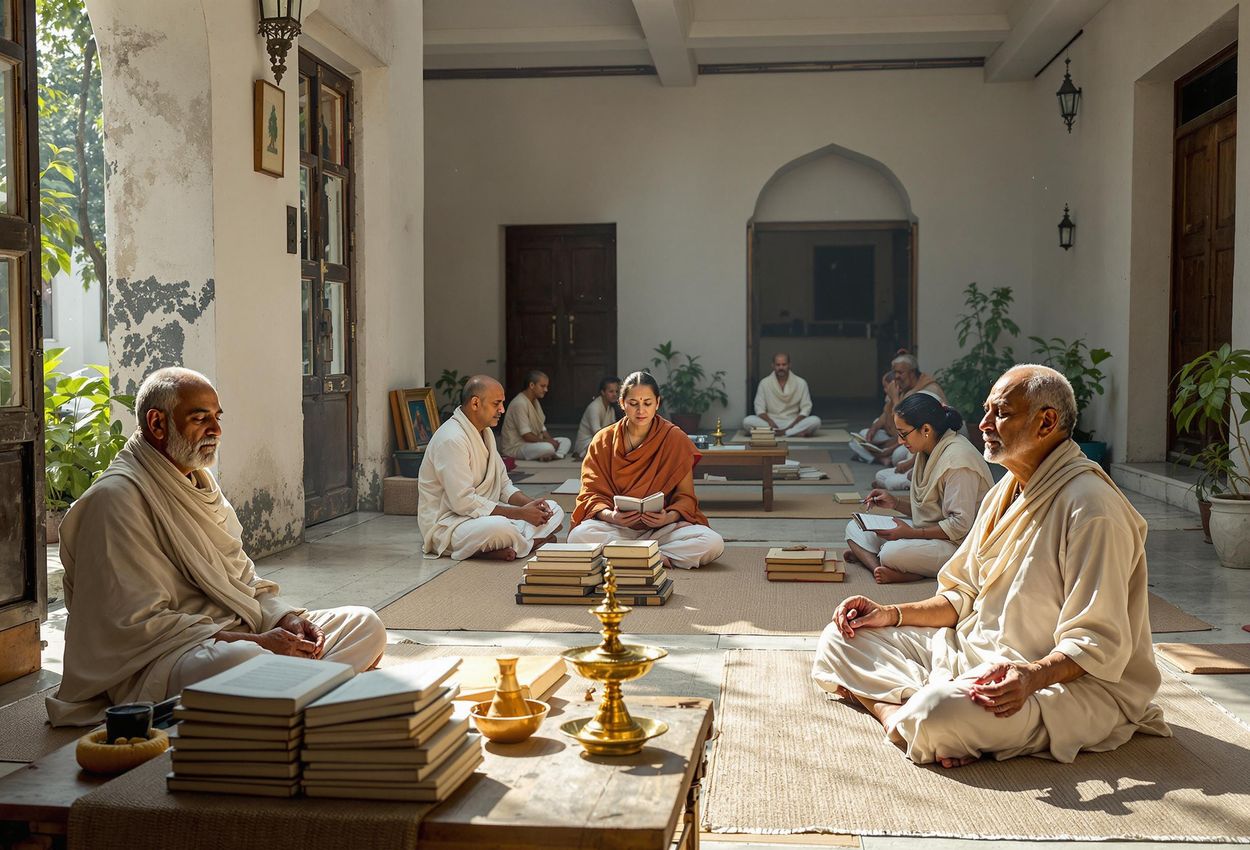
Hidden Gem: Discover the **Ramakrishna Mission Sevashrama**, a charitable organization providing healthcare and support to the needy. This organization embodies the spirit of selfless service and compassion, offering a tangible expression of spirituality in action.
Makar Sankranti A Celeation of the Sun
**Makar Sankranti** is a viant festival celeated in **Varanasi**, marking the transition of the sun into the **Capricorn** zodiac sign. This auspicious occasion is a time of joy, gratitude, and renewal, with rituals and traditions that honor the sun god and celeate the harvest season.
The rituals performed during **Makar Sankranti** are deeply symbolic. Taking a holy dip in the **Ganges** is considered especially auspicious, believed to wash away sins and ing good fortune. Prayers are offered to the sun god, expressing gratitude for his life-giving energy. Flying kites is a popular tradition, with colorful kites filling the sky, symbolizing freedom and joy.
The festive atmosphere of **Makar Sankranti** is infectious. The sky is filled with colorful kites, the streets are bustling with activity, and the air is filled with the aroma of special foods like *khichdi* (a lentil and rice dish) and *til-gud* (sesame and jaggery sweets). Community gatherings are common, with families and friends coming together to celeate and share in the festivities.
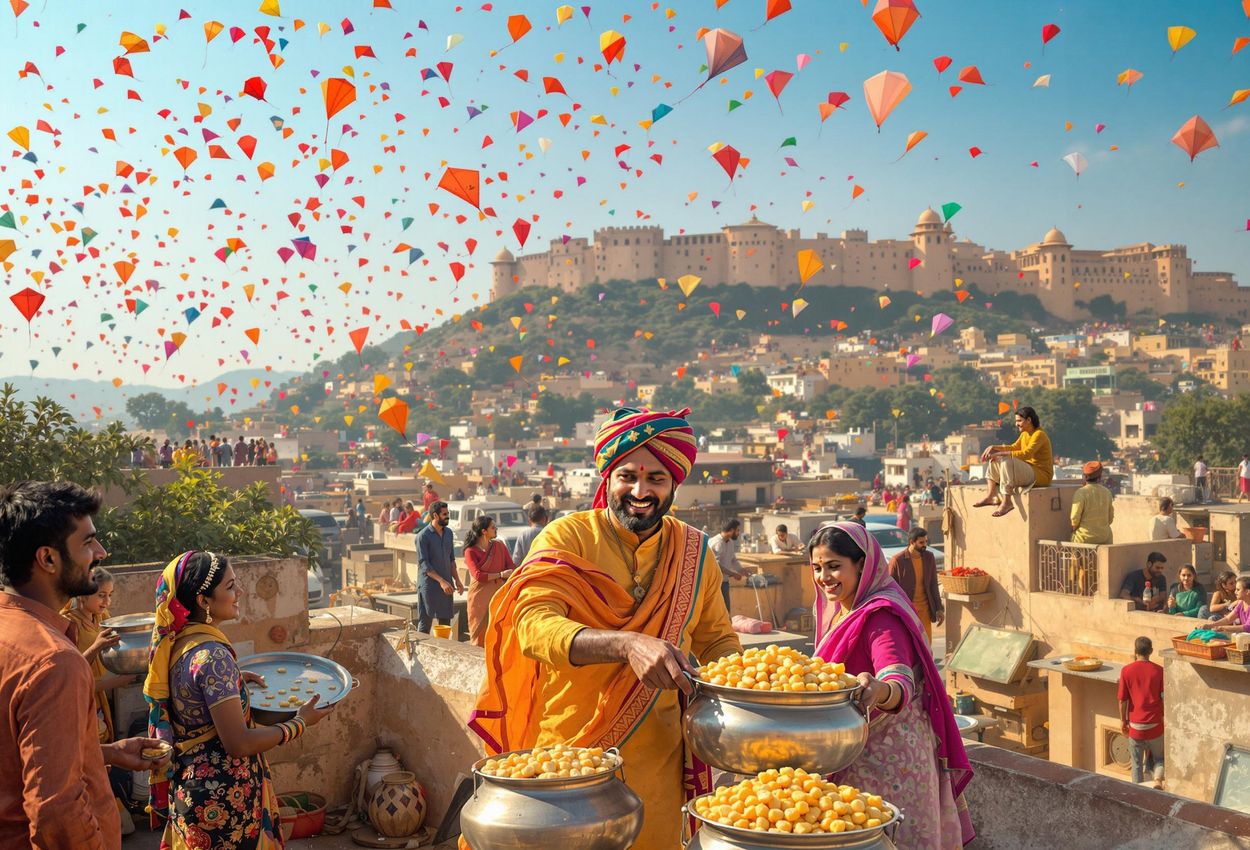
Hidden Gem: Experience the **Khichdi Mela**, a viant gathering at the **Varanasi Ghats** where people distribute *khichdi* as an act of charity. This act of giving embodies the spirit of compassion and community that is central to the celeation of **Makar Sankranti**.
The Ganga Aarti A Spectacle of Light and Sound
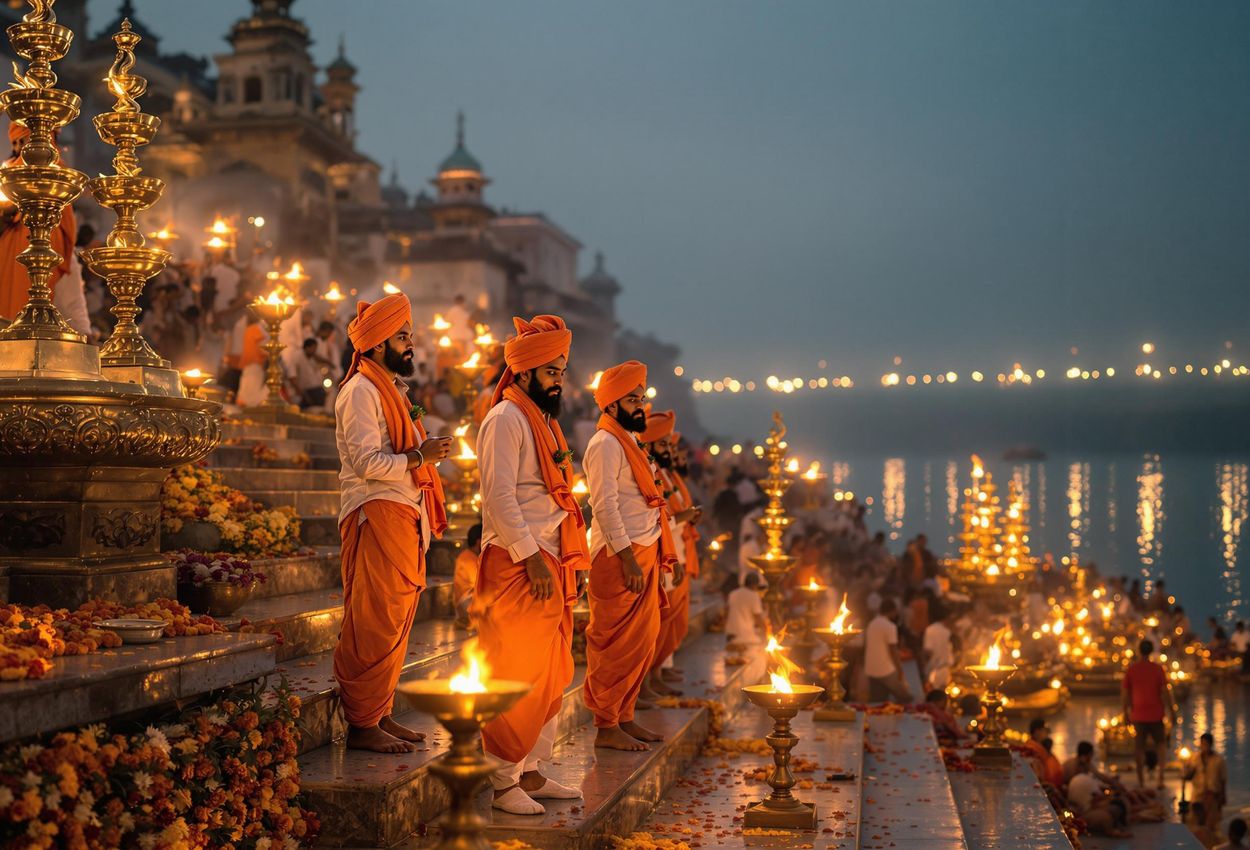
Every evening, as the sun begins its descent, **Dashashwamedh Ghat** transforms into a stage for a mesmerizing spectacle: the **Ganga Aarti**. This elaborate ceremony is a devotional offering to the **Ganges River**, a symphony of light, sound, and movement that captivates the senses and stirs the soul.
The sensory experience of the **Ganga Aarti** is profound. The rhythmic chanting of mantras fills the air, creating a hypnotic atmosphere. The fragrance of incense wafts through the crowd, adding to the sense of reverence. The glow of lamps illuminates the faces of the priests as they perform synchronized movements, their gestures precise and graceful.
The significance of the ritual lies in its offering to the **Ganges**, a gesture of gratitude for her life-giving waters. The priests offer prayers, light lamps, and wave incense, their actions a symbolic representation of devotion and respect.
Hidden Gem: Consider viewing the **Aarti** from a private boat tour for a serene and comfortable vantage point. This allows you to escape the crowds and fully immerse yourself in the spiritual energy of the ceremony.
Beyond the Ghats Exploring Varanasi's Cultural Heritage
While the ghats and temples are undoubtedly the main attractions, **Varanasi's** cultural heritage extends far beyond its religious sites. The city has a rich history as a center of learning, culture, and craftsmanship, with contributions to music, dance, literature, and the arts.
**Varanasi** has long been a hub for the study of **Sanskrit** and **Yoga**, attracting scholars and practitioners from around the world. The city has also produced renowned musicians, dancers, and writers, contributing to India's rich cultural tapestry.
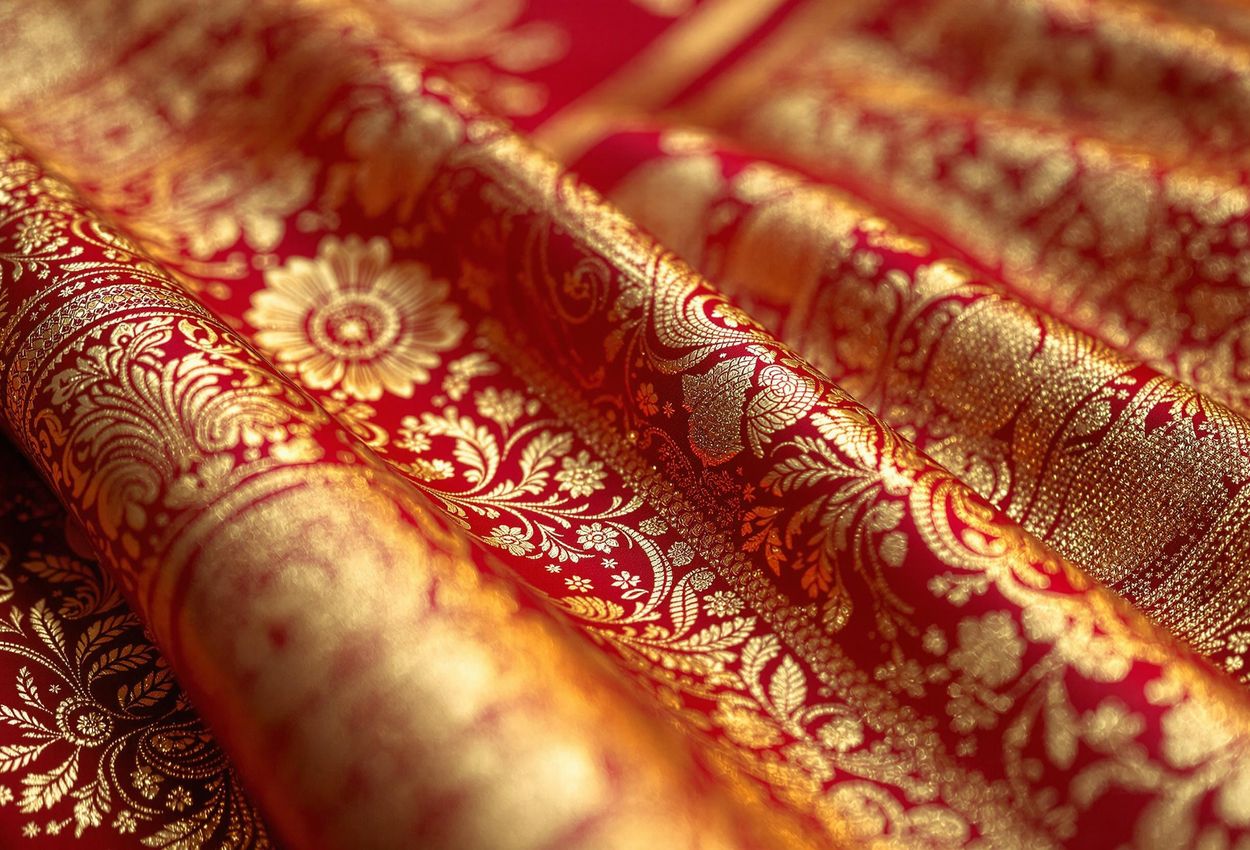
One of **Varanasi's** most exquisite crafts is silk weaving, particularly the creation of **Banarasi** silk saris and ocades. These intricate textiles are prized for their beauty and craftsmanship, often featuring gold and silver threads and elaborate designs. The **Mughal** period marked a transformative phase for **Banarasi** weaving. The arrival of Persian artisans in the 14th century under Emperor **Akbar** introduced intricate floral motifs, Persian-inspired designs, and the *zari* (gold and silver thread) technique.
Hidden Gem: Explore the syncretic tradition of Islamic artisanship that underpins **Varanasi's** religious tourism. Muslim artisans have played a vital role in crafting the materials and objects used in Hindu rituals, demonstrating a unique blend of cultures and traditions.
A Culinary Pilgrimage Savoring Varanasi's Flavors
No journey to **Varanasi** is complete without indulging in its culinary delights. The city's street food scene is legendary, offering a tantalizing array of flavors and aromas that will tantalize your taste buds.
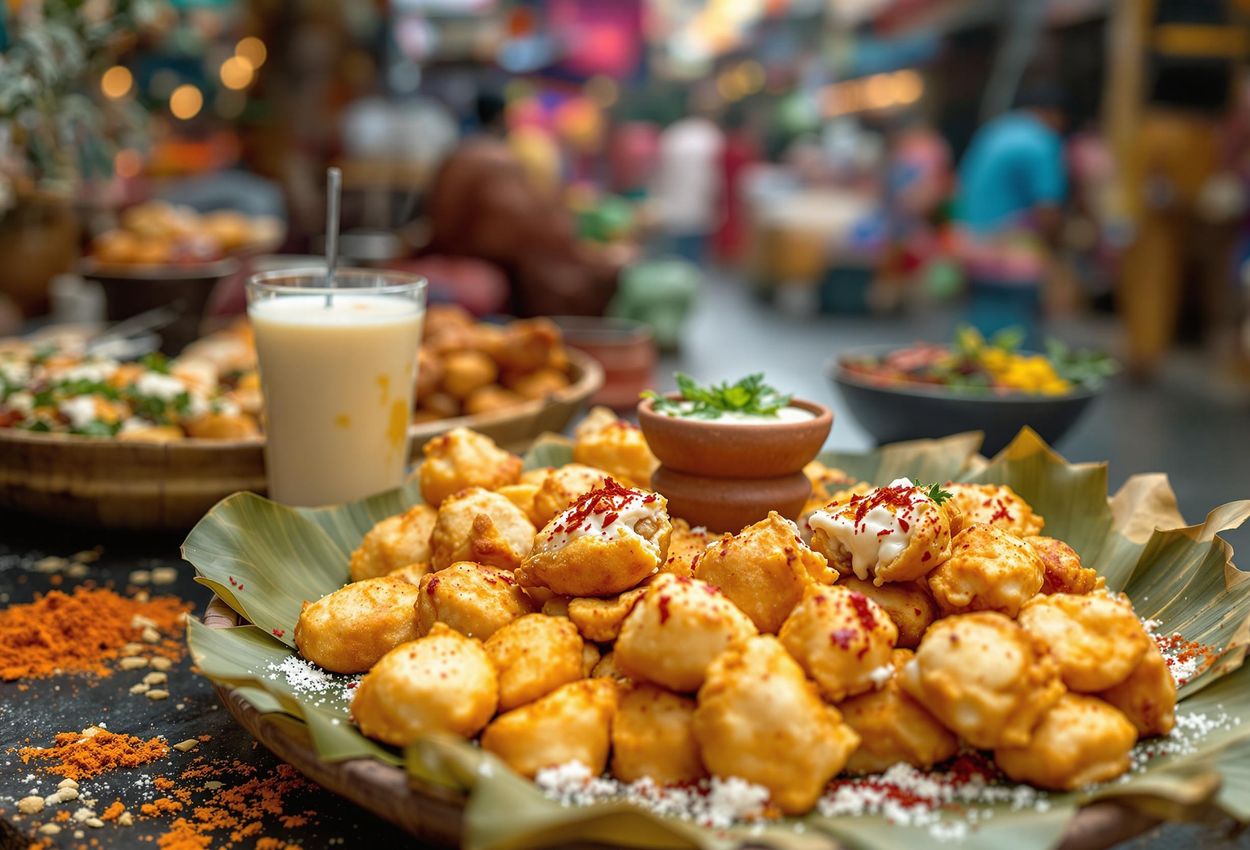
Must-try street food delicacies include *paan* (betel leaf preparation), *chaat* (savory snacks), *lassi* (yogurt-based drink), and *kachori* (deep-fried pastry). Each dish is a unique blend of spices, textures, and flavors, reflecting the city's diverse culinary influences.
For a more refined dining experience, consider enjoying a private dinner on a boat, savoring the flavors of **Varanasi** as you drift along the **Ganges**. Don't miss the opportunity to try *malaiyyo*, a traditional winter dessert made from milk foam, a true local specialty.
Hidden Gem: Discover the unique blend of traditional and contemporary cuisine available in the city's high-end restaurants, such as **Taj Ganges** and **ij Rama Palace**. These establishments offer innovative dishes that showcase the best of **Varanasi's** culinary heritage.
Respectful Travel Navigating Varanasi's Traditions
Experiencing **Varanasi's** spiritual traditions is a privilege, and it's important to do so with respect and sensitivity. By being mindful of local customs and traditions, you can ensure a meaningful and enriching experience for yourself and others.
Dress modestly, especially when visiting temples and ghats. Avoid revealing clothing and opt for loose-fitting garments that cover your shoulders and knees. Ask for permission before taking photos, especially of individuals or during religious ceremonies. Be mindful of your behavior during rituals, avoiding disruptive actions or loud conversations. Maintain decorum at temples and ghats, refraining from public displays of affection or disrespectful gestures.
Hidden Gem: Be aware of the local belief that it’s disrespectful to point your feet at people, religious idols, or sacred objects. This gesture is considered offensive and should be avoided.
Finding Inner Peace A Personal Reflection
**Varanasi** has a way of getting under your skin, challenging your perceptions and stirring your soul. A visit to this ancient city is not just a sightseeing trip; it's an opportunity for personal reflection and transformation.
As you wander through the narrow lanes, witness the rituals on the ghats, and immerse yourself in the city's spiritual atmosphere, allow yourself to be open to new experiences and perspectives. Consider how the lessons of **Varanasi** might apply to your own life, inspiring you to live with greater mindfulness, compassion, and purpose.
**Varanasi's** unique blend of spirituality, culture, and history creates a truly unforgettable experience. It's a city that will stay with you long after you've left, prompting you to reflect on your own journey and the search for inner peace.
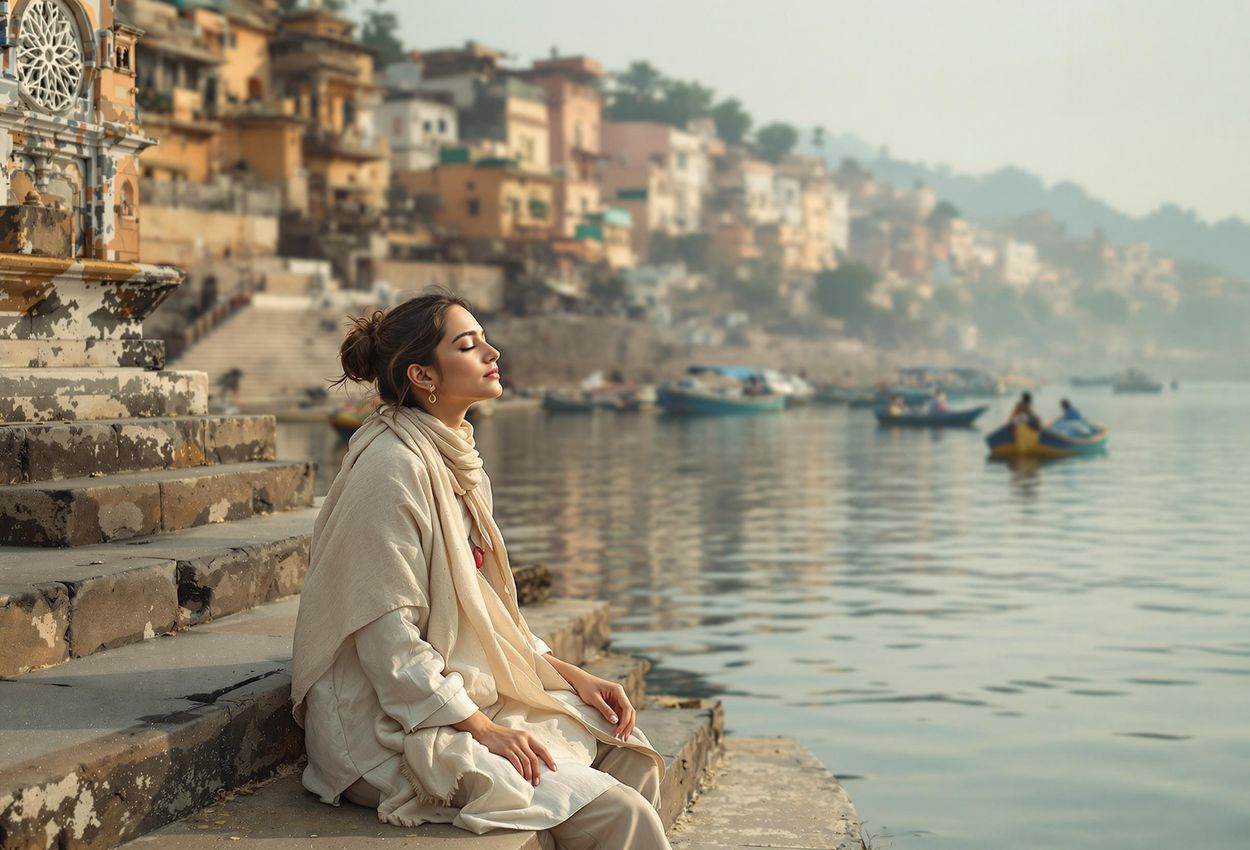
Hidden Gem: Take time for quiet contemplation by the **Ganges**, allowing the river's gentle flow to wash away your worries and anxieties. Emace the present moment and find solace in the city's timeless beauty.