In a world obsessed with speed and instant gratification, a counter-movement is emerging: slow travel. It's a philosophy that invites us to savor the journey, connect with local communities, and appreciate the world around us at a more deliberate pace.
Slow travel is about more than just ticking off destinations on a list; it's about immersing yourself in the culture, connecting with the people, and appreciating the nuances of a place. It's a conscious decision to prioritize quality over quantity, fostering deeper understanding and more meaningful experiences. In contrast to conventional tourism, which often involves rushing from one landmark to another, slow travel encourages a more mindful and intentional approach.
The benefits of slow travel extend far beyond the individual traveler. By supporting local businesses, eating at family-run restaurants, and staying in locally owned accommodations, slow travelers contribute directly to the economic well-being of the communities they visit. This approach also minimizes environmental impact, as it often involves choosing slower modes of transportation, such as trains, buses, or bicycles, over carbon-intensive flights.
Imagine yourself not just seeing the Eiffel Tower, but lingering in a Parisian café, engaging in conversation with locals, and discovering hidden gems far from the tourist trail. Instead of a whirlwind tour of Italy, consider settling into a Tuscan farmhouse, learning to cook traditional dishes, and exploring the surrounding countryside at a leisurely pace. Or picture yourself not just visiting a famous temple in Kyoto, but participating in a traditional tea ceremony, learning the art of calligraphy, and strolling through serene gardens.
Choosing eco-lodges or farm stays that prioritize sustainability and support local communities is another way to embrace slow travel. These accommodations often offer unique opportunities to connect with nature, learn about local farming practices, and contribute to conservation efforts. By making conscious choices about where you stay and how you spend your money, you can ensure that your travels have a positive impact on the environment and the communities you visit.
Ultimately, slow travel is an investment in personal well-being. By slowing down, we create space for reflection, connection, and appreciation. We return home not just with memories, but with a deeper understanding of ourselves and the world around us. It's a way of traveling that nourishes the soul and leaves a lasting positive impact.
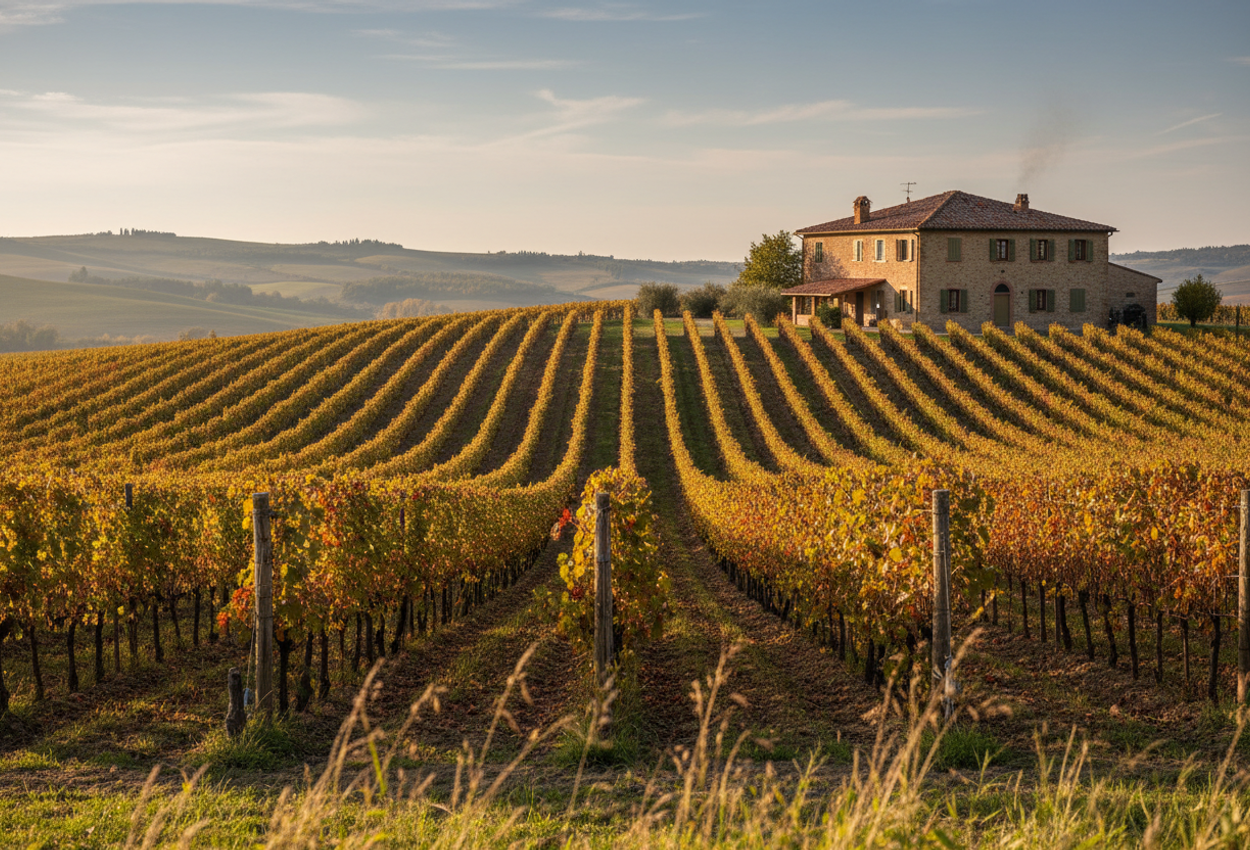
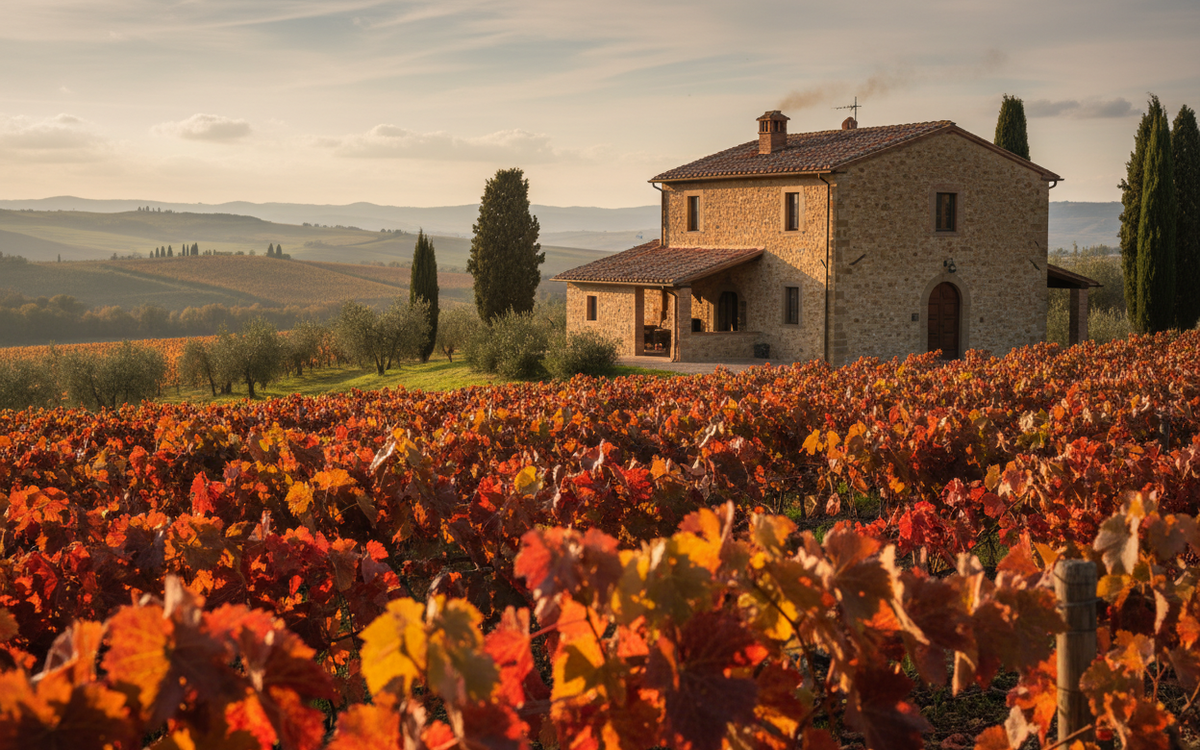
Image Description: A serene landscape featuring rolling hills in Tuscany, Italy. The scene is bathed in the warm, golden light of the late afternoon sun. In the foreground, there are rows of grapevines, meticulously planted and stretching into the distance. A classic Tuscan farmhouse with terracotta roof tiles sits nestled among the hills, smoke gently rising from the chimney. The sky is clear with soft, wispy clouds adding depth to the scene. The overall mood is peaceful and inviting, capturing the essence of slow travel.
Style Instructions: Landscape style, taken with a wide-angle lens to capture the vastness of the Tuscan countryside. The lighting should be soft and natural, emphasizing the warm tones of the landscape. Focus on the details of the grapevines and the texture of the farmhouse. The photo should be taken on October 15, 2026 to capture the autumnal colors.
Choosing Destinations That Whisper 'Slow Down'
Not all destinations are created equal when it comes to slow travel. Some places naturally lend themselves to a more relaxed and immersive experience. When choosing your next slow travel destination, consider places with a rich cultural heritage, stunning natural landscapes, and a strong sense of community.
Tuscany, Italy, with its rolling hills, vineyards, and historic towns, is an obvious choice. Imagine spending your days exploring medieval villages, sampling local wines, and indulging in delicious Tuscan cuisine. You could take a cooking class and learn to prepare traditional dishes, visit local markets and sample regional delicacies, or simply relax by the pool and soak up the Tuscan sun. The possibilities are endless.
Specific activities that exemplify slow travel in Tuscany include wine tasting in the Chianti region, exploring the medieval towers of San Gimignano, and wandering through the picturesque streets of Montepulciano. Consider staying in an agriturismo, a farmhouse that offers accommodation and meals, for a truly immersive experience.
Kyoto, Japan, offers a different but equally compelling slow travel experience. This ancient city is home to countless temples, gardens, and tea houses, each offering a glimpse into Japan's rich cultural heritage. Spend your days exploring serene Zen gardens, participating in traditional tea ceremonies, and learning the art of calligraphy.
Specific activities that exemplify slow travel in Kyoto include visiting the Fushimi Inari Shrine with its thousands of vermillion torii gates, strolling through the Arashiyama bamboo grove, and exploring the historic Gion district, known for its traditional tea houses and geishas. Consider staying in a traditional ryokan, a Japanese inn, for an authentic cultural experience.
Alleppey (Alappuzha), India, offers a unique slow travel experience centered around its serene backwaters. This coastal town in Kerala is known for its intricate network of canals, lagoons, and lakes, offering a glimpse into a water-bound way of life. Spend your days cruising the backwaters on a traditional houseboat, exploring local markets, and visiting ancient temples.
Specific activities that exemplify slow travel in Alleppey include taking a houseboat cruise through the backwaters, exploring the local markets for spices and handicrafts, and visiting the Krishnapuram Palace, known for its traditional Kerala architecture and murals. Consider staying in a homestay for a more intimate and authentic experience.
Local Tip: For a unique experience in Alleppey, try taking a public ferry through the backwaters. It's a much cheaper alternative to a houseboat and offers a glimpse into the daily life of the local communities.
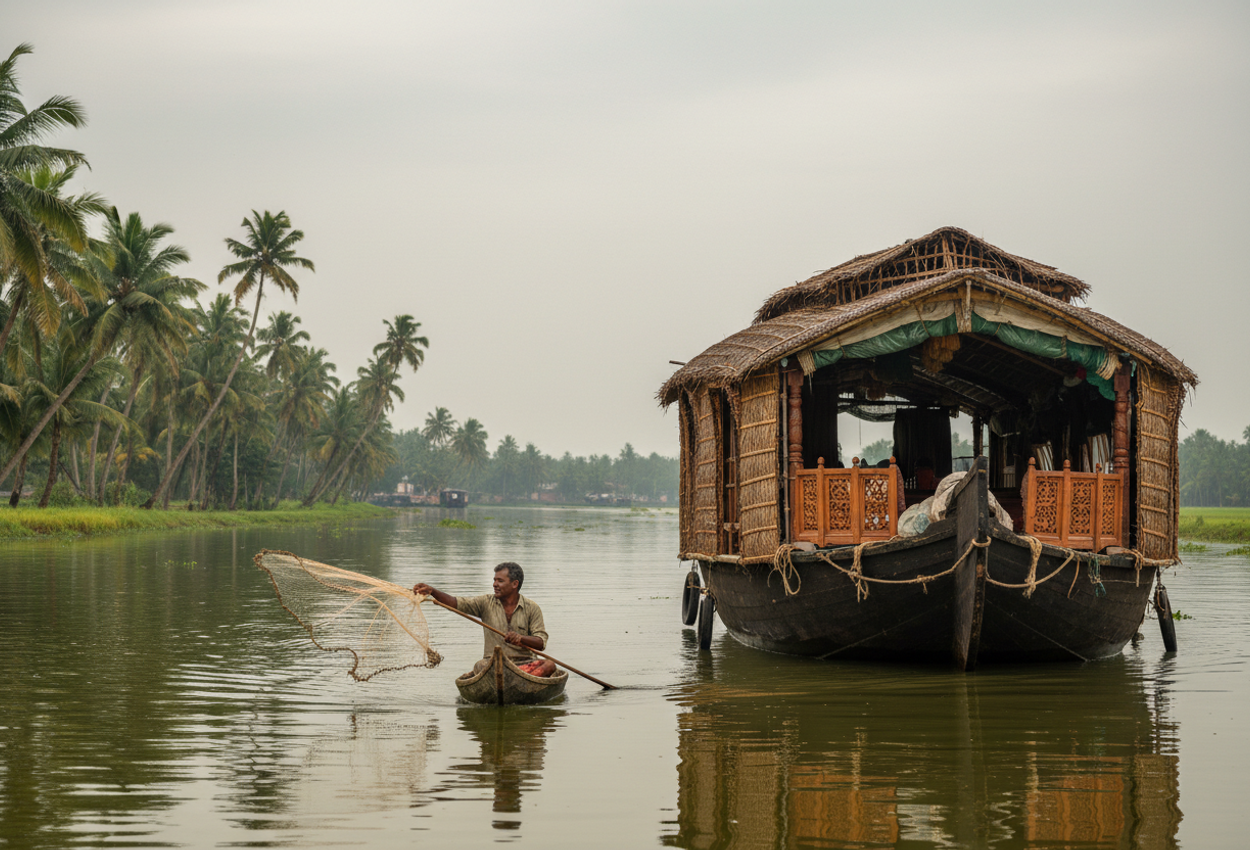
Image Description: A serene image of a traditional wooden houseboat gently gliding along the calm backwaters of Alleppey, India. The boat is adorned with intricate carvings and a thatched roof. Lush green vegetation lines the banks of the canal, with coconut trees swaying gently in the breeze. The sky is soft and overcast, creating a diffused light that enhances the tranquility of the scene. A local fisherman is casting his net from a small canoe nearby, adding a touch of authenticity to the image.
Style Instructions: Serene style, taken with a telephoto lens to compress the scene and emphasize the depth of the backwaters. The lighting should be soft and diffused, creating a peaceful and calming atmosphere. Focus on the details of the houseboat and the surrounding vegetation. The photo should be taken on January 10, 2026 to capture the winter atmosphere.
Connecting with Locals: The Heart of the Journey
One of the most rewarding aspects of slow travel is the opportunity to connect with local communities. By engaging with the people who call a place home, you gain a deeper understanding of their culture, traditions, and way of life.
A simple way to foster these connections is by choosing locally owned accommodations. Staying in a family-run guesthouse or a locally owned bed and breakfast allows you to interact with your hosts, learn about their experiences, and gain insider tips on the best places to visit and eat. Eating at family-run restaurants is another great way to support local businesses and sample authentic cuisine. These establishments often use fresh, locally sourced ingredients and offer a more intimate and personal dining experience.
Participating in community events is a fantastic way to immerse yourself in the local culture. Attend a local festival, visit a farmers market, or take a cooking class. These events provide opportunities to meet locals, learn about their traditions, and share in their celebrations. Learning basic phrases in the local language can significantly enhance your interactions and demonstrate respect. Even a few simple greetings and expressions of gratitude can go a long way in building rapport and fostering meaningful connections.
Volunteering is a powerful way to contribute positively to the communities you visit and gain deeper insights into their challenges and triumphs. Whether you're helping to build a school, clean up a park, or teach English, volunteering allows you to connect with locals on a meaningful level and make a tangible difference.
Local Tip: Don't be afraid to strike up conversations with locals. Ask for recommendations, share your own experiences, and be open to learning from others. You might be surprised at the connections you make and the insights you gain.
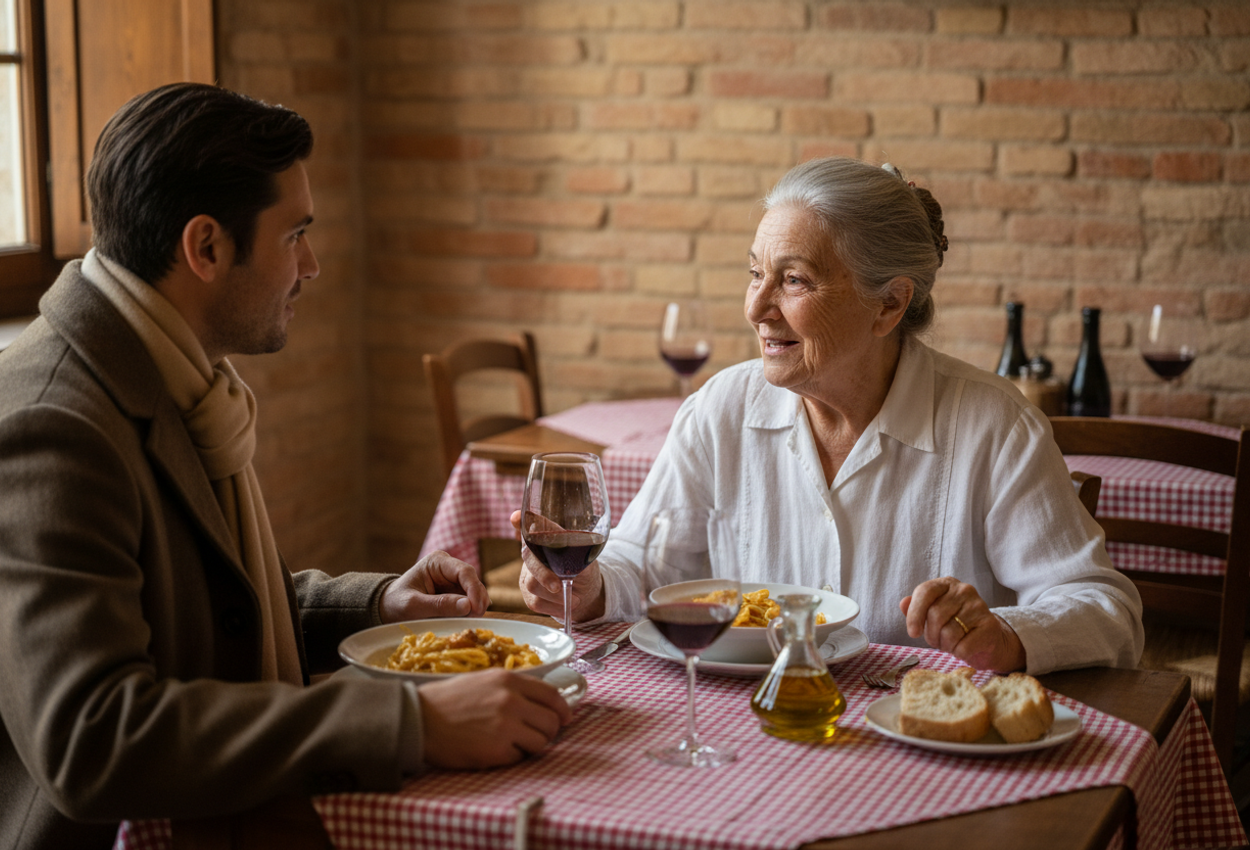
Image Description: A candid shot of a traveler sitting at a small, family-run restaurant in Tuscany, Italy. The traveler is engaged in a lively conversation with the restaurant owner, an elderly woman with a warm smile. The table is set with a checkered tablecloth, and there are plates of pasta and glasses of wine on the table. The restaurant is cozy and inviting, with exposed brick walls and rustic wooden furniture. The scene captures the essence of connecting with locals through shared meals and genuine conversation.
Style Instructions: Candid style, taken with a shallow depth of field to focus on the faces of the traveler and the restaurant owner. The lighting should be warm and inviting, emphasizing the cozy atmosphere of the restaurant. The photo should be taken on January 5, 2026 to capture the winter ambiance.
Embracing Spontaneity: Letting the Road Guide You
In the realm of slow travel, flexibility and spontaneity are key. While it's helpful to have a general idea of where you want to go and what you want to see, it's important to remain open to unexpected opportunities and be willing to deviate from rigid plans.
Embracing spontaneity can lead to some of the most rewarding travel experiences. Imagine stumbling upon a hidden gem, a local festival, or a breathtaking vista that you would have missed if you had stuck to your original itinerary. These unexpected discoveries often provide the most authentic and memorable moments of your journey.
To stay connected while being spontaneous, consider using an eSIM, which allows you to easily access local data without the hassle of swapping SIM cards. This can be particularly useful for navigating unfamiliar areas, finding local restaurants, and staying in touch with loved ones.
Local Tip: Talk to locals and ask for recommendations. They often know about hidden gems and off-the-beaten-path attractions that you won't find in guidebooks. Be open to their suggestions and willing to try new things.
Embracing spontaneity doesn't mean abandoning all planning. It simply means being willing to adjust your plans as you go and embrace the unexpected. By letting the road guide you, you'll open yourself up to a world of possibilities and create memories that will last a lifetime.

Image Description: A traveler standing at a crossroads in a charming village in Kyoto, Japan. The traveler is looking at a traditional Japanese map, a slight smile on their face, as if contemplating which path to take. The village is quaint and picturesque, with wooden houses, paper lanterns, and cherry blossom trees in full bloom. The sky is clear and blue, and the sun is shining brightly. The scene captures the essence of embracing spontaneity and letting the road guide you.
Style Instructions: Street style, taken with a medium focal length lens to capture the details of the traveler and the surrounding village. The lighting should be natural and bright, emphasizing the vibrant colors of the scene. Focus on the traveler's expression and the details of the map. The photo should be taken on April 1, 2026 to capture the cherry blossoms in full bloom.