Cusco, Peru, prepares to celebrate Inti Raymi on June 24th, 2026, a spectacle that transcends time, inviting travelers to immerse themselves in the vibrant heart of Inca heritage.
Inti Raymi, meaning 'Festival of the Sun' in Quechua, is more than a re-enactment; it's a vibrant revival of an ancient Inca religious ceremony honoring Inti, their Sun God. Celebrated every June 24th in Cusco, Inti Raymi marks the winter solstice and the Inca New Year, a time when the hours of sunlight begin to lengthen again. Declared Cultural Patrimony of the Nation in 2001, the modern festival is a theatrical performance featuring over 800 artists adorned in traditional Inca garments, bringing history to life through music, dance, and ritual.
Imagine the crisp Andean air filled with the sound of panpipes and drums, the sight of colorful textiles swirling in elaborate dances, and the scent of traditional foods wafting through the streets. Inti Raymi offers a multi-sensory experience, a chance to witness the living legacy of the Inca Empire. The festival is not merely a show but a profound cultural event that resonates with the spirit of the Andes.
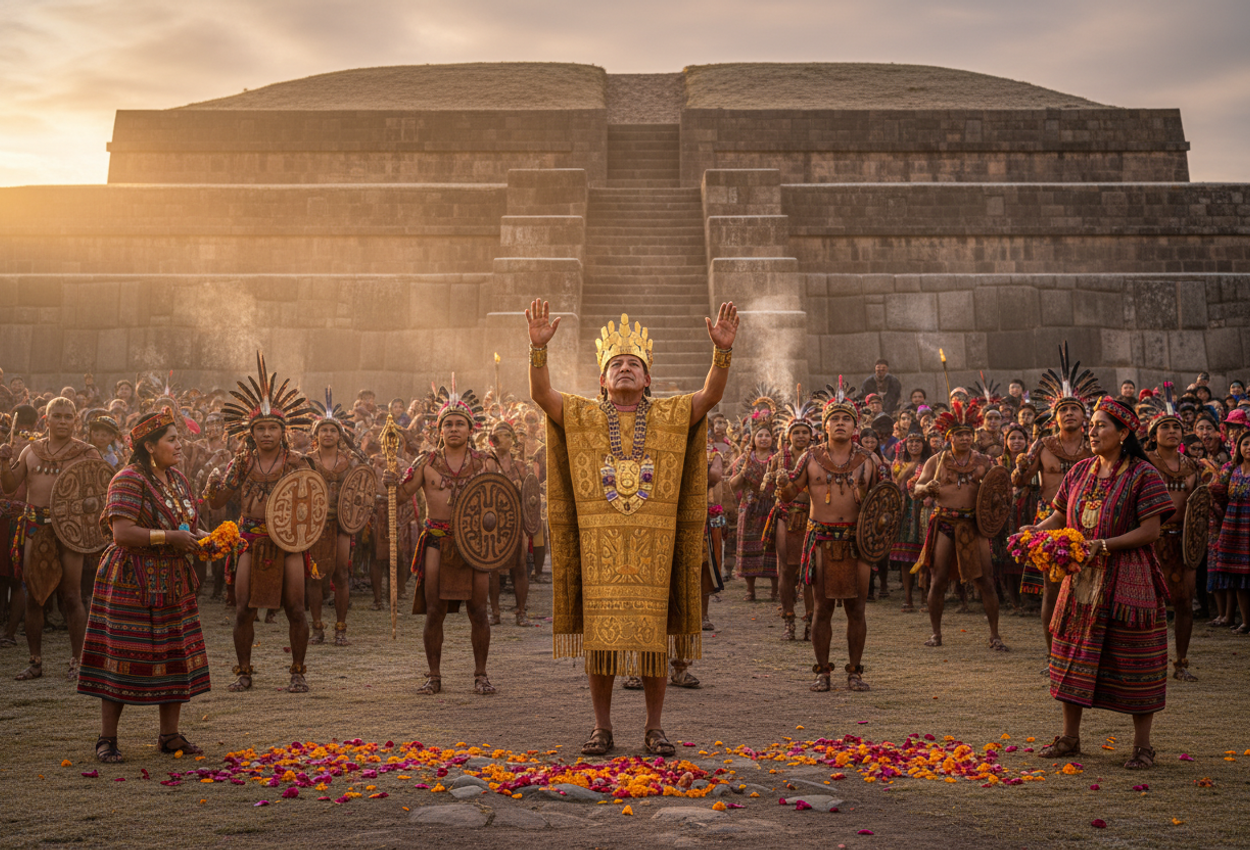
Journey Through Time: The Historical Tapestry of Inti Raymi
Established by Inca Pachacutec around 1430, Inti Raymi's origins are deeply intertwined with the Inca Empire. The festival served to honor Inti, thank him for the harvest, and seek his blessings for the coming year. The Incas performed special dances from dawn to dusk, using coca leaves and drinking chicha as part of their ritual. This grand celebration lasted for nine days and was filled with ceremonies, dances, processions, and food.
However, the vibrant tradition was suppressed by the Spanish colonists in the 16th century, who considered it a pagan festival. The last Inti Raymi with the Inca Emperor's presence occurred in 1535, marking a temporary end to the public celebration. Yet, the spirit of Inti Raymi remained, waiting for a chance to be rekindled.
In 1944, Faustino Espinoza Navarro, a Quechua writer, actor, and director, spearheaded the revival of Inti Raymi. His meticulous research and vivid recreation of the original festival restored pride and identity to the Quechua people. Since then, Inti Raymi has grown into a major public event, attracting thousands of visitors and becoming an integral part of Peru's cultural patrimony.
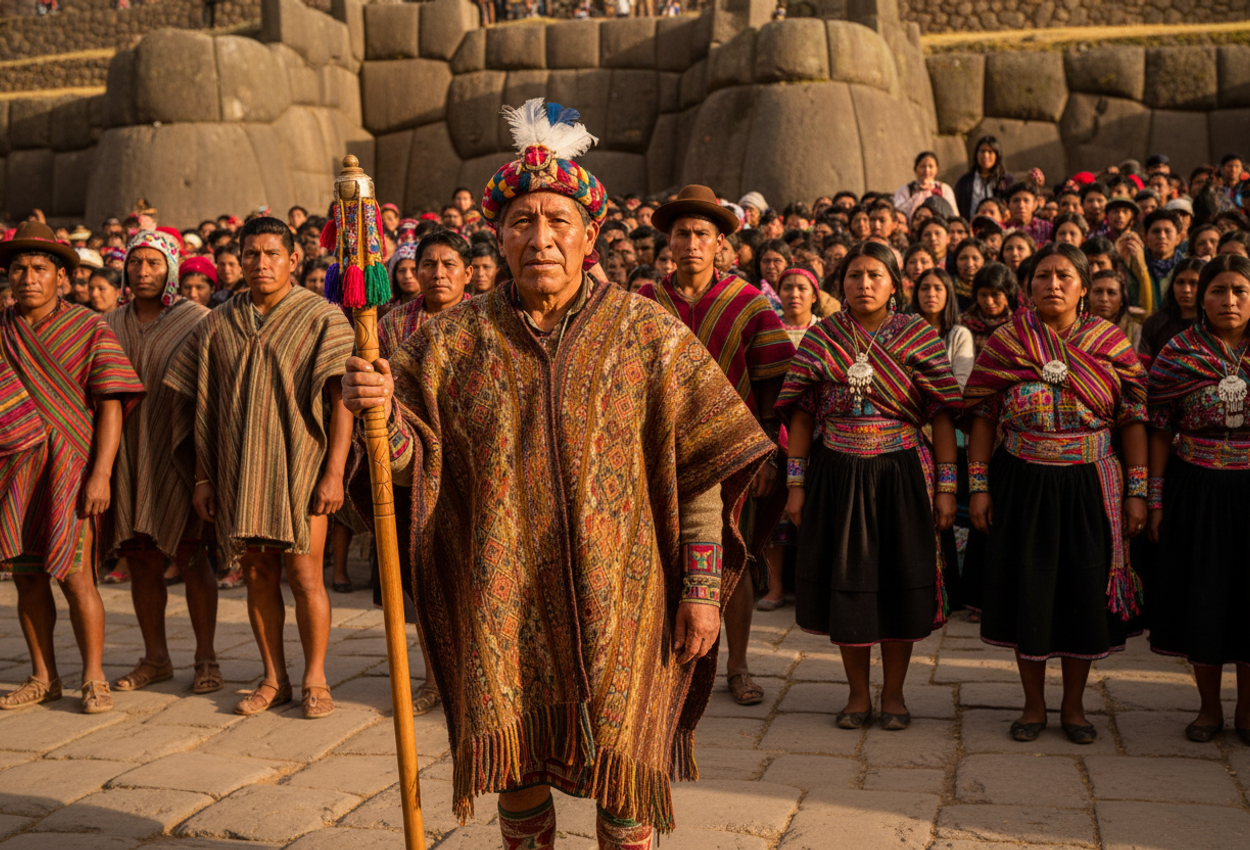
Cusco's Transformation: A City Ablaze with Inca Spirit
During Inti Raymi, Cusco undergoes a remarkable transformation, becoming a stage where the past comes to life. The city's atmosphere is electric, with parades, dances, and traditional music filling the streets. The vibrant 'wiphala,' the rainbow flag symbolizing Tahuantinsuyu, the Inca Empire, is proudly displayed throughout the city.
Craft fairs spring up, offering handmade products and local art, allowing visitors to take a piece of Inca culture home with them. The air is filled with anticipation as locals and tourists alike prepare to witness the grand spectacle. The energy of the city is palpable, a blend of reverence for the past and excitement for the present celebration.
The Plaza de Armas, Cusco's main square, becomes a focal point, where the Inca and the city's mayor meet to discuss the province's future, a symbolic gesture of continuity and respect for tradition. This transformation is not merely decorative; it's a profound immersion into the Inca spirit, inviting everyone to partake in the cultural richness of the Andes.
The Sun's Pilgrimage: A Three-Act Spectacle
Inti Raymi unfolds in three main stages, each at a significant historical location: Qorikancha, the Plaza de Armas, and Sacsayhuaman. The festival begins at Qorikancha (Temple of the Sun), where the Inca makes his appearance to greet the sun, a poignant moment of reverence and gratitude. The air is filled with music played on quenas (flutes) and drums.
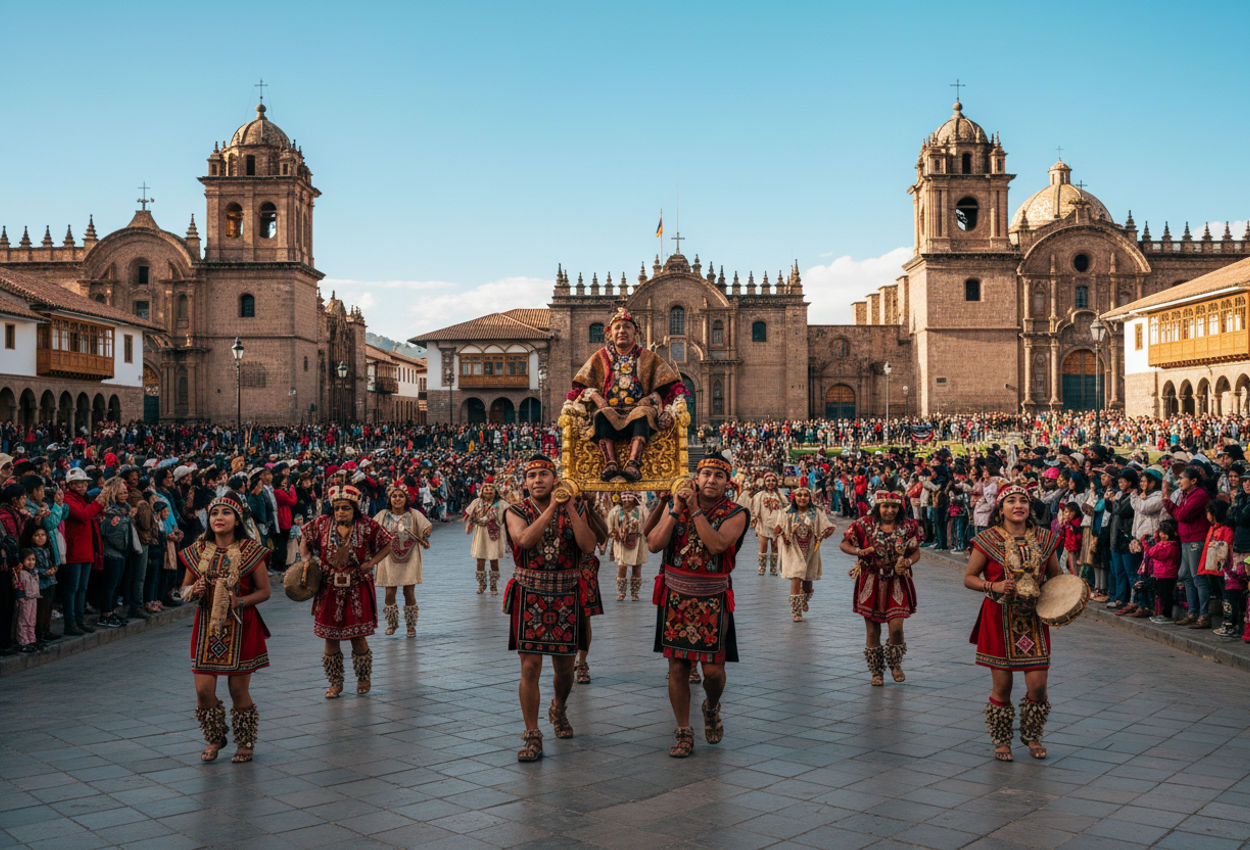
The procession then moves to the Plaza de Armas, where the Inca is carried on a golden litter, a symbol of his power and divine connection. Here, the Inca and the Coya (his wife) are paraded around the plaza. The final and grandest act takes place at Sacsayhuaman, a fortress overlooking Cusco, where the central ceremony unfolds.
At Sacsayhuaman, rituals, prayers, and a symbolic llama sacrifice are performed, all in the Quechua language. This elaborate theatrical performance lasts approximately two hours, captivating thousands of spectators. The reenactment includes a symbolic offering to Inti, the sun god, and Pachamama, or Mother Earth.

Dances of the Suyos: A Kaleidoscope of Cultures
At Sacsayhuaman, the dances of the four Suyos (Collasuyo, Chinchaysuyo, Antisuyo, and Contisuyo) showcase the cultural diversity within the Inca Empire. Each Suyo performs a characteristic dance with vibrant costumes and music, reflecting their unique traditions and heritage. These dances are not mere entertainment; they are expressions of identity, history, and connection to the land.
The rhythmic steps, the colorful textiles, and the haunting melodies create a kaleidoscope of cultures, each contributing to the rich tapestry of Inti Raymi. The dancers move with grace and precision, embodying the spirit of their ancestors and sharing their cultural legacy with the audience. The performances narrate stories from the Inca era, from battles to fertility rituals.
These artistic expressions provide a comprehensive view of Inca culture, highlighting the diversity and unity of the empire. The dances of the Suyos are a testament to the enduring power of tradition and the vibrant cultural heritage of the Andes.

Beyond the Spectacle: Immersive Experiences for the Traveler
For travelers seeking an immersive experience beyond the spectacle, Inti Raymi offers numerous opportunities to connect with local culture. Attending open rehearsals allows a sneak peek into the performers' dedication and preparation. Experiential tourism opportunities abound, from weaving and preparing traditional foods to participating in offerings to Pachamama in local communities.
Visiting local markets provides a chance to sample traditional cuisine like chiri uchu (a spicy cold dish) and chicha de jora (a traditional fermented corn beverage). Engage with the locals, learn about their customs, and partake in the spirit of community that defines Inti Raymi. Consider staying in Cusco for at least 3 to 4 days to fully experience the atmosphere and adjust to the altitude.
By venturing beyond the main events, travelers can discover the true essence of Inti Raymi: a living tradition that continues to shape the cultural landscape of the Andes. This is where the heart of the festival truly lies, in the shared experiences and connections forged between visitors and the local communities.
As the sun sets on Inti Raymi, the echoes of ancient traditions linger in the air, creating a lasting impression on all who attend. The festival is more than a spectacle; it is an invitation to connect with the soul of the Andes, to celebrate the enduring legacy of the Inca Empire, and to witness the vibrant cultural heritage of Peru. Inti Raymi is an unforgettable journey into the heart of tradition, a celebration that will leave you spellbound and yearning for more.