Escape the bustling tourist trails of Kyoto and discover a world of tranquility and authentic Japanese culture in its quiet corners.
Venture beyond the iconic temples and crowded streets to find a Kyoto that whispers its secrets to those who seek a deeper connection. This is a journey for the soul, a chance to immerse yourself in the traditions, crafts, and flavors that define the heart of Japan, far from the well-trodden path.
Whispers of the Past: Exploring Gion's Hidden Alleys
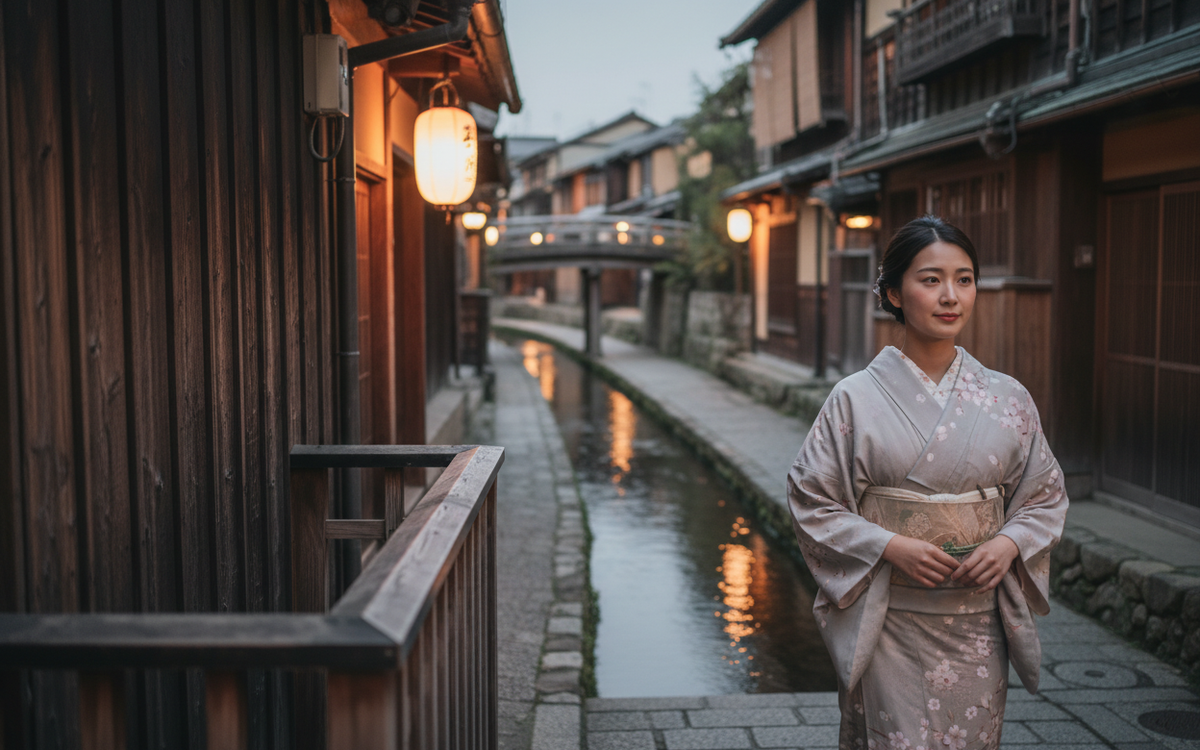
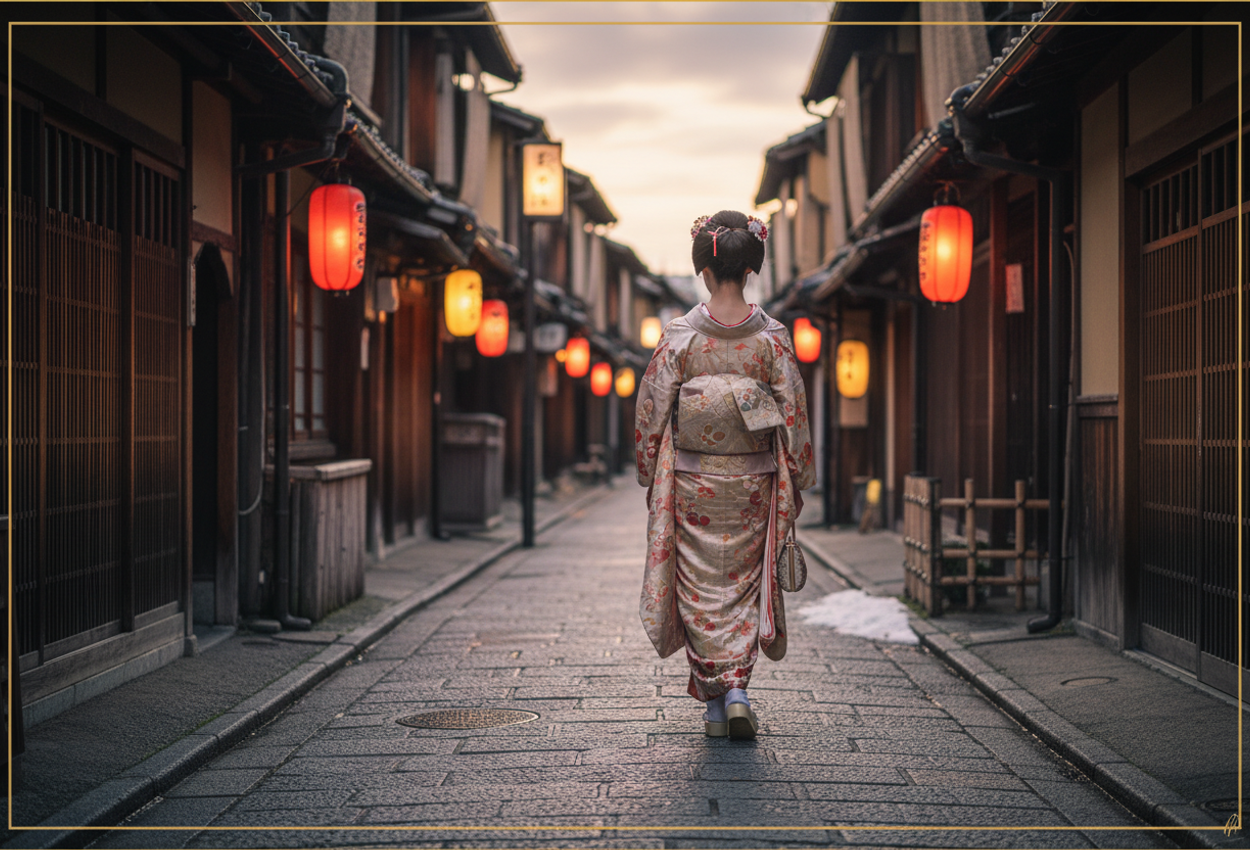
Gion, Kyoto's famed geisha district, is a mesmerizing blend of history and artistry. While the main streets teem with visitors hoping for a glimpse of a geisha, the true magic lies in the labyrinthine network of hidden alleys that weave behind the main thoroughfares. These narrow lanes offer a glimpse into a more intimate and authentic side of Gion, where the echoes of the past resonate in the soft glow of paper lanterns and the gentle murmur of the Shirakawa Canal.
Seek out quieter streets like Shinbashi Street, where meticulously preserved machiya houses line the cobblestone পথ, their wooden facades exuding an understated elegance. The soft light filtering through the paper screens creates an ethereal ambiance, transporting you back to a bygone era. The gentle murmur of the Shirakawa Canal adds to the serene atmosphere, its waters reflecting the traditional architecture like a living painting.
The Tatsumi Bridge, a small, unassuming wooden bridge arching over the canal, is a particularly picturesque spot. It's a place where time seems to slow, inviting quiet contemplation. The distant sound of shamisen music, carried on the breeze from a nearby teahouse, adds to the enchanting atmosphere.
Local Tip: Observe geishas and maikos with respect. They are not tourist attractions, but rather artists dedicated to their craft. Avoid blocking their path or taking intrusive photos. A respectful nod or a discreet smile is the best way to acknowledge their presence.
Venture deeper into the alleys, and you might discover a hidden teahouse offering a private tea ceremony. These intimate gatherings provide a unique opportunity to experience the art of tea in its most authentic form, guided by a knowledgeable tea master who will share the history and philosophy behind this ancient ritual.
The Soul of Tea: Experiencing an Authentic Ceremony in Uji
A short train ride south of Kyoto lies Uji, the revered tea capital of Japan. Here, the air is thick with the aroma of freshly picked tea leaves, and the rolling hills are carpeted with meticulously cultivated tea fields. Uji is more than just a place; it's an experience, a journey into the heart of Japanese tea culture.
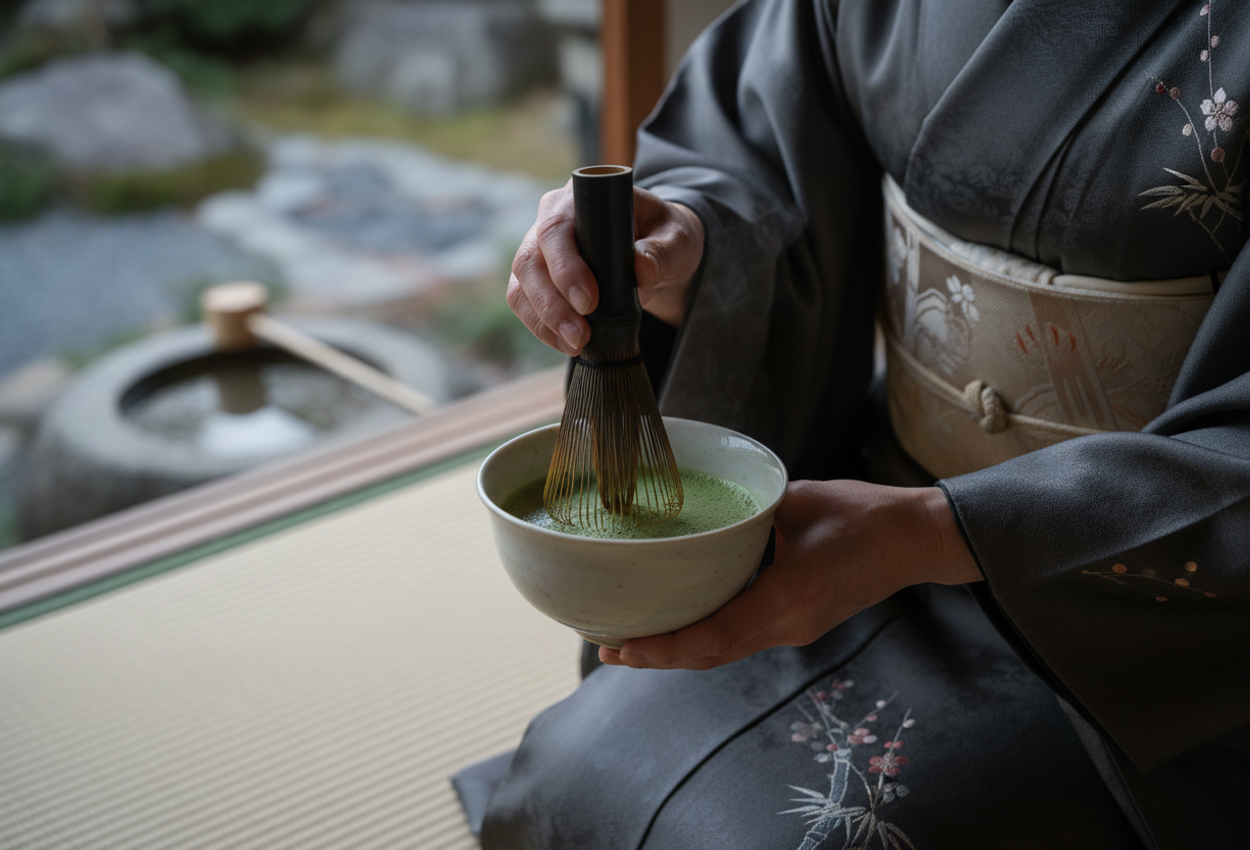
Participate in a traditional tea ceremony at a local tea farm, such as the Taiho Tea Farm, and discover the spiritual and meditative aspects of this ancient ritual. The tea ceremony, or *chado*, is a carefully choreographed performance, each gesture imbued with meaning and intention. From the precise folding of the silk cloth to the gentle whisking of the matcha, every movement is designed to create a moment of perfect harmony and tranquility.
The tea master will guide you through the specific steps of the ceremony, explaining the importance of each gesture and the significance of the tools used. You'll learn how to appreciate the subtle flavors of the matcha, the vibrant green powder that is the heart of the ceremony. As you sip the tea, allow yourself to be fully present in the moment, embracing the quietude and simplicity of the ritual.
After the ceremony, take time for quiet reflection at the Byodo-in Temple, a UNESCO World Heritage site. The Phoenix Hall, with its elegant architecture and serene surroundings, is a testament to the enduring beauty of Japanese design.
Hidden Gem: Embrace the concept of *wabi-sabi*, the Japanese aesthetic that finds beauty in imperfection. The tea ceremony embodies this philosophy, celebrating the natural flaws and unique character of each tea bowl.
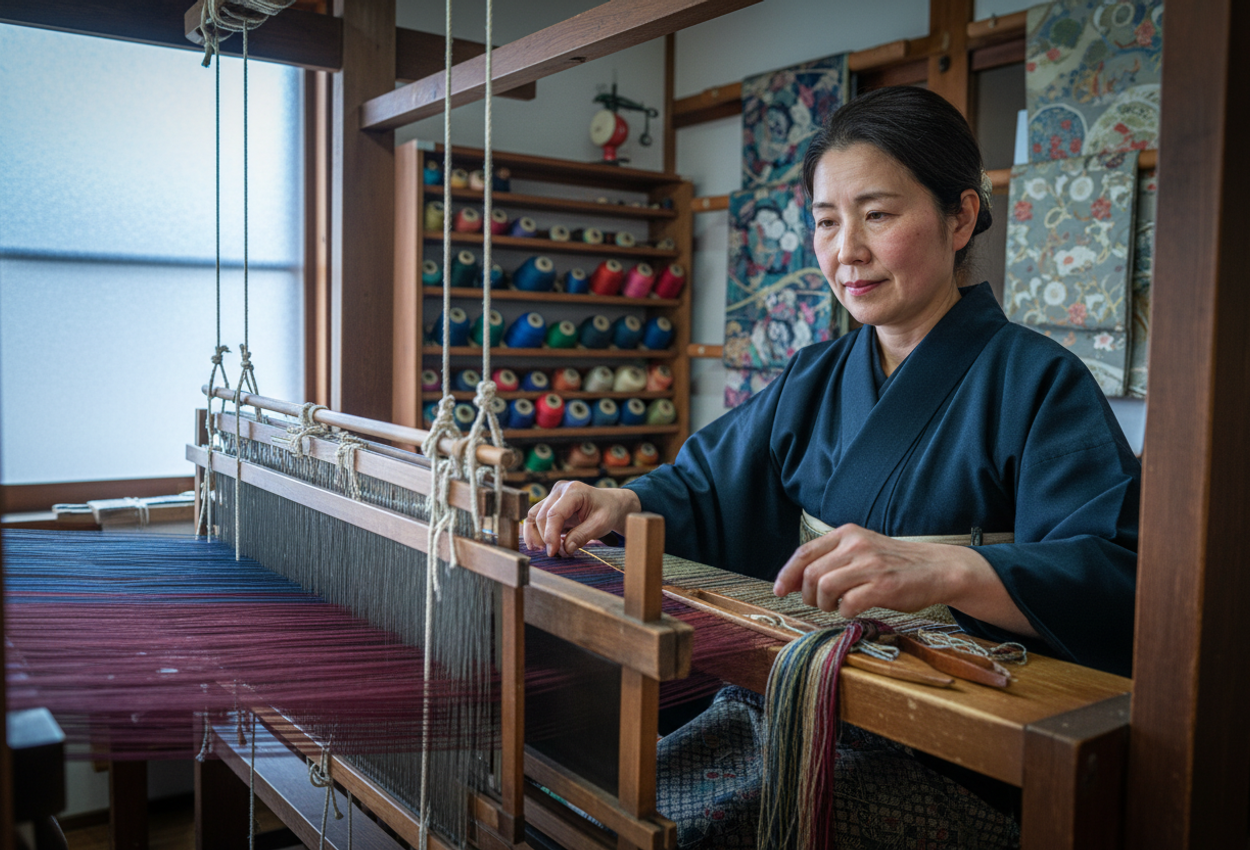
Artisan's Touch: Discovering Traditional Craft Workshops in Nishijin
Venture into the Nishijin district, renowned for its exquisite textiles and the intricate art of Nishijin-ori weaving. This is a place where tradition is not just preserved but actively practiced, where skilled artisans dedicate their lives to mastering ancient techniques.
Visit the Orinasukan workshop, housed in a renovated weaver's townhouse, and witness the magic of Nishijin-ori weaving firsthand. The rhythmic clatter of the looms fills the air as artisans meticulously create intricate patterns with silk threads, transforming simple materials into works of art.
At the Masashige Dye Studio, discover the vibrant world of Yuzen dyeing, a technique used to create stunning patterns on silk fabrics. Watch as artisans skillfully apply dyes to the fabric, using stencils and brushes to create intricate designs that seem to come alive with color.
Local Tip: Visit the Nishijin Textile Center to admire the artistry of Nishijin-ori weaving. Here, you can see a wide range of textiles on display, from traditional kimonos to contemporary designs, and learn about the history and techniques behind this ancient craft.
Seek out a lesser-known shop selling handcrafted paper umbrellas, delicate works of art that combine functionality with exquisite design. These umbrellas are not just practical items but also symbols of Japanese aesthetics, showcasing the beauty of simplicity and craftsmanship.
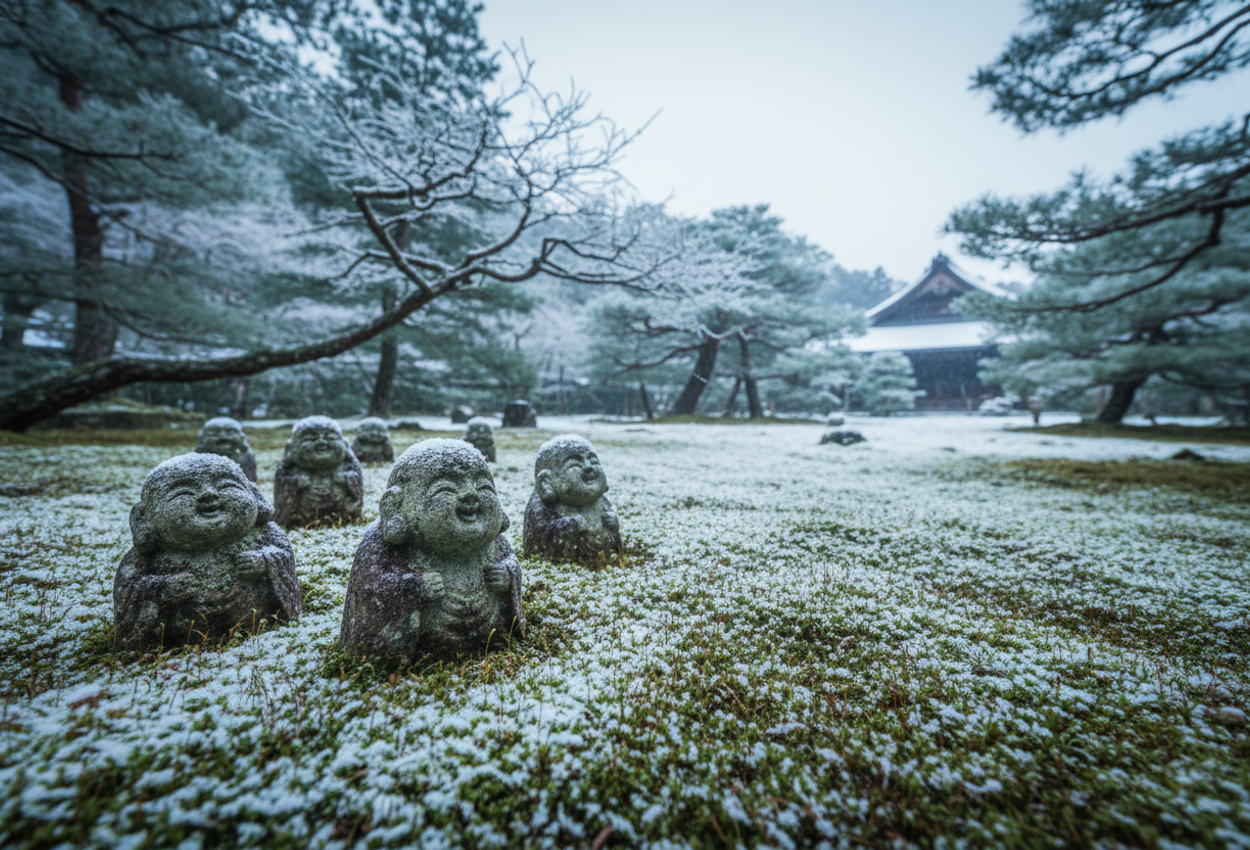
Spiritual Sanctuaries: Finding Serenity in Ohara's Temples
Escape the city bustle and journey to Ohara, a serene mountain village nestled in the hills north of Kyoto. This tranquil retreat is home to ancient temples and lush gardens, offering a sanctuary for those seeking peace and contemplation.
The path to Sanzen-in Temple winds through a verdant landscape, leading you to a world of moss-covered gardens and serene Jizo statues. The moss garden is a masterpiece of natural design, its velvety surface punctuated by the gentle forms of ancient trees and the playful expressions of the Jizo statues, guardians of travelers and children.
Visit Jakko-in Temple, rebuilt after a fire, and discover its connection to the tragic tale of Empress Kenreimon-in. This temple, with its serene atmosphere and historical significance, offers a glimpse into the resilience of the human spirit.
Hidden Gem: Savor the local flavors of Ohara by sampling the regional vegetables and pickles sold in the village. Enjoy a vegetarian lunch at a local restaurant, savoring the freshness and simplicity of the ingredients.
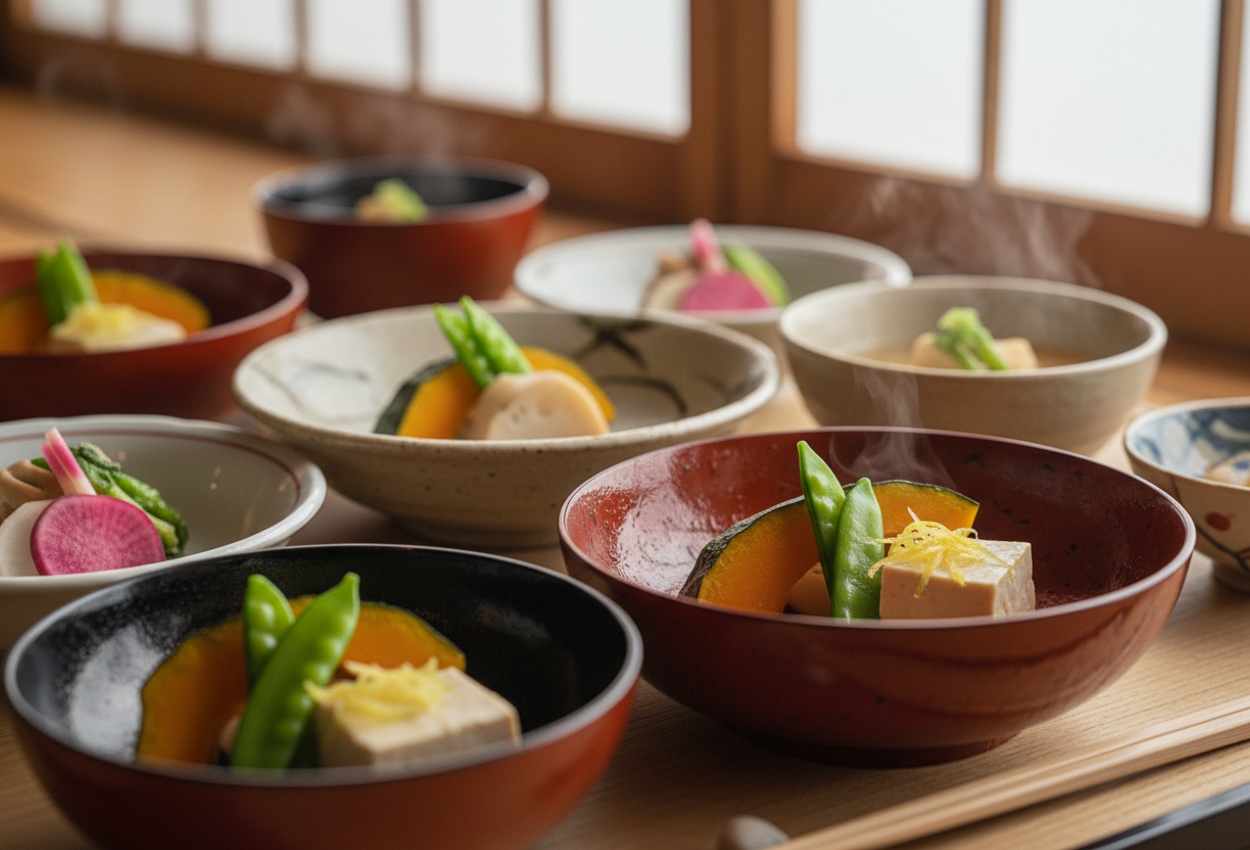
A Culinary Journey: Savoring Shojin Ryori at a Temple Retreat
Immerse yourself in the world of Zen Buddhism with a *shukubo*, a temple stay that offers a unique opportunity to experience the daily life of a monk. Part of this experience is enjoying *shojin ryori*, a traditional Buddhist vegetarian cuisine that is as much a spiritual practice as it is a meal.
Dine at Shigetsu, a renowned restaurant located within the grounds of Tenryu-ji Temple. Here, you can savor the exquisite presentation and subtle flavors of *shojin ryori*, each dish carefully crafted to nourish both body and mind.
The philosophy behind *shojin ryori* is rooted in Zen Buddhism, emphasizing mindfulness, simplicity, and respect for all living things. The dishes are prepared using seasonal vegetables, tofu, and other plant-based ingredients, avoiding meat and fish to minimize harm to animals.
Local Tip: Seek out a local tofu shop near the temple, and sample the freshly made tofu, a staple of *shojin ryori* cuisine. The subtle flavors and delicate texture of the tofu are a testament to the artistry of Japanese culinary traditions.
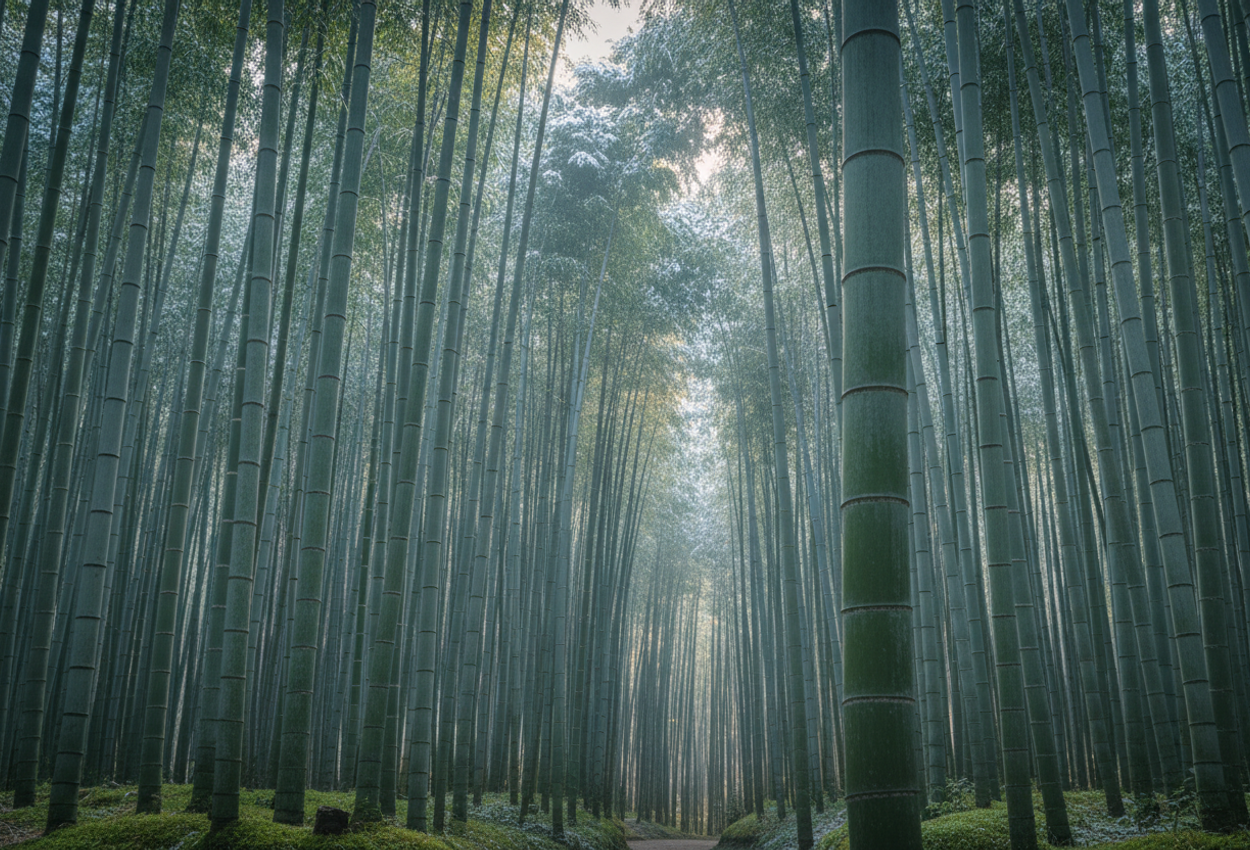
Bamboo Dreams: Weaving Through Arashiyama's Hidden Groves
While Arashiyama's Bamboo Grove is a popular destination, escape the crowds and discover lesser-known bamboo groves, such as the serene grove near the Okochi Sanso Villa. Here, you can immerse yourself in the tranquility of nature, surrounded by towering bamboo stalks that sway gently in the breeze.
Visit the Jojakko-ji Temple, known for its beautiful moss garden and serene atmosphere. This hidden gem offers a respite from the crowds, inviting quiet contemplation amidst the beauty of nature.
Stroll along Saga-Toriimoto Street, a preserved historic street lined with traditional *machiya* houses. This charming street offers a glimpse into Kyoto's past, showcasing the beauty of traditional Japanese architecture.
Hidden Gem: Discover a hidden teahouse overlooking the Hozugawa River, and enjoy a cup of tea while taking in the breathtaking views. This secluded spot offers a moment of tranquility amidst the natural beauty of Arashiyama.
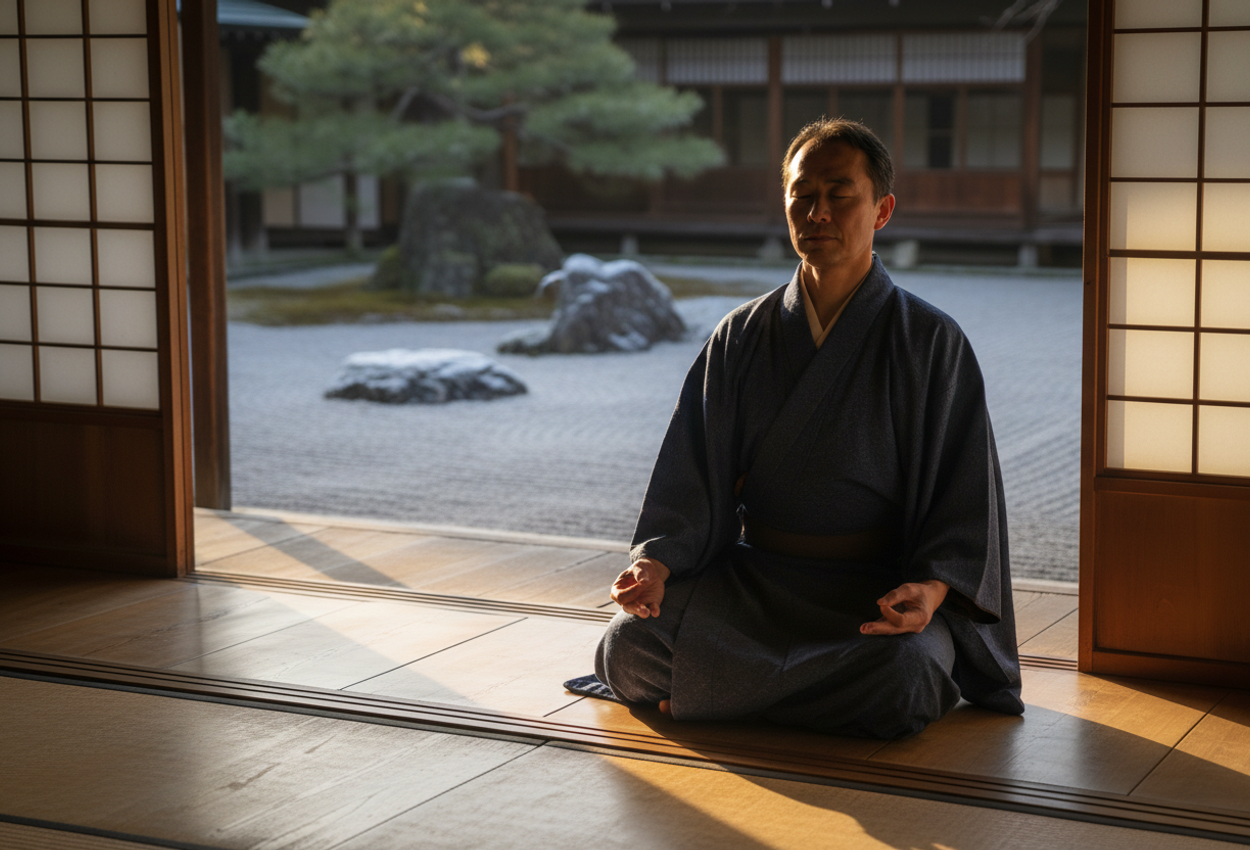
The Sound of Stillness: Zen Meditation at a Local Temple
Embark on a journey of self-discovery with a Zen meditation session at a local temple, such as Shinpuku-ji Temple. Here, you can learn the basic principles of Zen meditation and experience the transformative power of stillness.
Under the guidance of a Zen master, you'll learn the importance of posture and breathing, cultivating a sense of presence and awareness. Zen meditation is not about emptying the mind but rather about observing your thoughts and emotions without judgment, allowing them to pass like clouds in the sky.
The temple's garden, with its carefully raked gravel and strategically placed stones, plays a vital role in fostering contemplation. The minimalist design encourages a sense of inner peace, inviting you to connect with the natural world and find stillness within yourself.
Local Tip: After your meditation session, visit a nearby cafe serving traditional Japanese sweets, and savor the subtle flavors and delicate textures. This is a perfect way to ground yourself after your meditation practice, integrating the sense of peace and clarity into your daily life.
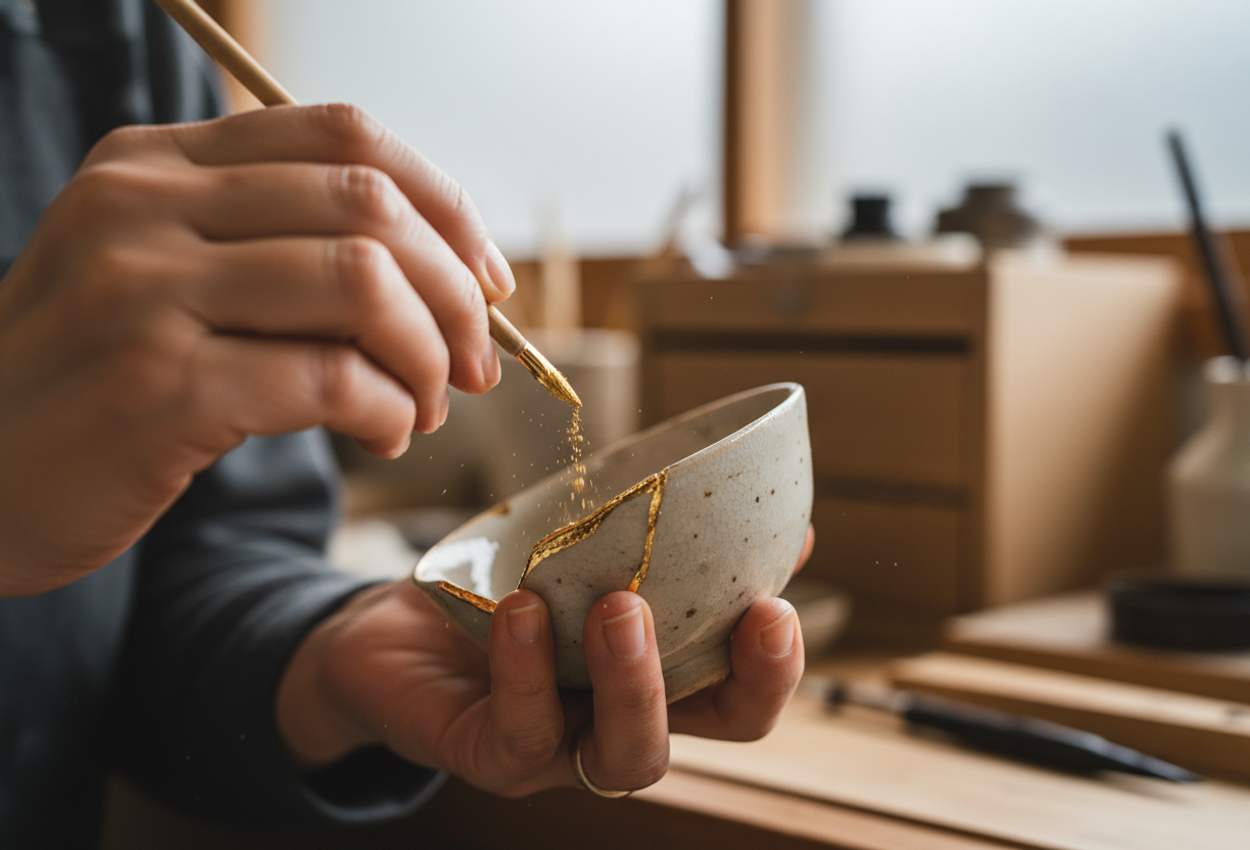
Golden Repair: Discovering the Art of Kintsugi
Discover the art of *Kintsugi*, the Japanese art of repairing broken pottery with gold, at a workshop like Miyama Atelier. This unique art form embodies the Japanese philosophy of embracing imperfections, transforming broken objects into works of art.
Learn the process of repairing a broken bowl or plate, using lacquer and gold powder to create a visible seam that celebrates the object's history. *Kintsugi* is more than just a repair technique; it's a metaphor for life, reminding us that our scars and imperfections can make us stronger and more beautiful.
Hidden Gem: Seek out a local shop selling vintage pottery, and find a piece that speaks to you. Repairing a vintage piece with *Kintsugi* adds a layer of history and meaning, creating a unique and personal work of art.
By venturing beyond the typical tourist attractions, you'll discover a Kyoto that is rich in culture, history, and natural beauty. This is a journey for those who seek a deeper connection with Japan, a chance to experience the true essence of this enchanting city.