As travelers become increasingly aware of their environmental footprint, choosing eco-friendly destinations is more important than ever. In 2026, several countries are leading the way in sustainability, offering pristine landscapes, innovative green initiatives, and a commitment to preserving their natural resources. These destinations not only provide unforgettable travel experiences but also allow you to support responsible tourism and contribute to a healthier planet.
From carbon-negative Bhutan to renewable energy pioneers in Scandinavia, discover the most eco-friendly countries to visit in 2026 and how they are making a difference.
Denmark's Green Leadership: Wind Power and Urban Planning
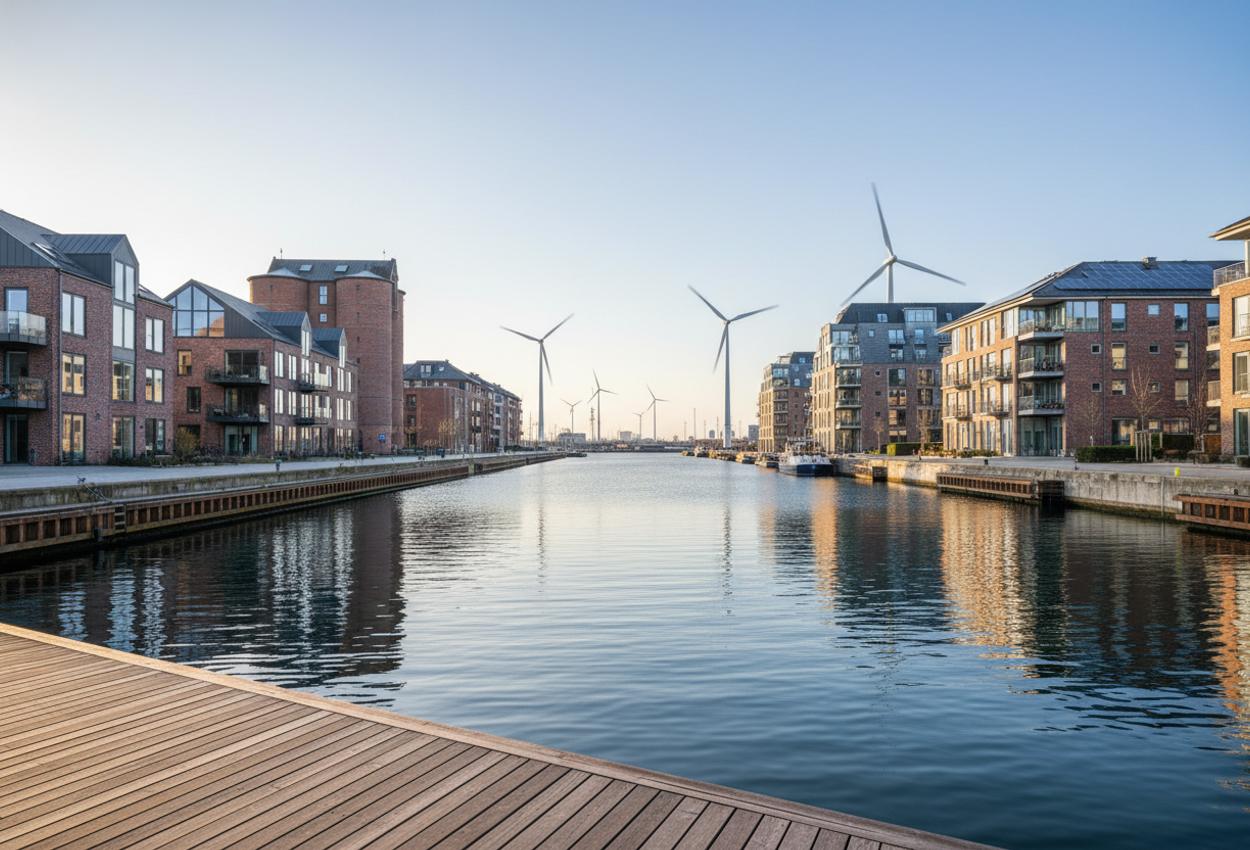
Denmark stands out as a global leader in renewable energy, particularly wind power, which supplies a significant portion of its electricity. The country's commitment to reducing greenhouse gas emissions is evident through initiatives like the 'Green Growth Initiative', which focuses on transitioning the energy system away from fossil fuels and investing in green technologies. Copenhagen, the capital city, exemplifies sustainable urban planning with its extensive network of bike lanes and green spaces, making it easy for residents and visitors to navigate the city without relying on cars.
The Ørestad neighborhood in Copenhagen serves as a model for sustainable urban development, featuring modern architecture, green roofs, and efficient public transportation. Denmark's ambitious climate goals include reducing greenhouse gas emissions by 70% below 1990 levels by 2030, with a target of net-zero emissions by 2050. The country is on track to meet these targets through effective implementation of agreed policies and continued development of negative emissions technologies.
Finland's Pristine Nature: Forests, Water, and Carbon Neutrality
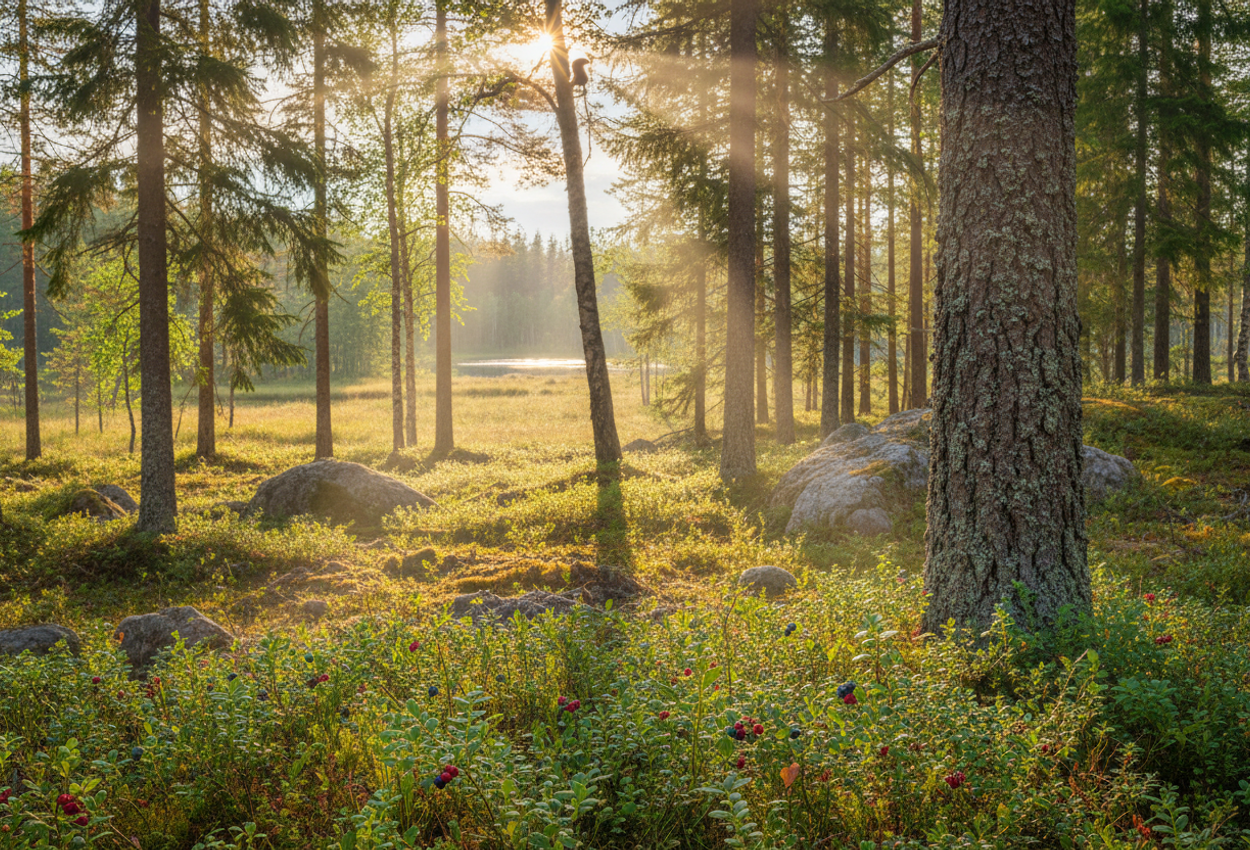
Finland is renowned for its commitment to carbon neutrality, aiming to achieve this by 2035. The country boasts pristine forests, drinkable tap water, and low pollution levels, making it an ideal destination for nature lovers. The Sustainable Travel Finland (STF) label ensures ethical wildlife tourism and promotes sustainable practices among tourism companies and destinations.
Nuuksio National Park offers well-protected natural ecosystems, showcasing Finland's dedication to preserving its environment. Finland consistently ranks high on the SDG Index, reflecting its leadership in sustainable development. The country's commitment to sustainability extends to its heritage, with efforts to preserve Sámi traditions and historic wooden towns.
Sweden's Sustainable Cities and Fossil-Free Ambitions
Sweden aims to become the world's first fossil-free welfare state by 2045. Stockholm is actively reducing carbon emissions and limiting pollution through various sustainable initiatives. The 'Hybrit' project, a collaboration between SSAB, LKAB, and Vattenfall, has the potential to reduce Sweden's total carbon emissions by more than 10% by replacing coal with hydrogen in steelmaking.
Sweden's advanced recycling systems and preservation of wilderness areas further contribute to its eco-friendly profile. The country has a long history in iron and steelmaking, with a focus on reducing CO2 emissions through innovative technologies. The transition to HYBRIT technology and the melting of iron in electric arc furnaces is expected to significantly decrease carbon dioxide emissions.

Switzerland's Waste Management and Eco-Friendly Transportation
Switzerland is recognized for its excellent waste management and recycling systems, including a zero landfilling policy for municipal waste. The country's sustainable transportation system features trains, buses, and boats running largely on renewable energy. The Swiss Travel System integrates various modes of transport, making it easy to explore the country while minimizing environmental impact.
Separate collection is organized for various materials, and the country has a high recycling rate, with about 50% of its municipal waste being recycled. Switzerland is committed to promoting a circular economy, aiming to reduce waste by extending the life cycle of products through repair, reuse, and recycling. The polluter-pays principle is also implemented, holding individuals and businesses financially accountable for the waste they generate.

Norway's Renewable Energy Leadership and Electric Vehicle Revolution
Norway is a leader in renewable energy, particularly hydropower, which accounts for a significant portion of its electricity production. The country plans to ban the sale of fossil-fuel-powered cars by 2025 and offers incentives for electric vehicle purchases. Norway aims to achieve carbon neutrality by 2030, with efforts focused on increasing the share of renewable energy and promoting electric mobility.
The pristine fjords and commitment to environmental protection make Norway a desirable eco-friendly destination. The country has implemented various incentives to promote zero-emission vehicles, including tax exemptions, reduced road taxes, and reduced ferry charges. Norway's success in promoting electric vehicles has been driven by these generous tax incentives and public investment in charging infrastructure.

Bhutan's Carbon-Negative Footprint and Focus on Happiness
Bhutan is the world's only carbon-negative country, absorbing more carbon dioxide than it emits. The country prioritizes 'Gross National Happiness' over GDP, focusing on sustainable socio-economic development, preservation of culture, conservation of the environment, and good governance. Bhutan implements a high-value, low-volume tourism policy to preserve its environment and cultural values.
Eco-lodges and trekking opportunities through pristine forests allow visitors to experience Bhutan's natural beauty while supporting sustainable tourism. The Sustainable Development Fee (SDF) paid by tourists contributes to Bhutan's free education, healthcare, and environmental preservation efforts. Bhutan's commitment to GNH has led to significant revenue generation while promoting and preserving its cultural riches and traditional values.

Costa Rica: A Pioneer in Ecotourism
Costa Rica is a global leader in ecotourism, with nearly a quarter of the country designated as protected forest. The country offers opportunities to stay in rainforest lodges powered by renewable energy and participate in wildlife conservation tours. Costa Rica aims to be fully carbon-neutral by 2050, with a focus on renewable energy, sustainable agriculture, and waste management practices.
Costa Rica's commitment to sustainability is reflected in its comprehensive recycling program and efforts to ban single-use plastics. The country's coffee industry has been at the forefront of sustainable agriculture practices, with many farmers adopting shade-grown coffee production methods. Costa Rica has also played an active role in shaping environmental policy on the global stage, including the Paris Agreement.

New Zealand's Commitment to Sustainable Tourism
New Zealand is committed to net-zero carbon emissions by 2050 through the Zero Carbon Act. The Tourism Sustainability Commitment includes economic, visitor, community, and environmental initiatives. The Carbon Challenge, launched in 2021, aims to reduce tourism's greenhouse gas impact.
Fiordland National Park exemplifies ecologically conscious policies in action, showcasing New Zealand's dedication to preserving its natural environment. New Zealand's Tourism Sustainability Commitment aims to see every tourism business committed to sustainability. The country's vision is to lead the world in sustainable tourism, delivering high-quality experiences while positively impacting local communities and the environment.

Iceland's Geothermal Energy and Low Pollution Levels
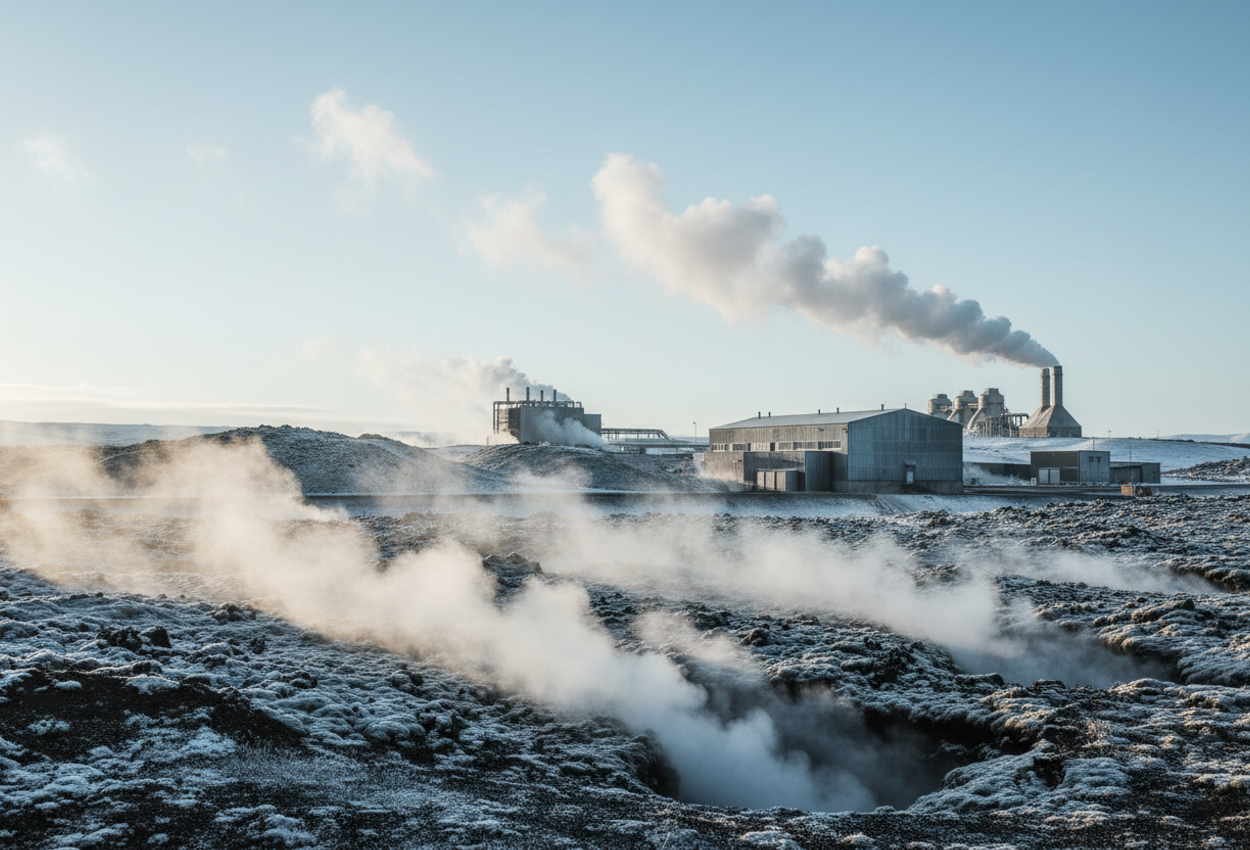
Iceland utilizes geothermal and hydroelectric energy to maintain low pollution levels. The country's dramatic landscapes, clean air, and unspoiled wilderness are a testament to its commitment to preserving its natural environments. Iceland has very low levels of CO2 emissions compared to fossil fuels, similar to solar and hydropower.
Geothermal power plants in Iceland emit hydrogen sulfide (H2S), which is corrosive and toxic, but efforts are being made to mitigate these emissions through advanced technologies. Almost 100% of Iceland's electricity is generated from renewable sources, making it a leader in sustainable energy. The country's geothermal power generates higher living standards, lower heating costs, and less pollution.
Palau's Ecotourism and Environmental Protection Laws
Palau prioritizes ecotourism and requires visitors to sign a passport pledge upon arrival, promising to care for the nation's ecological and cultural well-being. The Responsible Tourism Education Act bans toxic sunscreens and promotes products from local businesses. Palau is committed to responsible and respectful tourism, with the Palau Pledge serving as a reminder of the responsibilities we all share.
Children in Palau helped draft the pledge, emphasizing the importance of preserving the island for future generations. The Palau Pledge is the world's first immigration policy centered on environmental responsibility. Palau has also created a shark sanctuary in its national waters and banned bottom trawling, demonstrating its long history of world-firsts in conservation.

Slovenia: Europe's Hidden Green Escape
Slovenia is committed to sustainability, with a focus on its green capital, Ljubljana, and its ecotourism initiatives. The country has UNESCO Biosphere status and offers eco-lodges in the Julian Alps. Farm stays serve organic, hyper-local food, and tourism helps fund bee conservation and rewilding projects.
Slovenia's commitment to sustainability extends to its cultural heritage and local communities. The country offers a range of eco-friendly accommodations and experiences, allowing visitors to explore its natural beauty while minimizing their environmental impact. Slovenia is a hidden green escape in Europe, offering a unique blend of nature, culture, and sustainability.

Georgia: Europe's Hidden Green Gem
Tucked between Asia and Europe, Georgia offers mountain adventures, organic vineyards, and eco-lodges surrounded by breathtaking scenery. Travelers can hike in Svaneti, explore sustainable farms in Kakheti, or stay in off-grid guesthouses that promote responsible tourism. Georgia is a rising star in sustainable travel — an ideal choice for those seeking authenticity and nature.
Georgia's commitment to sustainability is reflected in its growing ecotourism sector and efforts to preserve its natural and cultural heritage. The country offers a range of eco-friendly accommodations and experiences, allowing visitors to explore its diverse landscapes while minimizing their environmental impact. Georgia is a hidden green gem in Europe, offering a unique blend of adventure, culture, and sustainability.

Choosing to visit these eco-friendly countries in 2026 allows you to travel responsibly, support sustainable initiatives, and contribute to a healthier planet. From renewable energy innovations to carbon-negative footprints, these destinations offer a glimpse into a more sustainable future for tourism.