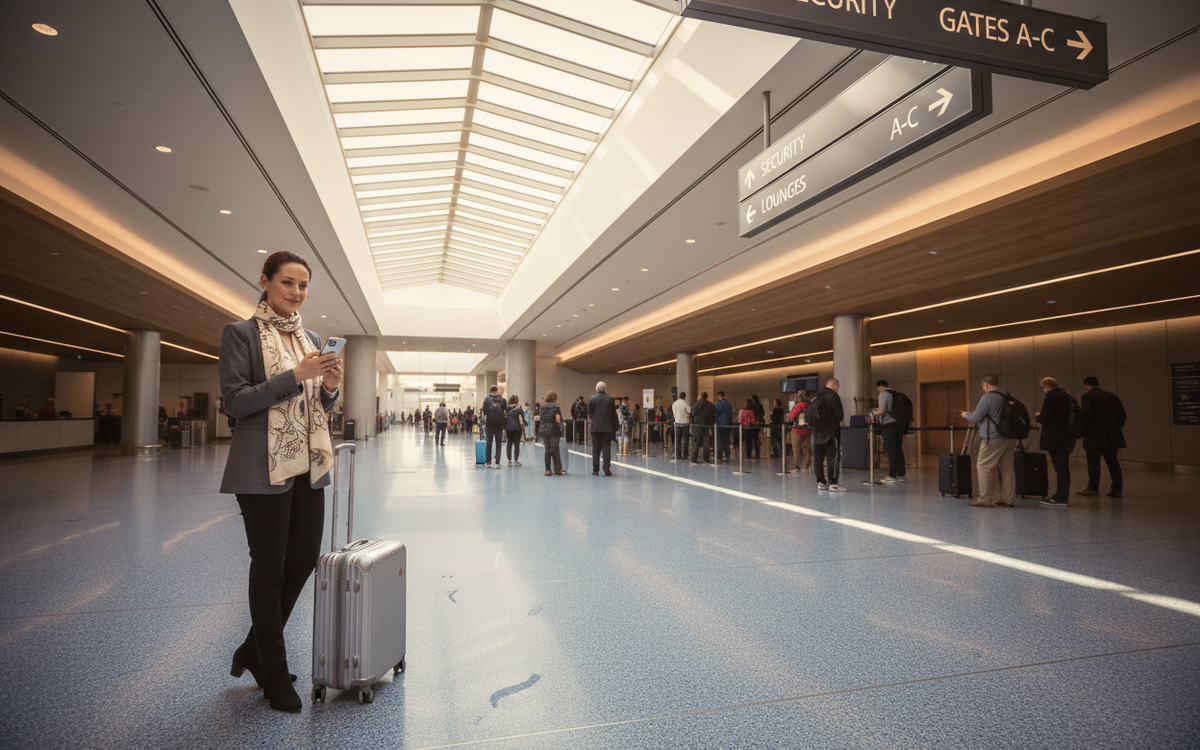
Airports can be daunting, but with the right preparation, you can transform your travel experience from stressful to smooth.
Whether you're a seasoned globetrotter or a first-time flyer, navigating the complexities of modern air travel requires a strategic approach. This guide provides actionable tips to minimize anxiety and maximize efficiency, ensuring a more enjoyable journey from start to finish.
In this comprehensive guide, we'll explore essential pre-flight preparations, decoding airport security, conquering layovers, and mastering airport navigation. Arm yourself with these strategies, and you'll be well-equipped to handle any airport with confidence.

Pre-Flight Prep: Your Stress-Busting Checklist
The key to a stress-free airport experience lies in meticulous preparation.
Start at least 24 hours before your flight by verifying flight timings, baggage rules, and terminal information. Airlines are getting stricter with carry-on bags, so be sure to check the size and weight limits, including wheels and handles, to avoid surprise fees at the gate. Some airlines may require carry-on bags to be checked for size at the departure gate, and anything larger than the specified dimensions might draw an excess fee. Ensure your luggage meets the requirements to avoid any issues.
Online check-in is a game-changer, saving you valuable time at the airport. Most airlines allow you to check in online 24 hours before your flight, enabling you to select your seat and receive your boarding pass electronically. Have your digital or printed boarding pass ready for a smoother experience.
Create a checklist of essential items: passport, tickets (digital or printed), medications, chargers, and any necessary travel documents. For domestic flights within the U.S., be aware that Real ID enforcement is becoming stricter in 2026. Make sure your driver's license is Real ID compliant, indicated by a star symbol; otherwise, a valid passport will be required.
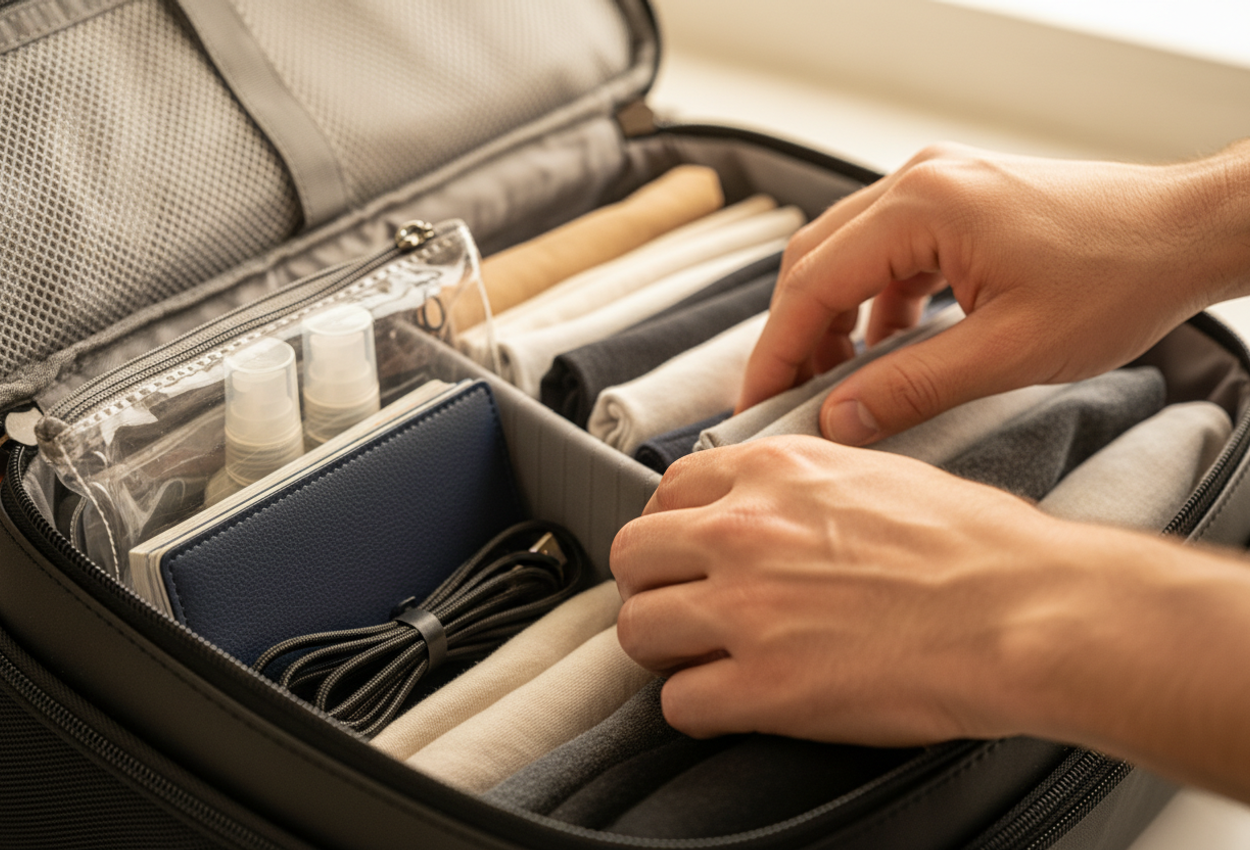
Pack your carry-on with purpose. Designate specific pockets for priority items like your passport, boarding pass, phone, and any medications you might need during the flight. Keep power banks and spare batteries in your carry-on, as they are not allowed in checked luggage.
Research your departure and arrival terminals in advance. Knowing the terminal layout can significantly reduce stress upon arrival. Most airports have websites or apps that provide terminal maps and information on amenities such as restaurants, shops, and lounges.
Local Tip: Download the airport's app for real-time updates on gate changes, security wait times, and other helpful information. Some airports are also removing boarding calls over the PA system, so it is important to check your app for any updates.
Decoding Airport Security: Breeze Through Like a Pro
Navigating airport security can be a breeze if you're well-prepared and informed.
Stay updated on the latest TSA rules and regulations by visiting the TSA website or downloading the MyTSA app. Knowing what to expect can significantly reduce anxiety and prevent delays. Be aware that TSA rules are constantly changing, and regular flyers must stay abreast of them.
Pack liquids in a clear, resealable bag, ensuring each container is 3.4 ounces (100 ml) or less. Keep this bag easily accessible for inspection. Many airports now use CT scanners that allow travelers to leave liquids and laptops inside their bags, but this only applies at specific lanes. Check signage or ask a TSA officer before assuming.
Wear easy-to-remove shoes and minimize accessories to expedite the screening process. Bulky jewelry, belts with large buckles, and layered clothing can trigger alarms and lead to secondary screening. Opt for simpler attire to move through security faster. Certain clothing items and accessories inside carry-on bags are now frequently triggering secondary TSA screening.
Have your ID and boarding pass ready as you approach the TSA agent. Remove them from your wallet or bag in advance to avoid fumbling at the checkpoint. Starting February 1, 2026, travelers without a REAL ID or other valid identification can apply for a $45 TSA temporary ID.
Remember to stay calm and follow instructions from TSA agents. They are there to ensure everyone's safety, and cooperation can make the process smoother for all. Also, be aware that randomized manual bag checks are increasing.
Local Tip: Consider enrolling in TSA PreCheck or Global Entry for expedited screening. These programs can save you significant time and hassle, especially during peak travel periods.

Conquering Layovers: Turn Downtime into Delights
Layovers don't have to be a drag. With a bit of planning, you can transform downtime into delightful experiences.
For short layovers (1.5 hours or less), focus on the essentials: refreshing in the restroom and stocking up on snacks and drinks. Use this time to stretch your legs and prepare for the next leg of your journey. Make sure you pay attention to the monitors for any gate changes.
Longer layovers offer more opportunities. Explore the terminal, visit airport lounges, or even take a quick trip to the city center if time permits. Many credit cards offer access to airport lounges, providing a comfortable environment with free food and drinks. Consider a Priority Pass membership for access to over 1,700 airport lounges worldwide.
Research airport facilities in advance. Some airports offer unique amenities such as sleeping pods, showers, and even movie theaters. Sleeping pods are becoming increasingly popular in major hubs. These pods provide a private and comfortable space to sleep, particularly useful for overnight layovers or when adjusting to time zone changes.
If staying overnight, explore options like sleeping pods or nearby hotels. Many airports have transfer hotels that are made for weary travelers with long layovers. Some transfer hotels are located inside security, negating the need to allow for extra time. Others are located land-side requiring you to go through security an extra time. Most transfer hotels are booked by the hour or half-day, making them surprisingly economical for those long layovers when all you really want is a nap.
Local Tip: Set a layover goal, whether it's finding the best coffee in the terminal, exploring a new restaurant, or simply relaxing in a comfortable lounge. Having a goal can make the time pass more quickly and enjoyably.

Navigating Like a Pro: Airport Layout and Directions
Efficiently navigating the airport layout can save you time and reduce stress.
Upon arrival, follow signs for flight connections or ground transportation. Airports are designed to guide you, so pay attention to signage and directions. Check flight monitors regularly for gate changes or updated information. Many airports now dim their lighting and play ambient music instead of announcements.
Use airport apps for real-time updates and maps. These apps can provide detailed terminal maps, security wait times, and information on amenities. Download the app for the airports you will be traveling through.
Know your terminal location in advance. This will help you orient yourself and avoid unnecessary wandering. Check your boarding pass or flight information to confirm your terminal and gate. For connections, follow Flight Connections signs and proceed through security screening if required. Ensure you give yourself ample time to return to the airport, including time for security checks. A good rule of thumb is to arrive back at least two hours before your next flight to avoid last-minute stress.
Local Tip: Take advantage of airport resources such as information desks and customer service representatives. They can provide assistance with directions, gate information, and other travel-related inquiries. Some top-of-the-world airports like Singapore Changi (SIN) or Amsterdam Airport Schiphol (AMS) have excellent facilities open 24/7.
By following these strategies, you can transform your airport experience from stressful to smooth. With careful planning, efficient navigation, and a proactive approach, you'll be well-equipped to handle any airport with confidence, ensuring a more enjoyable and stress-free journey.