In 2025, the allure of travel faces a growing threat: overtourism.
The world has become increasingly interconnected, and with that connectivity comes a surge in travel. While tourism can bring economic benefits and cultural exchange, the unchecked influx of visitors is straining the very destinations that draw them in. Overtourism, defined as the excessive impact of tourism on a destination that negatively influences the perceived quality of life for citizens and/or the quality of visitor experiences, is no longer an isolated problem but a global phenomenon.
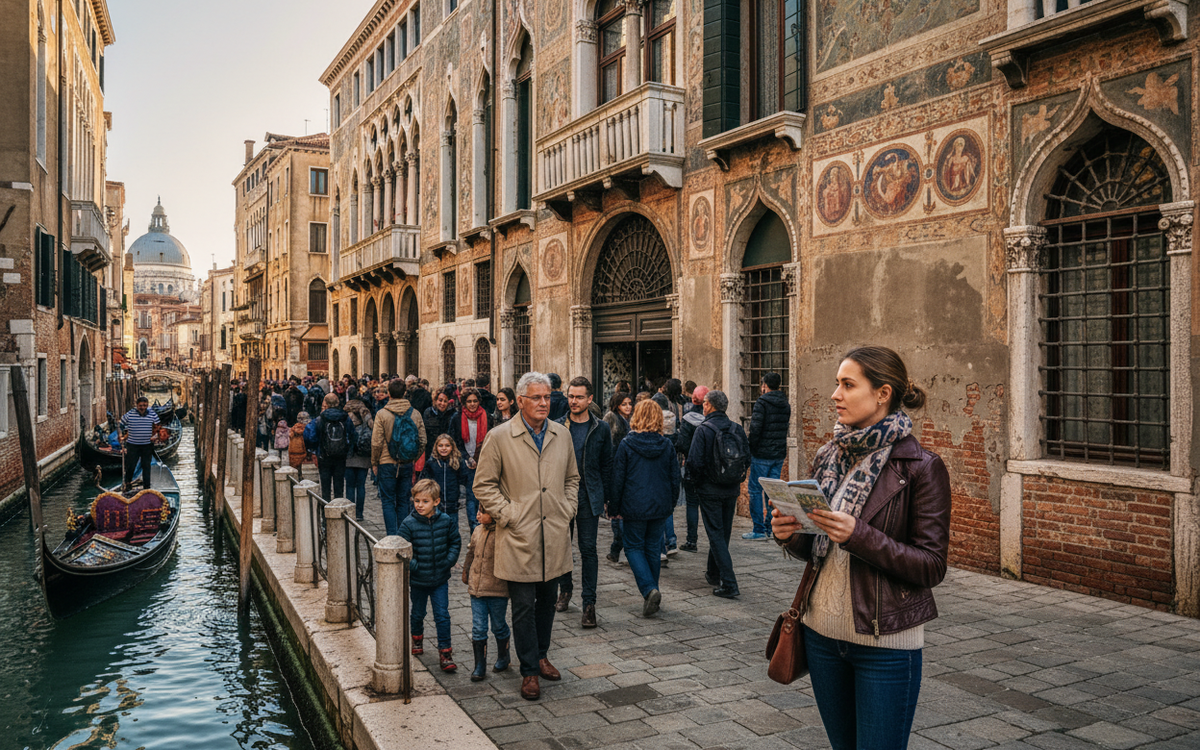
According to the UN Tourism, international tourism nearly recovered to pre-pandemic levels in 2024, with an estimated 1.4 billion international tourists recorded. This represents an 11% increase over 2023. While this resurgence is welcomed by many in the travel industry, it also underscores the urgent need to address the challenges posed by overtourism. The organization also found that international tourist arrivals grew 5% in the first six months of 2025 compared to the same period of 2024. Specific examples of destinations grappling with overtourism abound. Venice, with its narrow canals and fragile infrastructure, struggles to accommodate the daily influx of cruise ship passengers and day-trippers. Barcelona has seen its streets become battlegrounds between residents and tourists, as rising housing costs and the commodification of local culture fuel resentment. Maya Bay in Thailand, once a pristine paradise, was forced to close temporarily to allow its damaged ecosystem to recover from the relentless impact of tourism. The consequences are clear: overcrowded attractions, strained infrastructure, and a diminished sense of place.
The unchecked growth of tourism poses a significant threat. Projections indicate that tourism emissions could reach 6.5 billion metric tons by 2025, which would be a 44% increase from 2013. It is equivalent to about 13% of current global greenhouse gas emissions. As we move further into the 21st century, addressing overtourism is crucial to preserving the destinations we cherish and ensuring a sustainable future for travel.
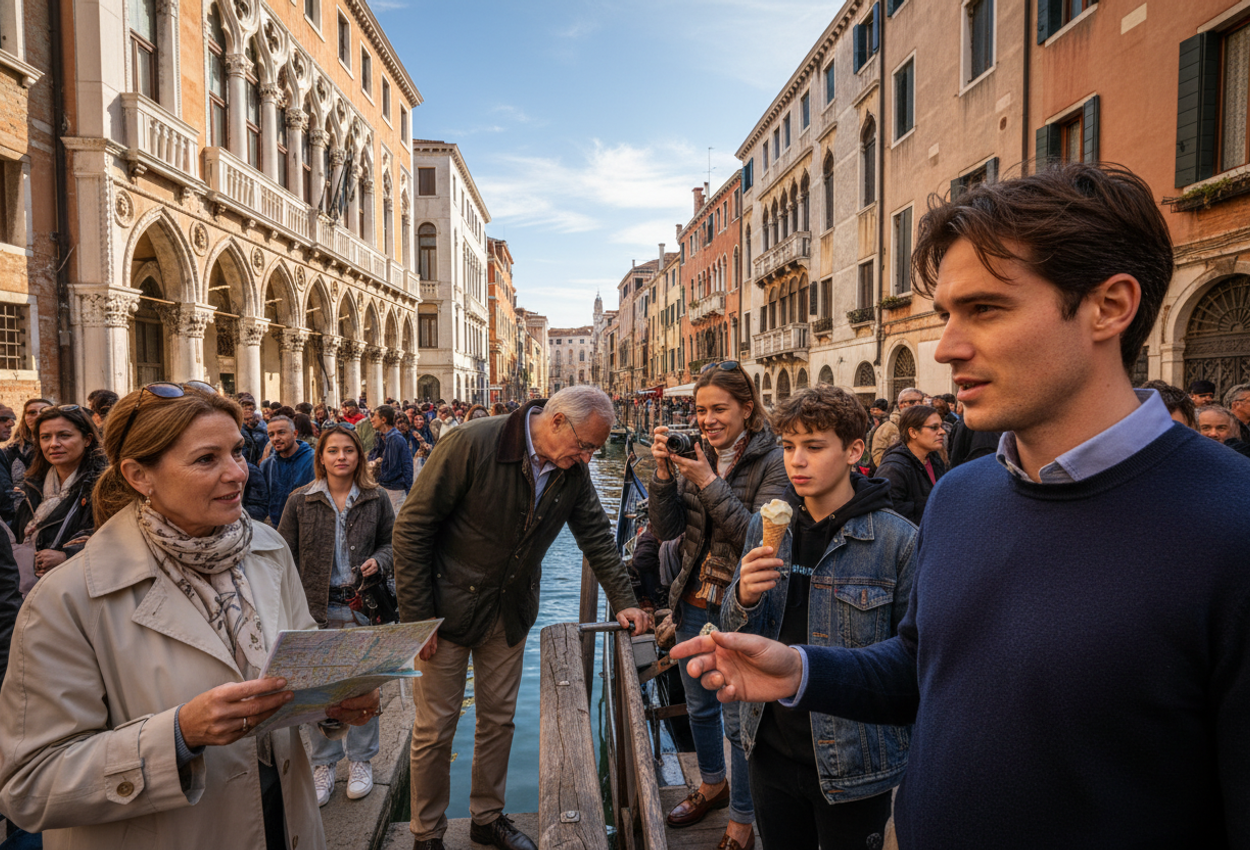
Image Description: A wide, eye-level shot capturing the immense crowds of tourists packed into a narrow street in Venice, Italy. The iconic canals are barely visible due to the numerous gondolas and boats navigating through them. People from diverse backgrounds are seen taking photos, holding maps, and queuing for attractions. The overall atmosphere is chaotic and overwhelming, with a sense of limited personal space. The image aims to visually represent the concept of overtourism, highlighting the density of tourists and the strain on the city's infrastructure. The photo should be taken on a sunny day in early fall, with people dressed in light layers, to reflect the milder weather conditions of the season. The focus is sharp, capturing the details of the buildings and the expressions on people's faces. The purpose is to show the reality of overtourism in a popular destination, prompting viewers to consider the impact of their travel choices.
Style Instructions: Candid, Street. The photo should be taken with a wide-angle lens (16-35mm) to capture the breadth of the scene, with an aperture of f/8 to ensure sharpness throughout the image. The ISO should be set to 400 to maintain image quality in daylight. The photo should be taken on October 15, 2025, around midday to capture the peak tourist activity. The composition should emphasize the density of the crowd, with leading lines drawing the viewer's eye through the scene. The colors should be vibrant and true to life, with minimal post-processing to maintain authenticity.
Beyond the meticulously curated postcards and travel brochures lies a stark reality: overtourism's profound socio-economic impact on local communities.
While tourism can inject revenue into local economies, the uncontrolled influx of visitors often leads to a cascade of negative consequences for the very people who call these destinations home. Rising housing costs are a primary concern. As demand for short-term rentals increases, landlords convert residential properties into tourist accommodations, driving up rents and property values. This phenomenon displaces long-term residents, forcing them to move to less desirable areas or leave their communities altogether. The commodification of local culture is another detrimental effect. Traditional crafts, local cuisine, and cultural practices are often tailored to cater to tourist tastes, diluting their authenticity and turning them into mere spectacles. This can lead to a loss of cultural identity and a sense of alienation among residents.
In cities like Barcelona and Venice, residents have taken to the streets to protest against overtourism. Their grievances range from the noise and disruption caused by tourists to the feeling of being overwhelmed and outnumbered in their own neighborhoods. In Barcelona, 600 masked protestors took to the streets on June 15, 2025, equipped with water pistols and smoke bombs, and protest banners with slogans like “Your holidays, my misery” and “Mass tourism kills the city”. The psychological impact on residents is often overlooked. The constant presence of tourists can create a sense of alienation and resentment, leading to a decline in overall well-being. Residents may feel like they are living in a theme park, where their needs and concerns are secondary to the desires of visitors.
Addressing these socio-economic impacts requires a multi-faceted approach. Implementing regulations on short-term rentals, investing in affordable housing, and promoting sustainable tourism practices are essential steps. Ultimately, it is about finding a balance between the economic benefits of tourism and the well-being of local communities.
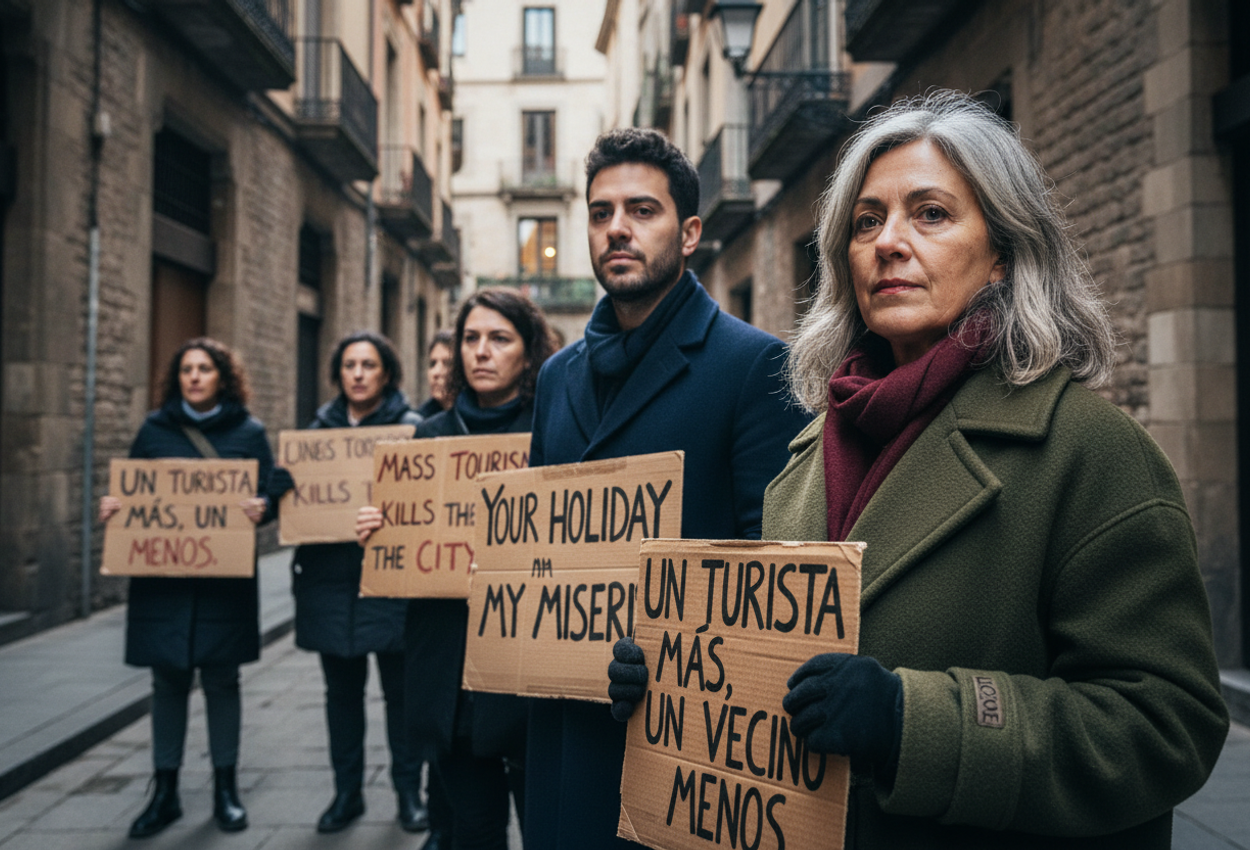
Image Description: A medium shot capturing a group of local residents in Barcelona protesting against overtourism. The protesters are holding signs with slogans in Catalan and Spanish, expressing their frustration with rising housing costs and the displacement of residents. The scene takes place in a historic neighborhood with narrow streets and traditional architecture. The atmosphere is passionate and determined, with protesters chanting slogans and waving banners. The image aims to highlight the human cost of overtourism and the resilience of local communities fighting to preserve their homes and culture. The photo should be taken on a cloudy day in early winter, with people dressed in warm clothing, to reflect the cooler weather conditions of the season. The focus is sharp, capturing the details of the protesters' faces and the text on their signs. The purpose is to show the real-life impact of overtourism on local communities, prompting viewers to empathize with their struggles and consider the ethical implications of their travel choices.
Style Instructions: Candid, Event. The photo should be taken with a standard lens (50mm) to capture the scene in a natural perspective, with an aperture of f/5.6 to create a shallow depth of field and focus attention on the protesters. The ISO should be set to 800 to maintain image quality in low light. The photo should be taken on December 10, 2025, during a planned protest march. The composition should emphasize the unity and determination of the protesters, with leading lines drawing the viewer's eye through the crowd. The colors should be muted and realistic, with minimal post-processing to maintain authenticity.
The allure of 'paradise' can quickly fade when faced with the harsh reality of environmental degradation caused by overtourism.
The unchecked influx of visitors places immense pressure on fragile ecosystems, leading to pollution, waste management issues, and damage to natural habitats. Pollution is a significant concern. Increased air travel, cruise ship emissions, and vehicle traffic contribute to air pollution, while improper waste disposal contaminates soil and water sources. Waste management becomes a daunting challenge in overcrowded destinations. Inadequate infrastructure and overflowing landfills lead to environmental hazards and health risks. Fragile ecosystems, such as coral reefs and rainforests, are particularly vulnerable to the impacts of overtourism. Snorkeling, diving, and boating activities can damage coral reefs, while deforestation and habitat destruction threaten biodiversity. Historical sites, too, suffer from the relentless impact of tourism. Increased foot traffic, vandalism, and pollution can erode ancient monuments and cultural heritage sites.
The tourism industry's contribution to carbon emissions is substantial. Transport, shopping, and food are significant contributors. Projections estimate that global tourism will increase carbon emissions to about 6.5Gt by 2025. The destruction of carbon sinks, such as forests, also contributes to carbon emissions. When this carbon-rich vegetation is removed, CO2 is released back into the atmosphere.
Mitigating the environmental consequences of overtourism requires a concerted effort. Implementing sustainable waste management practices, investing in renewable energy sources, and promoting responsible tourism are essential steps. Protecting fragile ecosystems and historical sites requires stricter regulations, visitor management strategies, and increased awareness among travelers.
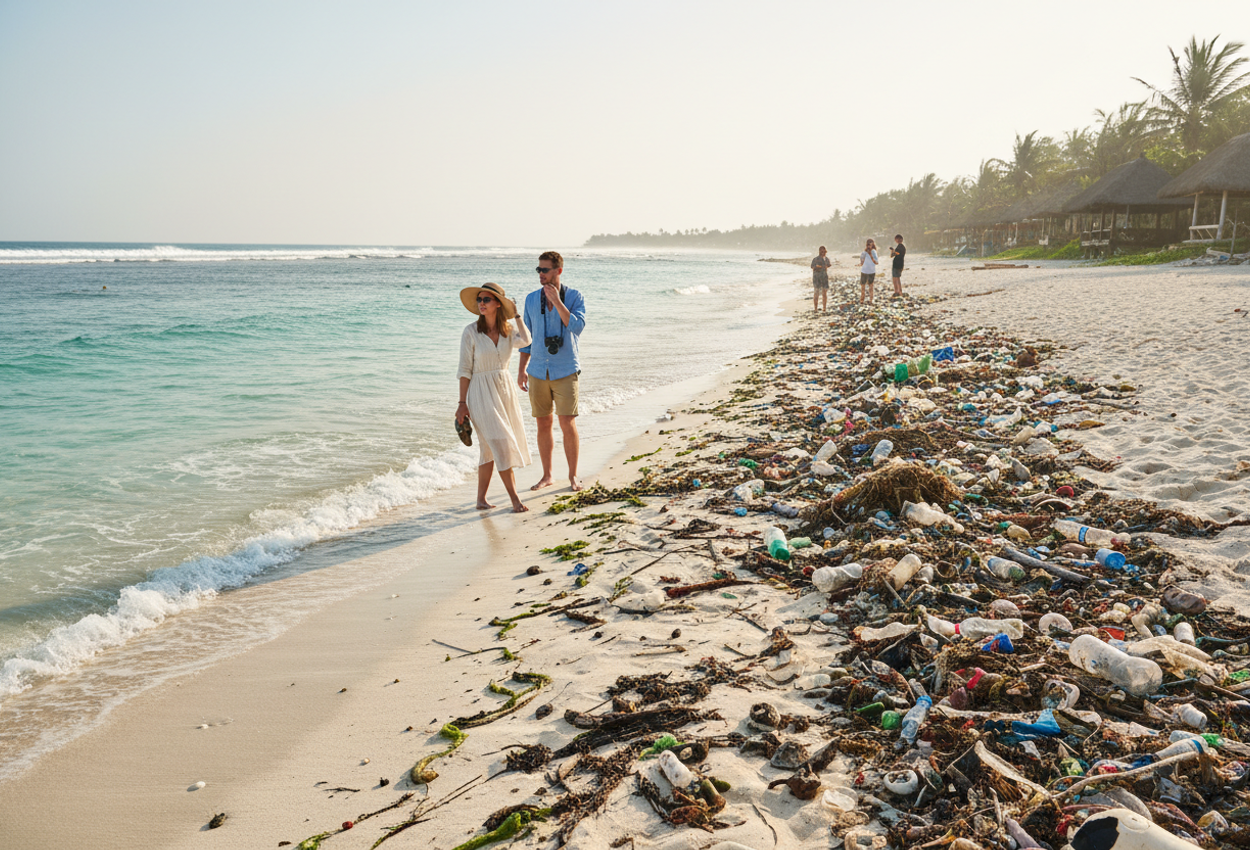
Image Description: A panoramic shot capturing the stark contrast between a pristine beach and a polluted coastline in Bali, Indonesia. On one side, crystal-clear waters and white sand are visible, while on the other side, the beach is littered with plastic waste and debris. The image aims to visually represent the environmental degradation caused by overtourism, highlighting the impact of pollution on natural landscapes. The photo should be taken on a sunny day in late summer, with tourists visible in the background, to reflect the peak tourist season. The focus is sharp, capturing the details of the waste and the contrast with the clean beach. The purpose is to raise awareness about the environmental consequences of overtourism, prompting viewers to consider the impact of their travel habits on fragile ecosystems.
Style Instructions: Dramatic, Landscape. The photo should be taken with a wide-angle lens (16-35mm) to capture the breadth of the scene, with an aperture of f/11 to ensure sharpness throughout the image. The ISO should be set to 200 to maintain image quality in daylight. The photo should be taken on August 20, 2025, during low tide to maximize the visibility of the waste. The composition should emphasize the contrast between the clean and polluted areas, with leading lines drawing the viewer's eye through the scene. The colors should be vibrant and realistic, with minimal post-processing to maintain authenticity.
The path to a more sustainable future lies in embracing responsible travel practices.
Responsible tourism is defined as travel that minimizes negative impacts on the environment, respects local cultures, and supports sustainable economic development. It is about making conscious choices that benefit both travelers and the destinations they visit. Practical tips for responsible travelers include choosing eco-friendly accommodations, supporting local businesses, and minimizing waste. Eco-friendly accommodations prioritize energy-saving technologies, recycling, and water conservation. Spending money on local businesses ensures that the community benefits from tourism. Minimizing single-use plastics, carrying a reusable water bottle, and sticking to marked trails can make a big difference.
Respecting local cultures is another key aspect of responsible travel. Learning about local customs, traditions, and etiquette can help travelers avoid unintentional offenses and foster meaningful interactions with residents. Supporting sustainable economic development involves choosing businesses that provide fair wages, safe working conditions, and opportunities for advancement. This can help empower local communities and reduce economic disparities.
By adopting responsible travel practices, travelers can become part of the solution rather than the problem. Small actions, such as offsetting carbon emissions, traveling at a slower pace, and researching before you go, can make a big difference. The future of travel depends on our collective commitment to sustainability and respect for the places we visit.
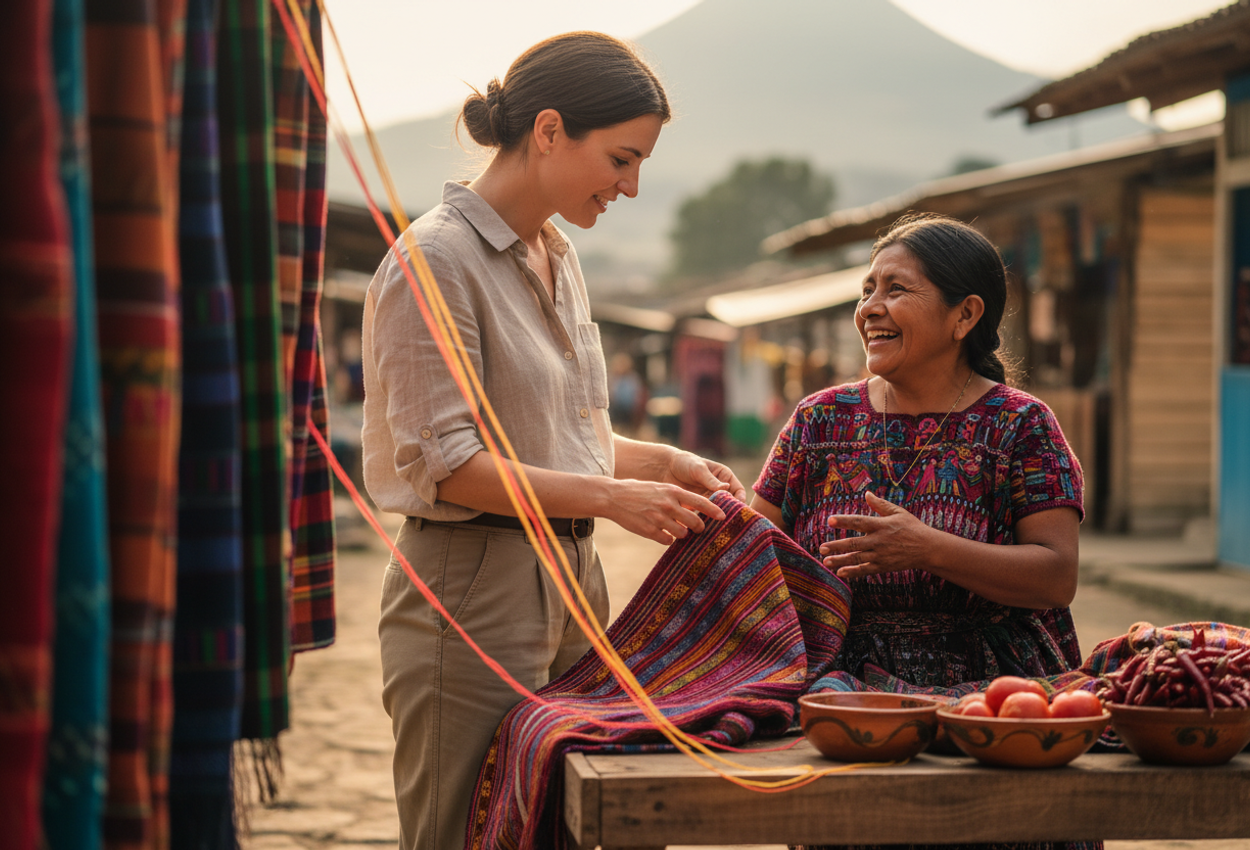
Image Description: A medium shot capturing a tourist engaging with a local artisan in a small village in Guatemala. The tourist is purchasing a handmade textile from the artisan, who is smiling and explaining the process of creating the piece. The scene takes place in a colorful marketplace with traditional crafts and local produce on display. The atmosphere is warm and authentic, with a sense of cultural exchange and mutual respect. The image aims to promote responsible tourism, highlighting the importance of supporting local businesses and preserving cultural heritage. The photo should be taken on a sunny day in mid-spring, with people dressed in light clothing, to reflect the warm weather conditions of the season. The focus is sharp, capturing the details of the artisan's face and the texture of the textile. The purpose is to show the positive impact of responsible tourism on local communities, prompting viewers to consider the ethical implications of their travel choices.
Style Instructions: Candid, Lifestyle. The photo should be taken with a standard lens (50mm) to capture the scene in a natural perspective, with an aperture of f/4 to create a shallow depth of field and focus attention on the interaction between the tourist and the artisan. The ISO should be set to 400 to maintain image quality in daylight. The photo should be taken on April 25, 2025, during a local market day. The composition should emphasize the connection between the tourist and the artisan, with leading lines drawing the viewer's eye through the scene. The colors should be vibrant and realistic, with minimal post-processing to maintain authenticity.
Beyond the well-trodden tourist trails lie a wealth of hidden gems waiting to be discovered.
As an alternative to overcrowded hotspots, exploring lesser-known destinations offers a unique opportunity to experience the world in a more authentic and sustainable way. These underrated places often boast rich cultural heritage, stunning natural landscapes, and a warm sense of hospitality, without the overwhelming crowds and environmental pressures.
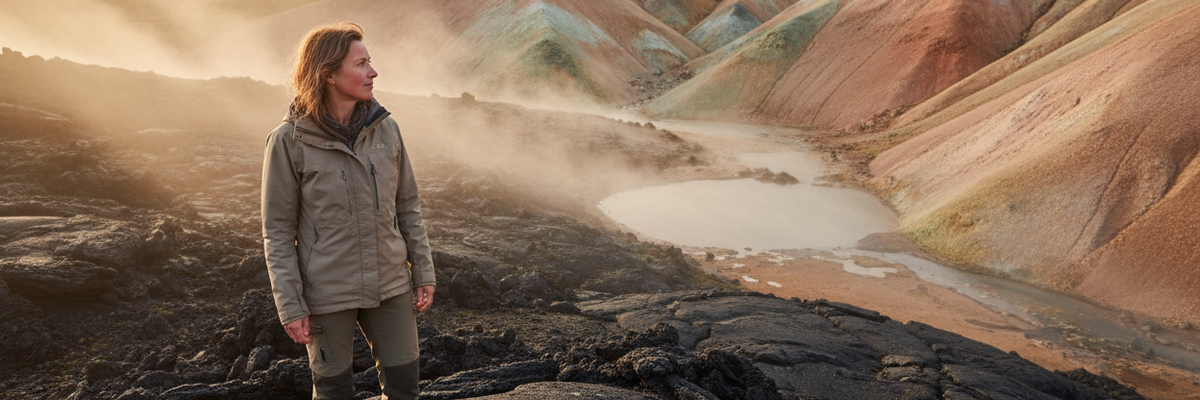
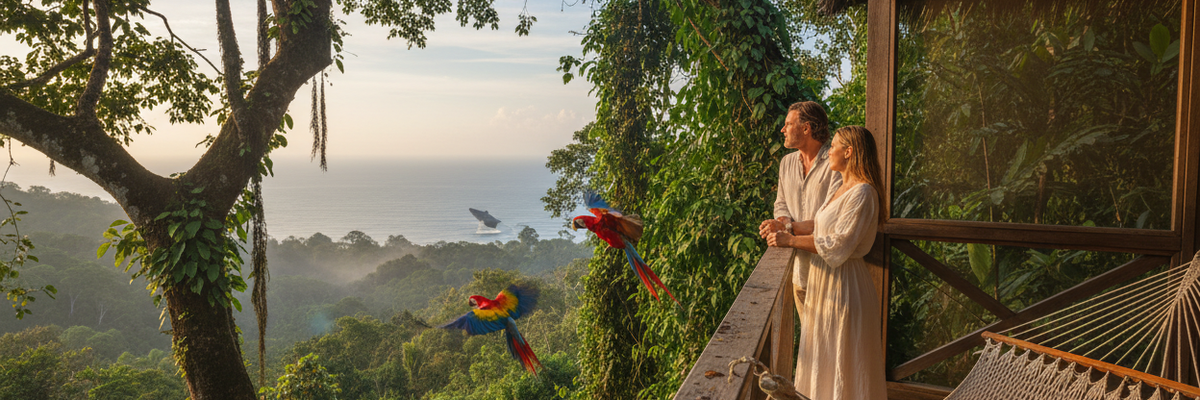
Destinations like Leipzig, Germany, offer a vibrant arts and music scene, and a rich history. Dominica, in the Caribbean, provides the chance to sustainably swim with sperm whales. The Azores, in Portugal, offer volcanic craters, lush green landscapes, and incredible whale-watching opportunities. Albania offers stunning Mediterranean beaches, ancient ruins, and vibrant cities at a fraction of the cost of its neighbours. Other destinations include: Akureyri, Iceland, Oman, and Valley of Fire, Nevada, USA.
By venturing off the beaten path, travelers can not only discover unique experiences but also contribute to the economic development of local communities and reduce the strain on popular destinations. It is about embracing the spirit of adventure and seeking out the hidden corners of the world that offer a more meaningful and sustainable travel experience.
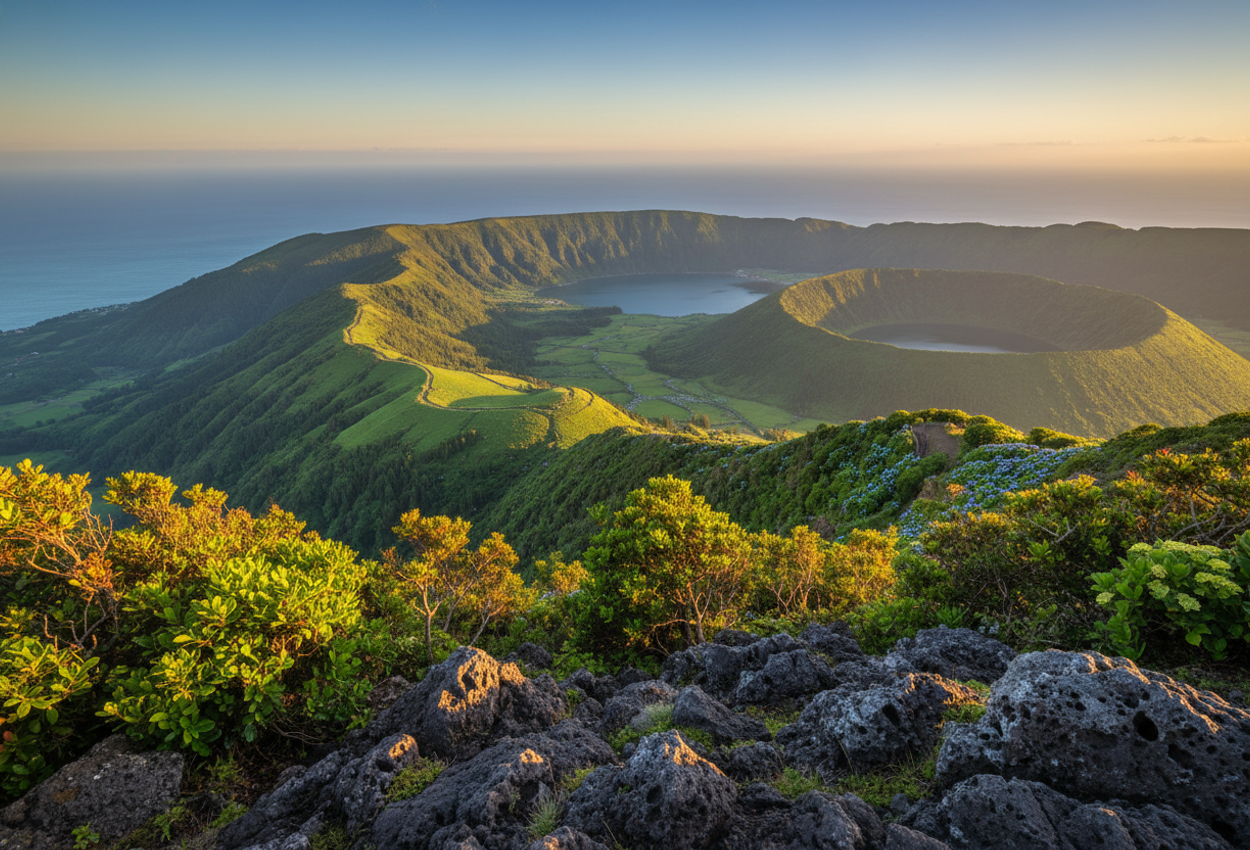
Image Description: A wide shot capturing a panoramic view of the Azores islands in Portugal. The scene showcases the volcanic craters, lush green landscapes, and dramatic coastlines of the archipelago. The image aims to promote lesser-known destinations, highlighting the natural beauty and unique experiences they offer. The photo should be taken on a sunny day in early spring, with clear skies and calm waters, to reflect the pleasant weather conditions of the season. The focus is sharp, capturing the details of the landscape and the texture of the vegetation. The purpose is to inspire travelers to seek out alternative destinations, prompting them to consider the environmental and social benefits of exploring off the beaten path.
Style Instructions: Serene, Landscape. The photo should be taken with a wide-angle lens (16-35mm) to capture the breadth of the scene, with an aperture of f/11 to ensure sharpness throughout the image. The ISO should be set to 100 to maintain image quality in daylight. The photo should be taken on March 20, 2025, during sunrise to capture the golden light and enhance the beauty of the landscape. The composition should emphasize the vastness and tranquility of the islands, with leading lines drawing the viewer's eye through the scene. The colors should be vibrant and realistic, with minimal post-processing to maintain authenticity.