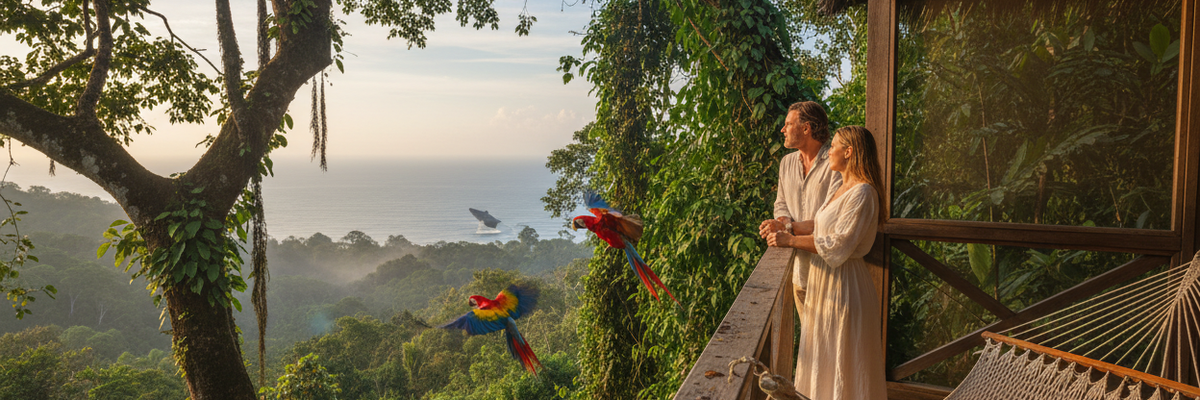
In an era defined by environmental concerns and a growing awareness of the impact of tourism, a new paradigm is emerging: regenerative tourism.
Moving beyond the concept of sustainability, regenerative tourism seeks to actively restore ecosystems, empower local communities, and revitalize cultures. It's a holistic approach that recognizes the interconnectedness of environmental, social, and economic well-being, aiming to leave destinations better than they were found. This article delves into the principles and practices of regenerative tourism, showcasing destinations and initiatives that exemplify this transformative approach.
Beyond Sustainability: Embracing Regeneration
While sustainable tourism aims to minimize negative impacts, regenerative tourism takes a step further by actively contributing to the health and vitality of destinations. It's about shifting from a mindset of minimizing harm to one of actively restoring ecosystems and cultures. This involves adopting practices that enhance biodiversity, improve soil health, and promote community resilience.
One destination that exemplifies this regenerative approach is Broughton Sanctuary in the Yorkshire Dales. This expansive estate is undergoing a transformative nature recovery project, converting low-grade agricultural land into a mosaic of diverse habitats. Through regenerative farming techniques, Broughton Sanctuary prioritizes soil health and carbon sequestration, while also reintroducing native species and restoring natural watercourses. The sanctuary also offers wellness retreats and nature experiences, deepening visitors' connection to the environment.
Local Tip: Participate in tree planting or wildlife monitoring activities at Broughton Sanctuary to contribute to their rewilding efforts and learn about the importance of habitat restoration.
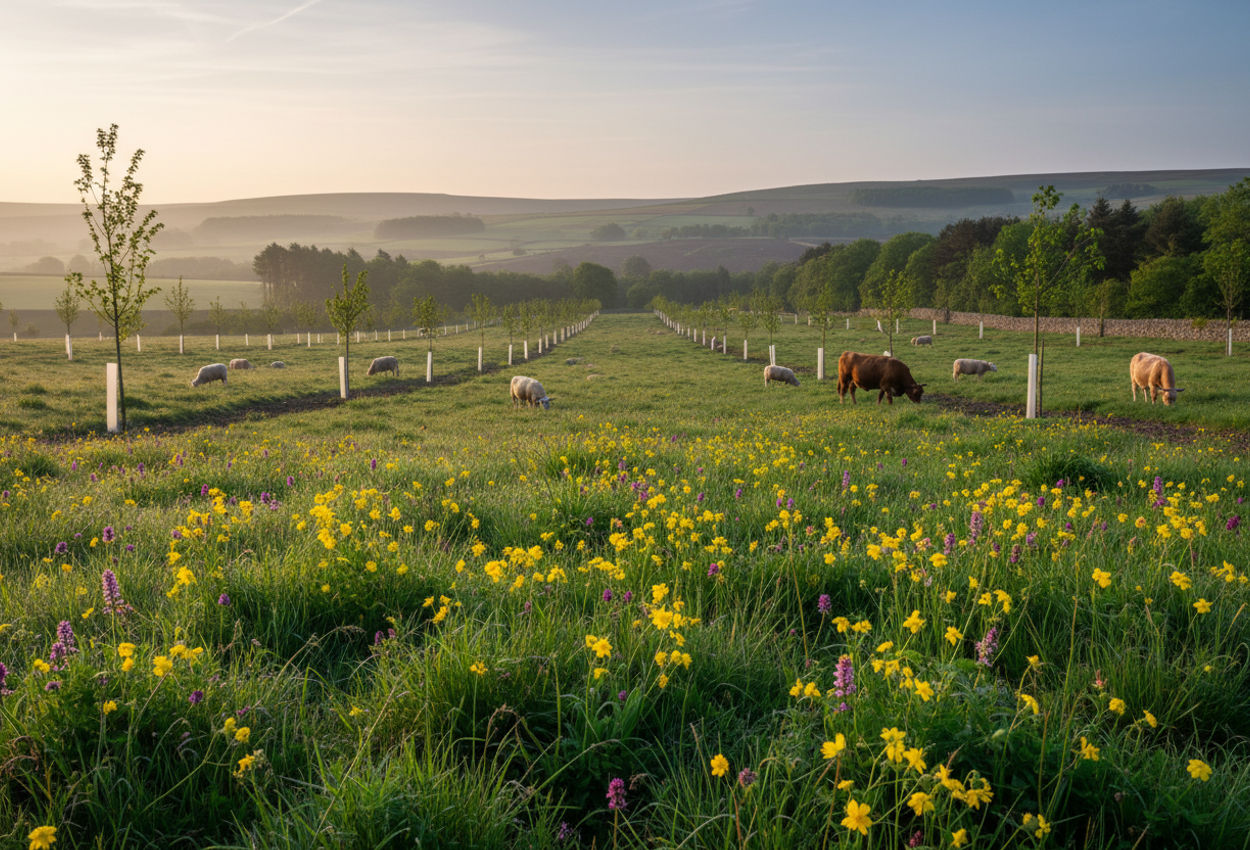
Image Description: A wide, landscape shot capturing the rolling hills of Broughton Sanctuary in the Yorkshire Dales. The foreground features a field with wildflowers and grazing livestock, showcasing regenerative farming practices. In the midground, newly planted trees dot the landscape, contributing to reforestation efforts. The background reveals the expansive Yorkshire Dales with its characteristic moorland and forests. The image aims to capture the essence of nature recovery and the harmonious coexistence of agriculture and nature at Broughton Sanctuary. The photo is taken on a sunny day, with soft lighting enhancing the natural colors of the landscape. The scene is captured in late spring, with vibrant greenery and blooming wildflowers, aligning with the article's January publication date by showcasing the promise of the coming year's natural beauty.
Style Instructions: Landscape, Nature. Use a wide-angle lens to capture the vastness of the landscape and the details of the regenerative farming practices. Focus on capturing the natural light and colors of the scene, creating a serene and inviting atmosphere. The photo is taken on May 15, 2025, on a sunny day with soft lighting.
Empowering Communities: Tourism by the People, for the People
Regenerative tourism recognizes that local communities are integral to the success of any tourism initiative. It emphasizes community-led initiatives that empower local people, foster small businesses, and preserve cultural heritage. By ensuring that tourism benefits all members of the community, regenerative tourism promotes economic and social equity.
Rewa Ecolodge in Guyana, is a prime example of community-led regenerative tourism. This eco-lodge is owned and operated by the indigenous Macushi community, who use tourism revenue to protect their rainforest and support sustainable livelihoods. Guests at Rewa Ecolodge can participate in activities such as rainforest walks, canoe trips, and cultural exchanges, providing them with an immersive experience while directly benefiting the local community.
Hidden Gem: Take a guided tour with a local Macushi guide to learn about the traditional uses of rainforest plants and the importance of biodiversity conservation.
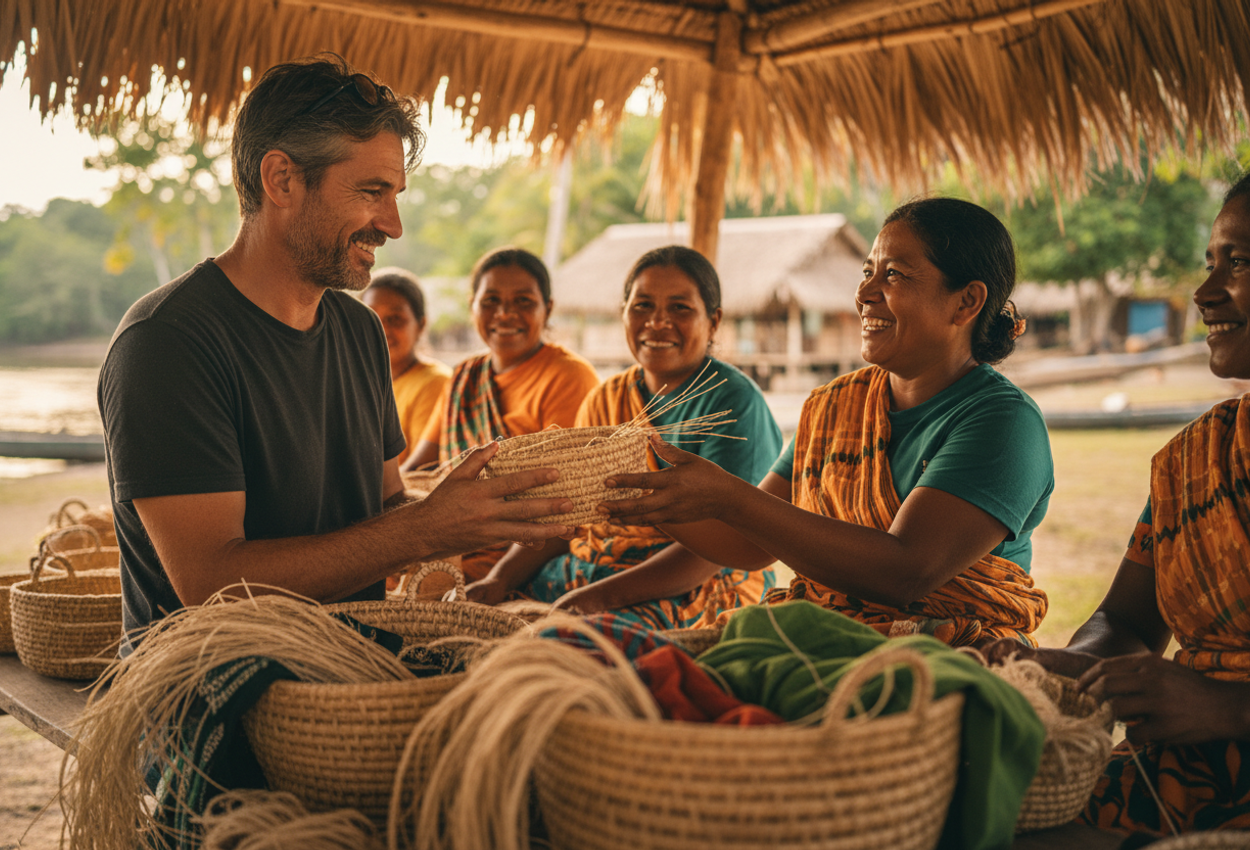
Image Description: A candid shot of members of the Macushi community in Rewa Village, Guyana, engaging in a traditional craft workshop. The scene captures the vibrant colors of the local textiles and the intricate details of the handcrafted items. The community members are smiling and interacting with visitors, showcasing the cultural exchange aspect of regenerative tourism. The image aims to convey the sense of community empowerment and cultural preservation fostered by Rewa Ecolodge. The photo is taken during the day, with natural light illuminating the workshop. The photo is taken on November 20, 2025, during the dry season.
Style Instructions: Candid, Lifestyle. Use a shallow depth of field to focus on the faces of the community members and the details of the handcrafted items. Capture the natural expressions and interactions between the community members and visitors, creating a warm and inviting atmosphere. The photo is taken on November 20, 2025, during the dry season with natural light.
Restoring Ecosystems: Healing the Planet Through Travel
Environmental conservation is a cornerstone of regenerative tourism. Regenerative tourism initiatives often involve sustainable land management practices, wildlife conservation efforts, and carbon offset programs. By minimizing ecological footprints and maximizing positive impacts, regenerative tourism helps to heal the planet and protect its natural resources.
Playa Viva Hotel in Mexico, is a boutique eco-resort that exemplifies this commitment to environmental conservation. The resort operates entirely off-grid, generating 100% of its energy from solar power. It also implements water conservation initiatives, recycles greywater, and maintains organic permaculture gardens. Playa Viva actively supports the local community through health and education programs, and engages in reforestation and carbon sequestration projects. The resort also founded and supports the La Tortuga Viva turtle sanctuary.
Local Tip: Participate in a turtle release at Playa Viva's La Tortuga Viva sanctuary to support marine conservation and learn about the importance of protecting endangered species.
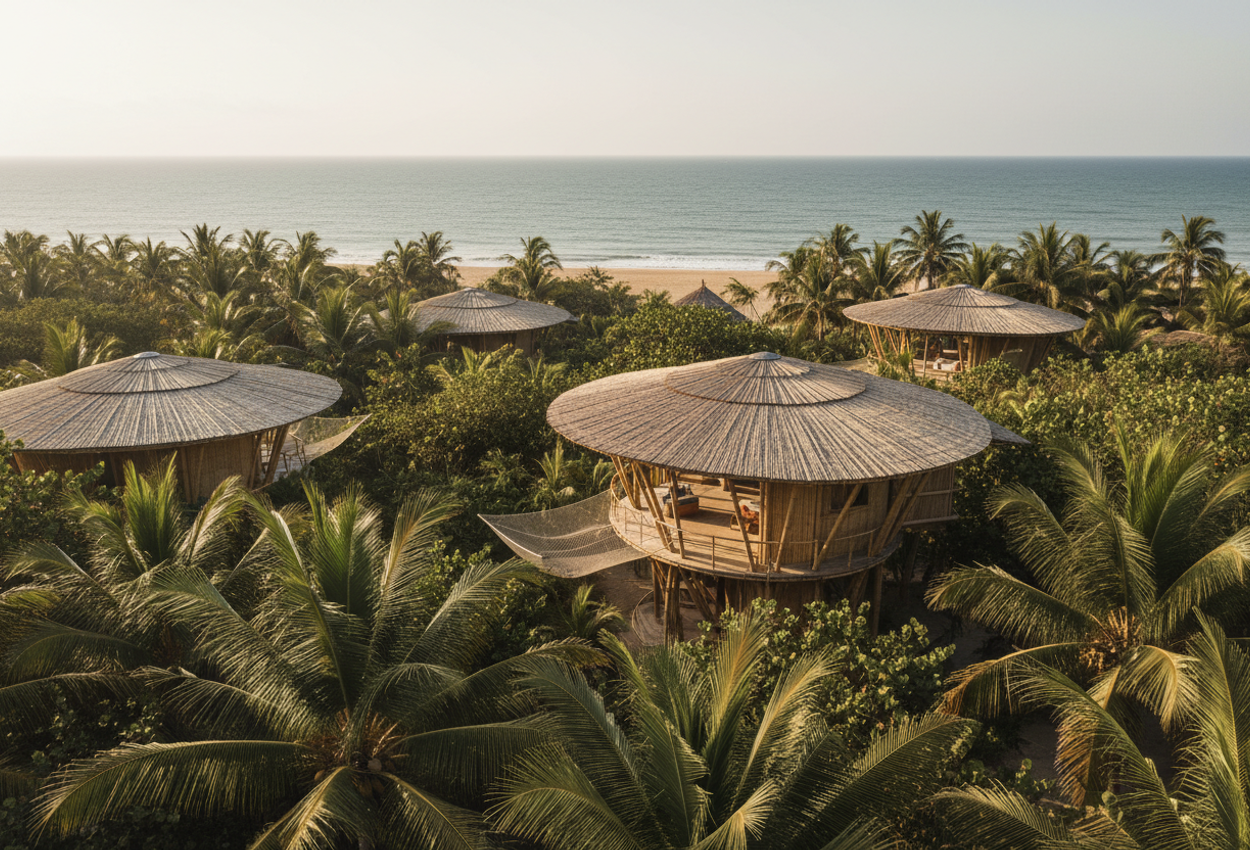
Image Description: An aerial shot of Playa Viva Hotel in Mexico, showcasing its sustainable design and integration with the natural environment. The scene captures the hotel's bamboo structures blending seamlessly with the surrounding palm trees and lush vegetation. The image also highlights the resort's proximity to the beach and the Pacific Ocean, emphasizing its commitment to marine conservation. The photo is taken during the day, with clear skies and bright sunlight. The photo is taken on March 10, 2025, during the dry season.
Style Instructions: Aerial, Landscape. Use a drone to capture an overhead view of the resort, showcasing its layout and sustainable features. Focus on capturing the natural beauty of the surrounding environment, creating a sense of tranquility and harmony. The photo is taken on March 10, 2025, during the dry season with clear skies and bright sunlight.
Collaborative Governance: The Role of Local Leadership
Effective governance and collaboration are essential for the success of regenerative tourism initiatives. Local governments play a crucial role in supporting tourism development through infrastructure provision, development of tourist attractions, and implementation of tourist promotion plans. Strategic planning, zoning regulations, and community stewardship are also key responsibilities of local governments.
The region of Tuscany, in Italy, provides a compelling case study of collaborative governance in tourism. The Tuscan government has implemented a collaborative approach to tourism planning, involving local communities, businesses, and other stakeholders in the decision-making process. This approach ensures that tourism development aligns with the needs and values of local communities, promoting sustainable and responsible tourism practices.
Hidden Gem: Explore the lesser-known Romanesque churches and monasteries in rural Tuscany, which are being promoted through sustainable tourism routes that involve local communities and enhance accessibility.
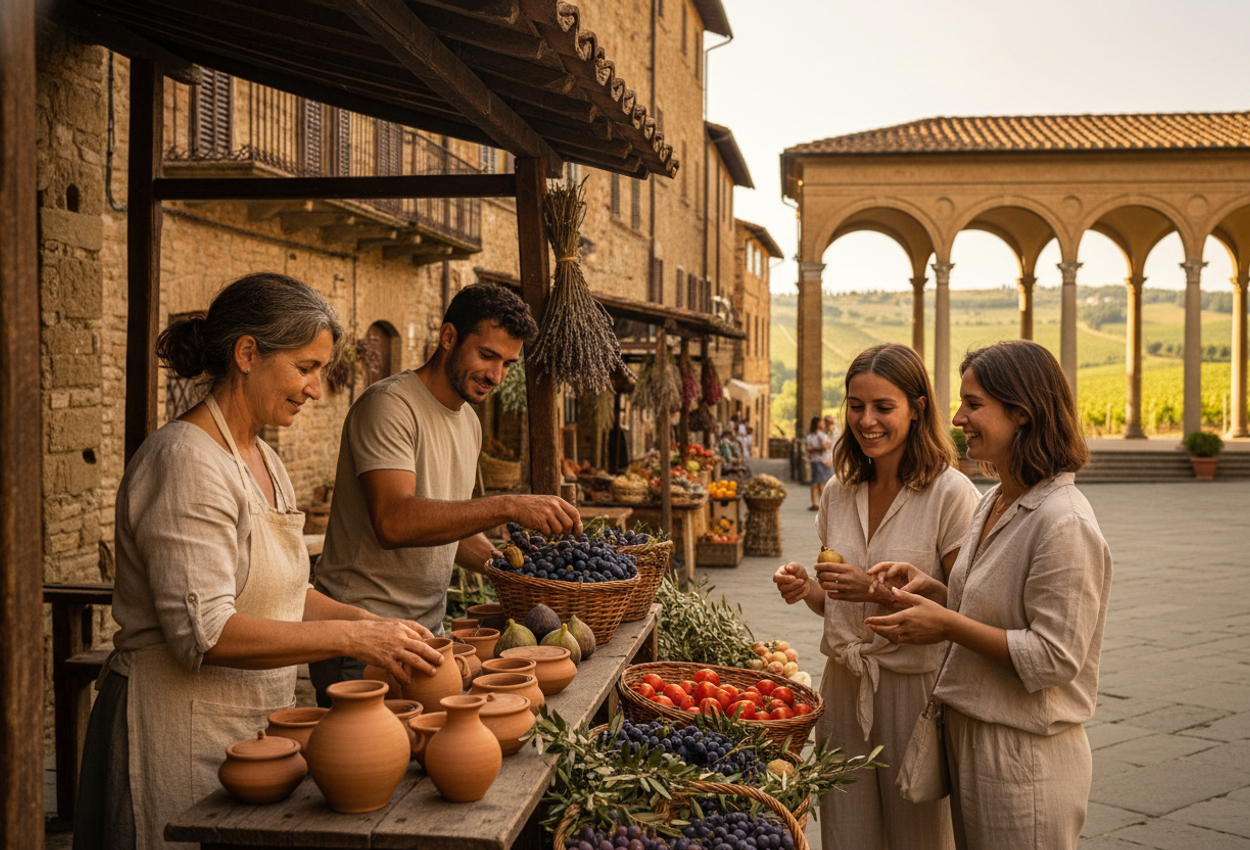
Image Description: A street-style photograph capturing a lively scene in a Tuscan town square, showcasing the collaborative governance approach to tourism. The scene features local artisans displaying their crafts, farmers selling their produce, and tourists interacting with locals. The image aims to convey the sense of community involvement and cultural vibrancy that characterizes tourism in Tuscany. The photo is taken during the day, with natural light illuminating the square. The photo is taken on September 15, 2025, during the harvest season.
Style Instructions: Street, Lifestyle. Use a wide-angle lens to capture the bustling atmosphere of the town square and the interactions between locals and tourists. Focus on capturing the natural expressions and details of the scene, creating a sense of authenticity and immersion. The photo is taken on September 15, 2025, during the harvest season with natural light.
Innovative Finance: Funding a Regenerative Future
Securing funding for conservation is a critical aspect of regenerative tourism. Innovative financial mechanisms, such as Blue Bonds and Debt-for-Nature Swaps, are playing an increasingly important role in supporting regenerative tourism initiatives.
Blue Bonds are debt instruments specifically designed to finance marine and ocean-based conservation projects. These bonds allow countries to secure funding for projects such as expanding marine protected areas, improving fisheries management, and reducing water pollution. The Republic of Seychelles issued the world's first sovereign blue bond in 2018, raising $15 million to fund marine conservation and support the local blue economy.
Debt-for-Nature Swaps involve purchasing a country's debt at a discounted price in exchange for commitments to invest in local conservation efforts. This mechanism allows countries to reduce their debt burden while simultaneously directing funds towards environmental protection. In 1987, Conservation International purchased $650,000 of Bolivian debt for $100,000, requiring the Bolivian government to establish a $250,000 endowment fund for a reserve in the Bolivian Amazon.
Local Tip: Support marine reserves that reinvest visitor fees into coral reef restoration, contributing to the long-term health of these vital ecosystems.
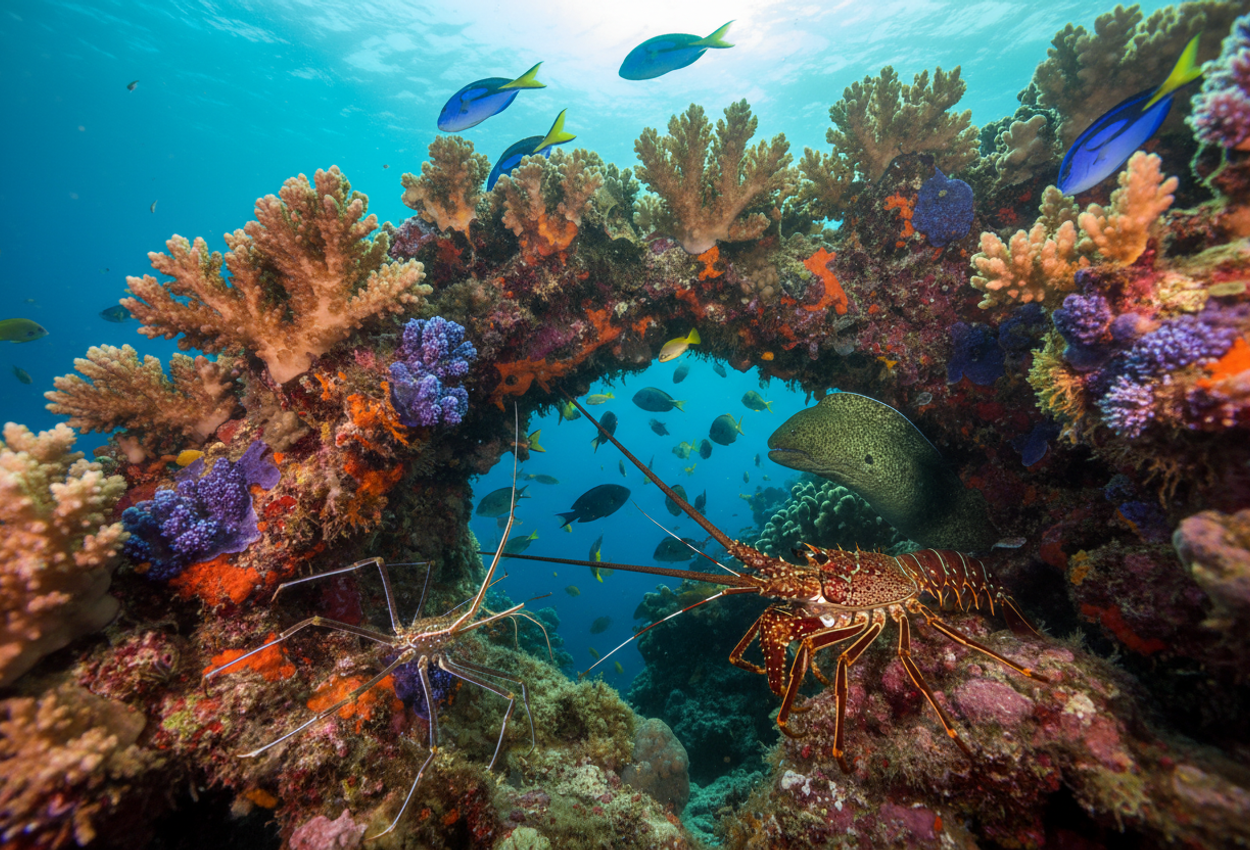
Image Description: An underwater shot of a vibrant coral reef ecosystem, showcasing the positive impact of innovative financing mechanisms like Blue Bonds. The scene captures diverse coral species, colorful fish, and other marine life thriving in a protected area. The image aims to convey the importance of investing in marine conservation and the tangible benefits of regenerative tourism. The photo is taken during the day, with natural light filtering through the water. The photo is taken on July 20, 2025, during the summer months.
Style Instructions: Macro, Seascape. Use a macro lens to capture the intricate details of the coral and marine life. Focus on capturing the vibrant colors and textures of the underwater world, creating a sense of wonder and awe. The photo is taken on July 20, 2025, during the summer months with natural light.
Regenerative tourism offers a powerful vision for the future of travel, one where tourism becomes a force for good, actively restoring ecosystems, empowering communities, and revitalizing cultures. By embracing collaborative governance, innovative finance, and a commitment to environmental and social responsibility, we can create a tourism industry that benefits both people and planet for generations to come.