In an era defined by environmental awareness, a new paradigm of travel is emerging—one that transcends passive observation and embraces active participation in conservation efforts. Rewilding safaris and conservation-focused adventures offer travelers the opportunity to immerse themselves in the world's most vulnerable ecosystems, contributing directly to their preservation while experiencing unparalleled emotional and spiritual enrichment.
This shift from spectator to steward is exemplified by companies like Rewild Safaris, which curate experiences that place travelers at the heart of conservation initiatives. Imagine tracking pumas on foot in the vast landscapes of Patagonia, not merely as an observer, but as a vital contributor to their protection. This is the essence of rewilding the soul—a journey that intertwines personal adventure with a profound connection to the natural world.
These transformative journeys extend beyond personal fulfillment, fostering a deeper understanding of the intricate relationships between wildlife, habitats, and local communities. By actively participating in conservation, travelers gain firsthand insights into the challenges and triumphs of environmental preservation, forging a lasting commitment to safeguarding our planet's precious biodiversity.
Rewilding safaris are not just about ticking off bucket-list destinations; they are about igniting a sense of purpose, fostering a deep connection with nature, and leaving a positive legacy on the world. As we explore some of the most captivating destinations on Earth, we'll uncover the hidden gems and unique local encounters that make these conservation efforts truly extraordinary.
Tracking Gorillas in Rwanda's Volcanoes National Park
The verdant slopes of Rwanda's Volcanoes National Park offer a sanctuary for the world's endangered mountain gorillas, a testament to decades of dedicated conservation efforts. Trekking through this lush, mountainous terrain to witness these gentle giants in their natural habitat is an experience that transcends the ordinary, forging a profound connection with the wild.
The park's history is intertwined with the legacy of Dian Fossey, whose pioneering research and unwavering dedication brought the plight of the mountain gorillas to global attention. Today, the park stands as a beacon of hope, its success attributed to collaborative efforts between the Rwandan government, local communities, and international organizations.
As you ascend into the rainforest, the air thickens with the scent of damp earth and the sounds of exotic birds. The anticipation builds with each step, culminating in an unforgettable encounter with a gorilla family. Observing these magnificent creatures in their natural environment—mothers tenderly cradling their young, silverbacks asserting their dominance, and juveniles playfully exploring their surroundings—is an experience that evokes a sense of awe and humility.
Tourism plays a crucial role in supporting gorilla conservation, with a portion of the revenue generated from permits directly funding anti-poaching patrols, habitat restoration, and community development projects. The work of organizations like the Gorilla Doctors Foundation, which provides veterinary care to injured and sick gorillas, is also heavily reliant on tourism revenue.

Hidden Gem: Beyond the well-trodden tourist trails, a network of local communities is deeply involved in gorilla conservation, benefiting from sustainable livelihoods through tourism. These communities act as custodians of the forest, actively participating in monitoring, protecting, and educating others about the importance of preserving this unique ecosystem. Engaging with these communities offers a unique perspective on the challenges and rewards of living in harmony with wildlife, fostering a deeper understanding of the interconnectedness between humans and nature.
By choosing to trek gorillas in Rwanda's Volcanoes National Park, travelers contribute directly to the conservation of these endangered primates and the well-being of the local communities that share their habitat. It's a journey that not only rewilds the soul but also empowers those on the front lines of conservation.
Elephant Conservation in Botswana's Okavango Delta
The Okavango Delta, a UNESCO World Heritage Site, stands as one of Africa's last great wildernesses, a sanctuary for a vast array of wildlife, including the continent's largest elephant population. However, this idyllic landscape faces increasing challenges from human-wildlife conflict, threatening the delicate balance between conservation and community livelihoods.
As human settlements encroach upon traditional elephant habitats, conflicts arise over access to land and water resources, leading to crop damage, property destruction, and even loss of life. Addressing this complex issue requires innovative solutions that prioritize both elephant protection and community well-being.
Several conservation projects in the Okavango Delta are working to mitigate human-wildlife conflict through community-based initiatives. The Wildlife Conservation Network supports programs that empower local communities to manage their natural resources sustainably, providing them with the tools and resources to protect elephants and their habitats.
Travelers can actively participate in elephant monitoring and anti-poaching patrols, gaining firsthand experience in the challenges of conservation. These immersive experiences offer a unique opportunity to contribute to data collection, learn about elephant behavior, and support the efforts of local rangers.
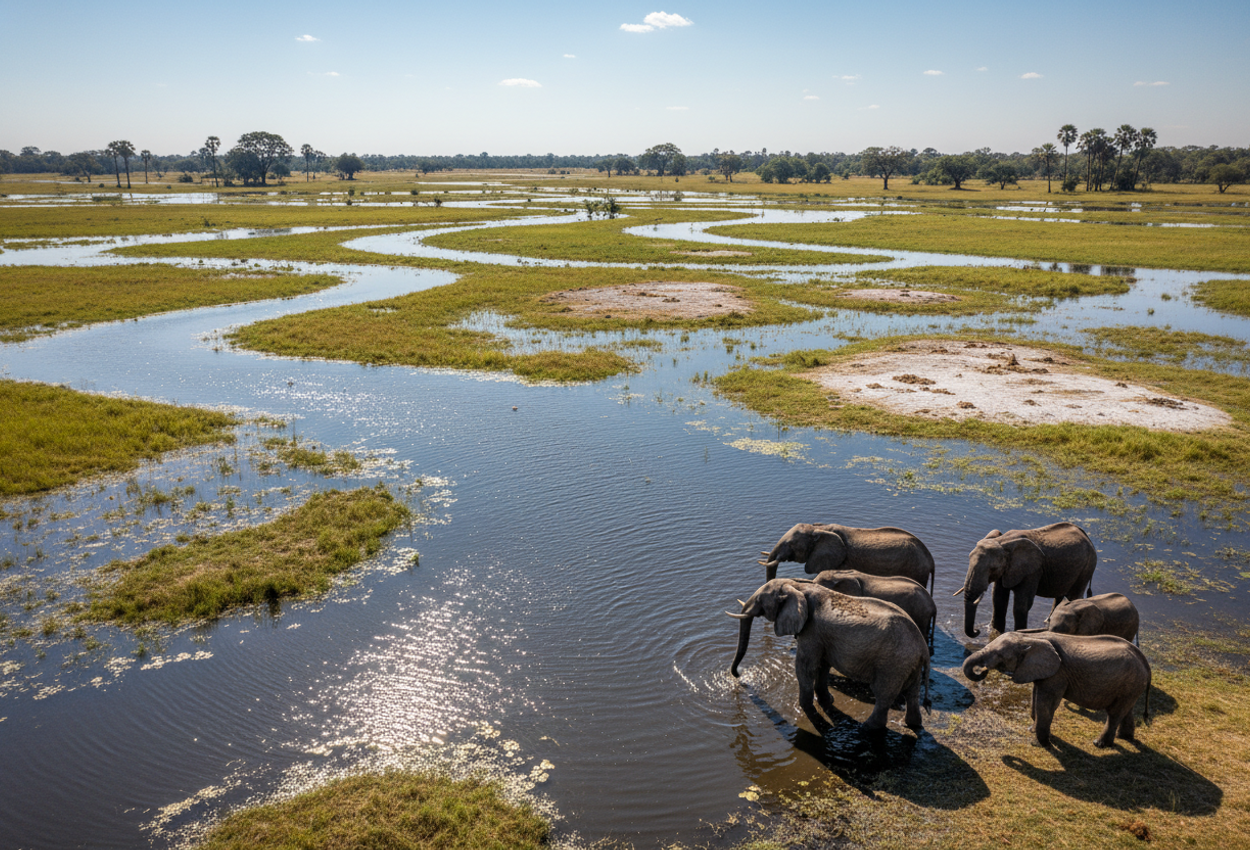
Immerse yourself in the vastness of the delta, where the calls of exotic birds fill the air and the sight of elephants drinking at a waterhole is a daily spectacle. Witness the intricate social dynamics of elephant herds, their intelligence, and their deep connection to the landscape.
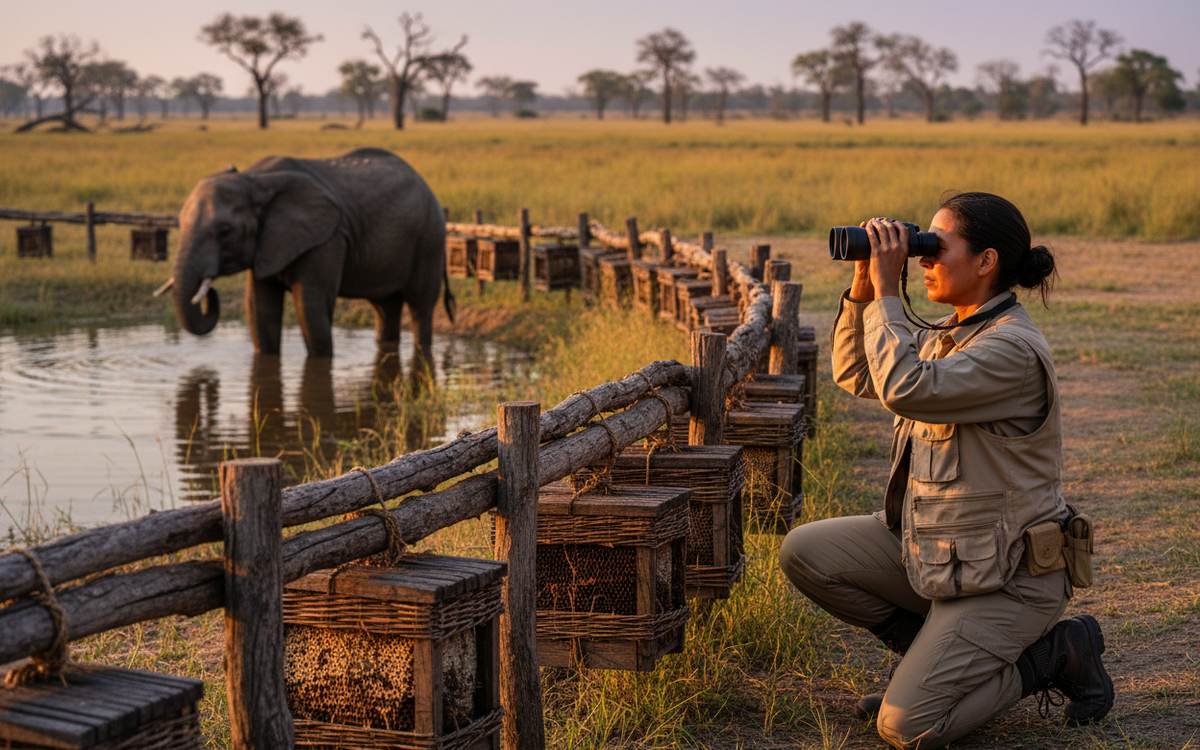
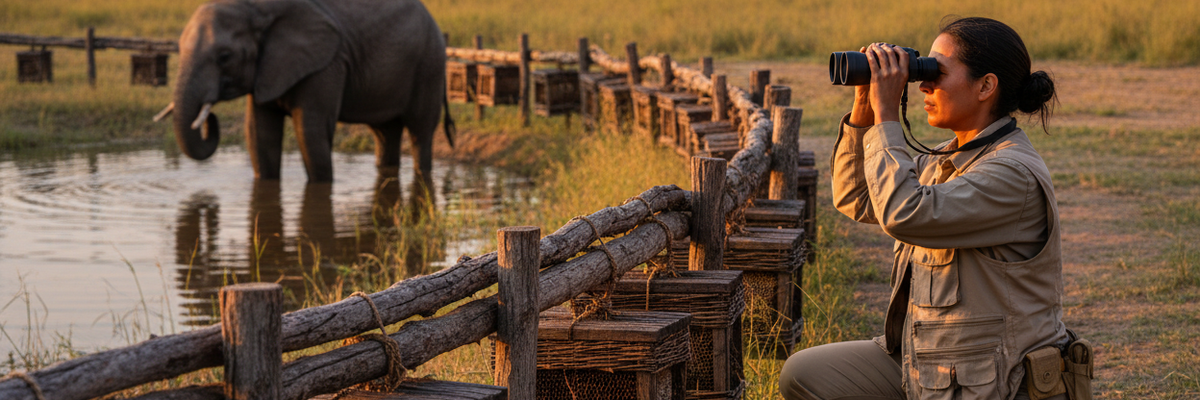
Hidden Gem: In a remarkable display of ingenuity, communities in the Okavango Delta are employing beehive fences to deter elephants from entering farms. This community-based solution not only protects crops but also provides farmers with a sustainable source of income through honey production. By supporting these initiatives, travelers contribute to a harmonious coexistence between humans and elephants, fostering a future where both can thrive.
Saving Sea Turtles in Costa Rica's Osa Peninsula
The Osa Peninsula, a remote and biodiverse region on Costa Rica's Pacific coast, serves as a critical nesting ground for several species of sea turtles, including the Olive Ridley and Pacific Green turtles. However, these ancient mariners face numerous threats, including habitat loss, poaching, and entanglement in fishing gear.
To combat these challenges, a network of sea turtle conservation projects has emerged on the Osa Peninsula, dedicated to protecting nesting beaches, collecting data, and assisting with hatchling releases. Travelers can actively participate in these efforts, immersing themselves in the world of sea turtle conservation while experiencing the raw beauty of the Osa Peninsula.
Imagine patrolling pristine beaches under the moonlight, searching for nesting turtles, carefully collecting eggs, and relocating them to protected hatcheries. Witness the miracle of life as hundreds of tiny turtles emerge from their shells, instinctively making their way to the ocean under your watchful eye.
These projects often embrace eco-friendly accommodations and sustainable living practices, minimizing their environmental impact while providing travelers with an immersive experience in nature. Fall asleep to the sound of waves crashing on the shore, knowing that your presence is contributing to the preservation of these magnificent creatures.
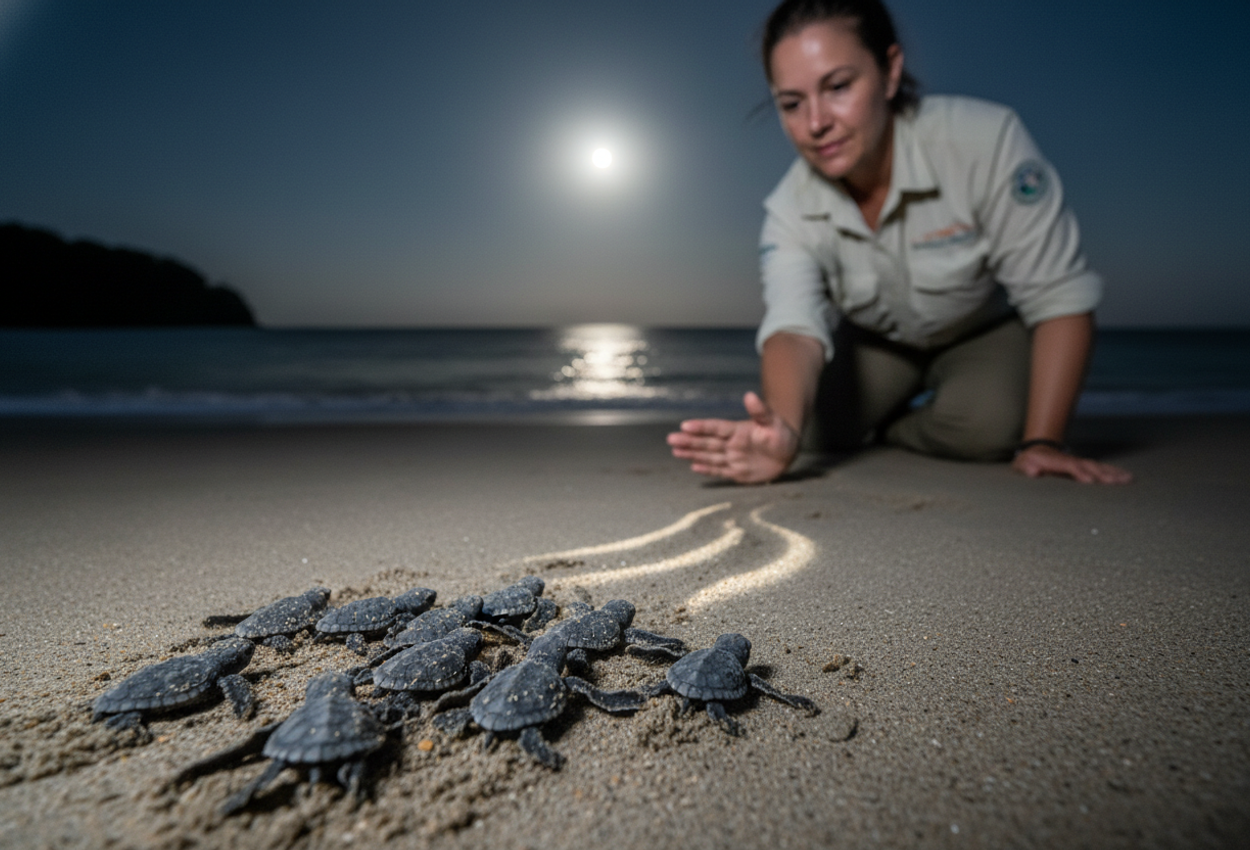
Hidden Gem: The Osa Peninsula is a hotbed of permaculture projects and community involvement in sustainable living. Explore organic farms, learn about sustainable building techniques, and connect with local communities that are pioneering innovative solutions to environmental challenges. This holistic approach to conservation extends beyond sea turtles, encompassing a broader commitment to environmental stewardship and community empowerment.
Rewilding the Scottish Highlands
The Scottish Highlands, a landscape steeped in history and natural beauty, are undergoing a remarkable transformation as rewilding efforts aim to restore native forests and wildlife habitats. Once dominated by the ancient Caledonian Forest, this region has suffered from centuries of deforestation and overgrazing, resulting in a fragmented and degraded ecosystem.
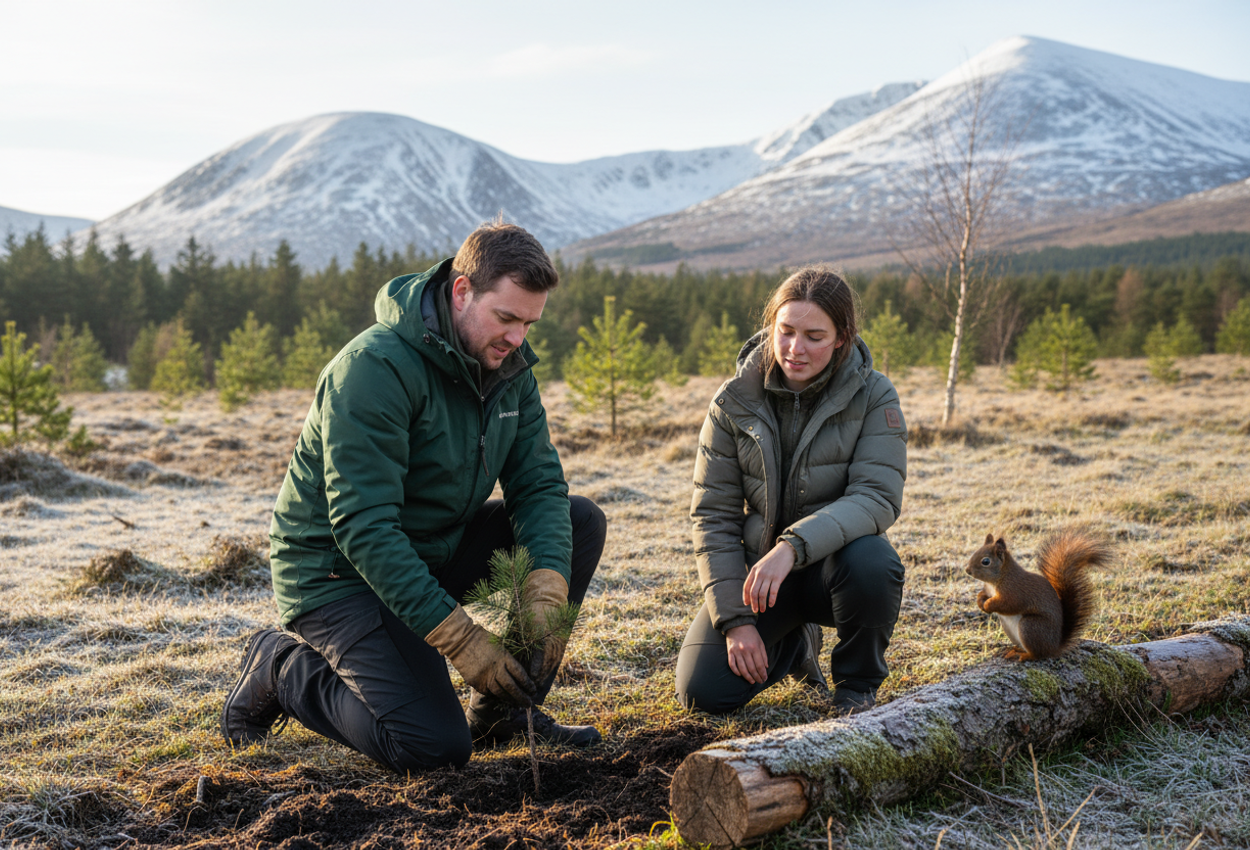
Today, organizations like Trees for Life are leading the charge to restore the Highlands' natural heritage, offering travelers the opportunity to participate in tree planting and habitat restoration projects. Imagine planting native trees in areas where forests once thrived, contributing to the creation of a new wild forest that will provide habitat for a diverse array of wildlife.
Visit specific locations like the Trees for Life project in Dundreggan, where you can immerse yourself in the scent of pine needles, listen to the wind whispering through the trees, and witness the sight of red deer roaming freely. These sensory experiences evoke a deep connection to the land, fostering a sense of stewardship and responsibility.
Hidden Gem: The Caledonian Forest holds deep cultural significance, intertwined with local folklore and traditions. Discover the stories of mythical creatures, ancient heroes, and the spiritual connection between the people and the forest. Engage with local communities that are working to revive traditional practices, ensuring that the cultural heritage of the Highlands is preserved alongside its natural beauty.
Protecting Snow Leopards in the Himalayas
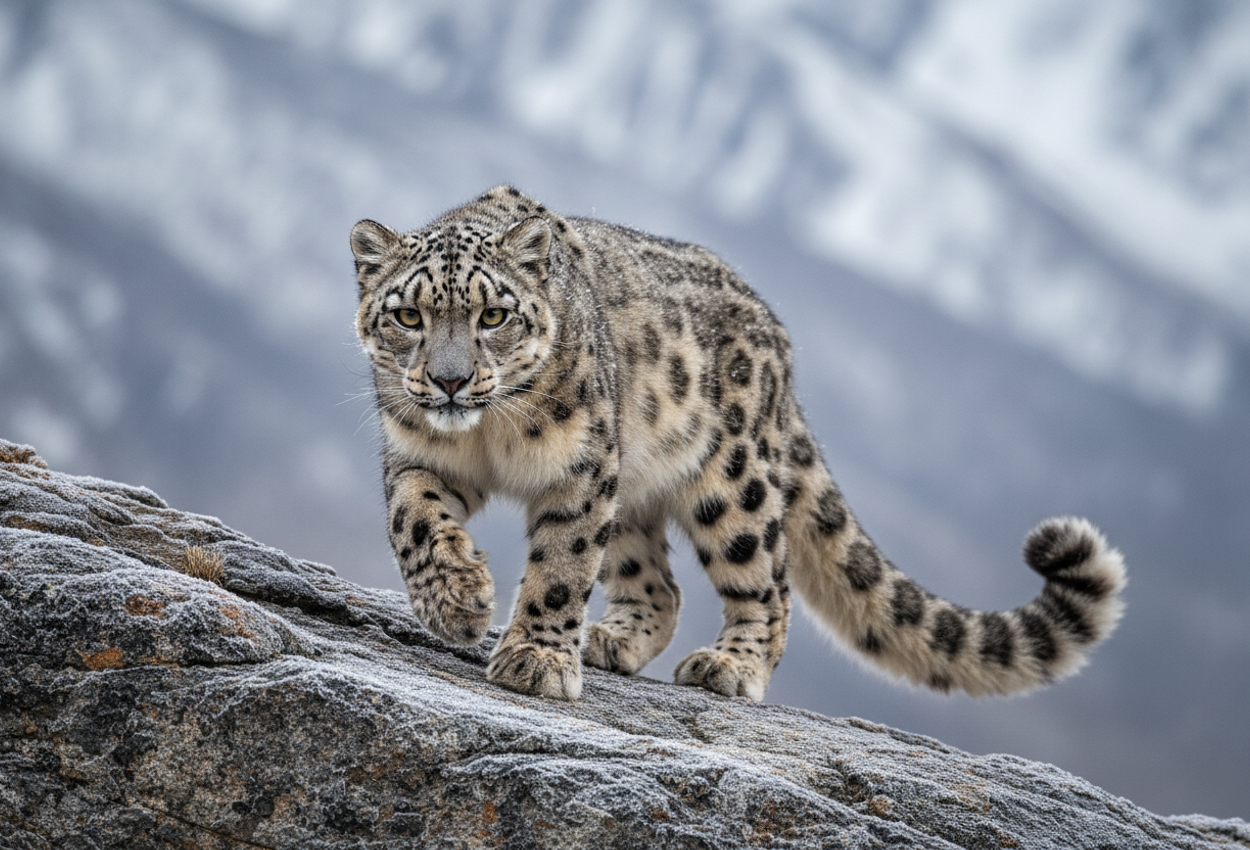
The rugged, snow-capped peaks of the Himalayas are home to the elusive snow leopard, a magnificent predator that plays a vital role in maintaining the delicate balance of this fragile ecosystem. However, snow leopards face numerous threats, including poaching, habitat loss, and human-wildlife conflict.
To protect these endangered cats, conservation programs are working to engage local communities in wildlife tracking and community-based conservation efforts. Organizations like the Snow Leopard Conservancy India Trust empower local communities to become stewards of their environment, providing them with the tools and resources to protect snow leopards and their prey.
Travelers can contribute to these efforts by participating in wildlife tracking expeditions, assisting with camera trapping, and supporting community-based conservation initiatives. Imagine trekking through remote mountain passes, learning to identify snow leopard tracks, and contributing to vital population monitoring efforts.
Hidden Gem: The traditional knowledge of local communities is essential to snow leopard conservation, offering invaluable insights into the behavior, ecology, and cultural significance of these elusive cats. Engage with local herders, learn about their traditional practices, and discover how their insights are essential to the success of conservation efforts. By respecting and valuing local knowledge, travelers can contribute to a more holistic and sustainable approach to snow leopard conservation.
Conserving Marine Life in the Galapagos Islands
The Galapagos Islands, a volcanic archipelago renowned for its unique biodiversity, are a living laboratory of evolution, attracting scientists and nature enthusiasts from around the world. However, the islands' delicate marine ecosystems face increasing threats from overfishing, pollution, and climate change.
To protect the Galapagos' marine life, sustainable tourism and responsible wildlife viewing are essential. Accredited marine reserves and initiatives like Blue Parks are working to ensure that tourism benefits conservation, providing funding for research, monitoring, and enforcement.
Travelers can support these efforts by choosing eco-friendly tour operators, respecting wildlife viewing guidelines, and participating in citizen science projects. Imagine swimming alongside sea turtles, marveling at the vibrant colors of marine life, and exploring the unique volcanic landscape.

Hidden Gem: The Charles Darwin Research Station plays a vital role in scientific research and conservation efforts in the Galapagos. Visit the station, learn about ongoing research projects, and discover the fascinating history of conservation in the Galapagos. By supporting the Charles Darwin Foundation, travelers contribute to the long-term preservation of this unique archipelago.
Tracking Pumas in Patagonia
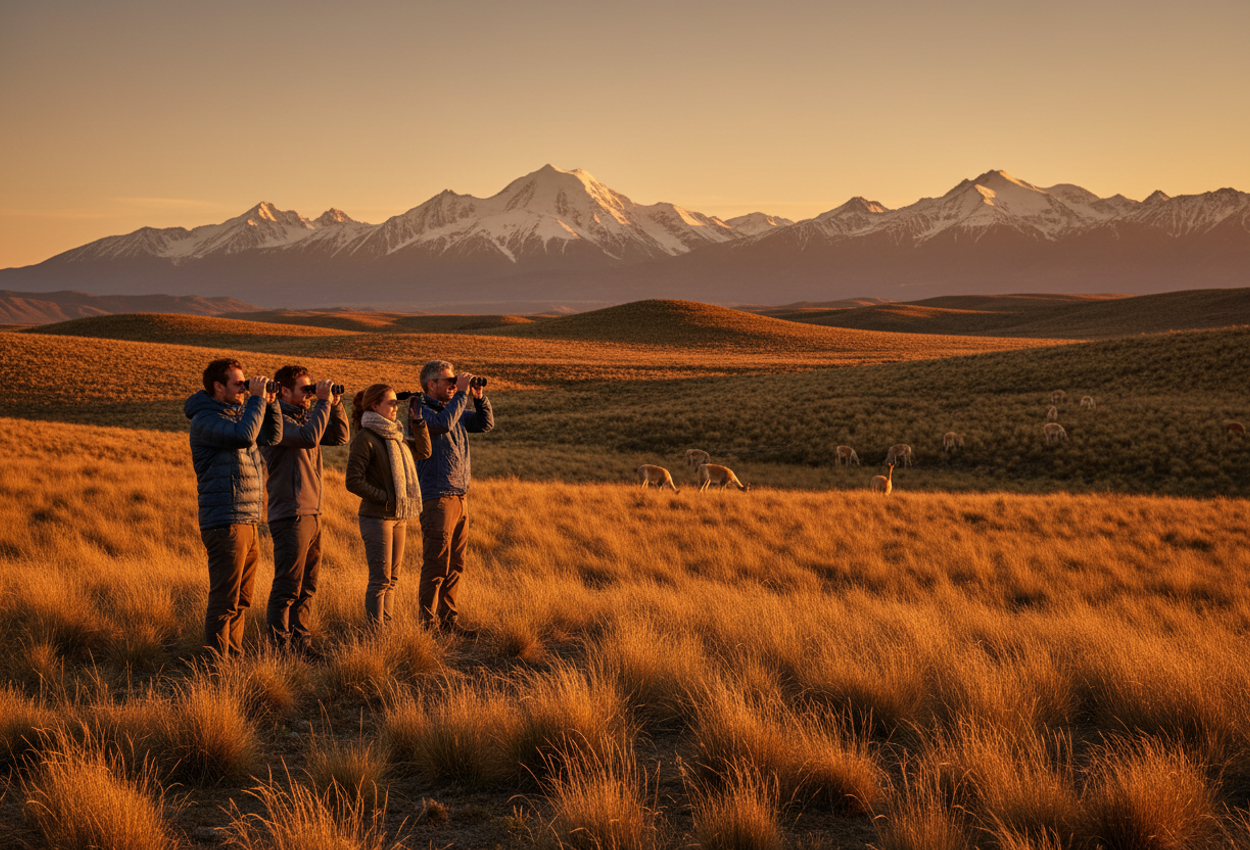
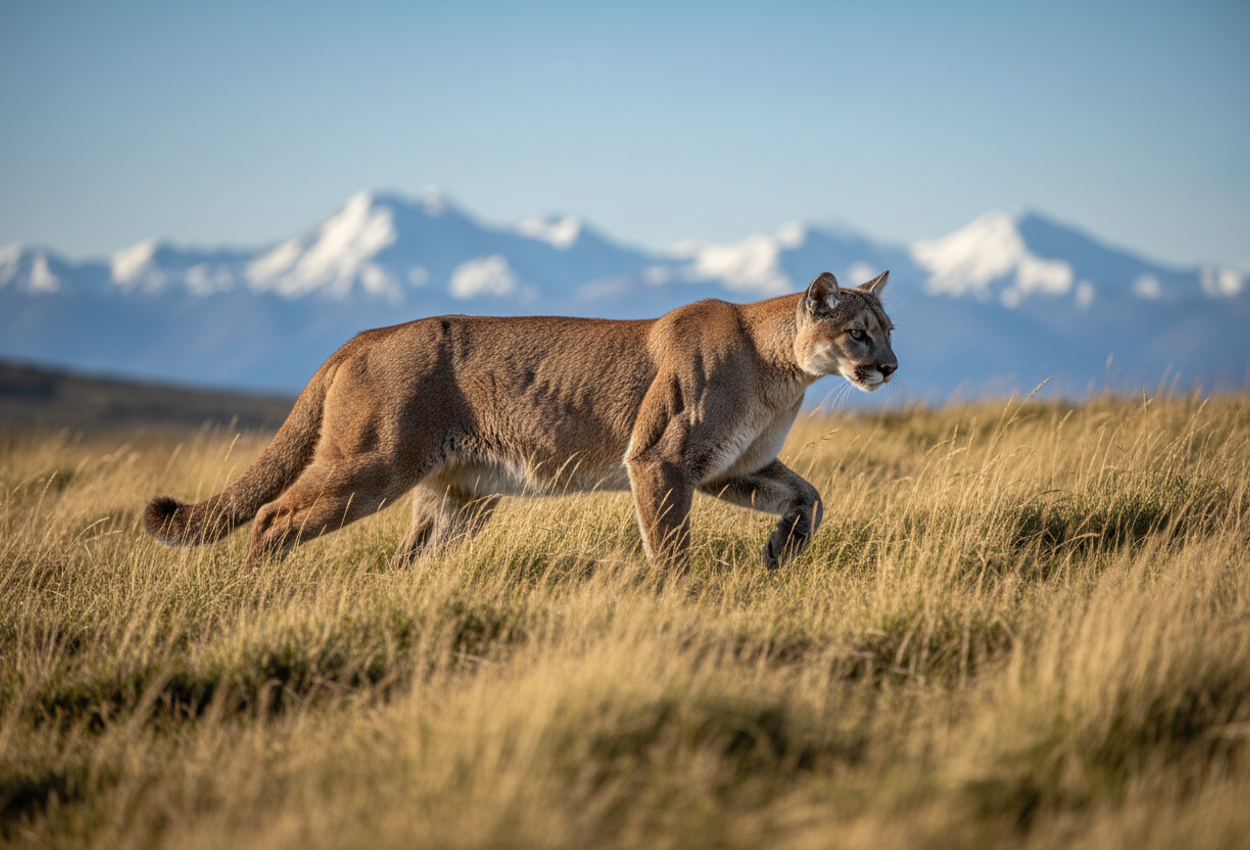
The vast, open landscapes of Patagonia offer a unique opportunity to track pumas on foot, an experience curated by Rewild Safaris. Puma conservation is crucial in this region, where these apex predators face threats from habitat loss, hunting, and conflict with livestock.
Travelers can participate in wildlife monitoring, supporting local communities, and learning about the challenges of puma conservation. The thrill of spotting a puma in the wild, observing its natural behavior, and contributing to its protection is an unforgettable experience.
Hidden Gem: The gaucho culture of Patagonia is deeply intertwined with wildlife conservation. Learn about the traditional practices of these nomadic horsemen, their connection to the land, and their role in protecting wildlife. By supporting gaucho communities, travelers contribute to the preservation of both cultural heritage and natural ecosystems.
These journeys into the wild are more than just vacations; they are opportunities to rewild the soul, connect with nature, and leave a lasting legacy of conservation.