Embark on a visual journey, transforming your travels into a canvas of creative expression through the lens of your camera.
Travel is more than just seeing new places; it's about experiencing new cultures, encountering unique perspectives, and capturing memories that last a lifetime. Photography allows us to freeze these moments in time, but it can also be a powerful tool for creative expression and storytelling. Whether you're a seasoned photographer or just starting out, these tips will help you capture creative moments on your travels, turning your photos into works of art.

Finding Your Muse: Spotting Inspiring Subjects
The first step in capturing creative travel photos is finding subjects that inspire you. Look beyond the typical tourist attractions and seek out the unique and compelling aspects of your destination. Immerse yourself in the local culture, wander off the beaten path, and be open to discovering hidden gems that tell a story. A bustling local market in Marrakech, Morocco, might offer a kaleidoscope of vibrant colors, textures, and faces, each with its own story to tell. The serene temples of Kyoto, Japan, could inspire you with their architectural beauty and spiritual essence.
Don't be afraid to interact with locals, as they can offer unique insights and perspectives. Ask for permission to take their portraits, and listen to their stories. These authentic encounters can add depth and meaning to your photographs, capturing the true spirit of your destination. Before you even arrive, research your destination to uncover hidden gems and plan your shoots around local events or festivals. Knowing what to expect will help you prepare and ensure you don't miss out on unique photo opportunities.
Consider the time of year and how it might affect your subject. A snowy landscape in Queenstown, New Zealand offers a completely different photographic experience than the same location in the summer. Think about the story you want to tell and how the environment can help convey that message.
Crafting Your Vision: Composition Techniques for Impactful Shots
Composition is the art of arranging elements within your frame to create a visually appealing and impactful image. Mastering a few key composition techniques can significantly elevate your travel photography. The rule of thirds, a fundamental principle, involves dividing your frame into a 3x3 grid and placing key elements along the lines or intersections. This creates a balanced and dynamic composition that draws the viewer's eye naturally.
Leading lines are another powerful tool, using lines to guide the viewer's eye through the image and towards the main subject. The winding paths of the Great Wall of China serve as excellent leading lines, drawing the viewer's gaze into the distance. Symmetry can create a sense of balance and harmony, while framing uses elements within the scene to create a natural border around your subject. The structure of the Eiffel Tower can frame a shot of the Parisian skyline, adding depth and context.
Experiment with different angles and perspectives to find unique compositions. Shooting from a low angle can emphasize the grandeur of ancient ruins in Rome, while using a drone for aerial views can reveal the vastness of Iceland's landscapes. Don't be afraid to break the rules and try something unconventional. Sometimes, the most captivating images are those that defy traditional composition guidelines.
Light and Shadow: Mastering Natural Light for Stunning Effects
Light is the essence of photography, and understanding how to use natural light can dramatically improve your travel photos. The golden hours, the period shortly after sunrise and before sunset, offer the most magical light. During these times, the sun is low on the horizon, casting a warm, soft glow that enhances colors and textures.
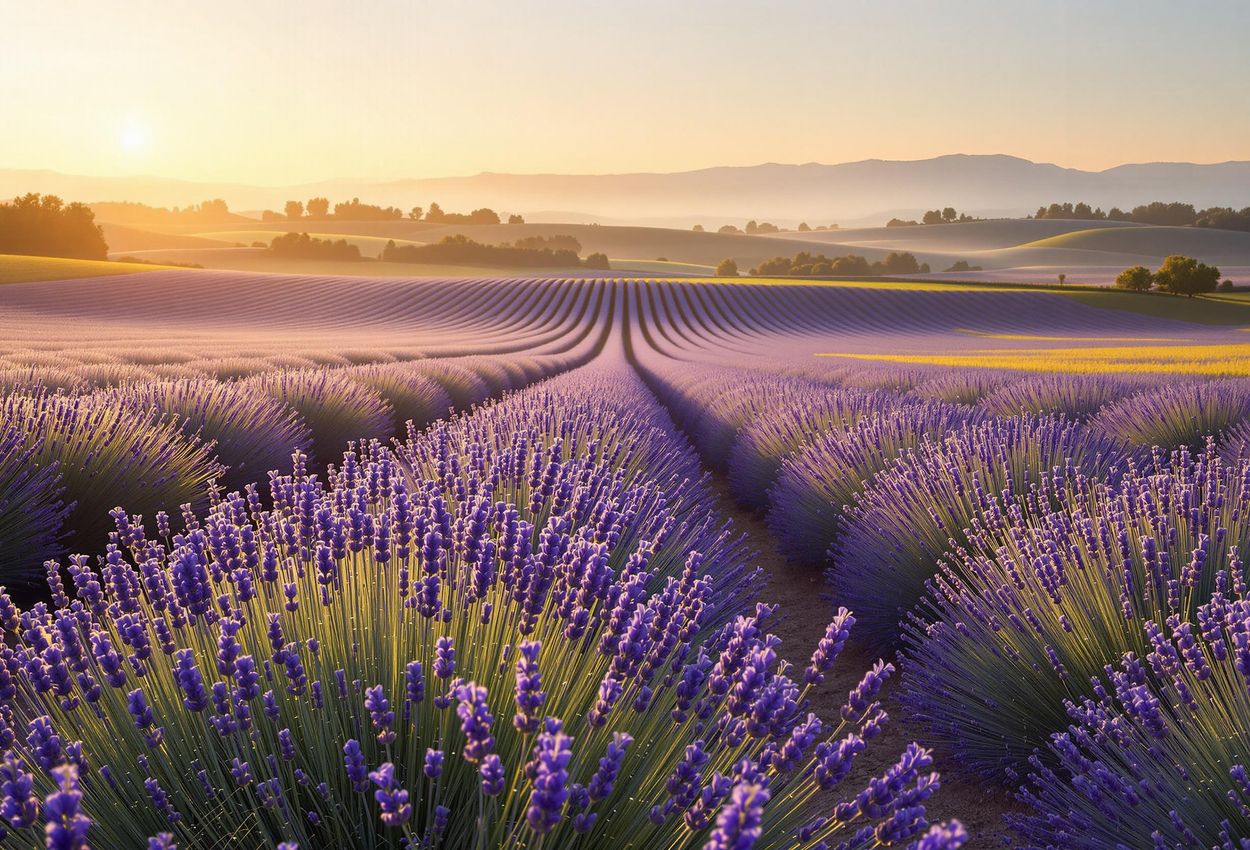
In Santorini, Greece, the sunsets are legendary, painting the white-washed buildings in hues of orange and pink. The lavender fields of Provence, France, are best photographed in the soft morning light, when the colors are most vibrant. Shooting towards the sun can create stunning sunset clouds, while shooting away from it can highlight your subject with a soft, diffused light.
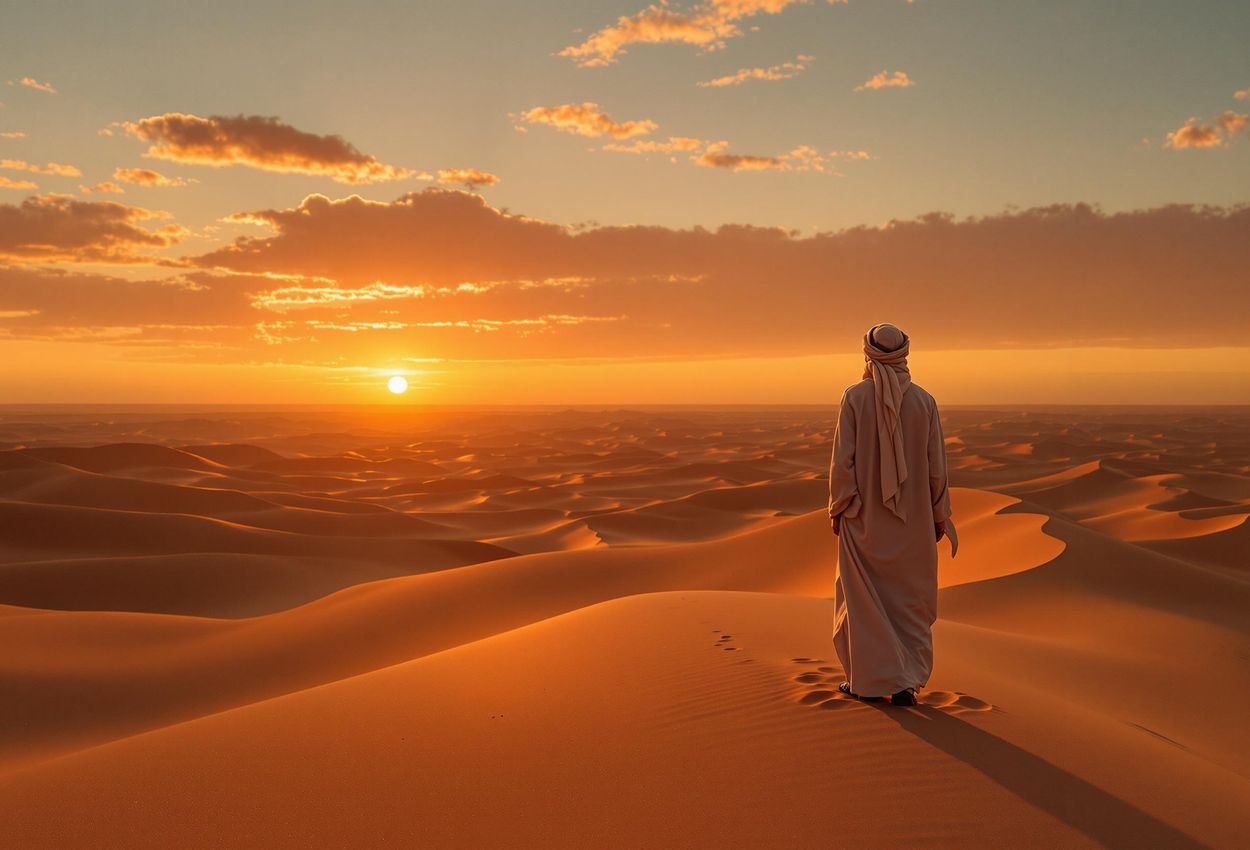
Experiment with shadows and contrast to add depth and drama to your images. Capturing silhouettes against a vibrant sunset in the Sahara Desert can create a powerful and evocative image. Pay attention to the direction of light and how it affects your subject. Side lighting can create interesting shadows and textures, while backlighting can create a soft, ethereal glow.
The Digital Darkroom: Editing Photos to Enhance Artistic Impact
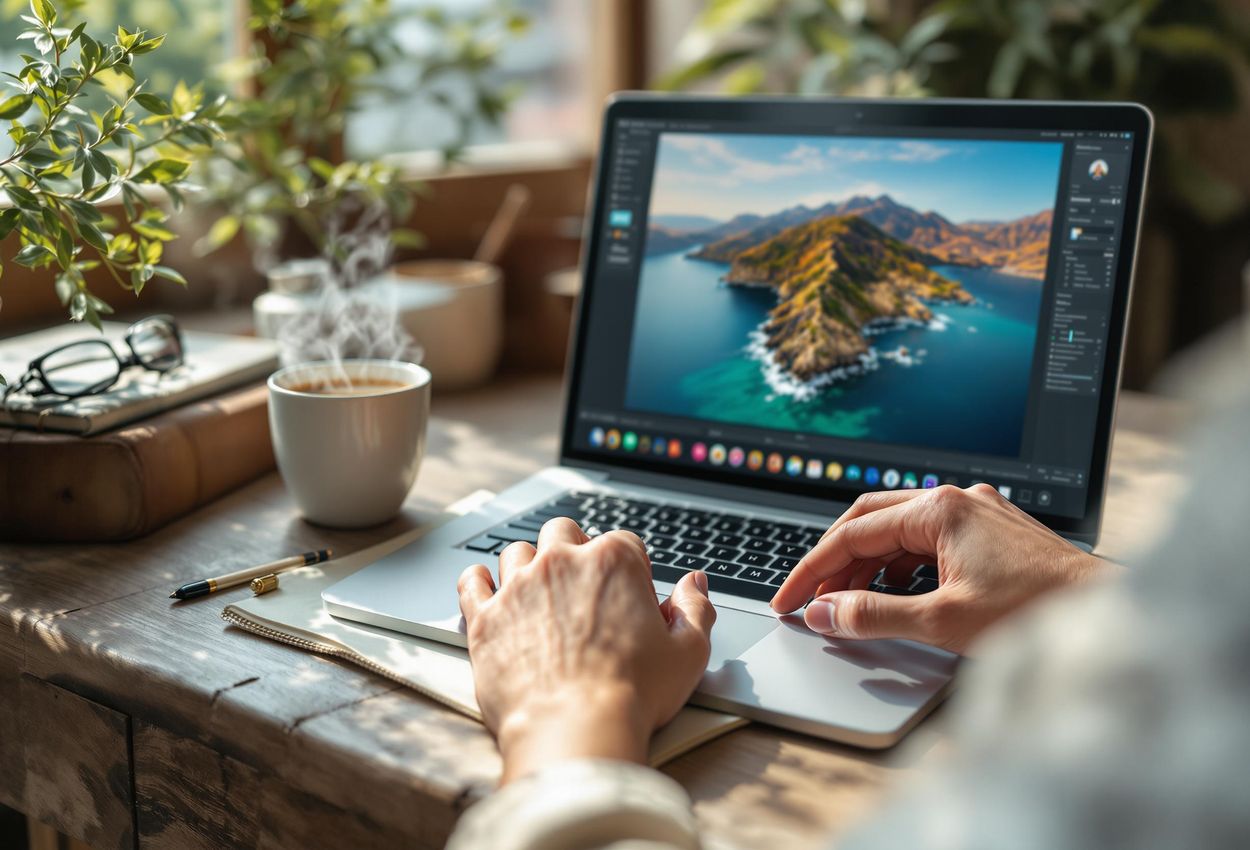
Editing is an essential part of the photography process, allowing you to fine-tune your images and enhance their artistic impact. While it's important to maintain authenticity and avoid excessive editing, a few simple adjustments can make a big difference. Adjusting brightness, contrast, saturation, and white balance can bring out the best in your photos.
Photo editing apps like Adobe Lightroom, Snapseed, and VSCO offer a range of tools to fine-tune your images and create a unique editing style. Lightroom is a powerful tool for making precise adjustments, while Snapseed offers a user-friendly interface and a range of creative filters. VSCO is known for its minimalist filters that give your photos a light and artistic look.
Consider using tools like the object remover in PhotoDirector to eliminate unwanted elements from your scene or the AI Super Sharp tool in Pixlr Express to enhance details. Experiment with different editing techniques to find what works best for you, but always strive to maintain a natural and realistic look. Remember, the goal is to enhance your photos, not to distort them.
By following these tips, you can transform your travel photography into a powerful tool for creative expression and storytelling. So, pack your camera, embrace the unknown, and capture the world through your unique lens.