Dublin, a city steeped in history and brimming with vibrant culture, has long been a muse for literary giants. From the winding streets that inspired James Joyce's Ulysses to the hallowed halls where Yeats penned his timeless verses, the Emerald Isle's capital offers a unique pilgrimage for book lovers. Journey with us as we trace the literary footsteps through Dublin, exploring the landmarks, pubs, and hidden gems that have shaped Ireland's rich literary heritage.
Tracing Joyce's Ulysses Through Dublin's Streets
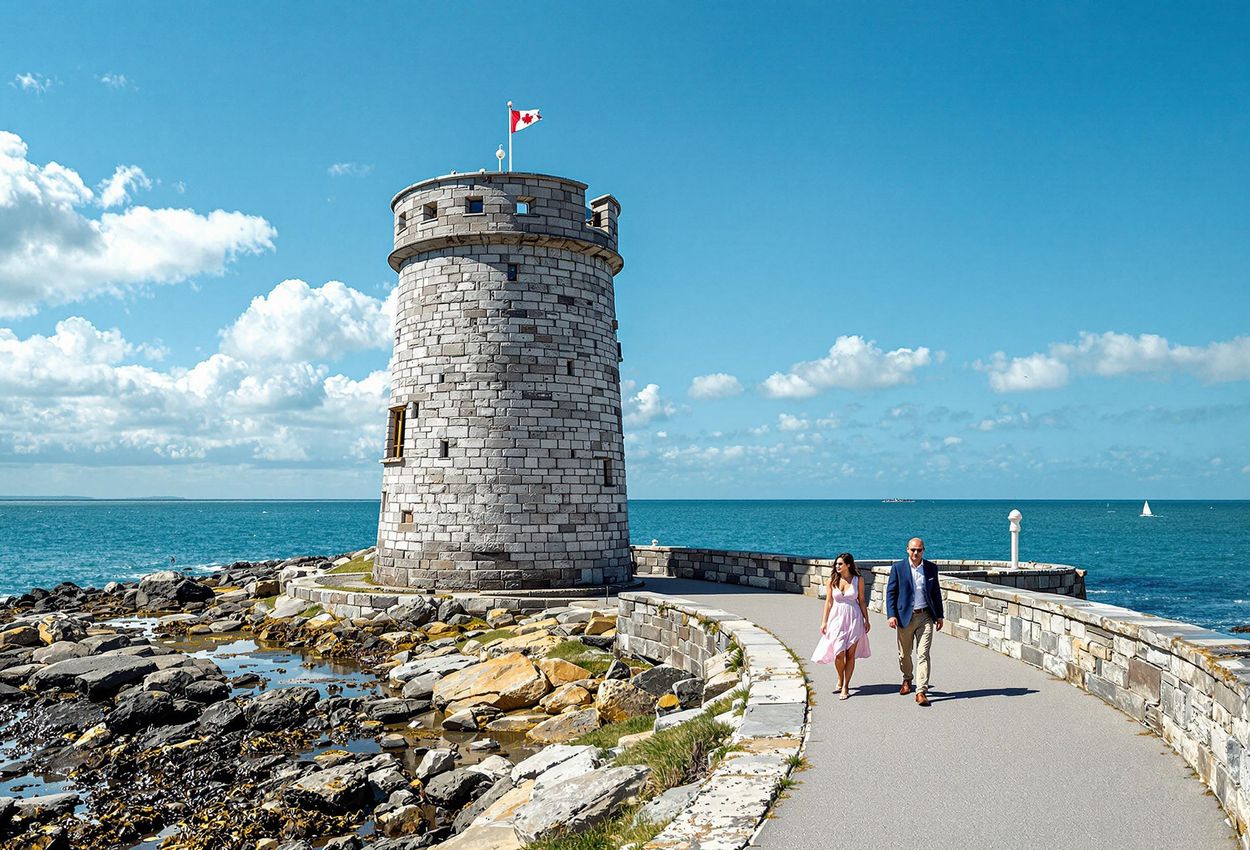
Our literary journey begins with James Joyce, perhaps Dublin's most celebrated author. His masterpiece, Ulysses, is not just a novel but a detailed map of Dublin in 1904, immortalizing the city's streets and its inhabitants. We start at the Martello Tower in Sandycove, now the James Joyce Tower and Museum, where the novel famously begins.
Here, standing against the backdrop of the Irish Sea, one can almost hear the opening lines of Ulysses: Stately, plump Buck Mulligan came from the stairhead, bearing a bowl of lather on which a mirror and a razor lay crossed. The tower itself, a squat, grey structure, offers panoramic views of the coastline and houses a collection of Joycean artifacts, providing a tangible connection to the author and his work.
Following Leopold Bloom's route through the city, we next visit Sweny's Pharmacy on Lincoln Place, a time capsule preserved as it was in Joyce's time. The scent of lemon soap, a key detail in Ulysses, still permeates the air. In the novel, Bloom purchases the soap here, and today, visitors can buy the same fragrant souvenir, connecting with Joyce's Dublin in a multi-sensory experience.
Local Tip: Sweny's is run by volunteers who are passionate about Joyce. They often host readings and discussions, offering a deeper dive into the world of Ulysses.
Our Joycean pilgrimage culminates at Davy Byrne's pub on Duke Street, a favored haunt of Joyce and a significant location in Ulysses. Bloom stops here for a gorgonzola sandwich and a glass of burgundy, a simple meal that has become iconic in literary history. The pub, with its dark wood paneling and convivial atmosphere, remains a popular spot for both locals and tourists, a place where literature and life intertwine.
Each year, Dublin celebrates BloomsdayUlysses. The city comes alive with reenactments, readings, and performances, as Joycean enthusiasts dress in period attire and follow Bloom's route through Dublin. It's a testament to Joyce's enduring legacy and the city's deep connection to its literary past.
Yeats' Dublin: From Merrion Square to Toner's Pub
From the modernism of Joyce, we turn to the romanticism of William Butler Yeats, a towering figure in Irish literature and a Nobel laureate. Yeats' Dublin is one of grand squares and artistic circles, a world away from Bloom's bustling streets. Our exploration begins at Merrion Square, a Georgian masterpiece where Oscar Wilde's colorful statue reclines on a rock, a nod to another of Dublin's literary sons.
Yeats' early life was deeply intertwined with Dublin's artistic scene. He co-founded the Abbey Theatre, a cornerstone of Irish culture, and his poetry often reflects the city's beauty and its struggles. Though excerpts of Yeats' poetry don't directly mention Merrion Square, the square is symbolic of the era in which he lived and wrote, that is also home to the National Gallery of Ireland, where Yeats found inspiration.
Hidden Gem: Take a stroll through Merrion Square's park, where you'll find a collection of quirky statues and sculptures, a testament to Dublin's vibrant artistic spirit.
Our next stop is Toner's Pub, the only Dublin pub that Yeats frequented. Stepping inside is like stepping back in time, with its ornate mirrors, dark wood, and cozy snugs. It's said that Yeats enjoyed the pub's quiet atmosphere, a place where he could escape the city's bustle and find solace in a pint of Guinness.
Yeats' poetry often reflects his deep connection to Ireland and its history. His verses evoke the landscapes, myths, and legends of the Emerald Isle, capturing the essence of Irish identity. Visiting Toner's, one can imagine Yeats pondering these themes, his mind ablaze with inspiration.

Following Swift's Footsteps at St. Patrick's Cathedral
Our literary journey takes a satirical turn as we explore the legacy of Jonathan Swift, the renowned author of Gulliver's Travels and Dean of St. Patrick's Cathedral. Swift's time in Dublin was marked by his sharp wit and his fierce criticism of social injustices, making him a controversial but influential figure in Irish history.
St. Patrick's Cathedral, a magnificent Gothic structure, stands as a testament to Swift's enduring presence in Dublin. Serving as Dean from 1713 to 1745, Swift left an indelible mark on the cathedral, both through his sermons and his writings. The cathedral itself is a place of serenity, its soaring arches and stained-glass windows inspiring reflection.
Swift's most famous work, Gulliver's Travels, is a scathing satire of human nature and political corruption. While not explicitly set in Dublin, the novel's themes of social inequality and the abuse of power resonated deeply with the Irish people, who were then under British rule. Another notable work is A Modest Proposal, which is a chilling satire that is regarding the poverty in Ireland.
Inside the cathedral, a monument commemorates Swift's life and work. The inscription, written in Latin, speaks of his dedication to liberty and his unwavering commitment to justice. Standing before this monument, one can feel the weight of Swift's legacy, a reminder of the power of words to challenge and inspire.

Literary Pubs: Where Writers Drank and Debated
No exploration of Dublin's literary scene would be complete without a visit to its famous literary pubs, the watering holes where writers gathered to drink, debate, and find inspiration. These pubs are more than just places to quench one's thirst; they are cultural institutions, steeped in history and brimming with stories.
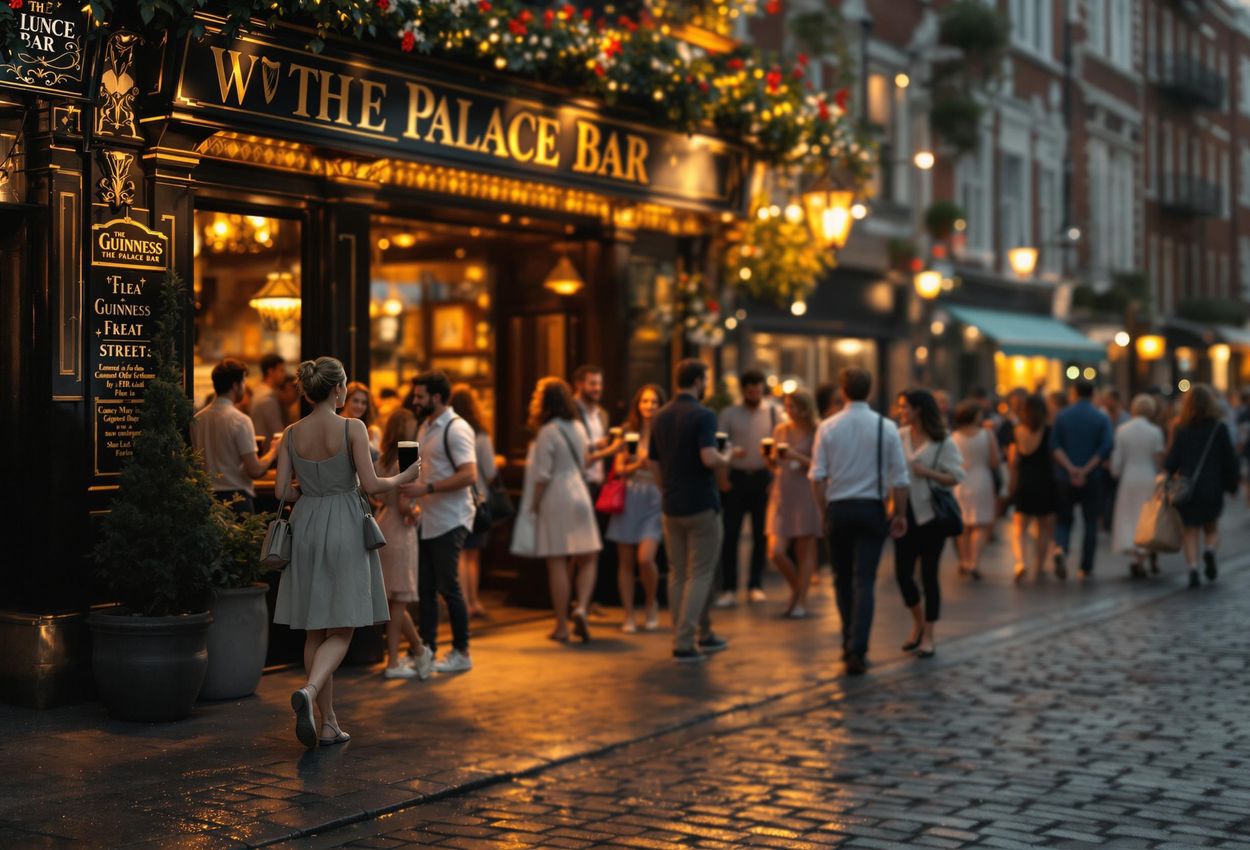
The Palace Bar on Fleet Street is perhaps the most iconic of Dublin's literary pubs. Since 1843, it has been a haven for writers, journalists, and artists, including such luminaries as Brendan Behan and Patrick Kavanagh. The pub's snug, with its stained-glass windows and cozy atmosphere, provided a refuge for these creative souls.
Local Tip: The Palace Bar is still owned by the descendants of the original owner, and they have maintained its authentic character. It's a great place to experience a traditional Dublin pub.
The Palace Bar was also home to the Underground Poetry Club, a group of poets who met regularly to share their work and critique each other's verses. The club provided a platform for emerging voices and helped to shape the landscape of Irish poetry.
Another notable literary pub is Neary's, a favorite of Flann O'Brien and other writers. With its ornate décor and theatrical ambiance, Neary's exudes a sense of old-world glamour. It's a place where one can imagine witty banter and lively discussions filling the air.
As Brendan Behan famously said, I only drink on two occasions – when I'm thirsty and when I'm not. This sentiment captures the spirit of Dublin's literary pubs, places where writers found solace, inspiration, and camaraderie.
Dublin's Literary Museums: A Treasure Trove of Words
For those seeking a deeper immersion into Dublin's literary heritage, the city's museums offer a treasure trove of artifacts, exhibits, and insights. These museums celebrate the lives and works of Ireland's most celebrated writers, providing a window into their creative processes and their impact on the world.
The Museum of Literature Ireland (MoLI), located in a beautifully restored Georgian building, is a must-visit for any book lover. The museum's immersive exhibits explore the history of Irish literature, from its ancient roots to its contemporary voices. Artifacts on display include manuscripts, letters, and personal belongings of famous Irish writers.
The James Joyce Centre on North Great George's Street offers a comprehensive look at the life and work of the author of Ulysses. The center features exhibitions, walking tours, and lectures, providing a deeper understanding of Joyce's literary genius and his connection to Dublin.
Another notable museum is the Dublin Writers Museum on Parnell Square, which celebrates the contributions of Irish writers from across the centuries. The museum's collection includes portraits, manuscripts, and first editions, offering a glimpse into the world of Irish literature.

Contemporary Voices: Interview with a Modern Irish Writer
To gain a perspective on Dublin's contemporary literary scene, we spoke with Niall Williams, an acclaimed Irish novelist and playwright. Williams's works explore themes of love, loss, and the human connection, often set against the backdrop of the Irish landscape.
When asked about his influences, Williams cites Seamus Heaney and John McGahern as key figures in his development as a writer. He admires their ability to capture the nuances of Irish life and their lyrical use of language.
Williams's writing process involves a deep immersion into the world of his characters. He often spends months researching and outlining before he begins to write, allowing the story to unfold organically. His most recent novel, Time of the Child, won the Kerry Group Irish Novel of the Year Award in 2025.
Regarding Dublin's literary heritage, Williams believes that the city's rich history and its vibrant culture continue to inspire writers today. He sees Dublin as a place where stories are valued and where writers can find a supportive community.

Bookshops of Dublin: From Rare Editions to Modern Gems
Our literary exploration concludes with a visit to Dublin's unique bookshops, havens for bibliophiles seeking rare editions, modern gems, and everything in between. These bookshops are more than just places to buy books; they are cultural hubs, where readers can discover new authors, connect with fellow book lovers, and immerse themselves in the world of literature.
Hodges Figgis on Dawson Street is one of the oldest bookshops in the world, dating back to 1768. The shop's grand interior, with its towering shelves and ornate details, exudes a sense of history and tradition. Hodges Figgis boasts an extensive collection of Irish literature, as well as rare editions and antiquarian books.
The Winding Stair, known for its mix of new and second-hand books, is another Dublin institution. The shop's quirky interior, with its winding staircase and cozy nooks, invites exploration and discovery. The Winding Stair also hosts literary events and readings, fostering a sense of community among book lovers.
Connolly Books on Essex Street is a go-to for radical books, offering a selection of political theory, social commentary, and alternative perspectives. The shop's knowledgeable staff and its commitment to social justice make it a unique and valuable resource for the Dublin community.
For collectors of rare and antiquarian books, Ulysses Rare Books on Duke Street is a must-visit. The shop's collection includes first editions of famous Irish novels, as well as historical documents and literary ephemera.

Dublin's literary landscape is a rich tapestry woven from the threads of history, culture, and imagination. From the iconic landmarks immortalized by Joyce to the cozy pubs where writers found solace, the city offers a unique pilgrimage for book lovers. As we conclude our journey, we carry with us a deeper appreciation for the power of words and the enduring legacy of Dublin's literary giants.