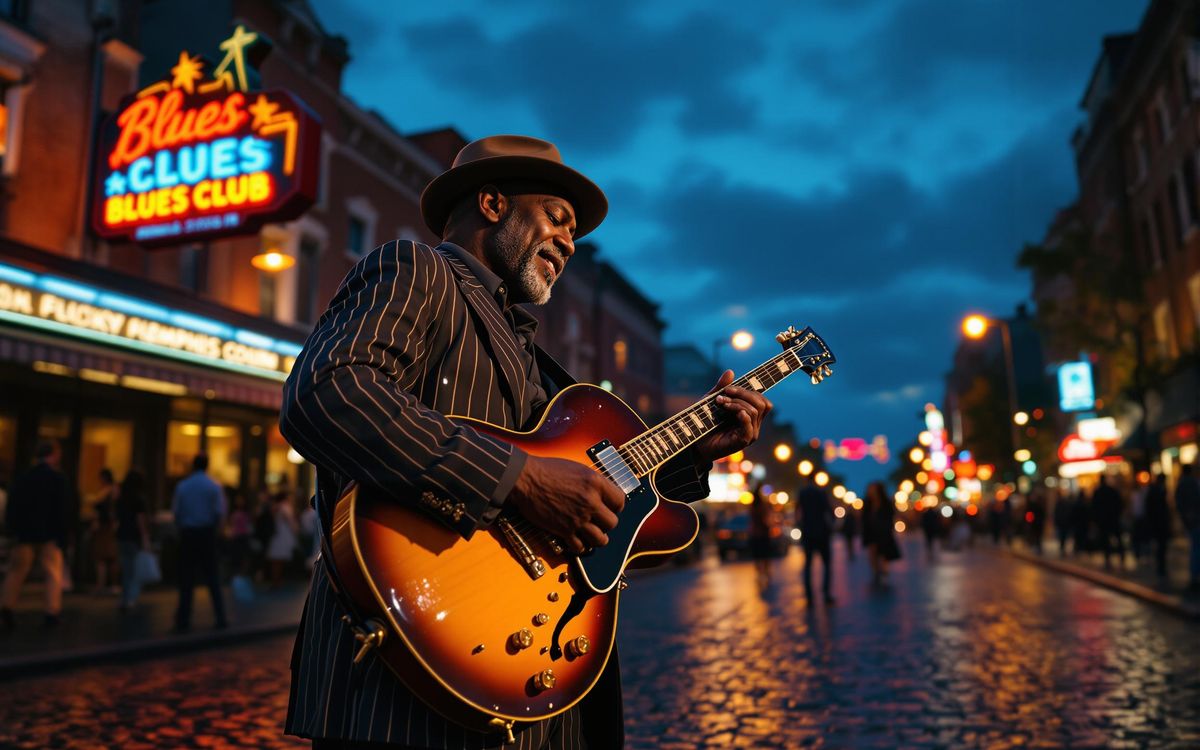
Embark on a sonic pilgrimage to the hallowed grounds where music legends were born, and genres were forged. From the soulful Mississippi Delta to the electrifying streets of London, experience the vibrant cultures that birthed the sounds that resonate through generations.
Mississippi Delta Blues: Where it All Began
The journey begins in the heart of the Mississippi Delta, a land of fertile soil and deep-seated sorrow, where the blues first took root. This is where the story of American music, as we know it, truly begins, a testament to the resilience and creativity of the African American community in the face of immense hardship. The Delta's flat, expansive landscape, once dominated by cotton fields, echoes with the echoes of field hollers and work chants, the raw, emotive expressions of enslaved people and sharecroppers that formed the bedrock of the blues.
Our first stop is Clarksdale, a town steeped in blues history. Here, the Delta Blues Museum stands as a repository of blues artifacts, housing treasured memorabilia from legendary figures like Muddy Waters, B.B. King, and Charlie Patton. The museum offers a profound insight into the lives and legacies of these pioneers, showcasing their instruments, clothing, and personal effects, each telling a story of struggle, perseverance, and musical innovation.
A short drive from Clarksdale lies the legendary crossroads of Highways 61 and 49, immortalized in Robert Johnson's haunting tale of a deal with the devil. While the exact location of this mythical meeting is debated, the crossroads symbolizes the profound choices and sacrifices that blues musicians often faced in their pursuit of musical mastery. The intersection is marked by a monument featuring three giant blue guitars, a visual testament to the enduring legend.
No exploration of the Delta blues is complete without a visit to Dockery Plantation, considered by many to be the very birthplace of the blues. This sprawling cotton plantation, once home to countless African American laborers, provided fertile ground for the development of the genre. Blues luminaries like Charley Patton, Robert Johnson, and Howlin' Wolf all spent time at Dockery, shaping and refining their craft in the crucible of Delta life. While the plantation no longer operates as it once did, its historical significance remains palpable, a reminder of the complex social and economic forces that gave rise to this uniquely American art form.
The Mississippi Blues Trail offers a comprehensive guide to the region's rich musical heritage, with markers dotting the landscape, each commemorating a significant person, place, or event in blues history. Be sure to stop at the Highway 61 Blues marker at the Gateway to the Blues Museum in Tunica, which highlights the importance of the “blues highway” in spreading the music through the Delta and beyond. Along the trail, juke joints, those ramshackle establishments that served as social hubs and performance venues for blues musicians, still stand as testaments to the music's enduring appeal.
To truly understand the blues, one must immerse oneself in the Delta's atmosphere, feeling the weight of its history and the echoes of its music. It is a journey that touches the soul, a reminder of the power of music to transcend hardship and express the deepest human emotions.

New Orleans: The Cradle of Jazz
From the Mississippi Delta, we journey south to New Orleans, Louisiana, the birthplace of jazz, a city where music permeates every street corner and echoes through the historic buildings. New Orleans' unique cultural heritage, a melting pot of African, European, and Caribbean influences, created the perfect environment for this innovative and improvisational art form to flourish.
Our exploration begins at Louis Armstrong Park in the Tremé neighborhood, a tribute to the city's most beloved musical son. Armstrong's legacy is inextricably linked to the origins of jazz, and the park serves as a gathering place for musicians and music lovers alike. Stroll through the park's lush greenery, listening to the sounds of street musicians and soaking in the vibrant atmosphere.
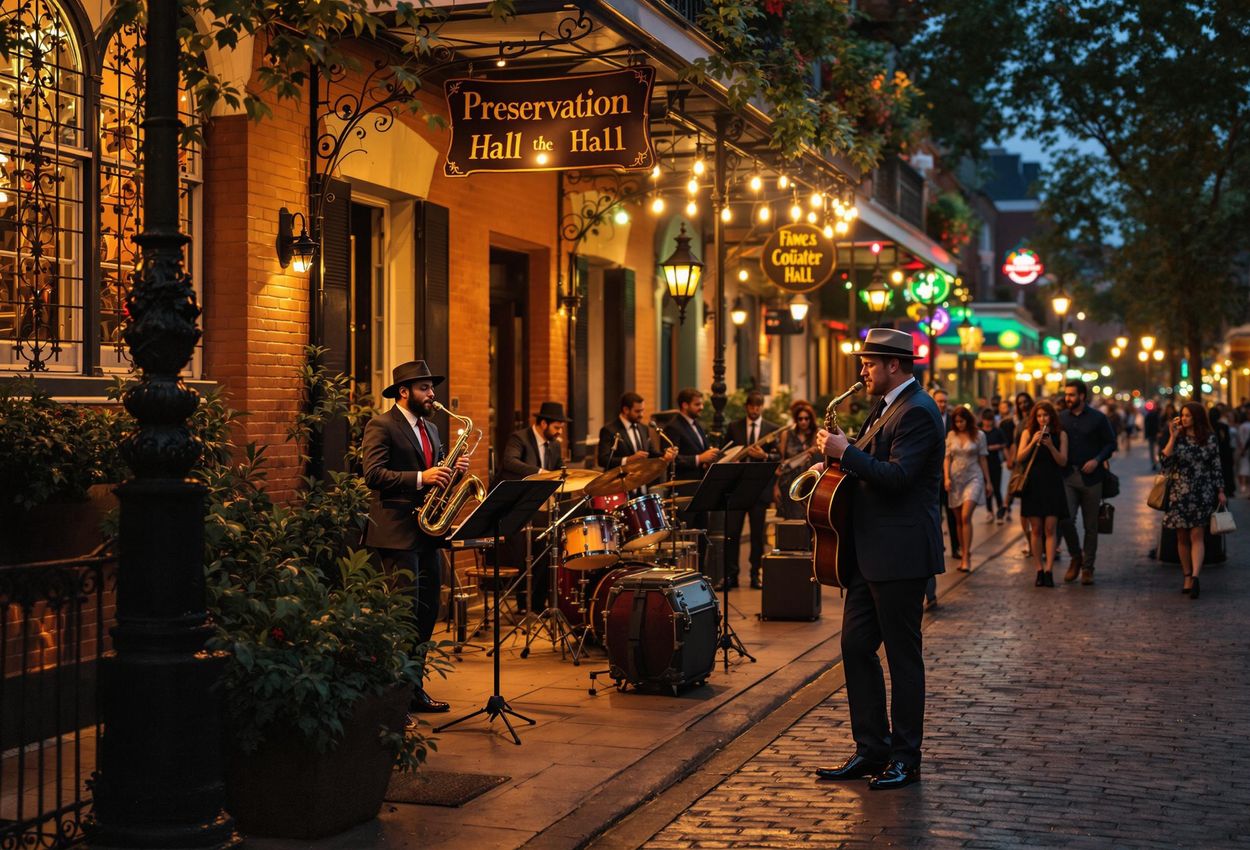
A short walk from Armstrong Park takes us to the French Quarter, the heart of New Orleans' historic district. Here, amidst the wrought-iron balconies and colorful facades, lies Preservation Hall, a legendary venue dedicated to preserving traditional New Orleans jazz. Step inside this intimate space and experience the timeless sounds of jazz masters, carrying on the legacy of the genre's pioneers.
Just a few blocks away is Congo Square, a site of immense historical and cultural significance. In the 18th and 19th centuries, this square served as one of the primary places where enslaved Africans and free people of color could gather on Sundays to play music, dance, and celebrate their heritage. The rhythms and melodies that reverberated through Congo Square played a crucial role in the development of jazz, blending African traditions with European instrumentation.
For a taste of contemporary New Orleans jazz, head to Frenchmen Street, a vibrant thoroughfare lined with music clubs and bars. Here, you can experience live jazz performances every night of the week, from traditional ensembles to cutting-edge experimental groups. The energy on Frenchmen Street is infectious, a testament to the city's enduring love affair with jazz.
To delve deeper into the history of jazz, visit the New Orleans Jazz Museum, located in the historic Old U.S. Mint. The museum's exhibits showcase the evolution of jazz, from its roots in the African American community to its global influence. Interactive displays, historical artifacts, and musical performances bring the story of jazz to life.
New Orleans is more than just a city; it's an experience. The sights, sounds, and flavors of this unique metropolis create an immersive environment that celebrates the spirit of jazz. From the historic landmarks to the vibrant music scene, New Orleans offers a journey into the heart of American musical innovation.
Memphis: Rock 'n' Roll's Electric Roots
Our musical journey continues to Memphis, Tennessee, a city that played a pivotal role in the birth of rock and roll. Memphis, a melting pot of blues, country, and gospel influences, provided the spark that ignited the rock and roll revolution.
Our first stop is Sun Studio, the legendary recording studio where Elvis Presley, Johnny Cash, Jerry Lee Lewis, and Carl Perkins launched their careers. Step inside this unassuming building and feel the echoes of music history. Tours of Sun Studio offer a glimpse into the early days of rock and roll, showcasing the equipment and techniques that shaped the sound of a generation.
From Sun Studio, we head to Graceland, the iconic mansion of Elvis Presley. Graceland is more than just a house; it's a shrine to the King of Rock and Roll, offering a glimpse into his life, his music, and his cultural impact. Explore the mansion's opulent rooms, adorned with Elvis's personal belongings, and wander through the sprawling grounds, which include museums showcasing his cars, costumes, and memorabilia.
A visit to Beale Street is essential for any rock and roll pilgrimage. This historic street, a hub of blues and early rock and roll activity, was once home to legendary performers like B.B. King, Muddy Waters, and Louis Armstrong. Today, Beale Street remains a vibrant entertainment district, with live music venues, restaurants, and shops that celebrate the city's musical heritage.
To broaden our understanding of Memphis's musical contributions, we visit the Stax Museum of American Soul Music. Stax Records, a rival to Motown, played a crucial role in the development of soul music, launching the careers of Otis Redding, Isaac Hayes, the Staple Singers, and many others. The museum's exhibits showcase the history of Stax Records, highlighting its impact on American culture and its role in the Civil Rights movement.
While not in Memphis, a trip to the Rock & Roll Hall of Fame in Cleveland, Ohio is a must for any rock enthusiast. This museum celebrates the history of rock music, honoring the artists, producers, and engineers who have shaped the genre. Exhibits showcase iconic instruments, costumes, and memorabilia, offering a comprehensive overview of rock's evolution.
Memphis is a city that pulsates with the energy of rock and roll. From the hallowed halls of Sun Studio to the vibrant streets of Beale, Memphis offers an unforgettable journey into the heart of American music.

Chicago: Electric Blues and Urban Soundscapes
From Memphis, we travel north to Chicago, Illinois, a city that transformed the blues into an electric force. Chicago, a major destination for African Americans during the Great Migration, provided a fertile ground for the evolution of the blues, infusing it with an urban sensibility and amplifying its raw power.
Our exploration begins with Chess Records, a legendary recording studio that served as a home for blues giants like Muddy Waters, Howlin' Wolf, and Chuck Berry. Chess Records helped to shape the sound of electric blues, capturing the grit and energy of the Chicago music scene. Although the original building is no longer standing, its legacy lives on through the music it produced and the countless artists it influenced.
For an authentic Chicago blues experience, head to Buddy Guy's Legends, a renowned blues club owned by the legendary Buddy Guy. This intimate venue has hosted some of the biggest names in blues history, and it continues to showcase both established and up-and-coming artists. Enjoy live music, delicious Cajun cuisine, and the vibrant atmosphere that makes Buddy Guy's Legends a Chicago institution.
Chicago's urban environment profoundly shaped the sound of the blues. The Great Migration brought a wave of African Americans from the rural South to the industrial North, seeking economic opportunities and escaping racial segregation. The realities of city life, with its challenges and opportunities, infused the blues with a new sense of urgency and social commentary. Electric guitars, amplified vocals, and driving rhythms became the hallmarks of the Chicago blues sound, reflecting the energy and intensity of the urban experience.
The influence of Chicago blues on rock music cannot be overstated. British bands like the Rolling Stones, the Yardbirds, and Cream drew heavily from the Chicago blues tradition, adapting and amplifying its sound for a global audience. This cross-pollination of musical styles helped to solidify rock and roll's place in popular culture.
Chicago is a city where the blues lives and breathes. From the historic recording studios to the legendary music clubs, Chicago offers a visceral experience of the electric blues, a testament to the power of music to reflect and shape the urban landscape.

Detroit: Motown's Assembly Line of Dreams
Our journey continues to Detroit, Michigan, the heart of Motown Records, a label that revolutionized American music and culture. Motown, founded by Berry Gordy in 1959, broke down racial barriers and brought the sounds of African American artists to a global audience.
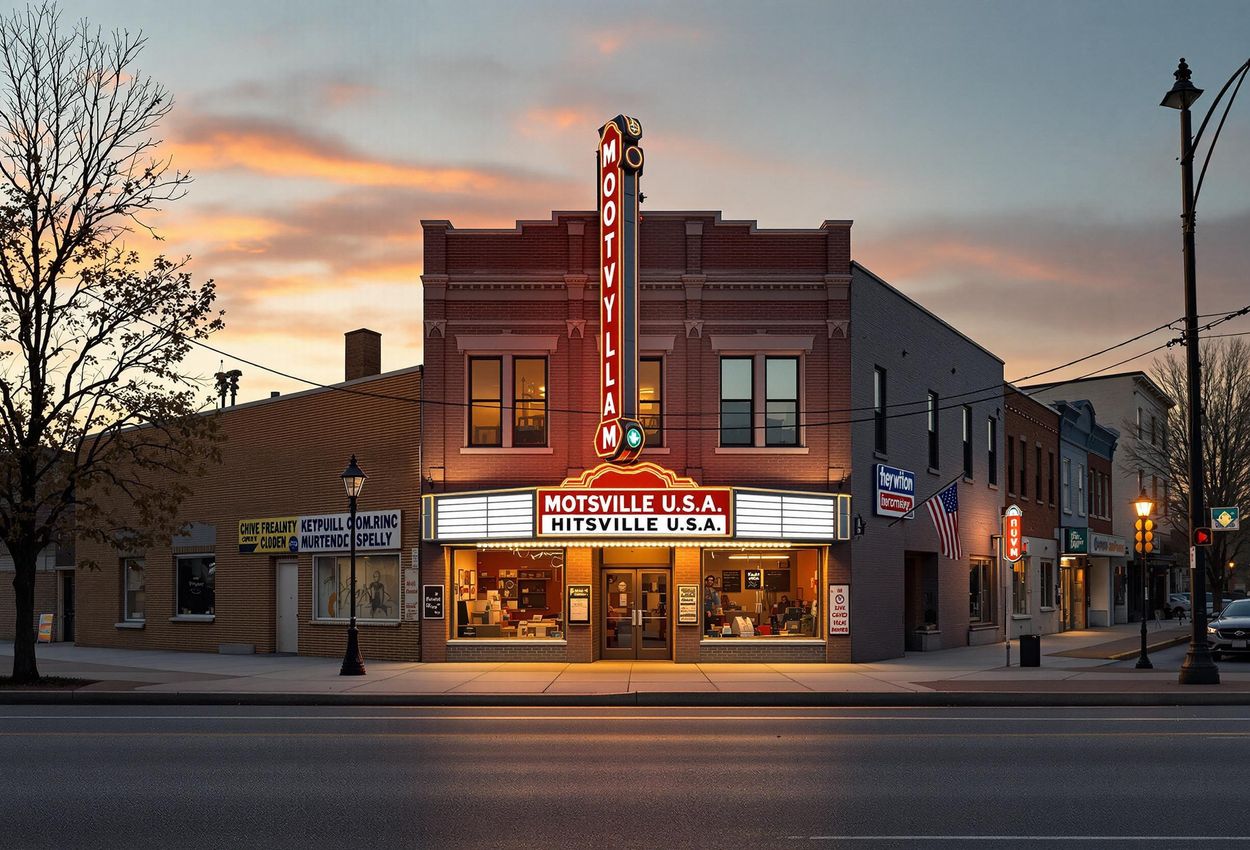
Our first stop is the Motown Museum, also known as Hitsville U.S.A., the original headquarters and recording studio of Motown Records. Step inside this unassuming house and feel the creative energy that permeated its walls. Tours of the Motown Museum offer a glimpse into the label's inner workings, showcasing Studio A, where countless hits were recorded, and the offices where Berry Gordy and his team crafted the Motown sound.
Berry Gordy's vision was to create music that appealed to a broad audience, transcending racial divides. He assembled a team of talented songwriters, producers, and musicians who developed the distinctive Motown sound: polished production, catchy melodies, sophisticated arrangements, and impeccable vocals. Artists like the Supremes, the Temptations, Marvin Gaye, Stevie Wonder, and the Jackson 5 became Motown's ambassadors, spreading its message of love, joy, and social change around the world.
Motown's impact on American culture is undeniable. The label's music not only topped the charts but also helped to break down racial barriers in the music industry and beyond. Motown artists became role models for young people of all backgrounds, demonstrating the power of talent, hard work, and perseverance.
Detroit is a city that celebrates the legacy of Motown. From the historic Hitsville U.S.A. to the countless stories of Motown artists, Detroit offers an inspiring journey into the heart of American musical innovation and cultural transformation.
London: British Invasion and Rock's Global Expansion
Our musical journey takes us across the Atlantic to London, England, a key city in the British Invasion, a phenomenon that saw British bands dominating the American music scene in the 1960s. London, a vibrant cultural hub with a rich musical history, provided the perfect launching pad for bands like the Beatles, the Rolling Stones, the Who, and the Kinks.
Our first stop is Abbey Road Studios, the legendary recording studio where the Beatles recorded most of their albums. Walk across the famous zebra crossing outside the studio, immortalized on the cover of the Beatles' Abbey Road album, and feel the echoes of music history. Tours of Abbey Road Studios offer a glimpse into the studio's inner workings, showcasing the equipment and techniques that shaped the sound of the Beatles and countless other artists.
From Abbey Road, we head to Carnaby Street, a symbol of the swinging sixties and British rock fashion. This pedestrianized shopping street, lined with boutiques and music shops, was once the epicenter of London's youth culture. Stroll down Carnaby Street and imagine the vibrant atmosphere of the 1960s, when fashion, music, and art collided to create a cultural revolution.
For a taste of London's live music scene, visit the Troubadour, a legendary venue where Bob Dylan, Jimi Hendrix, and countless other iconic musicians performed. This intimate club has a long and storied history, serving as a launching pad for many of the biggest names in rock music.
The impact of British bands on American rock music is undeniable. The Beatles, with their innovative songwriting, their infectious melodies, and their charismatic personalities, sparked a cultural phenomenon that swept across the globe. The Rolling Stones, with their raw energy, their blues-inspired sound, and their rebellious attitude, challenged the conventions of rock and roll. The Who, with their powerful instrumentation, their explosive stage presence, and their ambitious concept albums, pushed the boundaries of rock music.
London is a city that celebrates the legacy of British rock. From the historic Abbey Road Studios to the vibrant streets of Carnaby, London offers an unforgettable journey into the heart of a musical revolution that transformed the world.

Los Angeles: From Sunset Strip to Stadium Rock
Our final destination is Los Angeles, California, a city synonymous with rock and roll excess and innovation. Los Angeles, a sprawling metropolis with a diverse population and a thriving entertainment industry, has been a breeding ground for musical creativity for decades.
Our exploration begins on the Sunset Strip, a legendary stretch of road that has been home to countless rock clubs and music venues. The Whiskey a Go Go, the Rainbow Bar and Grill, and the Viper Room are just a few of the iconic establishments that have hosted some of the biggest names in rock history. Stroll down the Sunset Strip and feel the echoes of rock and roll's wild and rebellious past.
From the Sunset Strip, we head to Capitol Records, an iconic recording studio that has shaped the sound of California rock. This circular building, a landmark of Hollywood architecture, has been home to countless legendary recordings, from the Beach Boys' surf rock anthems to Guns N' Roses' hard rock epics.
For a taste of Los Angeles's live music scene, visit the Hollywood Bowl, a historic amphitheater that has hosted countless rock legends. This outdoor venue, nestled in the Hollywood Hills, offers a magical setting for concerts under the stars. From the Beatles to the Rolling Stones to Jimi Hendrix, the Hollywood Bowl has been graced by some of the biggest names in rock history.
Los Angeles has been at the forefront of rock music's evolution, from the surf rock of the Beach Boys to the hard rock of Guns N' Roses to the alternative rock of Red Hot Chili Peppers. The city's diverse musical landscape and its thriving entertainment industry have fostered a culture of innovation and experimentation, making it a hub for rock musicians from around the world.
Los Angeles is a city that celebrates the spirit of rock and roll. From the legendary Sunset Strip to the iconic Hollywood Bowl, Los Angeles offers an unforgettable journey into the heart of American musical innovation and cultural expression.